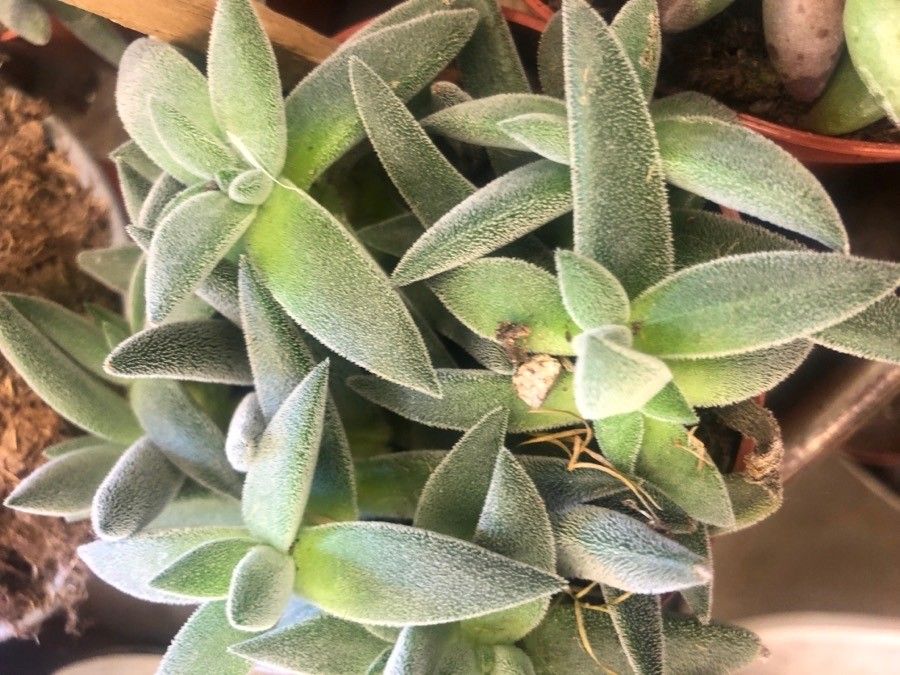
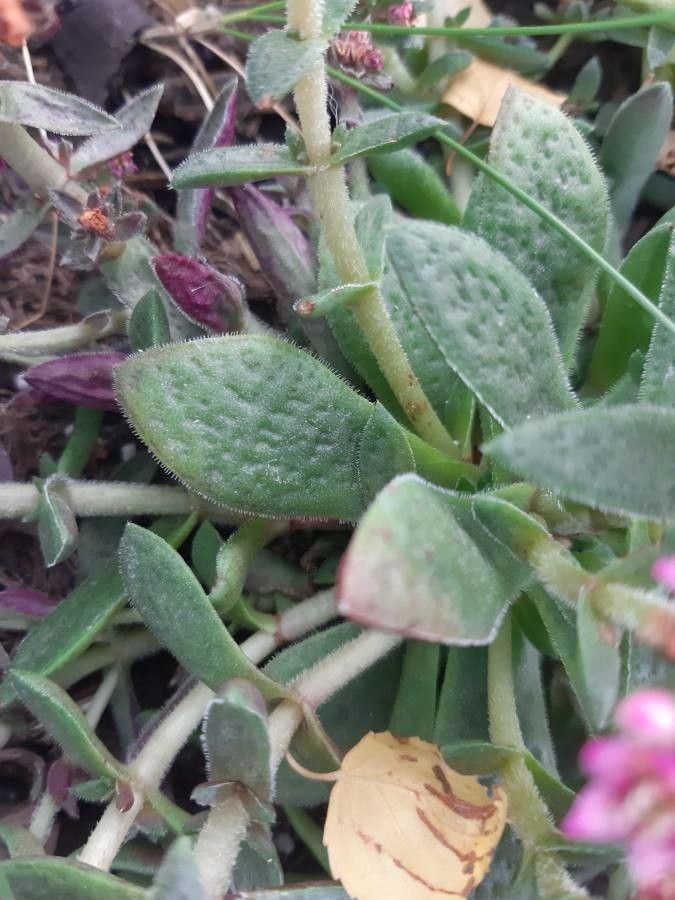
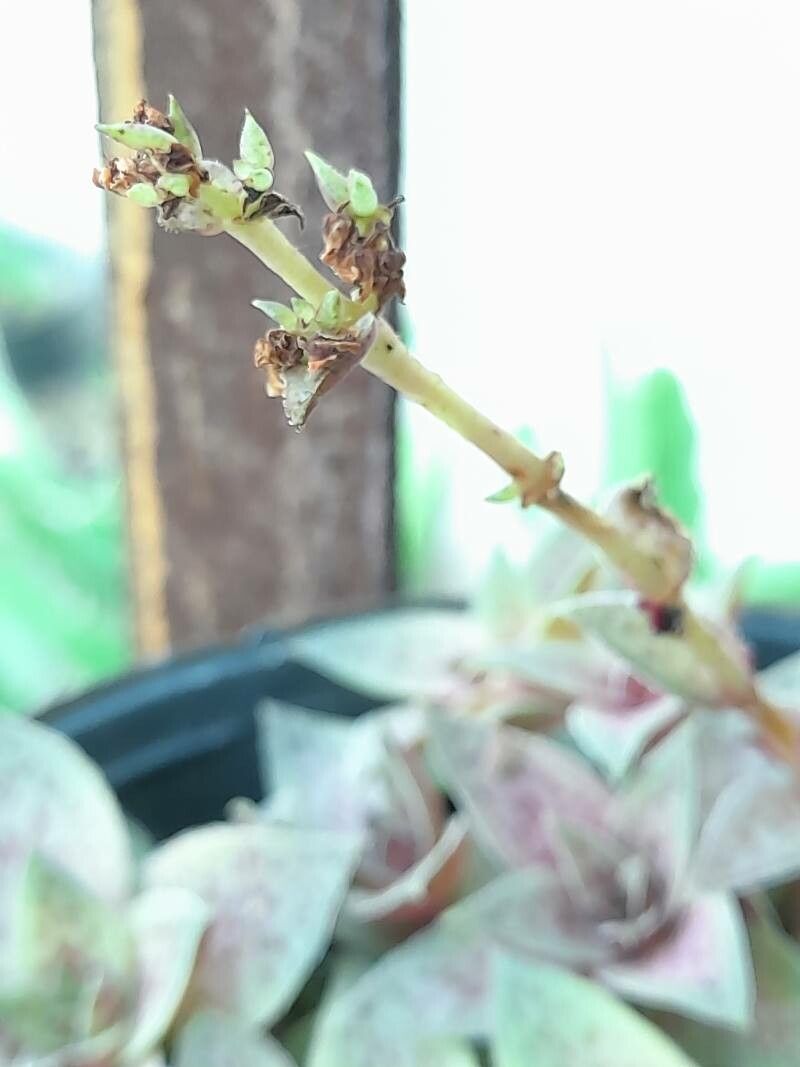
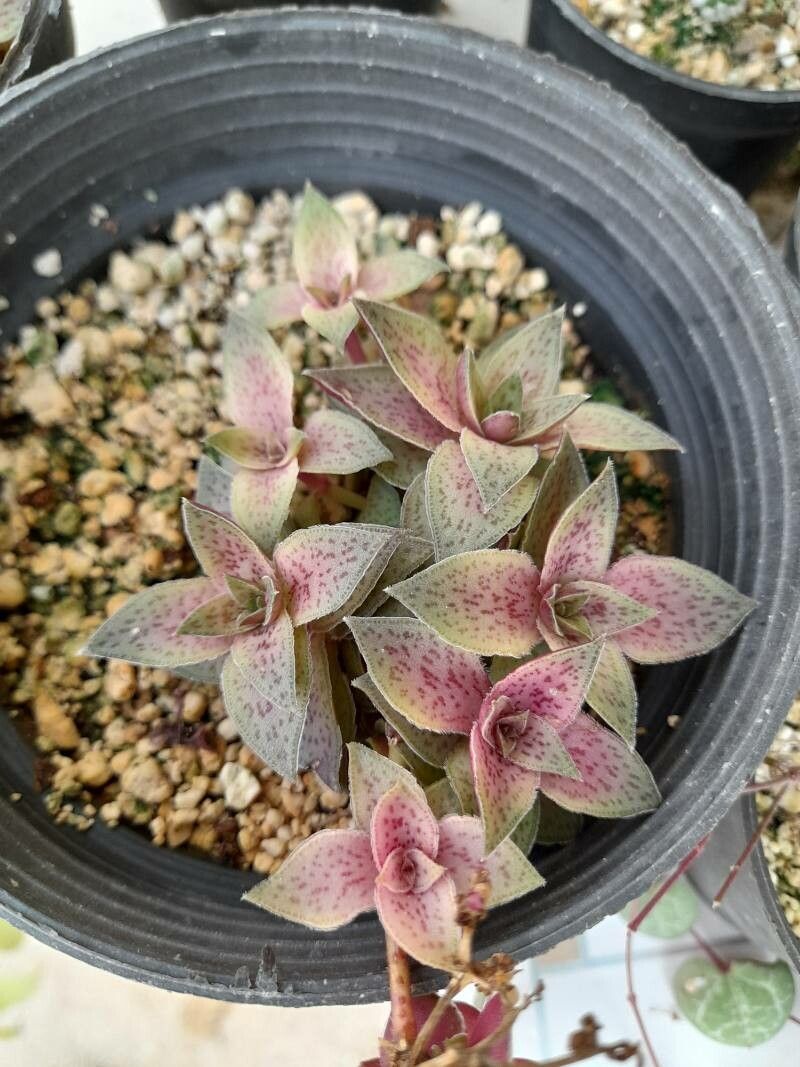
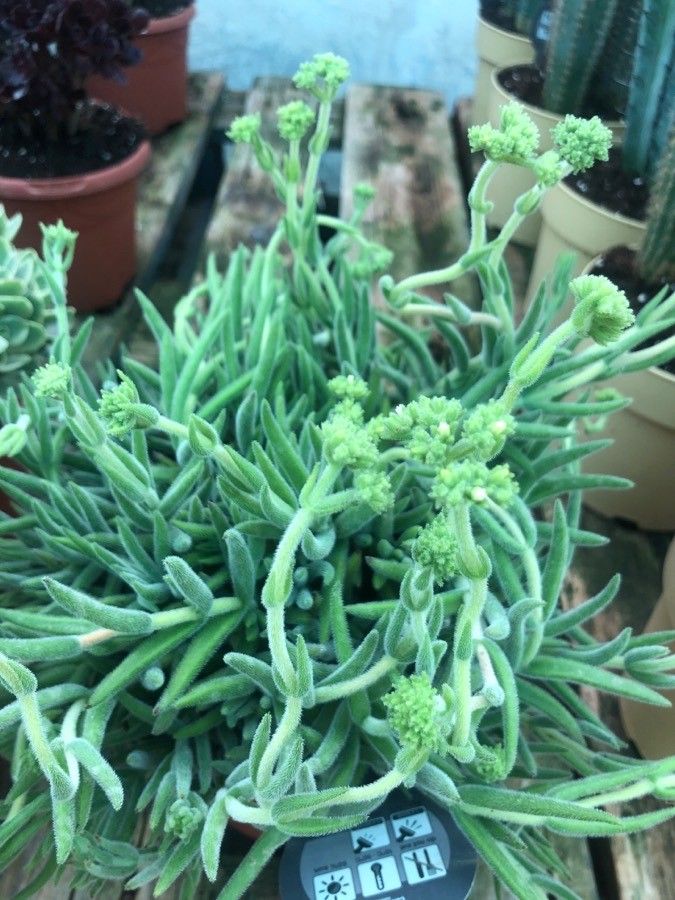
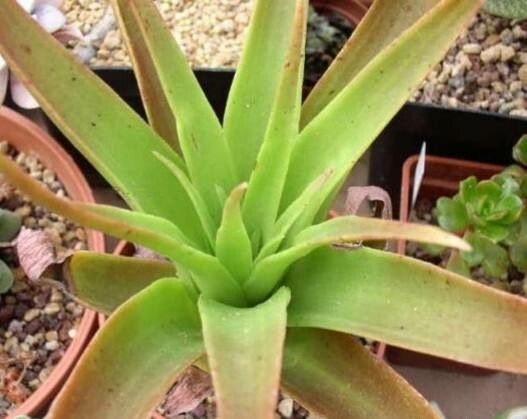
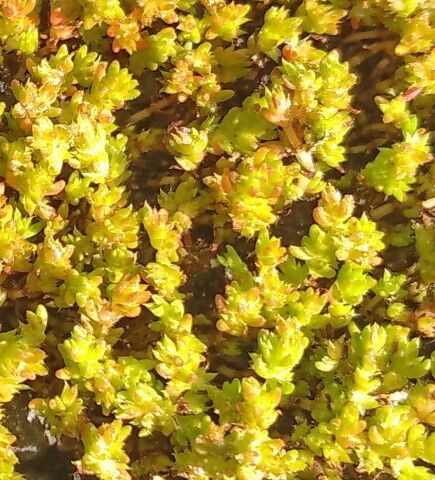
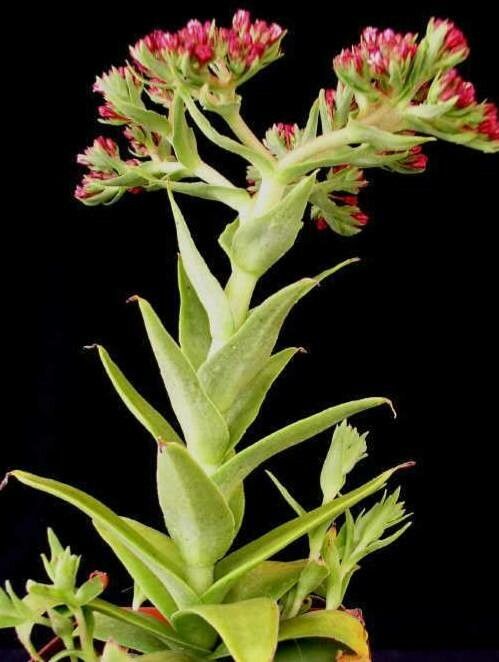
Crassula exilis is a small succulent plant belonging to the family Crassulaceae. Native to South Africa, it is commonly known as the "pocket crassula" because of its diminutive size and compact growth habit. The plant features thick, fleshy leaves arranged in a rosette pattern, green in color with distinctive red tips. The leaves are covered in fine hairs, giving them a velvety texture.
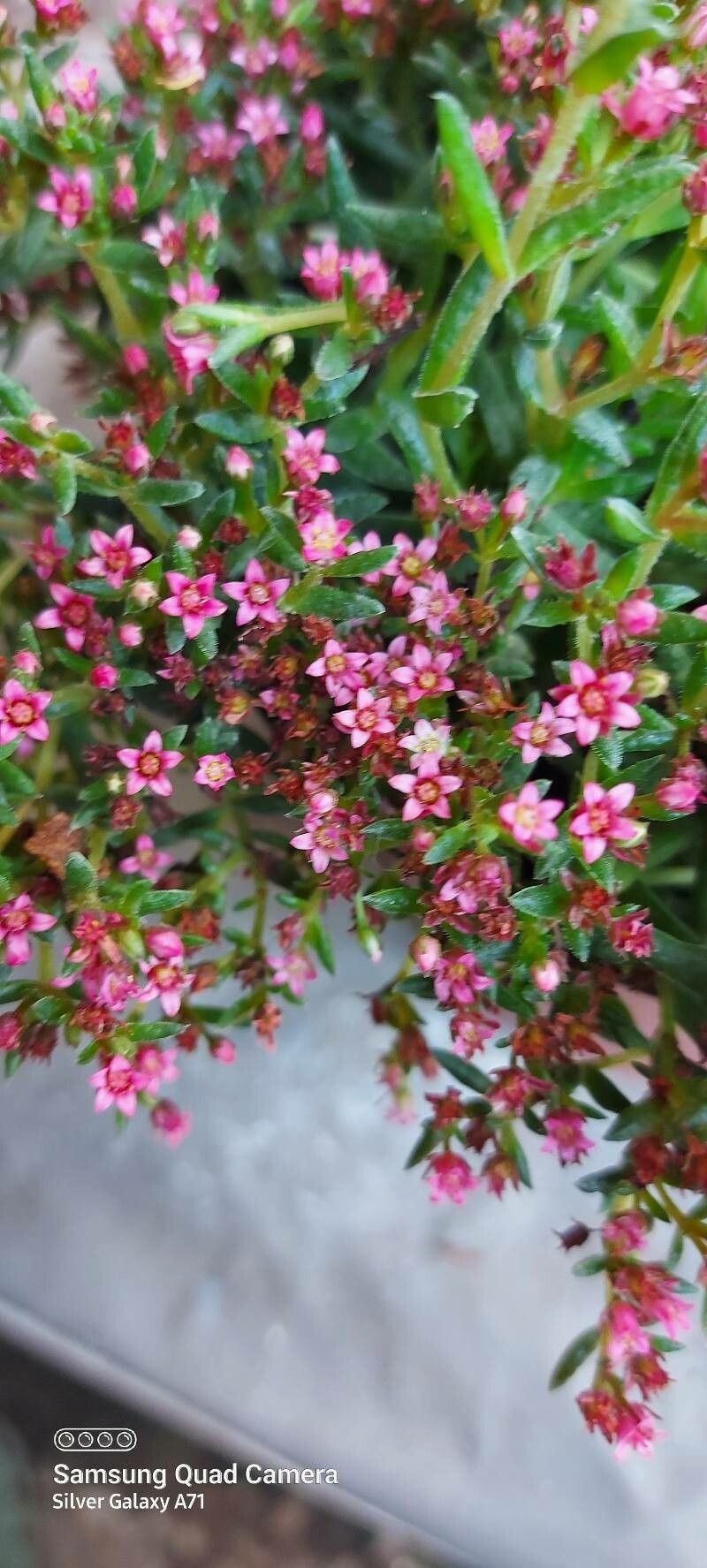
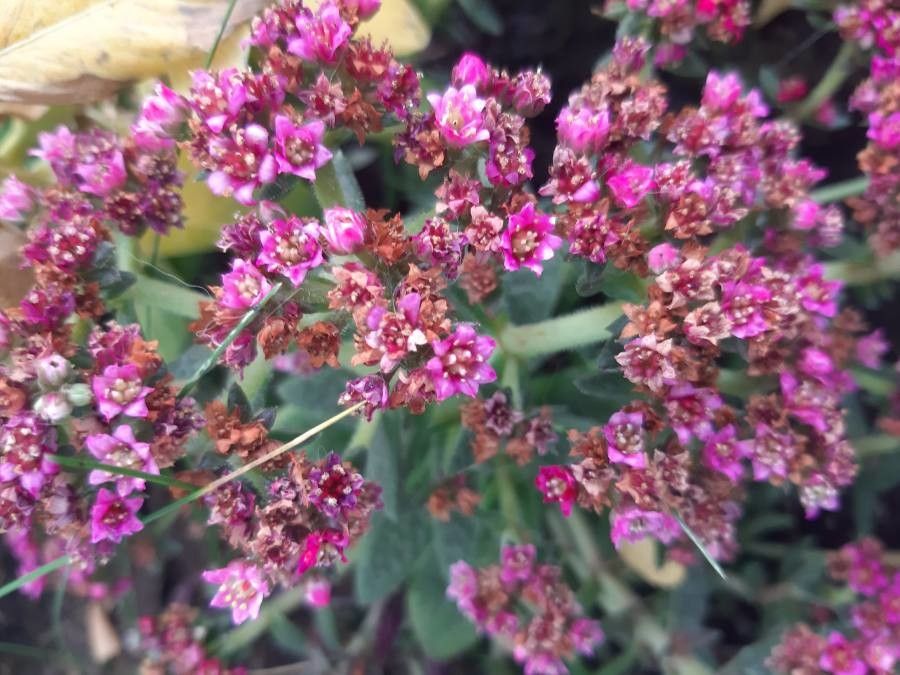
During the summer months, Crassula exilis produces small white or pink flowers on tall stems. Each flower has five petals and forms clusters at the top of the stem.
This plant is easy to care for and can be grown both indoors and outdoors, provided it receives plenty of sunlight. It prefers well-draining soil and should be watered sparingly during its growing season (spring through fall). Allow the soil to dry out completely between waterings.
Overall, Crassula exilis is an excellent addition to any succulent collection due to its unique appearance, ease of care, and ability to thrive in various growing conditions.
Crassula exilis has moderate disease resistance but is relatively sensitive to humidity. High humidity makes it more prone to illness, and it is susceptible to root rot during dormancy. For care, Crassula exilis tolerates drought yet requires increased watering in its growing season. Watering should be significantly reduced or halted entirely while it is dormant. This plant is best suited to growers with some experience, since it can be tricky to care for, particularly during the dormant period. It is especially appropriate for people who can spend time tending to it over the winter months.
How to keep Crassula Exilis.
Light
Native to arid regions, Crassula exilis thrives in full sun; its natural habitat features strong sunlight and minimal shade. It will also tolerate partial sun, giving it some adaptability in its growth.
Temperature
Although Crassula exilis can tolerate some heat, it mainly performs and grows during the cooler months and goes dormant in summer. In hot summer conditions, provide shade to avoid scorching from strong sunlight. Watering should be reduced or stopped during the hottest period to prevent root rot. Crassula exilis shows its most vigorous growth in winter and spring. If temperatures do not fall too low, it will continue to grow steadily.
Fertilizer
Crassula exilis needs only light fertilizer applications once or twice a year during the growing season. Do not fertilize in winter or during the summer dormancy. Use reduced fertilizer for plants that have been repotted and wait a couple of months after repotting before feeding. Fertilizing helps maintain healthy growth and promotes flowering.
Pot & Repot
When repotting Crassula exilis, choose a container slightly larger than the current pot that has good drainage. Use a gritty, well-draining succulent or cactus soil. Gently remove the plant from its old pot, brush off excess soil, and plant it at the same depth. Wait several days before watering to allow any root injuries to heal. Repot in spring or fall and place it in a brightly lit spot.
Botanical profile.
- Plant Type
- Succulent
- Life Cycle
- Perennial
- Genus
- Crassula
- Family
- Crassulaceae
- Hardiness Zone
- 9-11
- Mature Height
- 15 cm
- Mature Spread
- 40 cm
- Leaf Color
- Light Green, Pale Green
- Leaf Type
- Evergreen
- Flower Color
- White
- Flower Size
- 0.25 cm to 0.51 cm
- Bloom Time
- Mid spring, Late spring
- Planting Time
- Spring, Autumn
- Harvest Time
- Early summer, Mid summer
Other names.