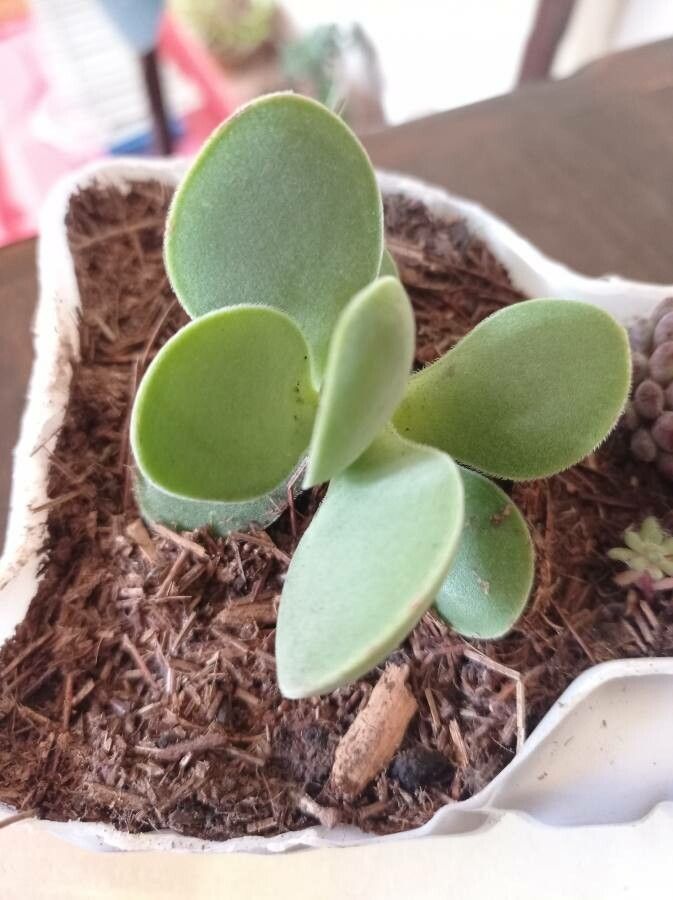
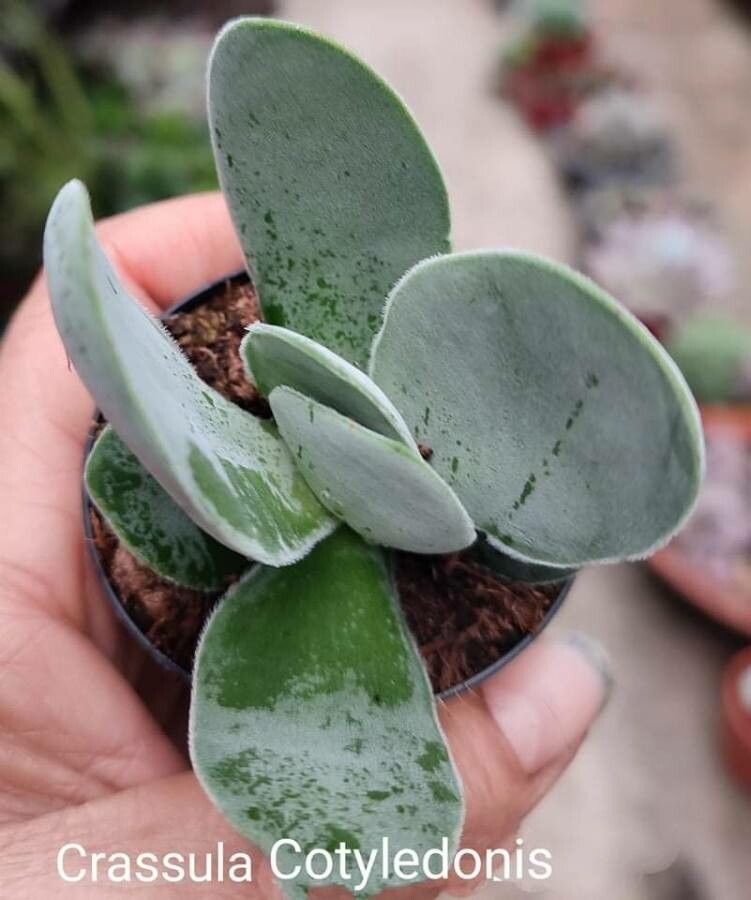
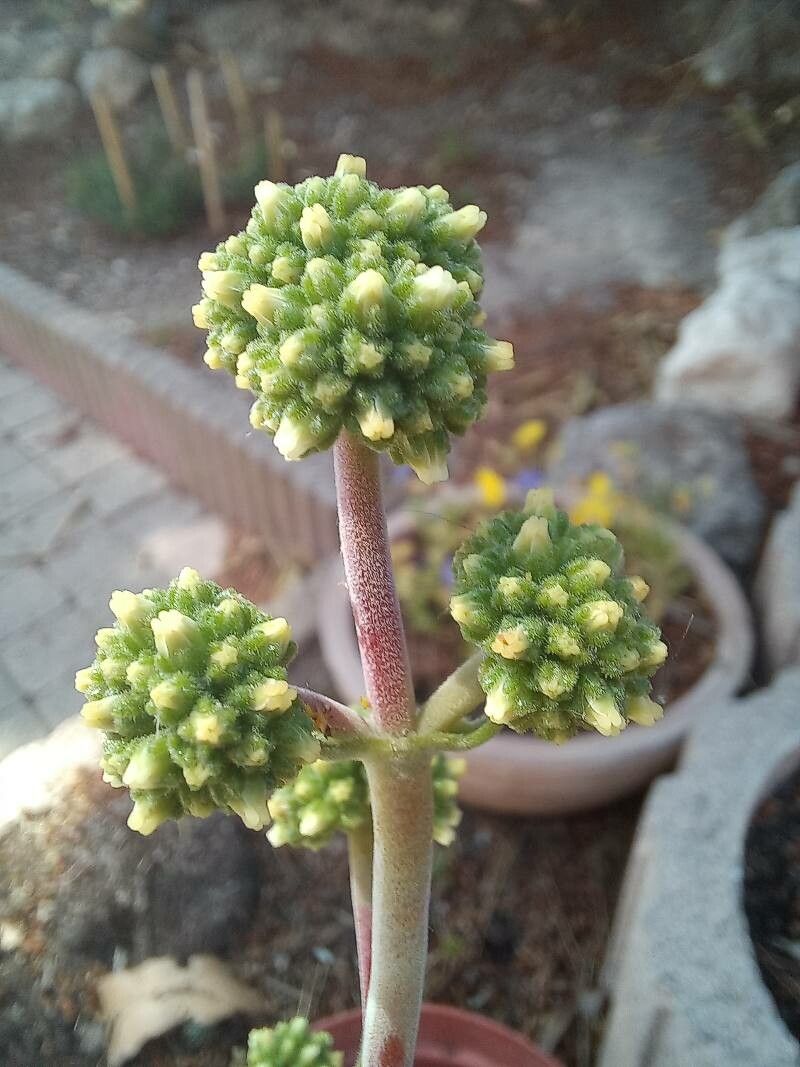
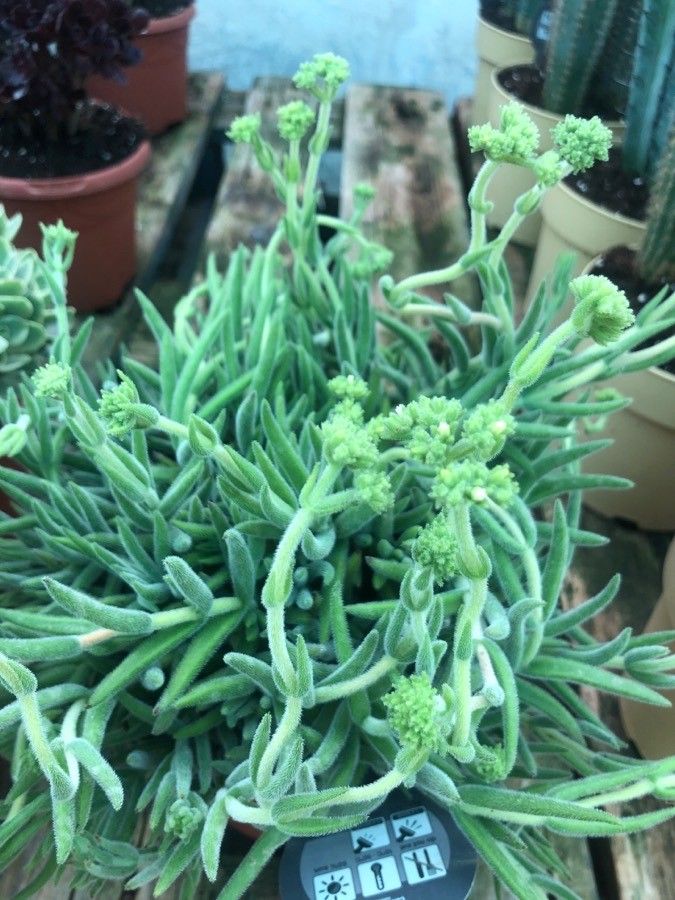
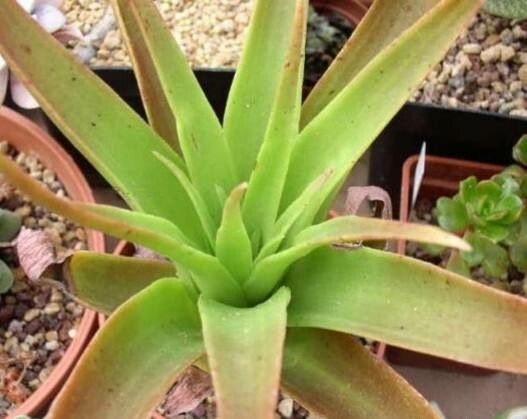
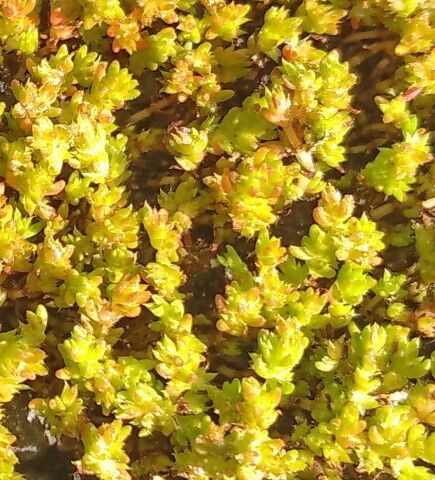
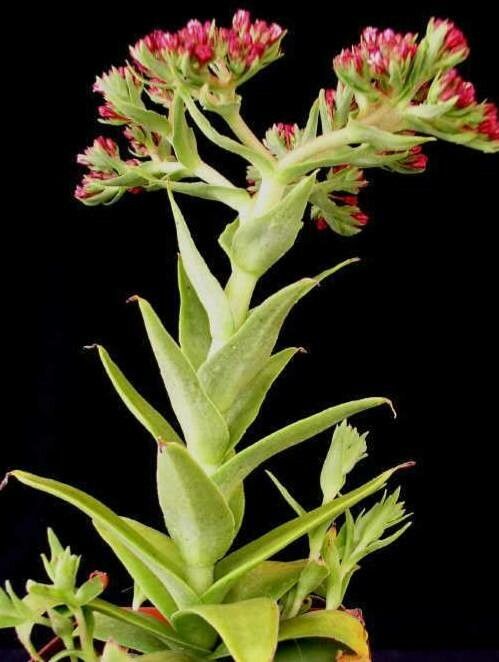
Crassula cotyledonis is a succulent plant endemic to the arid Namaqualand and Karoo regions of South Africa.
Crassula cotyledonis shows moderate disease resistance but is more sensitive to humidity. High humidity increases its susceptibility to disease, and it is liable to develop root rot during dormancy. Regarding care, Crassula cotyledonis tolerates drought yet requires more frequent watering in the growing season. Watering should be greatly reduced or stopped entirely while it is dormant. This plant is best suited to growers with some experience, as it can be challenging to care for, particularly during dormancy. It is especially appropriate for those who can devote time to its upkeep during the winter months.
How to keep Crassula Cotyledonis.
Light
Crassula cotyledonis comes from habitats with filtered light, such as the understory of forests or rocky sites that provide natural shade. It favors partial sunlight but can also tolerate full sun.
Water
Water Crassula cotyledonis according to its condition, the weather, and soil conditions, instead of following a strict schedule. During dormancy, reduce watering to once every 1-2 weeks. In the summer, water in the evening. Observe for signs of water stress and check the soil moisture to determine its watering needs. Adjust the frequency of watering based on the type of pot used and its drainage capability.
Temperature
Although Crassula cotyledonis can tolerate some heat, it mainly does best and grows in the cooler months, becoming dormant in summer. In very hot summer weather, shade should be provided to avoid leaf scorching from strong sun. Watering should be cut back or stopped during the hottest period to prevent root rot. Crassula cotyledonis shows vigorous growth in winter and spring, and provided temperatures do not fall too low, it will continue to grow steadily.
Fertilizer
For Crassula cotyledonis, light applications of fertilizer once or twice a year during the growing season are adequate. Do not fertilize in winter or summer when the plant is dormant. Use less fertilizer on repotted plants and wait a couple of months after repotting before fertilizing. Fertilizing helps maintain healthy growth and encourages blooms.
Pruning
Crassula cotyledonis is a succulent known for its fleshy, oval-shaped leaves and compact growth habit. To maintain its shape and health, it's best to prune the plant in early spring. Use clean and sterilized tools to trim and remove any dead leaves. This practice encourages fuller growth and improves airflow, which helps prevent rot and disease.
Botanical profile.
- Plant Type
- Succulent
- Life Cycle
- Perennial
- Genus
- Crassula
- Family
- Crassulaceae
- Hardiness Zone
- 9-11
- Mature Height
- 61 cm
- Mature Spread
- 61 cm
- Leaf Color
- Light Green, Pale Green
- Leaf Type
- Semi-evergreen
- Flower Color
- White
- Flower Size
- 0.51 cm to 1.02 cm
- Bloom Time
- Mid spring, Late spring
- Planting Time
- Spring, Summer, Autumn
- Harvest Time
- Early summer, Mid summer
- Native Area
- South Africa, Namibia
Other names.
Reader questions.
What is Crassula cotyledonis?
Crassula cotyledonis is a plant recognized for its unique characteristics, both in its common and botanical naming, the latter being the same as its common name. This particular species stands out in the Crassula genus but, based on the provided information, there are no specific details regarding its essentials, content, or symptoms associated with it, nor any additional anecdotes.