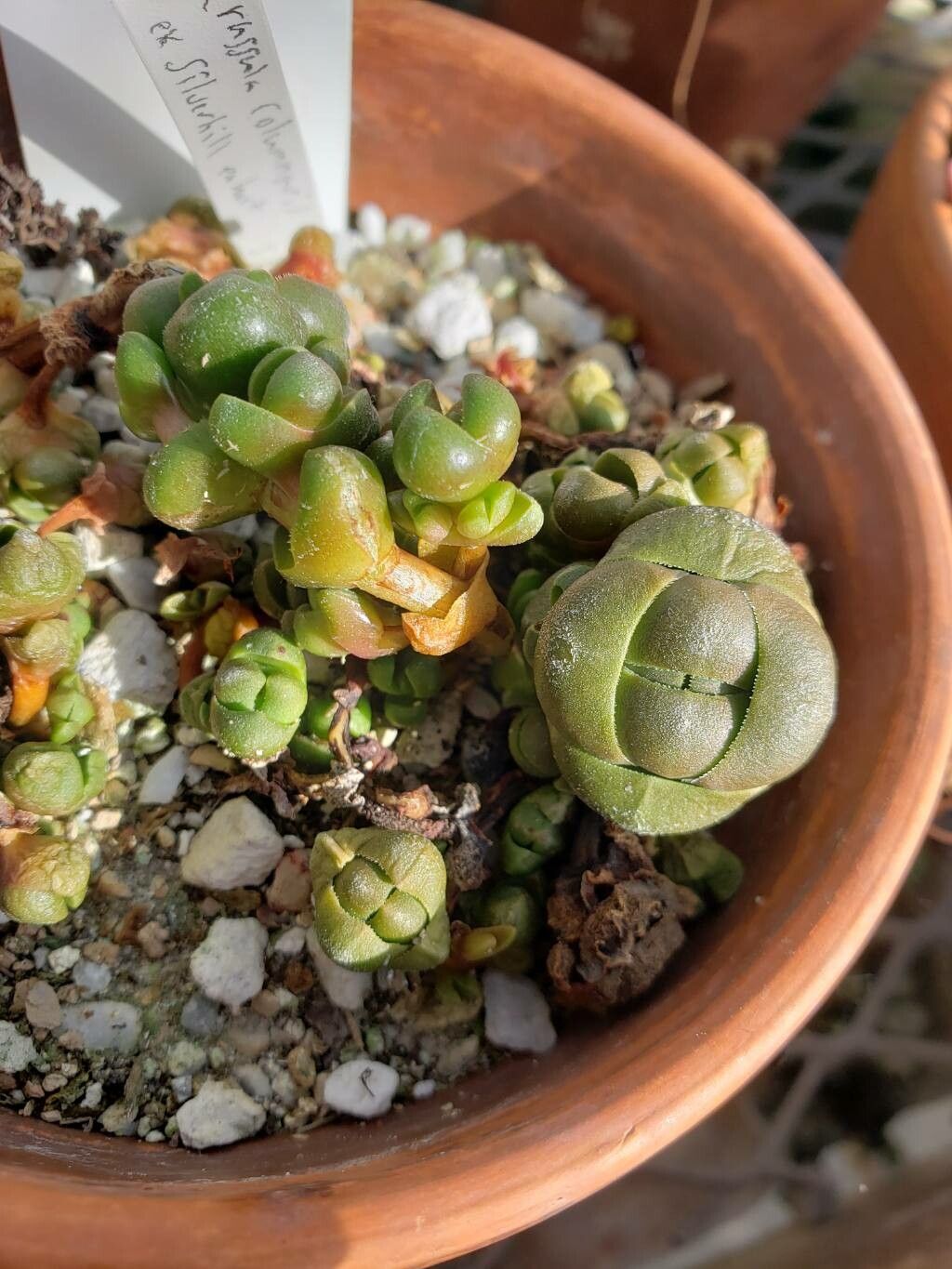
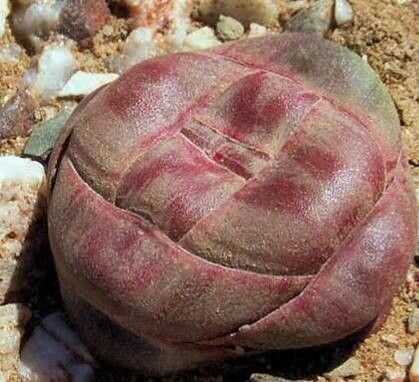
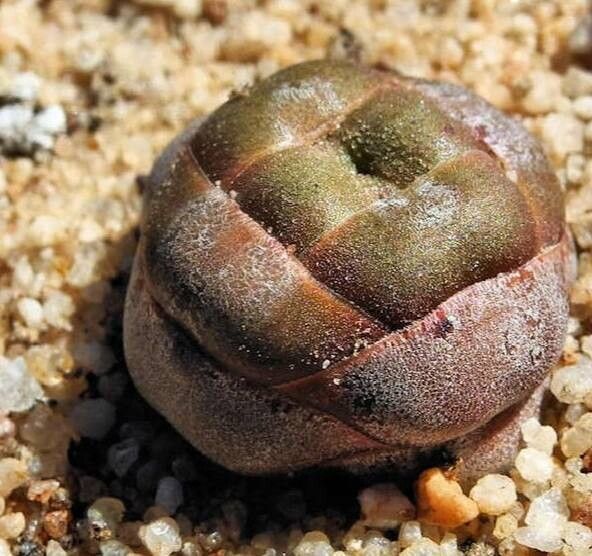
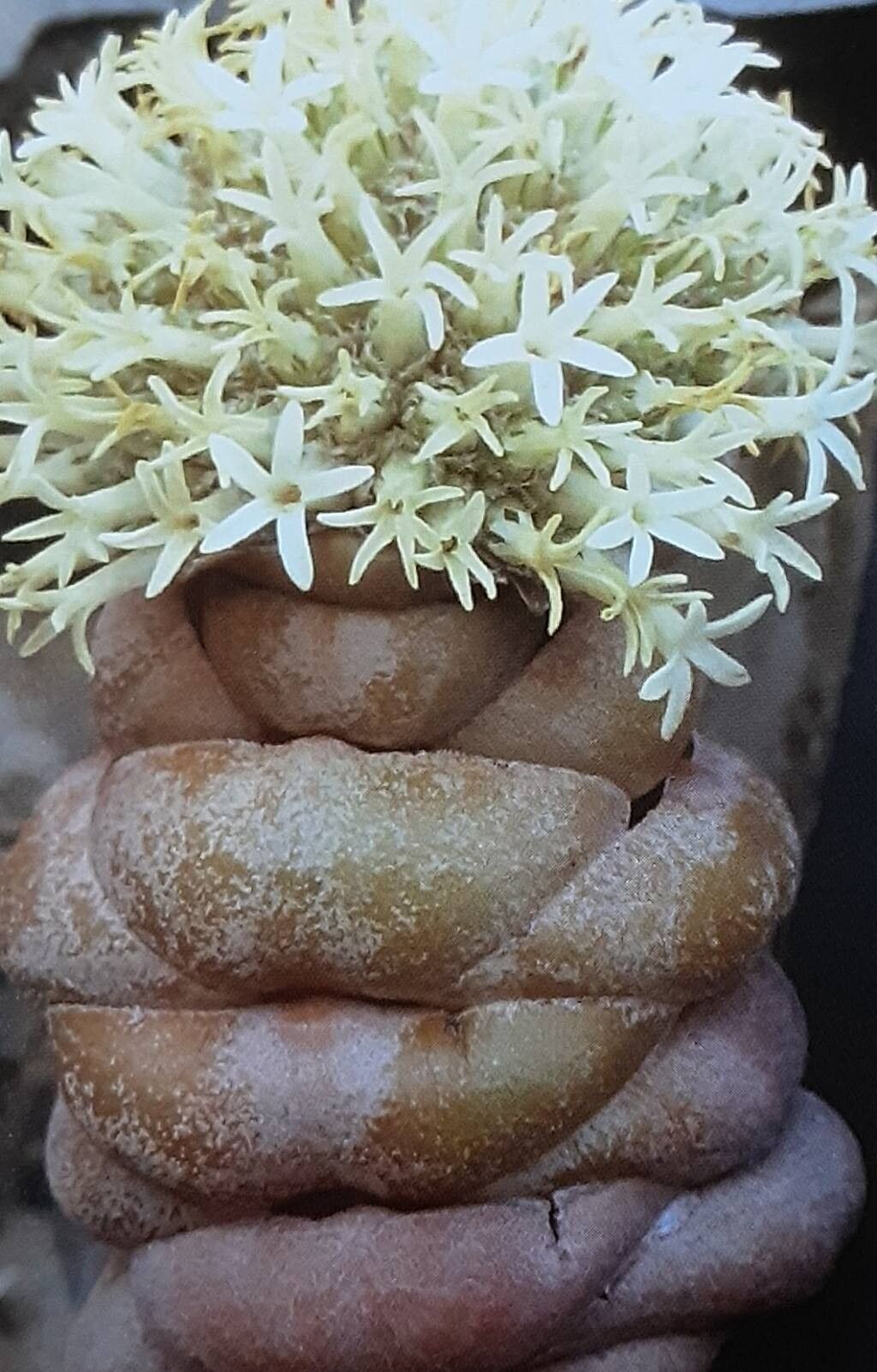
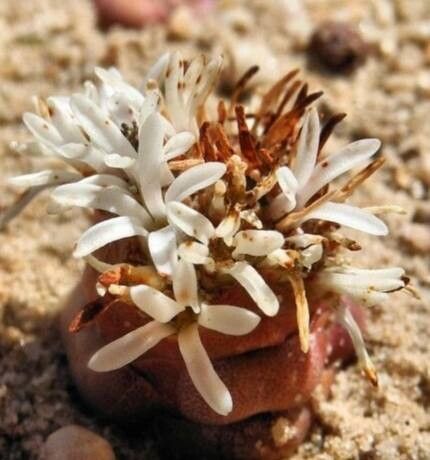
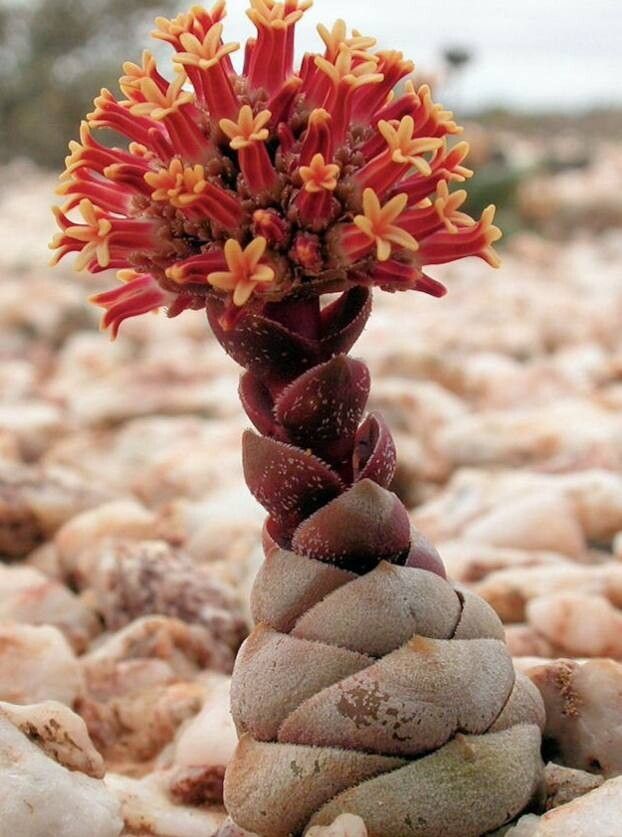
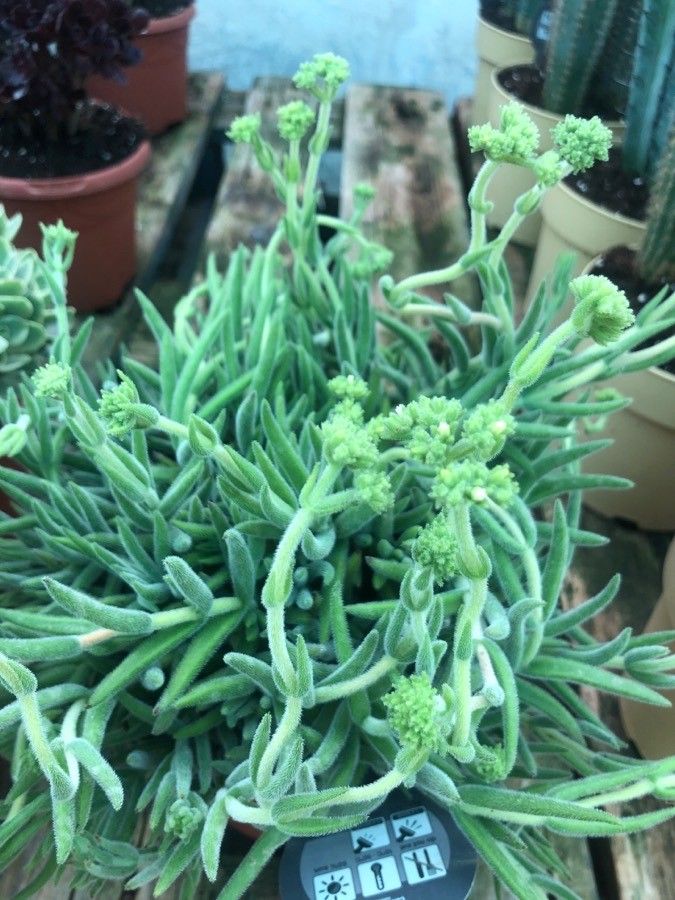
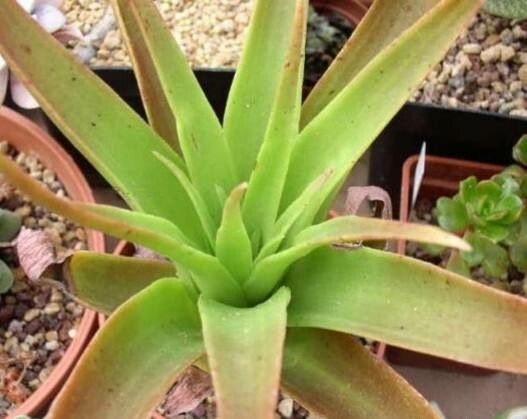
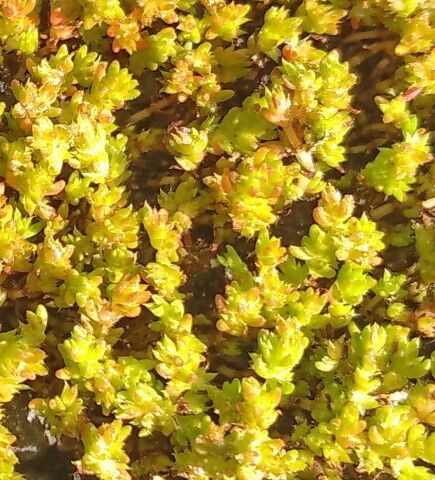
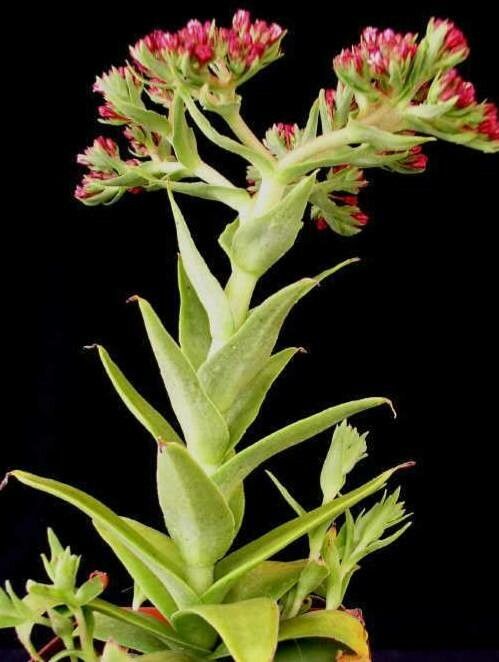
Crassula columnaris is a succulent plant native to South Africa and Namibia.
Buddha's temple has moderate disease resistance and is more sensitive to humidity. It is vulnerable to disease when humidity is high and is prone to root rot during dormancy. In terms of care, Buddha's temple is drought tolerant but needs more water in the growing season. Watering should be drastically reduced or stopped entirely during the dormant period. Buddha's temple is suitable for people with some growing experience, but it can be difficult to care for, particularly during dormancy. It is especially appropriate for those who have the time to devote to its care during the winter months.
How to keep Crassula Columnaris.
Light
Buddha's temple, which originally grows in dry areas, flourishes in intense sunshine, a trait indicative of its natural habitat that experiences robust sunlight and limited shade. The plant also accepts moderate sun, displaying some versatility in its development.
Temperature
Buddha's temple plant can endure some warmth, but it flourishes mostly in the cooler weather, going into hibernation during summer. It's essential to provide shade during high summer temperatures to guard against burning from harsh sunlight. Water supply should also be lessened or stopped during the peak of heat to avoid the roots from rotting. The plant sees vigorous growth in the winter and spring seasons. Provided the temperature doesn't fall excessively, the plant will persistently progress.
Fertilizer
For the Buddha's temple plant, it is enough to apply low amounts of fertilizer 1-2 instances annually during its growth period. Refrain from fertilizing during winter and summer, when the plant is in a dormant state. When you've repotted the plant, lower the amount of fertilizer used and wait for several months after the repotting before you begin fertilizing again. Fertilizing aids in robust growth and promotes flowering.
Pot & Repot
When it comes time to repot the Buddha's temple plant, choose a container slightly bigger than the current one. It should have excellent drainage. You should use a gritty succulent or cactus blend that drains well. Gently take the plant out of its current container, remove any surplus dirt, and replant it at the identical depth. Hold off watering for several days to let any injured roots recuperate. The ideal times to repot are in the spring or autumn and, once done, place the plant in a spot with lots of light.
Botanical profile.
- Plant Type
- Succulent
- Life Cycle
- Perennial
- Hardiness Zone
- 9-11
- Mature Height
- 5 cm to 10 cm
- Mature Spread
- 3 cm to 8 cm
- Leaf Color
- Gray, Light Gray
- Leaf Type
- Evergreen
- Flower Color
- White
- Flower Size
- 0.20 cm to 0.51 cm
- Bloom Time
- Early fall, Mid fall
- Planting Time
- Spring, Summer
- Harvest Time
- Late fall, Early winter