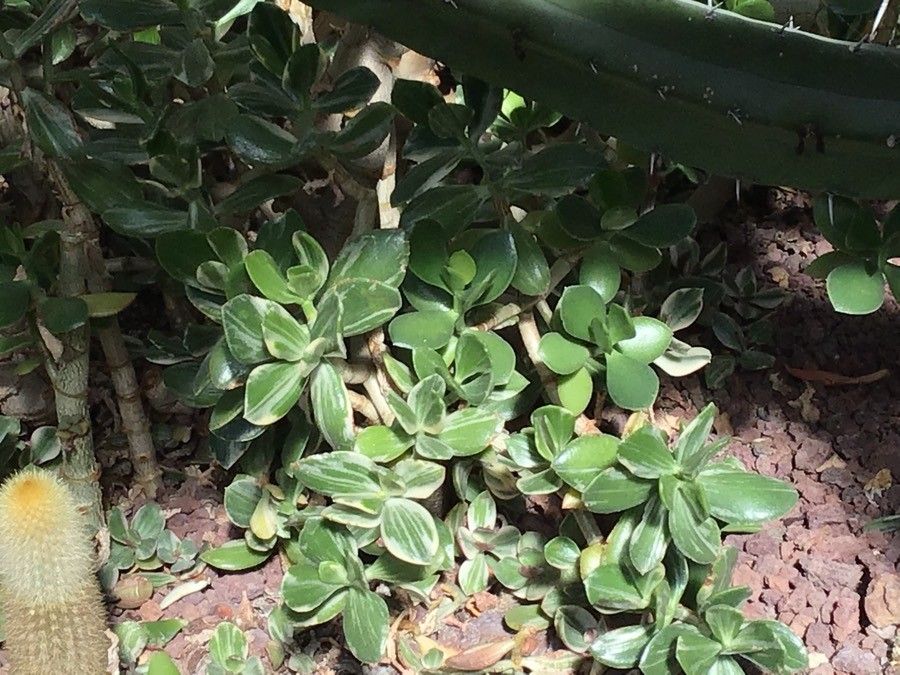
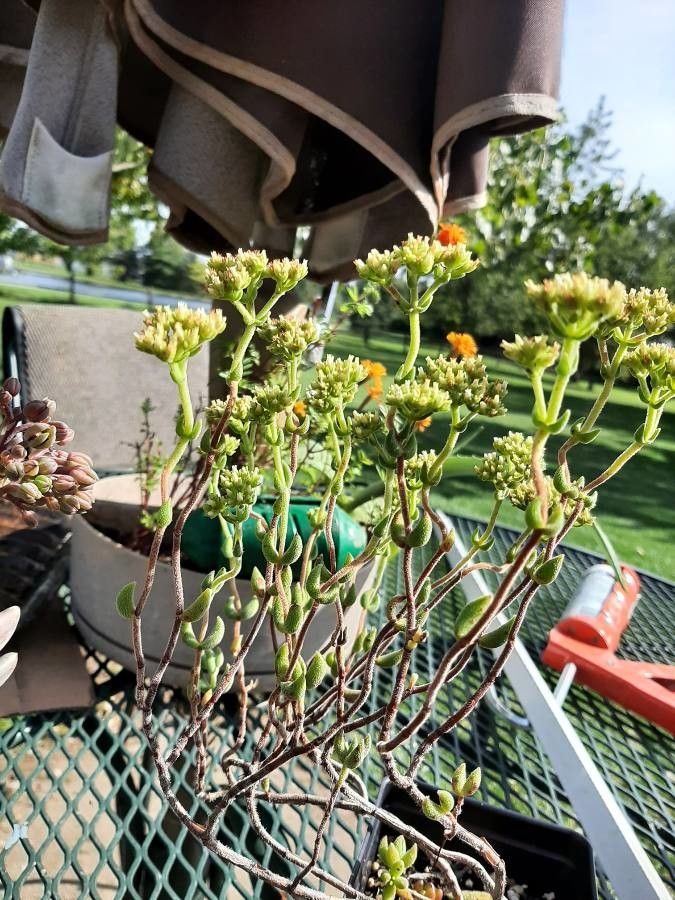
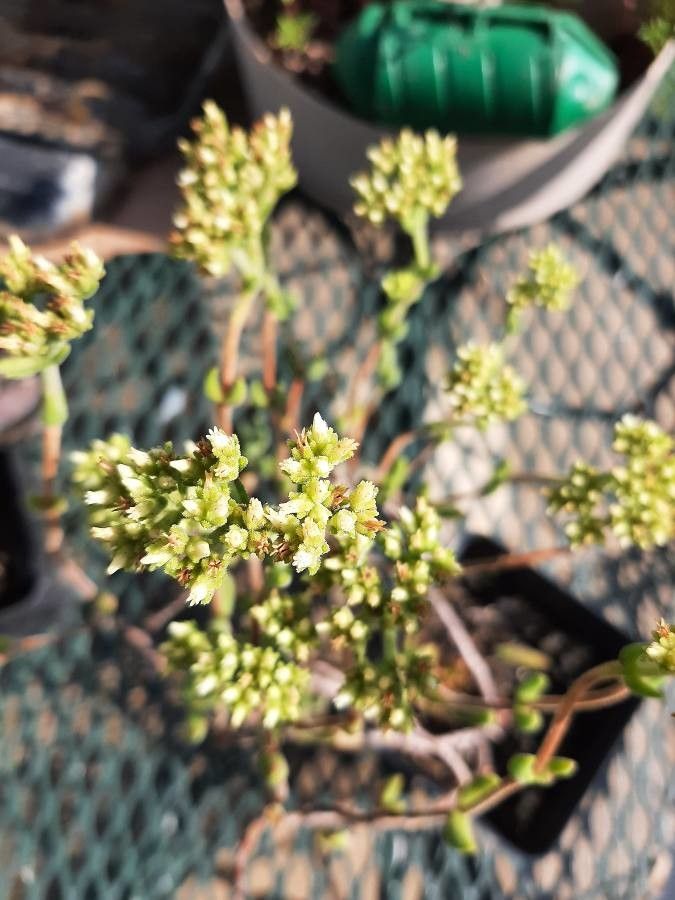
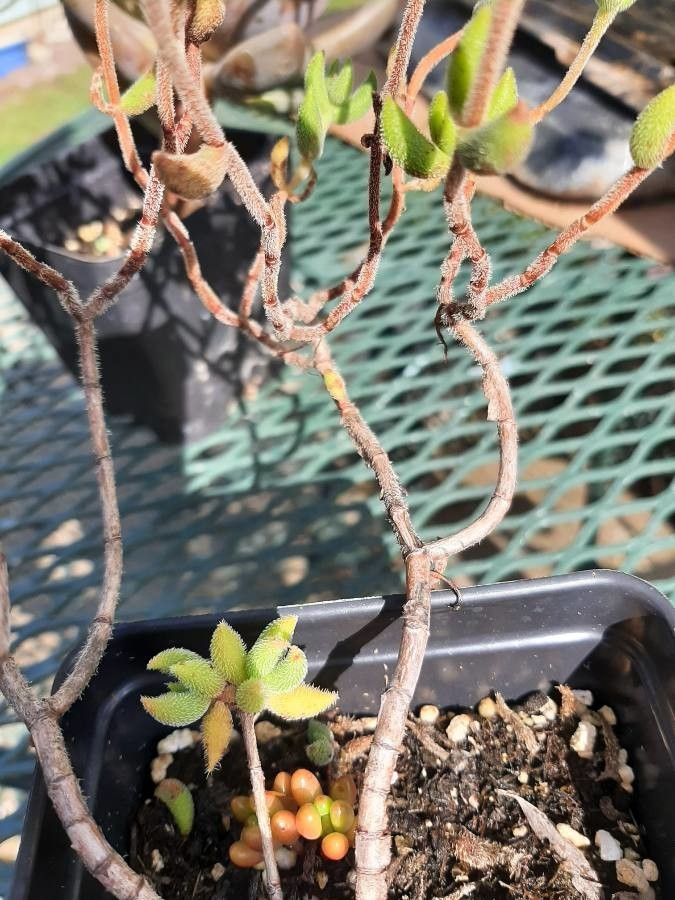
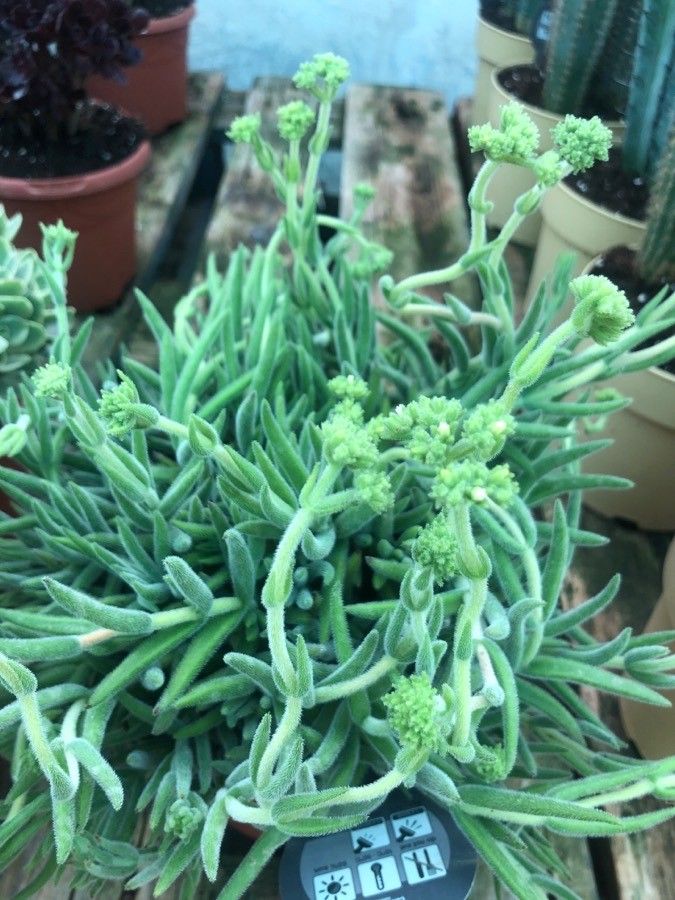
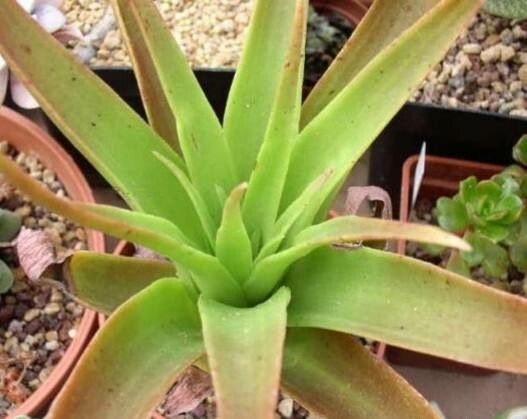
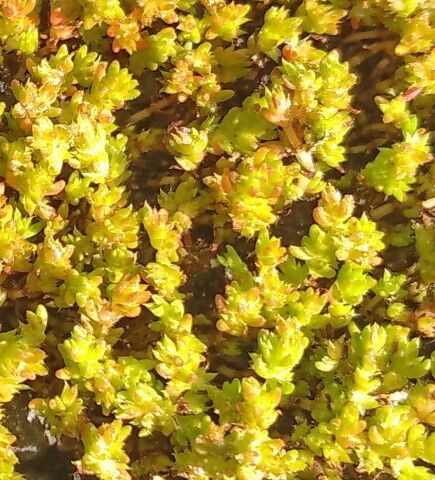
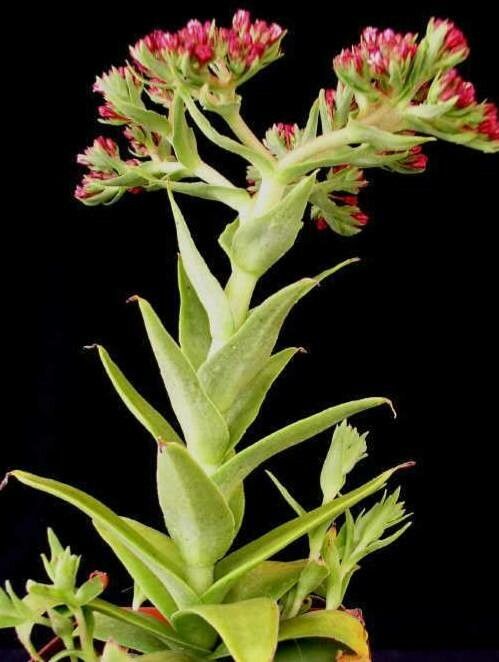
Crassula atropurpurea (Purple Crassula) is a succulent plant, very common and widespread in the southern Karoo regions of South Africa and Namibia.
Crassula atropurpurea shows moderate resistance to disease but is relatively sensitive to humidity. When humidity is high it becomes prone to illness and can develop root rot during its dormant phase. In terms of care, it tolerates drought yet requires increased watering throughout the growing season. Watering should be greatly reduced or stopped entirely during dormancy. Crassula atropurpurea is best suited to growers with some experience, as it can be difficult to maintain, particularly during dormancy. It is especially appropriate for those who can dedicate time to its care in the winter months.
How to keep Crassula Atropurpurea.
Light
Crassula atropurpurea, native to dry regions, does best in full sun, since its natural habitat has strong sunlight and little shade. It can also tolerate partial sun, giving it some flexibility in how it grows.
Water
Crassula atropurpurea needs thoughtful watering, which depends on several factors: weather, the plant's condition, soil moisture, and the type of pot being used. During its dormancy period, you should water less frequently, about once every one to two weeks. In the summer, it's best to water in the evening to prevent root rot. Always keep an eye on the soil's condition to avoid overwatering.
Temperature
Crassula atropurpurea tolerates some heat but mainly does best and grows during cooler seasons, becoming dormant in summer. In hot summer conditions, provide shade to prevent scorching from intense sunlight. Watering should be reduced or stopped during the hottest period to avoid root rot. Winter and spring are when Crassula atropurpurea grows most vigorously. As long as temperatures do not fall too low, it will continue to grow steadily.
Fertilizer
For Crassula atropurpurea, light applications of fertilizer once or twice a year during the growing season are sufficient. Do not fertilize in winter or in summer when it is dormant. Cut back on fertilizer for repotted plants and wait a couple of months after repotting before fertilizing. Fertilizing supports healthy growth and encourages blooms.
Pruning
Crassula atropurpurea is a succulent known for its fleshy leaves with a purple tint. To keep the plant healthy and well-shaped, it's best to prune it in early spring. Remove any leggy or damaged stems, ensuring that you make clean cuts with sterilized tools. This practice encourages new growth and helps manage the plant's size. For optimal health, moderate pruning is recommended.
Botanical profile.
- Plant Type
- Succulent
- Life Cycle
- Perennial
- Genus
- Crassula
- Family
- Crassulaceae
- Hardiness Zone
- 9-11
- Mature Height
- 15 cm to 30 cm
- Mature Spread
- 20 cm to 40 cm
- Leaf Color
- Dark Green, Purple
- Leaf Type
- Evergreen
- Flower Color
- White, Pink
- Flower Size
- 0.51 cm to 0.76 cm
- Bloom Time
- Mid spring, Late spring
- Planting Time
- Spring, Summer, Autumn
- Harvest Time
- Early summer, Mid summer
- Native Area
- South Africa, Namibia