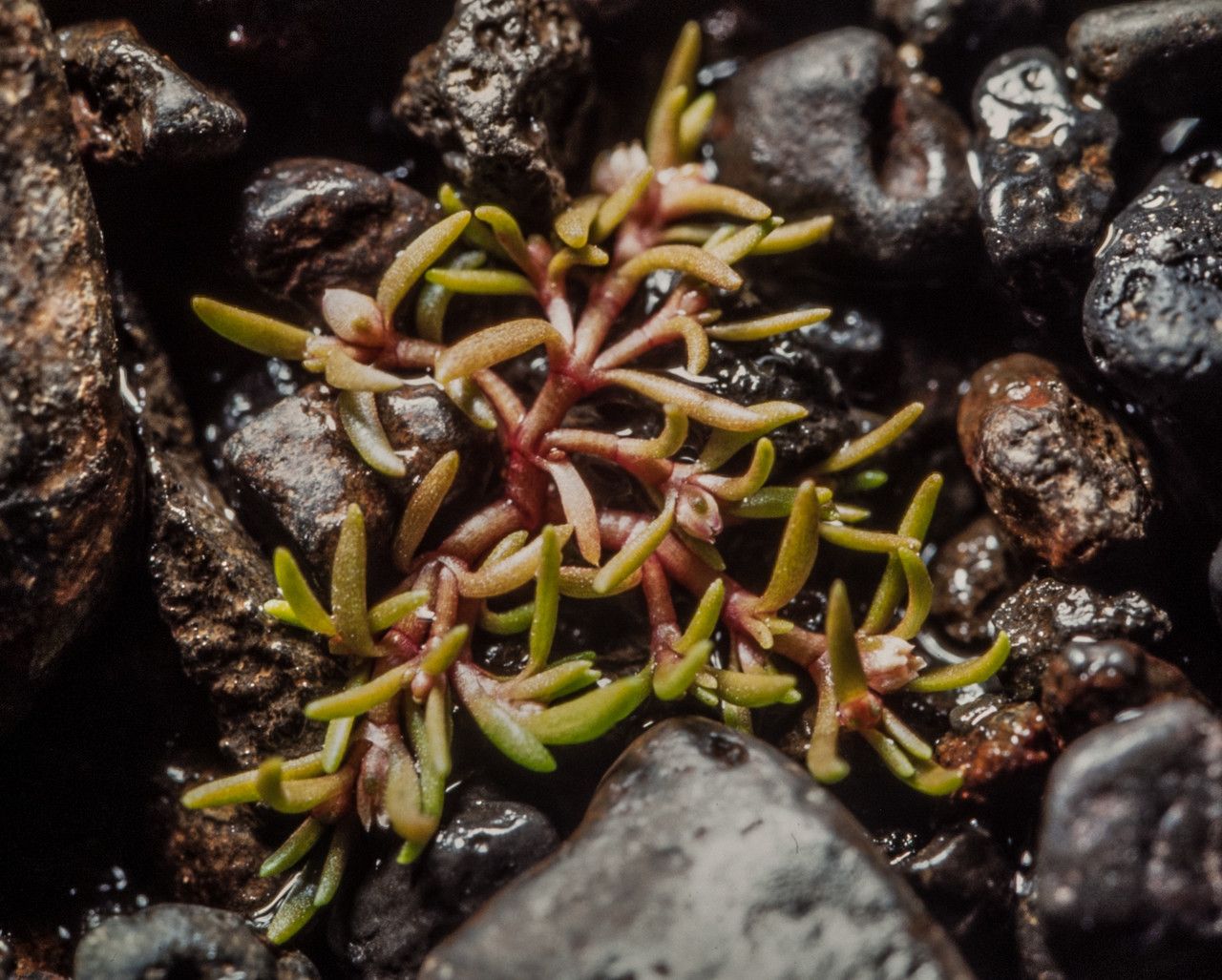
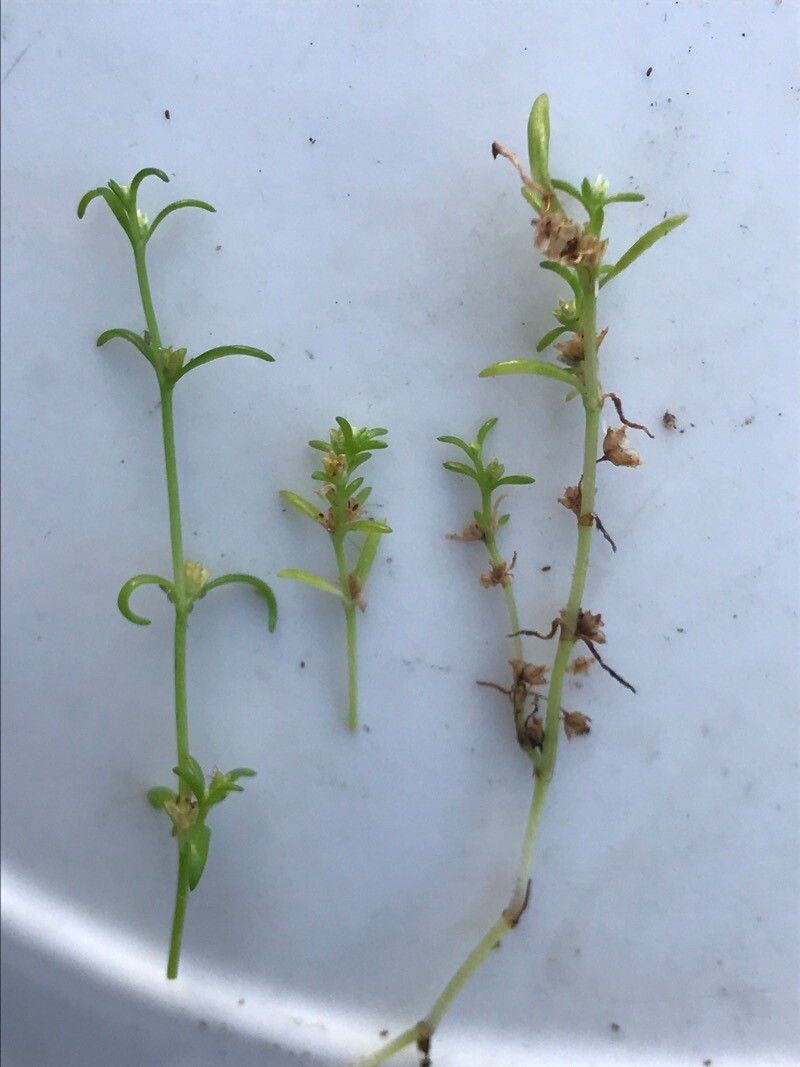
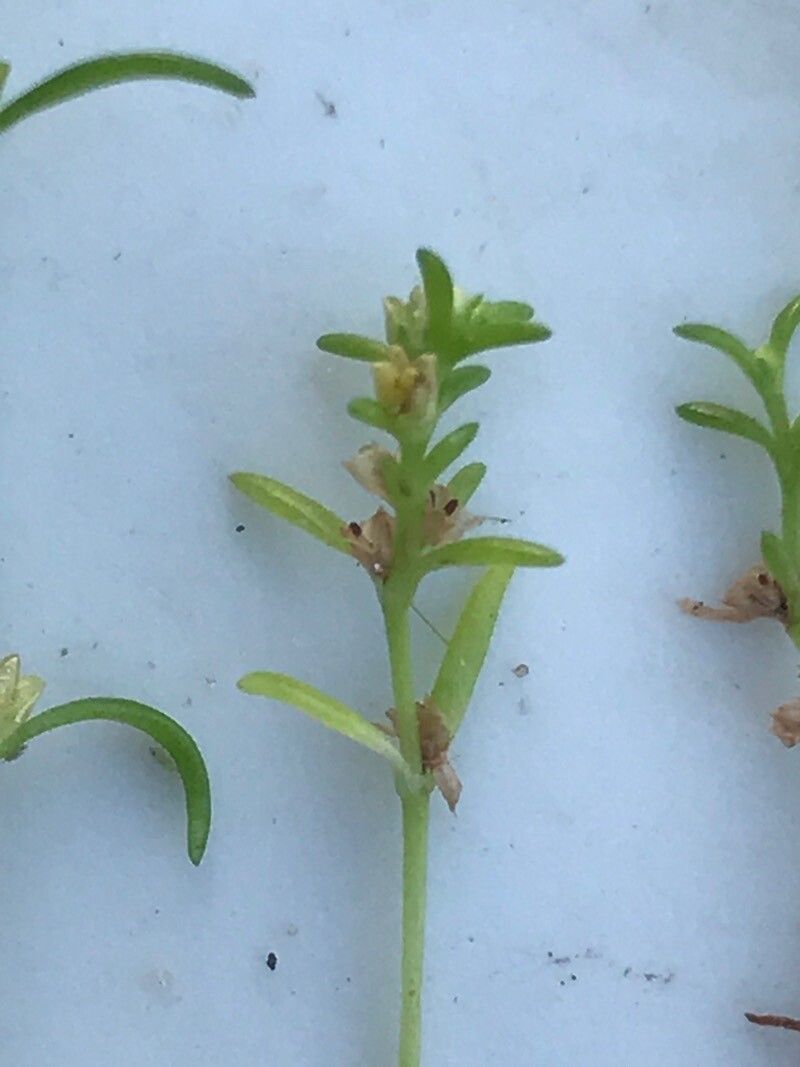
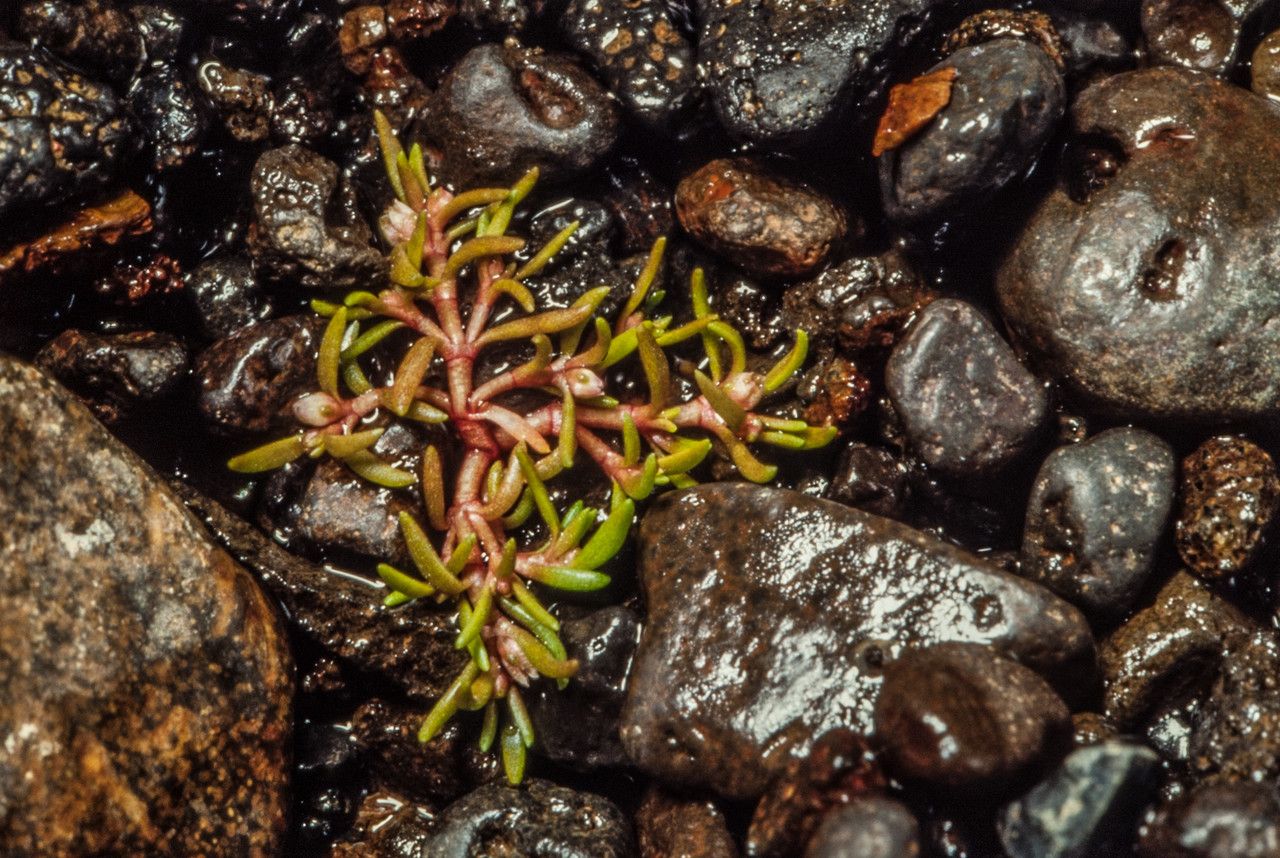
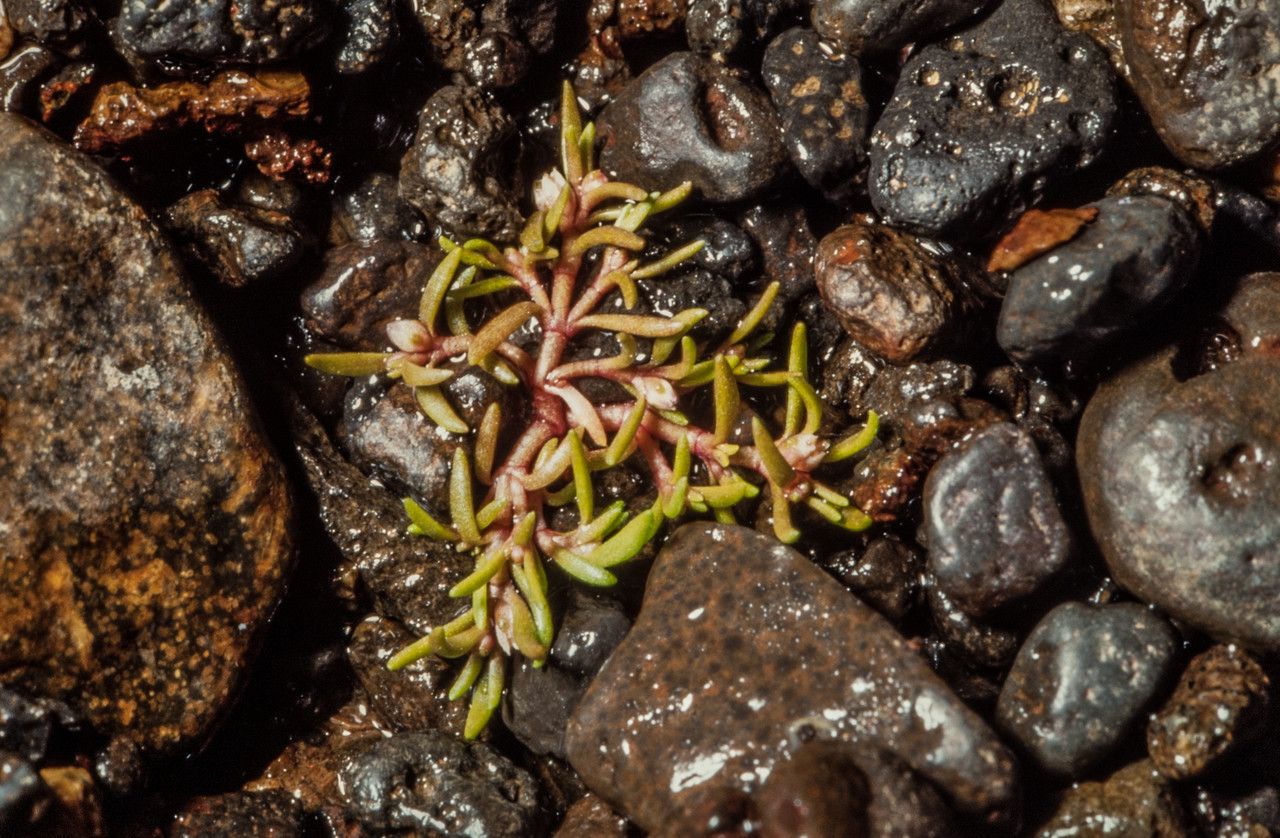
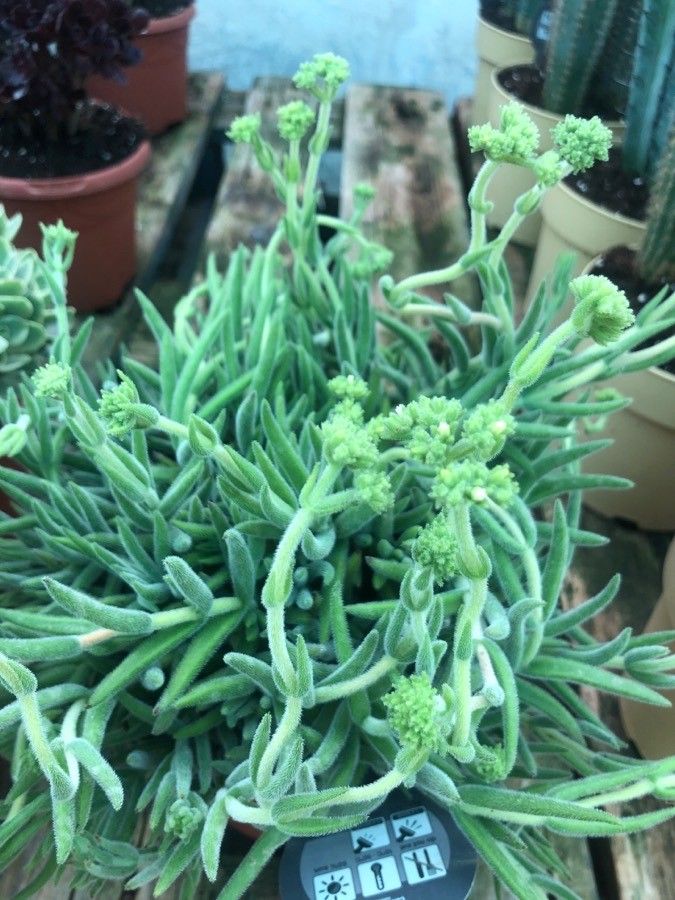
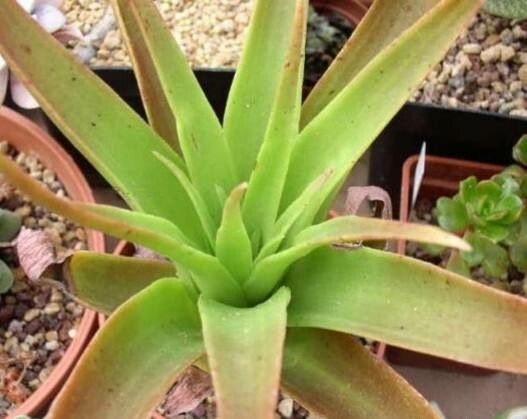
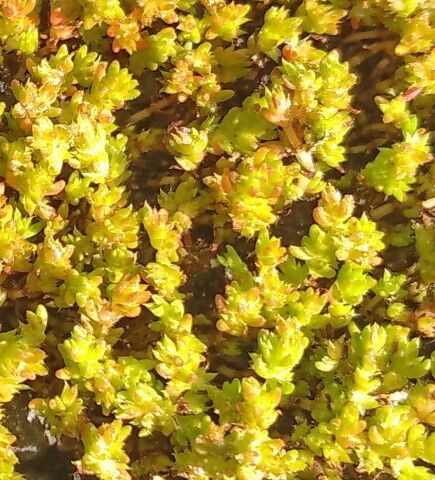
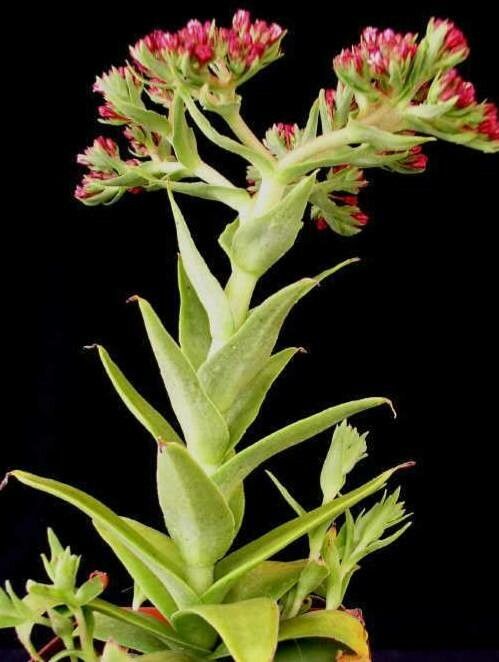
Crassula aquatica is a succulent plant known by the common names water pygmyweed, common pygmyweed and just pigmyweed. It is an annual plant of salt marshes, vernal pools, wetlands, and other fresh to brackish water bodies. It is at least partially aquatic, living in areas which are submersed much of the time. It also lives along muddy banks and in tidally-active areas of estuaries.
Pigmyweed has moderate disease resistance and is more sensitive to humidity. It is vulnerable to disease in high-humidity conditions and is prone to root rot while dormant. Regarding care, Pigmyweed tolerates drought but requires more frequent watering during the growing season. Watering should be greatly reduced or stopped entirely during dormancy. Pigmyweed is appropriate for growers with some experience, though it can be challenging to care for, particularly during the dormant period. It is especially suitable for those who can dedicate time to its care in the winter months.
How to keep Crassula Aquatica.
Light
Pigmyweed comes from habitats with dappled light, like the understory of forests or rocky areas that offer natural shade. It prefers partial sun but is also capable of tolerating full sun.
Water
Pigmyweed originates from wet environments and thrives in consistently moist conditions, preferring damp habitats. It needs to be watered weekly and exhibits moderate drought tolerance once established. Typically grown outdoors, pigmyweed flourishes in rain gardens, where natural rainfall helps recreate its native wetland conditions.
Temperature
Although Pigmyweed can tolerate some heat, it mainly grows best in cooler seasons and becomes dormant in summer. In hot summer temperatures, provide shade to avoid scorching from strong sunlight. Watering should be reduced or stopped during the hottest period to prevent root rot. Pigmyweed grows vigorously in winter and spring. If temperatures do not fall too low, it will continue to grow steadily.
Fertilizer
For Pigmyweed, light applications of fertilizer once or twice a year during the growing season are adequate. Avoid fertilizing in winter and in summer when the plant is dormant. Reduce fertilizer for plants that have been repotted and wait a couple of months after repotting before you begin fertilizing. Fertilizing supports healthy growth and encourages blooms.
Pruning
Pigmyweed is a small aquatic succulent with thin, thread-like leaves. For best results, prune it between early and late spring. Use clean tools to remove any dead leaves and to trim back overgrown stems. Regular pruning helps prevent overcrowding and disease, promoting healthy growth in both natural settings and garden environments.
Botanical profile.
- Plant Type
- Herb
- Life Cycle
- Annual
- Genus
- Crassula
- Family
- Crassulaceae
- Hardiness Zone
- 7-10
- Mature Height
- 2 cm to 5 cm
- Mature Spread
- 3 cm to 8 cm
- Leaf Color
- Light Green, Pale Green
- Leaf Type
- Semi-evergreen
- Flower Color
- White
- Flower Size
- 0.10 cm to 0.20 cm
- Bloom Time
- Summer
- Planting Time
- Spring, Autumn
- Harvest Time
- Late summer, Early fall, Mid fall
- Native Area
- Tajikistan, Sweden, Austria, Mexico, Czech Republic, Slovakia, Poland, Belarus, China, Russia, Norway, Germany, Kazakhstan, Denmark, Iceland, Estonia, Japan, Mongolia, Finland, El Salvador, Ethiopia, South Korea, Latvia, Costa Rica
Other names.