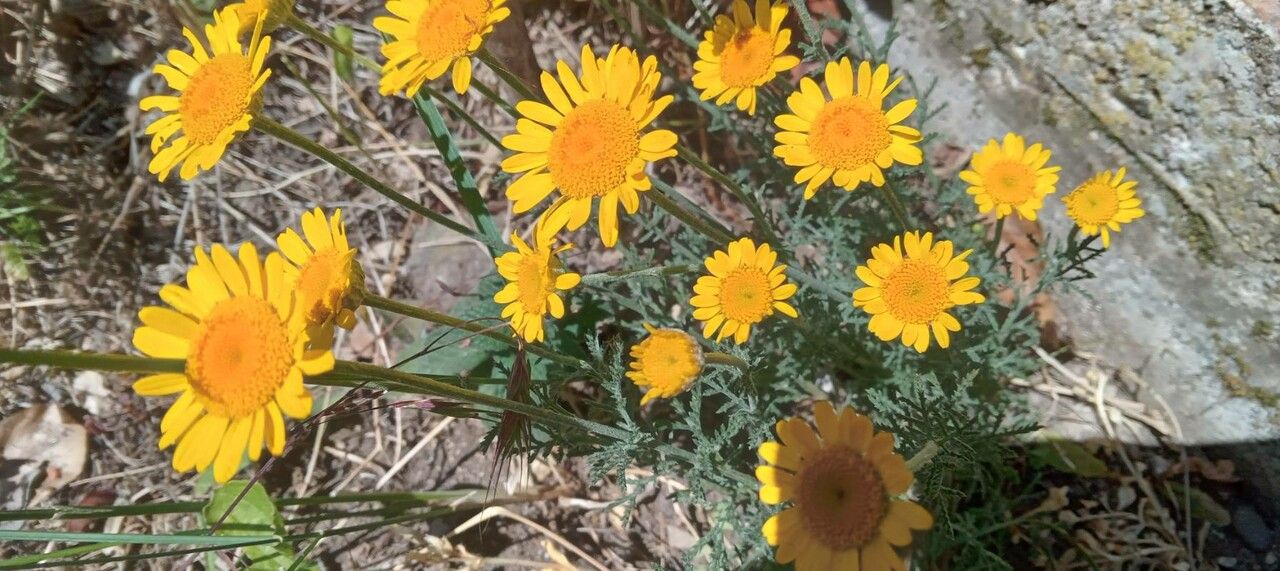
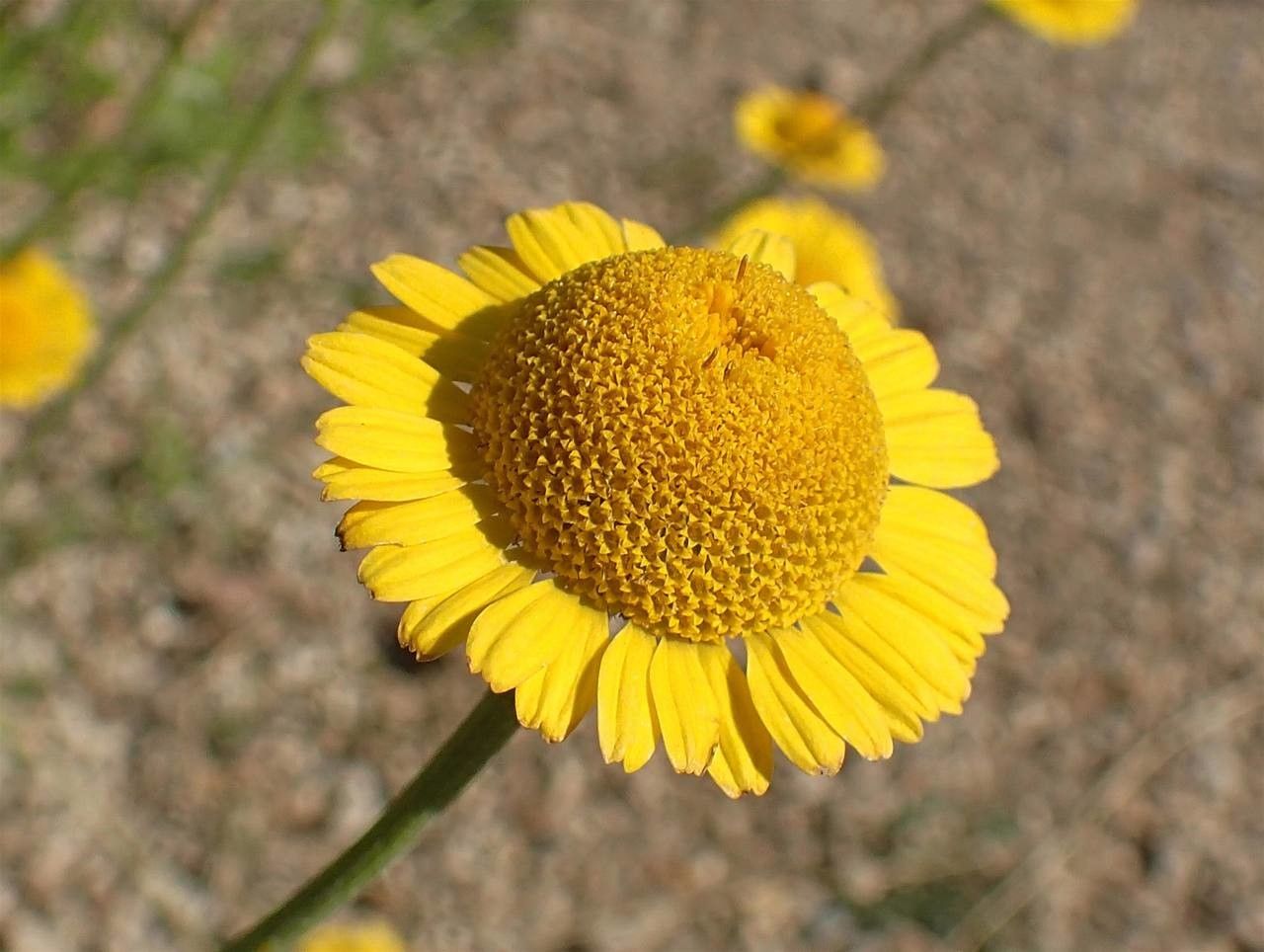
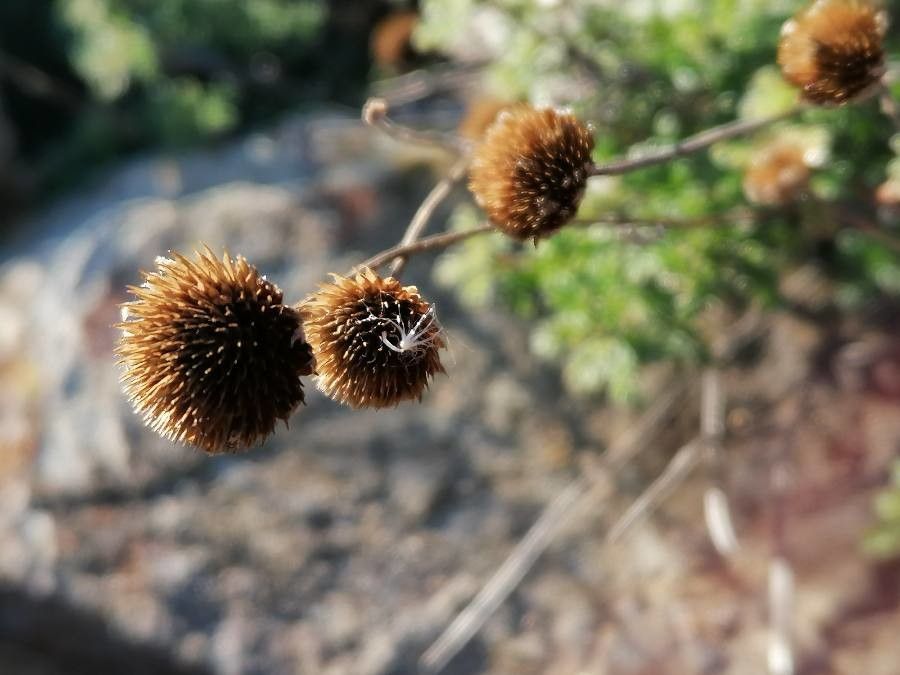
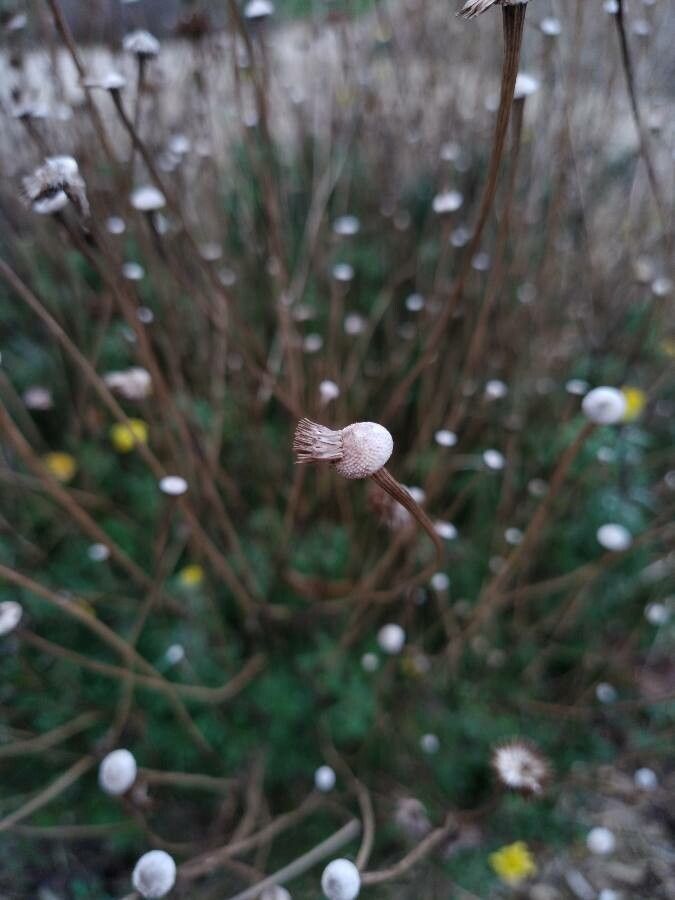
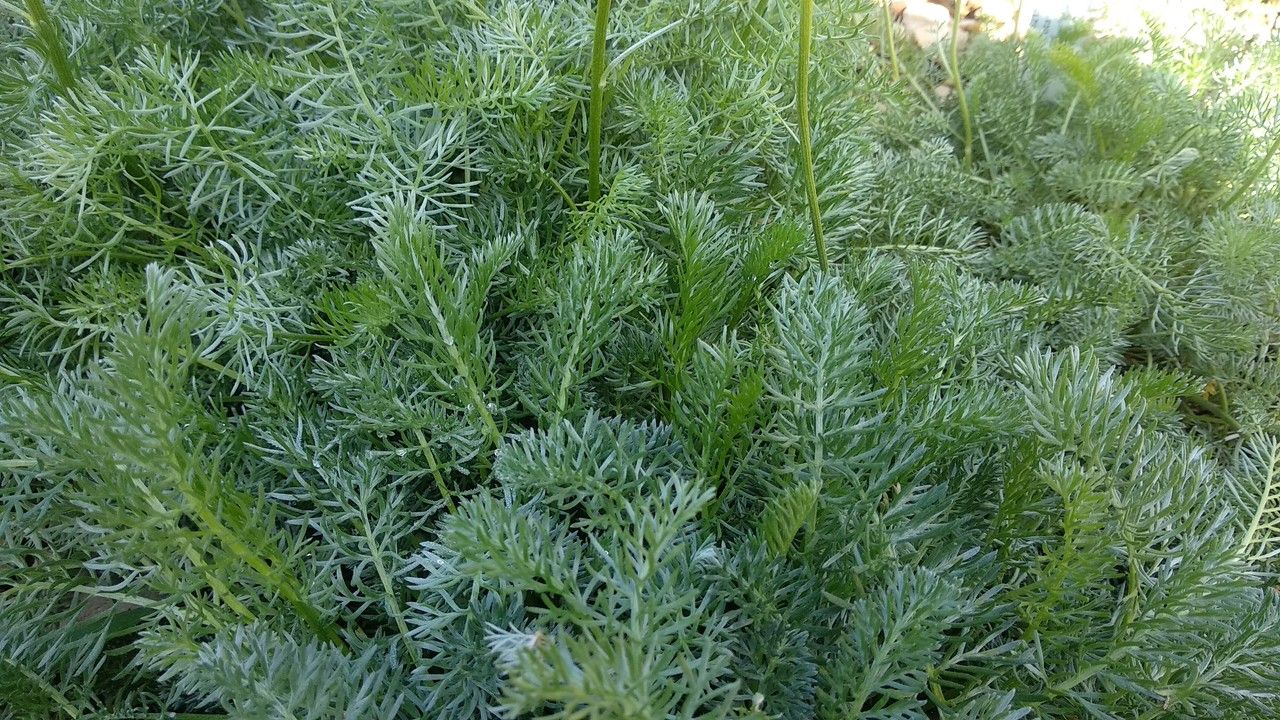
Cota tinctoria, commonly known as dyer's chamomile or golden marguerite, is a perennial herbaceous plant in the Asteraceae family. Native to Europe and Asia, it has also been introduced and naturalized in North America. The plant grows up to 1 meter tall, features a bushy habit, and produces yellow, daisy-like flowers that bloom from June to September.
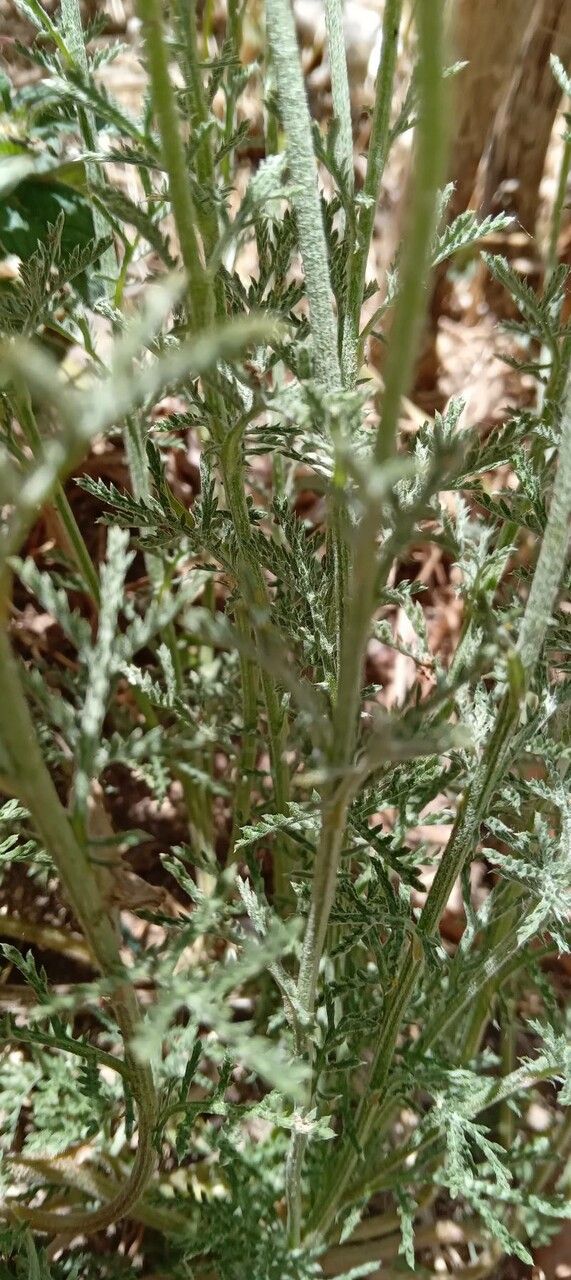
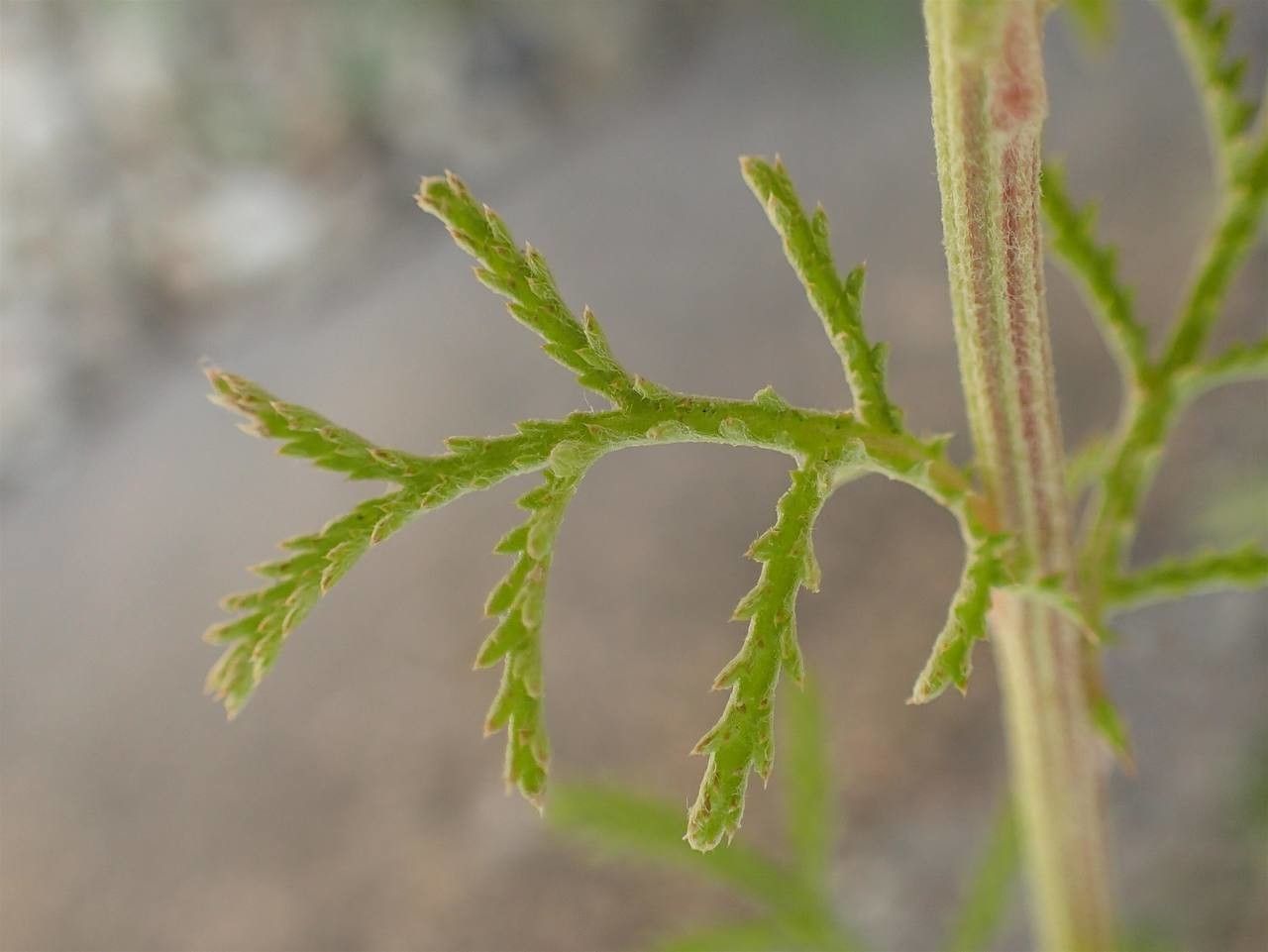
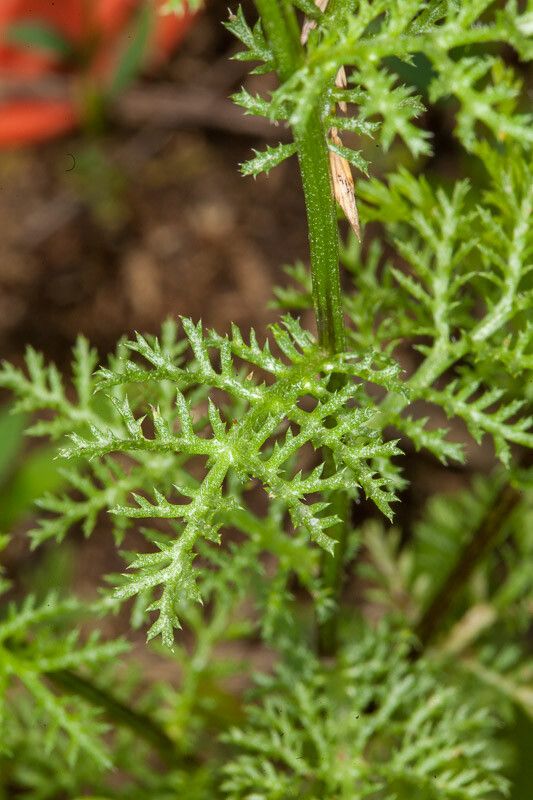
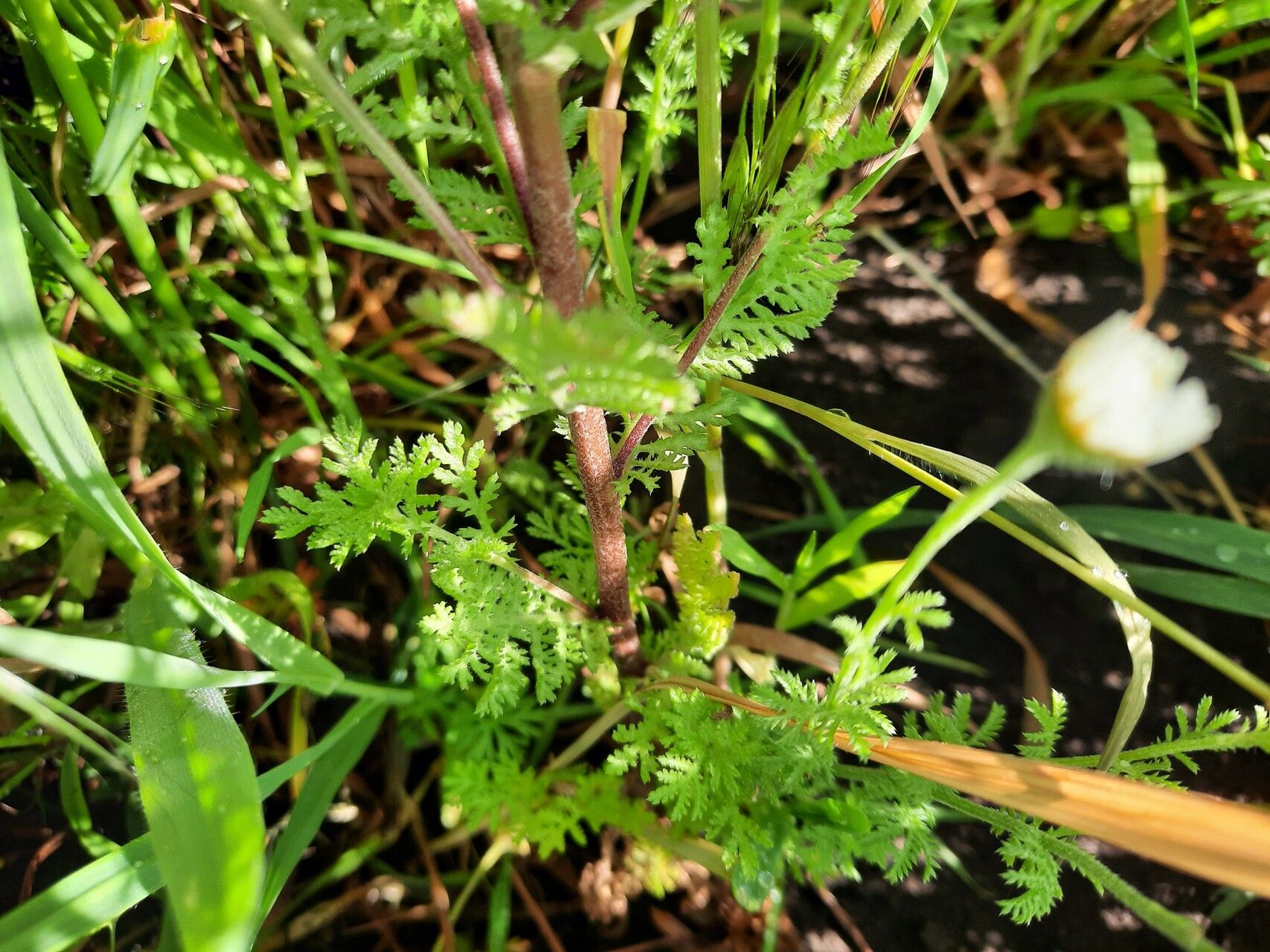
The leaves of Cota tinctoria are finely divided into narrow segments, giving them a feathery appearance. The flowers consist of yellow ray florets surrounding a central disk of small florets, making them attractive to bees and butterflies.
For centuries, Cota tinctoria has been used as a natural dye for textiles due to its high concentration of flavonoids known as anthemic acid derivatives. It can produce a range of colors, from yellow-green to golds, browns, oranges, reds, and purples, depending on the mordant used.
In addition to its dyeing properties, Cota tinctoria has been employed medicinally for its anti-inflammatory benefits in traditional European medicine practices.
Overall, Cota tinctoria is an attractive herbaceous perennial with ornamental value, as well as practical uses in textile dyeing and traditional medicine.
Golden marguerite has strong disease resistance and generally does not suffer from many illnesses. Still, it can be vulnerable to pests and diseases present in its environment. Such infections are typically mild. Regarding care, this plant needs a moderate level of attention. It should be pruned regularly to preserve a neat appearance and healthy growth. Applying fertilizer can also encourage more blooms. Golden marguerite is appropriate for anyone with outdoor areas like a garden or patio and does not demand extensive gardening experience. It may need extra care when cultivated indoors.
How to keep Cota Tinctoria.
Light
Golden marguerite thrives in surroundings soaked in warm, pleasant sunlight. It is native to sun-exposed habitats. Insufficient sun can weaken the plant and lead to paler blooms. On the other hand, too much exposure can scorch its bright golden flowers.
Water
Golden marguerite thrives in Mediterranean climates due to its notable drought tolerance. It prefers soil that is on the drier side but still has moderate moisture levels, and it typically requires watering once a week. This resilient herbaceous perennial grows best outdoors, where it can benefit from natural rainfall and easily withstand occasional dry spells.
Temperature
Golden marguerite does best in temperatures of 68 to 95 °F (20 to 35 ℃). Native to a temperate climate, it is accustomed to moderate temperatures. Adjusting the temperature to mirror its natural conditions with the seasons would be beneficial.
Fertilizer
The best time to fertilize a Golden marguerite is in early spring, as it breaks dormancy and starts active growth. Fertilizer supplies essential nutrients for healthy development. While Golden marguerite has fairly low fertilizer requirements, an annual feeding can improve its survival and encourage better, longer-lasting blooms.
Pruning
Golden marguerite is a bushy perennial plant with yellow, daisy-like flowers. To encourage a second round of blooms, prune it from early to late spring after the initial flowering. Remove any dead stems to improve air circulation, and regularly deadhead the flowers to promote continuous blooming while preserving the plant's shape and vigor.
Botanical profile.
- Plant Type
- Herb
- Life Cycle
- Perennial, Biennial
- Genus
- Cota
- Family
- Asteraceae
- Hardiness Zone
- 6
- Mature Height
- 20 cm to 76 cm
- Mature Spread
- 49 cm to 61 cm
- Leaf Color
- Green, Blue
- Leaf Type
- Deciduous
- Flower Color
- White, Yellow
- Flower Size
- 5.08 cm
- Bloom Time
- Late spring, Early summer, Mid summer
- Planting Time
- Spring, Autumn
- Harvest Time
- Mid summer
- Native Area
- Europe
Other names.
Reader questions.
How should I water my Golden marguerite plant?
To properly water the Golden marguerite, it is recommended to use filtered water at room temperature. Tap water may contain harmful particles that can affect the plant's health. The Golden marguerite comes from a warm environment, so it is best to use room temperature or slightly warmer water to avoid shocking its system. Additionally, overhead watering should be avoided as it can lead to foliage issues. Instead, water the plant by applying filtered room temperature water directly to the soil until it is thoroughly soaked. This method benefits the plant by moistening the roots and assisting them in spreading through the soil to absorb necessary nutrients.
Why is it necessary to add fertilizer to my Golden marguerite?
Fertilization is important for the Golden marguerite for various reasons. Fertilization provides key nutrients that help the plant grow both above and below ground. While the overall fertilization needs of a Golden marguerite are relatively low and it may survive without fertilization, annual fertilization can be highly beneficial. It helps keep the plant alive and encourages the growth of better flowers that last longer. To help your Golden marguerite look its best, it is recommended to continue with annual fertilization.
What are the sunlight requirements for Golden Marguerite?
Golden Marguerite requires full sun, characterized by more than 6 hours of sunlight daily, to thrive. It's essential to observe the movement of sunlight through your garden to find spots that offer a good balance of light and shade, ensuring the plants' well-being. Insufficient sunlight can lead to less vibrant blooms, while too much sun may scorch its golden flowers.
What is the optimal temperature range for Golden Marguerite?
Golden Marguerite, also known by its botanical name Cota tinctoria, thrives best within the temperature range of 68 to 95 °F (20 to 35 °C). Originating from a temperate climate, it is accustomed to moderate temperatures, benefiting from conditions similar to its native environment. The plant is highly cold-tolerant and does not require additional frost protection measures during winter. To prepare for winter, it is advisable to water the plant generously before the first freeze in autumn to ensure the soil remains moist and enters a frozen state, aiding in preventing drought and water scarcity during the colder months.
What should I do if I give my Golden marguerite too much or too little water?
Both overwatering and underwatering can harm your Golden marguerite, but overwatering is more common. Too much water can cause wilting and yellowing of the stems and leaves. It can also lead to diseases like root rot, mold, and mildew, which can be fatal for the plant. Underwatering is less likely because the Golden marguerite can tolerate drought. However, if it occurs, the leaves can become brittle and brown. It's important to recognize the signs of overwatering early and take action. Some diseases caused by overwatering, like root rot, may become irreversible if not addressed promptly. If you see signs of overwatering, reduce your watering schedule and check the soil drainage. If it drains poorly, replace it with a loose, well-draining potting mix. If your Golden marguerite lacks water, simply water it more frequently until the signs disappear.
When should I fertilize my Golden marguerite plant?
The best time to fertilize a Golden marguerite is in late winter to early spring when the plant is transitioning from dormancy to active growth. Fertilizing during this period promotes healthy growth and sets the plant up for a successful season. Although fall can also be an option, it is generally recommended to avoid fertilizing during summer and winter for Golden marguerites.
How does sunlight affect the growth of Golden Marguerite?
Sunlight plays a crucial role in the vitality of Golden Marguerite, which flourishes best under generous amounts of warm sunlight, thanks to its sun-loving nature. Inadequate sunlight can impair the plant's health, leading to pale blooms, whereas excessive exposure may damage the vibrant golden flowers. Artificial lighting can support growth when natural light is insufficient, with LED lights recommended for their customizable wavelengths. The amount of artificial light needed varies based on the plant's sunlight needs, with full sun plants requiring 30-50W/sq ft, partial sun 20-30W/sq ft, and full shade plants 10-20W/sq ft.
How does Golden Marguerite react to low temperatures?
Golden Marguerite is extremely cold-tolerant, capable of withstanding winter temperatures down to -25°C. Despite this tolerance, if temperatures fall below this threshold, you may not observe any noticeable changes during winter; however, there might be a decrease in sprouting, or in some cases, no sprouting at all come springtime. To manage this, it's recommended to remove any plant parts that have failed to sprout in the spring, allowing the plant to recover and grow anew.
How often do I need to water my Golden marguerite?
If your Golden marguerite plant is in a pot, the most precise way to determine if it needs water is to check the soil moisture by sticking your finger into it. If the top two to three inches of soil feel dry, it's time to water. If you have planted your Golden marguerite outdoors in the ground, you can use the same method to test the soil. Once the top few inches of soil have dried out, it's time to water. Typically, during spring and early fall, you will need to water this plant about once a week using this method. However, when it gets extremely hot, you might need to water it more frequently, around twice or more per week. That being said, mature and well-established Golden marguerite plants have a remarkable ability to tolerate drought.
When is it not a good time to fertilize my Golden marguerite?
To properly care for your Golden marguerite, it is important to fertilize it only during late winter and early spring. This plant has low fertilization needs, so one feeding per year is sufficient. Overfertilization can easily occur if you continue fertilizing throughout spring, summer, and fall, which can lead to complications. However, if you didn't fertilize in spring, it is acceptable to feed the plant in fall. Additionally, there is no need to fertilize the plant during the winter because it is in a dormant growth phase and does not produce new growth at that time.
What symptoms indicate Golden Marguerite is getting insufficient sunlight?
Symptoms of insufficient sunlight in Golden Marguerite include small, new leaves, leggy or sparse growth, faster leaf drop, slower or halted new growth, and lighter-colored or pale new leaves. These symptoms indicate that the plant is not receiving enough light to sustain normal, healthy growth. Conversely, chlorosis, sunscald, leaf curling, wilting, and leaf scorching can occur with too much sunlight, highlighting the plant's struggle with excessive light exposure.
What should I do if Golden Marguerite experiences high temperatures?
Golden Marguerite is not tolerant of high temperatures. When exposed to temperatures exceeding 35°C, its growth may cease, and the plant becomes more susceptible to rot. To alleviate stress from high temperatures, it is advisable to trim away sunburned and dried-up parts of the plant. Moving the plant to a location that provides shade during the midday and afternoon sun can help, as well as using a shade cloth if necessary. Additionally, watering the plant in the morning and evening will help keep the soil moist and prevent damage from excessive heat.