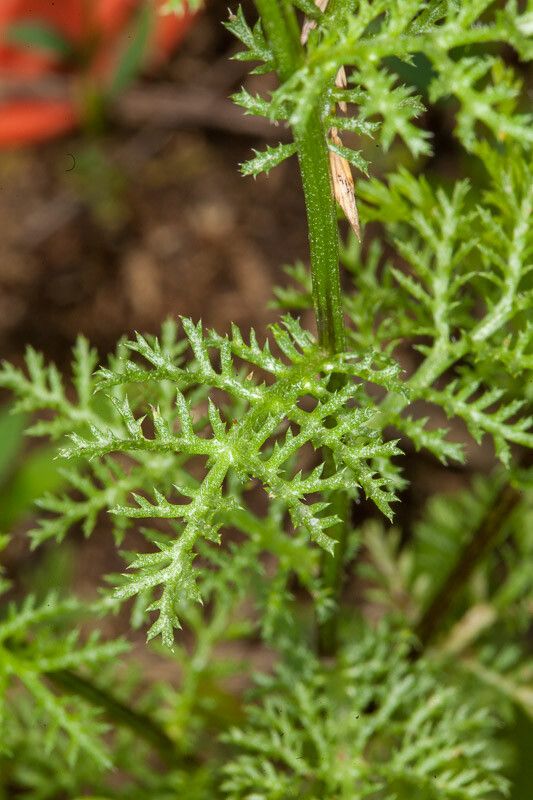
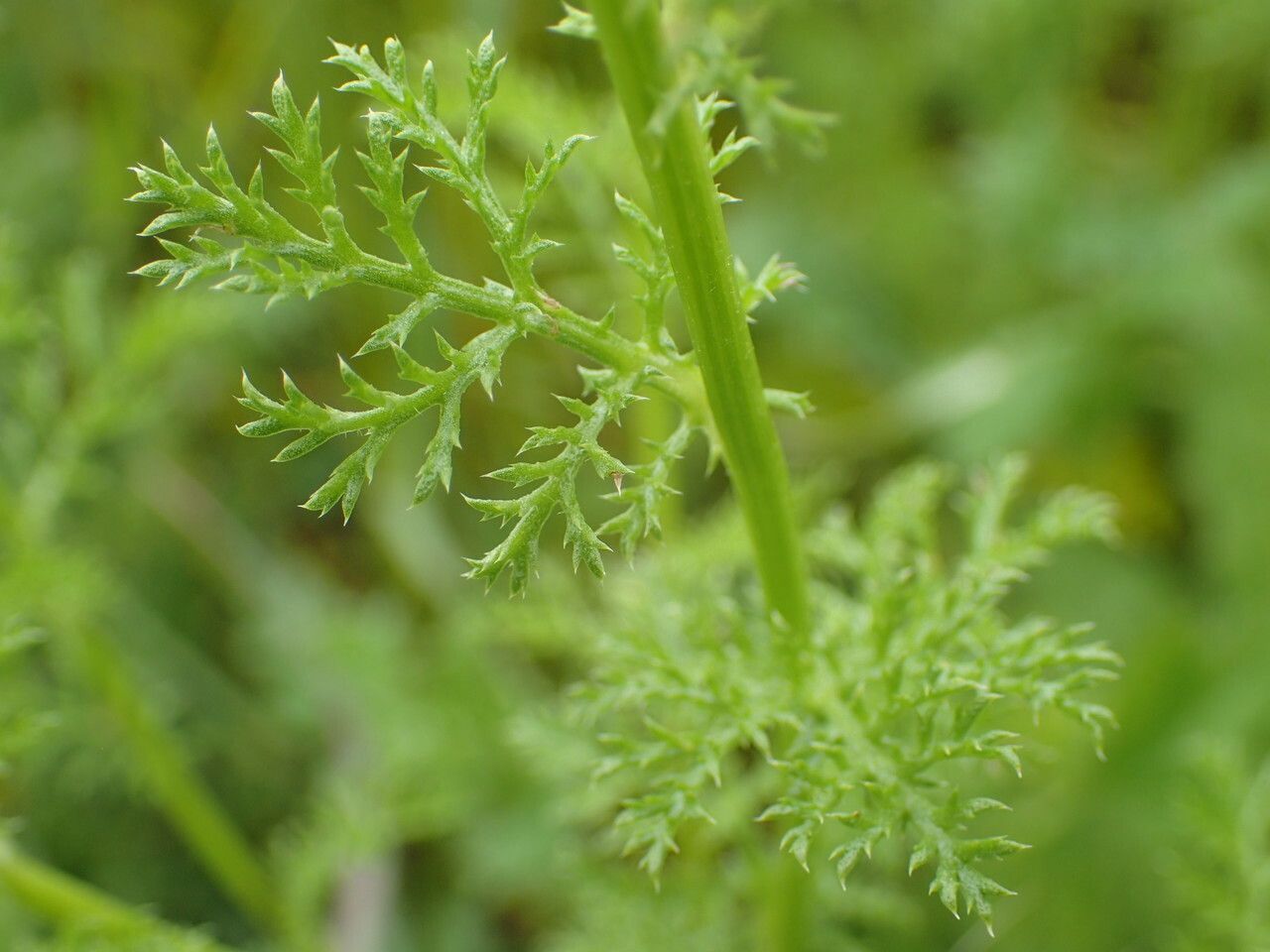
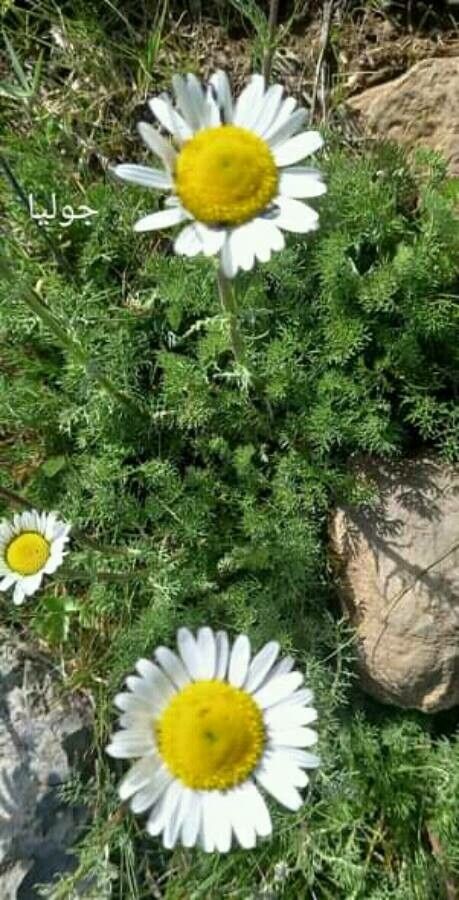
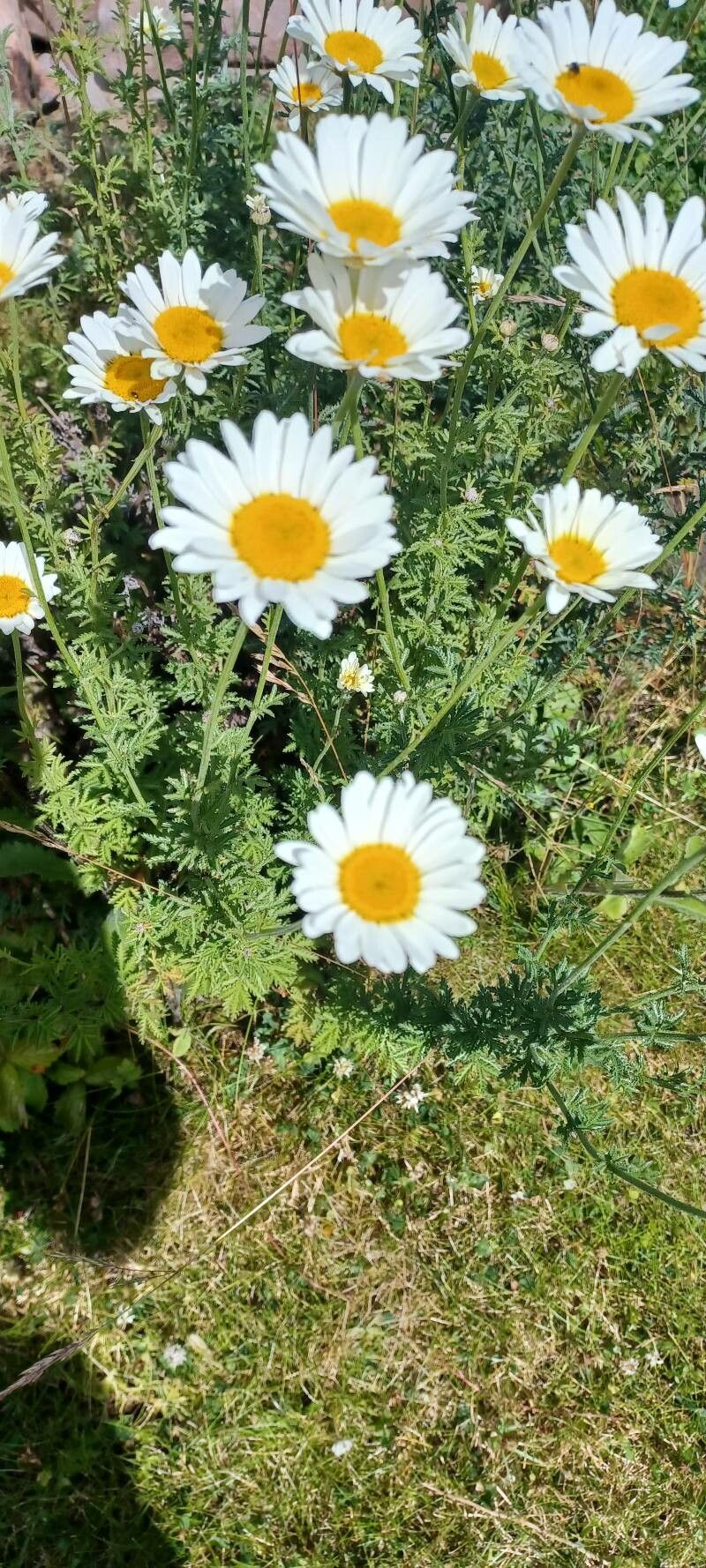
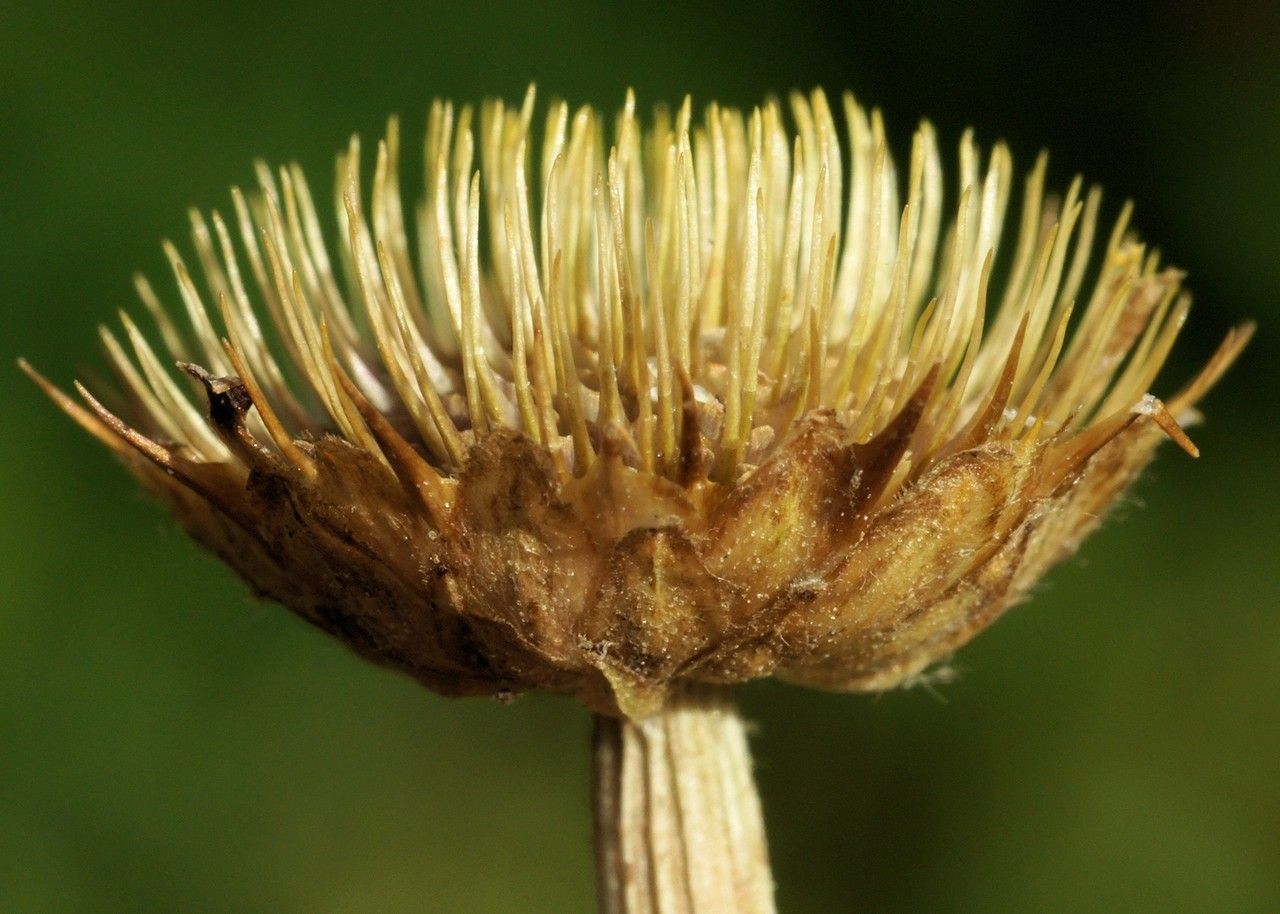
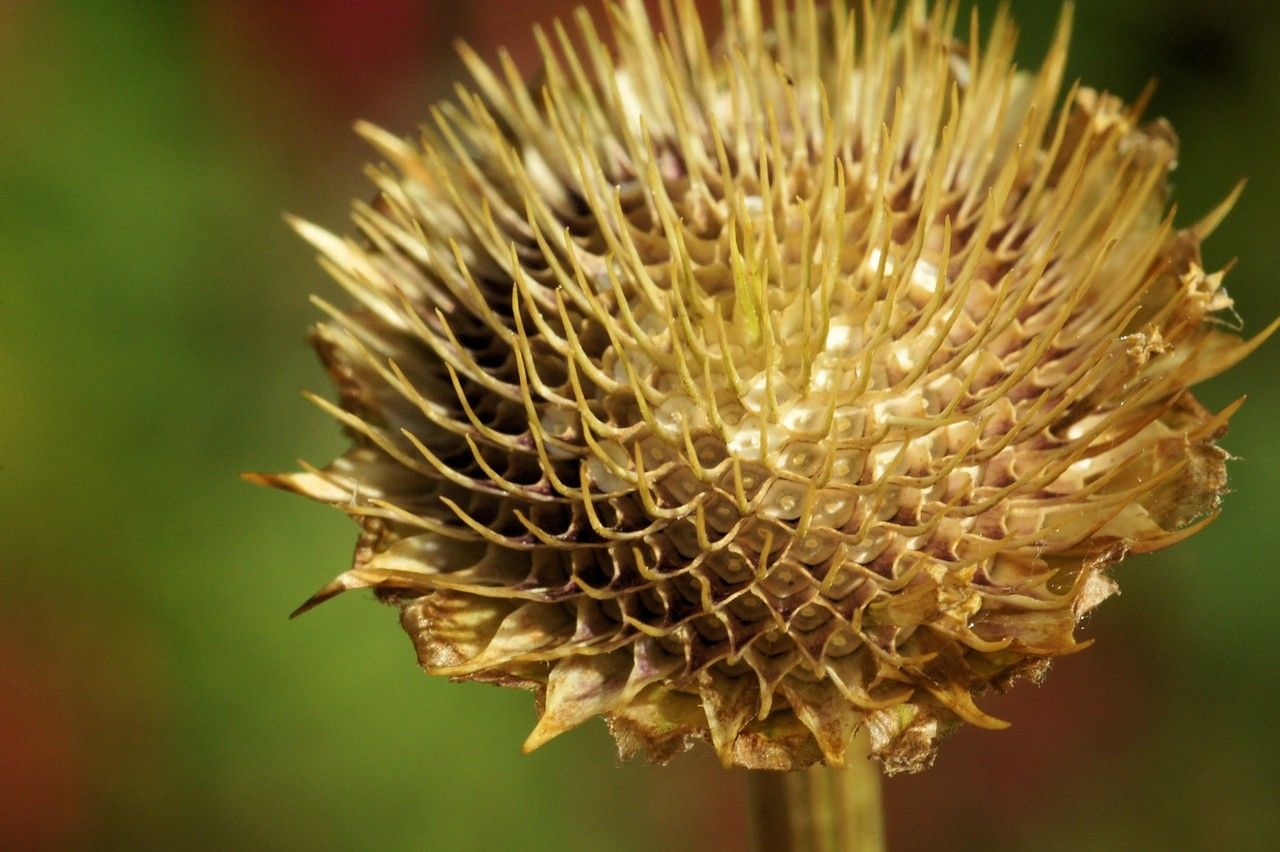
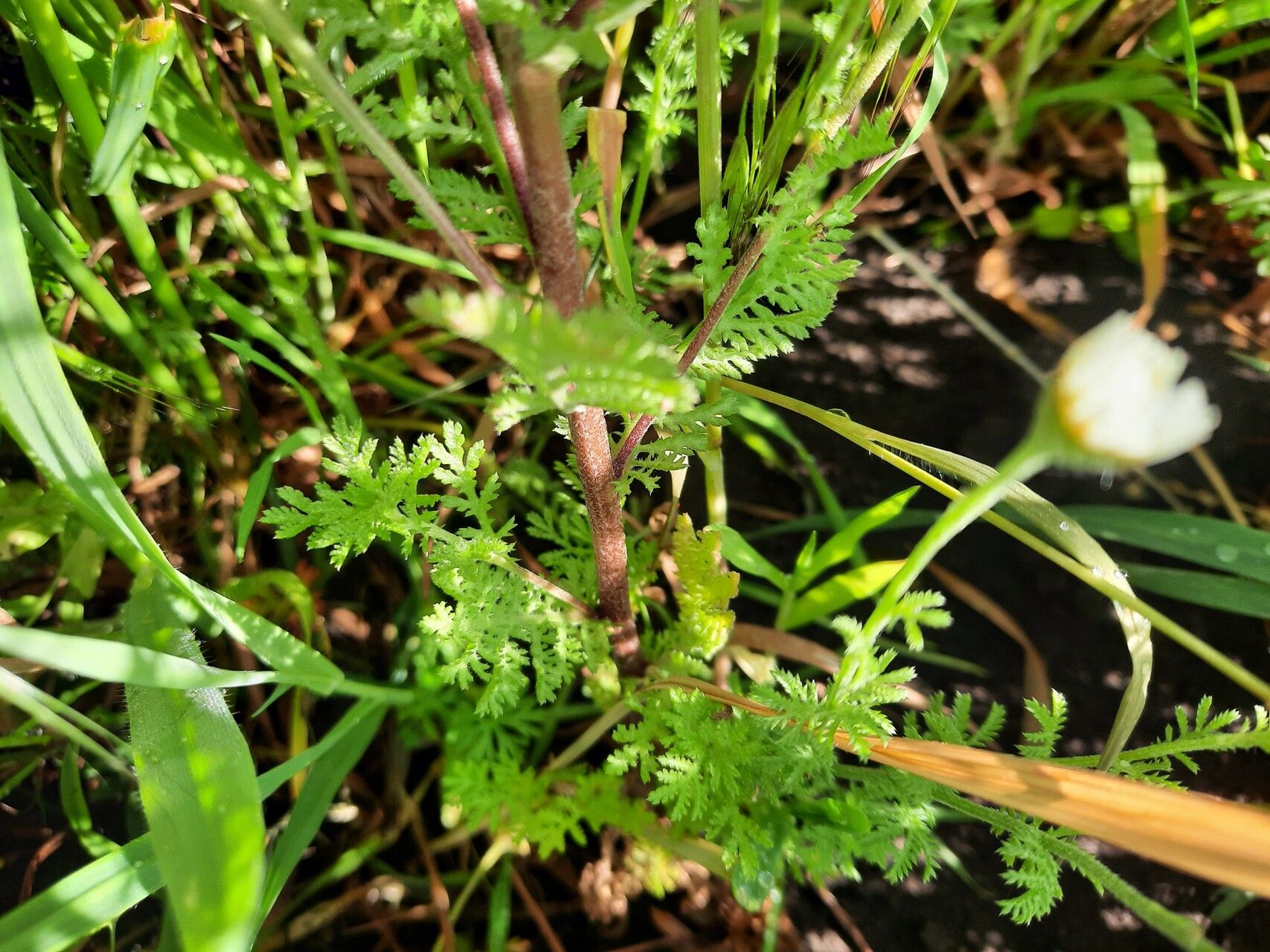
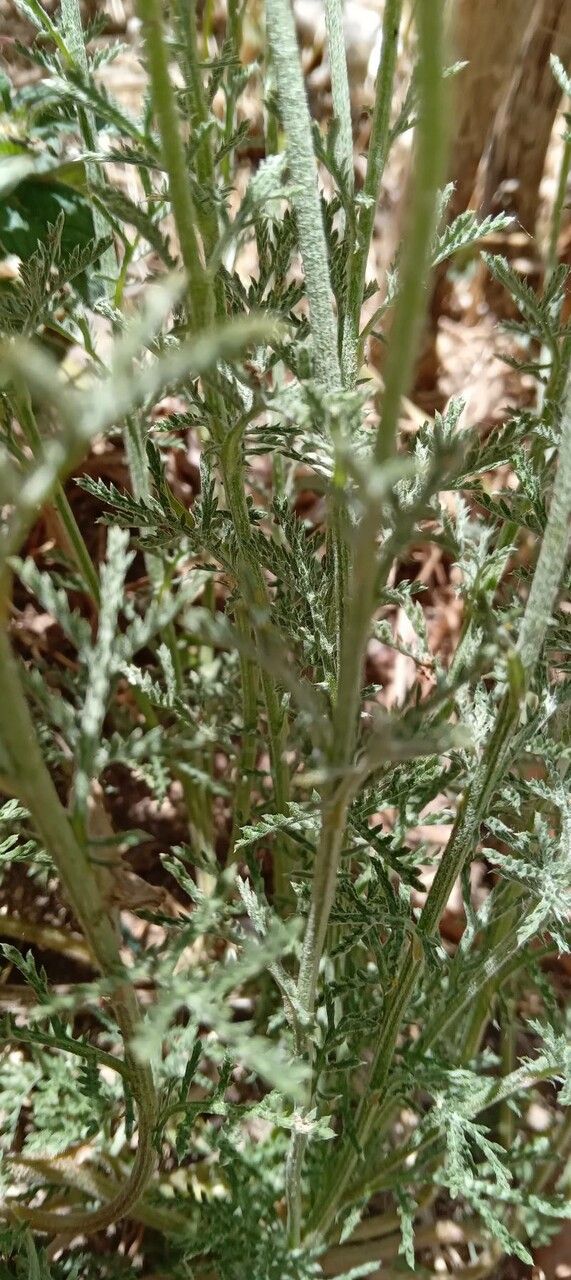
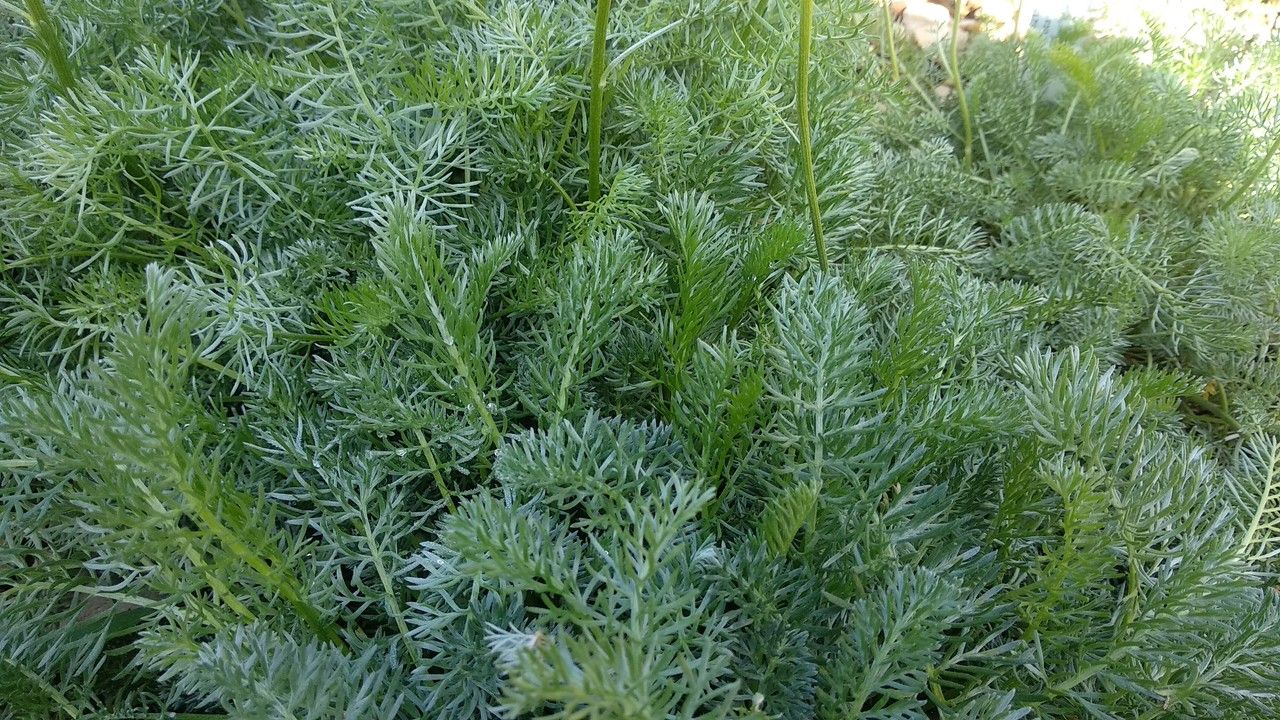
Southern chamomile is fairly disease-resistant and generally not prone to illnesses. However, it can be affected by pests and diseases present in its environment. These problems are typically mild. The plant requires a moderate amount of care. It should be pruned regularly to keep a tidy appearance and encourage healthy growth. Fertilizing can also help stimulate flowering. Southern chamomile is well suited to anyone with outdoor space, such as a garden or patio, and does not demand extensive care experience. It may need more attention when grown indoors.
How to keep Cota Altissima.
Light
Southern chamomile comes from bright, open habitats and performs best in full sun. It can handle some partial shade but prefers direct sunlight for ideal growth. This annual and biennial plant is noted for its sun-loving character.
Water
Southern chamomile, which originates from temperate regions, thrives best with consistent soil hydration. It should be watered weekly, taking care not to overwater. Typically grown outdoors, it benefits from natural rainfall, which contributes to its health and blooming vitality. Regular watering and seasonal precipitation are essential to ensure vibrant displays of flowers during its growing season.
Temperature
Southern chamomile can tolerate a wide range of temperatures, but various combinations of moisture and heat can still restrict its distribution. It does best in warm summer climates with adequate rainfall or watering. Extended stretches of cloudy, rainy weather or prolonged high temperatures increase the chance of Southern chamomile dying. In winter, proper protection from cold can improve the plant's survival.
Fertilizer
When most of Southern chamomile's blooms have opened fully, resume fertilizing. During the peak bloom period, apply fertilizer every three to four weeks, as weather permits. Once the plant begins producing fewer new blooms, stop fertilizing; there's no need to fertilize when it can no longer produce more flowers.
Pruning
Southern chamomile is known for its aromatic leaves and daisy-like flowers. To promote bushier growth, prune it between early and late spring by removing dead stems and trimming about one-third of each branch. Regular deadheading encourages more blooms. Moderate pruning helps avoid stress on the plant, improves air circulation, and reduces pest issues.
Botanical profile.
- Plant Type
- Herb
- Life Cycle
- Annual
- Genus
- Cota
- Family
- Asteraceae
- Hardiness Zone
- 5-9
- Mature Height
- 10 cm to 91 cm
- Mature Spread
- 20 cm to 40 cm
- Leaf Color
- Green, Dark Green
- Leaf Type
- Deciduous
- Flower Color
- Yellow, White
- Flower Size
- 3.05 cm to 5.08 cm
- Bloom Time
- Summer
- Planting Time
- Spring, Summer, Autumn
- Harvest Time
- Late summer, Early fall, Mid fall
- Native Area
- Tajikistan, Turkey, Montenegro, Bulgaria, Armenia, Poland, Greece, Croatia, Slovenia, Ukraine, Lebanon, Uzbekistan, Russia, Serbia, Afghanistan, Iraq, Germany, Syria, Italy, Spain, Switzerland, Iran, Albania, Azerbaijan, United Kingdom, Belgium, Turkmenistan, France
Other names.
Reader questions.
How should I water my Southern chamomile plant?
To water Southern chamomile, you have several options. You can use a garden hose with a spray nozzle, a watering can, or any other common watering tool. This plant is not very particular about how it receives water and can thrive with rainwater, tap water, or filtered water. However, it's generally best to avoid watering from above, as this can harm the leaves and flowers and potentially cause disease. Setting up a drip irrigation system is often the most effective way to water Southern chamomile, as it provides even and direct moisture to the soil. If you have a container-grown Southern chamomile, you should use a cup, watering can, or tap water to directly water the soil.
How many hours of sunlight should Southern chamomile have each day to grow well?
To ensure the well-being of plants, it is important to provide them with 6 to 8 hours of sunlight every day. In particular, they thrive when exposed to morning light, especially during the summer. The Southern chamomile requires abundant sunlight to thrive, as it aids in food production, the growth of beautiful blooms, and overall survival.
What should I do if I give too much or too little water to my Southern chamomile?
Underwatering Southern chamomile is easy to fix. When you notice the plant is dry, start watering it more regularly. Overwatering, on the other hand, is a serious problem that can lead to disease and death. To prevent this, choose a location with plenty of sunlight and good drainage. If your potted chamomile is overwatered, consider changing to a new pot with better drainage and loose soil.
What kind of sunlight does the Southern chamomile plant require?
The Southern chamomile thrives when it receives full sunlight. It's important to give them enough space so that they can evenly absorb the sun. Avoid depriving the leaves of sunlight. If you plant them in pots, make sure to place them near windows with direct sun exposure throughout the year. Partial or filtered light is not ideal as it can result in weak stems and unhealthy flowers. Ideally, the Southern chamomile should always be exposed to the sun.
How frequently should I water my Southern chamomile?
Southern chamomile requires regular watering throughout the growing season. Initially, water the plant once per week from spring onwards. As the season progresses and temperatures increase, you may need to water two to three times each week. However, exceeding this watering rate can harm your chamomile. It is important to maintain relatively moist soil for your chamomile, without it becoming overly wet, regardless of how often you water. When watering potted Southern chamomile, increase the frequency as the soil in a pot can dry out faster than ground soil. In most cases, aim to water container-grown chamomile a few times per week, compared to just once per week for plants in the ground.
Can too much sunlight harm plants? How can sun and heat damage be prevented in Southern chamomile?
When the temperature rises above 90℉(32℃), it can damage the Southern chamomile, especially if it is exposed to many hours of sun. To protect it, it is ideal to provide some shade in the afternoon during the summer. It's important to remember that sunlight in the summer is stronger and lasts longer than in the winter. If the Southern chamomile is stressed by sunlight, ensure it is well hydrated by watering it when the top of the soil is about 2 inches dry. If it's too hot outside, consider moving the plants indoors, especially if they are planted in containers. During the day, it is normal for the plant leaves to wilt, but they typically recover at night. However, if you notice that the Southern chamomile is still drooping, it means the plant is losing water quickly and needs to be watered.
How much water does my chamomile plant from the South need?
Determining how much water to give your Southern chamomile can be done in a few ways. Some gardeners like to gauge the soil's moisture level by touching it and water until the top six inches are moist. Alternatively, you can use a standard measurement of around two gallons per week, adjusting based on the temperature and how quickly the soil dries. However, following these guidelines exactly may result in overwatering if your plant needs less water. When growing Southern chamomile in a container, the method is different. You should water enough to moisten all the dry soil layers, determined by sticking your finger in the soil or noticing water draining from the pot's holes.
Do I need to keep the Southern chamomile out of the sun?
The Southern chamomile thrives in sunlight and does not require protection from the sun. In fact, some species are heliotropic and love the sun. It is recommended to plant them in south-facing gardens so they can be exposed to the sun from morning to afternoon. However, it is important to note that excessive sun exposure may cause sunburn for some plants. To prevent this, offering protection from the afternoon and midday sun, such as providing shade from a tree or a wall, can be beneficial. It is not advisable to grow the Southern chamomile in shady areas as the larger flowers would require a significant amount of energy to grow and produce. Therefore, it is best to provide adequate lighting conditions by placing them in an area with full sun for optimal results.
How do I know if I am giving enough water to my Southern chamomile plant?
Watering your Southern chamomile can be a bit challenging. These plants have deep roots and need weekly soil moistening. However, they are prone to root rot and browning if overwatered. Underwatering is less common, as these plants can survive without additional watering for some time. But if you wait too long, they will wilt and have dry leaves.
What will happen if Southern chamomile doesn't get enough sunlight?
If Southern chamomile plants do not receive enough sunlight, their photosynthetic process slows down. Consequently, the stems become leggy as they grow thin and long in their search for more sunlight. In shady conditions, these plants will not bloom or produce seeds. Inadequate sunlight can also result in older leaves dying, the new leaves being lighter in color than the old ones, and the new growth being smaller than previous growth. Although Southern chamomile thrives in sunny conditions, they can wilt if exposed to excessive heat and ultraviolet light during the hot summer months. To protect them, consider using a green-shaded net to prevent the leaves and flowers from scorching. If kept indoors, using a fan to reduce heat can be helpful.
How do I water my Southern chamomile during different seasons?
As the seasons change, the water needs of your Southern chamomile will also vary. In the spring, watering once per week should suffice. However, as the summer heat sets in, you may need to increase the frequency to about three times per week, especially if your chamomile is in containers. Container soil tends to dry out faster in warm weather. In autumn, when the temperature drops and the sun isn't as intense, your blooming chamomile may require less water.
Does Southern chamomile require specific attention to the amount of sunlight it receives as it grows?
The Southern chamomile, when it's still growing, requires more light compared to the mature plants. It's important to ensure that the younger plants receive sufficient light. However, they may not be ready for sudden exposure to full sunlight, especially if they were cultivated in a nursery. These young plants can be more sensitive to the summer sun, so it's best to introduce them gradually to the lighting conditions.