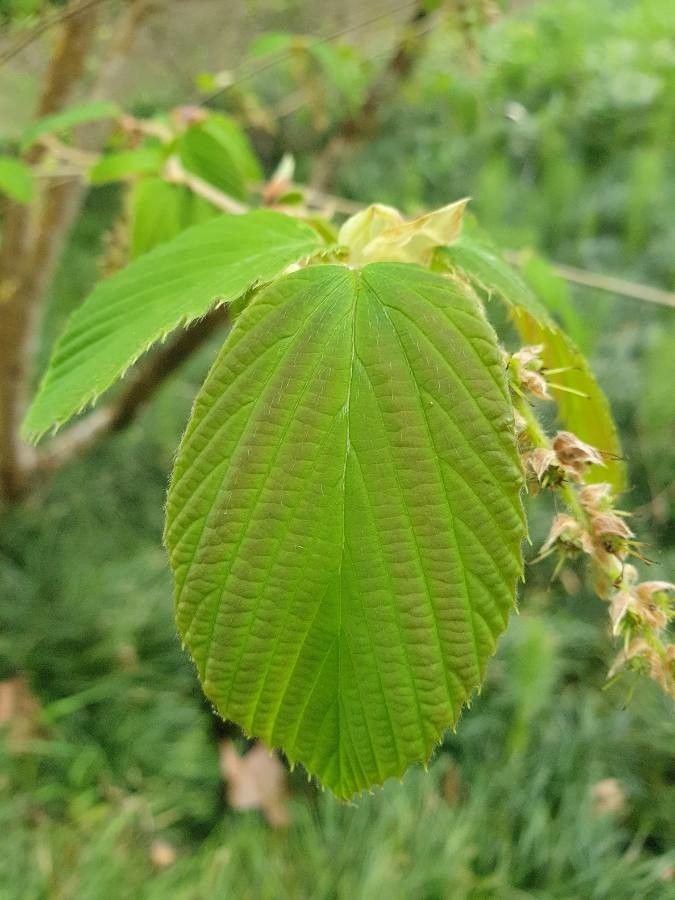
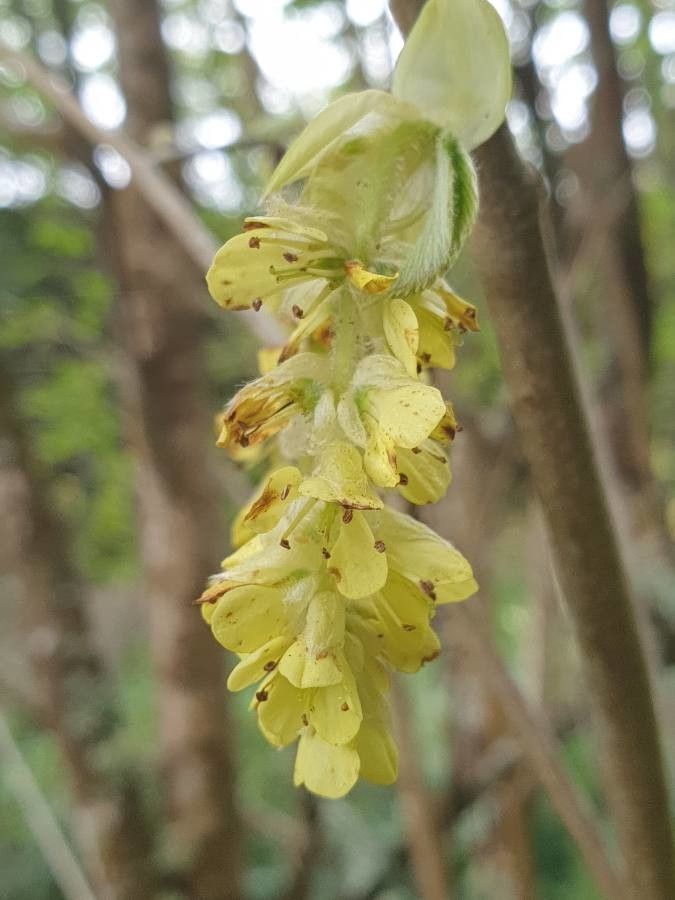
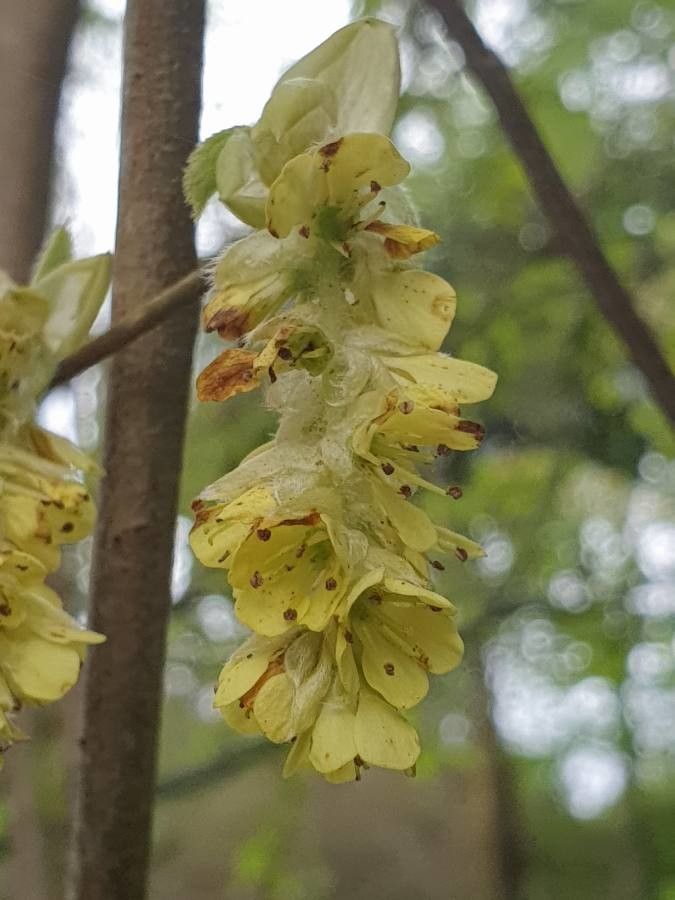
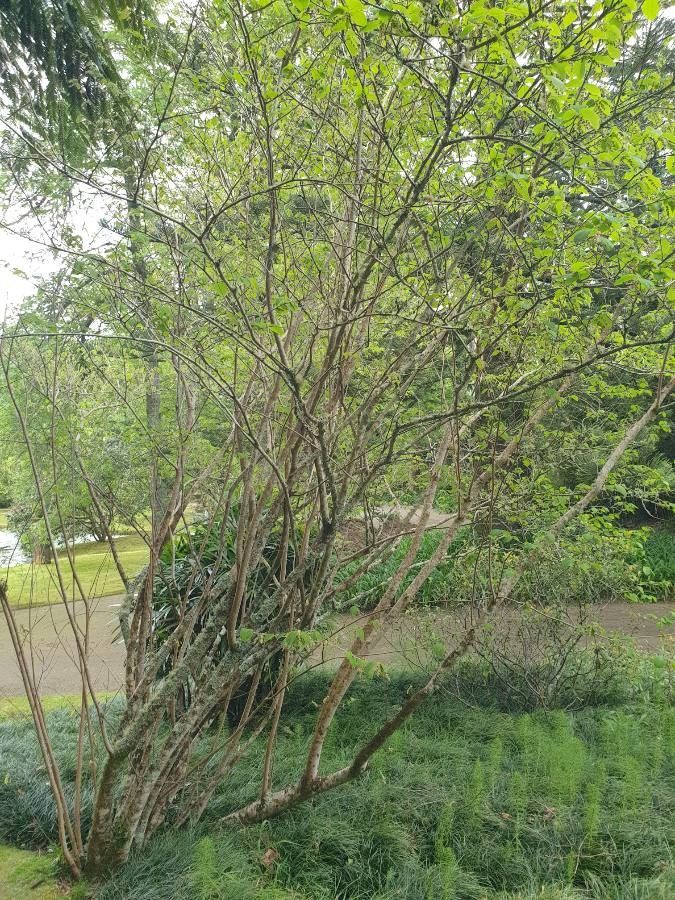
Winter hazel is resistant to disease and typically not susceptible to illnesses. In terms of care, the plant is fairly low-maintenance. When grown outdoors it needs only minimal watering, and larger plants usually do not require pruning. Smaller plants, however, should be pruned after they finish blooming. Winter hazelt is suitable for anyone with outdoor space, such as a garden or deck, and does not demand extensive gardening experience.
How to keep Corylopsis Veitchiana.
Light
Primarily influenced by its original growing environment, winter hazel responds well to moderate amounts of light, which encourage healthy growth. It can tolerate periods without sun, though too much or too little sunlight can impede its development. No growth stage has distinct light requirements.
Water
Winter hazel thrives best in well-drained soil and needs watering every 2 to 3 weeks, as it shows moderate drought tolerance. While it is ideally grown outdoors, maintaining a balanced moisture level will help it flourish. Using rainwater can also promote healthier growth.
Temperature
Winter hazel is highly adaptable to different climate conditions, from very hot summers to cold winters. That said, it does have a preferred temperature range for healthy growth. If temperatures rise too much, the plant can suffer from heat and humidity stress, which may kill it. In places where temperatures near the lower limit of its cold tolerance, providing insulation to protect the plant is advisable.
Fertilizer
Applying fertilizer at the right time is important for Winter hazel. Begin fertilizing in early spring and continue monthly through early summer. Fertilizer encourages attractive blooms and supplies energy during both dormant and active growth phases.
Pruning
Winter hazel is known for its early spring blossoms and spreading branches. To encourage healthy growth and more blooms, prune it after flowering to shape the plant and remove any dead or diseased wood. Maintaining an open structure is important for allowing sunlight and air to circulate, which helps prevent disease and enhances the plant's ornamental value.
Botanical profile.
- Plant Type
- Shrub
- Life Cycle
- Perennial
- Genus
- Corylopsis
- Family
- Hamamelidaceae
- Hardiness Zone
- 6-8
- Mature Height
- 2.44 m to 4.27 m
- Mature Spread
- 1.52 m to 1.83 m
- Leaf Color
- Green, Dark Green
- Leaf Type
- Deciduous
- Flower Color
- Yellow
- Flower Size
- 3.05 cm to 4.06 cm
- Bloom Time
- Early spring, Mid spring
- Planting Time
- Spring, Summer
- Harvest Time
- Early summer, Mid summer
- Native Area
- China
Other names.
Reader questions.
What are the sunlight requirements for Winter Hazel?
Winter Hazel requires about 3-6 hours of sunlight daily, thriving in partial sun conditions. The plant is adaptable to moderate light levels, promoting healthy growth. It's important to observe how sunlight moves through your garden to find the ideal balance of light and shade. Excessive or insufficient sunlight can hinder the plant's development. For indoor plants, artificial lighting can be crucial, especially in less sunny spaces or during winter. LED lights are recommended for their ability to provide specific wavelengths needed by plants. The intensity and duration of artificial light should mimic natural sunlight conditions to support the plant's growth.
What is the botanical name of Winter hazel?
The botanical name of Winter hazel is Corylopsis veitchiana. This name helps distinguish it from other species within the Corylopsis genus.
What symptoms indicate light deficiency in Winter Hazel?
Symptoms of light deficiency in Winter Hazel include smaller new leaves, leggy or sparse growth, faster leaf drop, slower or halted growth, and lighter-colored or yellowing leaves, indicating a lack of chlorophyll. Excessive sunlight can cause chlorosis, sunscald, leaf curling, wilting, and leaf scorching. These symptoms demonstrate the plant's struggle to adapt to either too much or too little light, highlighting the importance of finding the right balance to maintain plant health.
How can I address sunlight-related issues with Winter Hazel?
To address sunlight-related issues with Winter Hazel, gradual adaptation is key. For indoor plants, shift them to sunnier spots each week until they receive the optimal 3-6 hours of direct sunlight daily, or use artificial light for at least 8 hours daily. Outdoor plants should also be moved gradually to avoid sunburn. Solutions include reducing obstructions like pruning tree branches to increase sunlight exposure and transplanting smaller plants during their dormant periods to locations with better sunlight and drainage. It's important to note that parts of the plant damaged by insufficient light may not recover, but new growth will be healthy with improved light exposure.