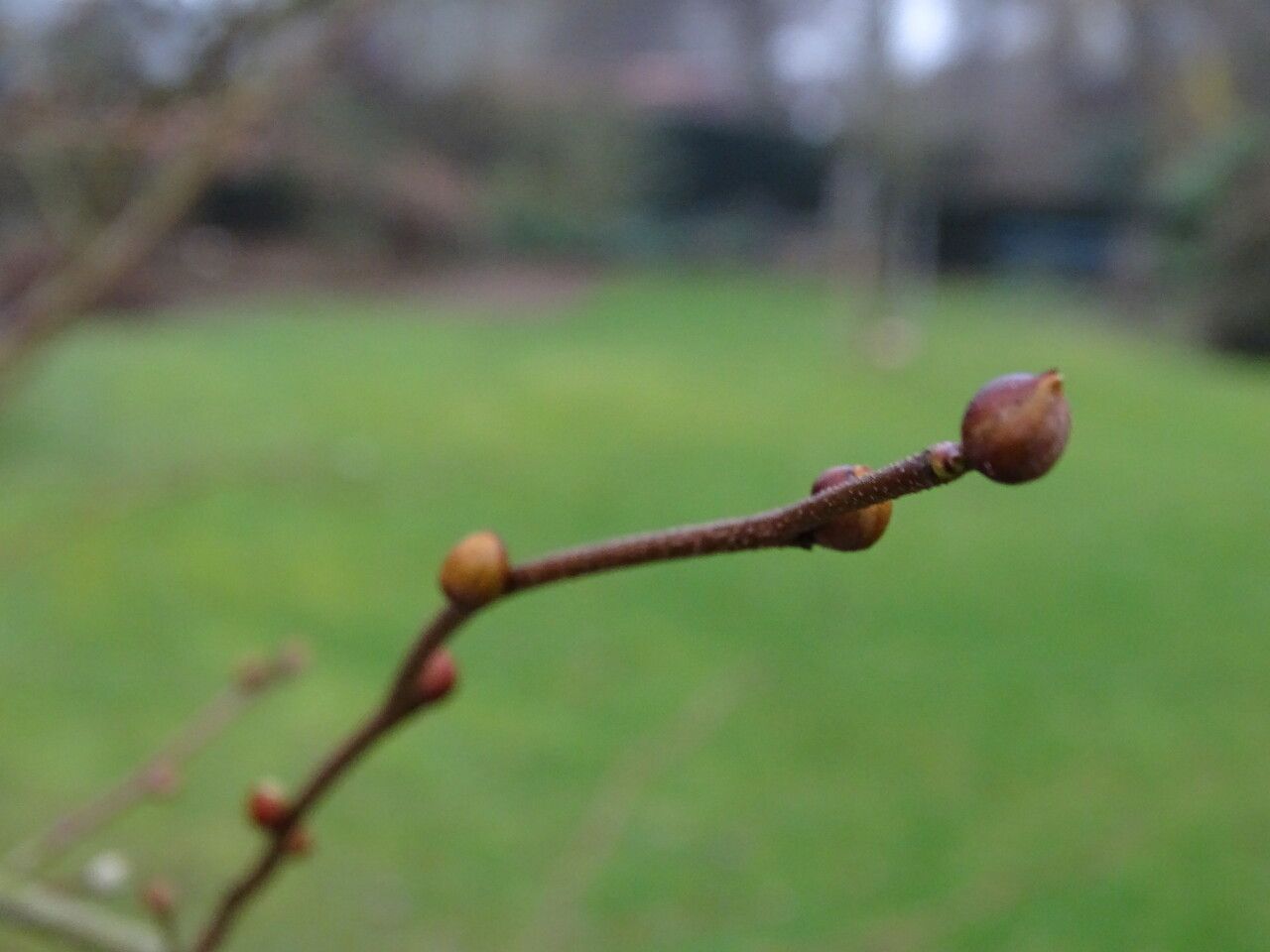
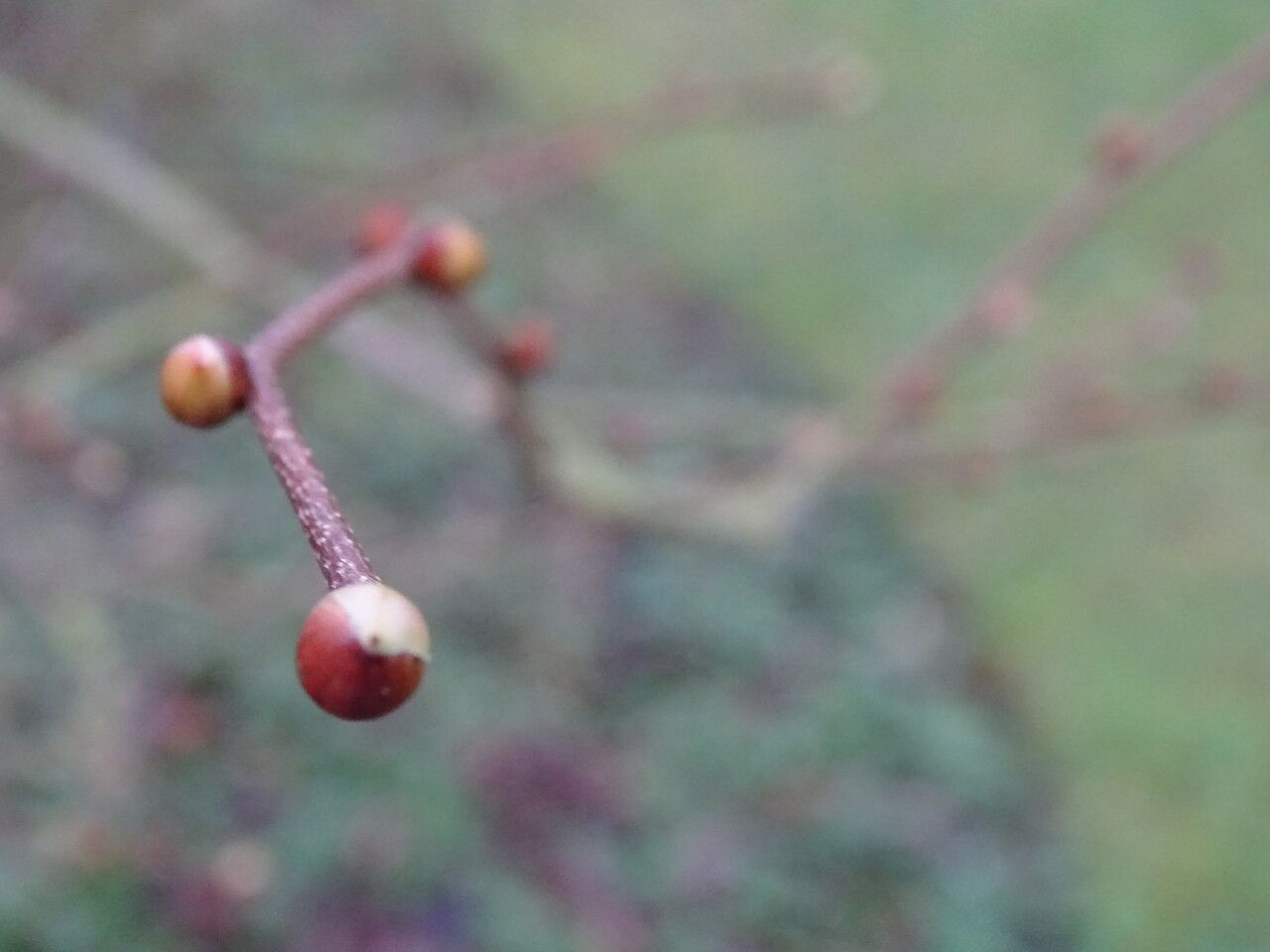
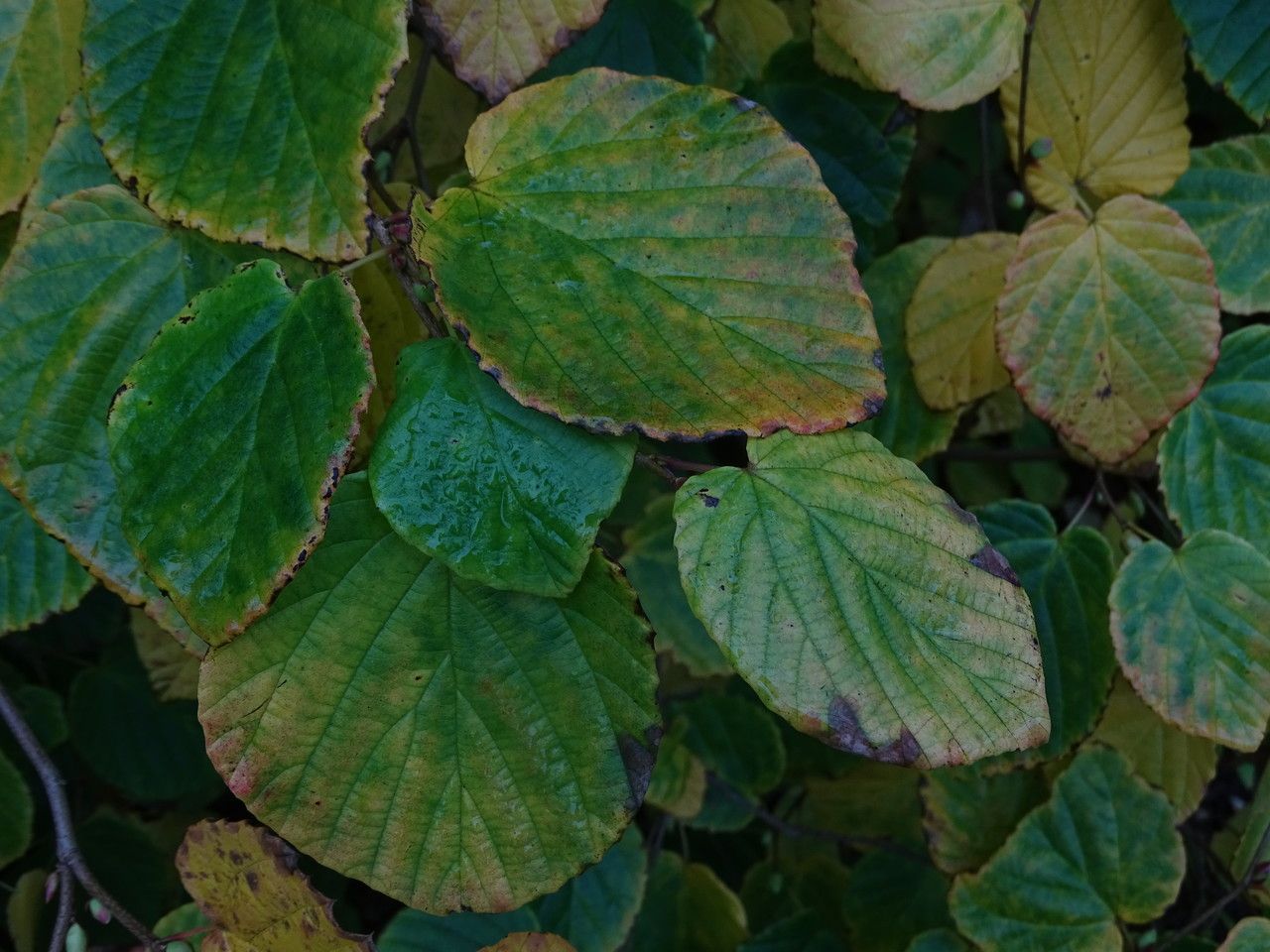
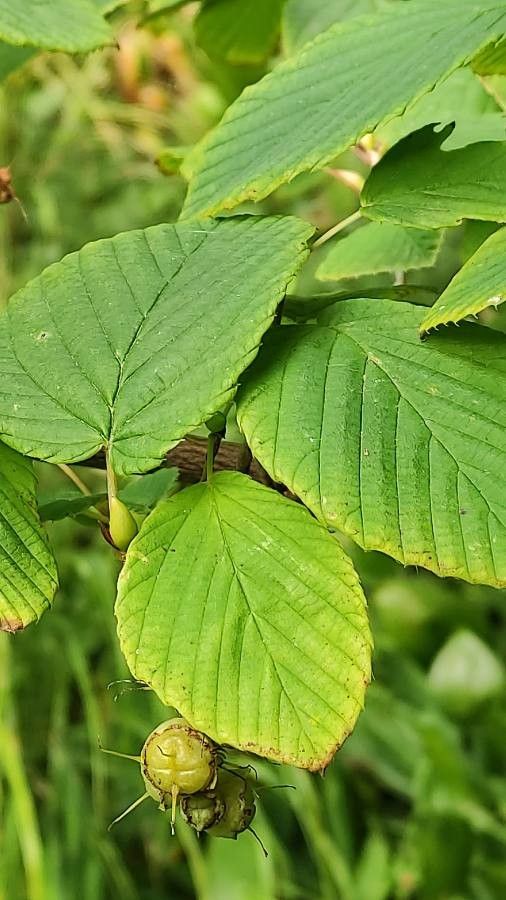
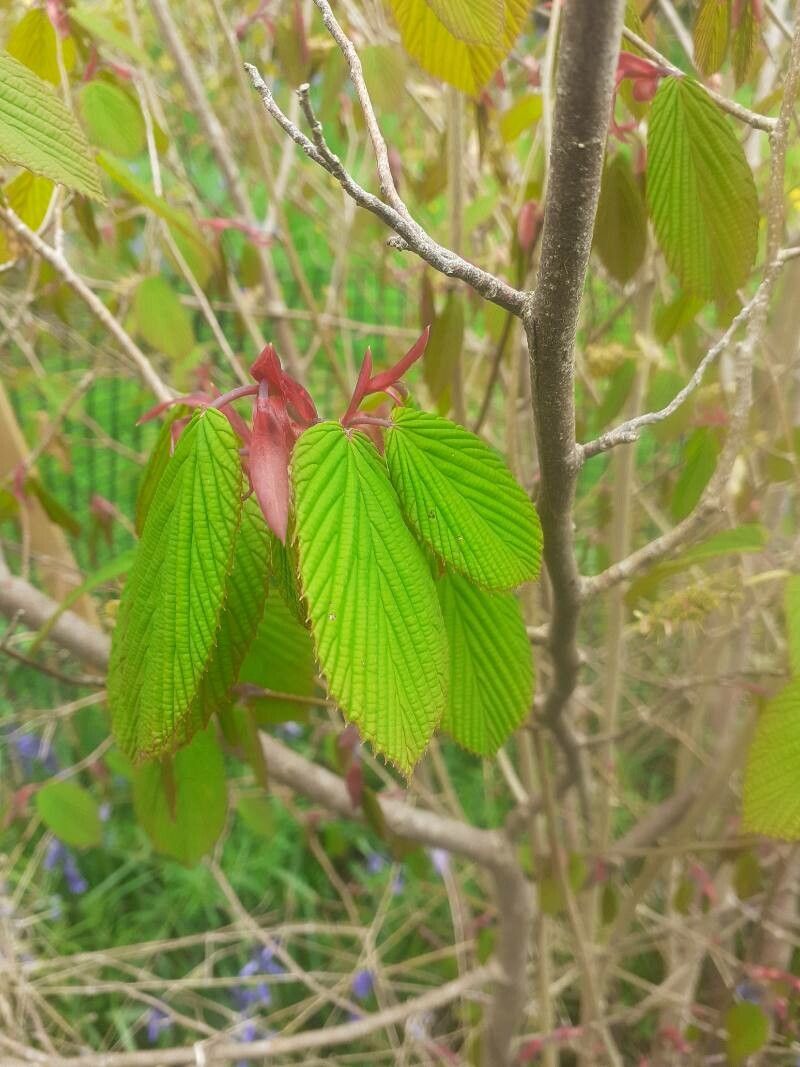
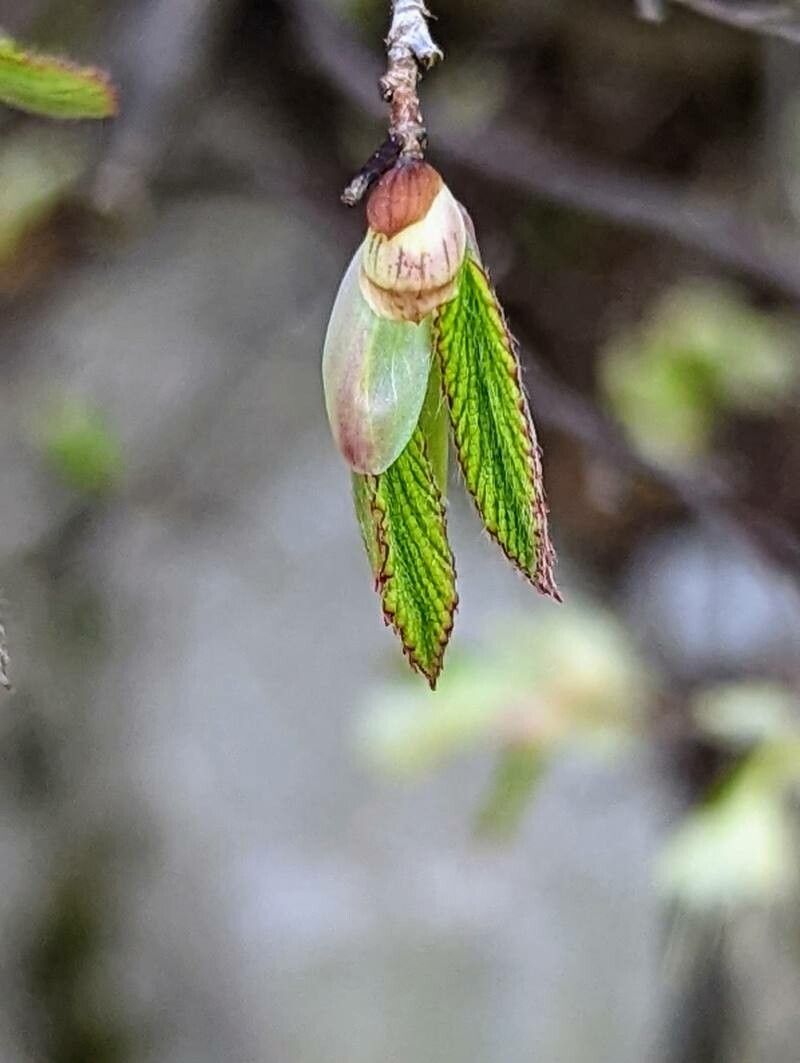
Winter hazel is resistant to disease and typically not susceptible to illnesses. In terms of care, the plant is fairly low-maintenance. When grown outdoors it needs only minimal watering, and larger plants usually do not require pruning. Smaller plants, however, should be pruned after they finish blooming. Winter hazelt is suitable for anyone with outdoor space, such as a garden or deck, and does not demand extensive gardening experience.
How to keep Corylopsis Glandulifera.
Light
Winter hazel comes from habitats like forest understories or rocky locations, where it is normally shaded. It prefers partial sun but can adjust to full sun or deep shade, reflecting its hardy, adaptable character.
Water
Winter hazel, originally from the moist understories of forests, thrives in environments with consistent humidity and can tolerate moderate drought. To keep the plant healthy, water it twice a week to maintain its moisture balance. Although it is commonly grown outdoors, winter hazel benefits from additional humidity during the growing season, which helps produce vibrant flowers and lush foliage.
Temperature
Winter hazel is highly adaptable to different climate conditions, from very hot summers to cold winters. That said, it does have a preferred temperature range for healthy growth. If temperatures rise too much, the plant can suffer from heat and humidity stress, which may kill it. In places where temperatures near the lower limit of its cold tolerance, providing insulation to protect the plant is advisable.
Fertilizer
Applying fertilizer at the right time is important for Winter hazel. Begin fertilizing in early spring and continue monthly through early summer. Fertilizer encourages attractive blooms and supplies energy during both dormant and active growth phases.
Pruning
Winter hazel blooms in early spring, producing fragrant yellow flowers. After it flowers, it benefits from pruning, which helps remove dead or crossing branches. This not only promotes new growth but also improves air circulation. Providing proper care enhances blooming, prevents disease, and keeps winter hazel vibrant in the garden.
Botanical profile.
- Plant Type
- Shrub
- Life Cycle
- Perennial
- Genus
- Corylopsis
- Family
- Hamamelidaceae
- Hardiness Zone
- 5-8
- Mature Height
- 3.05 m
- Mature Spread
- 5.18 m
- Leaf Color
- Light Green, Olive Drab
- Leaf Type
- Deciduous
- Flower Color
- Yellow
- Flower Size
- 1.02 cm to 2.03 cm
- Bloom Time
- Late winter, Early spring
- Planting Time
- Spring, Summer
- Harvest Time
- Summer
- Native Area
- China
Reader questions.
What are the sunlight requirements for Winter Hazel (Corylopsis glandulifera)?
Winter Hazel (Corylopsis glandulifera) thrives in varying amounts of sunlight, depending on your specific gardening goals. For partial sun exposure, it requires about 3-6 hours of sunlight per day. If you're aiming for full sun exposure, ensure it receives above 6 hours of sunlight daily. It's essential to watch how sunlight moves through your garden to pick spots that offer the ideal mix of light and shade, ensuring the plants remain healthy and happy.