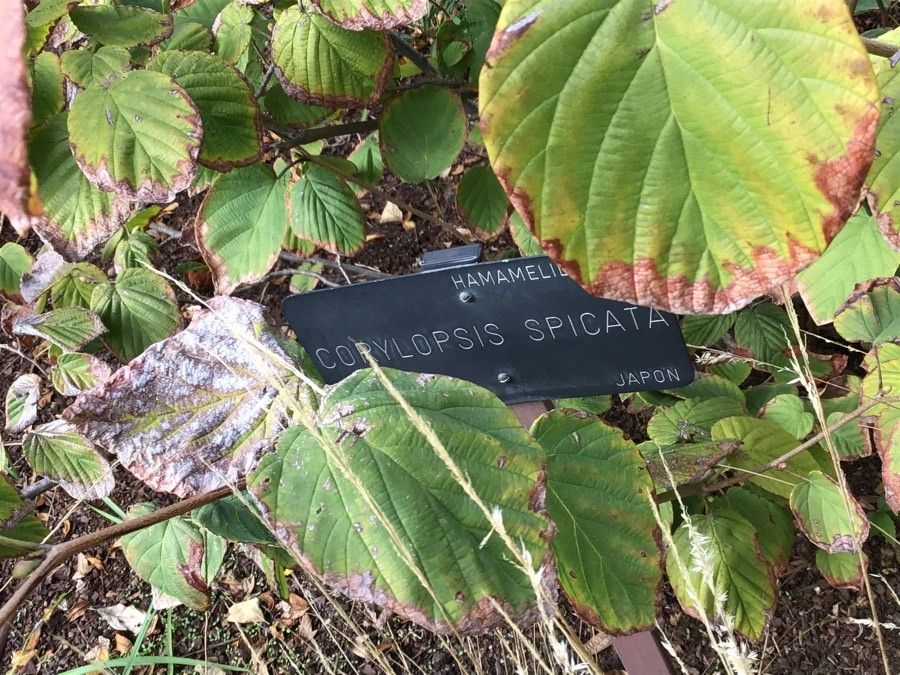
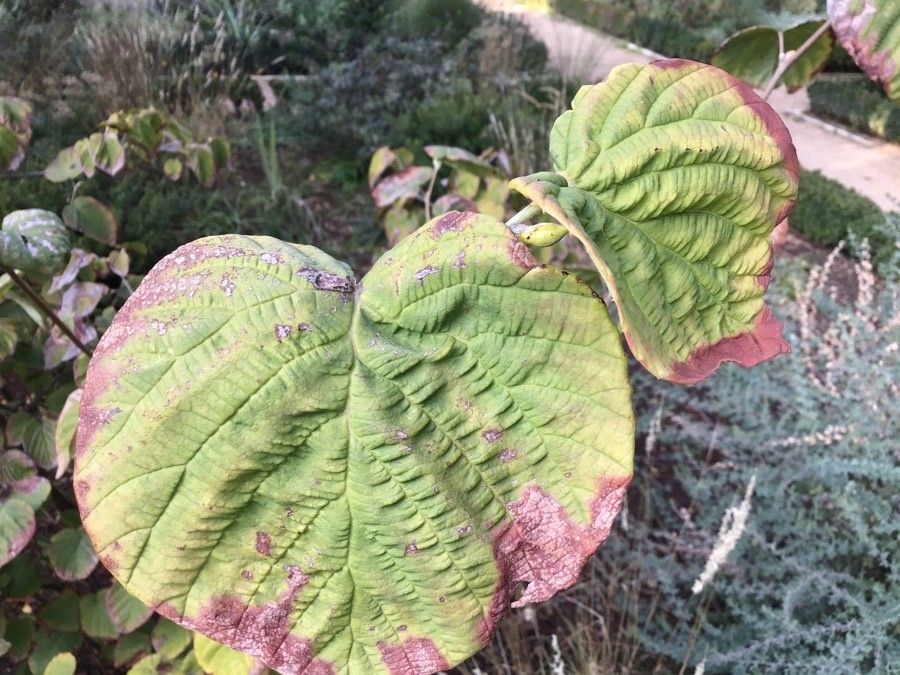
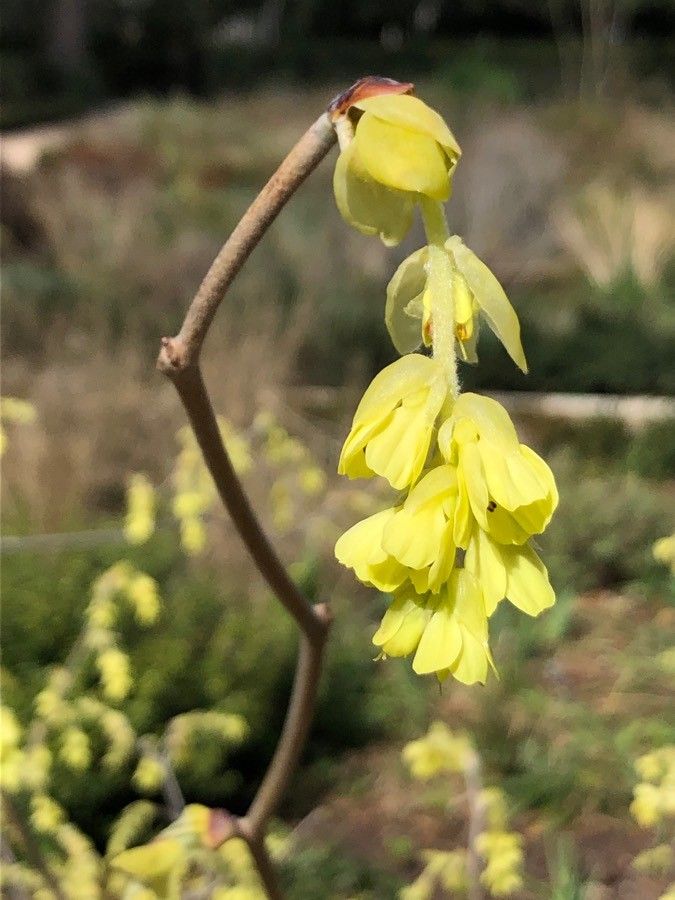
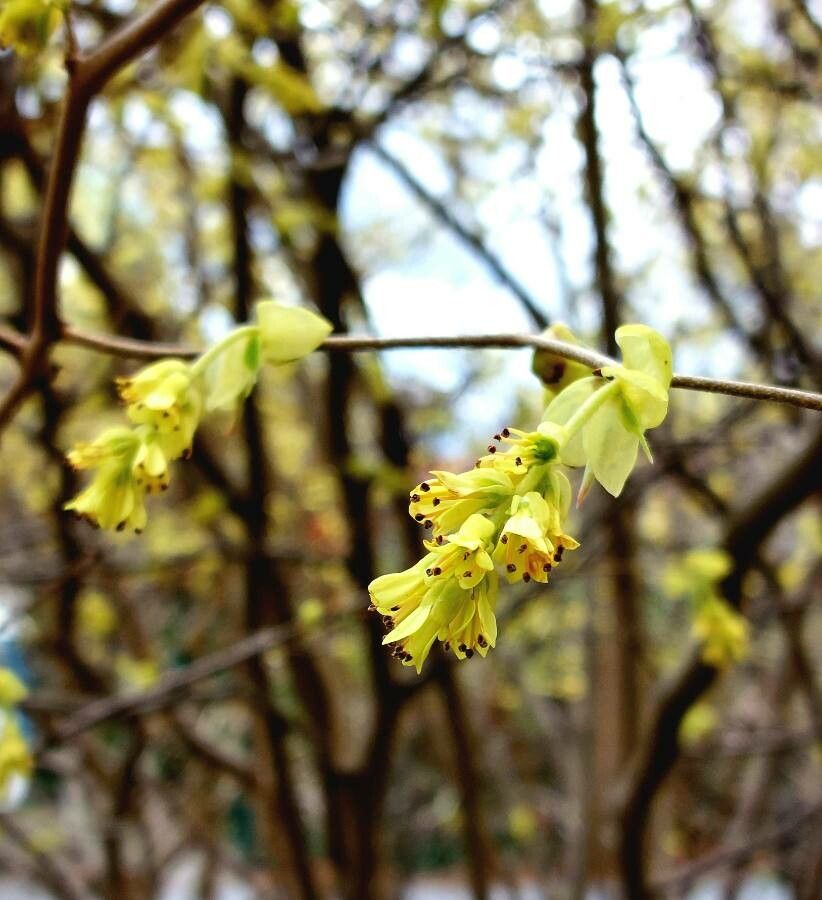
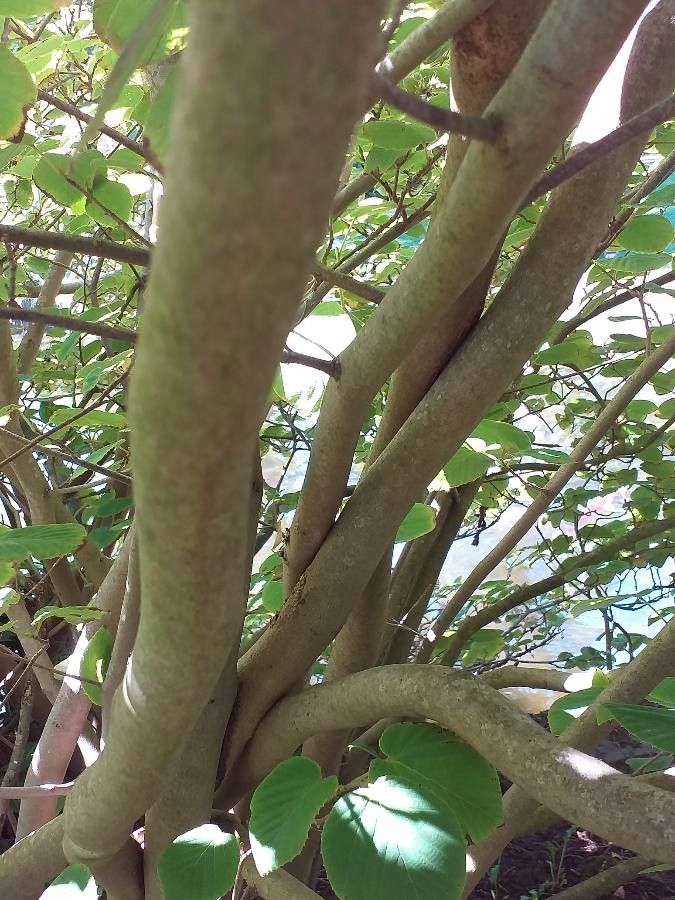
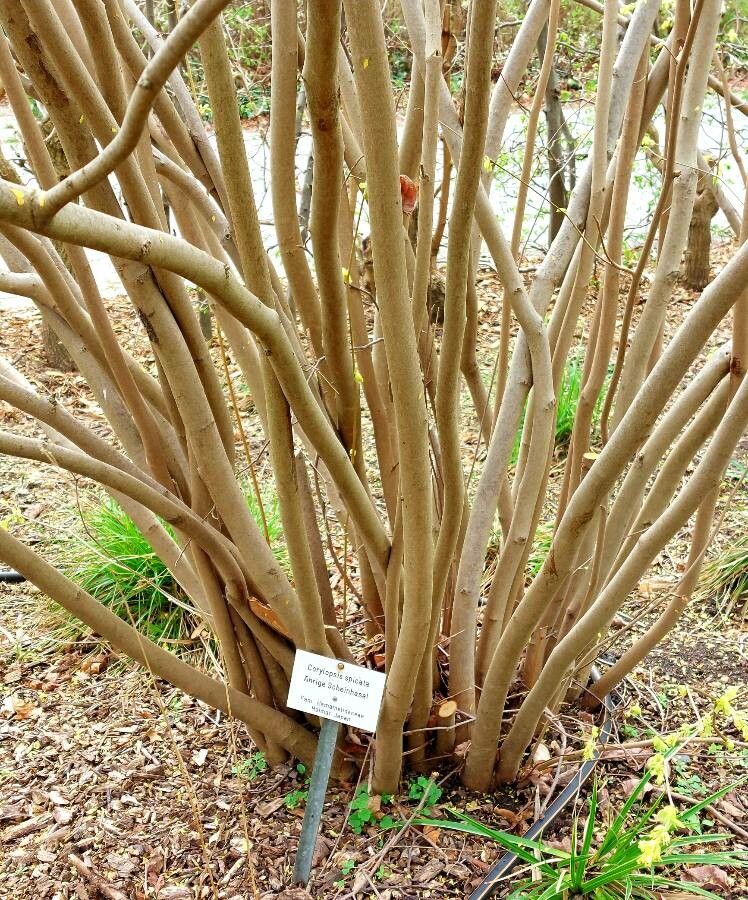
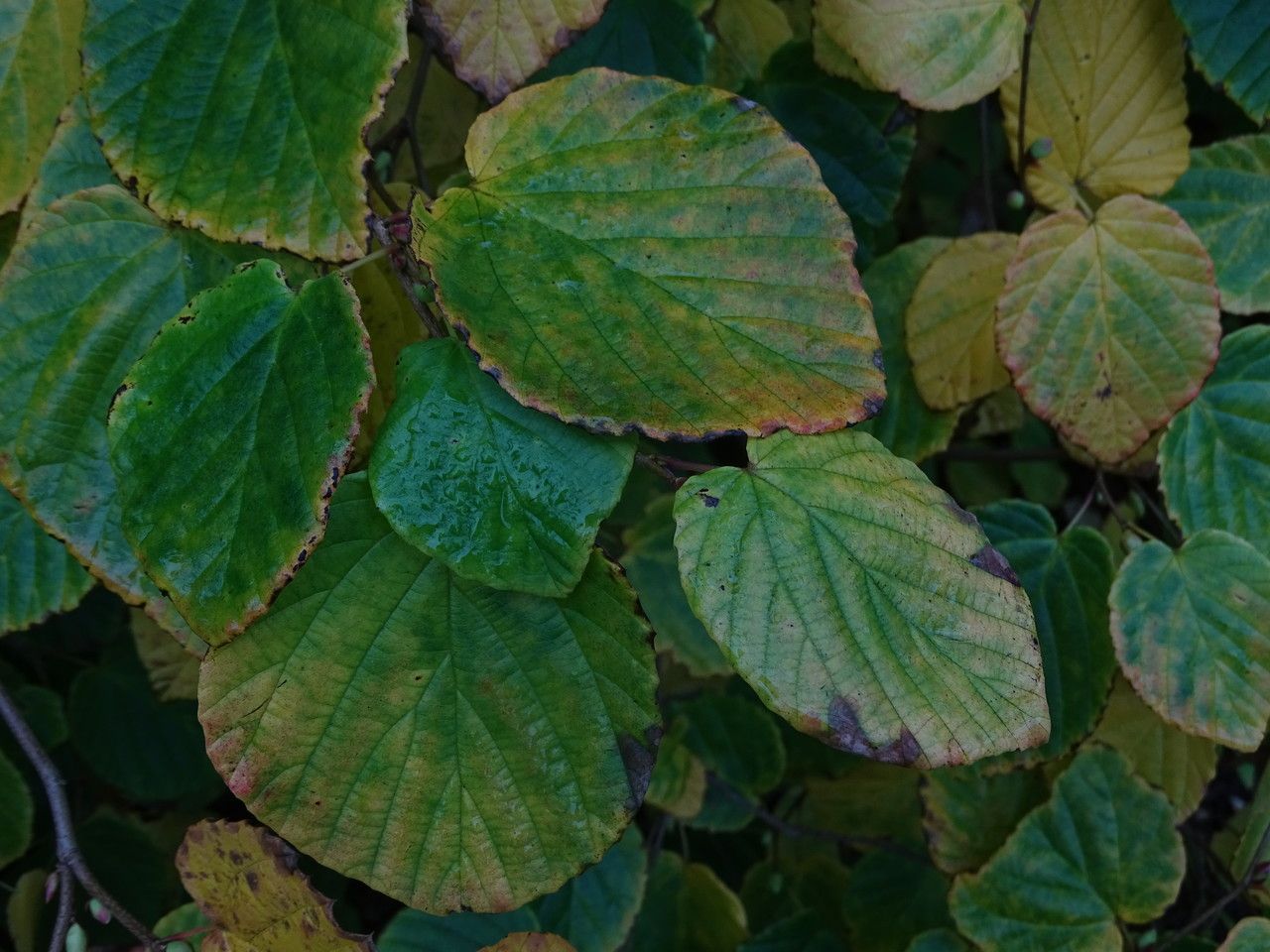
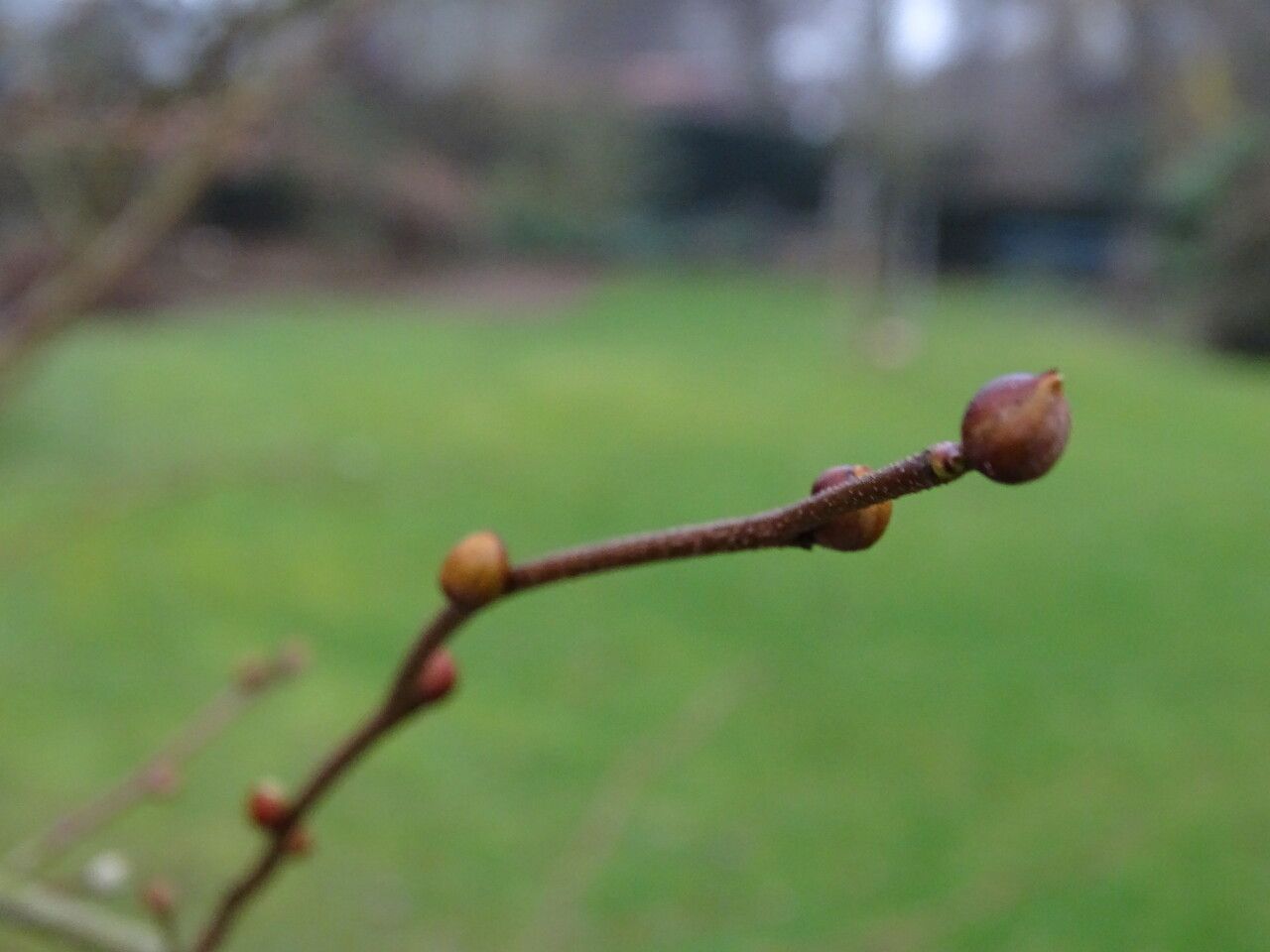
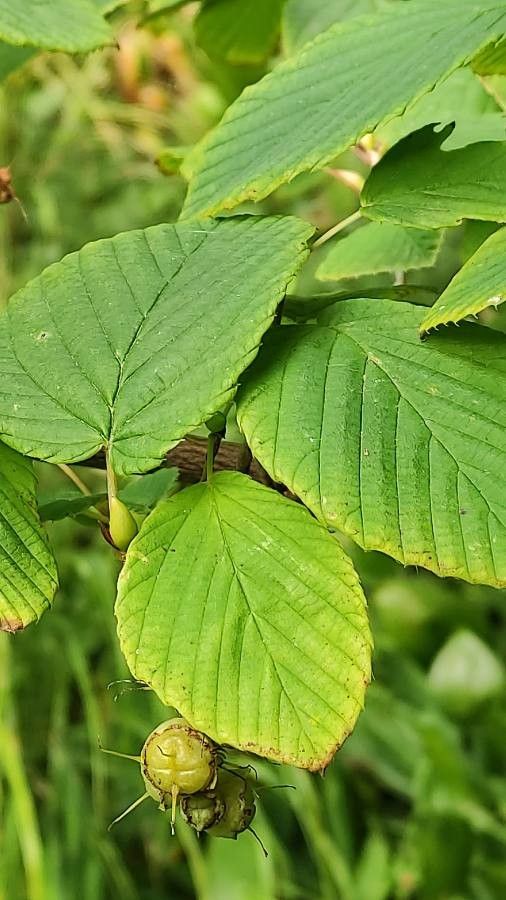
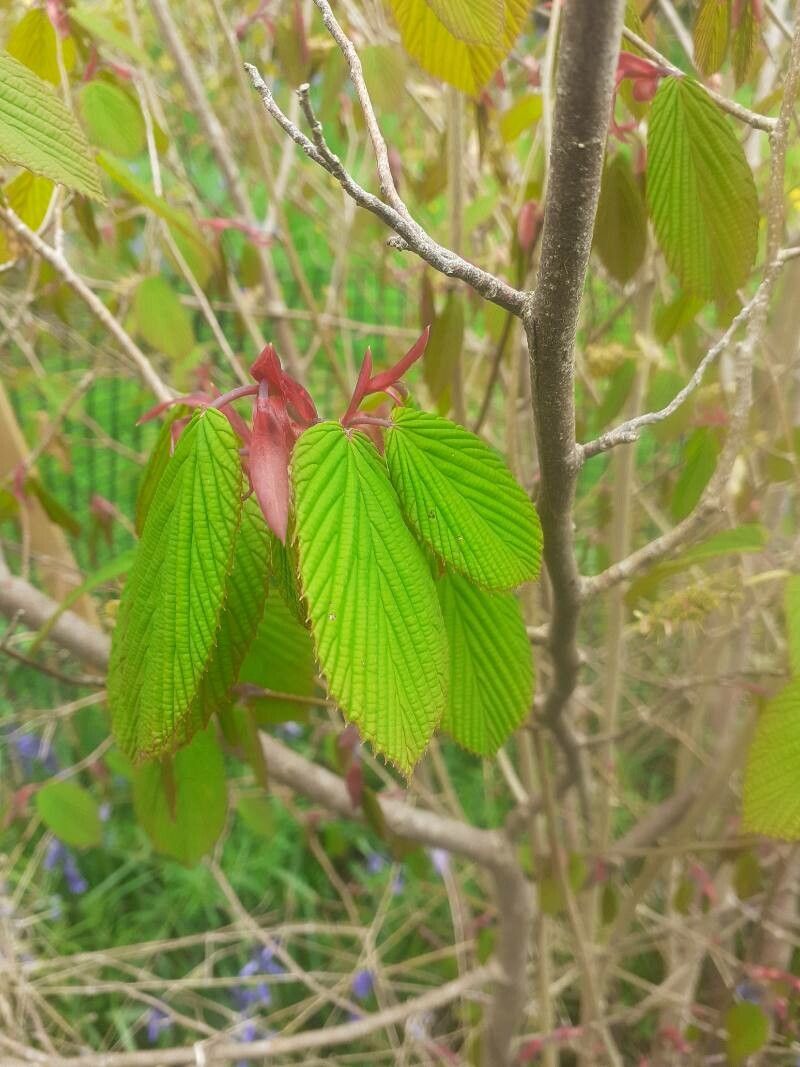
Sweetly-scented, pale primrose-yellow flowers bloom in short clusters along the bare stems, creating a beautiful display when few other plants are in flower. The blue-green leaves have an interesting texture and turn straw yellow in the fall. This graceful shrub is perfect for a woodland garden. It is deciduous.
Spike winterhazel is disease-resistant and is generally not susceptible to illnesses. Regarding care, this plant is fairly low-maintenance. When grown outdoors it needs little watering, and larger plants usually do not require pruning. Smaller plants, however, should be pruned after they finish blooming. Spike winterhazelt is suitable for anyone with outdoor space, such as a garden or deck, and does not demand much experience in plant care.
How to keep Corylopsis Spicata.
Light
Spike winterhazel is native to habitats like forest understories and rocky sites, where it is accustomed to natural shade. It favors partial sun but can tolerate both full sun and full shade, reflecting its adaptable and hardy nature.
Water
Spike winterhazel, originally from East Asian woodlands, thrives in environments with consistent moisture and moderate humidity. To keep the soil evenly moist without causing waterlogging, water it every 1-2 weeks. Proper watering is crucial, as it ensures the vibrant spring blossoms of this ornamental shrub, mimicking its natural habitat's conditions.
Temperature
Spike winterhazel shows strong adaptability to a range of climate conditions, whether in very hot summers or cold winters. However, it has a preferred temperature range for growth. If temperatures become excessively high, the plant is vulnerable to heat and humidity stress, which can lead to its death. In areas where temperatures approach the lower limit of its cold tolerance, it is important to provide insulation to protect the plant.
Fertilizer
Timing is essential for fertilizing Spike winterhazel. Apply fertilizer beginning in early spring and then every month through early summer. The fertilizer promotes attractive blooms and supplies energy both during dormancy and periods of active growth.
Pruning
The Spike Winterhazel is a plant known for its beautiful, hanging yellow flowers. To keep it healthy, you should prune it in early spring, right after it finishes blooming. When pruning, remove any dead or damaged wood and thin out crowded branches to improve air circulation and light access. This promotes healthy growth and leads to more abundant blooms. Pruning also helps maintain the plant's shape and size.
Botanical profile.
- Plant Type
- Shrub
- Life Cycle
- Perennial
- Genus
- Corylopsis
- Family
- Hamamelidaceae
- Hardiness Zone
- 5-8
- Mature Height
- 1.83 m to 2.44 m
- Mature Spread
- 1.83 m to 2.44 m
- Leaf Color
- Red, Green
- Leaf Type
- Deciduous
- Flower Color
- Yellow
- Flower Size
- 2.54 cm to 7.62 cm
- Bloom Time
- Late winter, Early spring
- Planting Time
- Spring, Summer, Autumn
- Harvest Time
- Mid summer, Late summer, Early fall
- Native Area
- Japan
Other names.