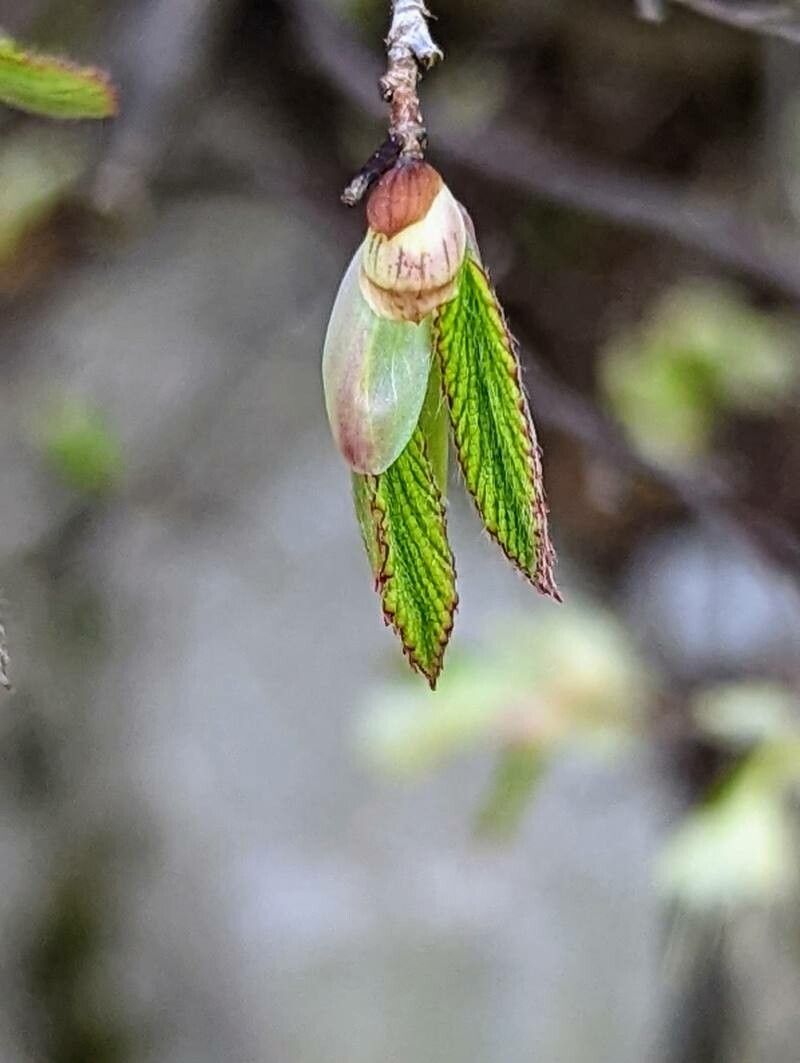
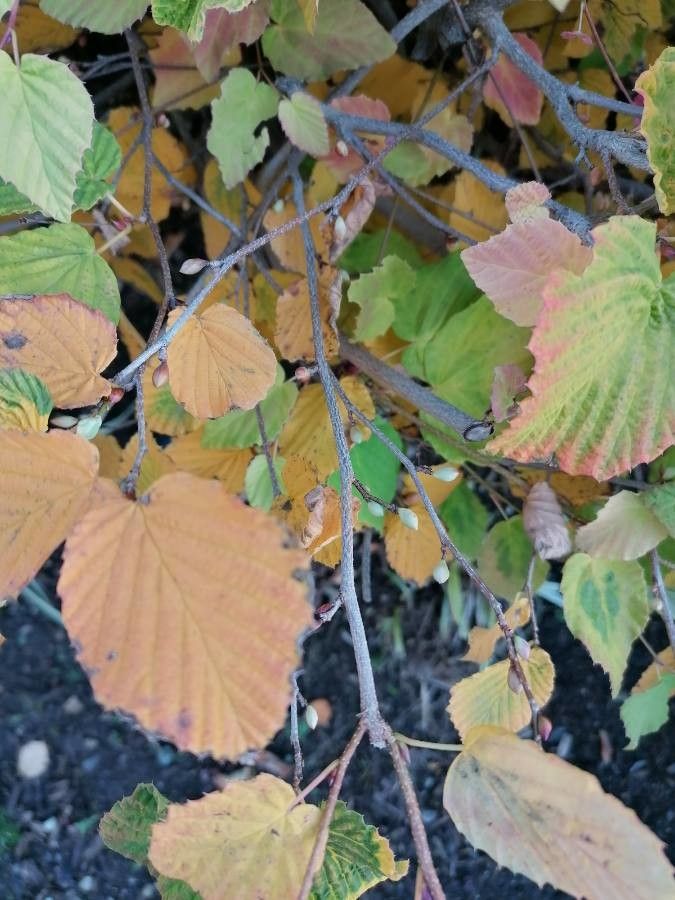
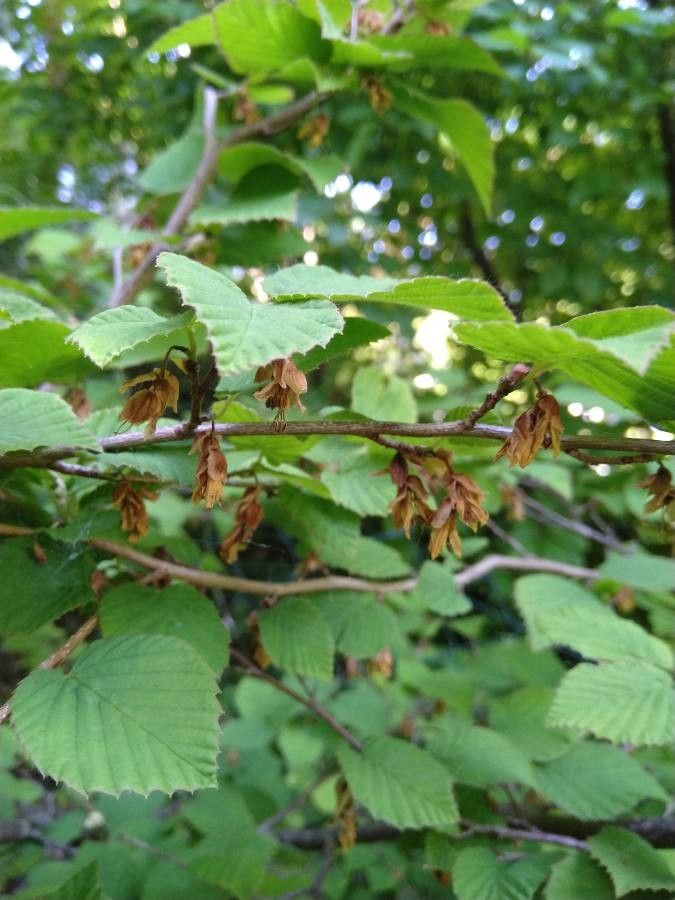
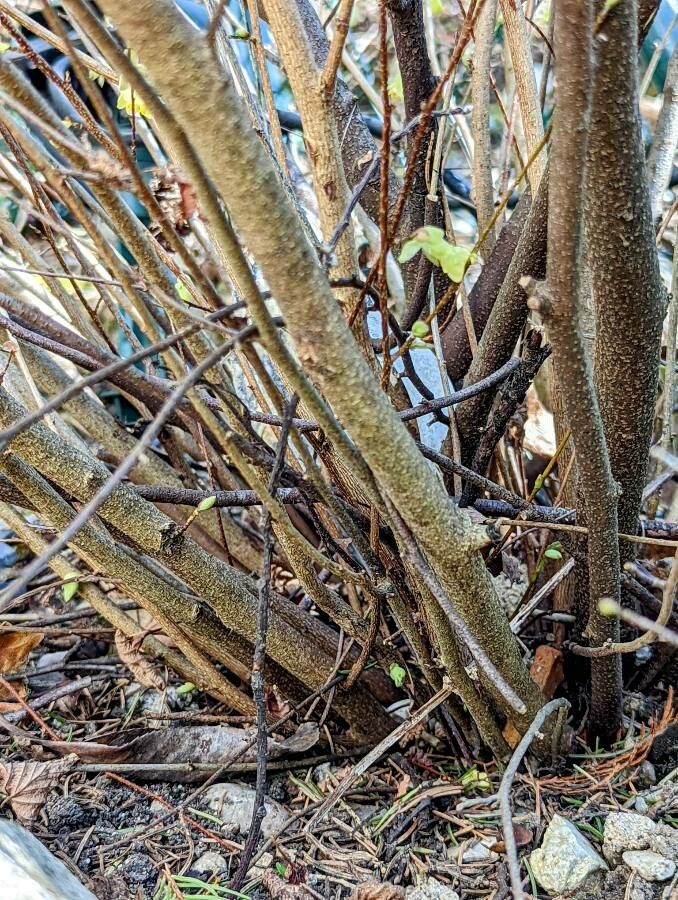
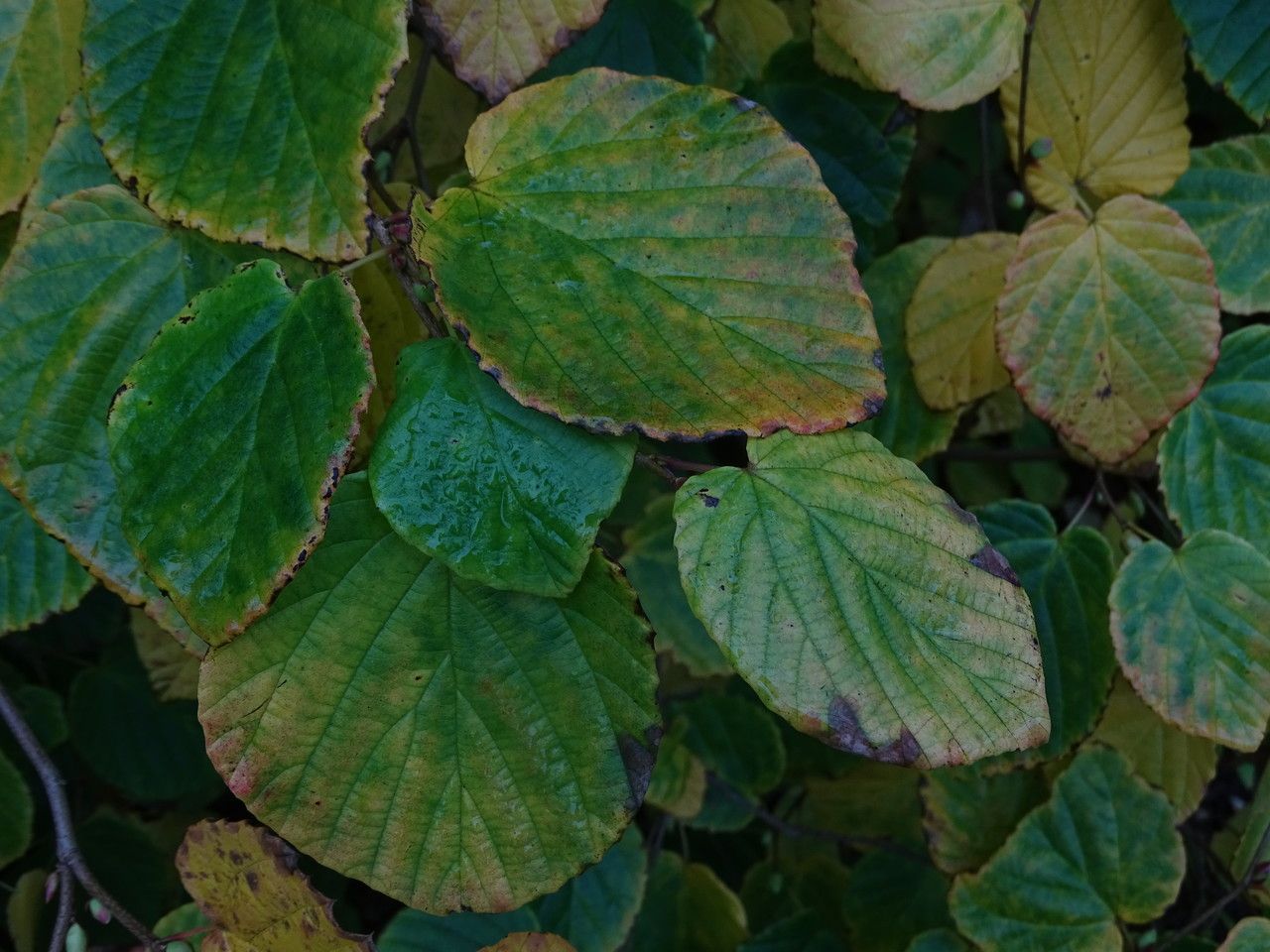
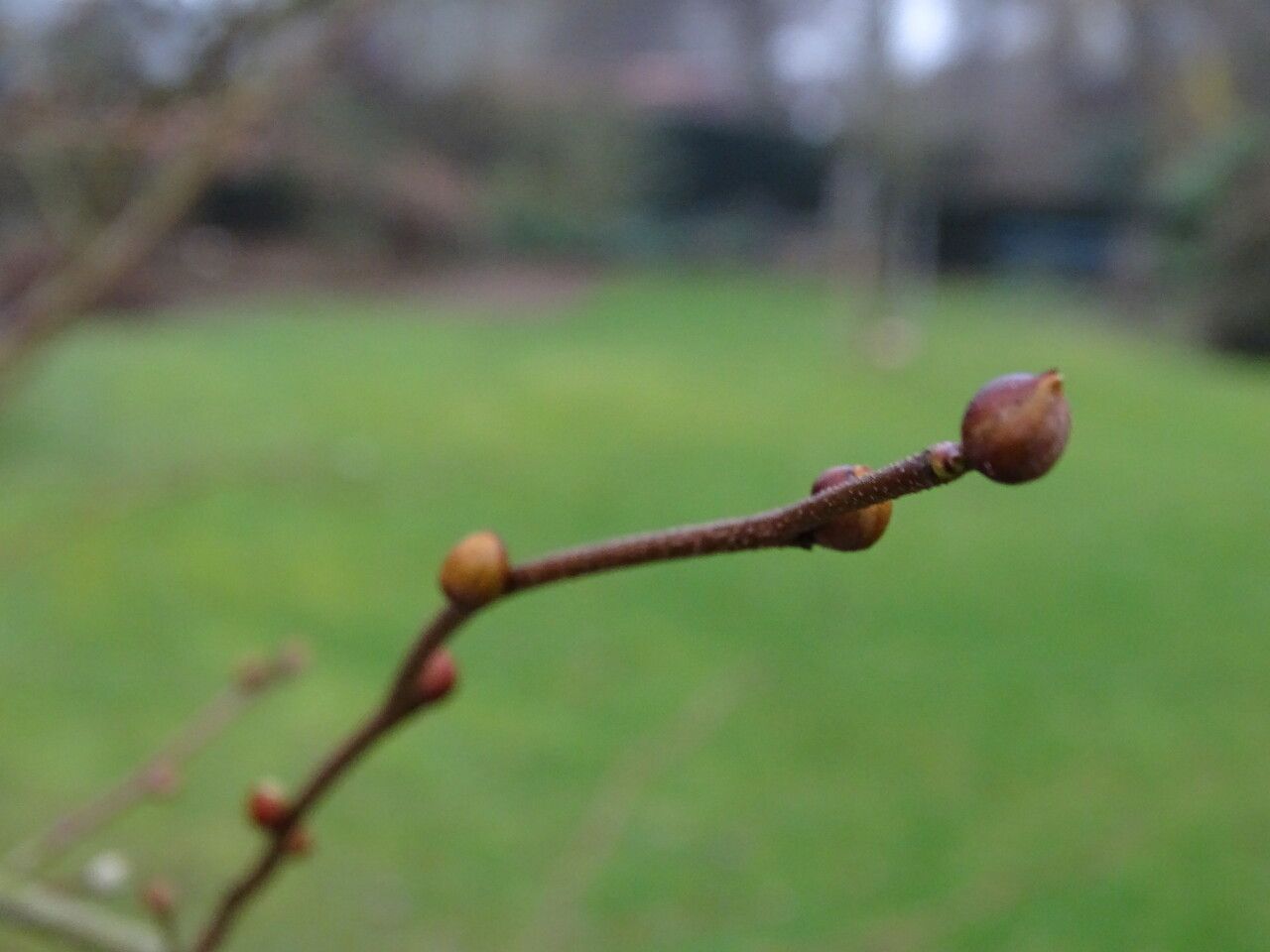
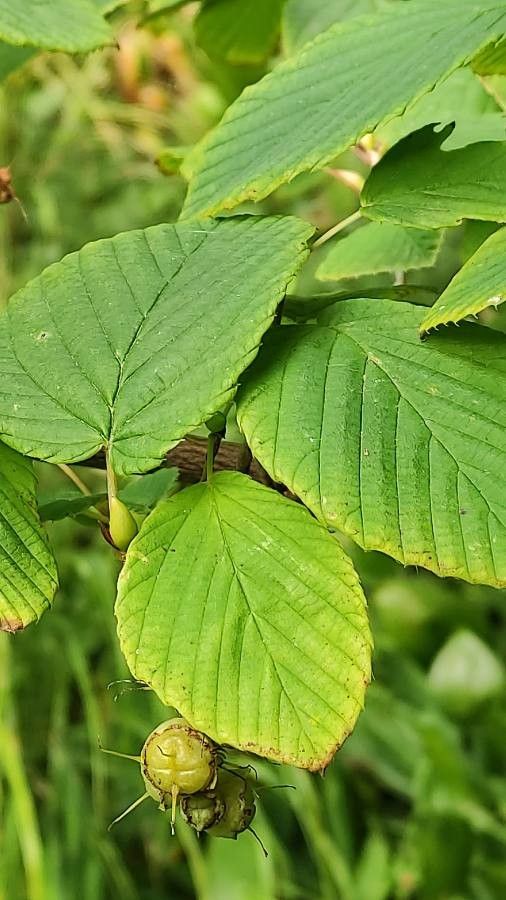
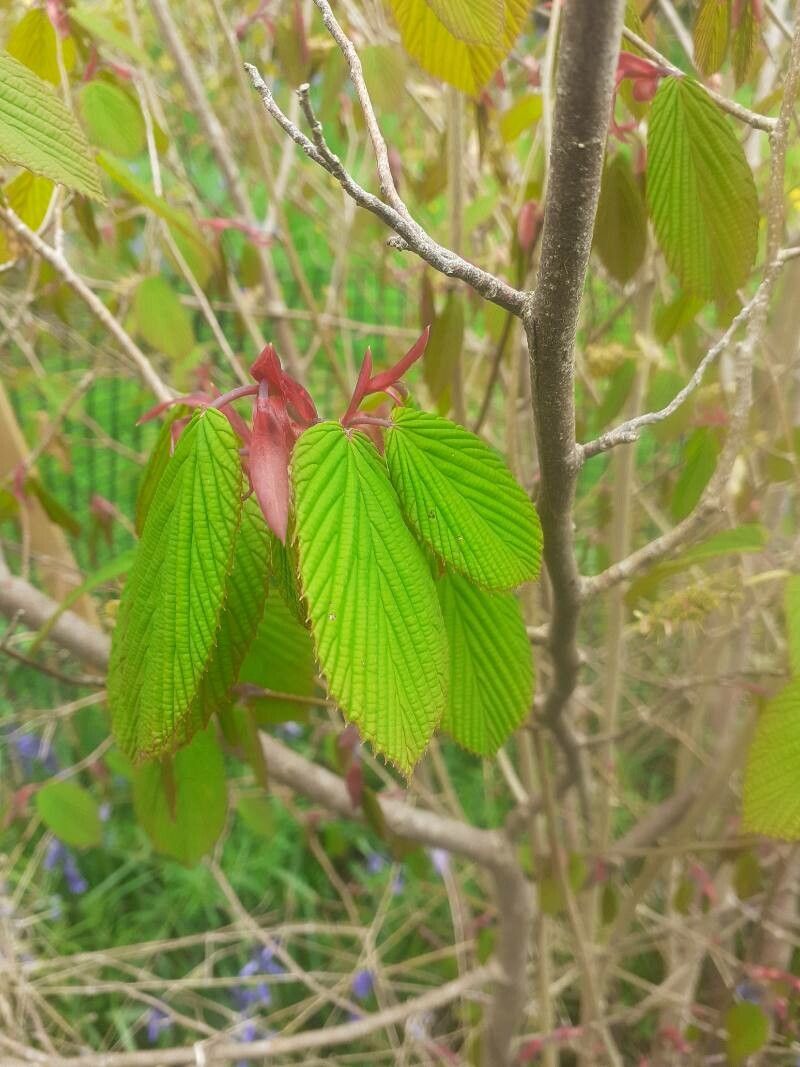
Corylopsis pauciflora, commonly known as the buttercup winter hazel, is a deciduous shrub that belongs to the Hamamelidaceae family. Native to Japan and Korea, this plant can grow to a height of 2-3 meters. It has a spreading habit with arching branches adorned with bright green leaves during the growing season.
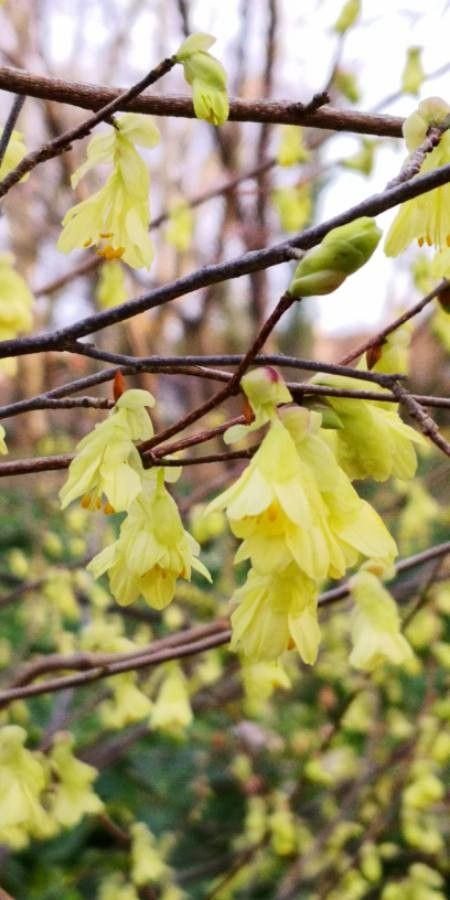
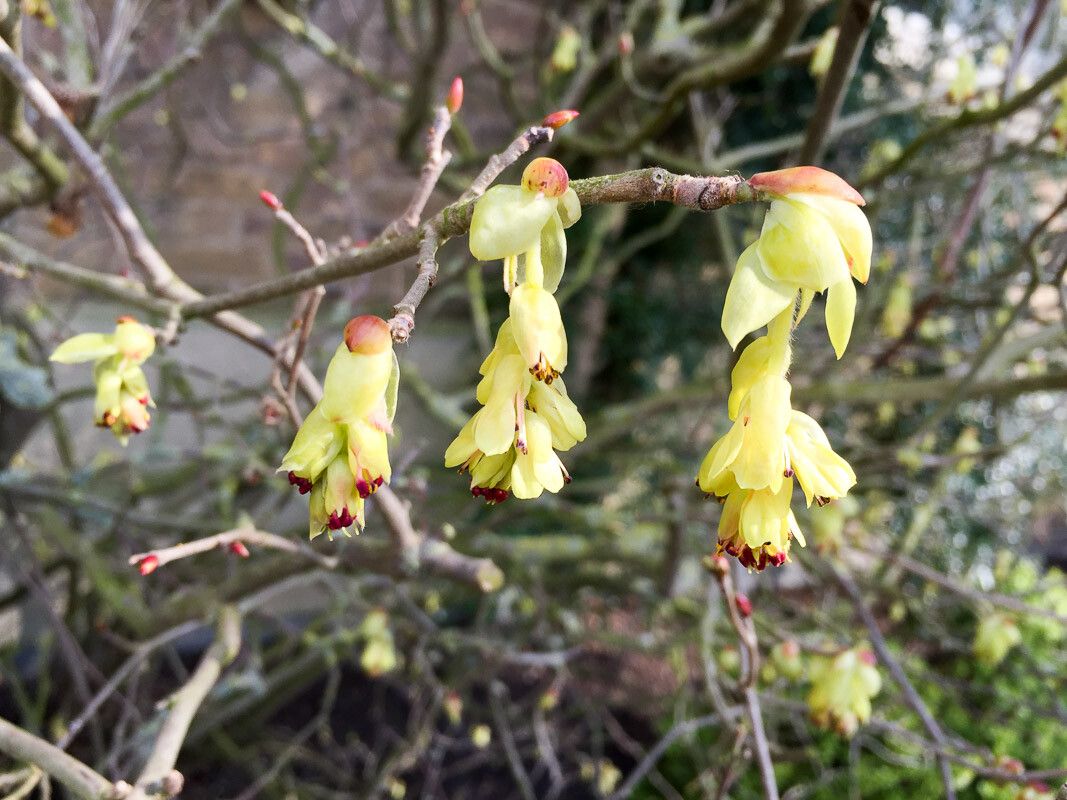
In early spring, before the leaves appear, Corylopsis pauciflora produces clusters of fragrant yellow flowers that resemble buttercups. These bell-shaped flowers hang from long stalks that emerge from buds along the branches.
The plant thrives in moist but well-drained soil and prefers partial shade or dappled sunlight. Hardy in USDA zones 5-8, it may require protection from harsh winter winds.
Corylopsis pauciflora is an excellent choice for woodland gardens or as an accent shrub in mixed borders, thanks to its early spring flowering and attractive summer foliage. It also makes a wonderful cut flower for indoor arrangements due to its long-lasting, sweetly fragrant blooms.
Overall, Corylopsis pauciflora is an attractive ornamental shrub with unique features, making it a standout during early spring when most other plants are still dormant or just beginning their growth cycle.
The Buttercup winter hazel is resistant to disease and, in general, not easily affected by illnesses. Regarding care, this plant is fairly low-maintenance. When grown outdoors it needs only light watering, and larger specimens typically do not require pruning. Smaller plants, however, should be pruned after they finish flowering. The Buttercup winter hazel is suitable for anyone who has outdoor space, such as a garden or a deck, and it does not call for extensive gardening experience.
How to keep Corylopsis Pauciflora.
Light
Buttercup winter hazel occurs naturally in habitats like forest understories or rocky sites, where it is exposed to natural shade. It favors partial sun but can tolerate both full sun and full shade, showing its versatile, hardy character.
Water
The Buttercup Winter Hazel is native to East Asian woodlands and thrives in moderately moist, well-draining soil. It's best to water the plant every 1-2 weeks, but reduce the frequency during the colder months when the plant is dormant to prevent root rot. This shrub is often grown outdoors for its ornamental beauty.
Temperature
Buttercup winter hazel shows strong adaptability to a wide range of climate conditions, whether in blazing summers or frosty winters. Nevertheless, it has a specific temperature range in which it grows best. If temperatures become too high, the plant is vulnerable to heat and humidity stress, which can cause it to die. In areas where temperatures near the lower limit of its cold tolerance, providing insulation to protect the plant is important.
Fertilizer
The timing of fertilization is important for Buttercup winter hazel. Apply fertilizer in early spring and continue once a month through early summer. Fertilizer encourages attractive blooms and supplies energy during both dormant and active growth periods.
Pruning
Buttercup winter hazel is a shrub that blooms early with pale yellow flowers. For the best results, prune it in early spring after it has finished flowering. Focus on removing weak branches to enhance air circulation and improve the plant's structure. Regular pruning encourages more blooms and extends the shrub's lifespan. Always use clean, sharp tools to make precise cuts, and consult authoritative guides to follow best practices.
Botanical profile.
- Plant Type
- Shrub
- Life Cycle
- Perennial
- Genus
- Corylopsis
- Family
- Hamamelidaceae
- Hardiness Zone
- 6-8
- Mature Height
- 1.22 m to 1.83 m
- Mature Spread
- 1.22 m to 1.83 m
- Leaf Color
- Red, Green
- Leaf Type
- Deciduous
- Flower Color
- Yellow
- Flower Size
- 1.02 cm to 2.03 cm
- Bloom Time
- Early spring, Mid spring
- Planting Time
- Spring, Summer
- Harvest Time
- Early summer, Mid summer
- Native Area
- Japan, China
Other names.