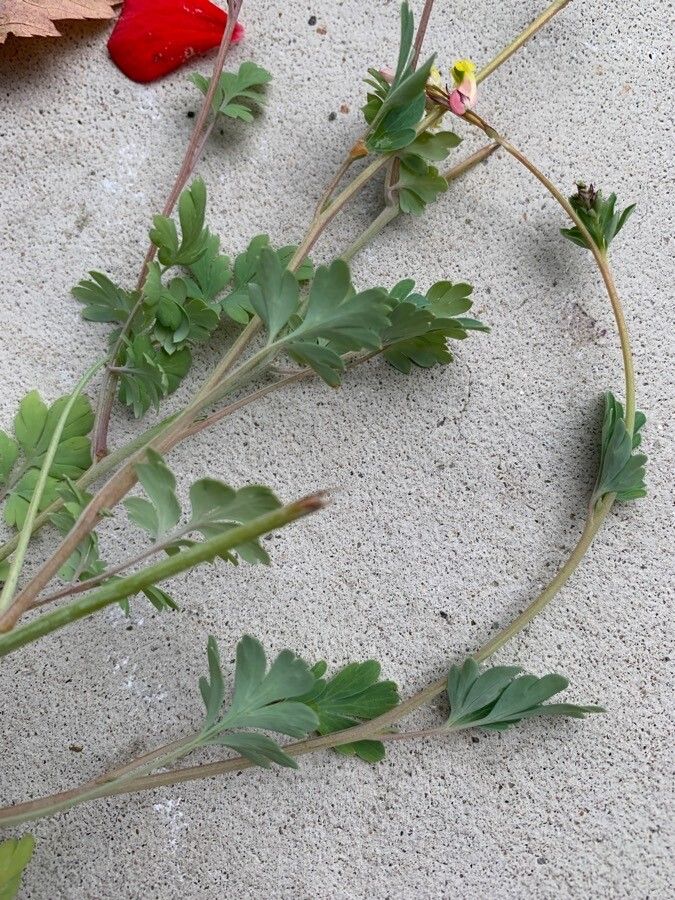
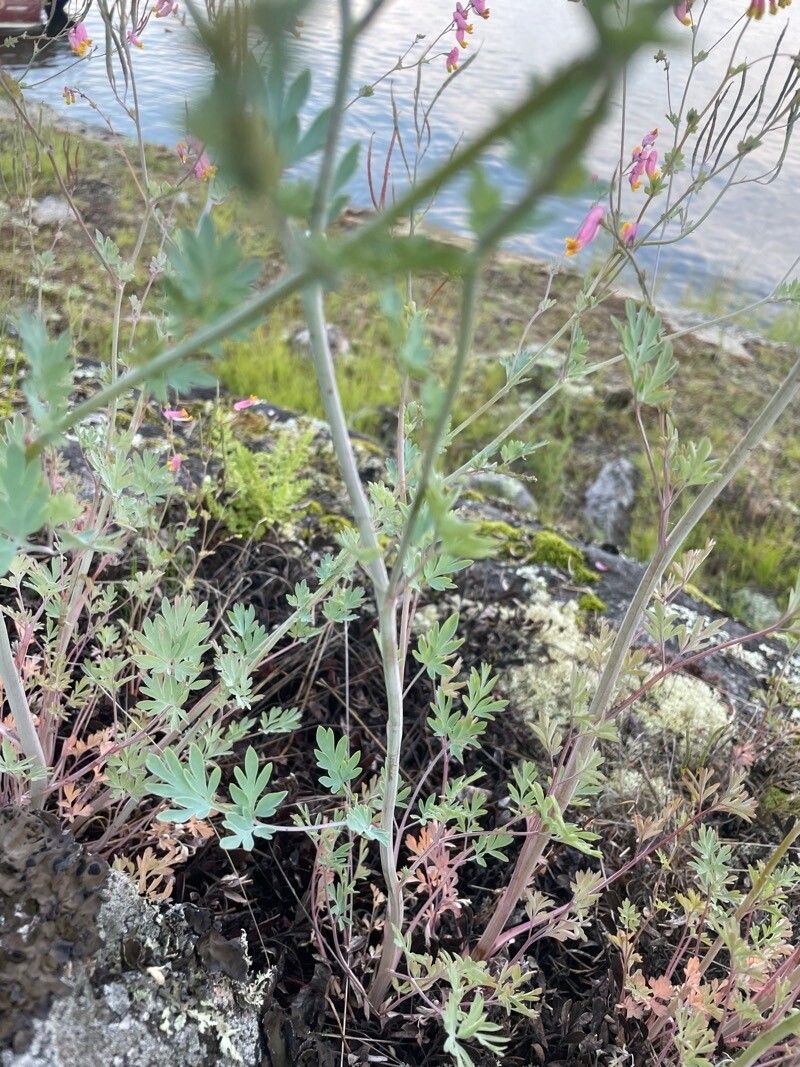
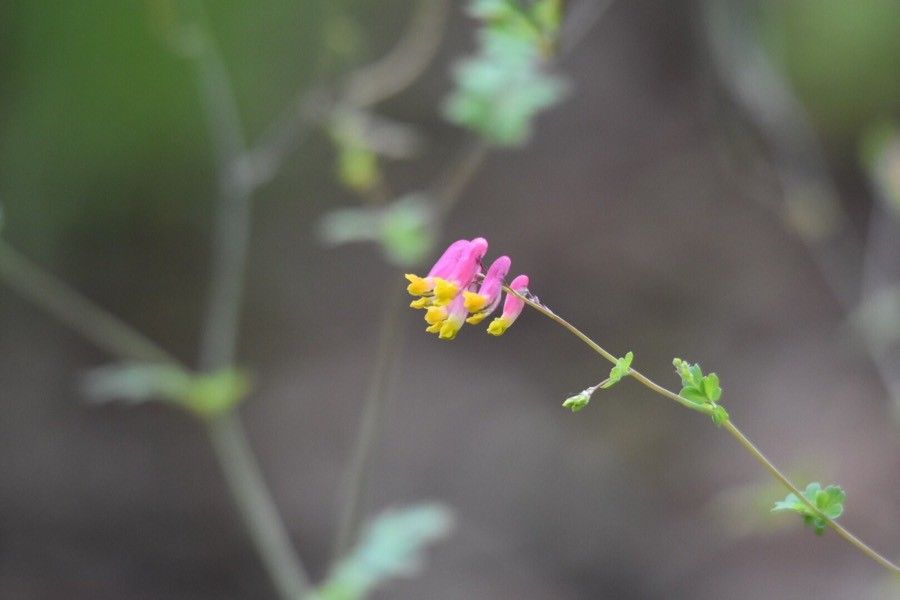
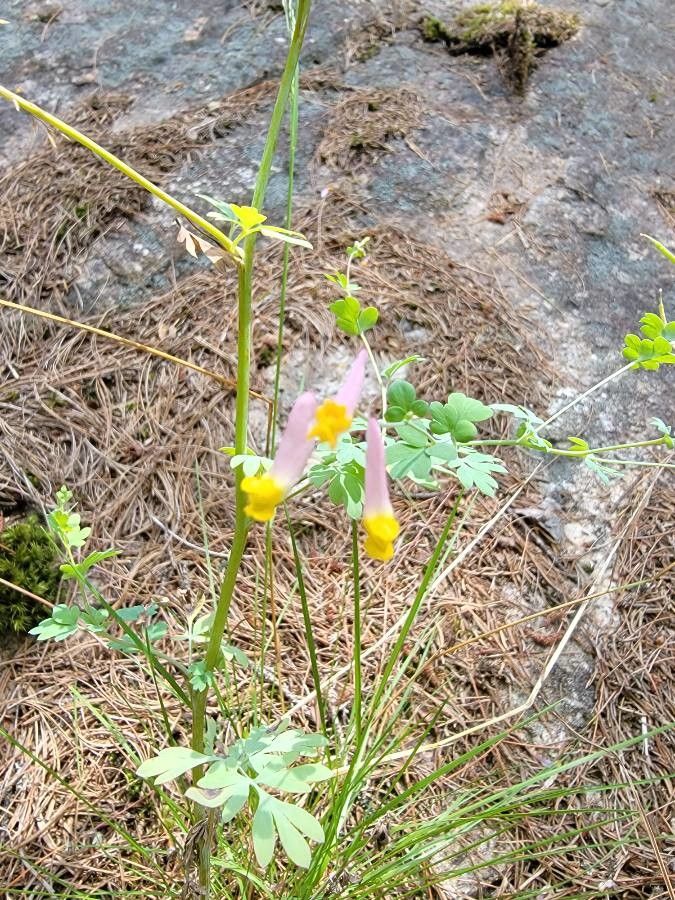
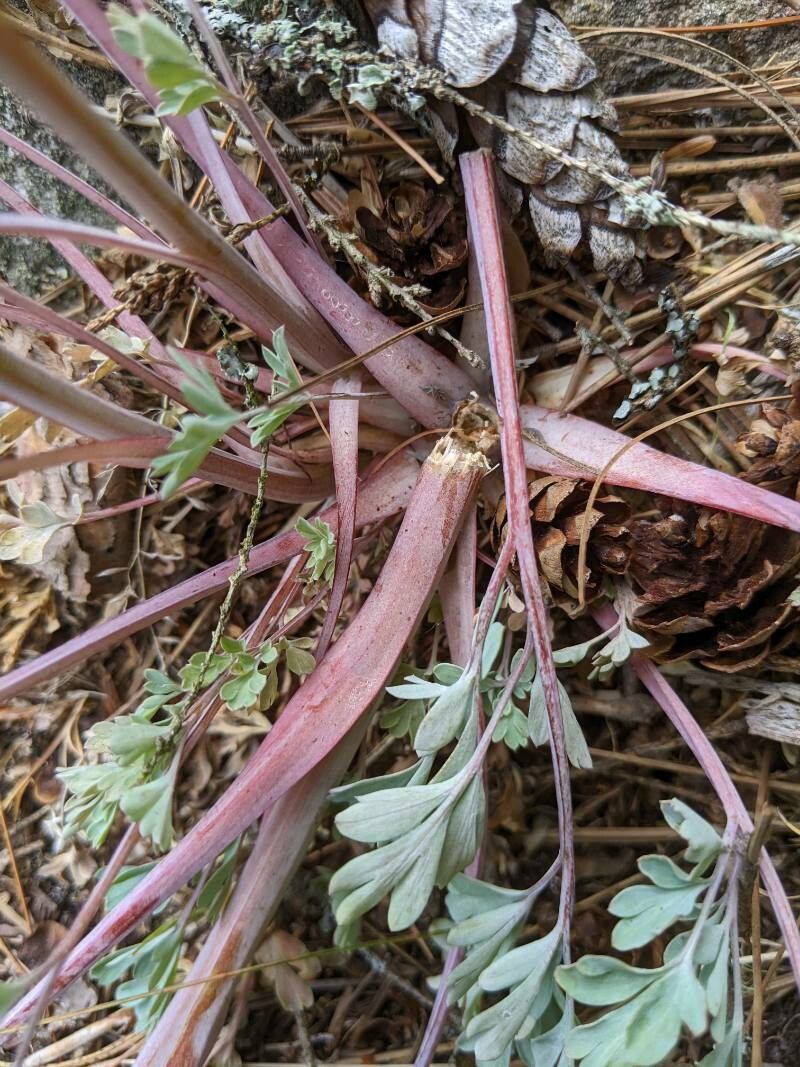
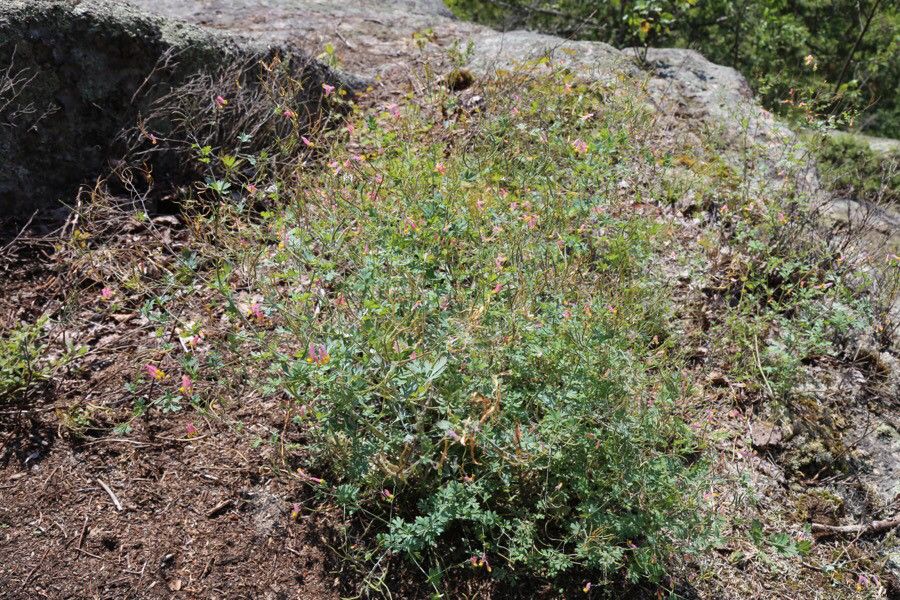
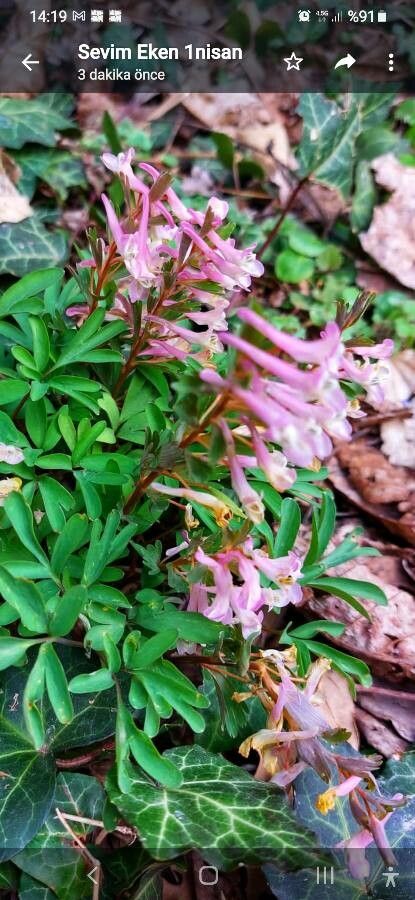
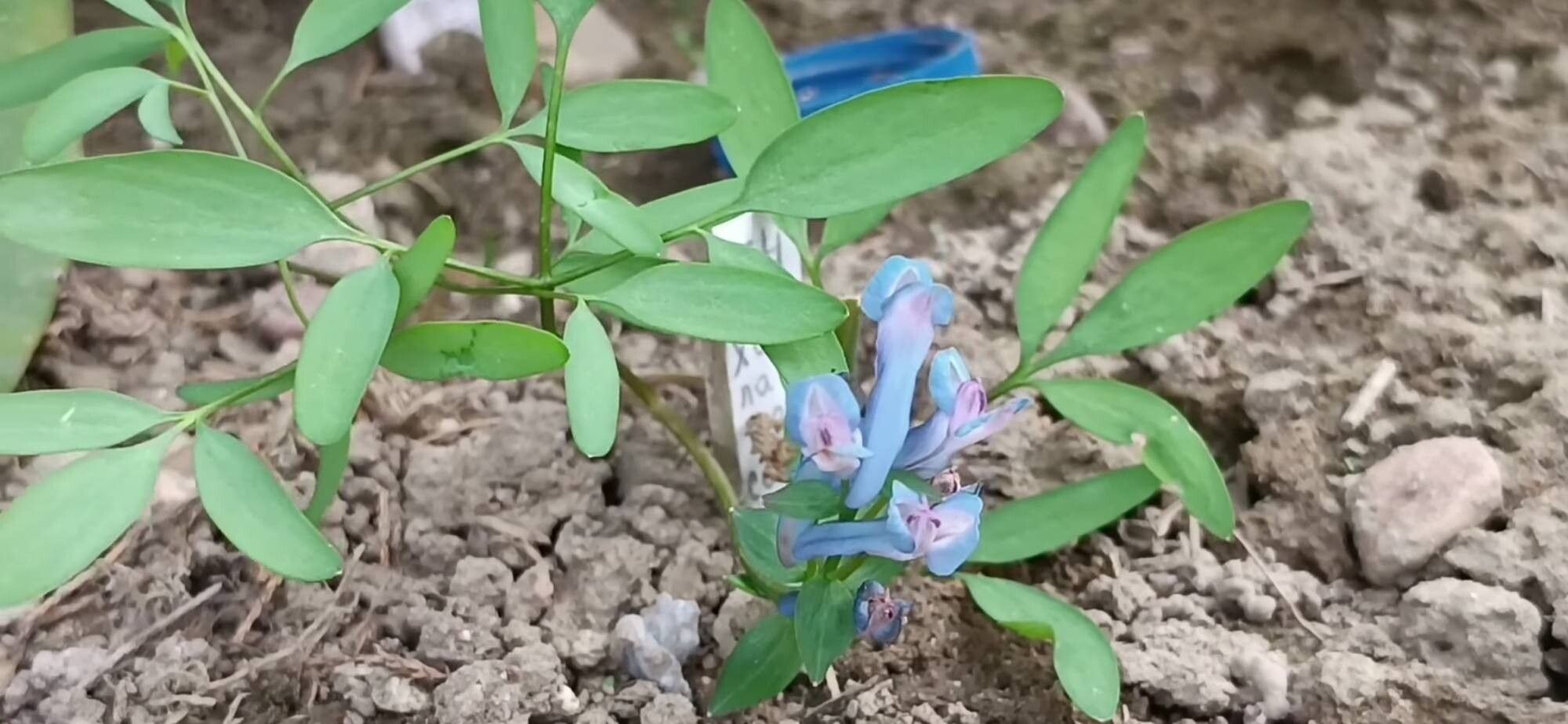
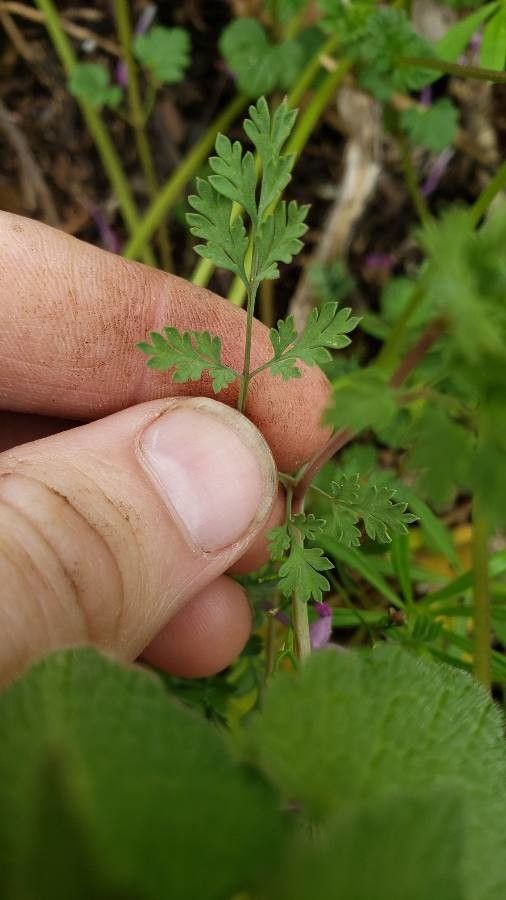
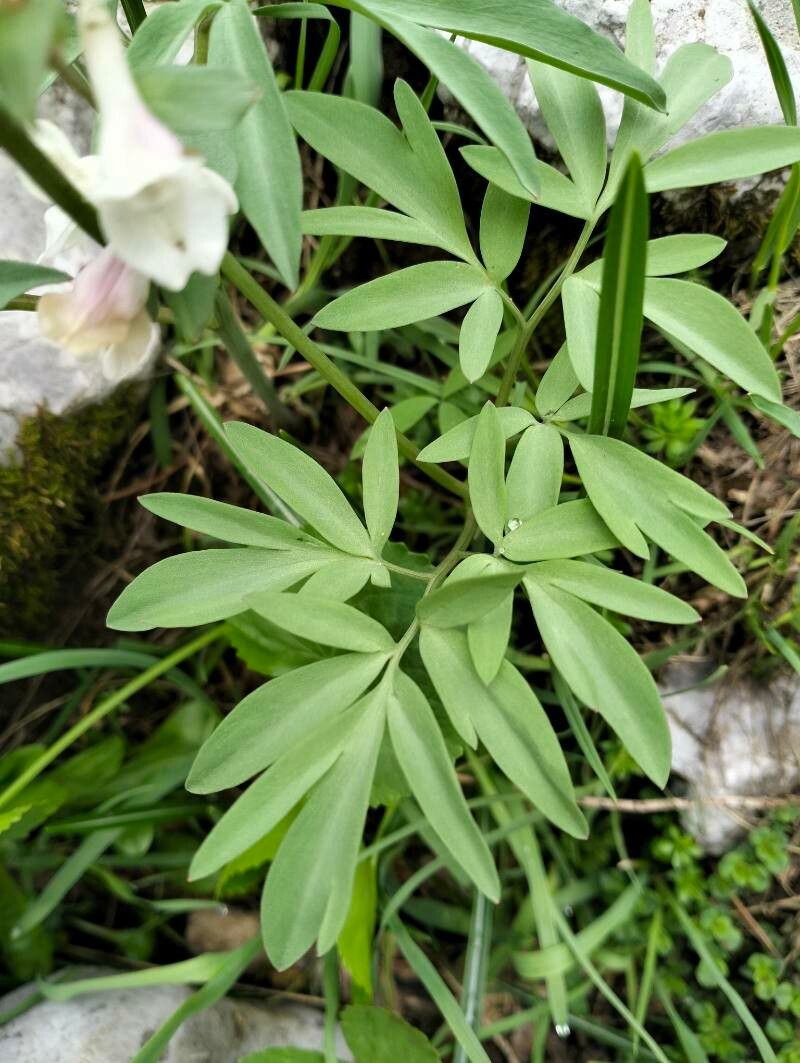
Capnoides sempervirens, the harlequin corydalis, rock harlequin, pale corydalis or pink corydalis, is an annual or biennial plant native to rocky woodland and burned or disturbed places in northern North America. Capnoides sempervirens is the only species in the genus Capnoides.
Name(s) brought to synonymy Capnoides elegans Kuntze, a synonym for Corydalis elegans
Rock harlequin has good disease resistance and is generally not prone to disease. However, it may be susceptible to pests and diseases present in its surroundings. These infections are usually not severe. Regarding care, this plant needs moderate maintenance. Regular pruning is necessary to keep a neat appearance and support healthy growth. Fertilizing can also help encourage flowering. Rock harlequin is appropriate for anyone with outdoor space, such as a garden or patio, and does not require extensive care experience. It may need more attention when grown indoors.
How to keep Corydalis Sempervirens.
Light
Rock harlequin thrives when exposed to abundant sunlight, which is essential for its optimal growth and vigor. It can tolerate dappled sun, but excessive shade inhibits proper development. Its native habitat is in areas with plentiful sunlight. Both overexposure and insufficient sunlight can adversely affect its health and survival.
Temperature
Rock harlequin is a plant native to habitats that commonly experience temperatures of about 68 to 95 ℉ (20 to 35 ℃). It flourishes at these temperatures and might need temperature adjustments in winter to prevent stress.
Fertilizer
Rock harlequin requires regular fertilization to encourage flowering but does not tolerate excess. It needs light amounts of fertilizer applied frequently throughout its entire life cycle, especially during peak active growth and while it is flowering. You will feed your Rock harlequin until it stops blooming.
Pot & Repot
When repotting Rock harlequin, choose a pot that is 1–2 inches (2.5–5.1 cm) larger in diameter and has good drainage. Use a well-draining potting mix, and consider adding perlite for extra drainage. Repot in spring or early summer, then water thoroughly and place in a shady spot at first.
Botanical profile.
- Plant Type
- Herb
- Life Cycle
- Biennial, Perennial, Annual
- Genus
- Corydalis
- Family
- Fumariaceae
- Hardiness Zone
- 5
- Mature Height
- 0.3 m to 1.07 m
- Mature Spread
- 49 cm
- Leaf Color
- Green, Blue, Gray
- Leaf Type
- Evergreen
- Flower Color
- Pink
- Flower Size
- 2.54 cm
- Bloom Time
- Mid spring, Late spring, Early summer, Mid summer
- Planting Time
- Spring, Summer, Autumn
- Harvest Time
- Summer, Early fall
Other names.