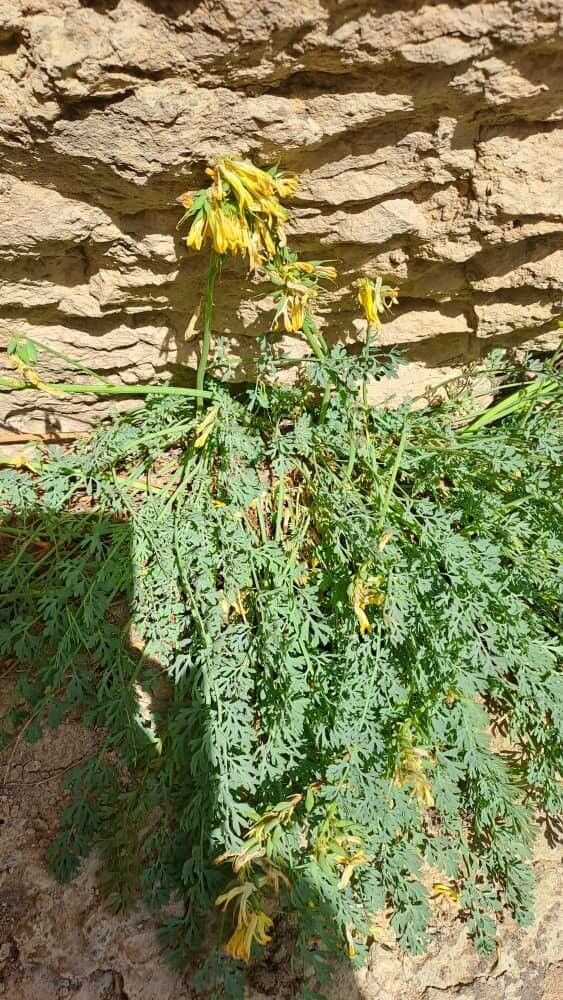
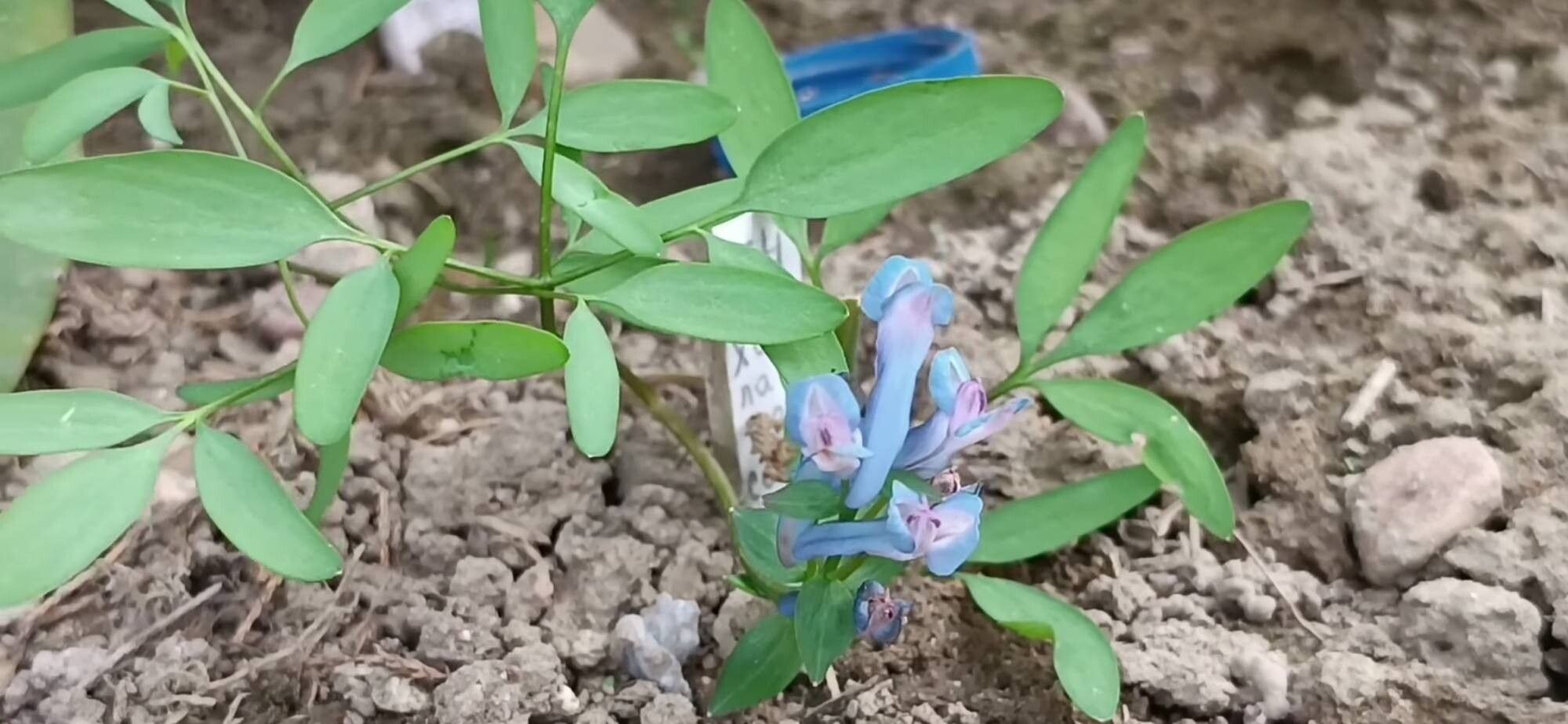
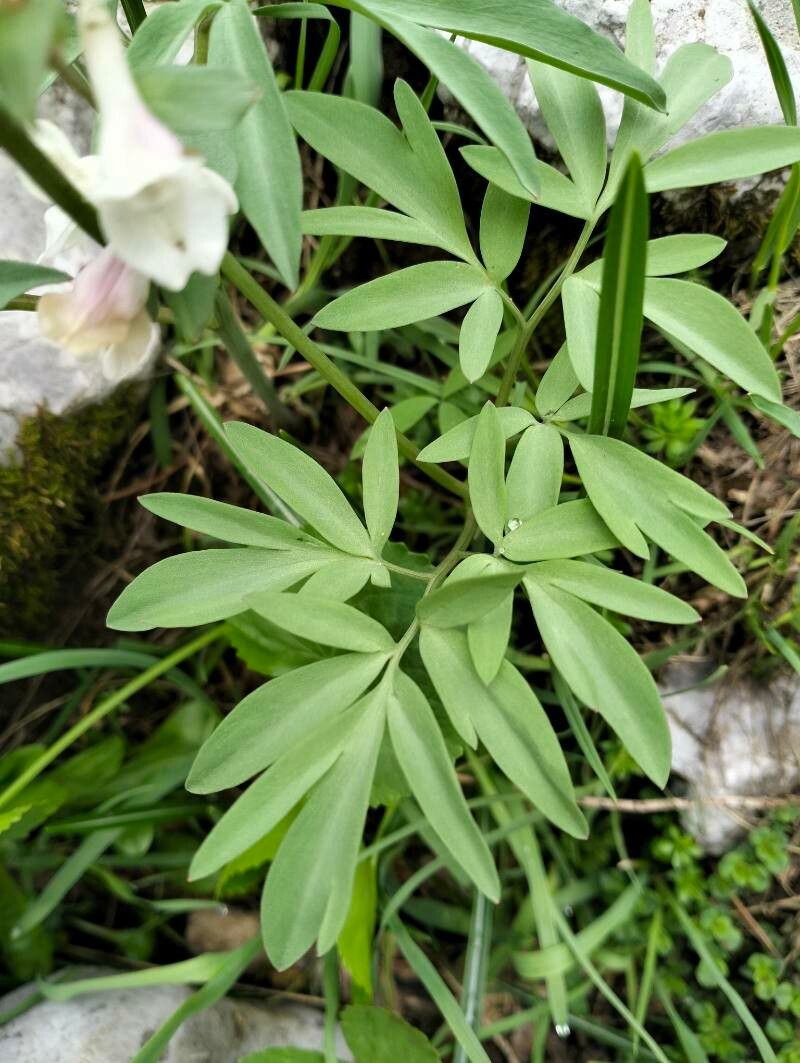
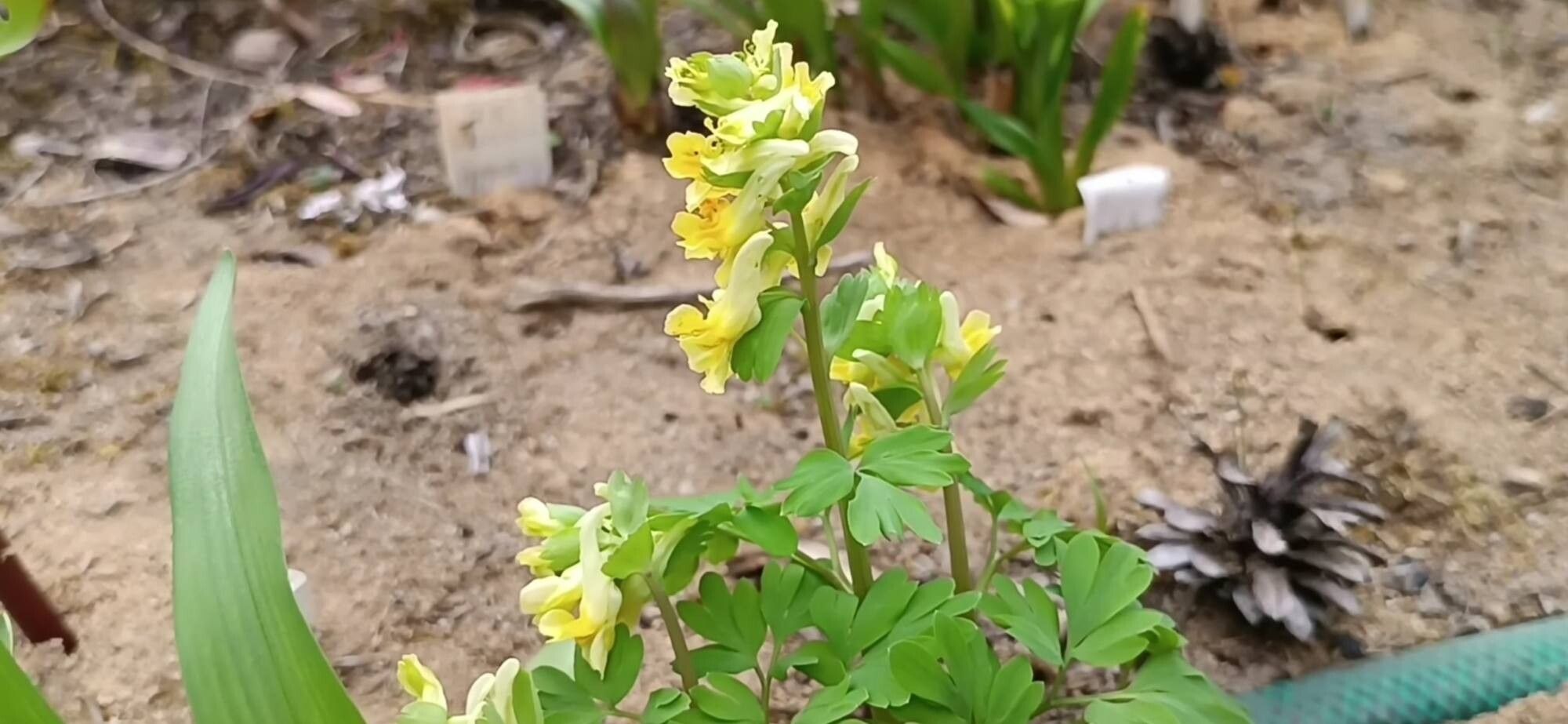
Corydalis aurea, commonly known as Golden Corydalis, is a perennial herbaceous plant in the Papaveraceae family. Native to North America, it thrives in diverse habitats such as rocky slopes, meadows, and forests.
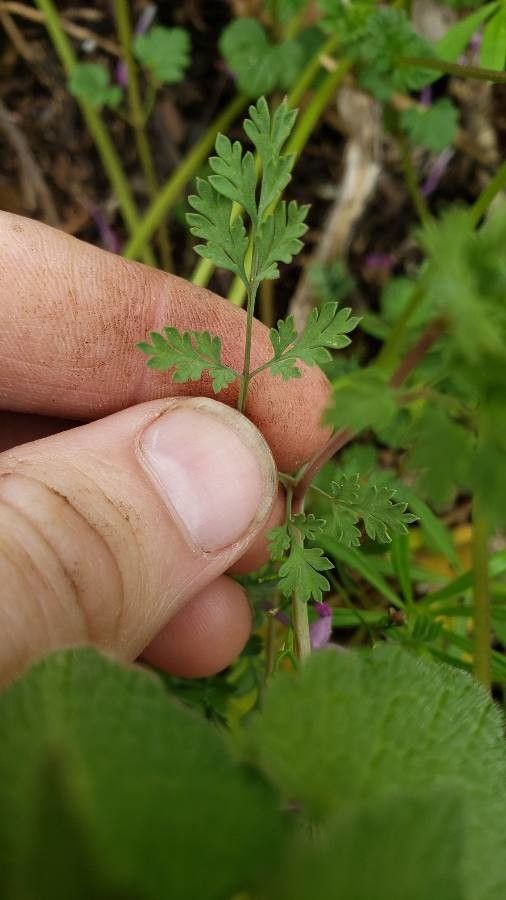
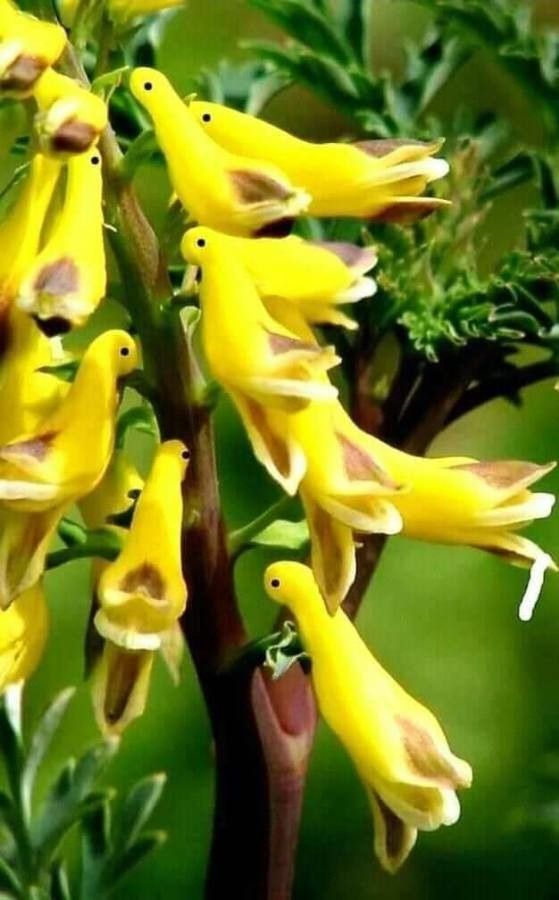
This plant reaches up to 30 cm in height and boasts finely divided, bluish-green leaves. Its bright yellow flowers feature a distinctive spur-like projection at the back of each petal and bloom from late spring to early summer, attracting pollinators like bees.
Traditionally used by Native Americans for its analgesic properties, Corydalis aurea contains alkaloids known for their pain-relieving effects.
The plant prefers well-drained soil and grows well in environments with partial shade or full sun exposure. It can be propagated through seeds or by dividing its rhizomes.
Overall, Corydalis aurea is not only an attractive ornamental plant but also offers medicinal benefits, making it a valuable addition to any garden or landscape design project.
Scrambled Eggs is fairly resistant to disease and is generally not prone to illnesses. However, it can be susceptible to pests and diseases present in its surroundings. Such infections are usually not severe. Regarding care, this plant requires moderate maintenance. It should be pruned regularly to maintain a tidy appearance and promote healthy growth. Fertilizing can also help encourage flowering. Scrambled Eggs is suitable for anyone with outdoor space, such as a garden or patio, and does not demand extensive care experience. It may require more attention when grown indoors.
How to keep Corydalis Aurea.
Light
Scrambled Eggs grows best with abundant sunlight but also tolerates moderate sun. Its native habitats receive plenty of sun, which shapes its need for light. Exposure to the full solar spectrum aids its growth. Both excessive and insufficient solar radiation can harm the plant and prevent its proper development.
Water
Scrambled Eggs is native to temperate regions and thrives in moist, understory-like environments. It prefers a consistent level of moisture, though it can tolerate short periods of dryness. To keep it healthy, it's best to water it weekly. When grown outdoors in woodlands, this plant benefits from the leaf drop of deciduous trees, which helps regulate soil moisture.
Temperature
Scrambled Eggs is adapted to moderate climates and generally performs best at temperatures from 68 to 95 °F (20 to 35 ℃). In colder or hotter regions, careful seasonal temperature adjustments are necessary to ensure optimal growth.
Fertilizer
Scrambled Eggs requires regular fertilization to promote flowering but does not tolerate excessive amounts. It should receive light doses of fertilizer frequently throughout its life cycle, especially during the peak period of active growth and when it is flowering. You will feed your Scrambled Eggs until they stop blooming.
Pruning
Scrambled Eggs are plants known for their vibrant golden-yellow flowers and delicate, feathery foliage. To achieve the best results, prune them from early to late spring. Remove any spent blooms and damaged stems during this time to encourage new growth, maintain the plant's health, and promote a compact shape. Be sure to use sharp, clean tools to prevent the spread of disease.
Botanical profile.
- Plant Type
- Herb
- Life Cycle
- Biennial, Annual
- Genus
- Corydalis
- Family
- Papaveraceae
- Hardiness Zone
- 5-9
- Mature Height
- 10 cm to 40 cm
- Mature Spread
- 61 cm
- Leaf Color
- Pale Green, Light Green
- Leaf Type
- Deciduous
- Flower Color
- Gold, Yellow
- Flower Size
- 2.54 cm
- Bloom Time
- Spring
- Planting Time
- Spring
- Harvest Time
- Late spring, Early summer, Mid summer
- Native Area
- Mexico
Other names.
Reader questions.
How should I water my Scrambled Eggs?
To properly water the Scrambled Eggs plant, it's best to use filtered water at room temperature. Tap water may contain harmful particles that can affect the plant's health. The plant is used to a warm environment, so avoid using cold water as it can be a shock to the system. Instead of overhead watering, apply the filtered room temperature water directly to the soil until it is completely soaked. This method helps to moisten the roots and allows them to spread and absorb the necessary nutrients.
What are the sunlight requirements for Scrambled Eggs plants?
Scrambled Eggs plants thrive in conditions with generous sun exposure, requiring full sun for more than 6 hours of direct sunlight daily or partial sun with about 3-6 hours of sunlight. Originating from sun-exposed habitats, these plants depend on a full solar spectrum for optimal growth, yet they can be sensitive to both excessive and insufficient solar radiation. To ensure your Scrambled Eggs plants grow healthy and strong, observe your garden to identify areas that provide a balanced mix of light and shade, suitable for meeting the plant's needs.
What is the optimal temperature range for Scrambled Eggs?
Scrambled Eggs, with its botanical name Corydalis aurea, prefers a moderate climate and thrives in temperatures ranging between 68 to 95 °F (20 to 35 °C). This temperature range is ideal for its growth. Outside of this range, special care is needed to maintain optimal conditions for the plant.
What should I do if I put too much or too little water in my scrambled eggs?
Overwatering is a more common problem for Scrambled Eggs, as it can cause wilting, yellowing, and diseases like root rot, mold, and mildew that can kill the plant. Underwatering is less common, but it can cause brittle, brown leaves. It's important to catch the signs of overwatering early and adjust your watering schedule. If the soil doesn't drain well, replace it with a loose, well-draining mix. If you see signs of underwatering, simply water more regularly until the signs disappear.
What should I do if natural sunlight is insufficient for my Scrambled Eggs plant?
In cases where natural sunlight is insufficient, especially during winter or in less sunny spaces, artificial lighting can serve as a vital solution to support the growth of your Scrambled Eggs plant. Opt for LED lights, which can be customized to provide specific wavelengths necessary for the plant. The amount of artificial light needed varies: full sun plants require 30-50W per square foot, partial sun plants need 20-30W per square foot, and full shade plants benefit from 10-20W per square foot. Properly determining the distance (12-36 inches above the plant) and duration (mimicking natural daylight hours, typically 8-12 hours per day) of artificial lighting is crucial for mimicking the natural sunlight environment and promoting healthier plant growth.
Does Scrambled Eggs require frost protection measures during winter?
Scrambled Eggs exhibits strong cold resistance and generally does not require special frost protection measures during the winter months. However, in regions where temperatures are expected to drop below -25°C, it's crucial to provide some form of cold protection. This can be done by covering the plant with materials like soil or straw. To further protect the plant, it is advisable to water it abundantly before the first freeze of autumn to ensure the soil remains moist through winter and early spring, helping to prevent drought and water scarcity.
How often do I need to water my Scrambled Eggs?
If your plant is in a pot, you can determine if it needs water by checking the soil. If the top two to three inches of soil are dry, it's time to water it. The same method can be used if you grow your plant outdoors in the ground. Again, if the top few inches of soil have dried out, it needs watering. In the spring and early fall, watering once a week is usually sufficient. However, during extremely hot weather, you may need to water twice or more per week. Mature and well-established plants can withstand drought well.
How can I identify if my Scrambled Eggs plant is getting inadequate light?
If your Scrambled Eggs plant is receiving inadequate light, it may exhibit several symptoms such as smaller new leaves compared to older ones, leggy or sparse growth with elongated spaces between leaves or stems, premature leaf drop, halted growth, paler new leaves indicating a chlorophyll deficiency, and symptoms of both chlorosis and sunscald. To counter poor light conditions, you can gradually move your plants to sunnier locations or use artificial light solutions. However, parts of the plant already affected by insufficient sunlight may not recover, but new growth should return to normal once proper light conditions are restored.
How does Scrambled Eggs react to low temperatures, and how can it be protected?
Scrambled Eggs is cold-tolerant and generally thrives when the temperature stays above 20°C. It should be kept above 0°C during winter. If temperatures fall below -25°C, the plant may not show immediate changes, but come spring, there might be a noticeable decrease in sprouting or even no sprouting at all. To mitigate this, in the spring, remove any parts of the plant that have failed to sprout. This will help the plant recover from any cold damage sustained during the winter.
How much water do I need for my Scrambled Eggs?
When watering your Scrambled Eggs plant, be generous with the amount of water. Make sure the first two to three inches of soil are dry before watering, and then water the plant thoroughly until the soil is completely soaked. The water should be enough to cause excess water to flow out of the drainage holes at the bottom of the pot. If you don't see water draining out, you may have not watered enough, but be careful not to let the water accumulate inside the soil as it can be harmful to the plant. On the other hand, if water is not draining properly, it could be a sign of poorly draining soil, which is not good for the plant's health. If the plant is outside, one inch of rain per week is sufficient.
What solutions can help a Scrambled Eggs plant suffering from light deficiency?
To address light deficiency in Scrambled Eggs plants, gradually increase their exposure to sunlight by moving them to a brighter location each week, ensuring they receive at least 6 hours of sunlight daily. For indoor plants, consider placing them near a south-facing window or using artificial light sources, such as desk lamps or professional plant grow lights, for at least 8 hours a day. For outdoor plants, it's crucial to transition them to sunnier spots slowly to prevent sunburn. If the sunlight is blocked by physical obstructions, such as trees, pruning branches and leaves may help increase light exposure. In the case of smaller, easily movable plants, transplanting them during their dormant period to a location with better sunlight and drainage can significantly improve their growth.
How should Scrambled Eggs be cared for in high temperatures?
In the summer, it's important to keep Scrambled Eggs below 35°C. Exceeding 38°C can lead to the leaves becoming lighter, curling, and becoming prone to sunburn. In severe cases, the entire plant may wilt and dry out. To protect the plant from high temperatures, trim away any sunburned or dried parts. Move the plant to an area with shade from the midday and afternoon sun, or use a shade cloth. Ensure the soil is kept moist by watering the plant in the morning and evening.