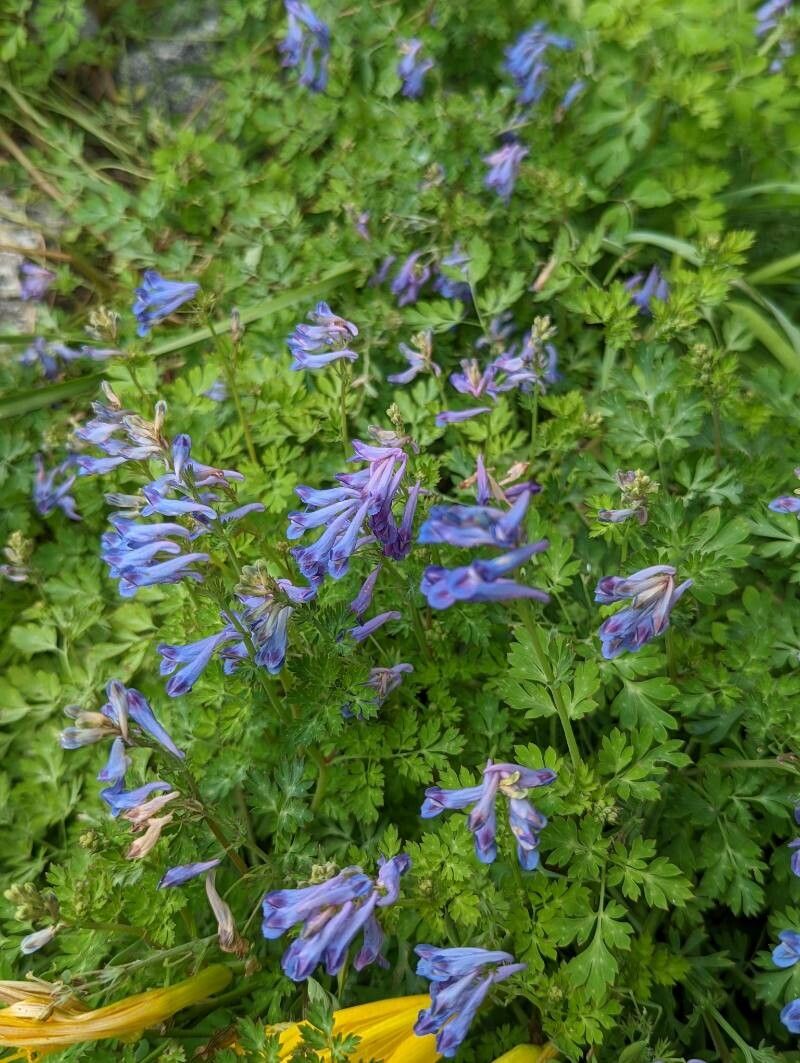
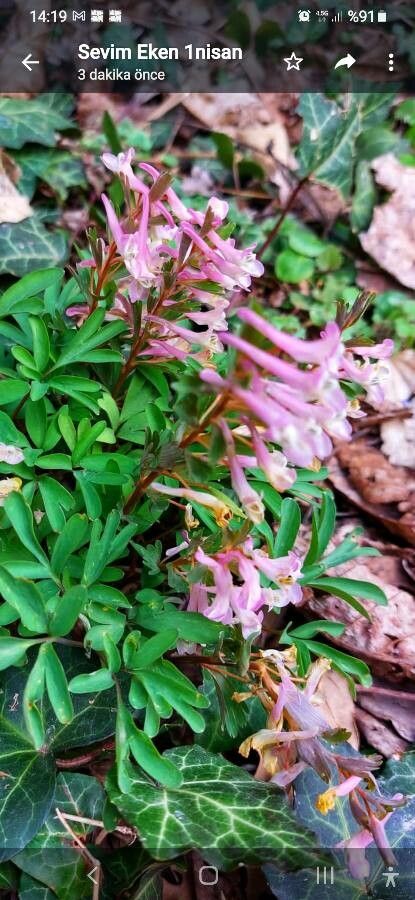
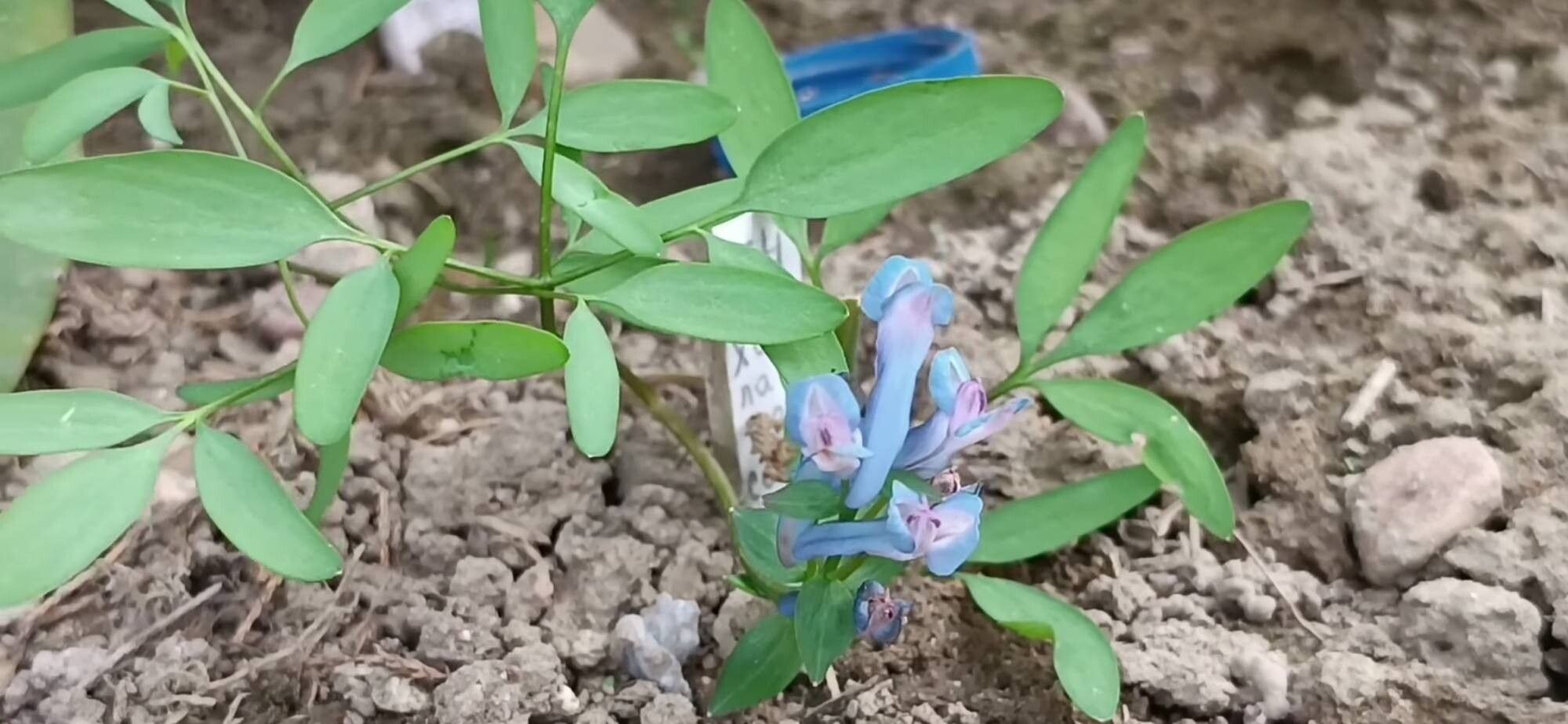
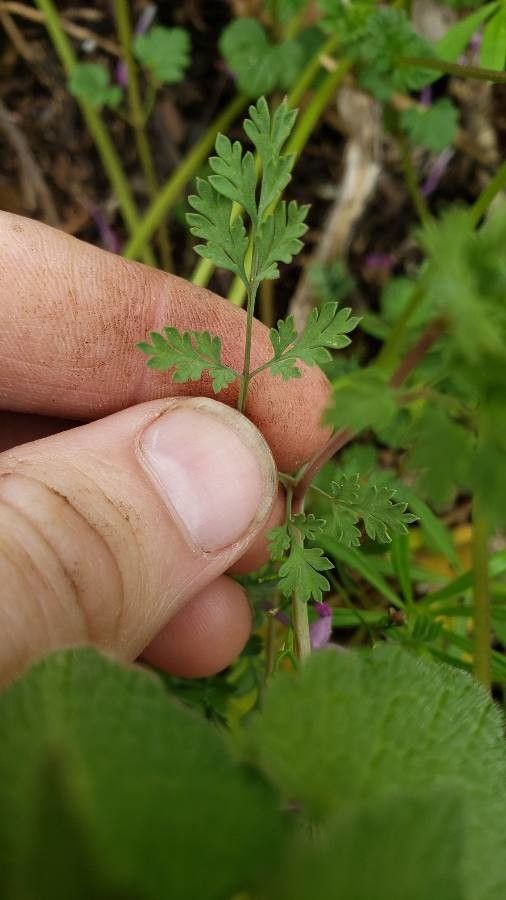
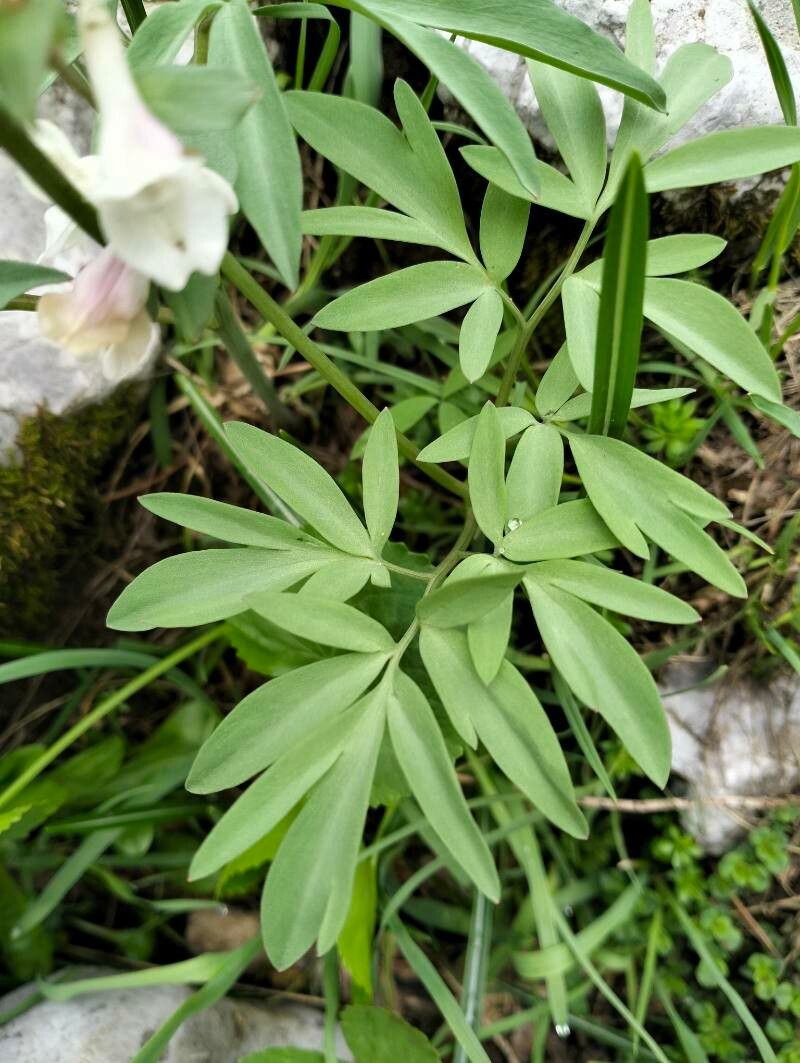
Corydalis flexuosa, commonly known as Chinese corydalis or rock harlequin, is a perennial herbaceous plant in the family Papaveraceae. Native to China and Japan, it has been introduced and naturalized in various parts of the world.
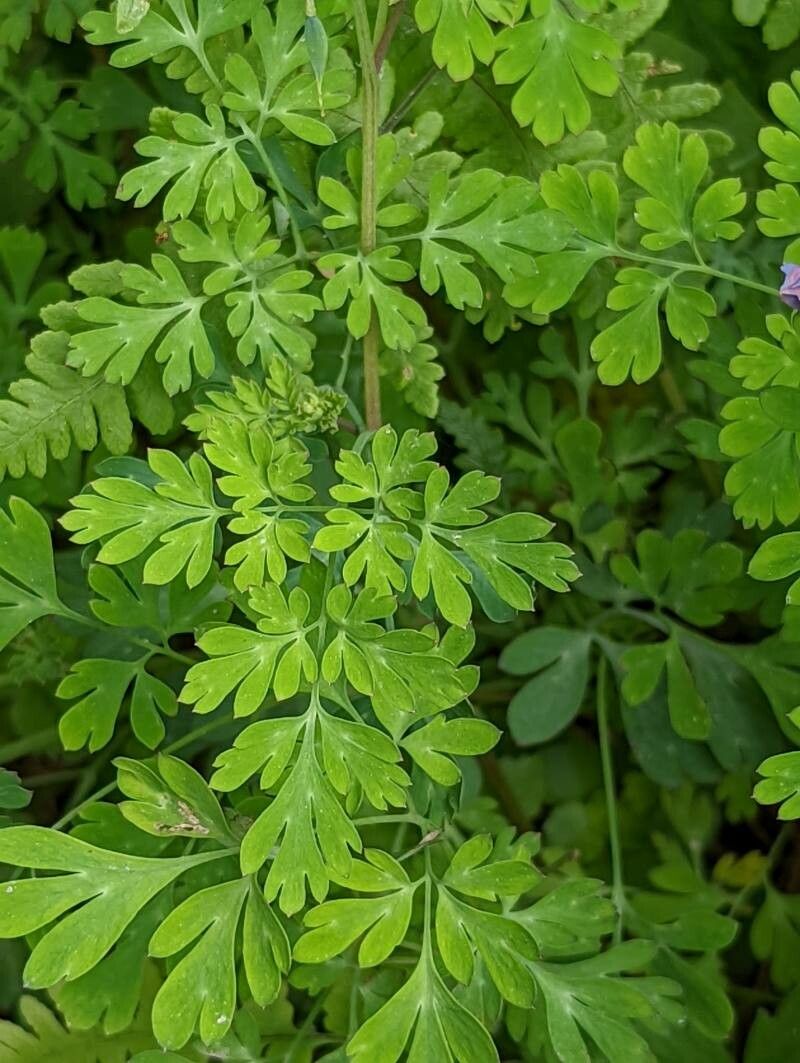
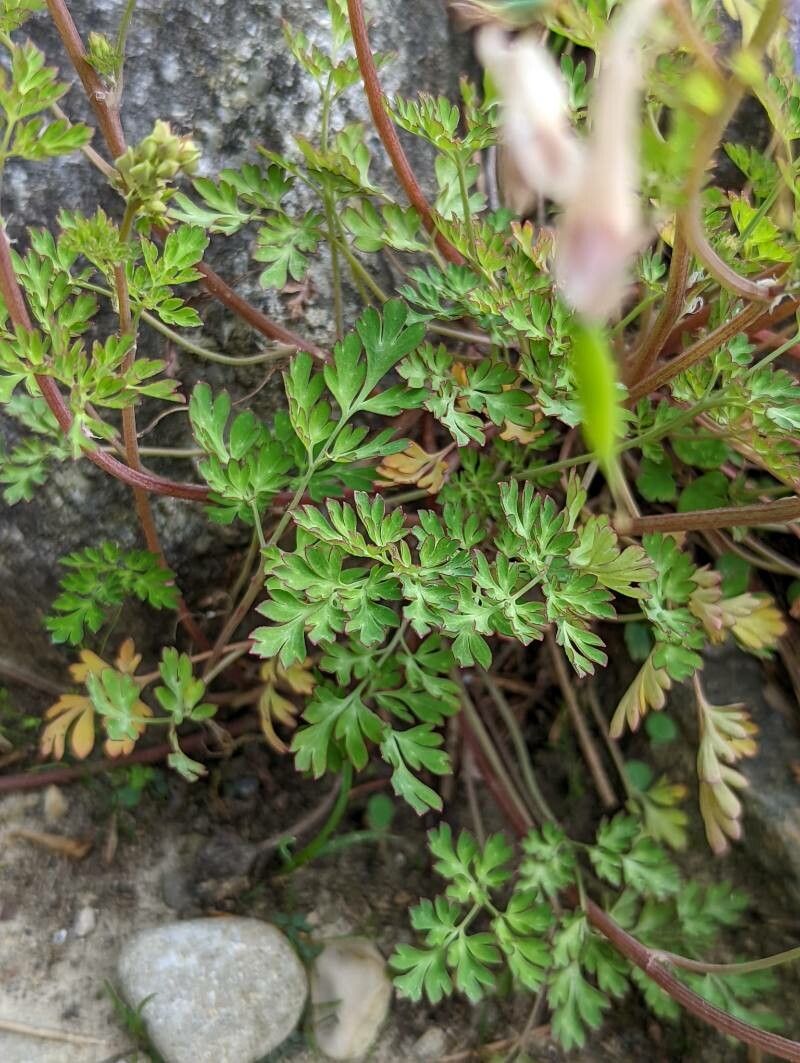
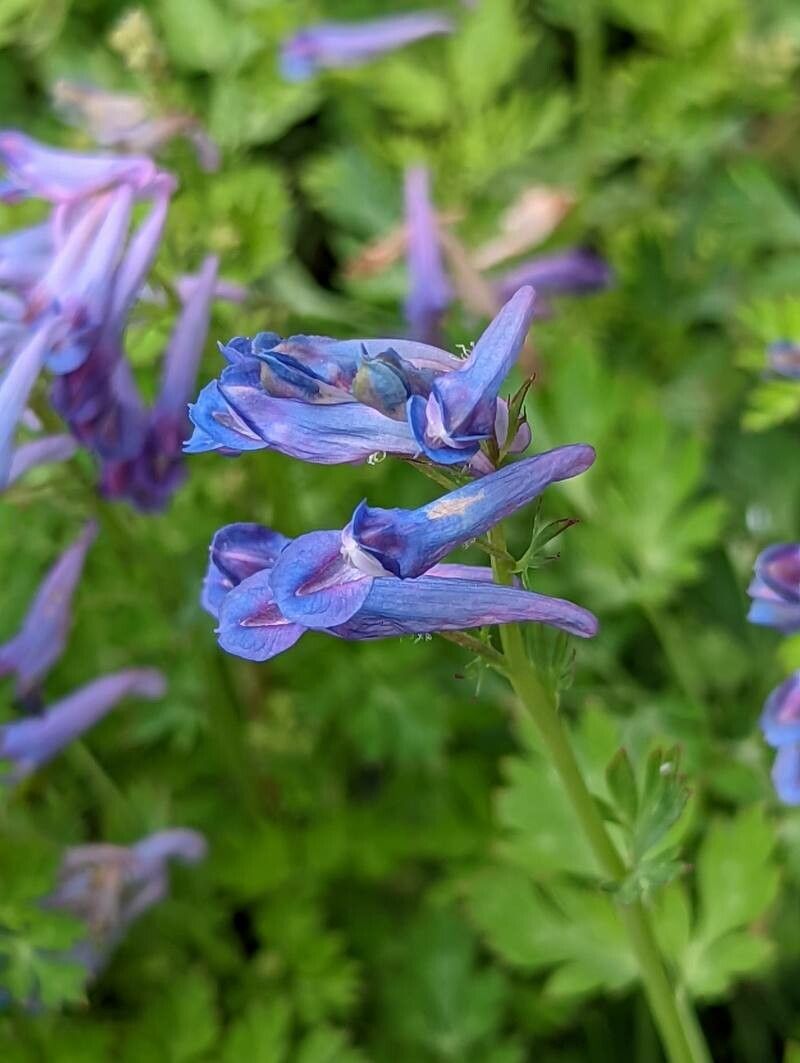
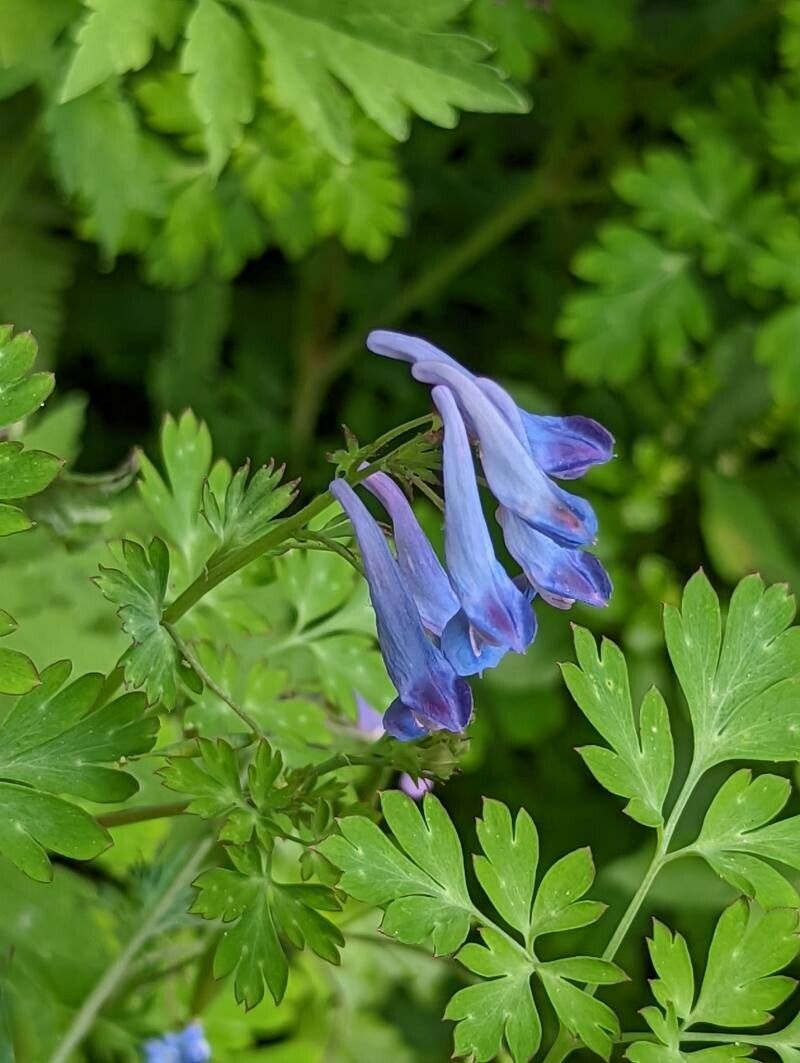
The plant can reach up to 30 cm in height and is characterized by finely divided, bluish-green leaves. Its tubular flowers feature two upper petals that form a hood-like structure and three lower petals that are fused together, creating a spur at the base. These flowers, available in shades of pink, purple, or white, bloom from late spring through summer.
Corydalis flexuosa thrives in moist but well-drained soil, and it prefers partial to full shade. This plant is often used as an ornamental addition to rock gardens or woodland gardens due to its delicate foliage and attractive flowers.
The plant contains alkaloids such as corydaline, which have been used medicinally for pain relief, sedation, and anti-inflammatory effects, among other benefits.
Overall, Corydalis flexuosa is an attractive perennial herbaceous plant with delicate foliage and beautiful tubular flowers. It can be easily grown in partial shade, making it an ideal choice for gardeners seeking low-maintenance plants with ornamental value.
Corydalis has strong resistance to disease and is generally not likely to develop illnesses. Nevertheless, it can be affected by pests and diseases present in its environment. These infections tend to be mild. Care-wise, the plant needs a moderate level of maintenance. It should be pruned regularly to keep a neat appearance and support healthy growth. Applying fertilizer can also help encourage flowering. Corydalis is appropriate for anyone with outdoor space, like a garden or patio, and does not demand much gardening experience. It may need extra care when kept indoors.
How to keep Corydalis Flexuosa.
Light
Corydalis is native to habitats such as forest understories and rocky areas, where it grows in natural shade. It prefers partial sun but can tolerate full sun or full shade, reflecting its adaptable and hardy nature.
Temperature
Corydalis can tolerate a wide range of temperature conditions, but its distribution may still be limited by various combinations of moisture and heat. It does best in warm summers with adequate rainfall or watering. Prolonged periods of cloudy, rainy weather, as well as sustained high temperatures, increase the likelihood of Corydalis dying. In winter, proper protection from the cold can improve the plant's survival rate.
Fertilizer
For Corydalis, the primary time to apply fertilizer is in early spring when the flowers are forming. Using the proper fertilizer promotes stronger blooms and helps Corydalis produce attractive flowers. Feeding in early spring ensures excellent flowers during the season and supplies energy for dormant growth phases.
Pruning
Corydalis is a delicate perennial that features fern-like leaves and tubular flowers. To keep the plant healthy, prune it in early spring by removing any damaged stems, but be careful not to over-prune, as this can put stress on the plant. Regular pruning helps improve air circulation, prevents fungal diseases, and enhances the plant's overall vitality.
Botanical profile.
- Plant Type
- Herb
- Life Cycle
- Perennial, Annual
- Genus
- Corydalis
- Family
- Papaveraceae
- Hardiness Zone
- 5-8
- Mature Height
- 30 cm to 46 cm
- Mature Spread
- 20 cm to 30 cm
- Leaf Color
- Green, Blue, Purple
- Leaf Type
- Deciduous
- Flower Color
- Blue, Purple
- Flower Size
- 2.03 cm to 3.05 cm
- Bloom Time
- Spring, Summer
- Planting Time
- Spring, Summer, Autumn
- Harvest Time
- Summer, Early fall, Mid fall
Other names.
Reader questions.
What are the sunlight requirements for growing Corydalis (Corydalis flexuosa)?
Corydalis (Corydalis flexuosa) thrives in conditions where it can receive partial sun, which amounts to about 3-6 hours of sunlight daily. It's important to observe the movement of sunlight through your garden over the day, selecting locations that provide an ideal mix of light and shade. Ensuring the right balance will significantly contribute to the well-being and happiness of your Corydalis plants.