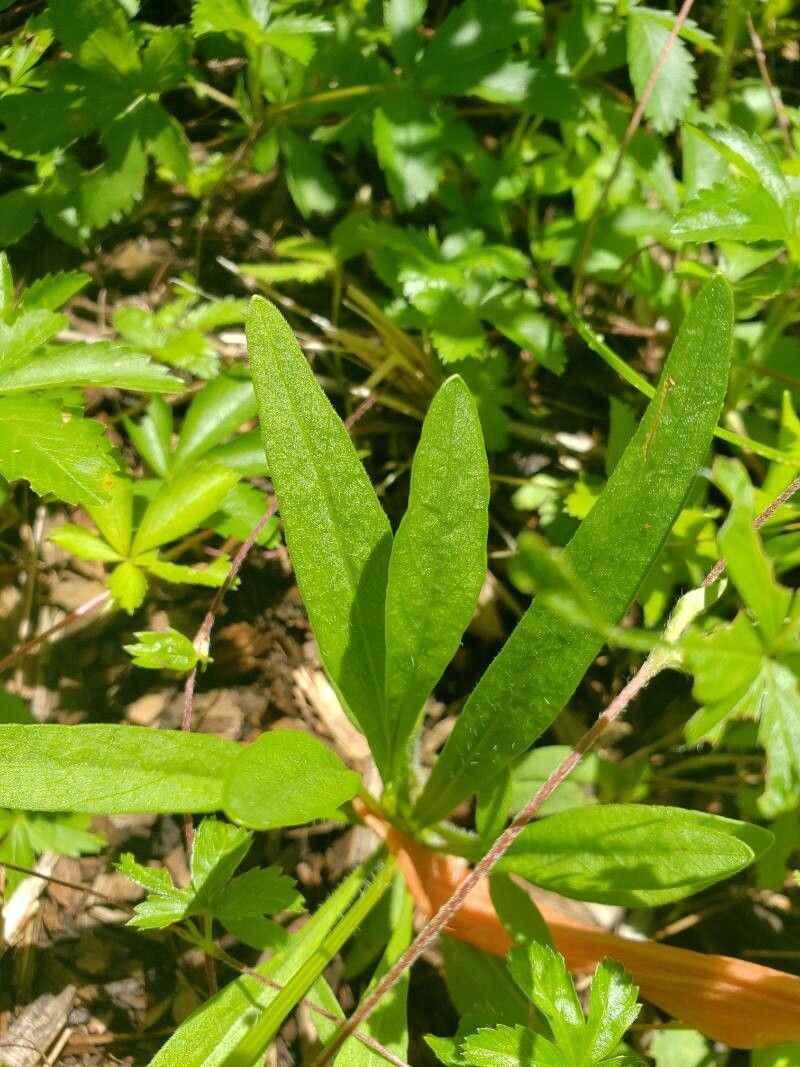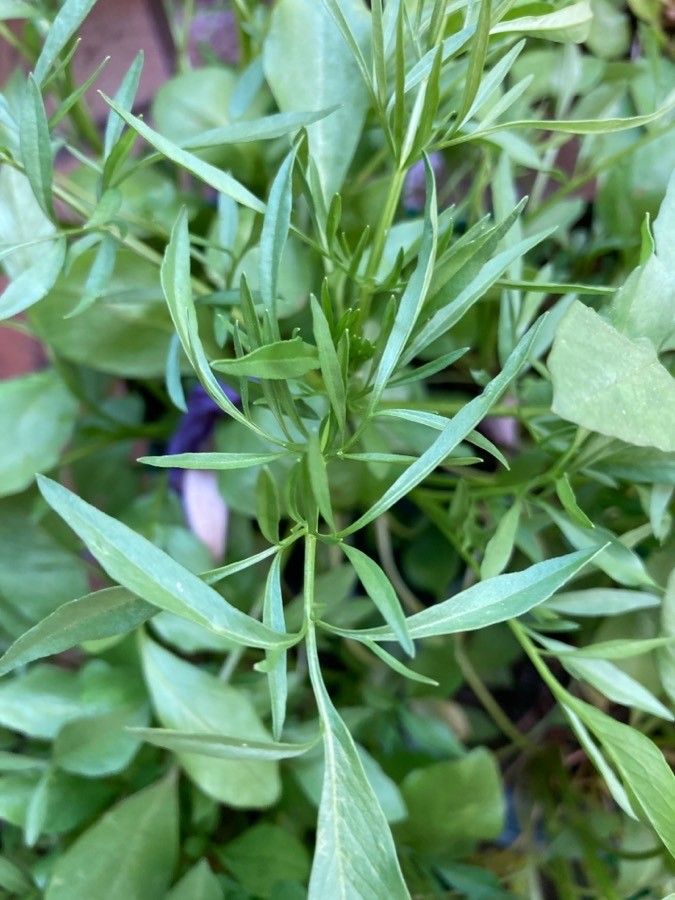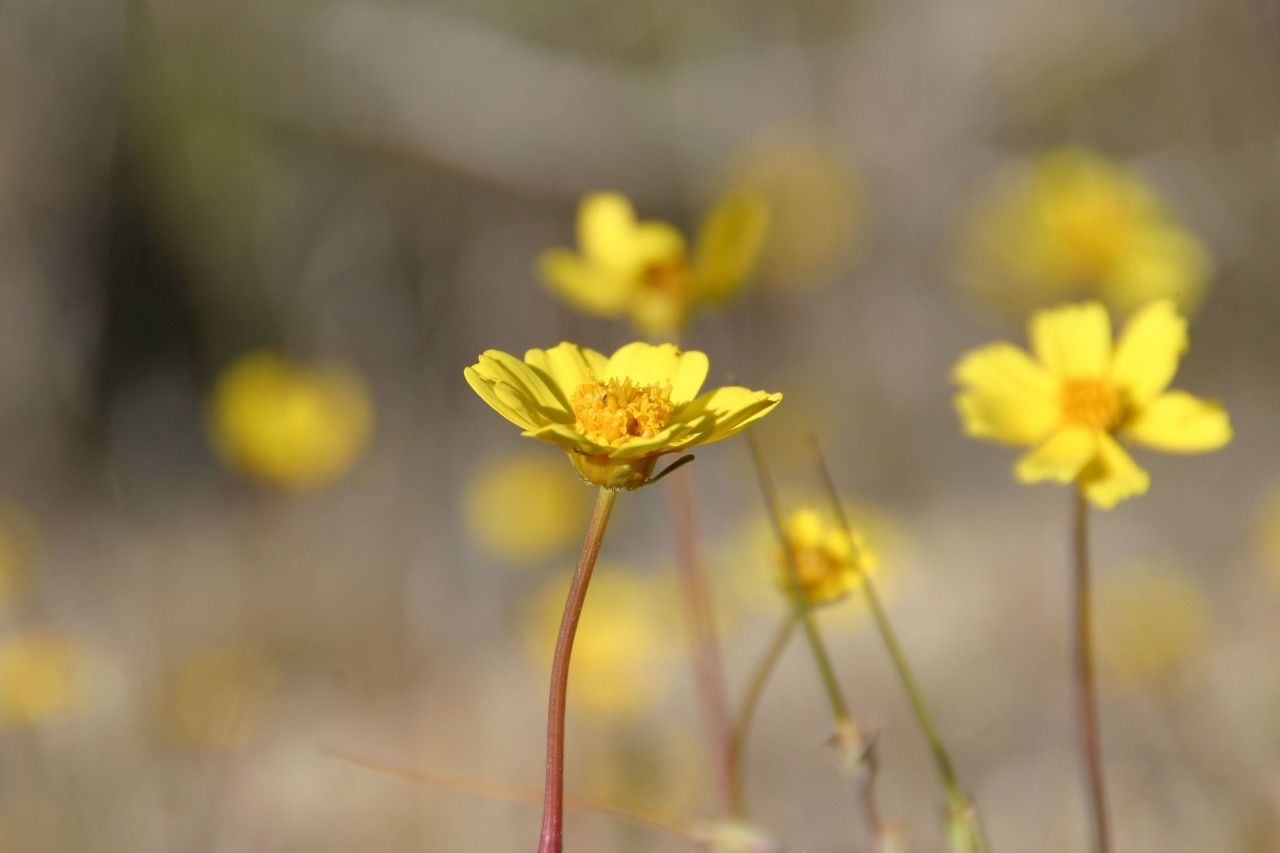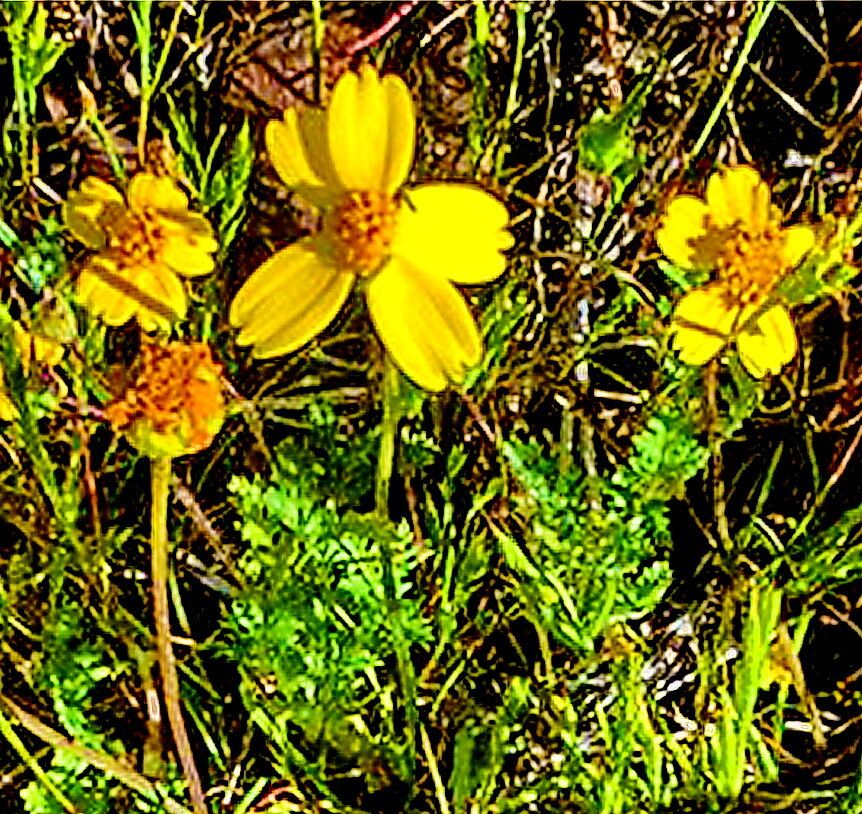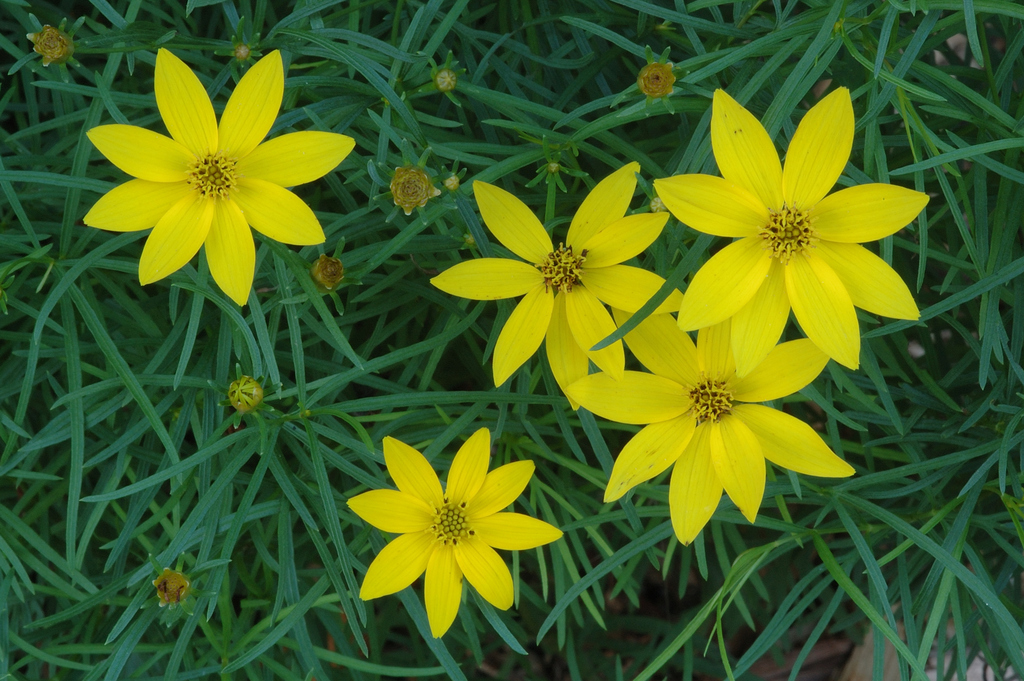
Coreopsis verticillata, commonly known as Whorled Tickseed, is a herbaceous perennial that belongs to the Asteraceae family. Native to North America, this plant thrives in a variety of habitats, including prairies, meadows, and open woods. It typically grows up to 2 feet tall and spreads 1-2 feet wide, forming clumps. The leaves are narrow, lance-shaped, and bright green, turning reddish-brown in the fall.
The flowers of Coreopsis verticillata are daisy-like, featuring yellow petals encircling a brownish-red center disk. They bloom from early summer until fall on long stems that rise above the foliage. While the plant prefers full sun, it can also tolerate partial shade in hot climates.
Coreopsis verticillata is an easy-to-grow perennial that requires minimal maintenance once established. It is drought-tolerant and attracts pollinators such as bees and butterflies to the garden. Additionally, it serves well as a cut flower in floral arrangements.
Overall, Coreopsis verticillata is an attractive addition to any garden or landscape due to its long blooming period, low maintenance requirements, drought tolerance, and appealing foliage coloration throughout the year. Its ability to attract pollinators makes it one of nature's most beautiful plants!
Whorled tickseed gets its name from two distinct features. The term "whorled" refers to the arrangement of its leaves, while "tickseed" comes from the resemblance of its seeds to ticks, a common trait in plants of the Coreopsis genus. Combining these characteristics, the plant is aptly named whorled tickseed.
Thread leaf coreopsis shows good resistance to disease and is generally not prone to illnesses. However, it can be vulnerable to pests and diseases present in its environment. These problems are typically not severe. Regarding care, this plant requires a moderate level of maintenance. It needs regular pruning to preserve an attractive appearance and encourage healthy growth. Fertilizing can also help boost flowering. Thread leaf coreopsis is well suited for anyone with outdoor space, such as a garden or patio, and does not need extensive gardening experience. It may demand more attention if grown indoors.
How to keep Coreopsis Verticillata.
Light
Thread leaf coreopsis thrives in full sun, though it can tolerate spots that receive only partial sunlight. Its native habitat provides abundant sunlight, which supports its vitality. Light shade is acceptable, but excessive shade can impede its healthy growth.
Water
Whorled tickseed thrives in moist environments and requires consistent watering, ideally on a weekly schedule. While it can withstand short periods of dryness, it reaches its full vitality during rainy seasons. This pattern reflects its growth cycle as an herbaceous perennial typically grown outdoors, showing a strong dependence on water availability.
Temperature
Thread leaf coreopsis is native to climates with temperatures ranging from 68 to 95 °F (20 to 35 ℃). It thrives within that temperature band. In colder seasons, consider regulating greenhouse temperatures to replicate this preference.
Fertilizer
The best time to fertilize a Thread leaf coreopsis is in early spring, as it is coming out of dormancy and starting active growth. Fertilizing supplies essential nutrients for healthy development. Although Thread leaf coreopsis has fairly low fertilizer requirements, an annual application can improve its survival and encourage better, longer-lasting flowers.
Pruning
Whorled tickseed is a perennial plant known for its feathery foliage and yellow flowers. To encourage bushiness and more blooms, prune the plant in early spring by cutting it back by one-third to one-half. Throughout the blooming season, remove any spent flowers by deadheading to extend the flowering period. In late fall, cut the plant back to ground level to prepare it for dormancy. This practice also helps improve airflow and promote healthy growth.
Pot & Repot
When repotting Thread leaf coreopsis, select a pot 1-2 inches (2.5–5.1 cm) larger with ample drainage. Use a well-draining potting mix. Repot in spring or fall, ensuring the root ball is positioned slightly lower than the rim of the flower pot. Water thoroughly after repotting and place in a warm spot with indirect sunlight.
Botanical profile.
- Plant Type
- Herb
- Life Cycle
- Perennial, Annual
- Genus
- Coreopsis
- Family
- Asteraceae
- Hardiness Zone
- 3-10
- Mature Height
- 91 cm
- Mature Spread
- 91 cm
- Leaf Color
- Green
- Leaf Type
- Deciduous
- Flower Color
- Yellow, Gold
- Flower Size
- 5.08 cm
- Bloom Time
- Early summer, Mid summer
- Planting Time
- Spring, Summer
- Harvest Time
- Mid summer, Late summer
Other names.
Reader questions.
How should I water my Whorled tickseed?
To properly water the Whorled tickseed, it is recommended to use filtered water at room temperature. Tap water may contain harmful particles, so filtered water is preferred. The plant is from a warm environment, so avoid using cold water as it may shock the plant. It is best to avoid overhead watering to prevent foliage issues. Instead, water the plant by applying filtered room temperature water directly to the soil until it is fully soaked. This helps moisten the roots and allows them to spread and absorb nutrients from the soil.
Why is it necessary to put fertilizer on my Whorled tickseed plant?
Fertilization is important to the Whorled tickseed for a few reasons. Firstly, it provides key nutrients for the plant's growth above and below ground. However, the Whorled tickseed has relatively low fertilization needs. While it can survive without fertilization, annual fertilization is highly beneficial. It helps to keep the plant alive and may lead to better and longer-lasting flowers. Therefore, those who want their Whorled tickseed to look its best should prioritize annual fertilization.
What are the sun requirements for Whorled Tickseed?
Whorled Tickseed requires full sun, meaning it thrives in conditions of above 6 hours of sunlight. However, it can also grow in partial sun, with about 3-6 hours of sunlight. It's important to observe the movement of sunlight through your garden to choose spots that offer a balance of light and shade, ensuring optimal growth conditions for your plants.
What is the ideal temperature range for growing Whorled Tickseed?
Whorled Tickseed, scientifically known as Coreopsis verticillata, thrives best in temperatures ranging between 68 to 95 °F (20 to 35 °C). This temperate range is essential for its growth. During colder seasons, maintaining a greenhouse at these temperatures can help mimic its natural preference. Despite its strong cold resistance, ensuring the plant has suitable protection or conditions to thrive throughout varying temperatures is integral.
What should I do if I give my Whorled tickseed too much or too little water?
Overwatering is a more common problem than underwatering for Whorled tickseeds. When it receives too much water, the stems and leaves may wilt and turn yellow. Prolonged overwatering can also lead to diseases like root rot, mold, and mildew, which can be fatal for the plant. While Whorled tickseeds can tolerate drought, underwatering can still occur, causing the leaves to become brittle and brown. It's important to recognize the signs of overwatering early so that irreversible damage can be prevented. If you notice these signs, reduce your watering schedule and check the soil's drainage. Replace it with a loose, well-draining potting mix if it drains poorly. If your Whorled tickseed shows signs of underwatering, simply water it more frequently until the signs improve.
When should I fertilize my Whorled tickseed plant?
The best time to fertilize a Whorled tickseed is in late winter to early spring when it is transitioning from dormancy to active growth. Fertilizing during this period promotes healthy growth and sets the plant up for a successful season. While it is preferred to fertilize in early spring, it is also acceptable to fertilize in the fall. However, it is not recommended to feed a Whorled tickseed during summer or winter.
What are the essential growth conditions for Whorled Tickseed?
The Whorled Tickseed flourishes best under substantial sun exposure, typical of its native habitat which is rich in sunlight. This exposure contributes significantly to its vitality. While the plant can accept modest shade, overly shadowed conditions might impede its healthy growth. In cases where natural light is inadequate, especially during less sunny seasons or indoors, artificial lighting serves as an essential alternative. LED lights, providing 30-50W/sq ft for full sun plants or 20-30W/sq ft for partial sun plants, are recommended to stimulate optimal growth.
Does Whorled Tickseed require frost protection measures?
Whorled Tickseed has a notable resistance to cold, making special frost protection measures generally unnecessary. However, in extreme conditions where winter temperatures are expected to plummet below -35°C, it's crucial to safeguard the plant. This can involve covering the plant with insulating materials like soil or straw. Additionally, watering the plant abundantly before the first freeze helps keep the soil moist and prevents drought and water scarcity during the colder months.
How often do I need to water my Whorled tickseed plant?
If your Whorled tickseed is in a pot, one way to check if it needs water is by sticking your finger into the soil. If the top two to three inches of soil feel dry, it's time to water it. If you're growing the plant outdoors in the ground, you can use the same method. When the top few inches of soil are dry, it's time to water. Usually, watering once a week during spring and early fall is sufficient. However, during extremely hot weather, you might need to water two or more times a week. It's important to note that mature, well-established Whorled tickseed is quite resilient to drought.
When is the best time to not fertilize my Whorled tickseed plant?
To avoid overfertilization and complications, it is best to fertilize your Whorled tickseed only in late winter and early spring with a single annual feeding. Fertilizing throughout spring, summer, and fall can lead to problems. However, if you missed fertilizing in spring, it's fine to feed the plant in fall. During the winter, when the plant is in a dormant phase and not growing, fertilization is not necessary.
What are the symptoms of inadequate lighting for Whorled Tickseed?
Whorled Tickseed exhibits several symptoms when subjected to inadequate lighting, including the growth of smaller new leaves, leggy or sparse growth, rapid leaf drop, slowed or halted growth, the appearance of lighter-colored new leaves, chlorosis, sunscald, leaf curling, wilting, and leaf scorching. These symptoms are indicative of either too little exposure to sunlight, affecting the plant's growth and vitality, or too much direct sun leading to heat stress and damage.
How should I care for Whorled Tickseed in low temperatures?
Whorled Tickseed is notably cold-tolerant, ideally thriving above 20°C and needing to remain above 0°C during winter. If temperatures fall below -35°C, there might not be visible changes during winter, but there could be a reduction or absence of sprouting in the spring. As a preventive measure, any non-sprouting parts should be removed in the spring to promote healthier growth.