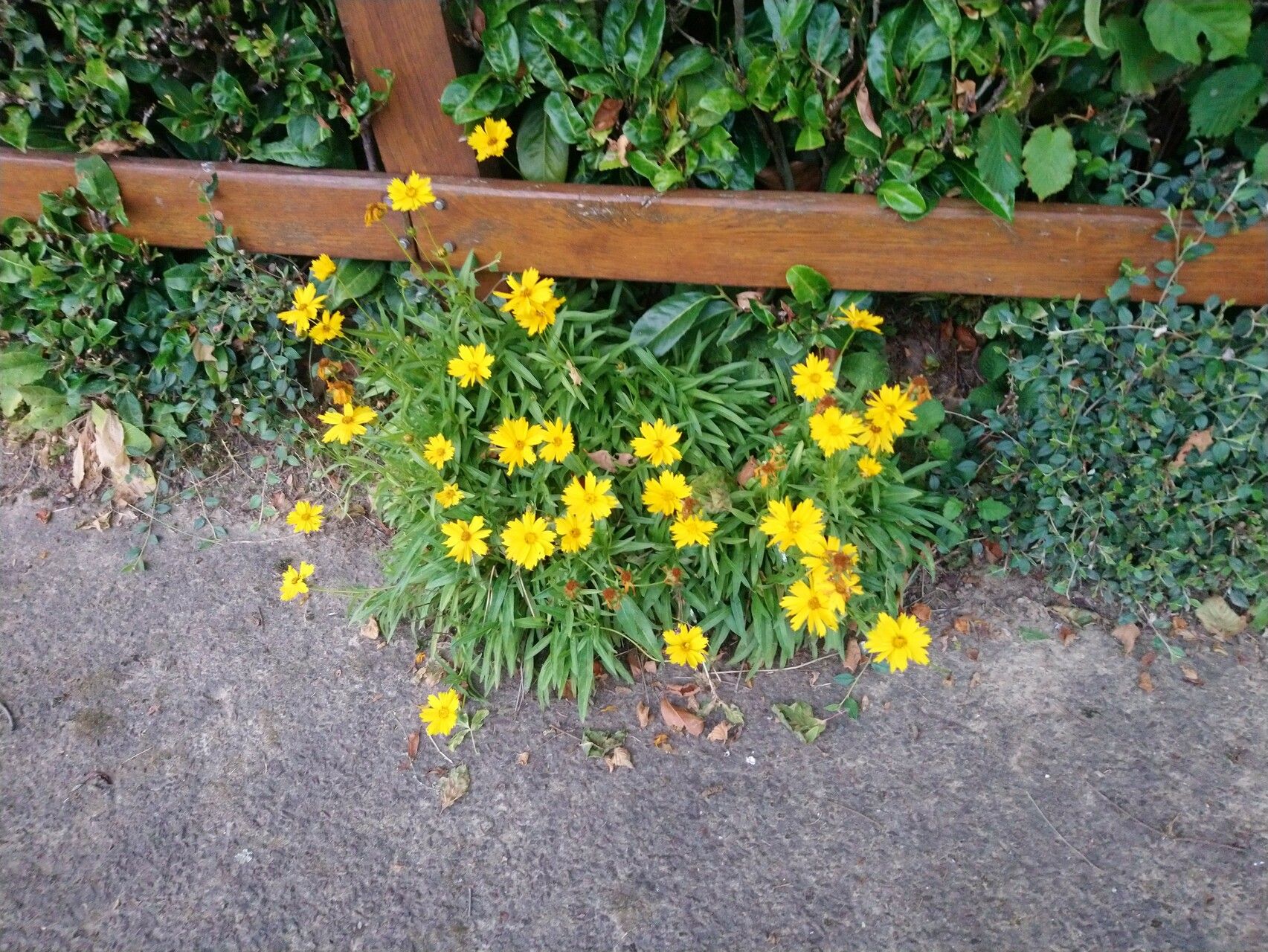
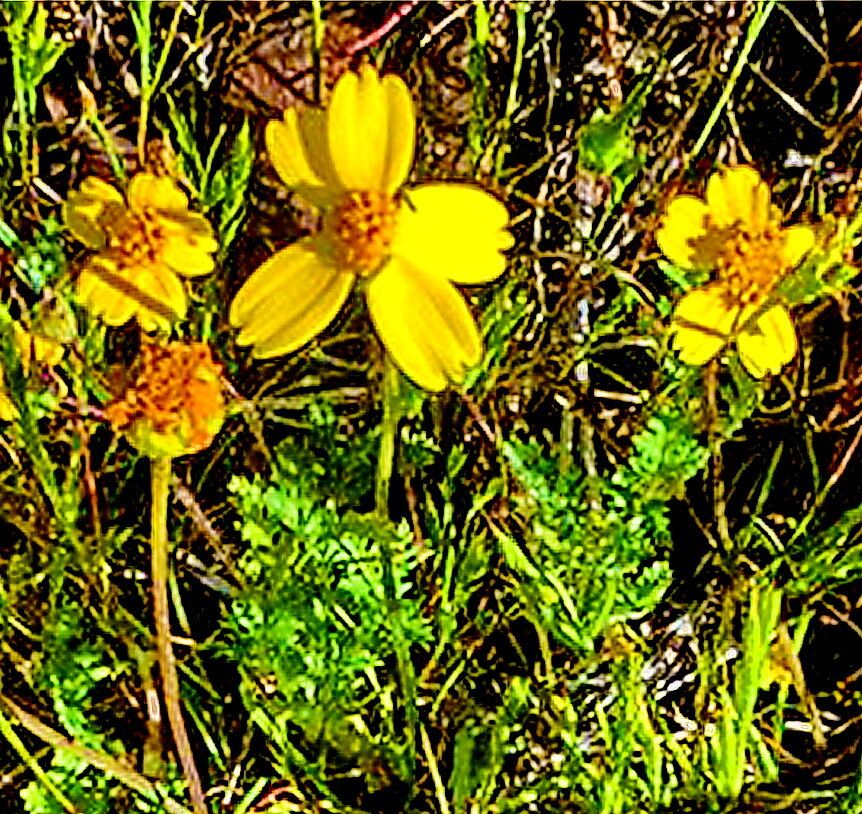
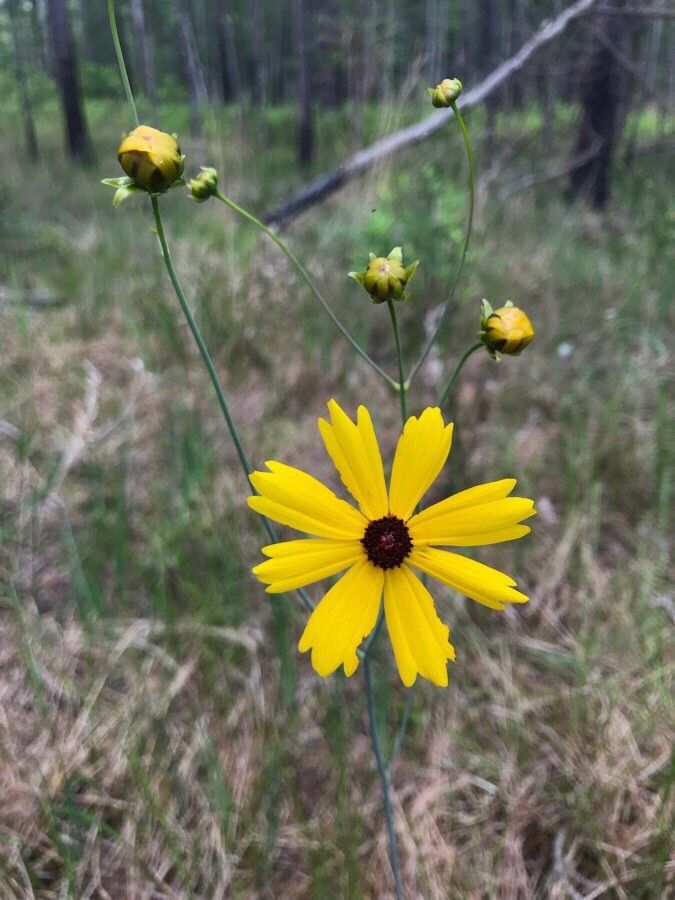
Coreopsis auriculata, commonly known as lobed tickseed or ear-leaved tickseed, is a perennial flowering plant belonging to the Asteraceae family. Native to the southeastern United States, this plant typically thrives in open woodlands, meadows, and along roadsides.
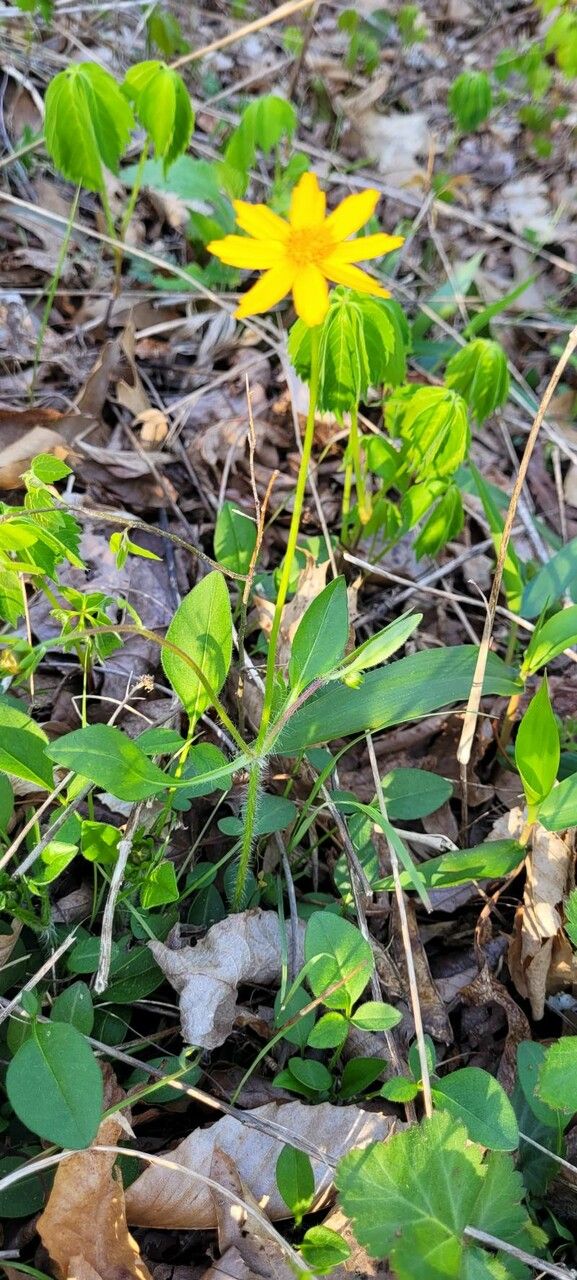
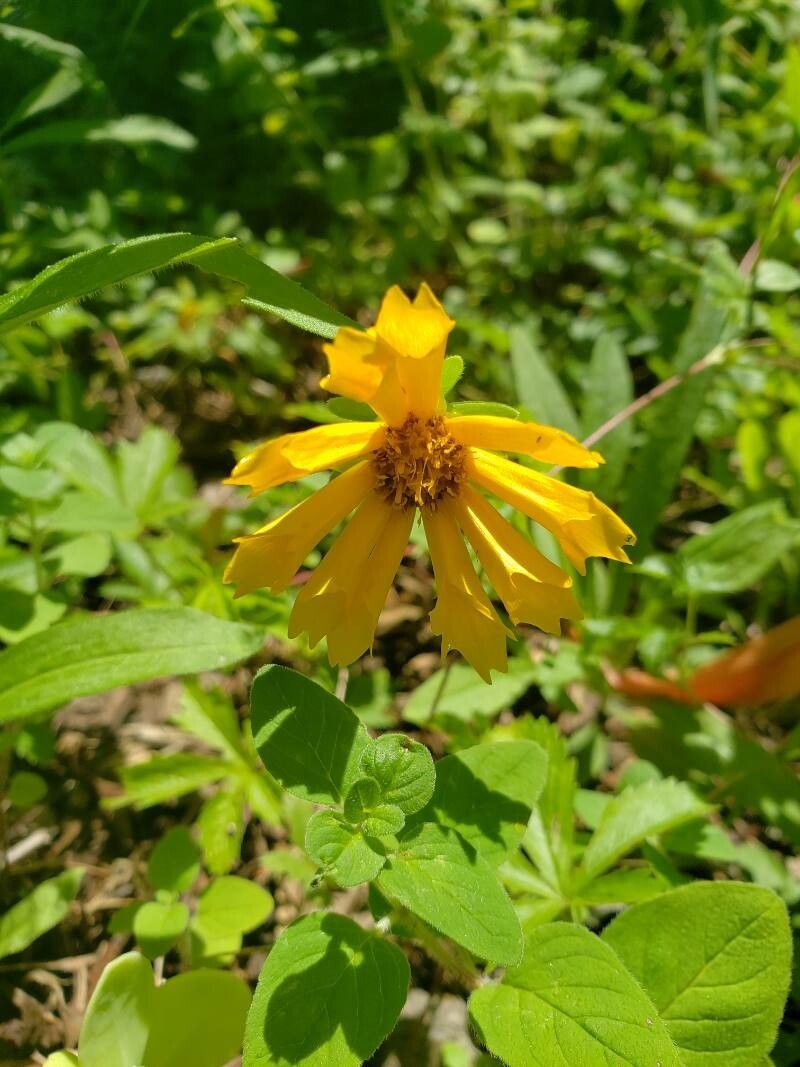
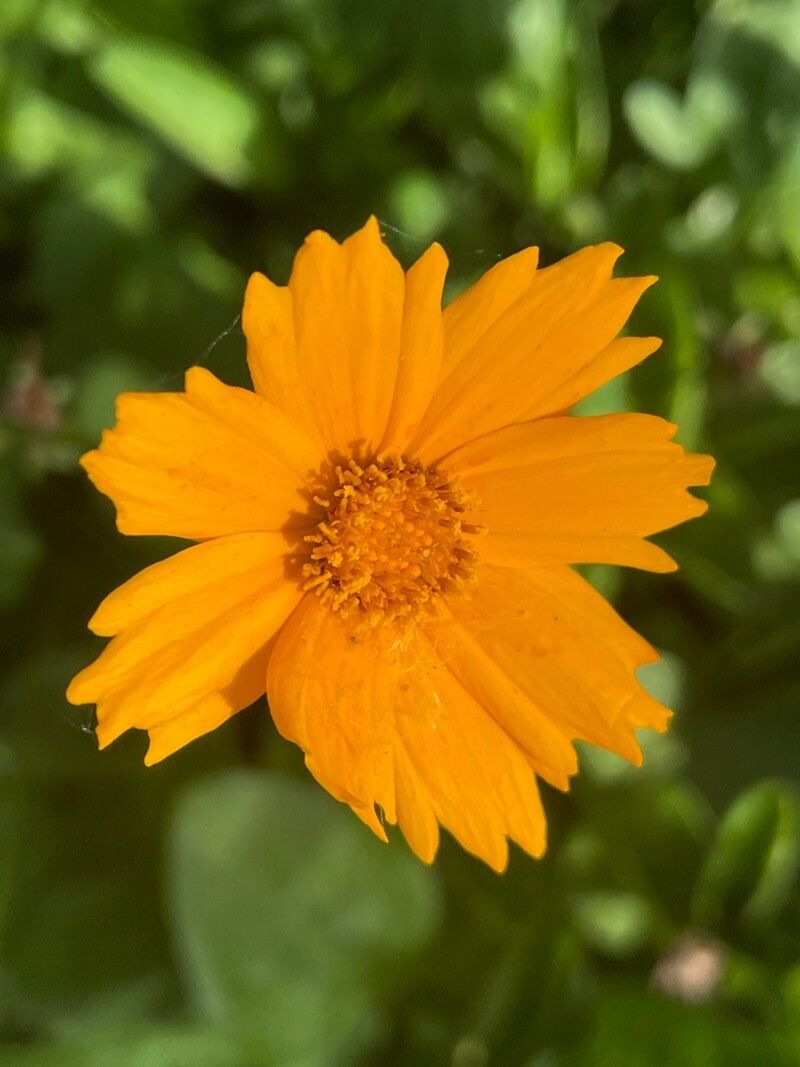
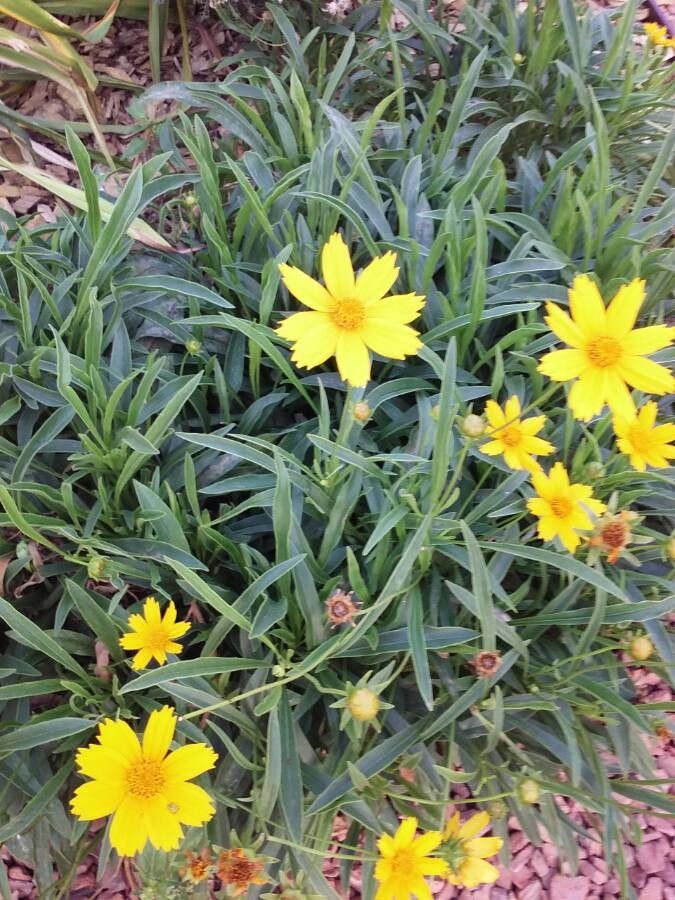
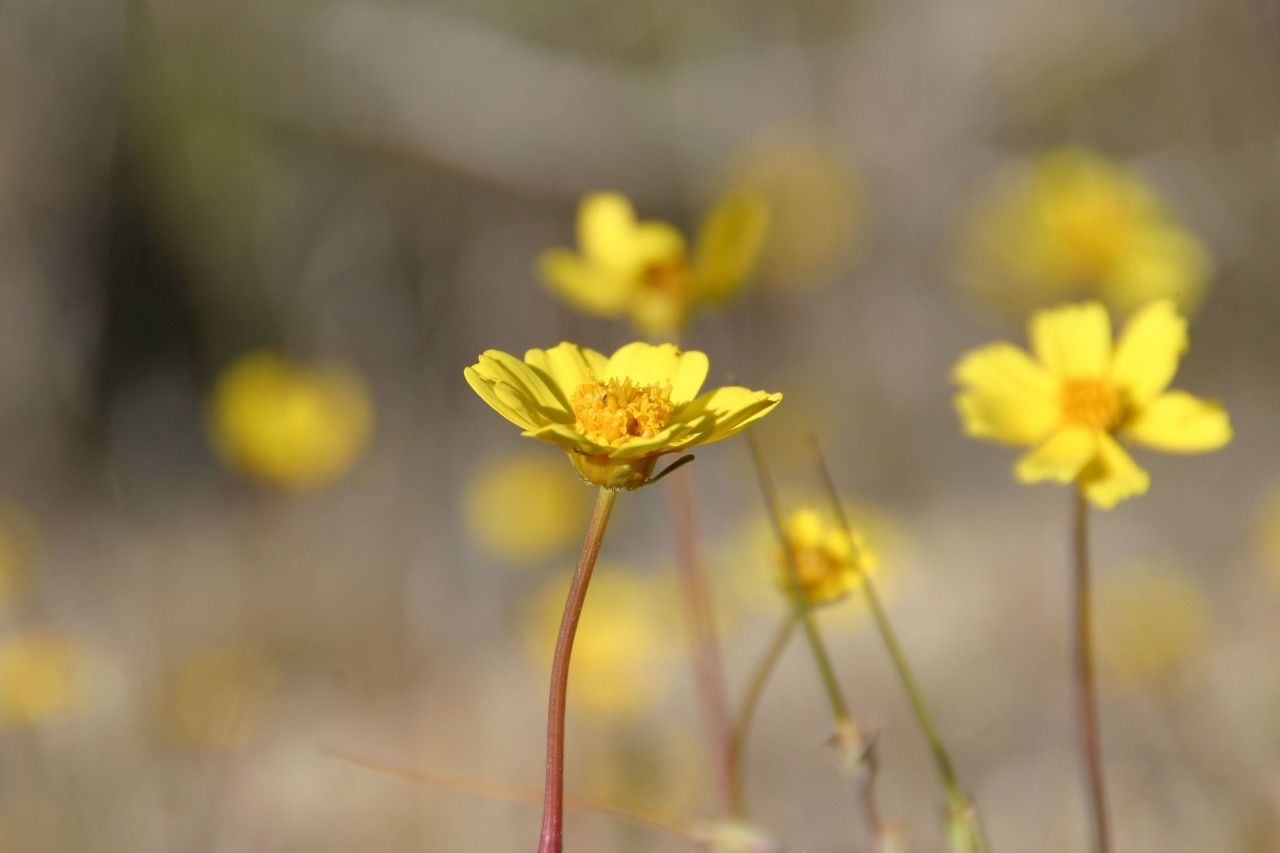
Generally, the lobed tickseed plant reaches a height of up to 2 feet and spreads 1 to 2 feet wide. It features bright yellow, daisy-like flowers with a dark central disk surrounded by yellow petals, which bloom from late spring through summer.
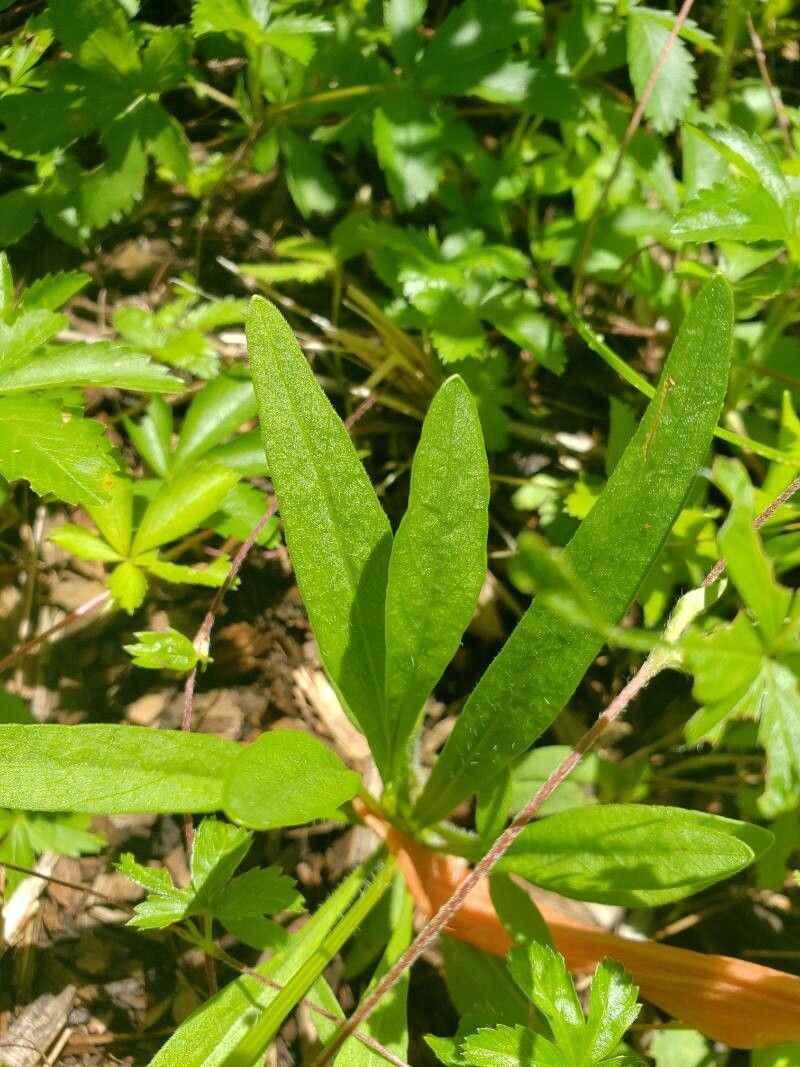
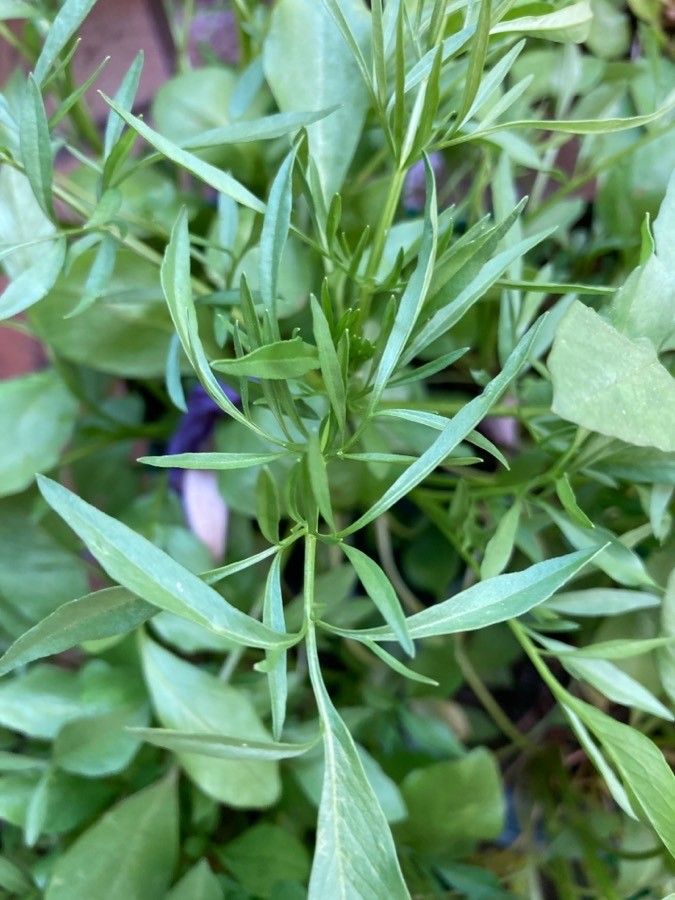
The leaves of Coreopsis auriculata are deeply lobed with a distinctive ear-like shape at their base, growing up to 4 inches long and exhibiting a green hue.
This plant thrives in full sun or partial shade and prefers well-drained soil. Although it is drought-tolerant once established, regular watering during dry spells is beneficial.
Coreopsis auriculata is an excellent choice for garden borders or as an accent plant in rock gardens, thanks to its attractive foliage and vibrant blooms that attract butterflies and bees. Additionally, its long-lasting flowers make it a great option for cut flower arrangements.
Overall, Coreopsis auriculata is an easy-to-grow perennial that adds color and interest to any garden setting while requiring minimal maintenance once established.
Lobed tickseed is fairly disease-resistant and typically not prone to illnesses. However, it can be vulnerable to pests and diseases present in its surroundings. Such infections are usually not severe. Regarding care, this plant needs moderate maintenance. It should be pruned regularly to preserve a neat appearance and encourage healthy growth. Fertilizing can also encourage flowering. Lobed tickseed is suitable for people with outdoor spaces, such as a garden or patio, and does not demand extensive care experience. It may need extra attention when grown indoors.
How to keep Coreopsis Auriculata.
Light
Lobed tickseed grows best when it gets ample sunlight each day. It can tolerate lower light levels and is fairly resistant to partial sun. Native to areas with abundant sunlight, lobed tickseed is harmed by too little light, which limits its healthy growth, while excessive light can cause leaf scorch.
Water
Lobed tickseed, native to the moist environments of North America, thrives best in consistently moist, well-drained soil. To prevent waterlogging, it is recommended to water the plant weekly. For optimal growth and vibrant flowering during its active growing season, supplement with rainwater whenever possible.
Humidity
This plant will thrive in moderate humidity, which is probably the level in your home. However, misting it a few times a week can be very beneficial. Make sure the room has good ventilation.
Temperature
Lobed tickseed is naturally adapted to climates with temperatures between 41 and 95 °F (5 to 35 °C). The plant performs best when maintained within that range. Seasonal adjustments may be needed to preserve these ideal temperature conditions, particularly during extreme weather.
Fertilizer
The best time to fertilize a Lobed tickseed is in early spring, as it comes out of dormancy and begins active growth. Fertilizing supplies essential nutrients needed for healthy development. While Lobed tickseed does not require heavy feeding, applying fertilizer once a year can improve its survival and encourage stronger, longer-lasting blooms.
Pruning
Regular pruning is essential for lobed tickseed, known for its vibrant yellow flowers and distinctive lobed leaves. Pruning encourages new growth and helps maintain the plant's shape. The best time to prune is from early to late spring. By deadheading and removing dead parts, you can enhance flowering, prevent disease, and improve air circulation, which promotes the plant's overall health and vigor.
Pot & Repot
To thrive, lobed tickseed needs pots with excellent drainage. This ensures the proper moisture levels and prevents root rot. Good drainage promotes healthy growth and helps the plant withstand different environmental conditions.
Toxicity
Coreopsis plants are non-toxic to both humans and animals.
Further reading →
The toxicity and danger assessments provided are for reference only. We do not assure their accuracy, so it's crucial not to depend on them. Seek professional advice when necessary for accurate guidance.
Botanical profile.
- Plant Type
- Herb
- Life Cycle
- Perennial
- Genus
- Coreopsis
- Family
- Asteraceae
- Hardiness Zone
- 4-9
- Mature Height
- 30 cm to 61 cm
- Mature Spread
- 30 cm to 61 cm
- Leaf Color
- Green
- Leaf Type
- Deciduous
- Flower Color
- Gold, Yellow
- Flower Size
- 5.08 cm
- Bloom Time
- Mid spring, Late spring, Early summer, Mid summer
- Planting Time
- Spring, Summer
- Harvest Time
- Mid summer
- Native Area
- Prairie and woodlands of North America
Other names.
Reader questions.
How should I water my Lobed tickseed plant?
To properly water the Lobed tickseed, it is recommended to use filtered water at room temperature. Tap water may have harmful particles, so filtering it is important. This plant prefers warm environments, so it's best to avoid using cold water that could shock its system. Instead of overhead watering, it is advised to apply filtered room temperature water directly to the soil until it is thoroughly soaked. This method helps moisten the roots, allowing them to spread and collect necessary nutrients for the plant's health.
Why should I add fertilizer to my Lobed tickseed plant?
Fertilization is important for the Lobed tickseed because it provides key nutrients for the plant's growth both above and below ground. Despite the relatively low fertilization needs of a Lobed tickseed, annual fertilization can greatly benefit the plant by improving its survival and promoting the production of longer-lasting flowers. Therefore, those who want their Lobed tickseed to thrive should prioritize annual fertilization.
What are the sunlight requirements for Lobed Tickseed?
Lobed Tickseed thrives in full sun, requiring more than 6 hours of sunlight daily, but it can also tolerate partial sun, which means it can grow in conditions with about 3-6 hours of sunlight. It's essential to observe how sunlight moves through your garden to choose spots that provide the right balance of light and shade, ensuring the plants' health and happiness. Originating from habitats with abundant sunlight, Lobed Tickseed suffers from insufficient light, which inhibits healthy growth, while too much direct exposure can cause leaf scorch.
What is the ideal temperature range for Lobed Tickseed?
Lobed tickseed thrives in climates with temperatures ranging from 41 to 95 °F (5 to 35 °C). This range offers the best conditions for the plant to flourish. It is important to make seasonal adjustments to keep the temperature within this ideal range, particularly in extreme weather conditions. Lobed tickseed has a strong resistance to cold; however, in regions where winter temperatures are expected to drop below -30°C, additional cold protection measures should be taken.
What should I do if I give my Lobed tickseed plant too much water or too little water?
Overwatering is a common issue for Lobed tickseed, which can cause wilting, yellowing, and diseases like root rot, mold, and mildew. Underwatering is less common, but it can lead to brittle, brown leaves. If you notice signs of overwatering, act quickly to reduce watering and consider improving the soil drainage. If your plant is underwatered, simply water more regularly until the signs disappear.
When should I fertilize my Lobed tickseed?
The best time to fertilize a Lobed tickseed is in the late winter to early spring when it is coming out of dormancy and starting to grow. This will promote healthy growth and give the plant a great start for the season. Fertilizing in the fall is also acceptable, but it is not recommended to fertilize in the summer or winter.
How do symptoms of incorrect sunlight exposure manifest in Lobed Tickseed?
When Lobed Tickseed doesn't receive adequate sunlight, it may display several symptoms indicating stress due to light deficiency. These include smaller new leaves, leggy or sparse growth, faster leaf drop, and slower or no new growth. Additionally, leaves may become lighter-colored or develop chlorosis, turning yellow due to a lack of chlorophyll. Excessive sunlight can cause sunscald, leaf curling, wilting, and leaf scorching. These symptoms affect the plant's ability to photosynthesize, reducing overall health.
How do I protect Lobed Tickseed during extremely cold winters?
To protect Lobed tickseed during extremely cold winters, especially when temperatures are forecasted to fall below -30°C, it's crucial to provide additional cold protection. This can be effectively done by covering the plant with insulating materials such as soil or straw. Additionally, it's beneficial to water the plant abundantly before the first frost in autumn to ensure that the soil remains moist. This not only aids in preventing drought but also helps the soil enter a frozen state, which is crucial for the plant's survival during winter and early spring.
How frequently do I need to water my Lobed tickseed?
If your Lobed tickseed plant is in a pot, the most precise way to determine if it needs water is by checking the soil. Stick your finger into the soil and if the top two to three inches feel dry, then it's time to water. For those growing Lobed tickseed outdoors in the ground, you can use a similar method to test the soil. If you find that the top few inches of soil have dried out, it is time to water. Usually, during the spring and early fall, watering once a week is sufficient. However, in extremely hot weather, you may need to water twice or more per week. It's important to note that mature and well-established Lobed tickseed plants are able to withstand drought conditions.
When is the right time to not fertilize my Lobed tickseed?
To properly care for your Lobed tickseed, it is important to fertilize during late winter and early spring, as this plant has low fertilization needs and a single feeding per year is sufficient. Overfertilization can occur if you continue to fertilize throughout spring, summer, and fall, so it is best to avoid it during these seasons. However, if you missed fertilizing in spring, it is acceptable to feed the plant in the fall. It is also not necessary to fertilize during winter when the Lobed tickseed is dormant and not producing new growth.
What solutions can help Lobed Tickseed receive optimal sunlight?
For indoor plants, gradually move them to sunnier locations each week until achieving at least 6 hours of direct sunlight daily, ideally near a south-facing window. If the plant is large or not easily movable, consider using artificial lighting for at least 8 hours daily. For outdoor plants, adjust their location gradually to prevent sunburn, and prune nearby trees if they block sunlight. If relocating small plants, do so during their dormant period for best results. Note that parts of the plant damaged by insufficient light may not recover, but new growth should be healthy once light exposure improves.
What are the signs of Lobed Tickseed being affected by low temperatures?
Lobed Tickseed exhibits strong cold tolerance and ideally should remain above -25°C during winter. However, when temperatures fall below -30°C, subtle signs may not be immediately apparent in winter, but come spring, there could be a noticeable decrease in sprouting. In the worst-case scenario, the plant might not sprout at all.