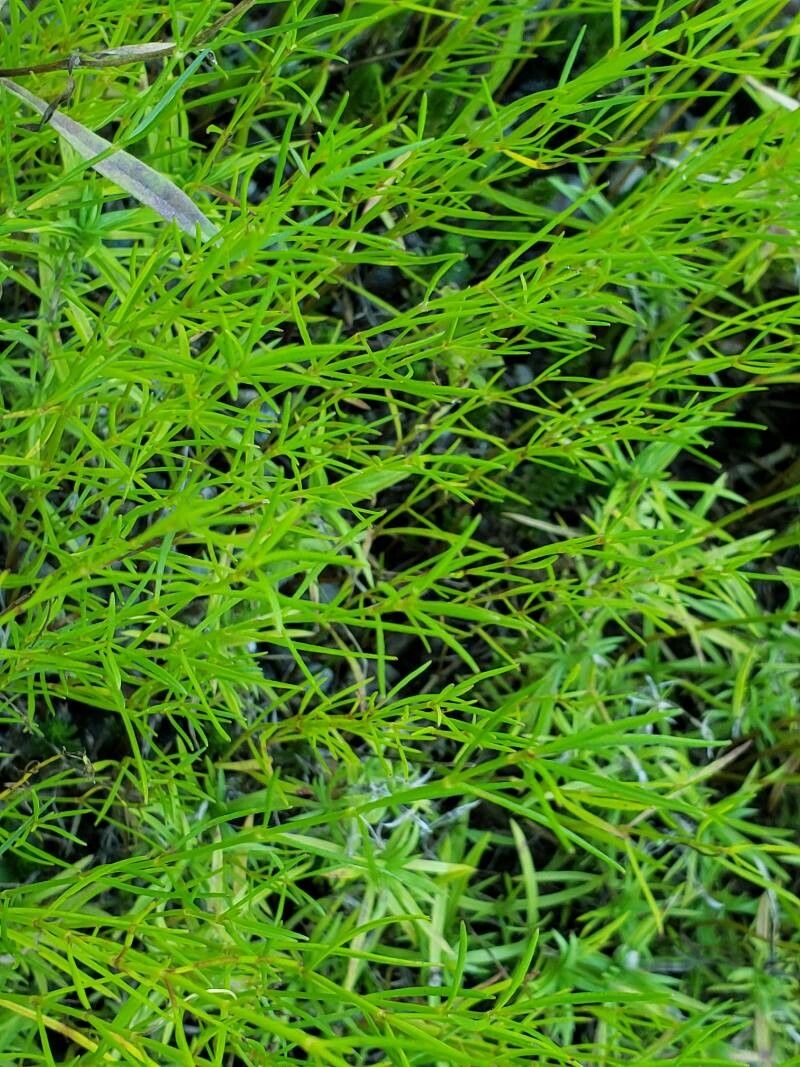
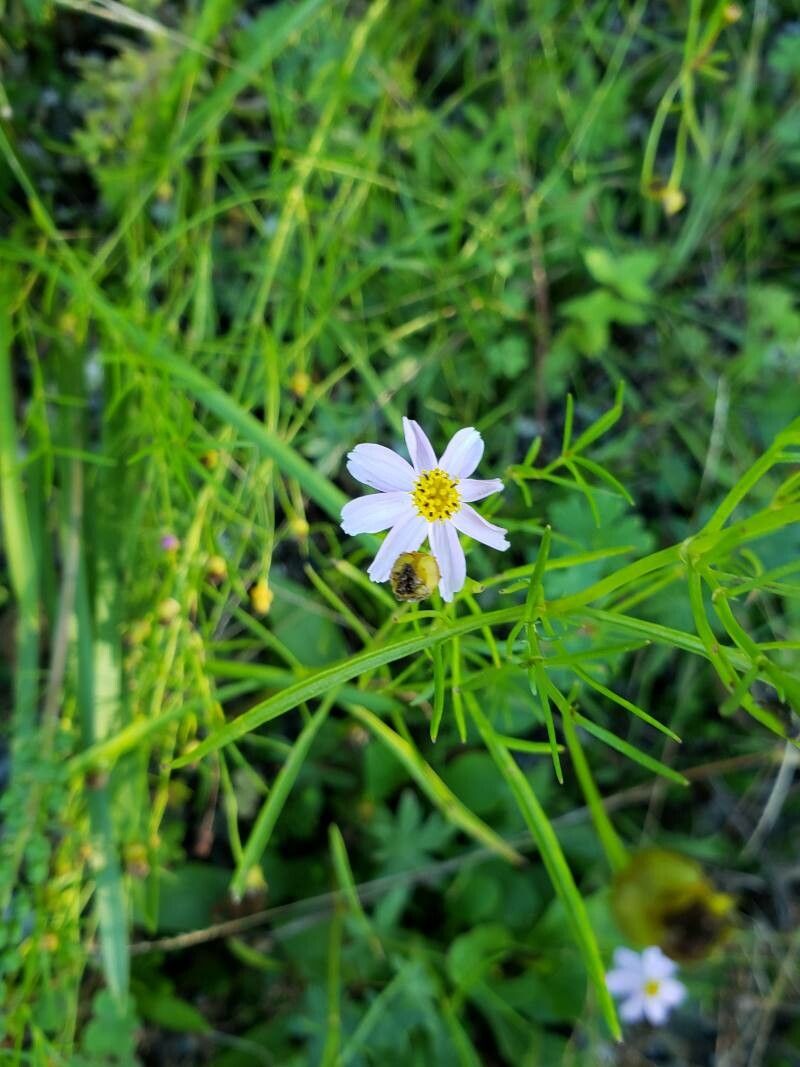
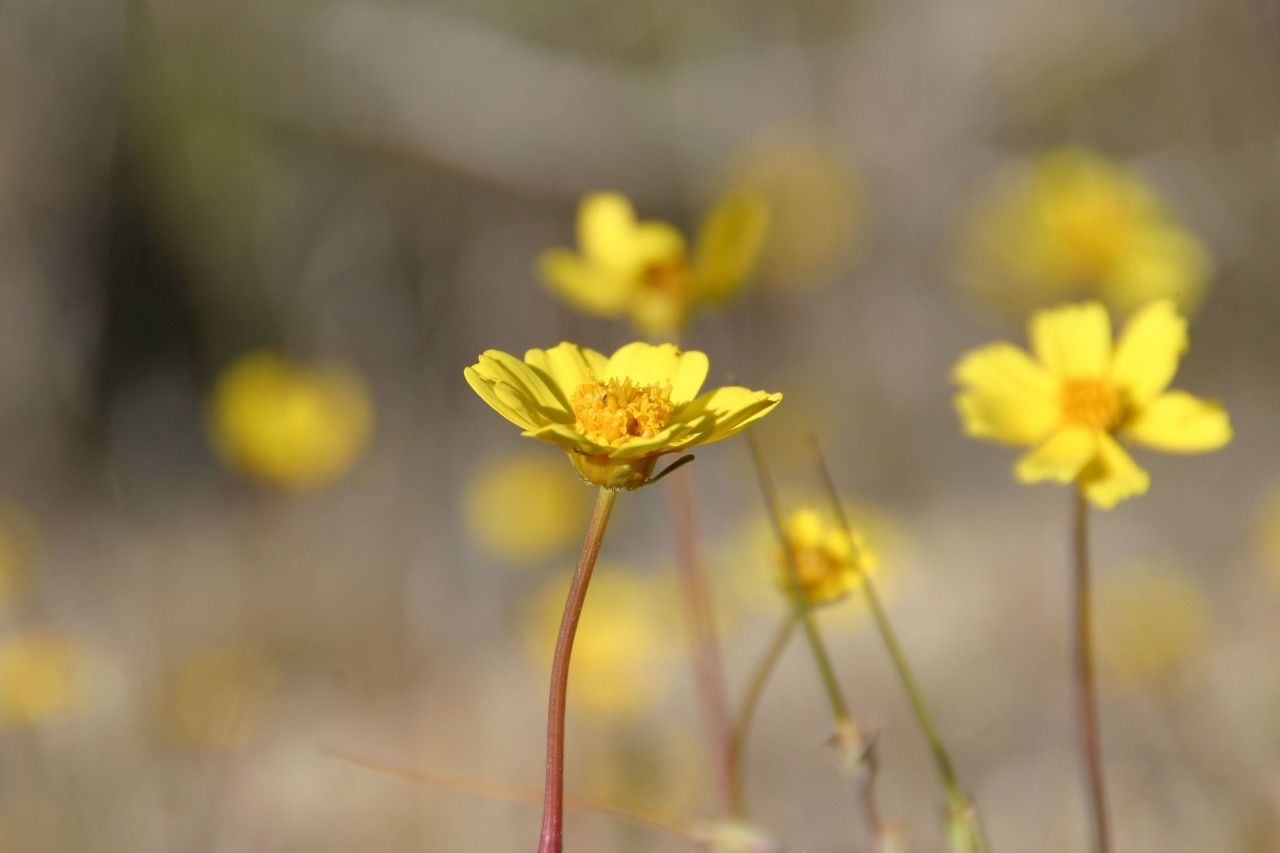
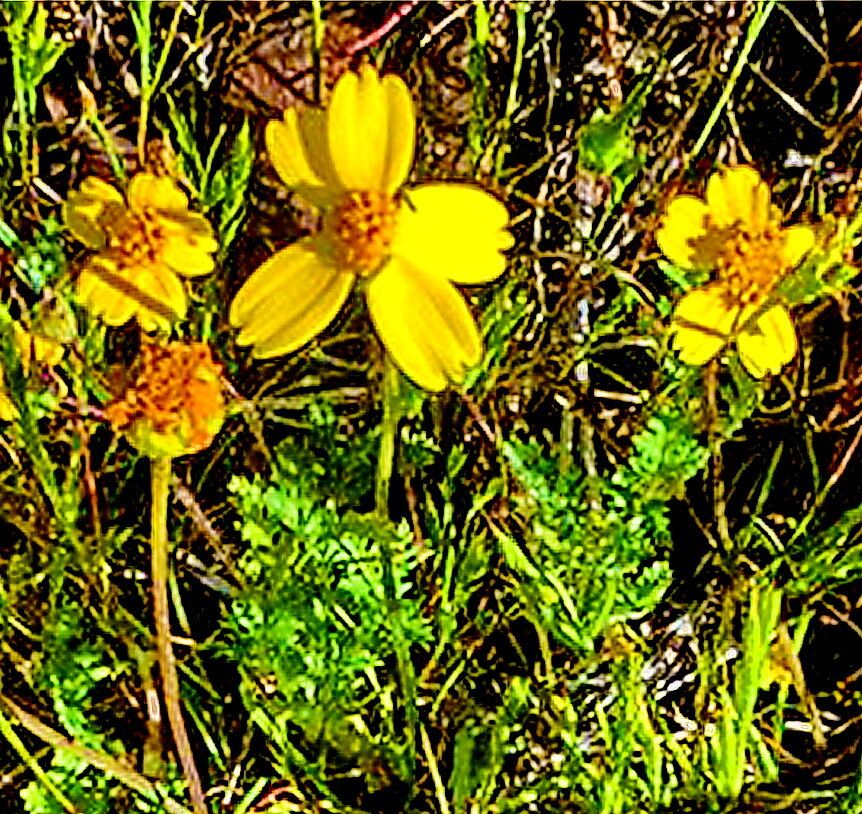
Coreopsis rosea, commonly known as pink tickseed, is a herbaceous perennial plant belonging to the Asteraceae family. Native to the southeastern United States, it thrives in open woodlands, meadows, and along roadsides. The plant typically reaches up to 2 feet in height and 1-2 feet in width, displaying a clumping growth habit.
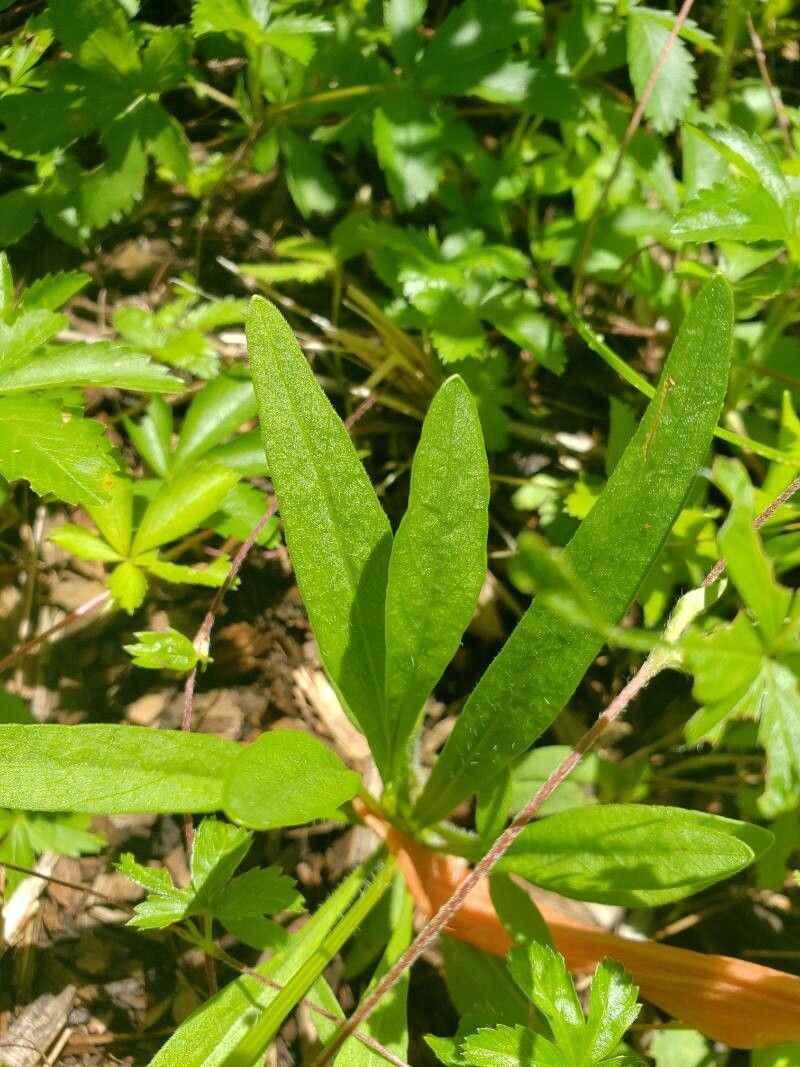
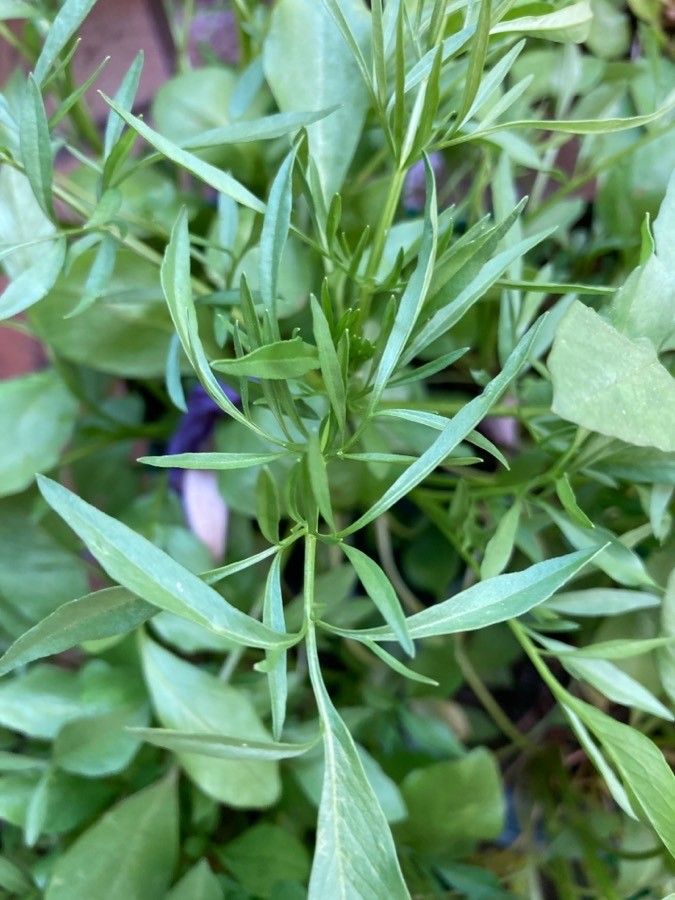
The leaves of Coreopsis rosea are lance-shaped and bright green, creating a pleasing contrast with its delicate pink flowers. These flowers bloom from late spring to early summer and persist through the fall, attracting bees, butterflies, and other pollinators.
Pink tickseed prefers well-drained soil in full sun or partial shade but can tolerate drought conditions once established. It is easy to propagate from seed or by dividing established plants.
Coreopsis rosea serves various purposes, including its use as an ornamental plant in gardens or naturalized areas due to its attractive foliage and long-lasting blooms. Additionally, it has medicinal properties, containing compounds known to have anti-inflammatory effects.
Overall, Coreopsis rosea is an appealing perennial that adds color and interest to any landscape while also offering ecological benefits for pollinators.
Pink tickseed has strong resistance to disease and is generally not vulnerable to illnesses. However, it can be affected by pests and diseases present in its environment. Such infections are generally mild. In terms of care, this plant requires moderate maintenance. It needs regular pruning to preserve an attractive appearance and encourage healthy growth. Fertilizing can also help boost flowering. Pink tickseed is suitable for anyone with an outdoor area, like a garden or patio, and does not require extensive care experience. It may need more attention if grown indoors.
How to keep Coreopsis Rosea.
Light
Pink tickseed grows best with abundant sunlight; full sun for most of the day promotes healthy development. It can also tolerate moderately sunlit locations. Native to sunny habitats, insufficient light can stunt growth or cause foliage discoloration, while too much light may lead to leaf scorch.
Water
Pink tickseed thrives in environments with consistent moisture, similar to its native moist meadows. To keep the soil evenly moist, water the plant weekly without causing waterlogging, especially during dry spells. As an herbaceous perennial, it benefits from natural rainfall when grown outdoors.
Temperature
Pink tickseed is native to temperate regions. Its preferred temperature range is 41 to 89.6°F (5 to 32℃). Adjust your cultivation methods to take seasonal temperature fluctuations into account to ensure optimal growth.
Fertilizer
The best time to fertilize a Pink tickseed is in early spring, when it is coming out of dormancy and starting active growth. Fertilization supplies essential nutrients for healthy development. Although Pink tickseed has relatively low fertilizer requirements, feeding it annually can improve its survival and encourage better, longer-lasting flowers.
Pruning
Pink tickseed has vibrant pink blooms and benefits from pruning between early and late spring. To encourage continuous blooming, remove dead stems and trim spent flowers. After the flowering period, cut the plant back by one-third to promote compact growth. Pruning not only helps the plant maintain its shape but also improves air circulation, reducing the risk of disease. Always use clean tools when pruning to prevent infections.
Botanical profile.
- Plant Type
- Herb
- Life Cycle
- Perennial
- Genus
- Coreopsis
- Family
- Asteraceae
- Hardiness Zone
- 4-7
- Mature Height
- 30 cm to 91 cm
- Mature Spread
- 30 cm to 61 cm
- Leaf Color
- Green, Blue
- Leaf Type
- Deciduous
- Flower Color
- Pink, White
- Flower Size
- 2.54 cm
- Bloom Time
- Summer, Fall
- Planting Time
- Spring, Summer, Autumn
- Harvest Time
- Late summer, Fall, Early winter
Other names.
Reader questions.
How should I water my Pink tickseed plant in the best way?
To properly care for the Pink tickseed plant, it's best to use filtered water at room temperature or slightly warmer. Tap water may have harmful particles that can negatively affect the plant's health. Since the Pink tickseed thrives in a warm environment, using cold water can shock its system. Avoid watering from above, as it can create issues with the foliage. Instead, apply filtered room temperature water directly to the soil until it is completely soaked. This helps moisten the roots and allows them to spread and gather nutrients effectively.
Why is it necessary to add fertilizer to my Pink tickseed?
Fertilization is vital for the Pink tickseed for a few reasons. Firstly, it provides essential nutrients that promote the plant's growth both above and below the ground. However, the Pink tickseed has relatively low overall fertilization requirements, and it can still survive without fertilization in certain circumstances. Nevertheless, annual fertilization can greatly benefit the Pink tickseed, helping it stay healthy and potentially improving the longevity of its flowers. Therefore, individuals who want their Pink tickseed to thrive should consider engaging in annual fertilization practices.
Should I make sure Pink tickseed doesn't get too much sun?
Certain perennial plants require ample sunlight to reach their maximum bloom. However, in warmer climates, some of these plants actually benefit from less sun. For instance, individuals residing in hotter regions might find it beneficial to shade their flowering perennials during the intense afternoon sun, especially during summer months. Although many perennial flowering plants prefer partial shade in the hottest climates, there are exceptions. Take the Giant Coreopsis, for example, as it is not bothered by excessive sun exposure. These plants can flourish even when placed in the full sun during scorching weather.
What temperature is best for Pink tickseed?
Pink tickseed thrives in cooler weather and has an optimal temperature range for growth. To maintain its health, it is best to keep it between 65~75℉(18~25℃). While Pink tickseed can tolerate higher and lower temperatures, it is recommended to keep the growing area within a few degrees of 65~75℉(18~25℃) whenever possible. Deviation from this temperature range does not necessarily hinder growth, as Pink tickseed can tolerate a wider range. The upper limit falls between 75~85℉(25~30℃), while it can endure temperatures as low as 5℉(-15℃) on the lower end. However, it is important to note that Pink tickseed prefers cooler environments, so exceeding the upper limit may slow down growth or even lead to the plant's demise if exposed to temperatures above 85℉(30℃).
What should I do if I give my Pink tickseed plant too much water or too little water?
Overwatering is a common problem that can harm your Pink tickseed plant. It causes the stems and leaves to wilt and turn yellow. Over time, overwatering can also lead to diseases like root rot, mold, and mildew, which can be fatal for the plant. Underwatering is less likely to occur since this plant can tolerate drought, but it can still happen. When underwatering occurs, the leaves of the plant become brittle and brown. It is important to recognize the signs of overwatering early and take action to fix it. Some diseases caused by overwatering, such as root rot, may not be fixable if not addressed promptly. Reduce watering if you notice early signs of overwatering and check the soil's drainage. If the soil drains poorly, replace it with a loose, well-draining potting mix. On the other hand, if signs of underwatering are present, increase watering until the signs disappear.
When should I fertilize my Pink tickseed for the best results?
Fertilizing a Pink tickseed is best done in late winter to early spring. This is when the plant is coming out of dormancy and starting to grow actively. Fertilizing during this time promotes healthy growth and sets the plant up for a successful season. Fertilizing in the fall is also acceptable, but it's not recommended during summer or winter.
What kind of sunlight does Pink tickseed need?
Pink tickseed requires full sun daily, with a minimum of six hours of sunlight to maintain healthy leaves, roots, and blooms. While many perennials also need six hours of sunlight, plants like the Orange Daylily or Giant Coreopsis can survive with only three hours of sunlight each day. However, they are not able to flourish as they would in sunnier conditions.
Does Pink tickseed need different temperatures for different stages of growth?
To ensure the healthy growth of Pink tickseed, maintain a temperature range of 65~75℉(18~25℃) in your growing space. It is best to stay on the colder side of this range but be careful not to go below -5℉(-20℃). Extremely cold temperatures can hinder growth at any stage, although they are not as harmful as extreme heat. If temperatures are too high during the budding stage, Pink tickseed may not flower.
How often do I need to water my Pink tickseed?
If your Pink tickseed plant is in a pot, the best way to check if it needs water is by sticking your finger into the soil. If the top two to three inches of soil are dry, it needs water. If you have your Pink tickseed planted outdoors, you can use the same method to test the soil. When the top few inches of soil are dry, it's time to water. In spring and early fall, you'll usually need to water once a week using this method. In very hot weather, you may need to water twice a week or more. It's good to know that mature Pink tickseed plants that are well-established can handle drought well.
When is the best time to not fertilize my Pink tickseed?
To ensure the healthy growth of Pink tickseed, it is recommended to fertilize during the late winter and early spring. This plant has minimal fertilization requirements, so a single feeding per year is sufficient. Overfertilizing during spring, summer, and fall can cause complications, unless you missed fertilizing in the spring, in which case fall fertilization is permissible. During the winter, when the Pink tickseed is dormant and not growing, fertilization is not necessary.
Can the sun harm Pink tickseed? How can I shield Pink tickseed from sun and heat damage?
In warm climates, some Perennial Flowering Plants may struggle with excessive heat and suffer from sun damage. They can wilt, dry out, or even experience growth problems if they are consistently exposed to the intense afternoon sun. However, not all plants require protection from the light afternoon sun. For those that are harmed by intense afternoon exposure, it is recommended to provide them with some shade in warmer climates. Gardeners can achieve this by planting these plants in areas that do not receive direct heat during the afternoon, such as under trees or behind bushes.
Here are three tips to help keep Pink tickseed's temperature under control.
Here are some tips to help you grow Pink tickseed successfully indoors: Tip #1: Choose the coldest room: When growing Pink tickseed indoors, select the coldest room in your home. This room is usually on the side of your house that doesn't get too hot from the sun's intense heat during the middle of the day. However, ensure the room still receives a sufficient amount of sunlight. While you want to protect your plants from the brightest and hottest part of the day, completely depriving them of sunlight can hinder their growth. Tip #2: Avoid high temperatures for proper flowering: Pink tickseed has its growing season in spring and early summer, which can sometimes come with high temperatures. These fluctuations can negatively impact the growth of Pink tickseed, causing the flowering buds to transform into non-flowering buds. These buds may only partially open or not open at all, resulting in a loss of aesthetic appeal. To maximize its flowering potential, it's important to maintain a temperature range of 65-75℉ (18-25℃). Tip #3: Protect from frost: Although Pink tickseed can tolerate low temperatures as low as -5℉ (-20℃), it cannot withstand significant frost. If exposed to the cold temperatures of late fall or winter, Pink tickseed will display signs of frost damage. Look for wilting and discoloration, which eventually leads to brown or blackened sections as they die. Unfortunately, any parts of Pink tickseed that exhibit these colors cannot be saved and should be pruned if you wish to keep the plant alive.