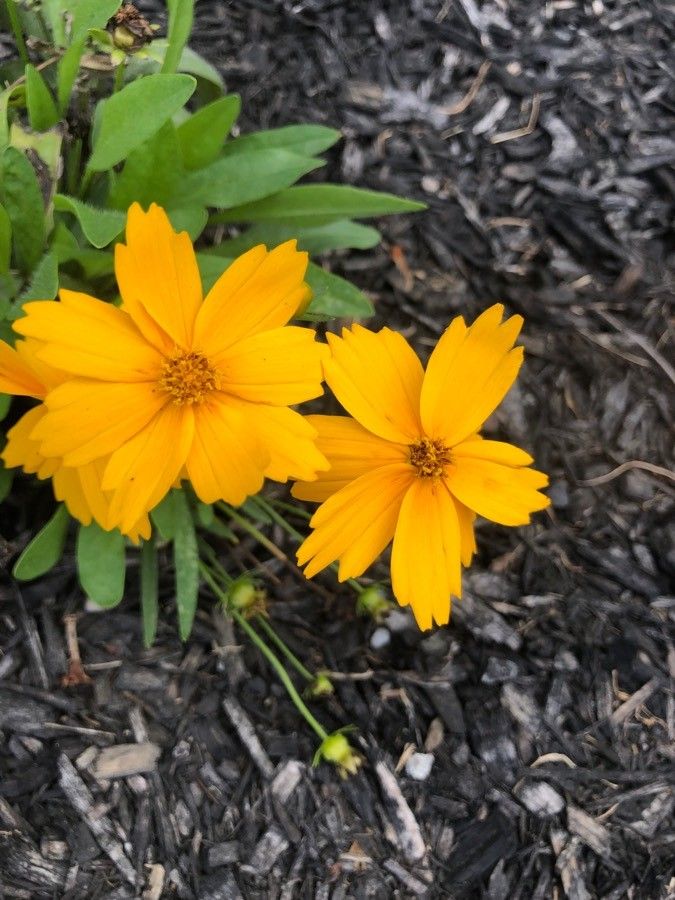
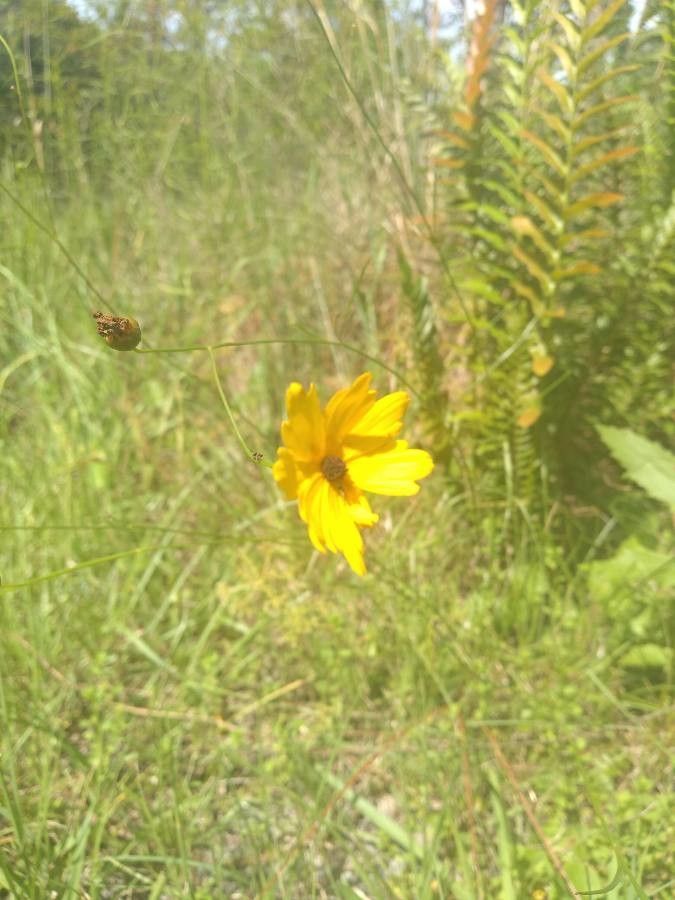
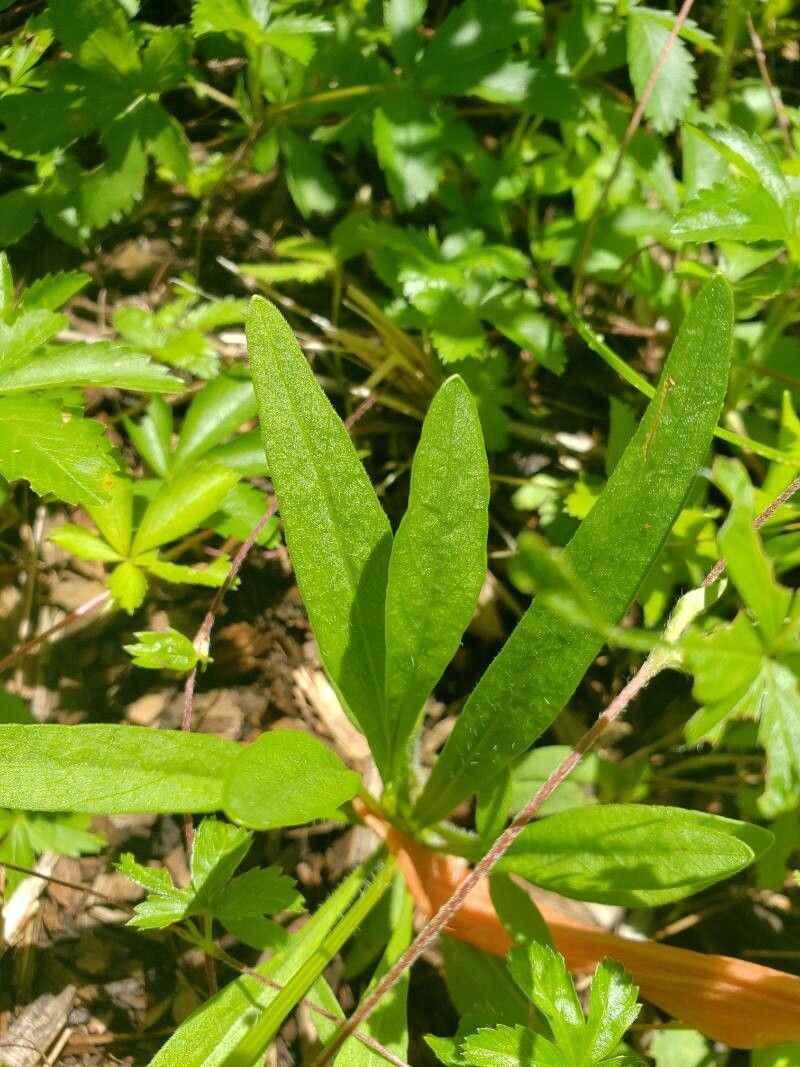
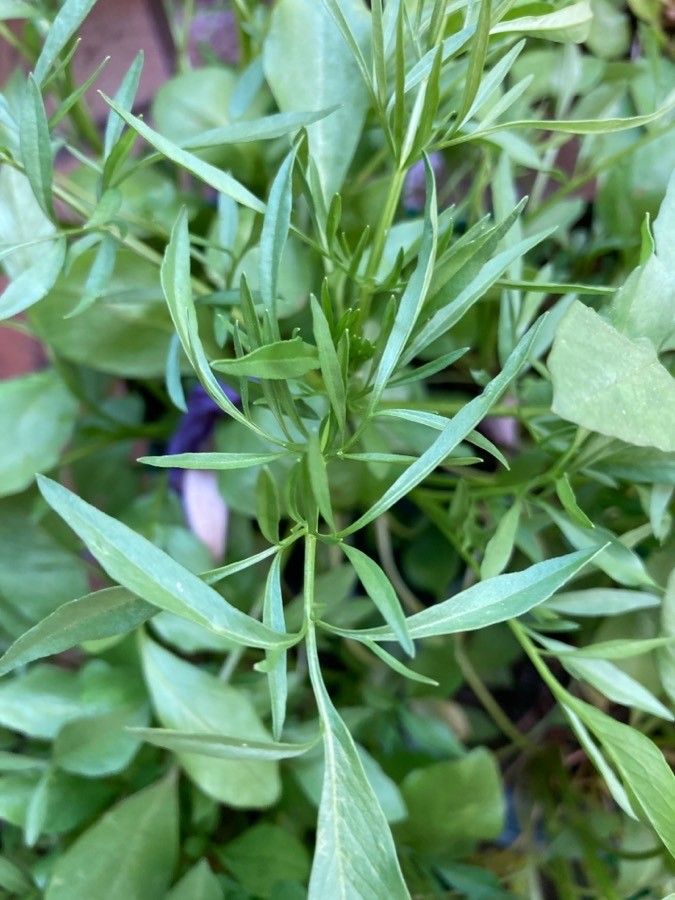
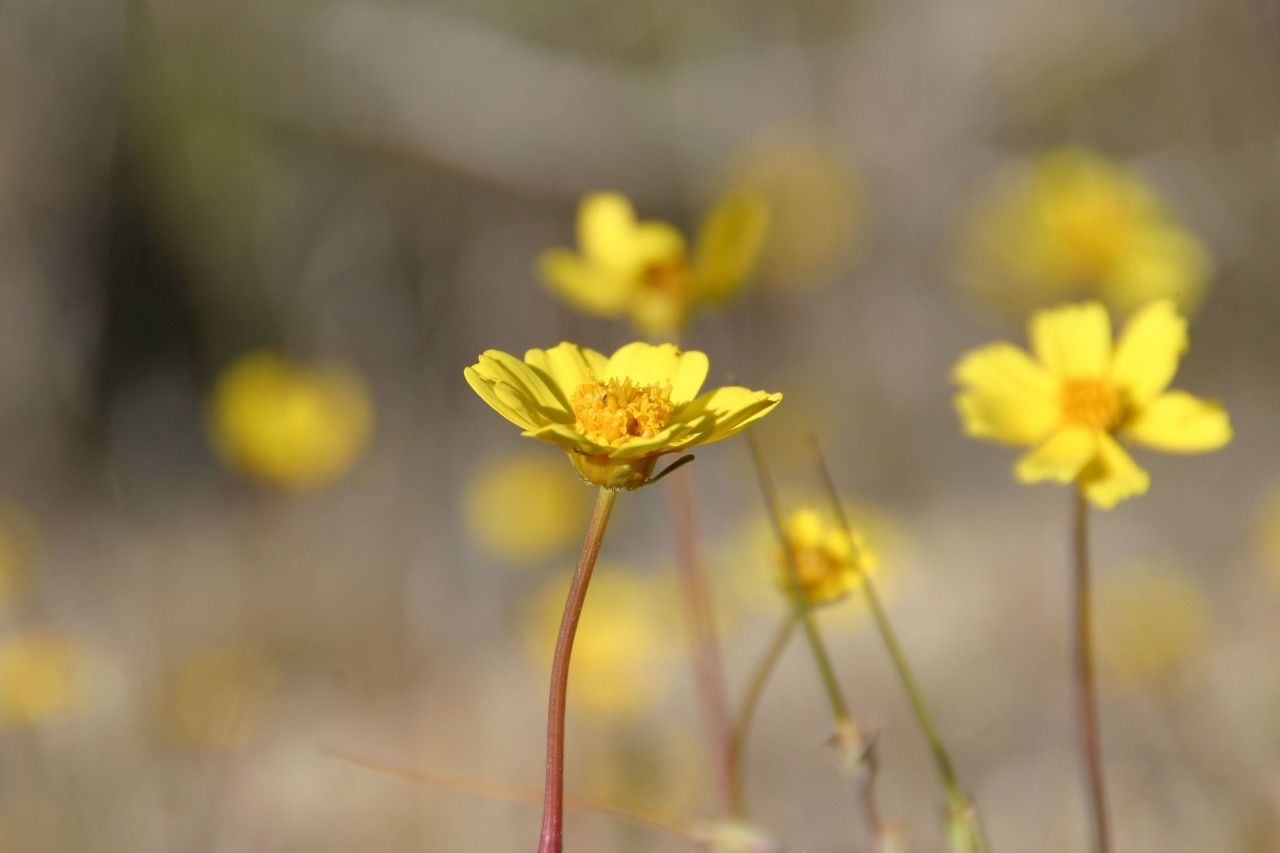
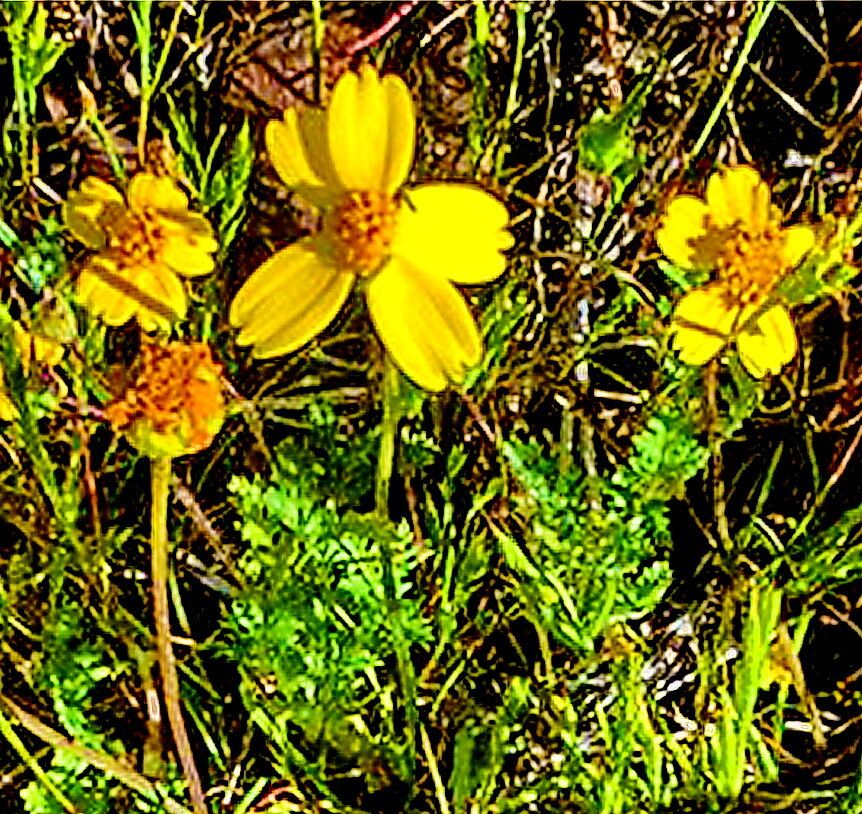
Coreopsis pubescens, called star tickseed, is a North American species of tickseeds in the family Asteraceae. It is native to the central and southeastern United States from eastern Kansas and eastern Texas east as far as Virginia, Florida, and the Carolinas. There are also reports of isolated populations in New England and in northern Indiana, probably as escapes from cultivation.Coreopsis pubescens is a perennial which sometimes grows as much as 90 cm (3 feet) tall. Flower heads are yellow, with both ray florets and disc florets. It is found in a variety of habitats such as granite outcrops, pine-oak woods, and roadsides.
Star tickseed is fairly disease-resistant and typically does not suffer from illnesses. Nonetheless, it can be vulnerable to pests and diseases present in its environment. Such infections are usually minor. Regarding care, this plant needs moderate maintenance. Regular pruning is necessary to keep it looking neat and to promote healthy growth. Applying fertilizer can also encourage flowering. Star tickseed is suitable for anyone with an outdoor area, such as a garden or patio, and does not demand extensive gardening experience. It may need extra attention when grown indoors.
How to keep Coreopsis Pubescens.
Light
Star tickseed is an herbaceous perennial that comes from open habitats and commonly thrives in meadows and grasslands. It prefers full sun yet can also tolerate partial sun conditions.
Water
Star tickseed naturally grows in open woodlands with well-drained soils. While it prefers consistent moisture, it can also tolerate drought conditions. For optimal health, it is recommended to water it weekly. During the growing season, rainwater improves the plant’s pH balance and mineral absorption, enhancing its vibrant floral display.
Temperature
Star tickseed can tolerate a broad range of temperatures, but its range may still be restricted by different combinations of moisture and heat. It does best in warm summer conditions with sufficient rainfall or irrigation. Extended periods of cloudy, rainy weather or prolonged high temperatures can increase the chance of Star tickseed dying. In winter, protecting it from the cold can improve its survival rate.
Fertilizer
The best time to fertilize a Star tickseed is in early spring, as it breaks dormancy and starts active growth. Fertilizing supplies essential nutrients for healthy development. While Star tickseed has fairly low fertilizer requirements, an annual application can improve its survival and encourage better, longer-lasting blooms.
Pruning
To enhance the appearance of your star tickseed and promote continuous flowering, prune it from early to late spring, focusing on removing dead blooms. Thin out congested growth to improve air circulation and reduce the risk of disease. This regular maintenance encourages healthy, bushy growth, resulting in a more attractive display.
Botanical profile.
- Plant Type
- Herb
- Life Cycle
- Perennial
- Genus
- Coreopsis
- Family
- Asteraceae
- Hardiness Zone
- 4-9
- Mature Height
- 30 cm to 91 cm
- Mature Spread
- 30 cm to 46 cm
- Leaf Color
- Green
- Leaf Type
- Deciduous
- Flower Color
- Yellow, Gold
- Flower Size
- 2.54 cm to 7.62 cm
- Bloom Time
- Summer, Fall
- Planting Time
- Spring, Summer, Autumn
- Harvest Time
- Late summer, Fall, Early winter
Other names.
Reader questions.
What are the sunlight requirements for Star Tickseed?
Star tickseed, a perennial herbaceous plant that thrives in open habitats like meadows and grasslands, requires full sun for optimal growth, defined as more than 6 hours of sunlight daily. However, it can also tolerate partial sun conditions, receiving about 3-6 hours of sunlight. It's important to monitor the movement of sunlight through your garden to find spots offering the right balance of light and shade, ensuring the plants' well-being.
What is the botanical name of Star tickseed?
The botanical name of Star tickseed is Coreopsis pubescens.
How can artificial lighting support the growth of indoor Star Tickseed plants?
Indoor Star Tickseed plants may require artificial lighting, especially when natural sunlight is insufficient, such as during winter or in less sunny locations. Adequate lighting is crucial for optimal growth. LED lights, favored for their customizable wavelengths, should provide 30-50W/sq ft for full sun plants, 20-30W/sq ft for partial sun plants, and 10-20W/sq ft for full shade plants. The light source should be placed 12-36 inches above the plant to mimic natural sunlight. Additionally, most plants benefit from 8-12 hours of artificial light per day to simulate natural daylight conditions.
What are common symptoms of inadequate lighting in Star Tickseed?
When Star Tickseed does not receive enough light, several symptoms may indicate lighting issues: new leaves may grow smaller, the plant can appear leggy or exhibit sparse growth, there might be faster leaf drop, and a slower pace of new growth or none at all. Leaves could develop lighter colors or show signs of chlorosis, indicating a lack of chlorophyll. Sunscald, leaf curling, wilting, and leaf scorching are also symptoms that can occur with both inadequate and excessive light exposure.
What solutions are available for addressing light deficiency in Star Tickseed?
To address light deficiency in Star Tickseed, gradually transitioning the plant to a location with more sunlight is key. For indoor plants, move them closer to a south-facing window, ensuring at least 6 hours of direct sunlight daily, or use artificial lighting such as desk lamps or grow lights for at least 8 hours a day. Outdoors, move plants gradually to sunnier spots to avoid sunburn. If obstruction by trees is an issue, pruning may enhance light access. For smaller plants, consider transplanting to a sunnier location during their dormant period to avoid transplant shock.