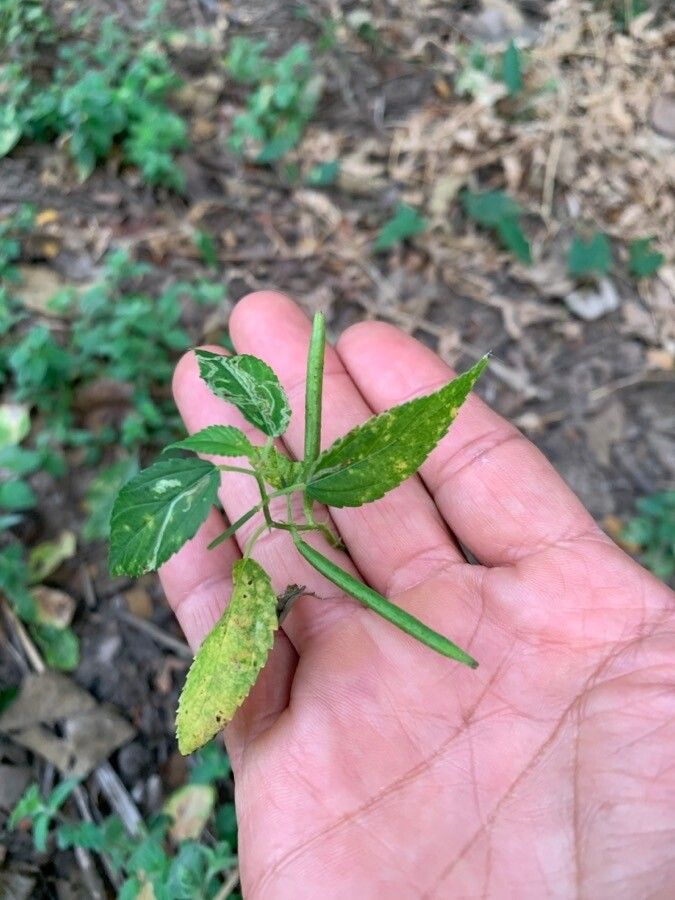
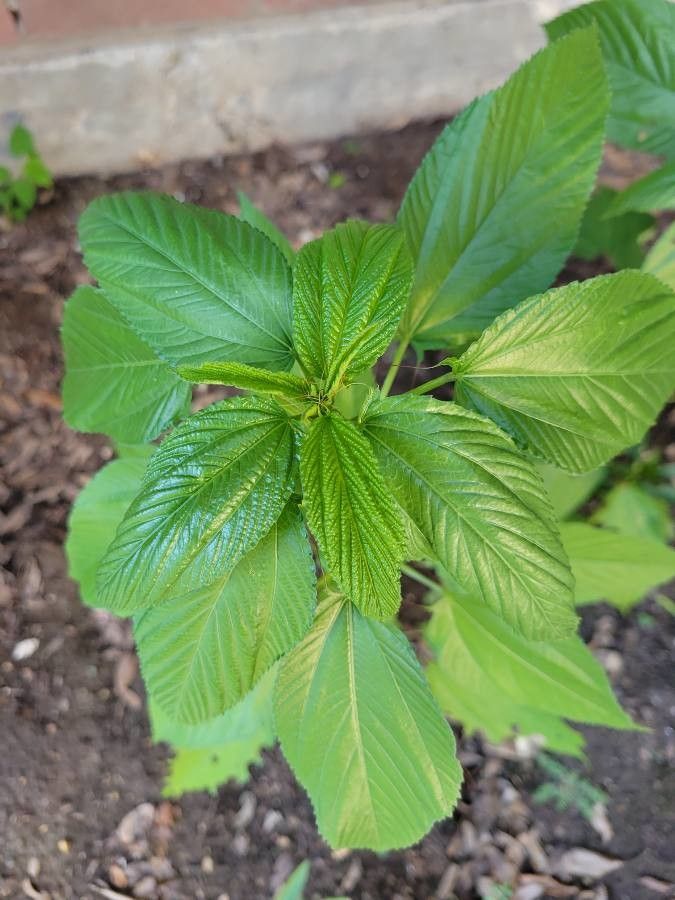
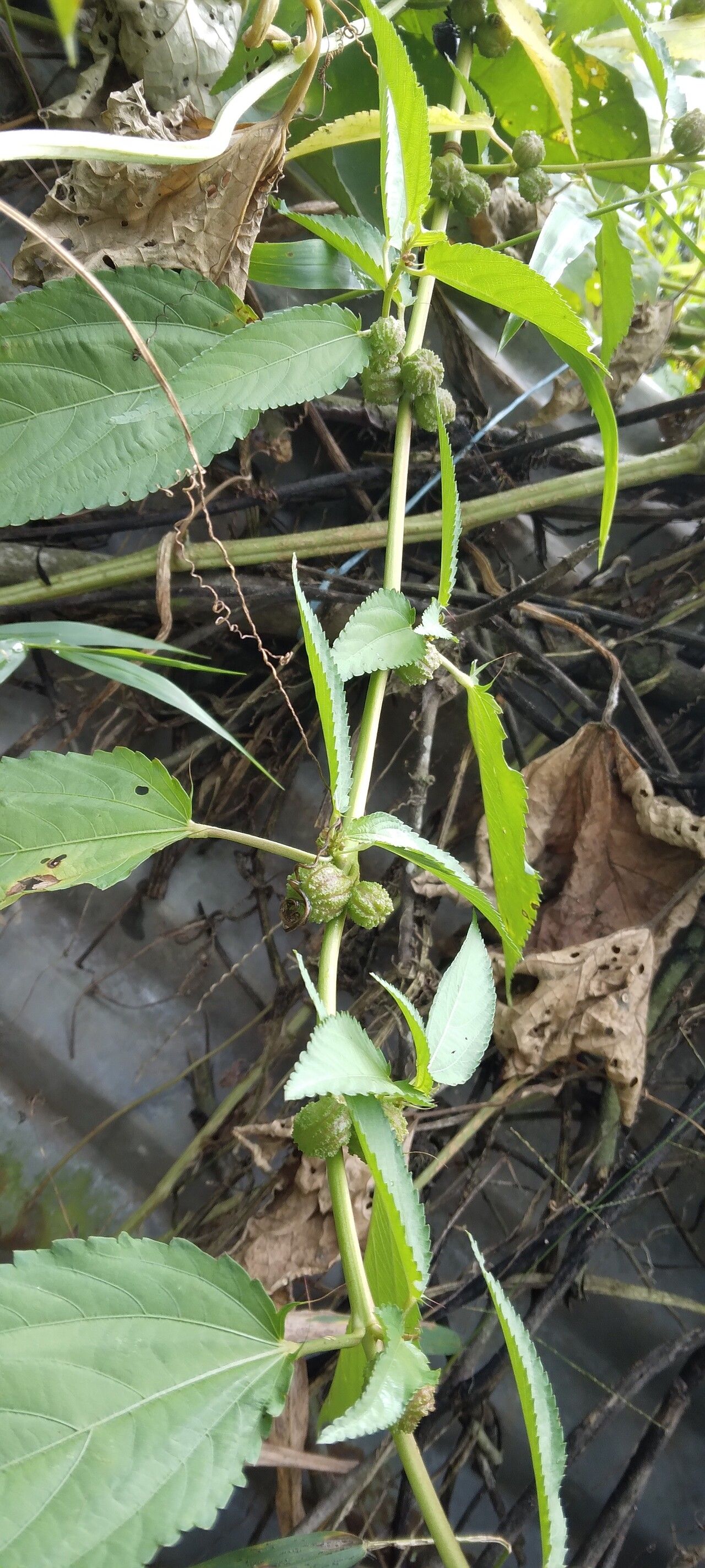
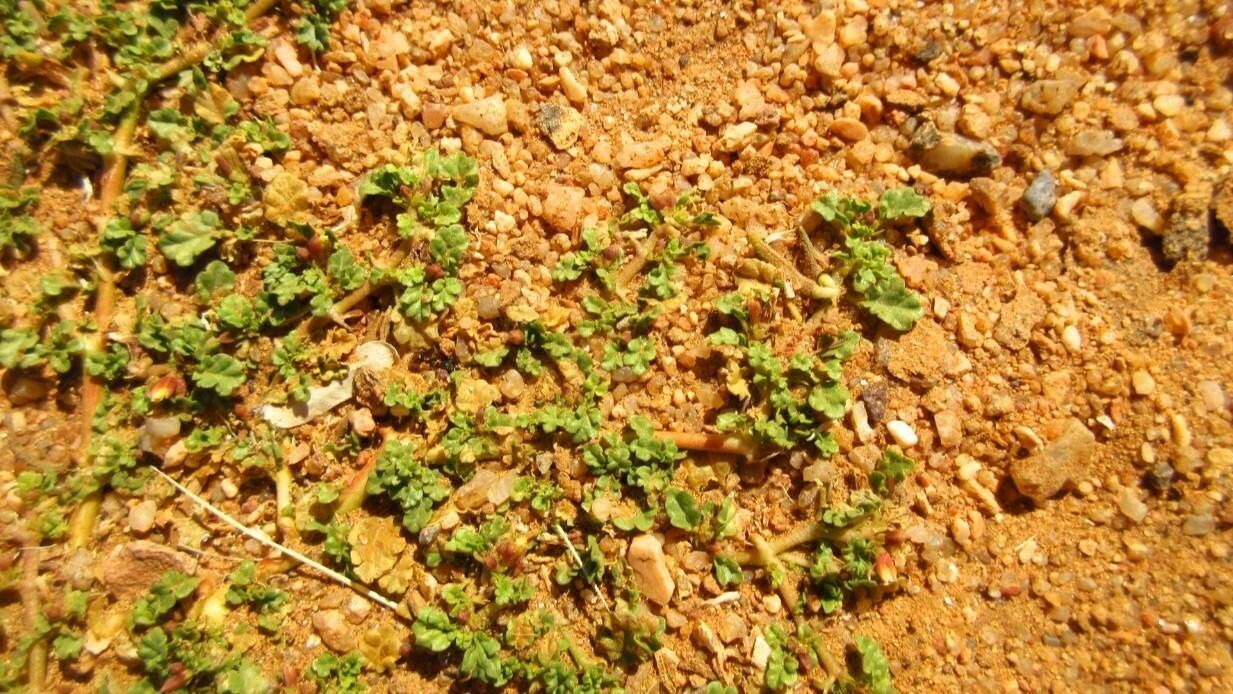
Corchorus is a genus of about 40–100 species of flowering plants in the family Malvaceae, native to tropical and subtropical regions throughout the world.Different common names are used in different contexts, with jute applying to the fiber produced from the plant, and jute mallow leaves for the leaves used as a vegetable.
Slippery burr has strong disease resistance and generally is not vulnerable to illnesses. It can, however, be affected by pests and diseases present in its environment. These problems are usually mild. Care-wise, this plant needs moderate attention. It should be pruned regularly to keep a tidy appearance and encourage healthy growth. Fertilizing can also help stimulate flowering. Slippery burr is well suited to anyone with outdoor space, such as a garden or patio, and does not require extensive experience in plant care. It may demand more attention when grown indoors.
How to keep Corchorus Siliquosus.
Light
Slippery burr is a sun-loving, perennial herbaceous plant that originates in open habitats and is often found in meadows and grasslands. It prefers full sun but can also tolerate partial sun.
Temperature
Slippery burr comes from tropical areas, where the climate is usually warm and humid. Consequently, it is well adapted to high heat and moisture. It does not tolerate sudden temperature changes and prefers a steady thermal environment, so avoiding indoor temperature fluctuations is important. It typically cannot withstand cold and needs warmer conditions to grow. If the ambient temperature falls too low, the plant may stop growing or even die.
Fertilizer
Slippery burr needs the most fertilizer during its active growth period, which takes place mainly in spring, summer, and early fall. Fertilizing supplies essential nutrients the soil may lack, supporting healthy root and stem development and enhancing attractive foliage, a key characteristic of this plant.
Pruning
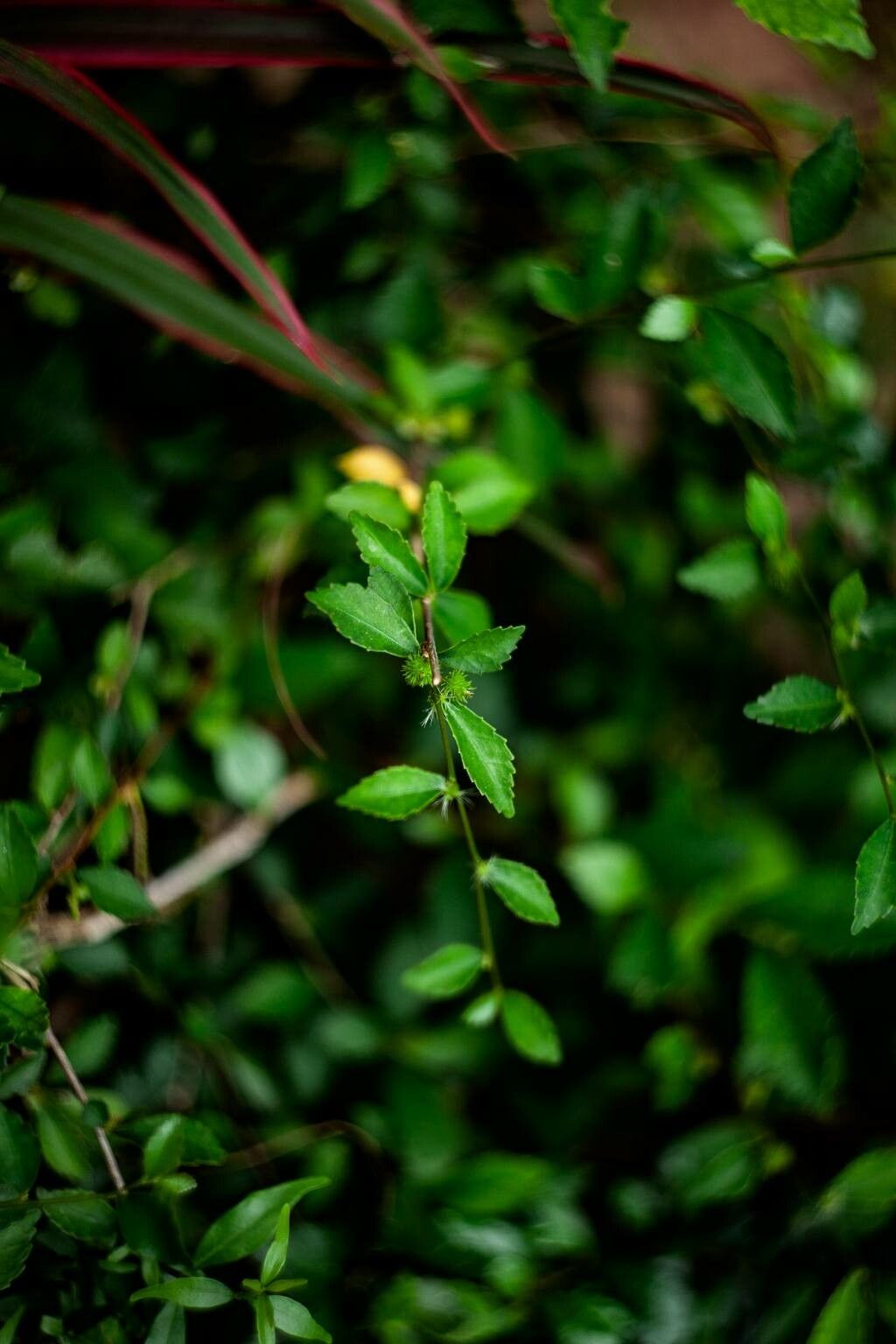
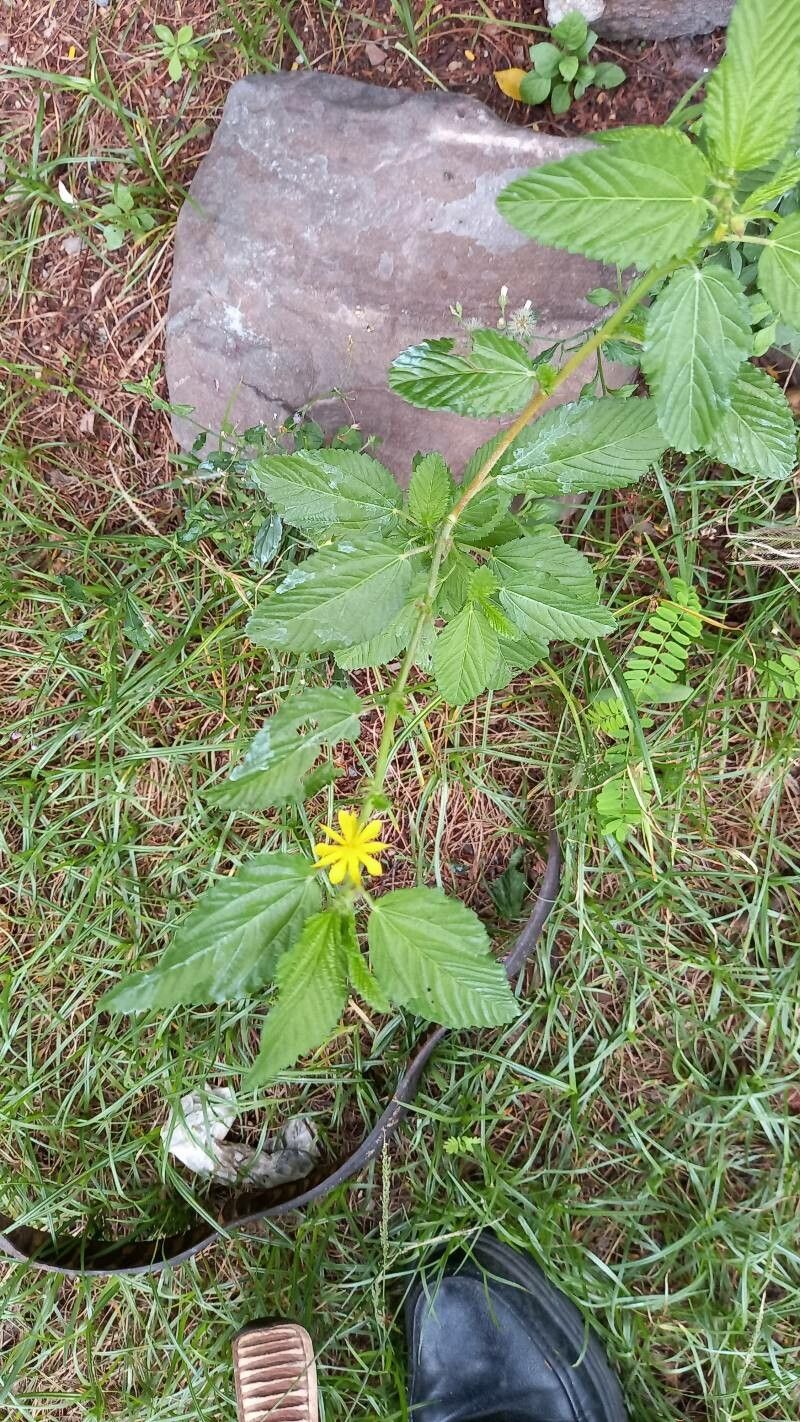
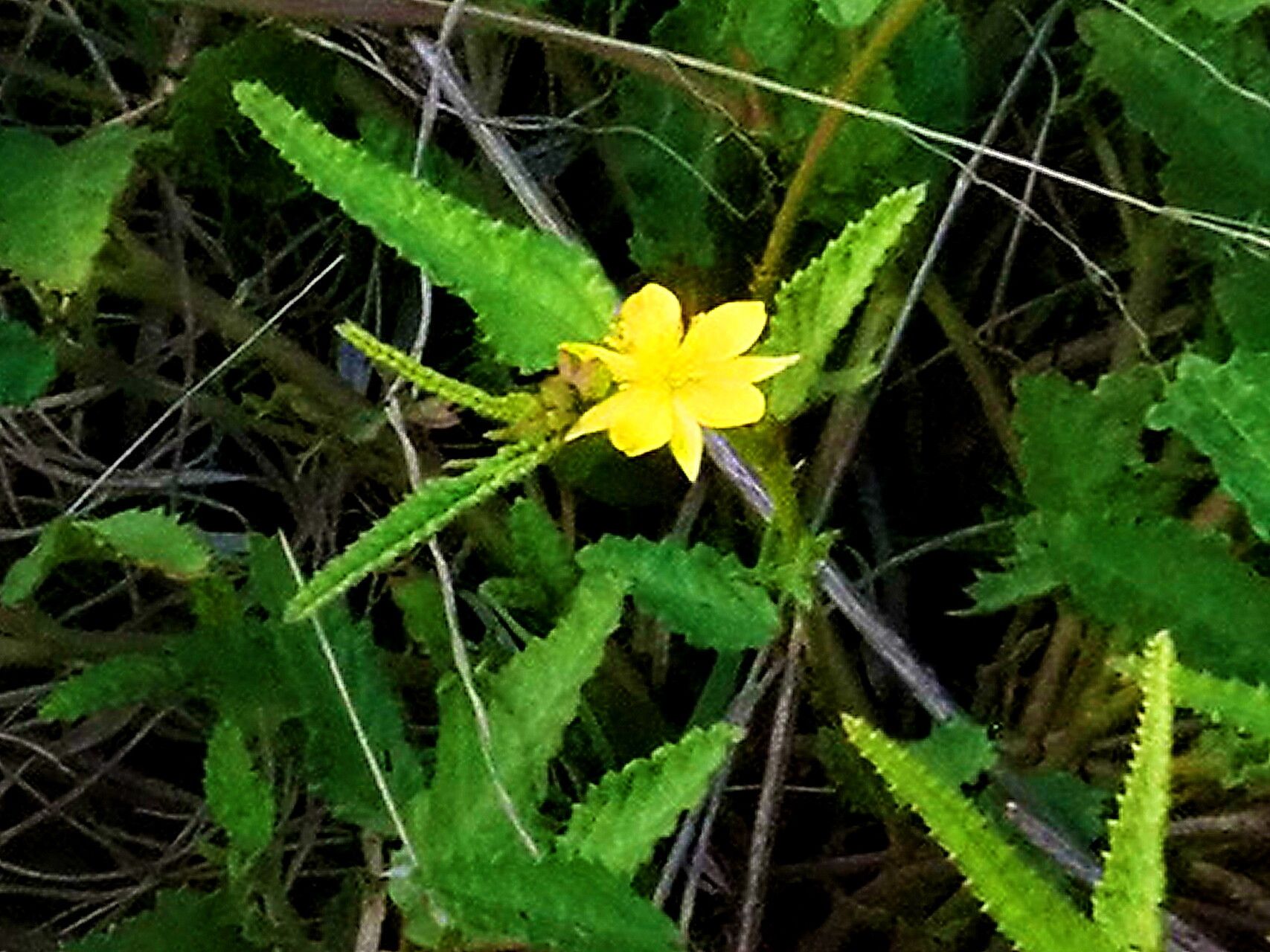
The slippery burr is known for its glossy leaves and small yellow flowers. To keep it healthy and encourage growth and blooms, it's beneficial to prune it periodically. Pruning techniques should focus on removing dead branches and enhancing air circulation, ideally done in early spring. This timing helps prevent pests and promotes robust growth. Make sure to use clean cuts and avoid over-pruning to maintain the plant's vitality.
Botanical profile.
- Plant Type
- Herb
- Life Cycle
- Perennial
- Genus
- Corchorus
- Family
- Malvaceae
- Hardiness Zone
- 9-11
- Mature Height
- 3.96 m
- Mature Spread
- 91 cm
- Leaf Color
- Green
- Leaf Type
- Evergreen
- Flower Color
- Yellow
- Flower Size
- 1.02 cm to 2.03 cm
- Bloom Time
- All year round
- Planting Time
- Spring, Summer, Autumn
- Harvest Time
- All year round
- Native Area
- Colombia, Bahamas, Belize, Cuba, Honduras, Mexico, Guatemala, Venezuela, Guyana, Nicaragua, Ecuador, Costa Rica, Panama, Jamaica
Other names.