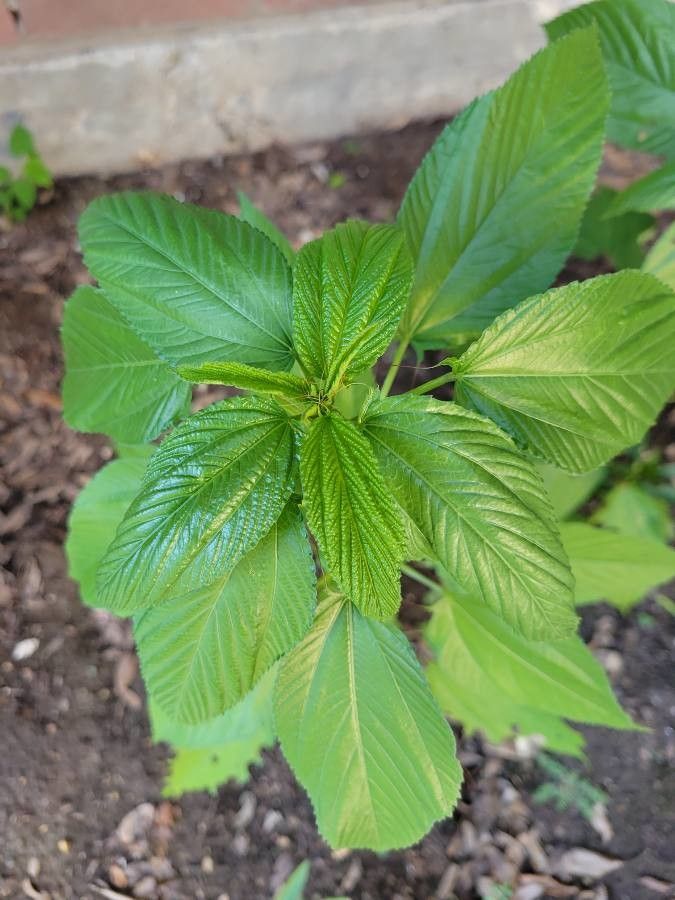
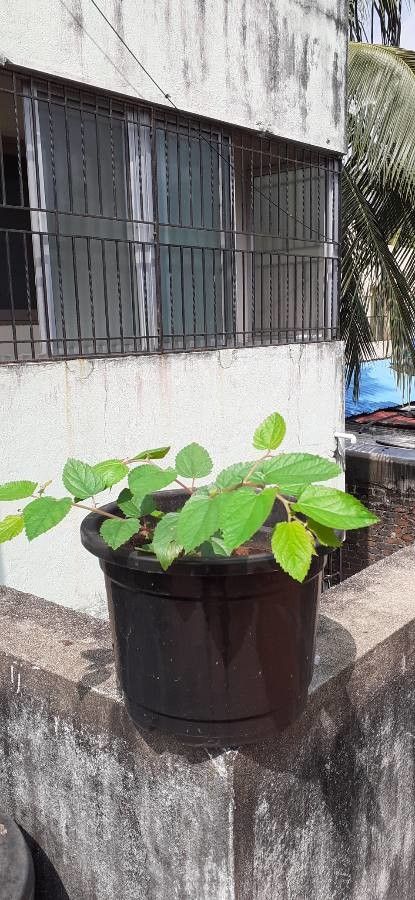
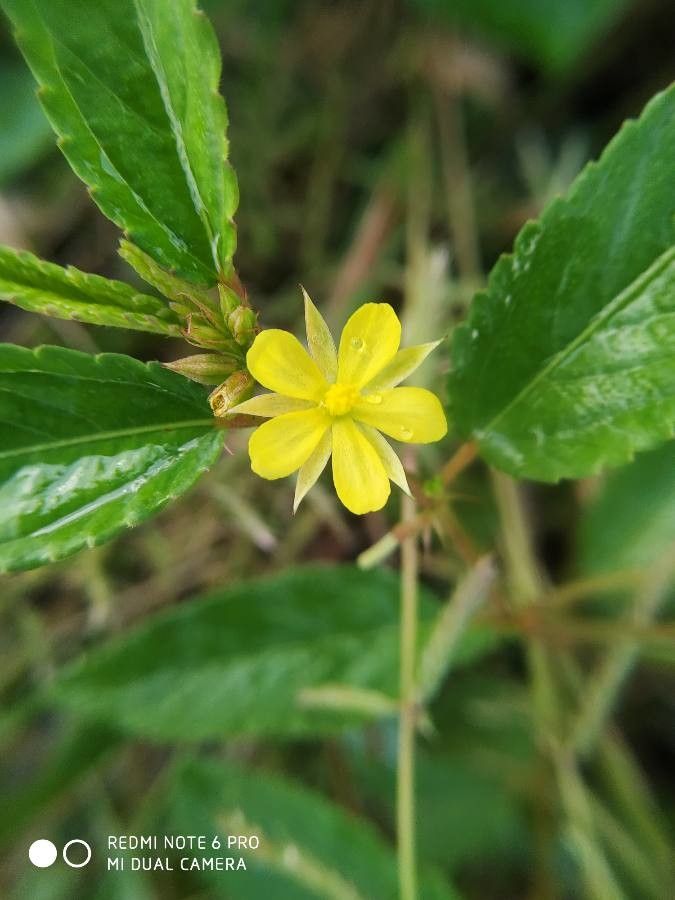
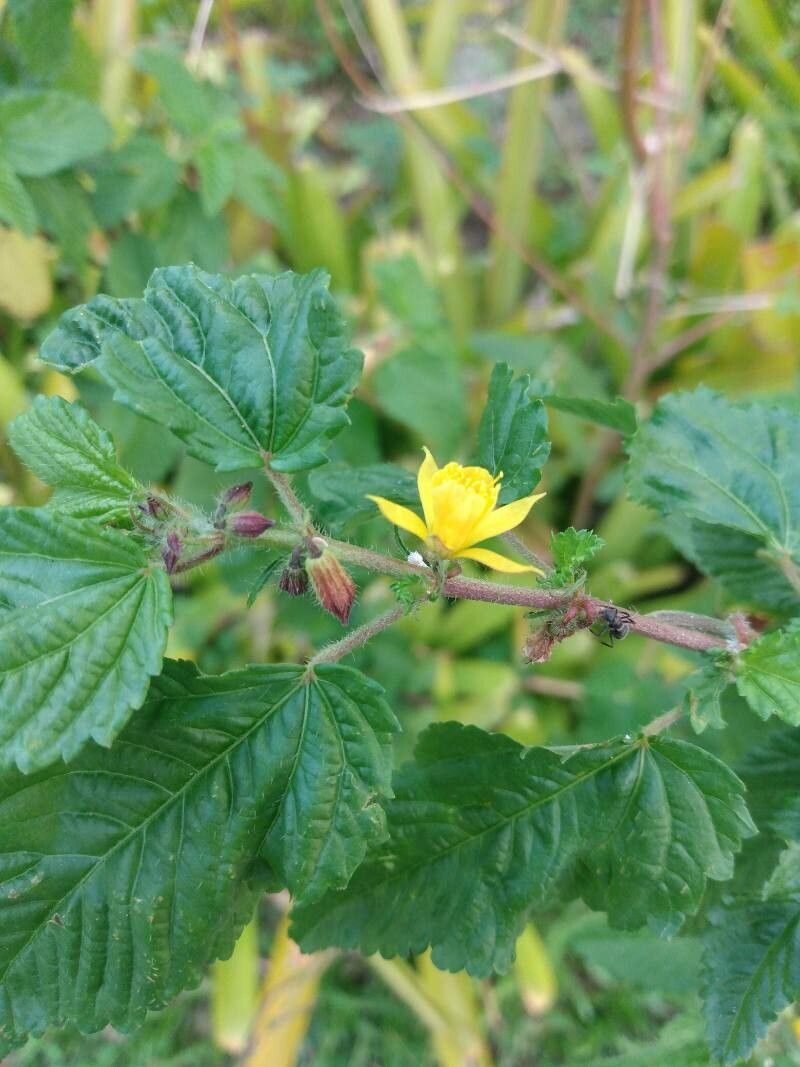
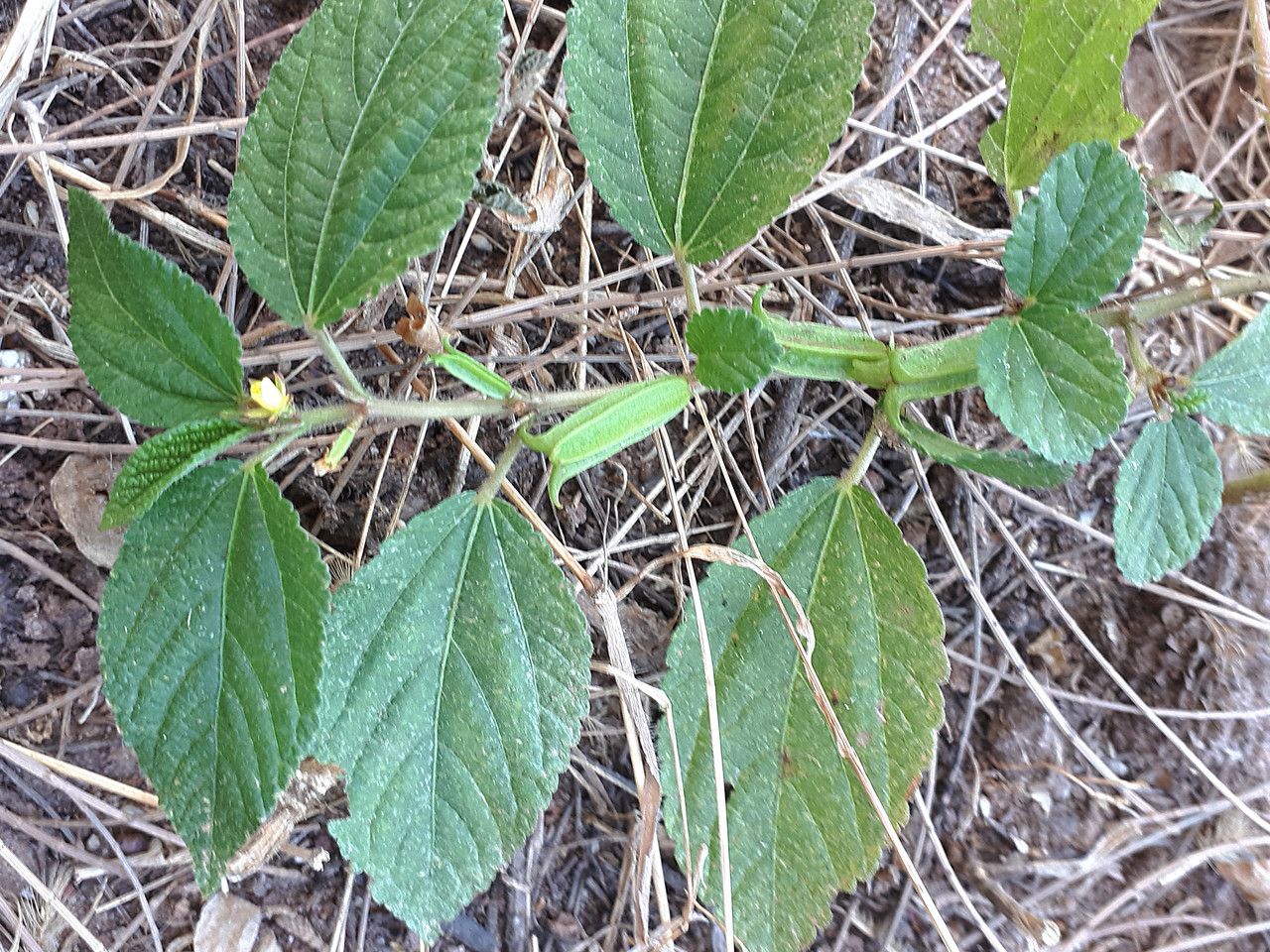
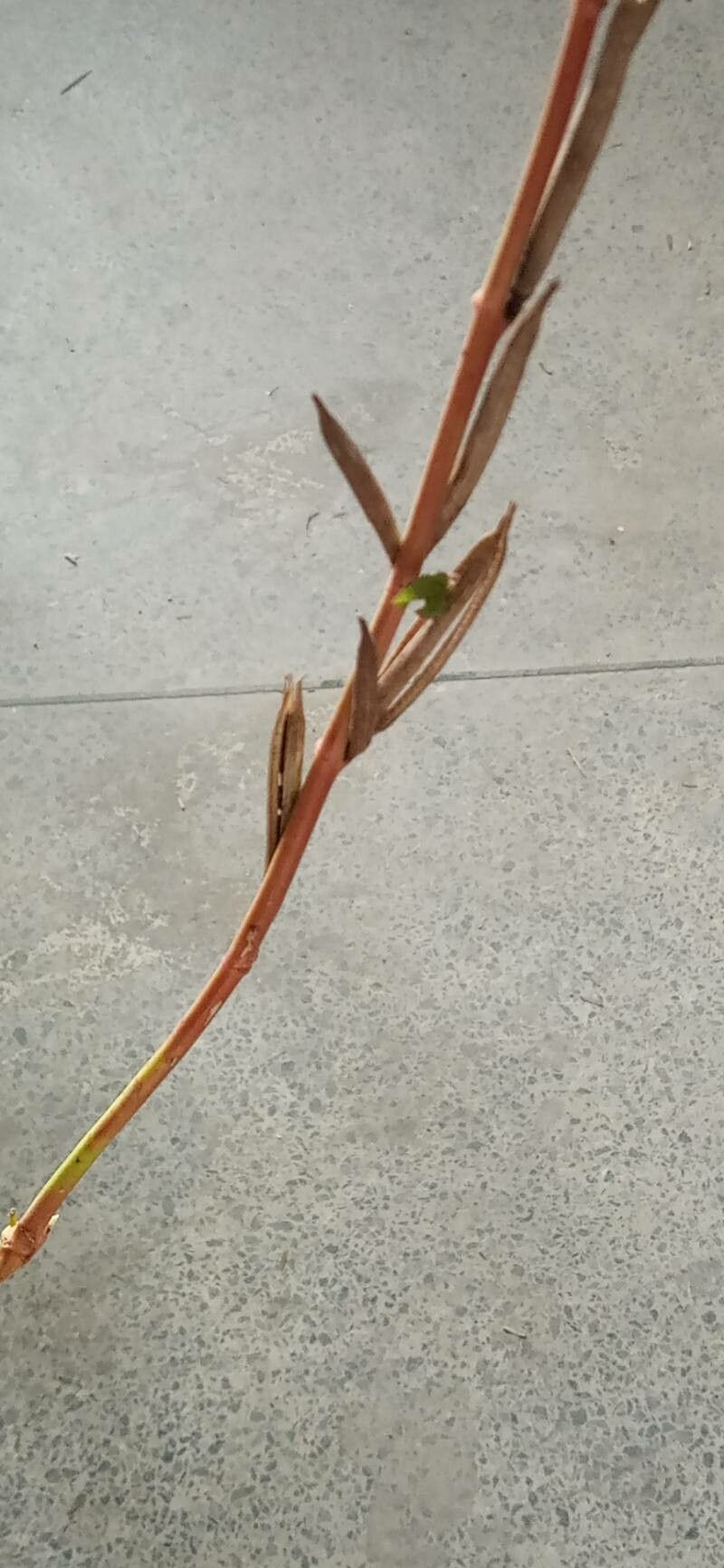
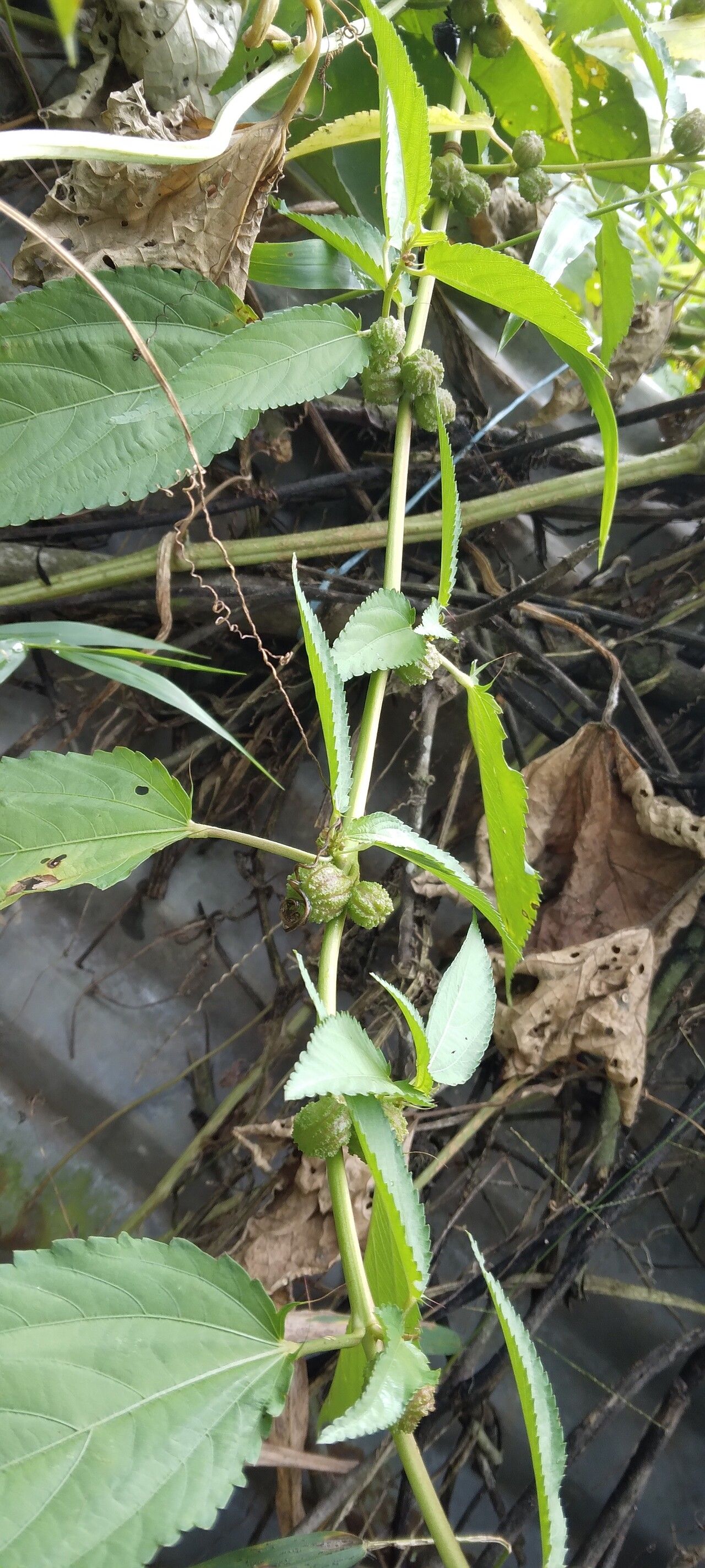
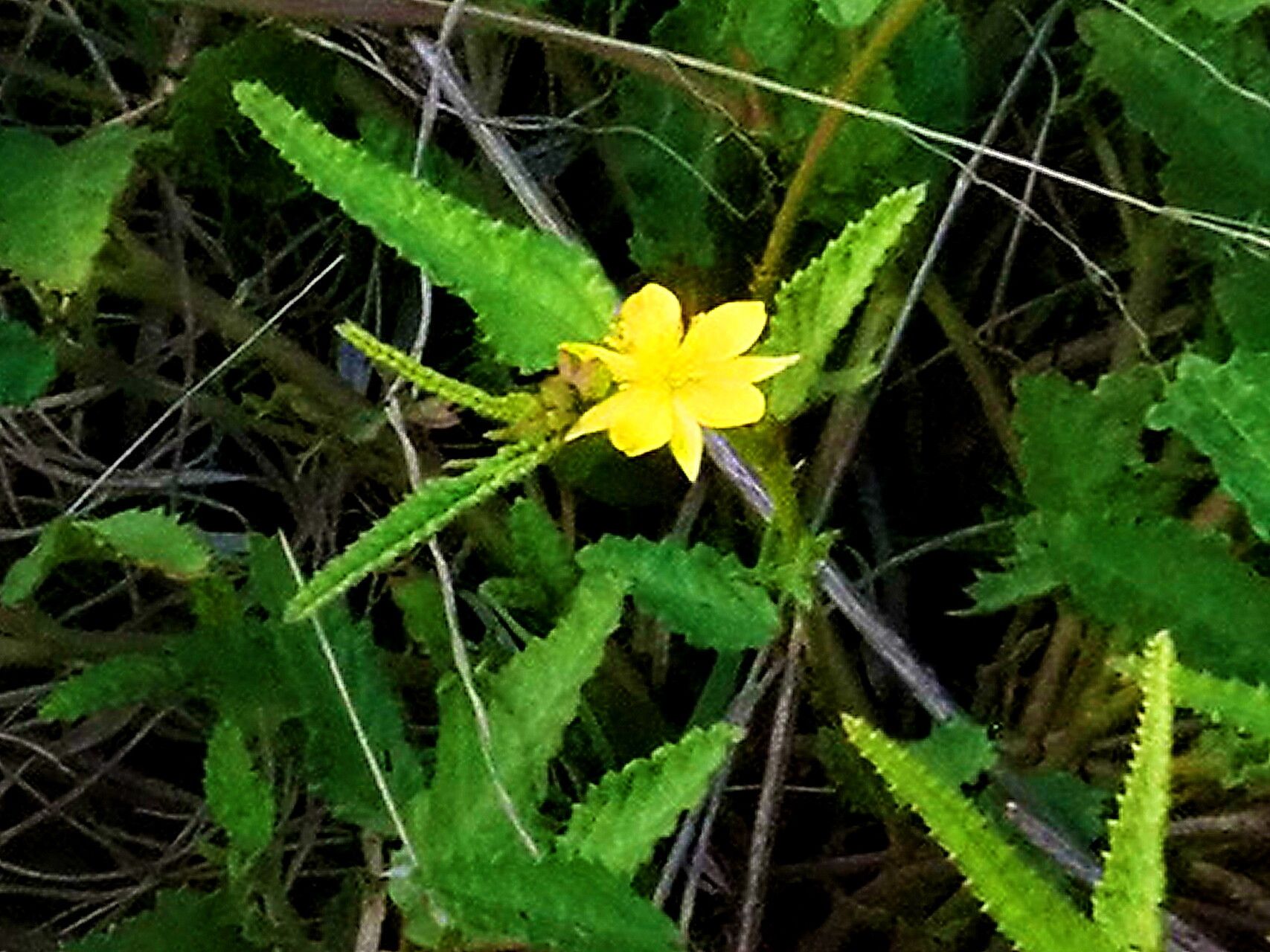
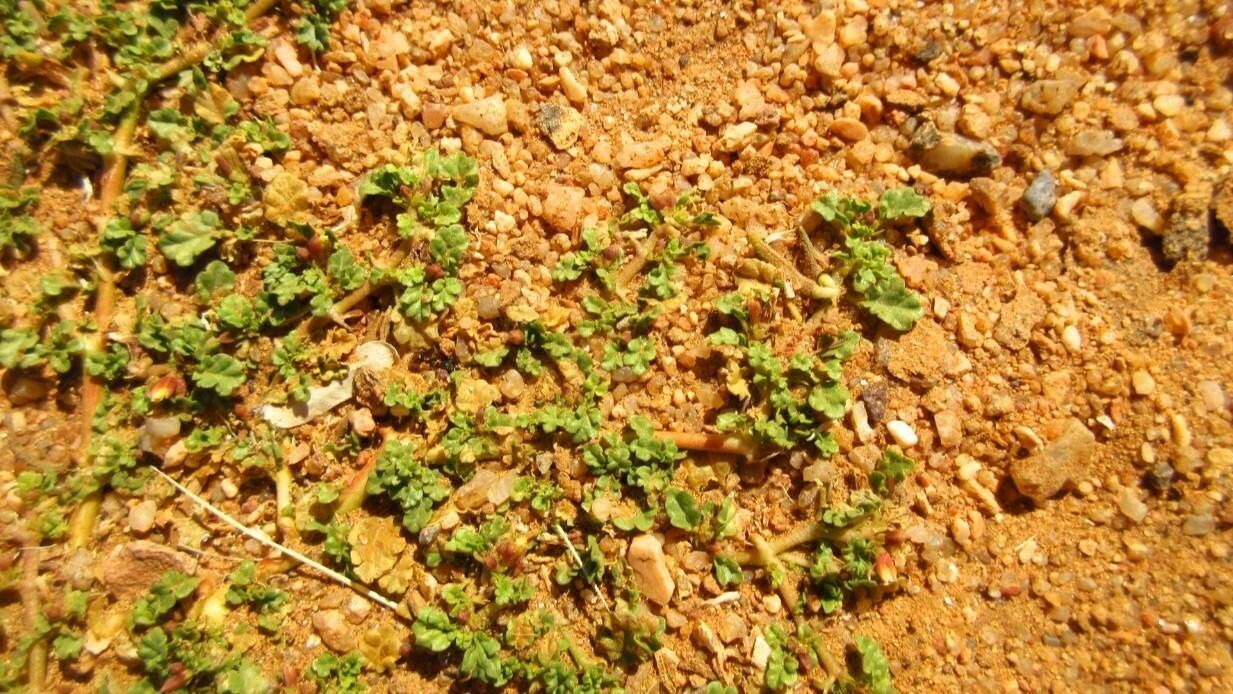
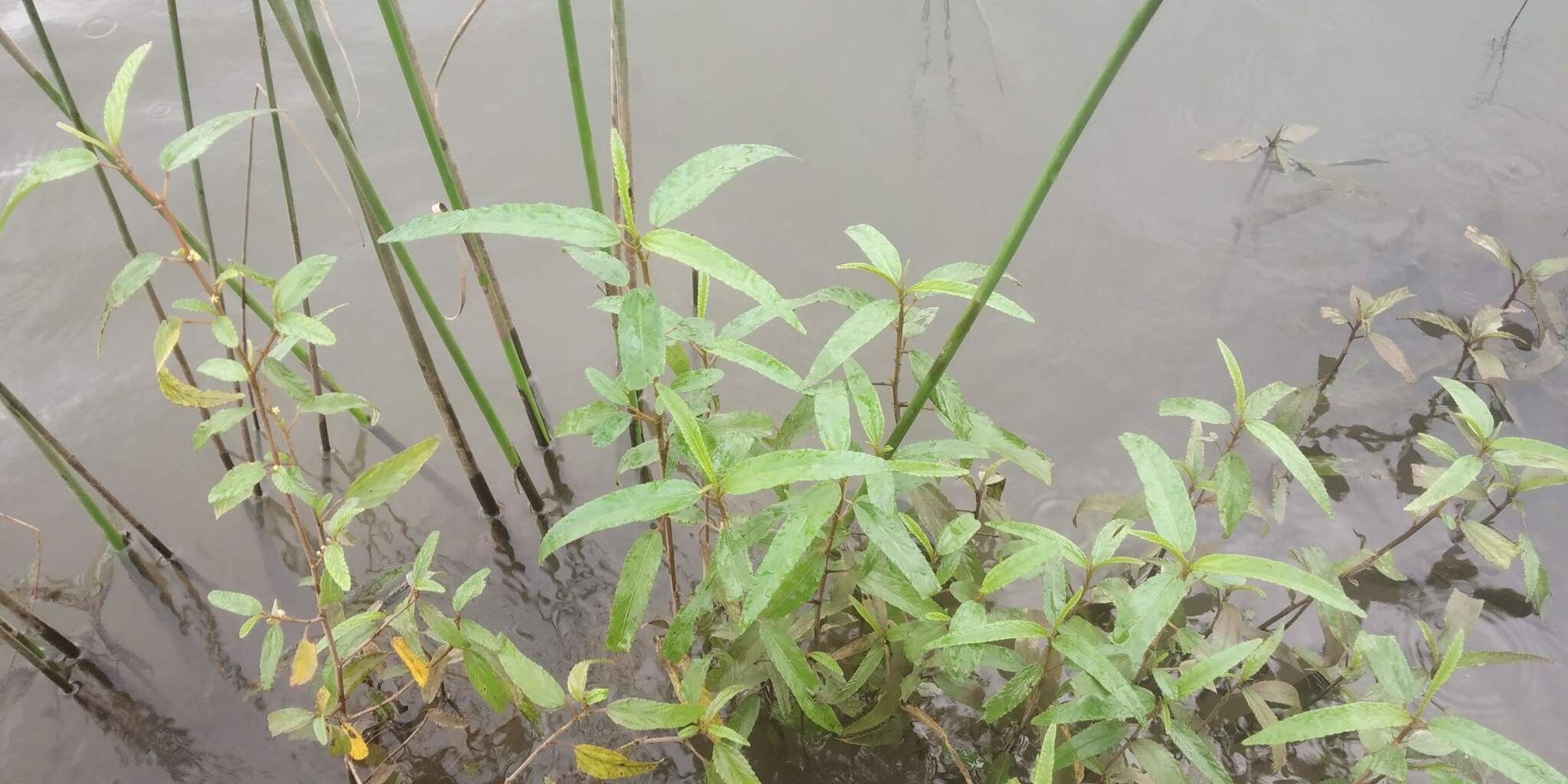
East indian jew's-mallow has moderate resistance to disease and can be vulnerable to problems such as leaf spot. Its susceptibility to insect pests can differ by variety, though most varieties are less resistant to pests. For care, East indian jew's-mallow requires regular watering and feeding, along with frequent removal of yellow leaves. It is important to manage pests and diseases as they occur and to harvest the plant at the proper time. East indian jew's-mallow is suitable for people who can invest some time and energy in routine care.
How to keep Corchorus Aestuans.
Light
East indian jew's-mallow comes from habitats that receive plenty of sunlight, such as open fields and sunny meadows. It favors full sun but can also tolerate partial sun.
Water
Originating from tropical regions, East Indian Jew's Mallow thrives in consistently moist conditions and benefits from weekly watering for optimal growth. Although it can withstand short periods of dryness, rainwater greatly enhances its hydration and nutrient supply. This makes it particularly well-suited for warm outdoor climates.
Temperature
East indian jew's-mallow does best in areas where temperatures range from 68 to 95 °F (20 to 35 ℃). Because it originates from a climate favorable to its growth, adjustments during colder seasons may be necessary to preserve optimal development.
Fertilizer
For the greatest yield, East Indian jew's-mallow does best with regular applications of a balanced fertilizer, especially one high in nitrogen. Apply fertilizer before planting, at the time of planting, and when seedlings are 2 inches tall. Adding compost or manure also supplies nutrients continuously. A lack of nutrients in the soil leads to underdeveloped leaves and stems, inferior flavor, thin stems, and possibly a bitter taste.
Pruning
East Indian Jew's-mallow is a fast-growing annual plant with bright green leaves. To encourage vigorous growth and improve air circulation, prune the plant from early to late spring, removing any dead stems. It's important to use clean, sharp tools for pruning to prevent disease and maintain the plant's health and appearance.
Botanical profile.
- Plant Type
- Herb
- Life Cycle
- Annual
- Genus
- Corchorus
- Family
- Malvaceae
- Hardiness Zone
- 10
- Mature Height
- 91 cm
- Mature Spread
- 30 cm to 61 cm
- Leaf Color
- Green, Dark Green
- Leaf Type
- Deciduous
- Flower Color
- Yellow
- Flower Size
- 0.25 cm to 0.51 cm
- Bloom Time
- Summer, Early fall, Mid fall
- Planting Time
- Spring, Summer, Autumn
- Harvest Time
- Late summer, Fall, Early winter
- Native Area
- Sri Lanka, Burkina Faso, Somalia, India, Malaysia, Angola, Nigeria, Kenya, Niger, Tanzania, Zimbabwe, Guinea-Bissau, Mali, Benin, Sierra Leone, Indonesia, Cambodia, Cameroon, Liberia, Mozambique, Oman, Ghana, Ethiopia, Congo, Nepal, Malawi, Central African Republic, Philippines, Zambia, Sudan, Mauritania, Laos, Bangladesh, Guinea, Chad, Vietnam, Myanmar, Togo, Bhutan, Senegal, Singapore, Côte d'Ivoire, Gambia, Congo (DRC), Thailand, Gabon
Other names.
Reader questions.
How should I water my East Indian jew's-mallow plant?
To water East Indian jew's-mallow, you have various options such as a garden hose with a spray nozzle, a watering can, or any typical watering tool. This plant is not too particular about the type of water it receives, as it can survive with rainwater, tap water, or filtered water. It is advisable to avoid watering this plant from above, as it can harm the leaves and flowers, and possibly lead to disease. An effective method for watering is to use a drip irrigation system, especially for East Indian jew's-mallow growing in the ground. These systems distribute water evenly and directly to the soil. For a container-grown East Indian jew's-mallow, you can use a cup, watering can, or tap to water it directly into the soil.
What are the sunlight requirements for East Indian Jew's-Mallow?
East Indian Jew's-Mallow thrives in full sunlight, requiring more than 6 hours of sunlight daily for optimal growth. It can also tolerate partial sun, meaning about 3-6 hours of sunlight each day. The plant originates from bright, open environments and is known for its sun-loving nature. It’s important to watch how sunlight moves through your garden, finding spots that offer the perfect balance of light and shade to keep your plants happy.
What is the optimal temperature range for East Indian Jew's-Mallow?
East Indian Jew's-Mallow thrives in regions with temperatures between 68 to 95°F (20 to 35°C). It is extremely heat-loving, and adjustments to colder seasons are necessary to maintain optimal growth. During winter, maintaining a temperature above 20°C is beneficial, while any temperatures nearing 5°C can be detrimental to the plant's health.
What do I need to do if I give my East Indian jew's-mallow plant too much water or too little water?
When it comes to underwatering East indian jew's-mallow, the solution is quite straightforward: simply increase the frequency of watering when you notice the plant is lacking moisture. Overwatering, on the other hand, can be a more serious issue, especially if it goes unnoticed. This can lead to diseases that cause the plant to decline and eventually die. To prevent this, it's important to choose an appropriate growing location with plenty of sunlight to dry the soil and good drainage to avoid waterlogging. If your potted East indian jew's-mallow has been overwatered, it may be necessary to transfer it to a new pot. The previous container may have had poor drainage or lacked sufficient drainage holes. While repotting, be sure to use loose soil and a pot that drains effectively.
What are the essentials for growing East Indian Jew's-Mallow?
East Indian Jew's-Mallow is a plant that benefits greatly from being in full sun but can also grow in partial sun. This annual and biennial plant prefers direct sunlight for optimal growth. For indoor plants, artificial lighting can be crucial for their growth, especially when natural sunlight is insufficient. LED lights are recommended and should provide 30-50W/sq ft for full sun plants, 20-30W/sq ft for partial sun plants, and 10-20W/sq ft for full shade plants. The ideal placement for these lights is 12-36 inches above the plant, and they should be on for 8-12 hours per day to mimic natural daylight hours.
What should I do with East Indian Jew's-Mallow during the autumn and winter?
In the autumn, it is recommended to bring East Indian Jew's-Mallow grown outdoors indoors and place it near a bright window to protect it from cold temperatures. Even indoors, it should be kept at a distance from heaters to avoid any damage. Ensuring the temperature remains above 20°C during winter months is crucial for the plant's health.
How frequently should I water my East Indian Jew's Mallow?
To keep your East Indian Jew's-mallow healthy, it's important to water it regularly. In the spring, watering once a week should be sufficient. However, as the season progresses and it gets warmer, you may need to increase watering to two or three times per week. Be careful not to overwater, as this can harm the plant. It's also important to keep the soil moist but not overly wet. If your East Indian Jew's-mallow is in a pot, you'll need to water it more frequently than if it's planted in the ground. The soil in pots tends to dry out faster, so watering a few times per week is recommended.
What are common symptoms of inadequate sunlight for East Indian Jew's-Mallow?
When East Indian Jew's-Mallow doesn't receive sufficient sunlight, it may exhibit several symptoms, including smaller new leaves, leggy or sparse growth, faster leaf drop, and slower or no new growth. Leaves may also appear lighter-colored than usual, which indicates a lack of chlorophyll. Other signs of too much sunlight include chlorosis, sunscald, leaf curling, wilting, and leaf scorching. These symptoms suggest the plant is struggling with its light conditions, whether it's an excess or deficiency.
How does low temperature affect East Indian Jew's-Mallow and what are the solutions?
East Indian Jew's-Mallow is not tolerant of low temperatures and thrives best when the temperature is above 20°C. Exposure to temperatures below 1°C can cause the leaves to lighten in color, and after frost damage, the plant may show symptoms like color turning brown or black, and wilting or drooping. To remedy this, trim off the frost-damaged parts and move the plant indoors to a warm environment, ideally near a south-facing window, avoiding placement near heaters or air conditioning vents to prevent air dryness.
How much water does my East Indian jew's-mallow plant need?
To determine how much water to give your East Indian Jew's-mallow, there are a few methods you can follow. One option is to feel the soil and water until the first six inches are moist. Another approach is to use a set measurement, such as giving about two gallons per week depending on the weather and soil dryness. However, be cautious as strictly following this measurement may result in overwatering if your plant needs less. When growing in a container, a different method is needed. Make sure to moisten all dry soil layers and test the moisture by sticking your finger in the soil or looking for a slight trickle of water from the pot's drainage holes.
How can I address light issues for East Indian Jew's-Mallow?
To ensure your East Indian Jew's-Mallow gets optimal light, gradually increase its sunlight exposure by moving it to a sunnier location each week until it receives at least 6 hours of direct sunlight daily. Indoors, consider using artificial lighting, such as desk lamps or professional grow lights, for at least 8 hours daily. Outdoors, avoid sudden changes in light exposure to prevent sunburn. If sunlight is obstructed, identify and reduce barriers, or consider transplanting smaller plants during their dormant period to sunnier locations with good drainage. Note that parts of the plant damaged by light issues may not recover, but new growth should be healthy once conditions improve.
How does high temperature affect East Indian Jew's-Mallow and what are the solutions?
During summer, it is important to ensure that the temperature around East Indian Jew's-Mallow doesn't exceed 35°C. If the temperature goes over 41°C, the leaves may lighten, and the plant can become susceptible to sunburn. To manage this, trim away the sunburned and dried-up parts. Then, move the plant to a shaded location protecting it from the midday and afternoon sun, and water it in the morning and evening to keep the soil moist.