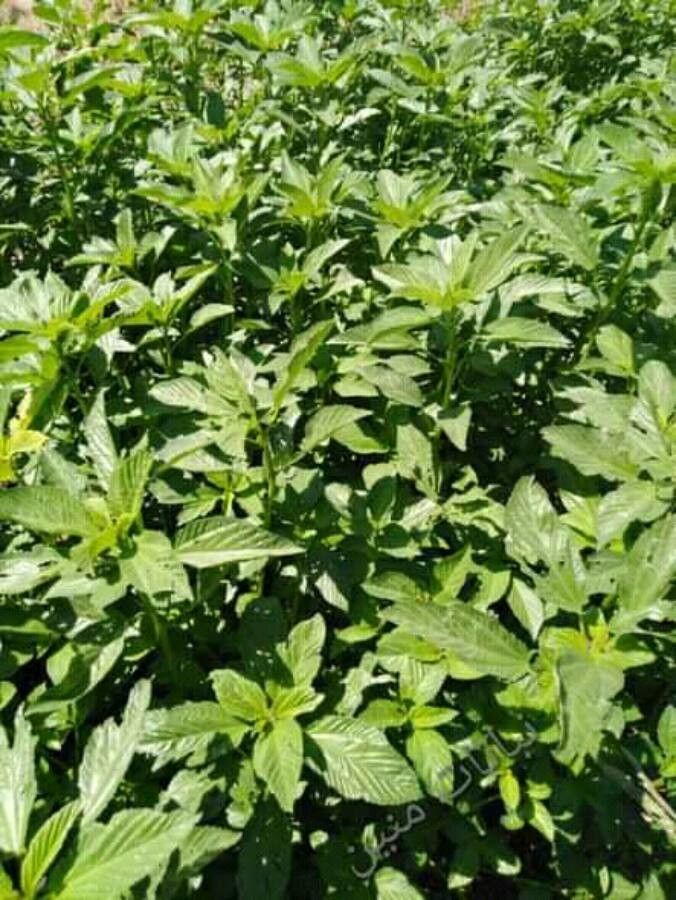
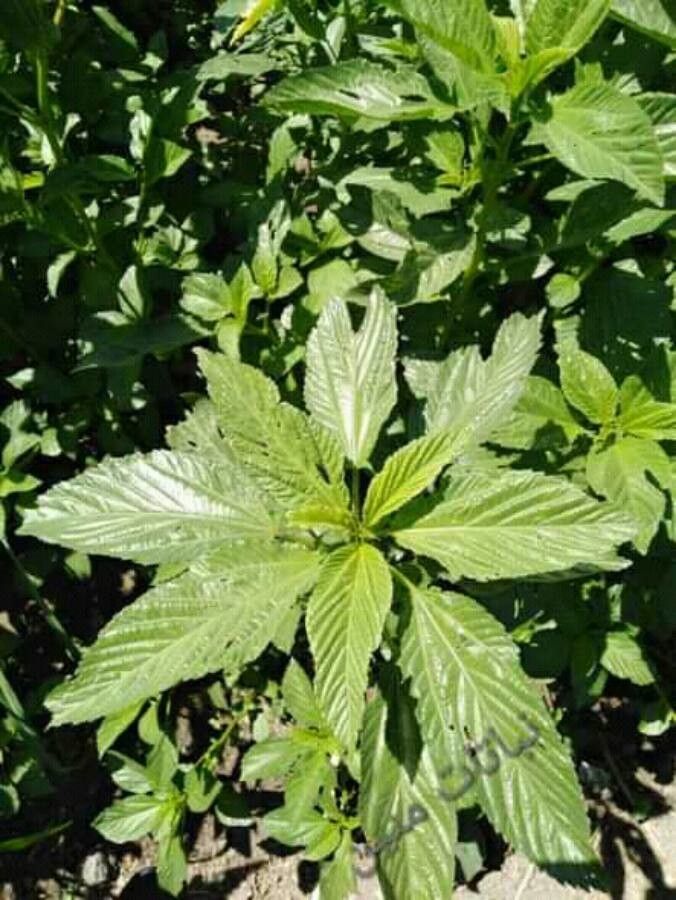
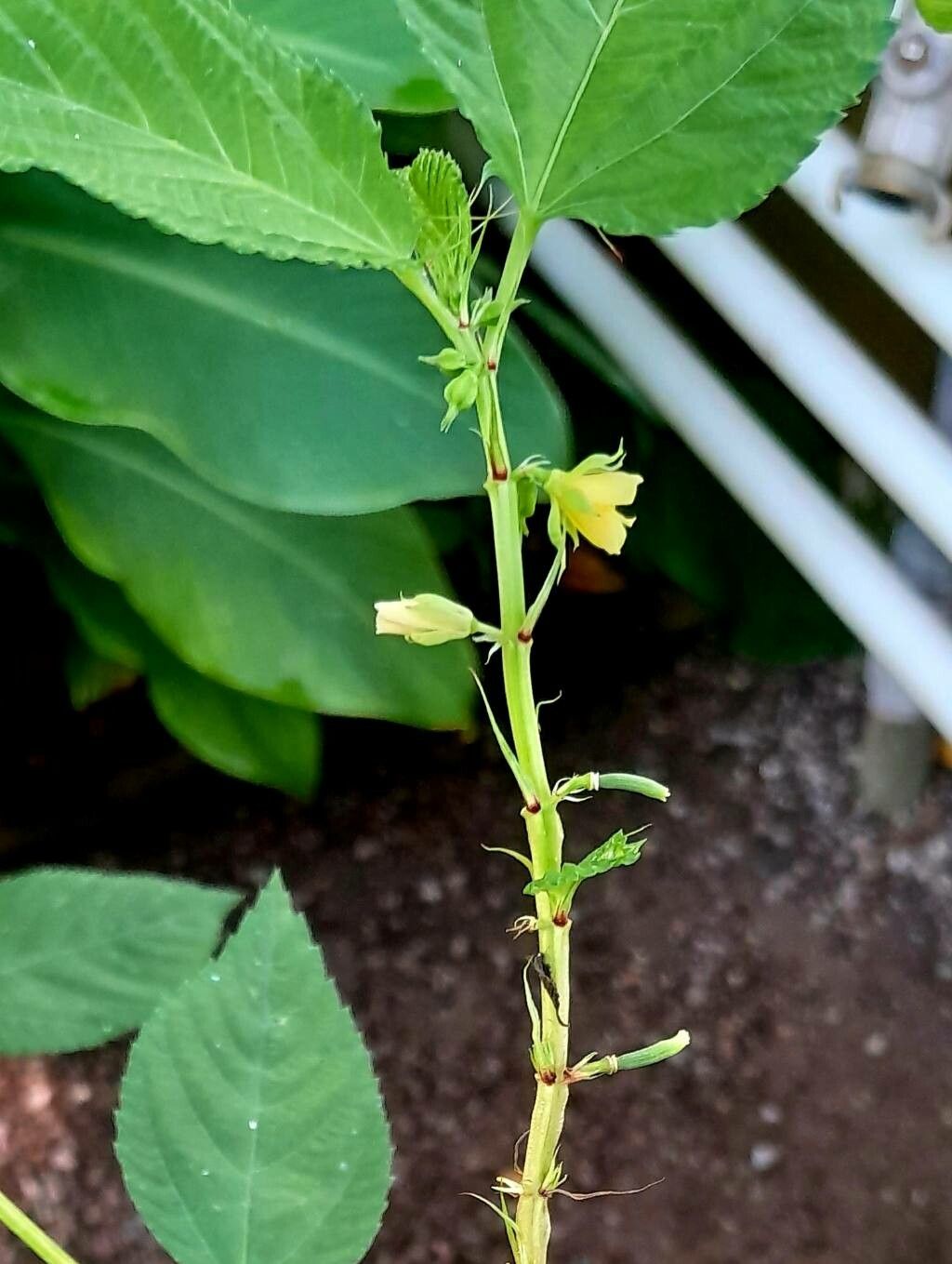
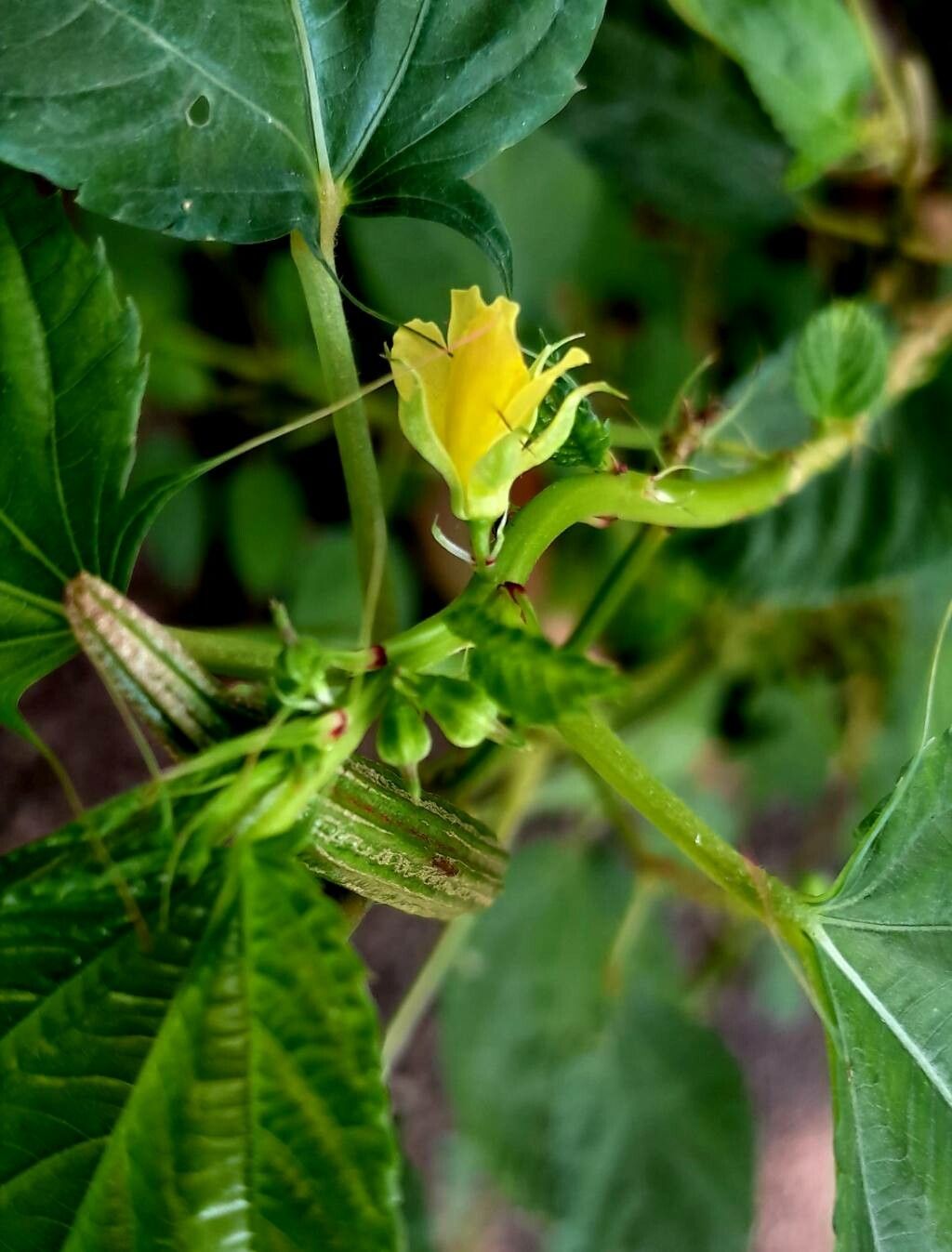
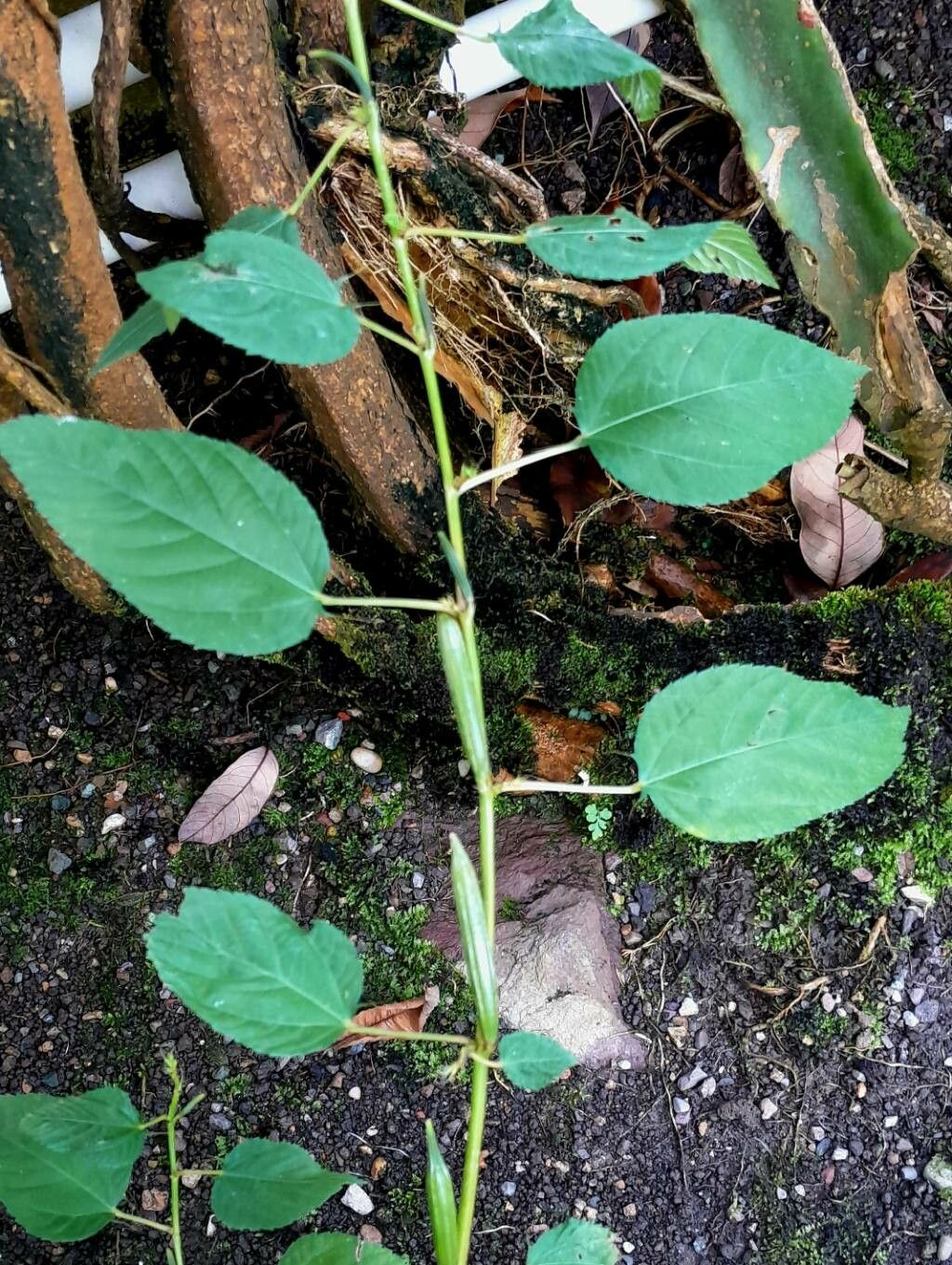
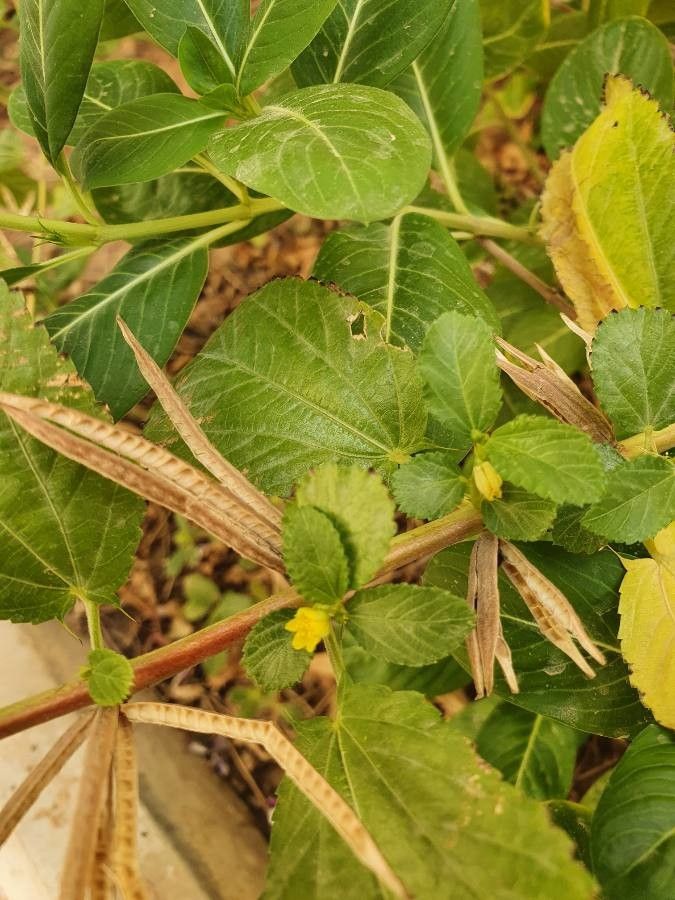
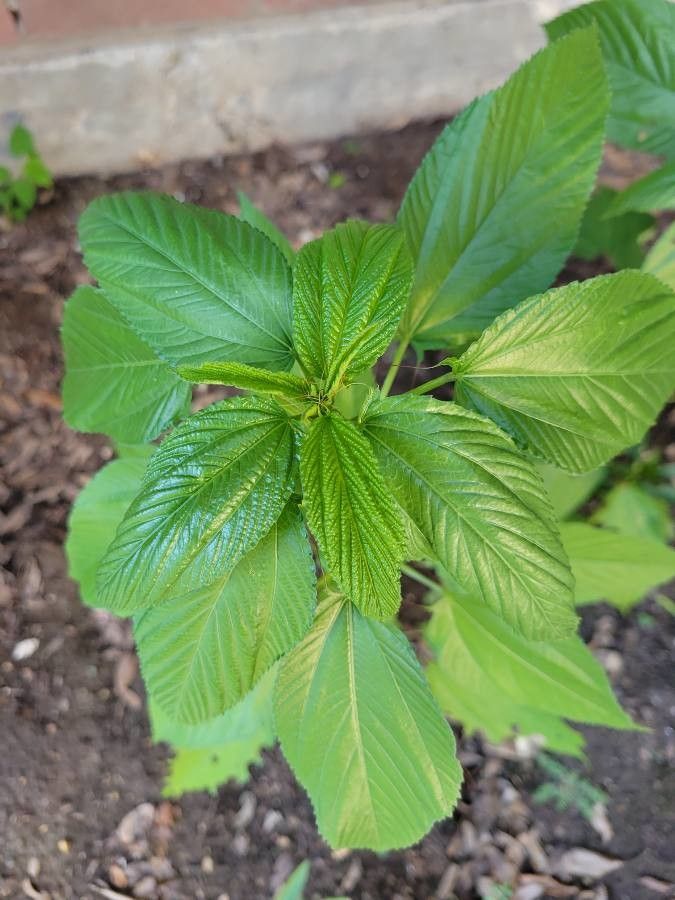
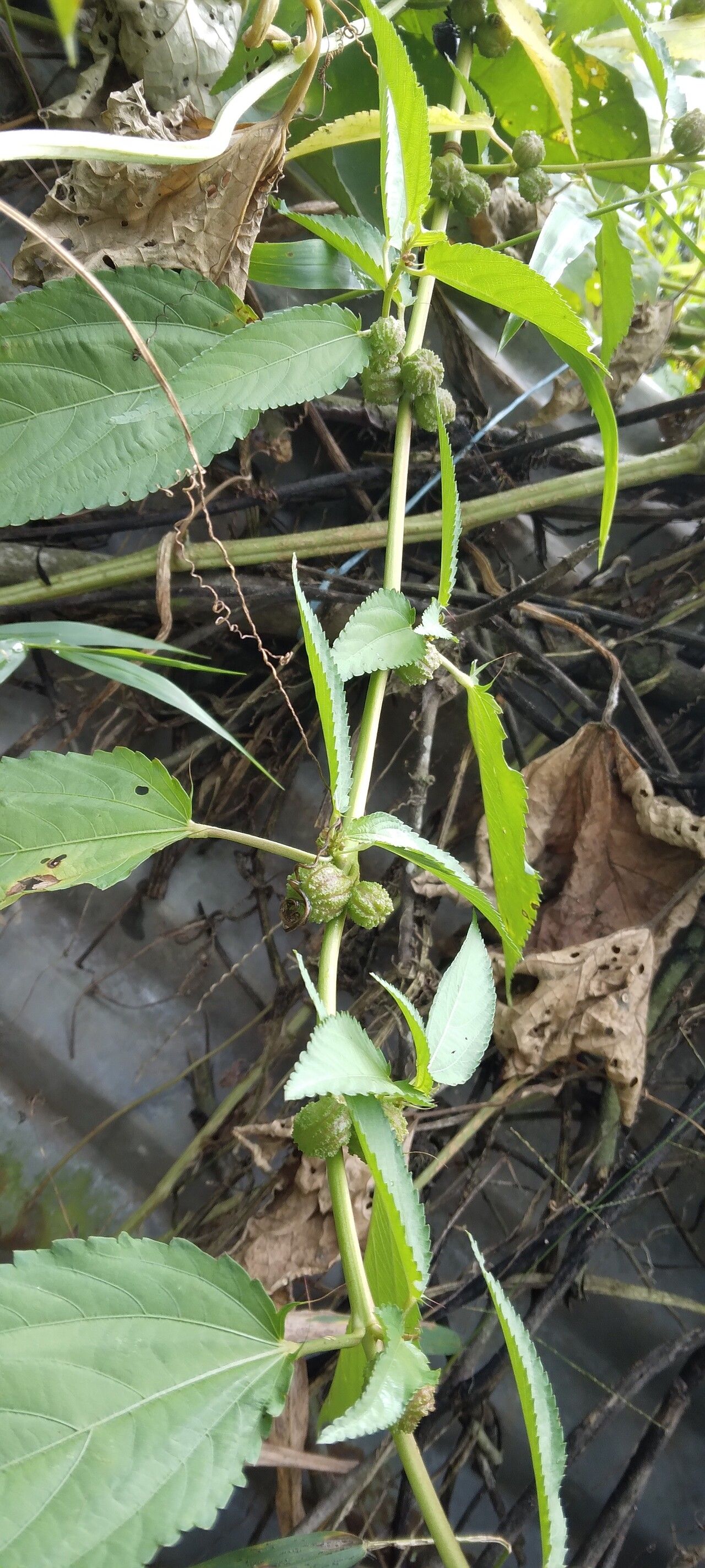
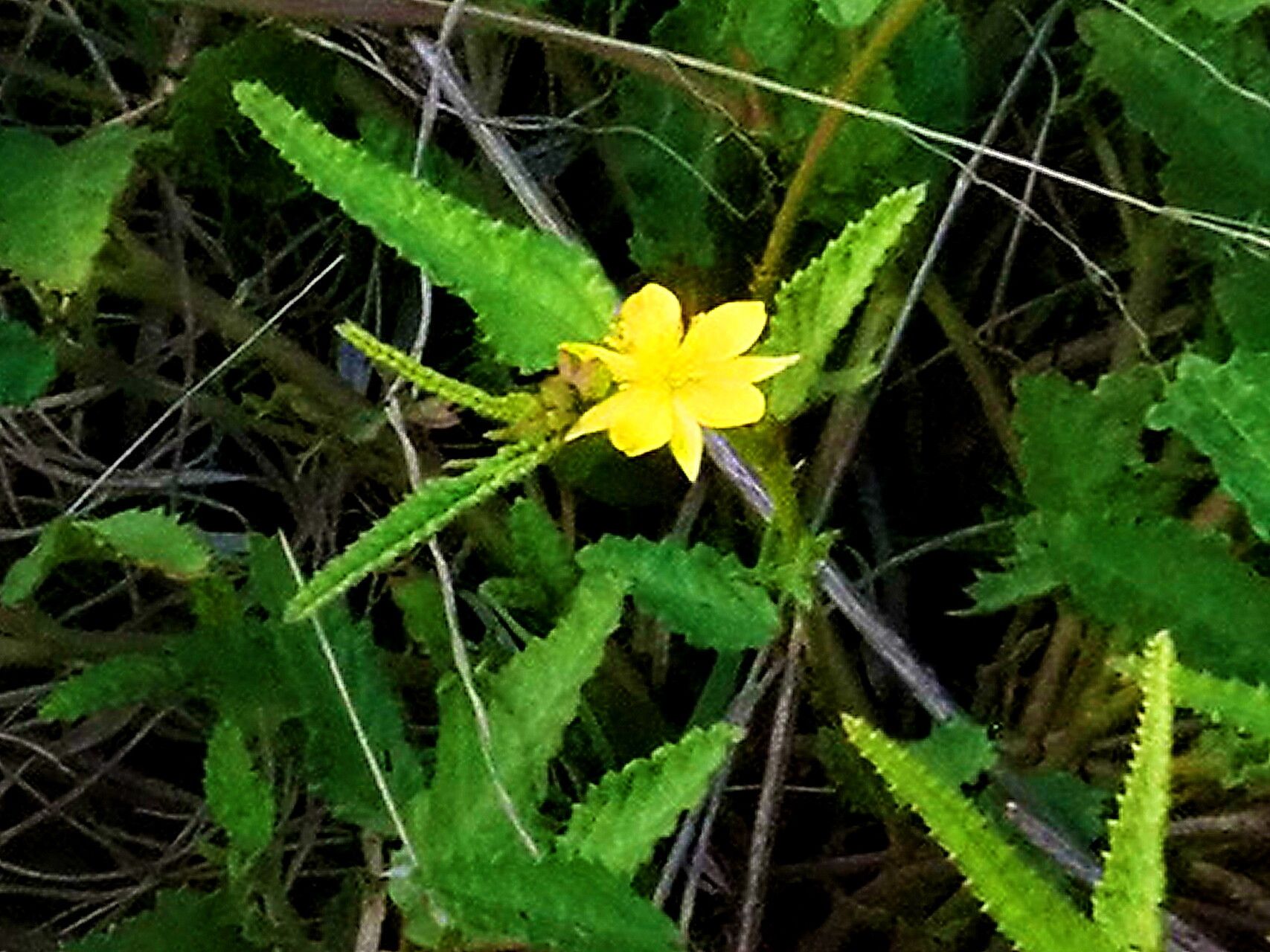
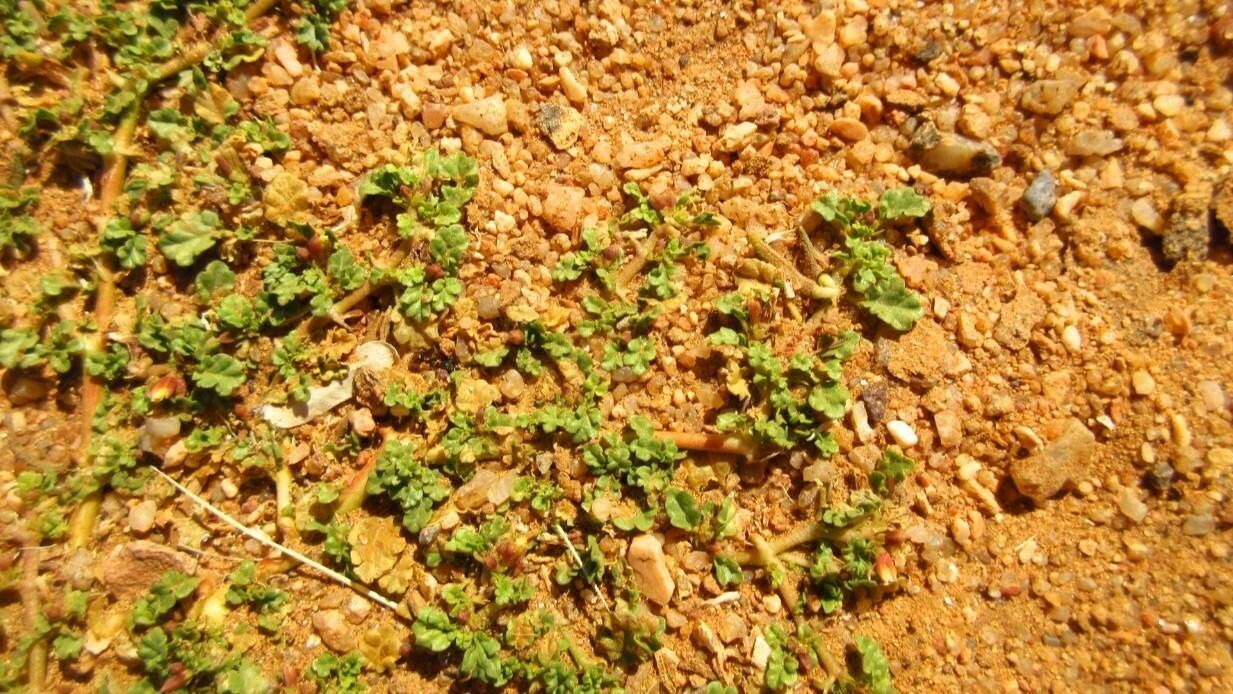
Corchorus olitorius, commonly known as jute mallow or Jew’s mallow, is a leafy green plant from the Malvaceae family. Native to Africa and Asia, this plant is widely cultivated in tropical regions for its edible leaves and valuable fiber. It can grow up to 2 meters tall, featuring long, slender stems adorned with small yellow flowers. The dark green leaves, which have a slightly bitter taste, are often used in soups, stews, salads, or as a cooked vegetable. Beyond its culinary applications, the fiber extracted from the stems of Corchorus olitorius is prized for its strength and durability, making it ideal for producing burlap sacks, ropes, and twine. Traditionally, the plant has also been used for medicinal purposes, such as treating fever and inflammation, due to its anti-inflammatory properties. Overall, Corchorus olitorius holds significant economic and nutritional value, making it an important crop worldwide.
Tossa jute has moderate resistance to disease and can be vulnerable to conditions like leaf spot. Its susceptibility to insect pests differs by variety, but most varieties are relatively less resistant to pests. For care, Tossa jute requires regular watering and fertilization, and yellow leaves should be pruned often. It is important to manage pests and diseases when they appear and to harvest the plant in a timely way. Tossa jute is appropriate for people who can spend some time and energy on regular upkeep.
How to keep Corchorus Olitorius.
Light
Tossa jute grows best in locations with plenty of sunlight. Its native growing habitat is very sunny, which promotes healthy development. Different growth stages, while not especially demanding, may prefer brighter conditions. Both excessive and insufficient light are unfavorable for the plant’s growth and can cause harm.
Water
Tossa jute thrives in consistently moist conditions, needing weekly watering to prevent waterlogging. Although it is resilient, it flourishes best with natural rainfall, particularly when cultivated outdoors, which promotes healthy growth throughout the growing season.
Temperature
Tossa jute is a plant adapted to fairly warm conditions, native to regions where temperatures often range from 68 to 100 °F (20 to 38 ℃). In colder seasons, it may be important to regulate the plant's temperature to reproduce those conditions.
Fertilizer
To achieve maximum yield, Tossa jute benefits from regular applications of a balanced fertilizer, especially one high in nitrogen. Apply fertilizer before planting, at the time of planting, and when seedlings reach 2 inches in height. Incorporating compost or manure also supplies a steady source of nutrients. Insufficient soil nutrients lead to underdeveloped leaves and stems, thin stems, poorer flavor, and possibly a bitter taste.
Pruning
Tossa jute is an annual herb that is highly valued for both its culinary and medicinal uses. To promote healthy growth, pruning should be carried out from early to late spring. During this time, focus on removing dead leaves and excess growth. This practice improves air circulation, reduces pest infestations, and encourages healthier plants. Be sure to use clean, sharp tools for the best results.
Botanical profile.
- Plant Type
- Herb
- Life Cycle
- Annual, Perennial, Biennial
- Genus
- Corchorus
- Family
- Malvaceae
- Hardiness Zone
- 9-11
- Mature Height
- 2.13 m
- Mature Spread
- 25 cm
- Leaf Color
- Green, Blue
- Leaf Type
- Deciduous
- Flower Color
- Yellow
- Flower Size
- 2.03 cm
- Bloom Time
- Summer, Early fall, Mid fall
- Planting Time
- Spring
- Harvest Time
- Late summer, Fall, Early winter
- Native Area
- Burkina Faso, Somalia, Egypt, India, Malaysia, Angola, United Arab Emirates, Rwanda, Pakistan, Eritrea, Nigeria, Yemen, Kenya, Uganda, Tanzania, Zimbabwe, Niger, Mali, Guinea-Bissau, Benin, Iraq, Sierra Leone, Indonesia, Cambodia, Equatorial Guinea, Cameroon, Mozambique, Burundi, Oman, Ghana, Ethiopia, Qatar, Congo, Central African Republic, Saudi Arabia, Malawi, Philippines, Zambia, Sudan, Mauritania, Laos, Bangladesh, Guinea, Chad, Lebanon, China, Afghanistan, Syria, Vietnam, Myanmar, Togo, Côte d'Ivoire, Iran, Gambia, Congo (DRC), Thailand, Gabon
Other names.
Reader questions.
How should I water my Tossa jute plant?
The Tossa jute is quite particular about its water preferences and the way it is provided. Improper watering techniques can pose a risk to your tomatoes. The ideal method for watering Tossa jute is to apply the water directly to the soil, slowly and gently. Avoid pouring all the water into the soil at once or using overhead watering. While watering slowly, make sure to water deeply to ensure the entire soil in which your Tossa jute grows remains moist.
What are the sunlight requirements for Tossa Jute?
Tossa jute requires full sun, meaning it needs above 6 hours of sunlight daily to thrive best. This plant's growth heavily depends on its exposure to sunlight, as it originally grows in very sunny environments. When selecting a spot for your Tossa jute, it's crucial to monitor the movement of sunlight through your garden to find a location that offers a healthy balance of light and shade, ensuring the plants' well-being.
What is the optimal temperature range for growing Tossa jute?
Tossa jute thrives in a warmly acclimated environment, ideally between 68 to 100 °F (20 to 38 °C). It's native to areas within this temperature range, so maintaining a similar environment, especially during colder seasons, is crucial for its growth. During winter, it's beneficial to keep the temperature above 20°C and ensure it does not drop below freezing point to avoid any freeze damage. If temperatures approach -5°C (25°F), protective measures such as bringing Tossa jute indoors or using a temporary greenhouse should be considered.
What should I do if I give too much or too little water to my Tossa jute?
If you discover that you have watered your Tossa jute too much, and you are worried about the risk of disease, it's important to take action immediately. The best course of action for an overwatered Tossa jute is to remove it from its current spot. Once the plant is out of the ground, allow its roots to dry out slightly before replanting it in a new location with well-draining soil. If you are using pots, consider transferring your plant to a pot with more or larger drainage holes. On the other hand, if you have been underwatering your Tossa jute, simply increase the frequency of watering.
Can artificial lighting be used for Tossa Jute, and if so, how?
Yes, artificial lighting can be a vital solution for growing Tossa jute indoors, especially when natural sunlight is insufficient. Optimal growth can be supported by using the right type of artificial light, such as LED lights, which can be customized to provide specific wavelengths needed by your plants. For full sun plants like Tossa jute, 30-50W/sq ft of light is recommended. The light source should be placed 12-36 inches above the plant to mimic natural sunlight. To ensure healthy growth, maintain the lighting for 8-12 hours per day. This strategy is essential in winter or less sunny spaces where natural light may not be adequate.
How does low temperature affect Tossa jute and what can be done?
Tossa jute has a moderate tolerance to low temperatures but prefers the range of 20°C to 38°C for optimal growth. Exposure to temperatures below 0°C can lead to darkening of leaves, and below -5°C, it may cause water-soaked necrosis, wilting, and drooping, with leaves turning brown in severe conditions. To mitigate frost damage, it's advisable to trim away affected parts and either move the plant indoors to a warm environment or set up temporary cold protection like a makeshift greenhouse. Position the plant near a south-facing window for ample sunlight, and consider supplemental lighting if necessary.
How frequently should I give water to my Tossa jute plant?
Tossa jute is a water-intensive plant that requires a lot of watering during its growing season. In spring and summer, it is best to water your Tossa jute once or twice per week. As the season goes on, increase the frequency of watering, potentially up to twice per day or more in hot weather. Once the plant has gone through its main growth stages, you can reduce watering to once per week until the end of the season.
What are the symptoms of light deficiency in Tossa Jute?
Symptoms of light deficiency in Tossa jute might include small leaves, leggy or sparse growth, faster leaf drop, slower or no new growth, lighter-colored new leaves, chlorosis, sunscald, leaf curling, wilting, and leaf scorching. These symptoms suggest the plant is not getting the appropriate amount of sunlight, leading to reduced health and vitality. Insufficient sunlight can cause the leaves to develop irregular color patterns or appear pale due to a lack of chlorophyll and essential nutrients, while excessive sunlight might result in damage through sunscald or leaf scorch.
How should Tossa jute be cared for during high temperatures?
In summer, Tossa jute's temperature should ideally remain below 38°C to avoid heat stress. Exceeding 43°C can slow down the plant's growth, lighten the color of its leaves, and increase susceptibility to sunburn. To care for Tossa jute during high temperatures, trim away the sunburned and dried parts of the plant, and move it to a location with afternoon shade. Watering the plant in the morning and evening helps keep the soil moist and supports the plant's well-being in high heat.
How much water does my Tossa jute plant require?
Tossa jute plants are highly popular among both professional and amateur gardeners, and as a result, we have learned a lot about how to care for them. A key aspect of this care involves knowing how much water a typical Tossa jute plant needs. On average, these plants require about 1 - 1.5 inches of water per week, which should be evenly distributed during your weekly watering sessions. However, as the weather becomes hotter, you may need to increase the amount of water you provide. In most cases, supplying around two inches of water per week is a good starting point.
How can you improve the light conditions for Tossa Jute?
Improving light conditions for Tossa jute involves several strategies, depending on whether the plant is grown indoors, outdoors, or in the ground. Indoors, gradually move your plants each week to a sunnier location or use artificial light sources such as desk or ceiling lamps for at least 8 hours daily. Outdoors, ensure the plants are gradually adapted to sunnier spots to prevent sunburn. For plants in the ground, reducing sunlight obstructions, such as by pruning trees that block the light, and transplanting smaller plants during their dormant period to locations with ample sunlight can significantly benefit their growth. Remember, despite these efforts, parts of the plant that have already suffered due to poor lighting might not recover, but adjusting the light exposure can promote healthy new growth.
What is the botanical name of Tossa jute?
The botanical name of Tossa jute is Corchorus olitorius. It is a plant adapted to warm climates and requires careful attention to temperature for successful cultivation.