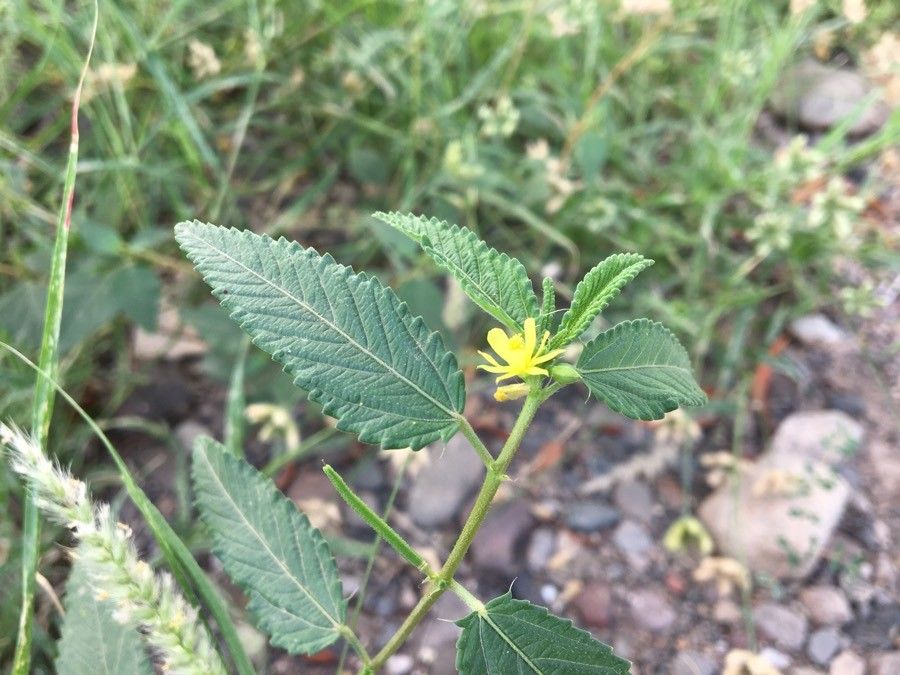
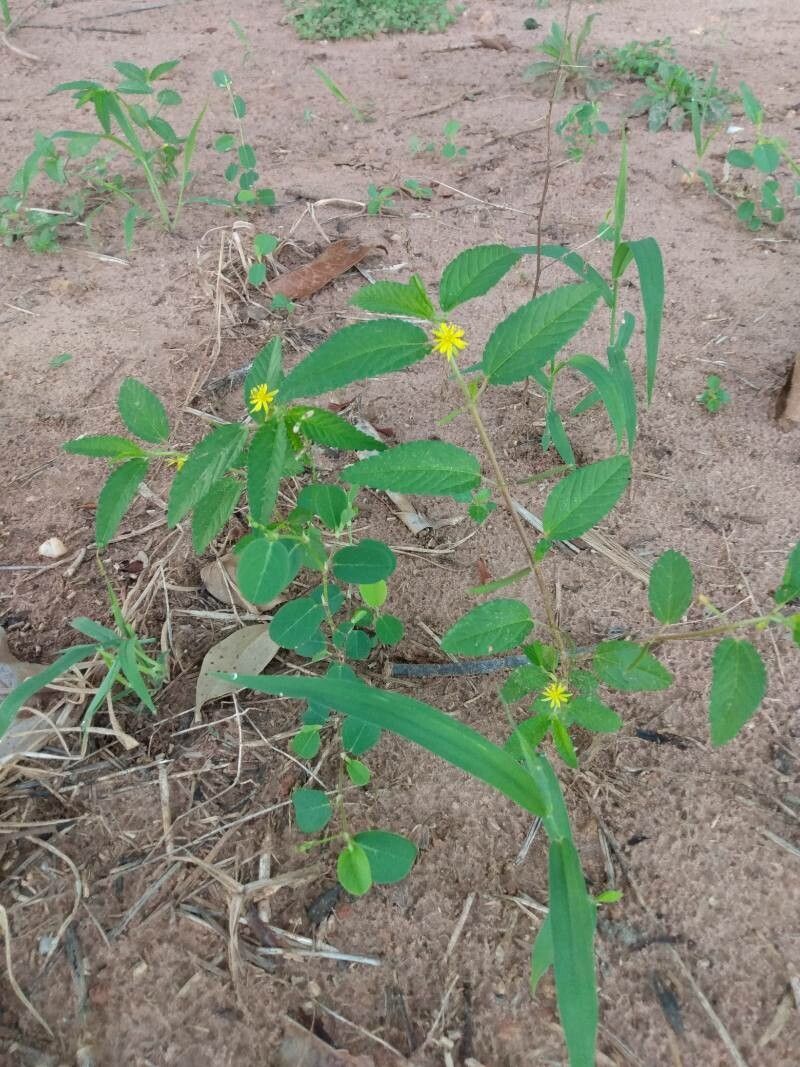
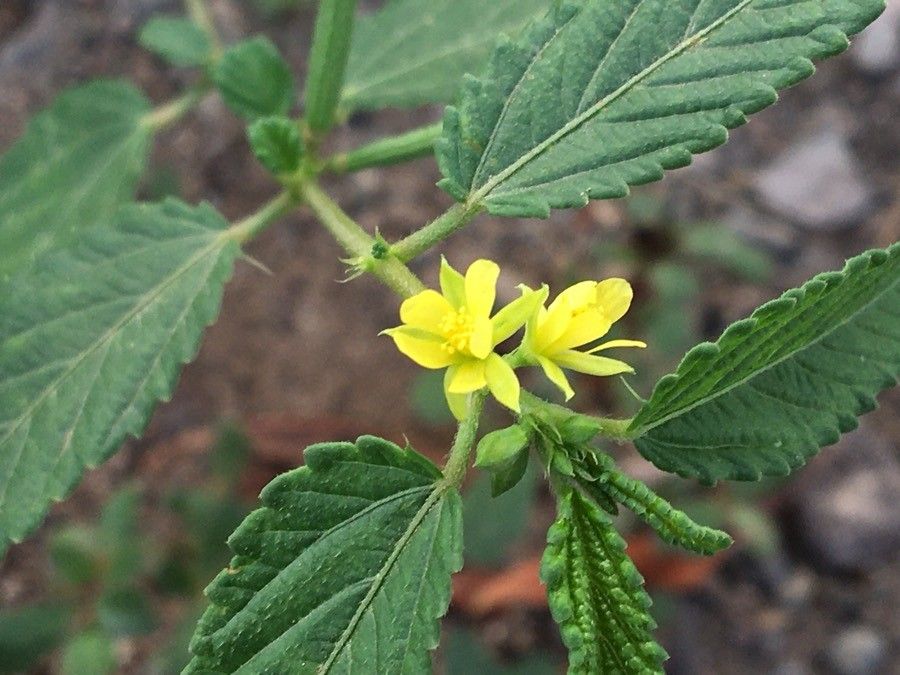
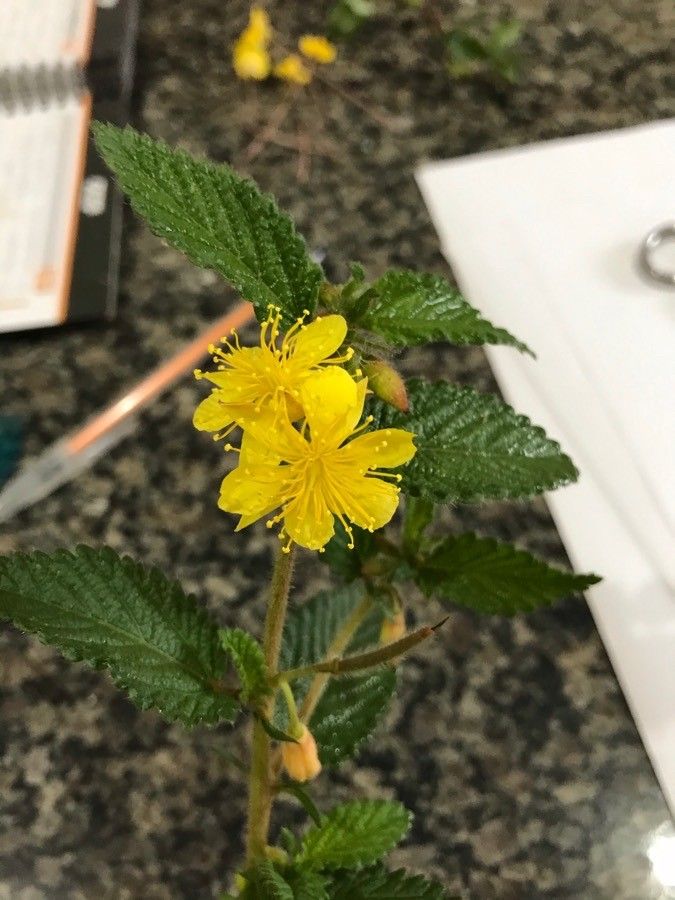
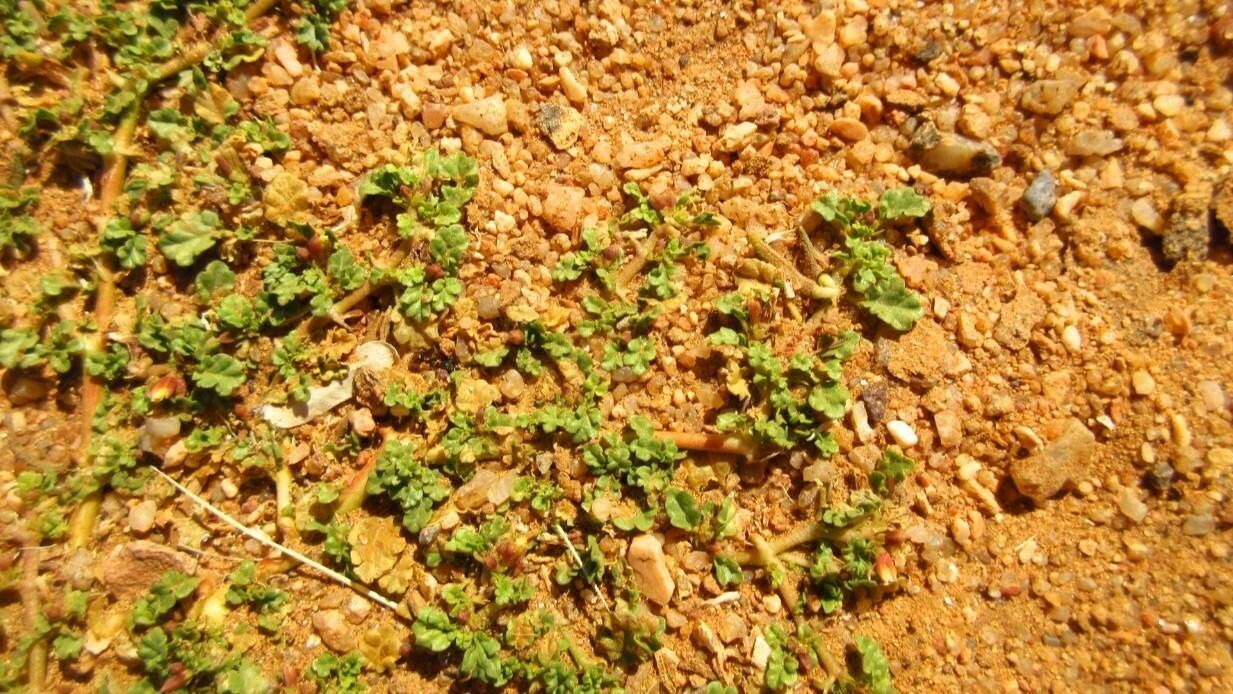
Japanese zelkova is disease-resistant and generally not prone to illnesses. In terms of care, this plant is fairly low-maintenance. When grown outdoors it needs only minimal watering, and larger plants usually do not require pruning. However, smaller plants should be pruned after they have bloomed. Japanese zelkova is appropriate for anyone with outdoor space, such as a garden or a deck, and does not demand much plant-care experience.
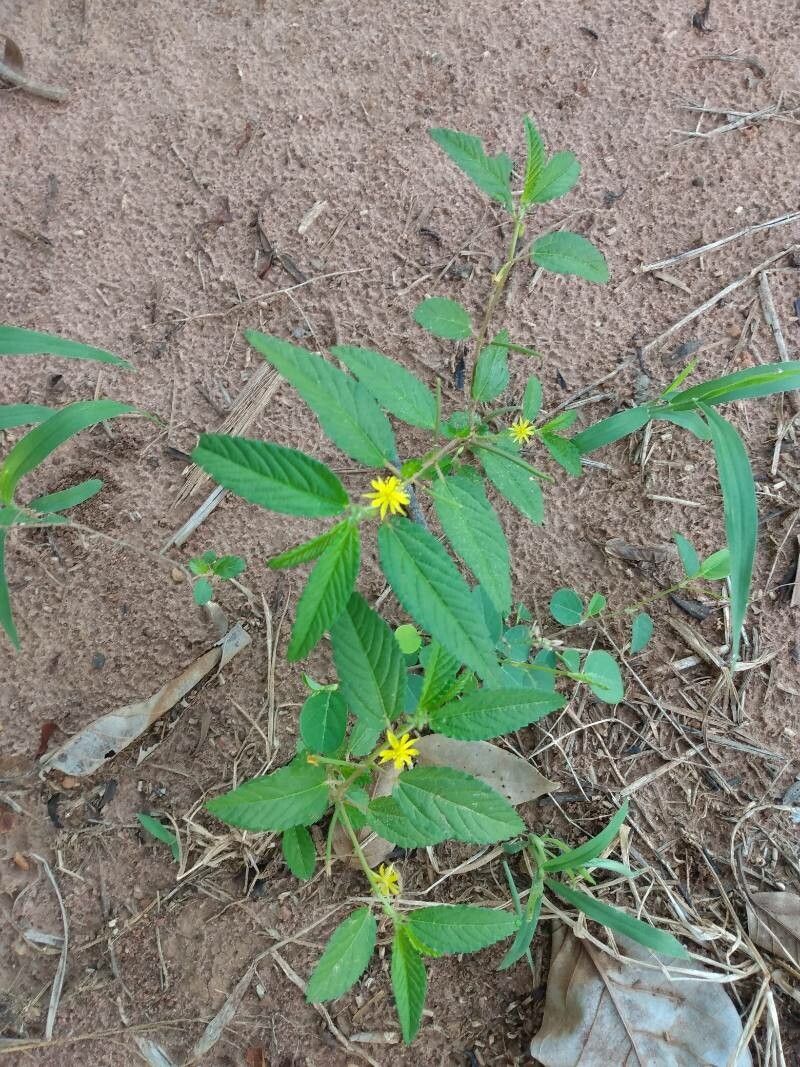
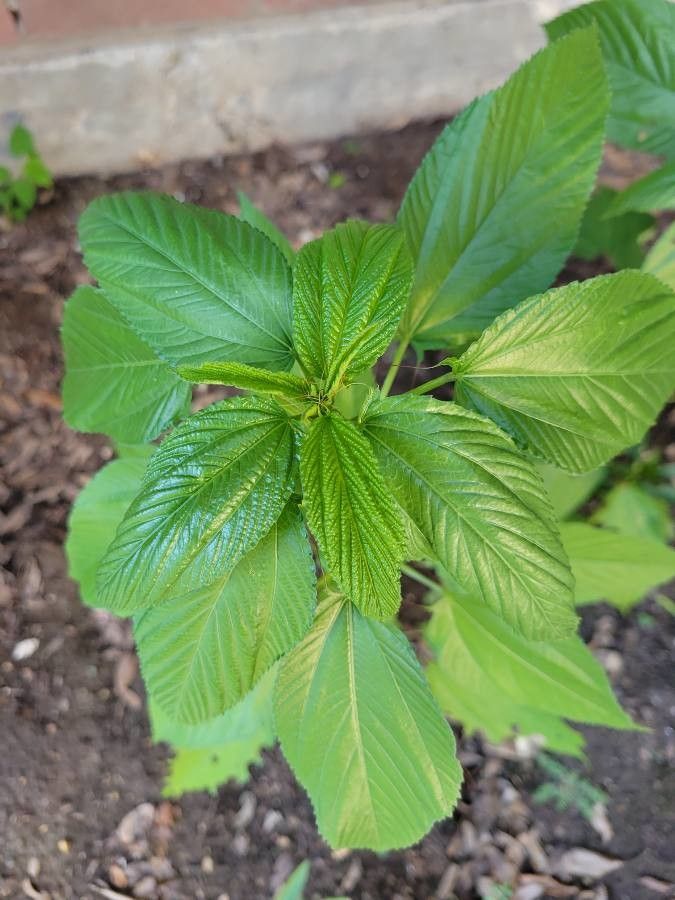
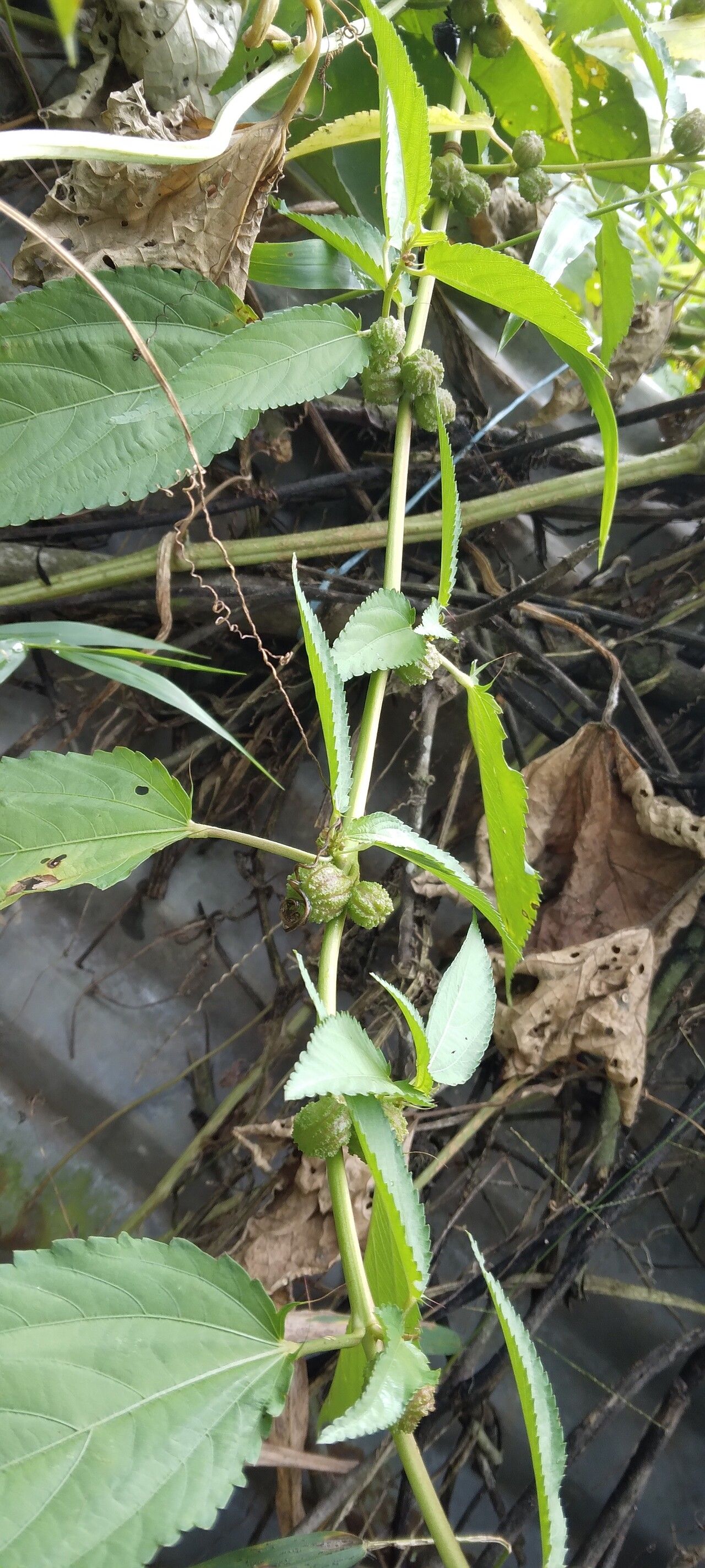
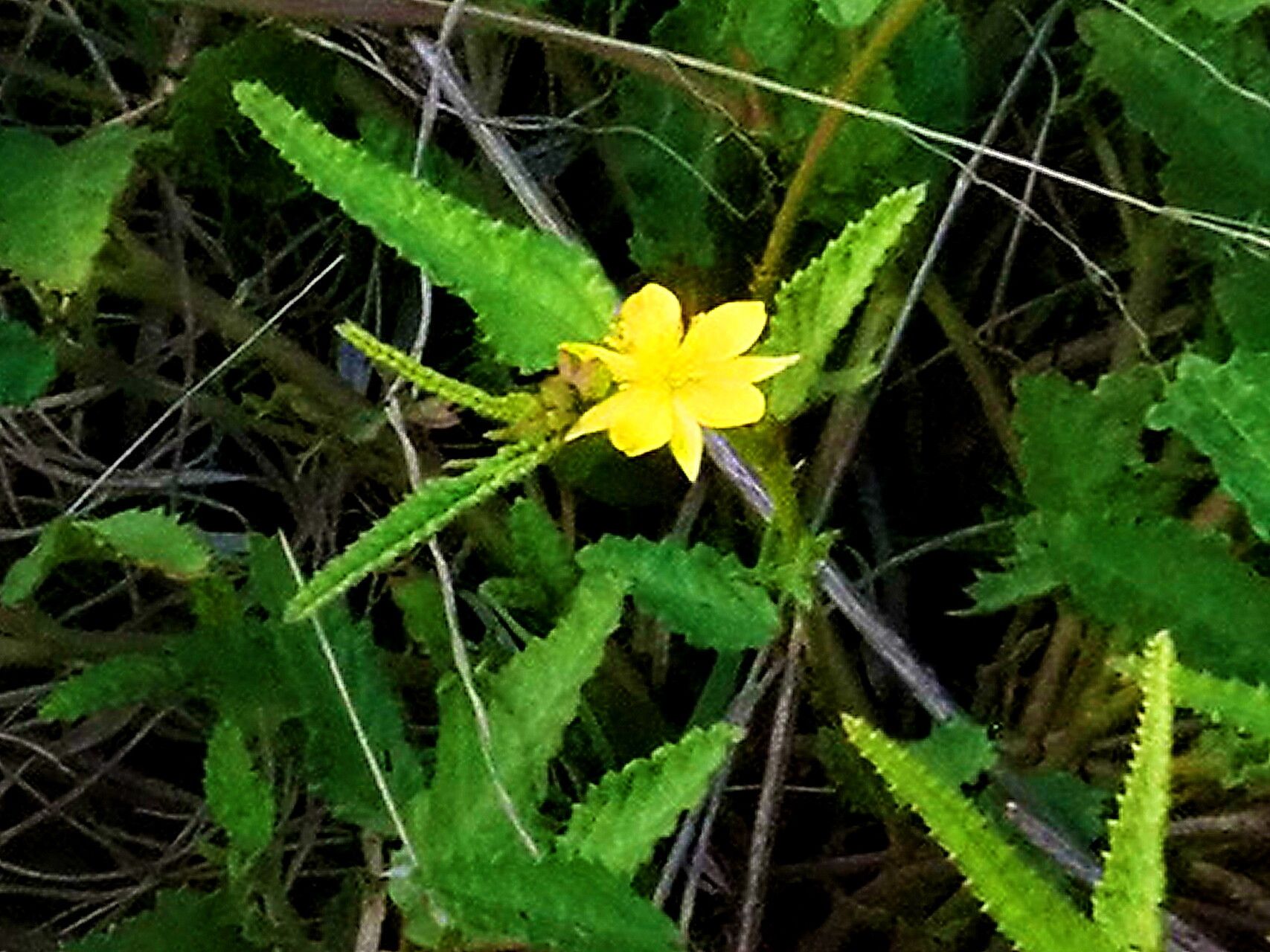
How to keep Corchorus Hirtus.
Light
The Japanese zelkova does best with ample natural light, taking in sunlight all day for optimal growth. It can, however, cope in places with a moderate amount of light. Too much exposure can stress the plant, while too little light may result in yellowing leaves. Coming from sunny environments, it is adaptable and can tolerate a variety of light conditions.
Temperature
Japanese zelkova performs best in its native habitat and has specific temperature needs. It prefers temperatures of 15 to 35 °C (59 to 95 °F). As a temperate woody species, it adjusts well to a range of climates. When needed, temperature management can be applied across different seasons. In colder seasons, guarding the plant against frost and offering moderate warmth is important. In hotter seasons, providing adequate shade and suitable watering helps maintain its health and vitality.
Fertilizer
Fertilize your Japanese zelkova in early spring to encourage healthy growth. Regular feeding improves its overall health, producing vigorous growth, increased resilience to harsh conditions, and better resistance to diseases and pests. Follow a defined fertilization schedule for your Japanese zelkova to maintain vibrant, deeply colored foliage and a lush appearance.
Botanical profile.
- Plant Type
- Tree
- Life Cycle
- Perennial
- Genus
- Corchorus
- Family
- Malvaceae
- Hardiness Zone
- 7-9
- Mature Height
- 14.94 m to 29.87 m
- Mature Spread
- 14.94 m to 24.08 m
- Leaf Color
- Green, Orange, Yellow, Red
- Leaf Type
- Deciduous
- Flower Color
- Green
- Flower Size
- 2.54 cm
- Bloom Time
- Mid spring, Late spring
- Planting Time
- Spring, Autumn
- Harvest Time
- Mid summer
- Native Area
- Russia, Japan, Koppen, South Korea, China
Other names.