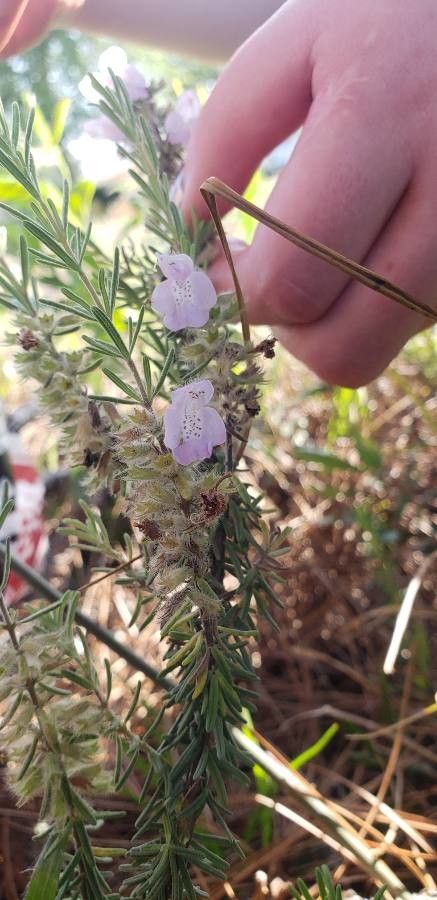
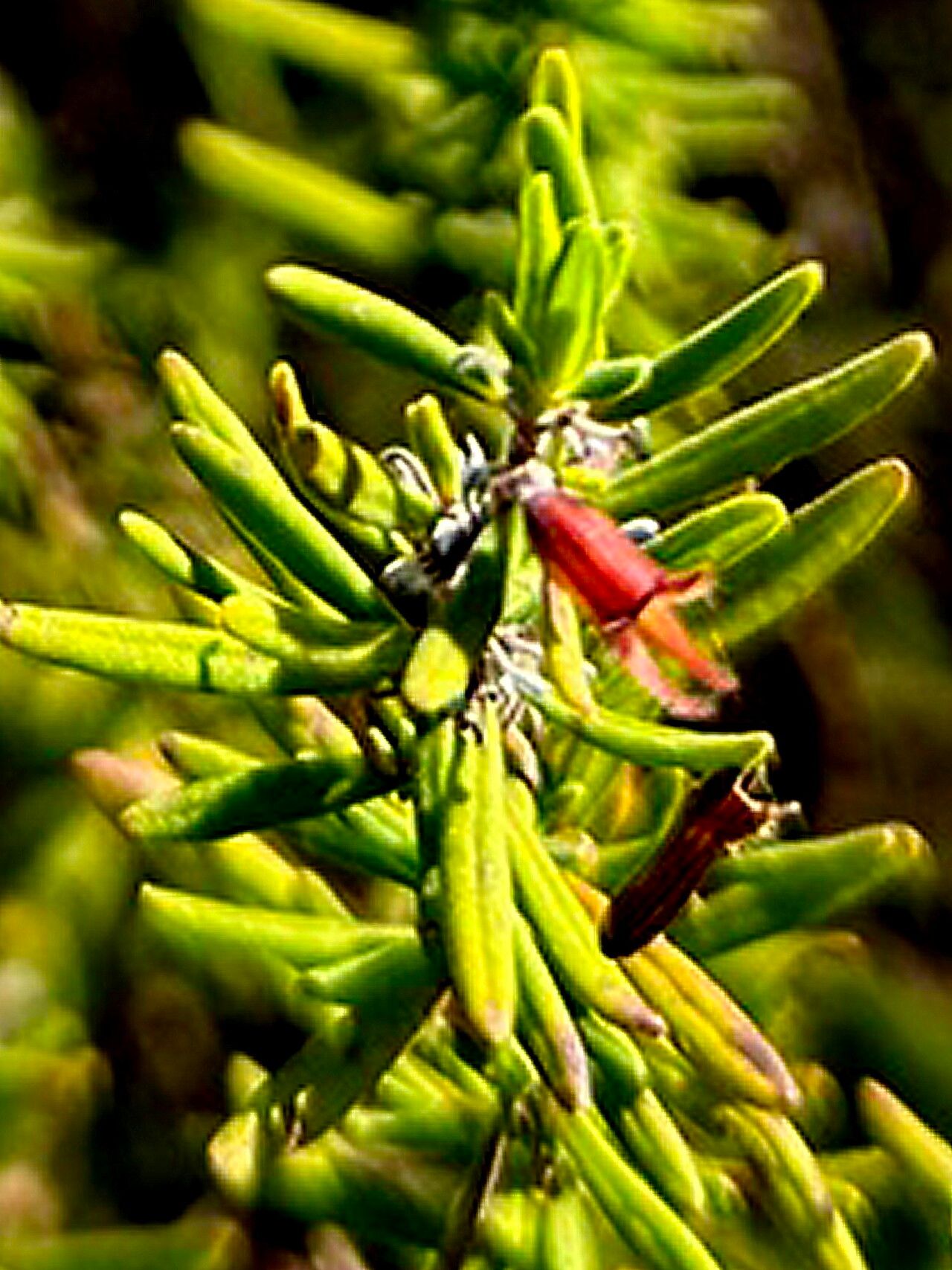
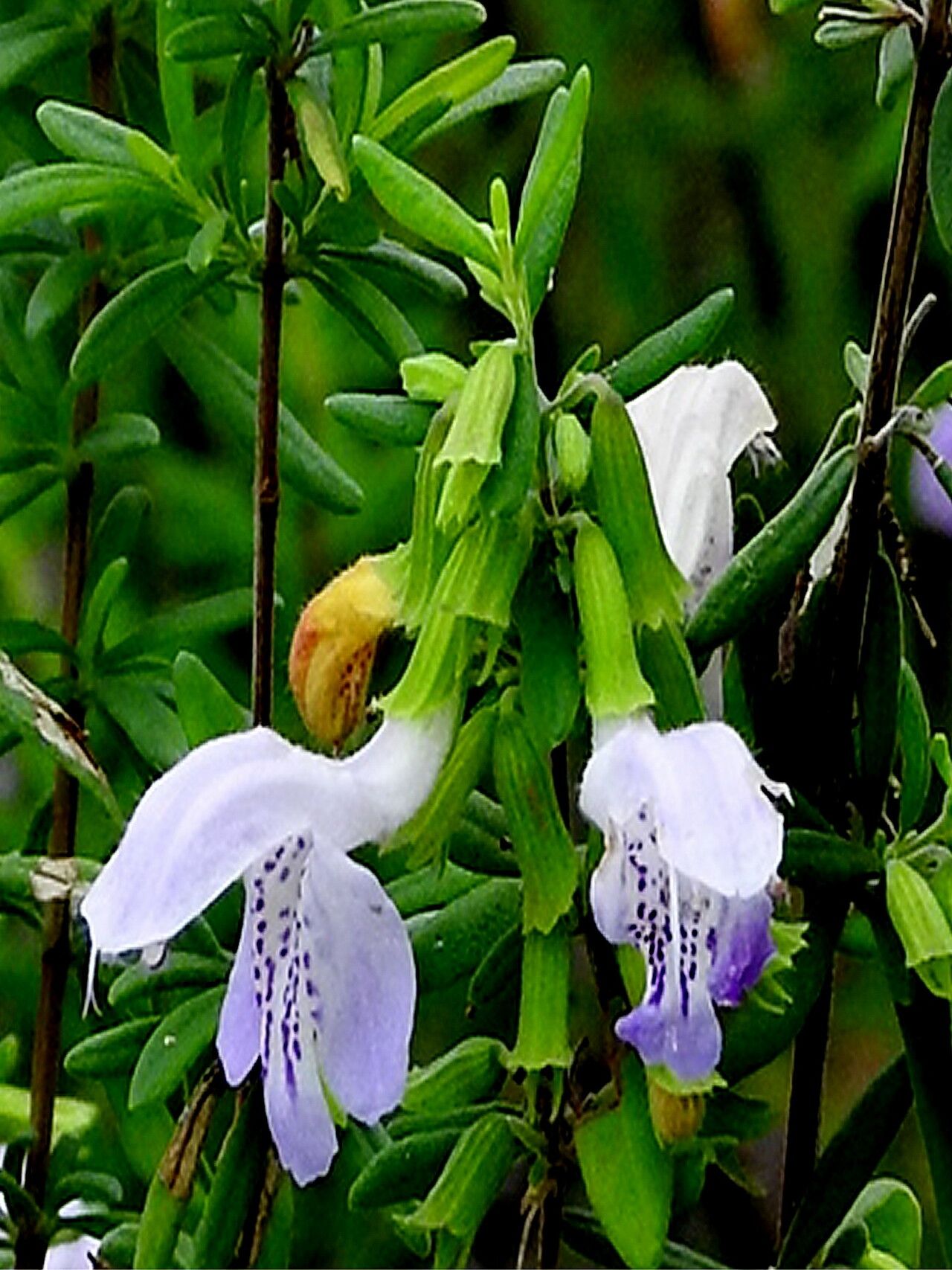
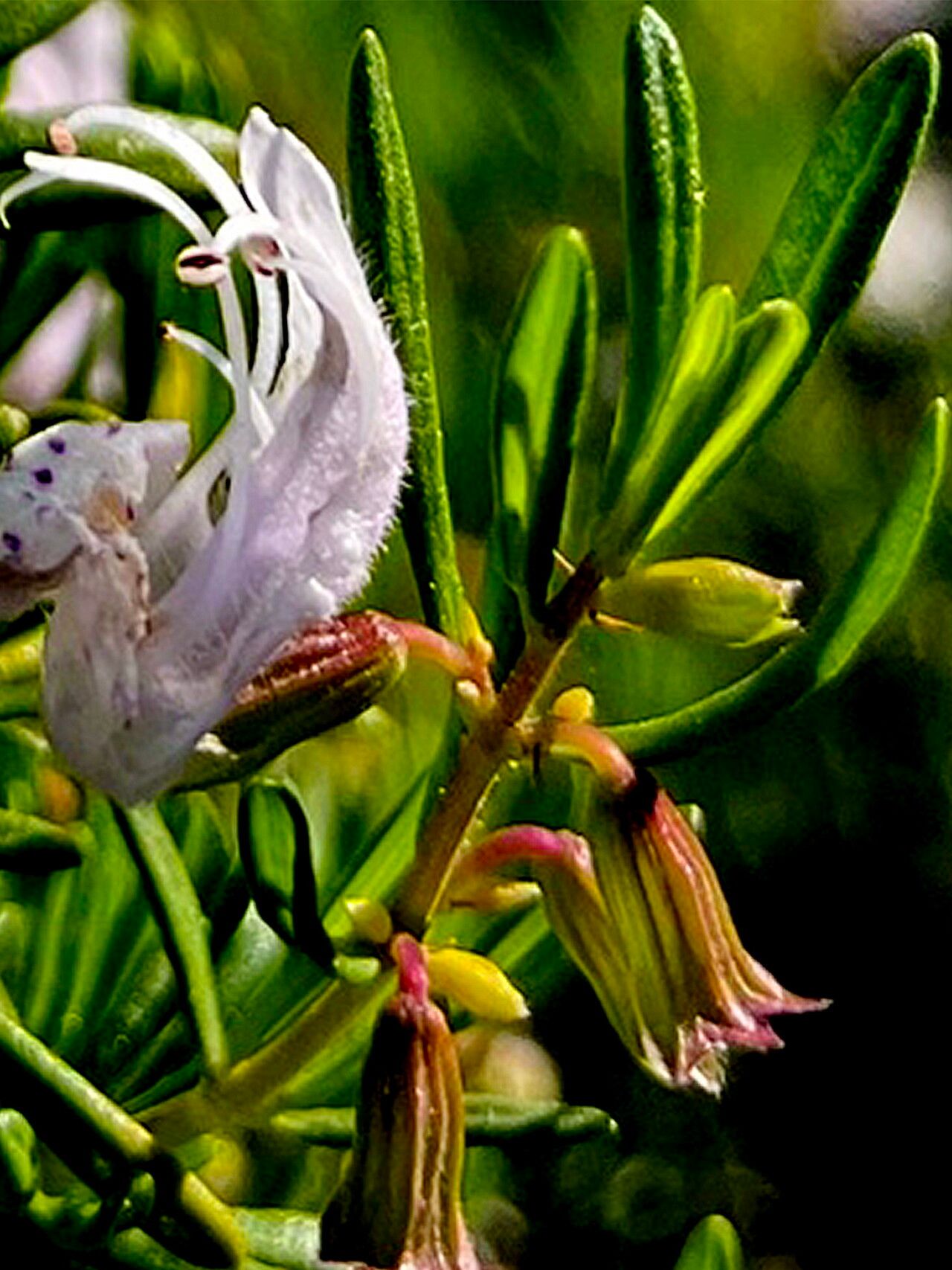
Conradina verticillata, commonly known as Cumberland rosemary, is a small evergreen shrub native to the southeastern United States. It usually grows to a height of 1-2 feet and features narrow, needle-like leaves arranged in whorls around the stem. In late spring and early summer, the plant produces small pink or lavender flowers that attract bees and other pollinators.
Cumberland rosemary thrives in well-drained soils and prefers full sun or partial shade. Once established, it is tolerant of drought conditions. This plant is often found on dry, rocky slopes or in open pine forests.
Traditionally, Native American tribes used Conradina verticillata for its antiseptic properties. It also has ornamental value as a low-maintenance landscaping plant, appreciated for its attractive foliage and delicate flowers.
However, Cumberland rosemary faces threats from habitat loss due to urbanization and agricultural development, as well as encroachment by invasive species. Conservation efforts are underway to protect this species from further decline, including habitat restoration projects and seed banking initiatives.