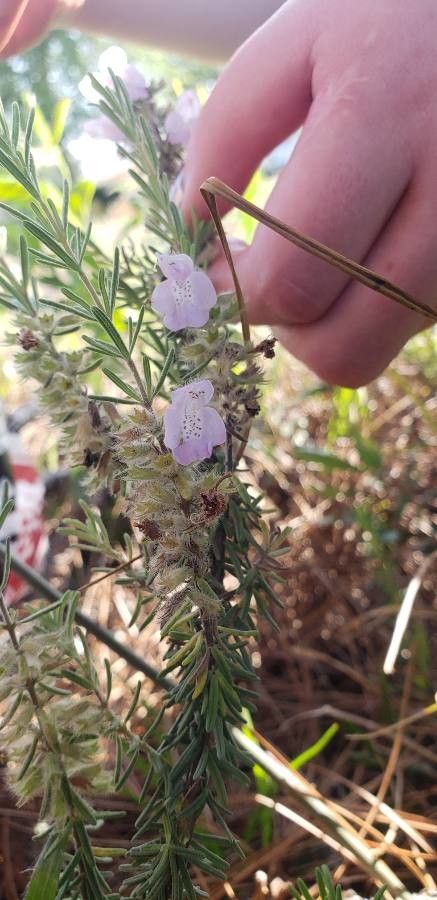
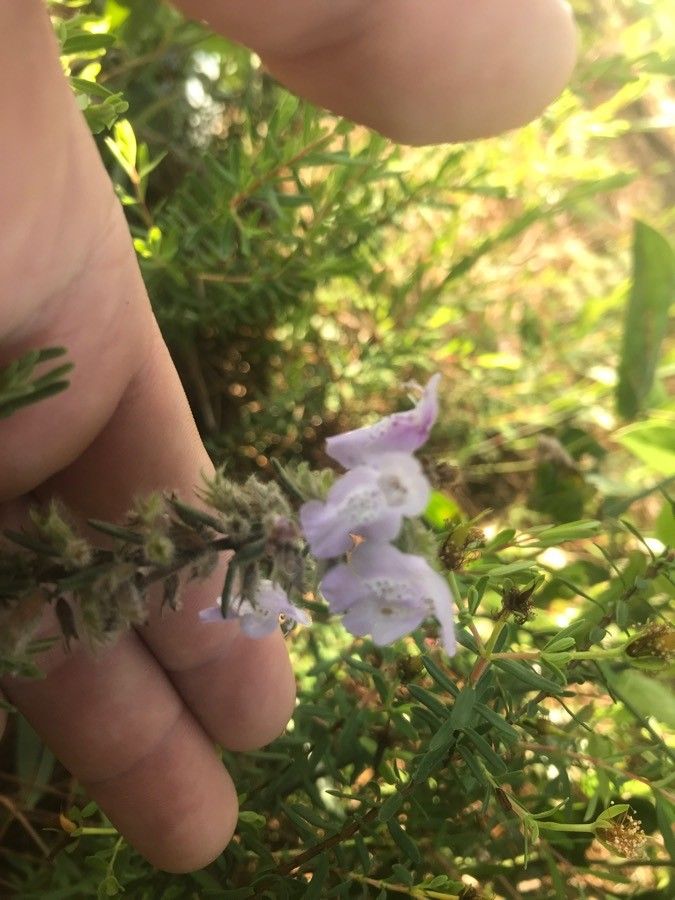
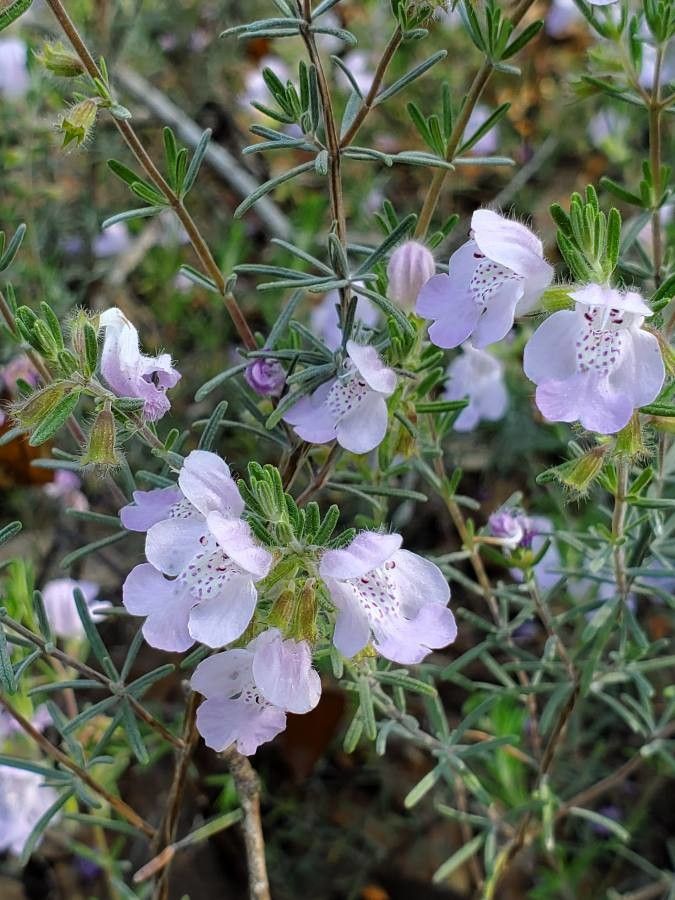
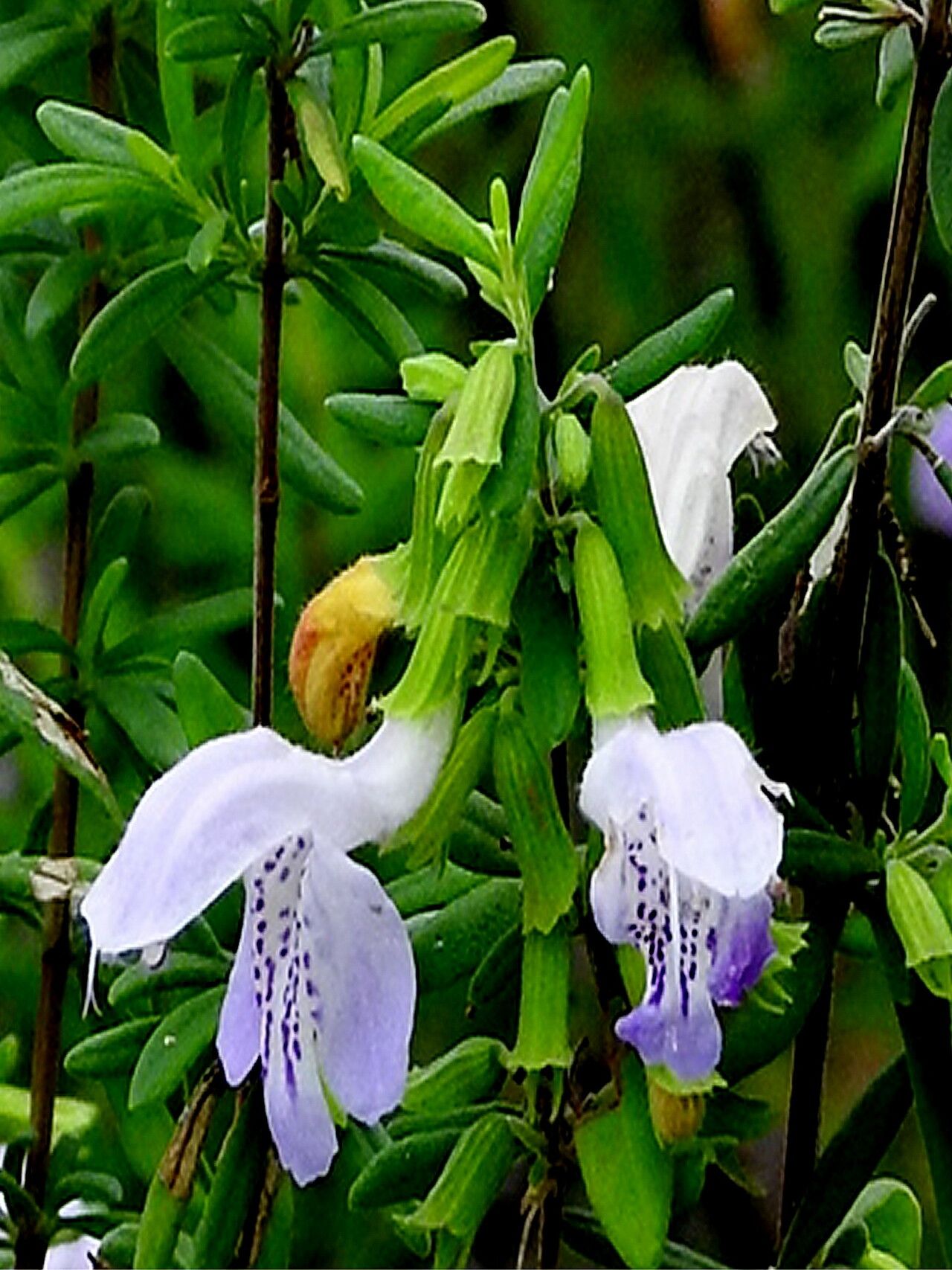
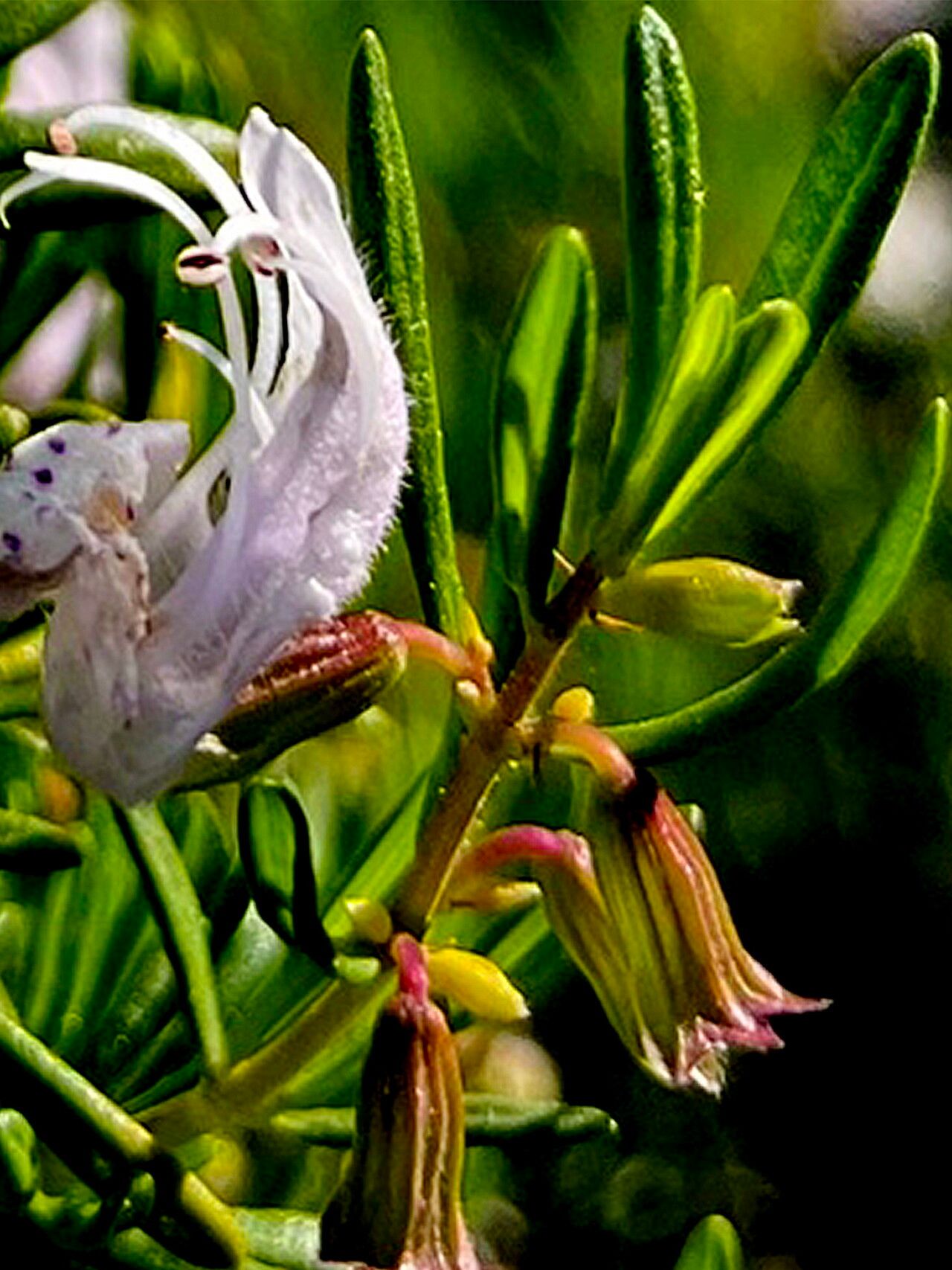
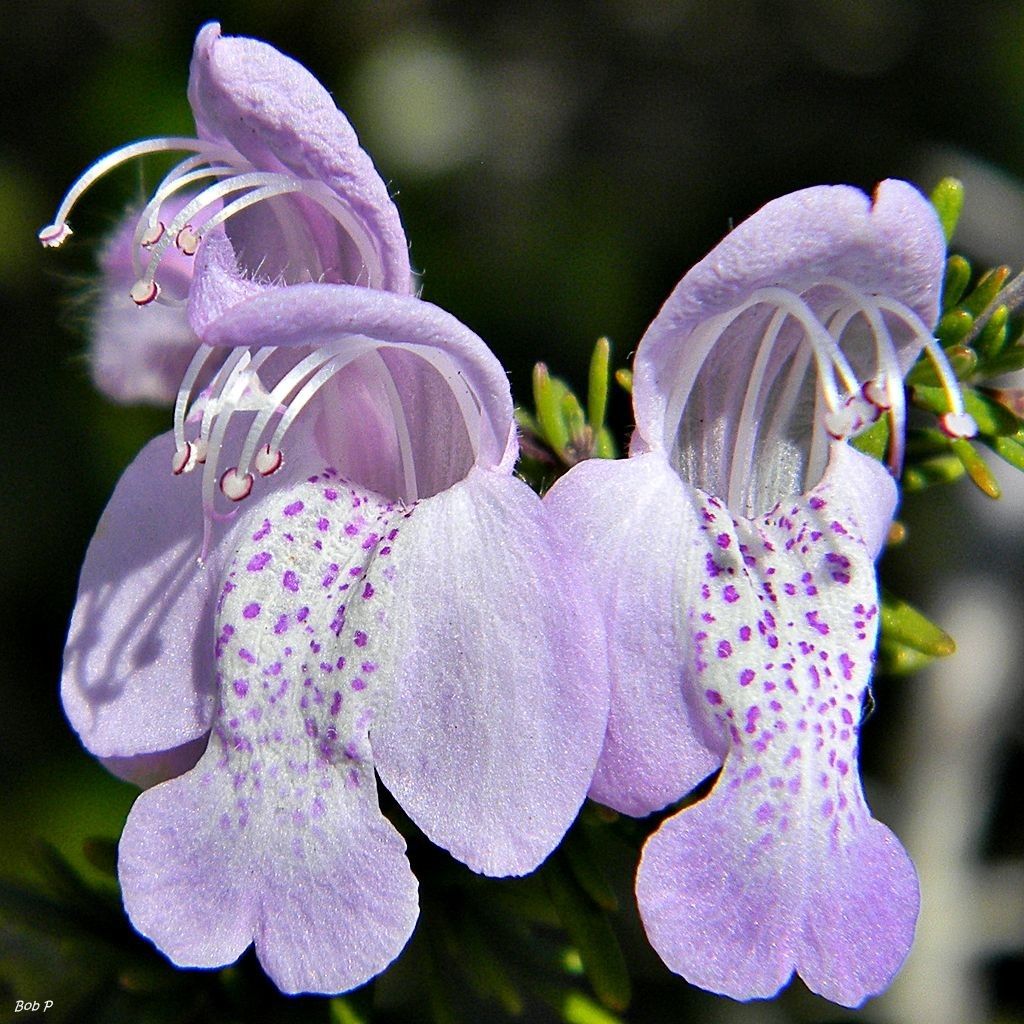
Conradina canescens, commonly called false rosemary, is a shrub in the mint family. It is native to the southeastern United States, where it is restricted to coastal areas of Alabama, Florida, and Mississippi. Its natural habitat is sandhills, coastal scrub, and flatwoods.
False rosemary is resistant to diseases and typically does not suffer from them. Regarding care, this plant is fairly low-maintenance. When grown outdoors it needs only light watering, and larger specimens usually do not require pruning. Smaller plants, however, should be pruned after they finish blooming. False rosemaryt is appropriate for anyone with an outdoor area, such as a garden or deck, and does not demand extensive caretaking experience.
How to keep Conradina Canescens.
Light
False rosemary does best when exposed to plenty of light. It is a species that grows well with extended sun exposure. For that reason, its native habitats are places that supply abundant light. While insufficient light can limit its optimal growth and fluorescence, the plant is quite tolerant of very bright conditions.
Water
False rosemary thrives in well-drained soil and prefers drier conditions. It should be watered every two weeks. For optimal growth, plant it outdoors in full sun. During the growing season, adjust the watering schedule to account for increased evaporation.
Temperature
False rosemary shows good temperature adaptability, tolerating high heat and wide temperature swings. During hot periods, attention should be paid to watering and providing adequate shade to avoid sunburn. However, false rosemary is relatively intolerant of low temperatures. While it can endure a certain amount of cold, extremely low temperatures can result in frost damage.
Fertilizer
The timing is important when fertilizing False rosemary. Apply fertilizer in early spring and continue every month through early summer. Fertilizer encourages attractive blooms and supplies energy both during dormant periods and active growth.
Pruning
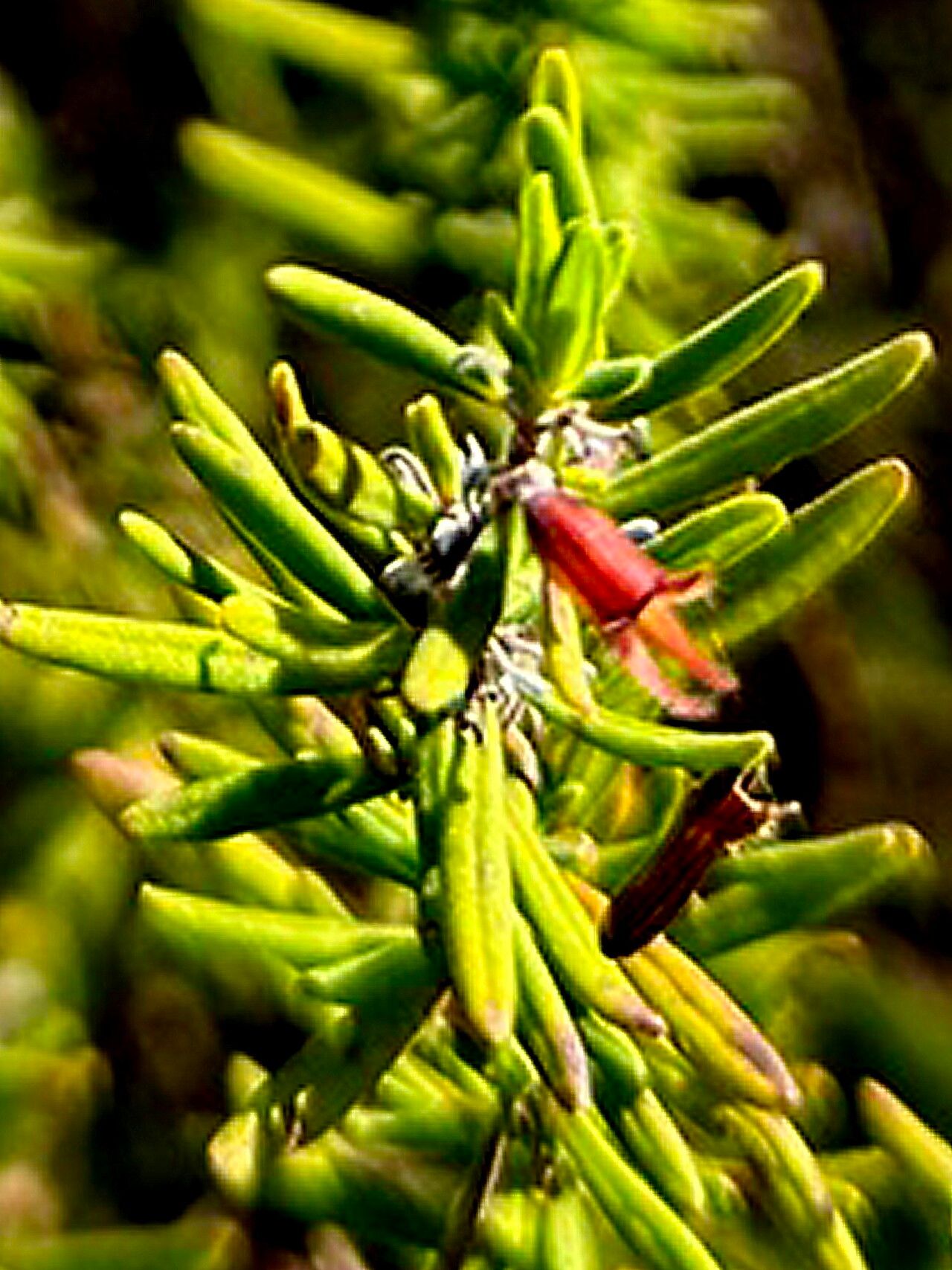
False rosemary has aromatic, needle-like leaves and lavender flowers. To encourage healthy growth, lightly prune it in late spring after it has finished flowering. Remove any dead branches and trim the new growth to achieve denser foliage and more blooms. Be careful not to prune too heavily, as this can hinder flowering and reduce the plant's bushy appearance.
Botanical profile.
- Plant Type
- Shrub
- Life Cycle
- Perennial
- Genus
- Conradina
- Family
- Lamiaceae
- Hardiness Zone
- 8-10
- Mature Height
- 0.61 m to 1.22 m
- Mature Spread
- 0.61 m to 1.22 m
- Leaf Color
- Green, Gray, Silver
- Leaf Type
- Evergreen
- Flower Color
- Lavender
- Flower Size
- 2.54 cm
- Bloom Time
- Spring
- Planting Time
- Summer
- Harvest Time
- Late spring, Early summer, Mid summer
Other names.
Reader questions.
What are the sunlight requirements for False Rosemary (Conradina canescens)?
False Rosemary requires full sun, which means it needs more than 6 hours of sunlight daily. It's important to observe the sunlight's movement through your garden to ensure your plants get a perfect balance of light and shade, contributing to their overall happiness. This plant is incredibly resilient and thrives under abundant light exposure, making it well-suited for environments that offer ample light.
How can artificial lighting support the growth of False Rosemary indoors?
When natural sunlight is insufficient, especially during winter or in less sunny areas, artificial lighting becomes crucial for the optimal growth of indoor plants like False Rosemary. LED lights are recommended due to their ability to be customized to specific wavelengths needed by plants. For full sun plants, you'll need 30-50W per square foot of artificial light. Properly placing the light source 12-36 inches above the plant and ensuring it receives 8-12 hours of light daily can mimic natural sunlight conditions, promoting healthier growth.
What are the common symptoms of inadequate light exposure in False Rosemary?
Symptoms of light deficiency in False Rosemary include smaller new leaves, leggy or sparse growth, premature leaf drop, halted growth, and pale-colored new leaves. Excessive sunlight can cause chlorosis, leaf scorching, sunscald, leaf curling, and wilting. These symptoms demonstrate the plant's struggle in suboptimal light conditions, signaling a need for better light management to ensure the plant's health and vitality.
What solutions are available for improving light conditions for False Rosemary?
To improve light conditions for False Rosemary, gradually move the plant to sunnier locations until it receives at least 6 hours of direct sunlight daily. For indoor plants, consider using artificial lighting like desk or ceiling lamps for at least 8 hours a day or invest in professional grow lights. Outdoors, avoid sudden changes in light intensity to prevent sunburn. Minimizing obstructions, like pruning trees or transplanting to a sunnier spot, can also enhance sunlight exposure. Note that while parts of the plant affected by insufficient light may not recover, new growth should be healthy after adjusting light conditions.