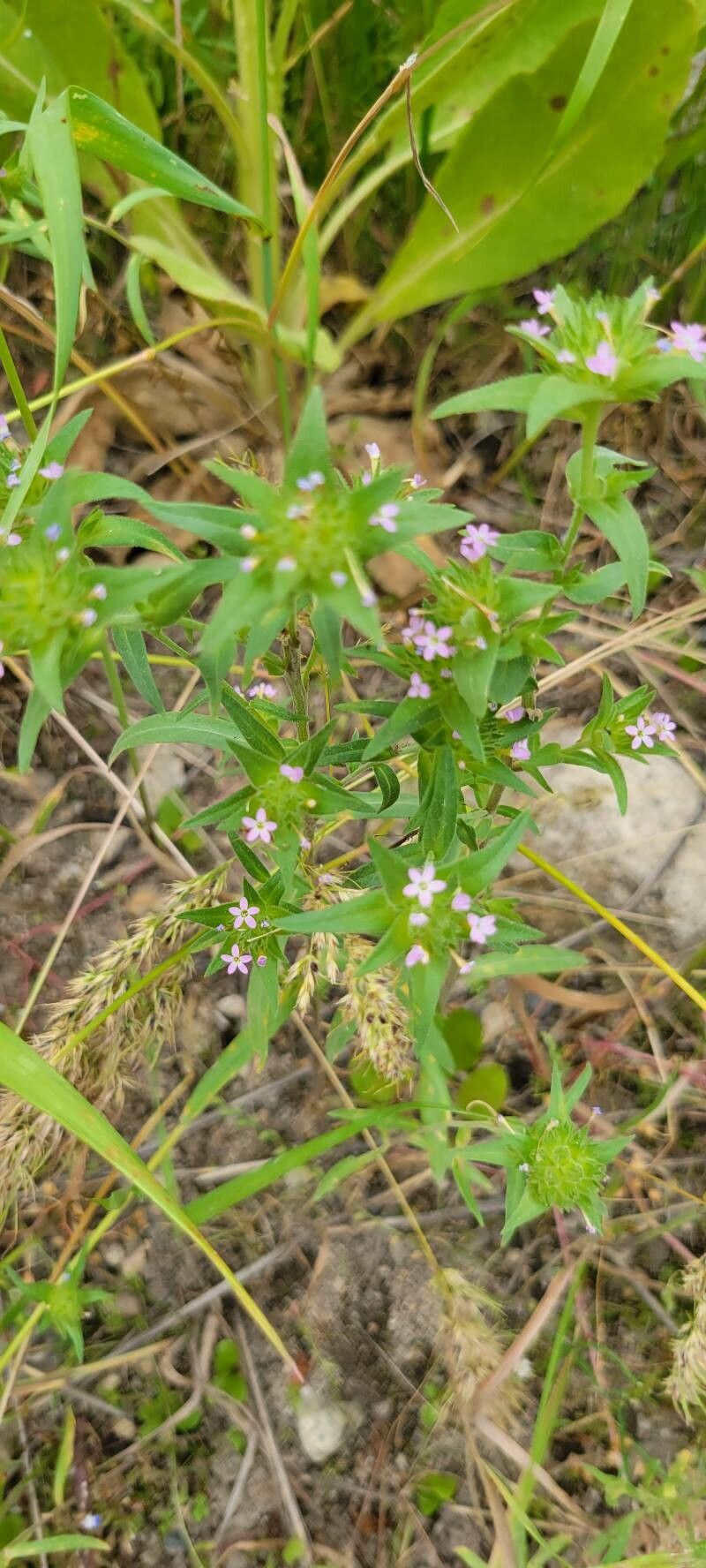
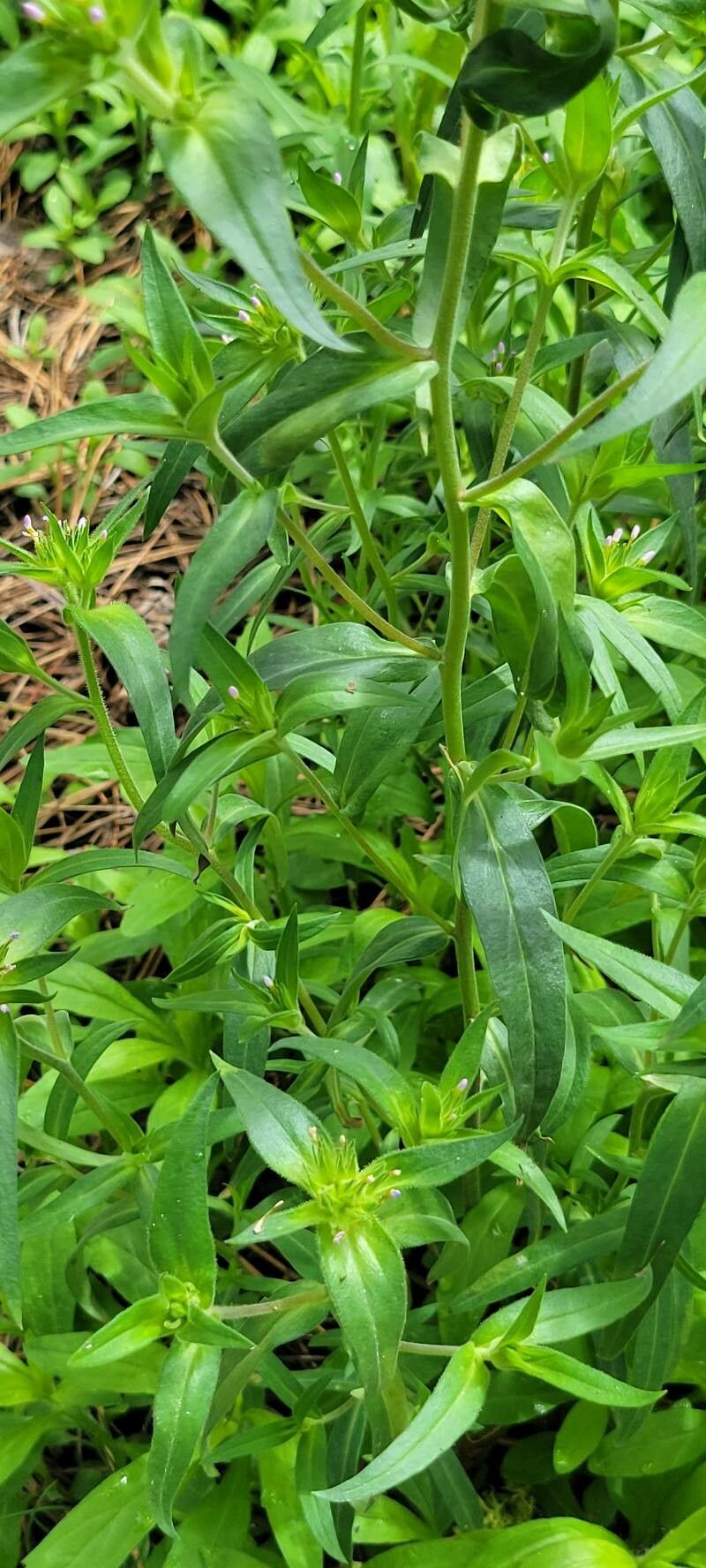
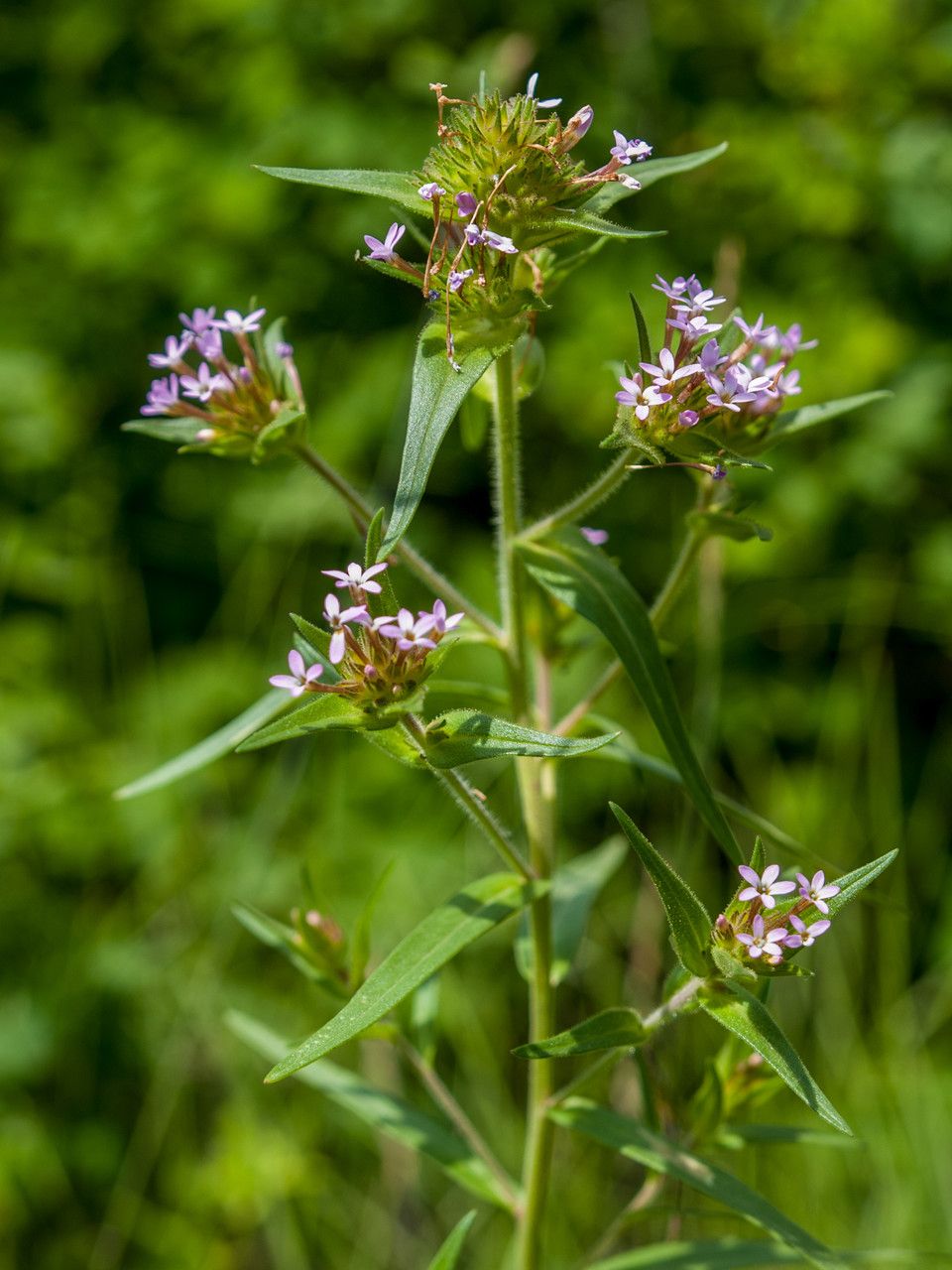
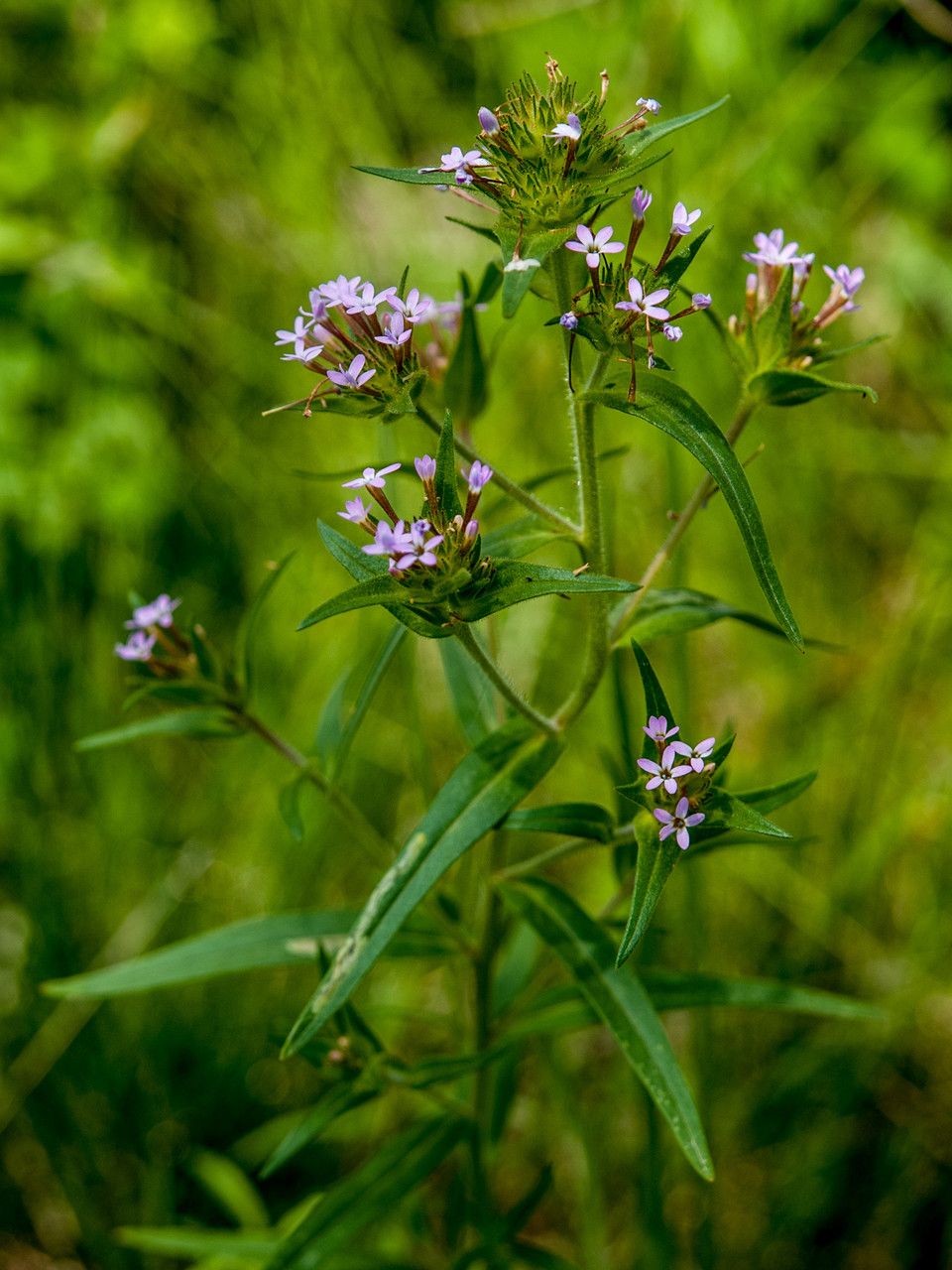
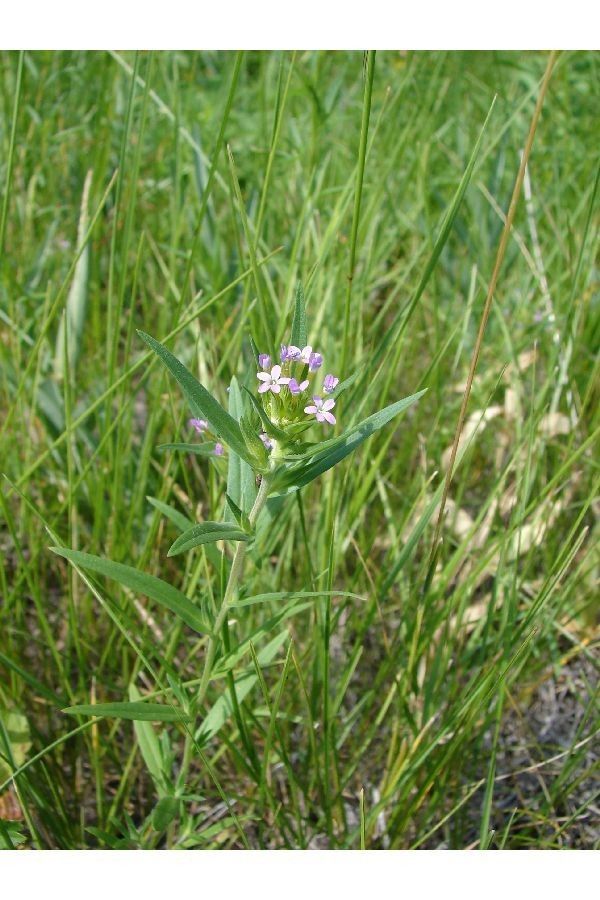
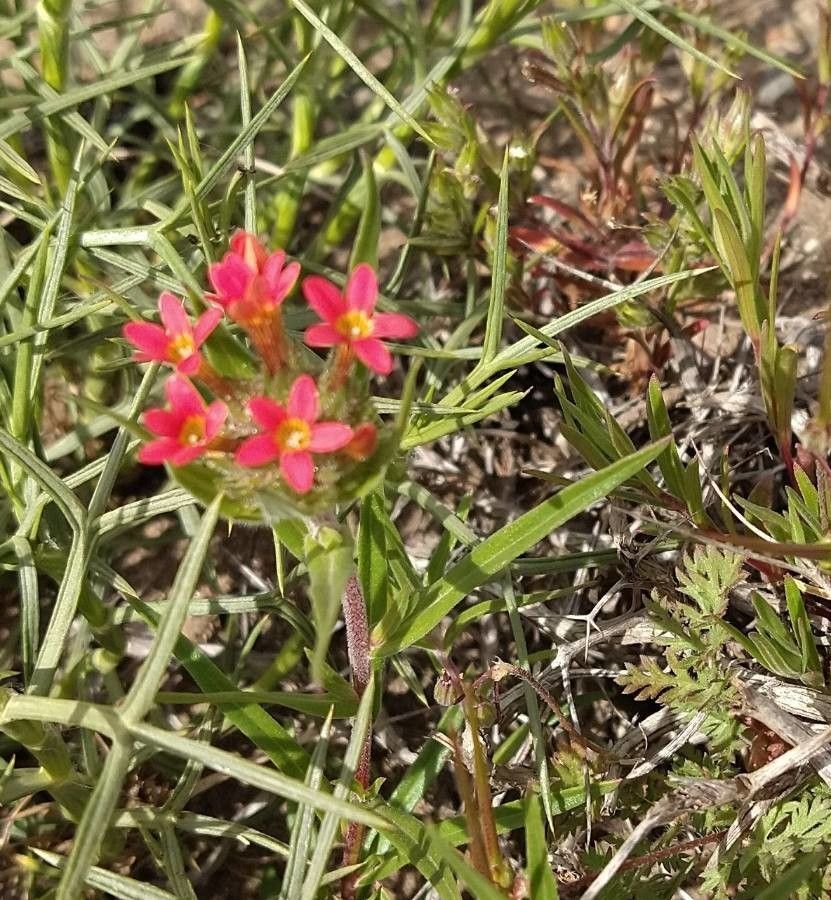
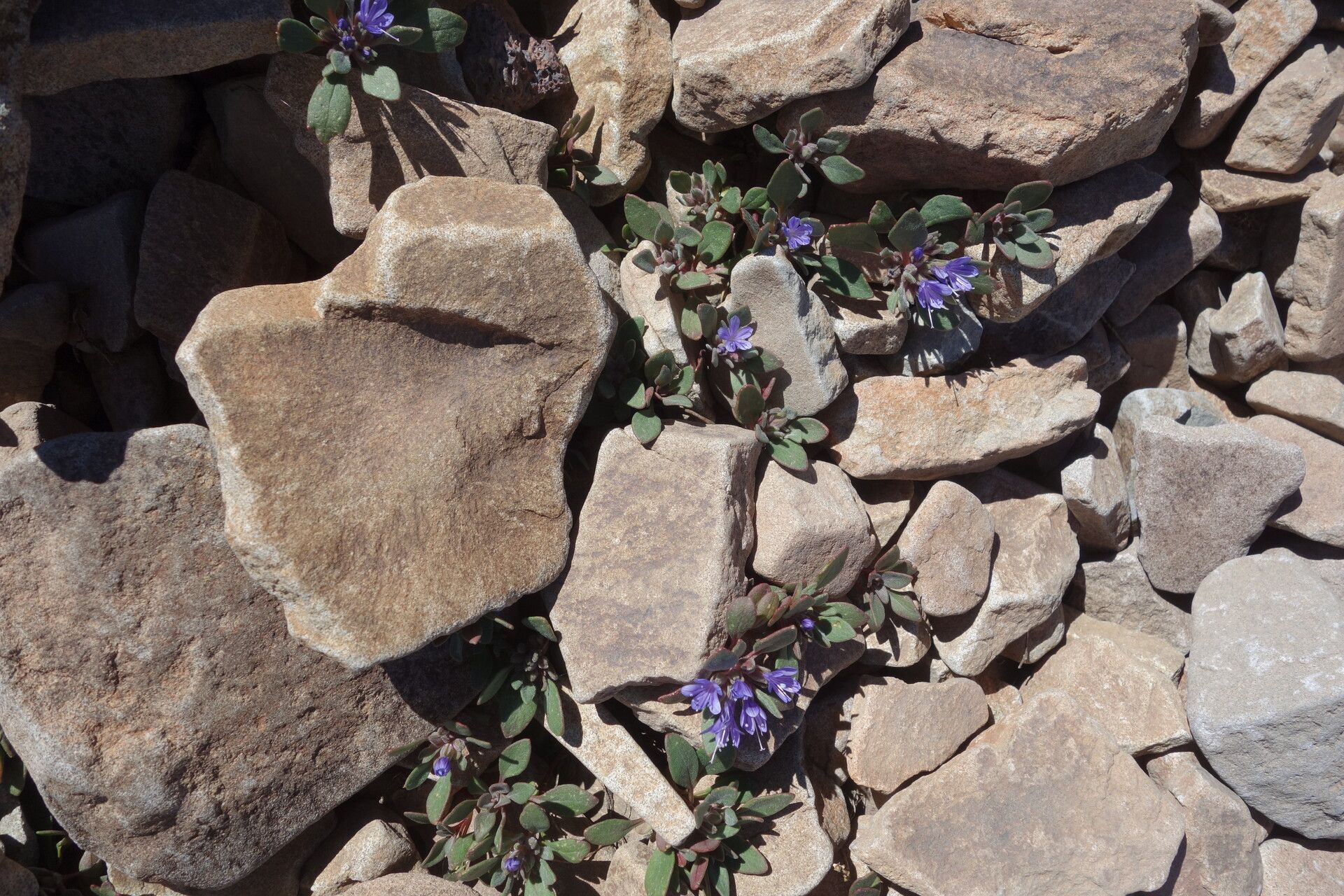
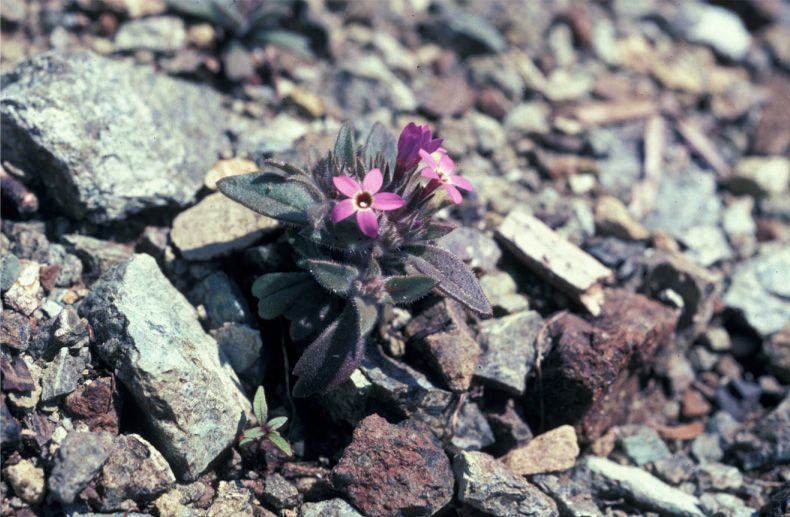
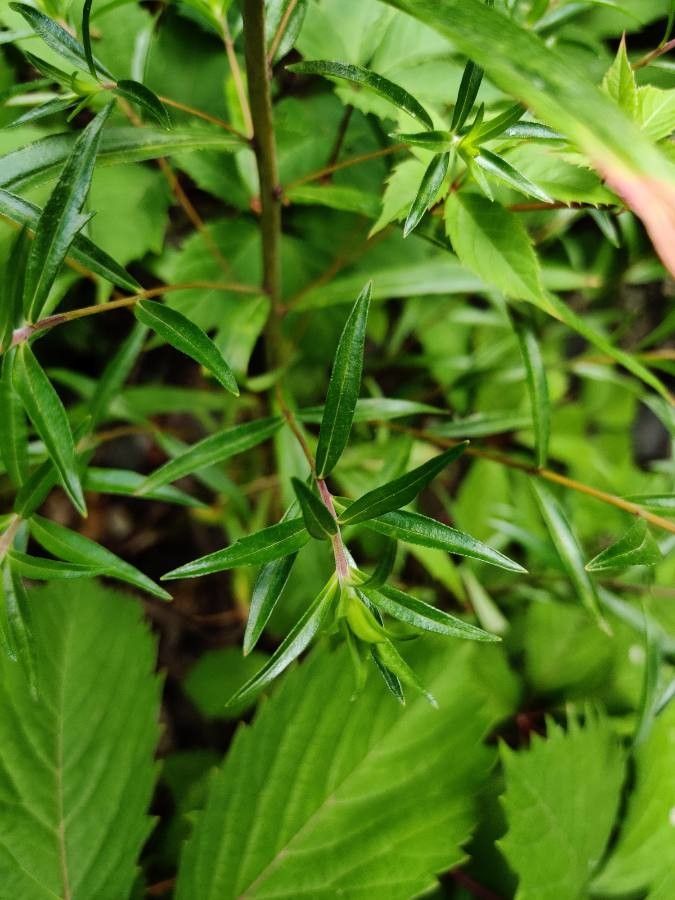
Collomia linearis, commonly known as narrow-leaved collomia or mountain trumpet, is a flowering plant native to western North America. It belongs to the Polemoniaceae family and is a perennial herb that can grow up to 60 cm tall. The plant features narrow, linear leaves that can reach up to 10 cm in length. Its trumpet-shaped flowers, which grow in clusters at the top of the stem, measure about 1 cm across and appear in shades of pink or lavender with yellow centers.
Narrow-leaved collomia thrives in well-drained soils and is commonly found on rocky slopes, meadows, and open woods at elevations ranging from sea level up to 3,000 meters. It blooms from June through August.
Native American tribes have traditionally used this plant for medicinal purposes, particularly for treating coughs and colds due to its expectorant properties.
Overall, Collomia linearis is not only an attractive wildflower that adds color and beauty to its surroundings but also offers medicinal benefits for those who know how to use it properly.
Tiny trumpets are fairly disease-resistant and generally do not suffer from many illnesses. However, they can be vulnerable to pests and diseases present in their surroundings. Such infections are usually mild. Regarding care, this plant needs moderate maintenance. It requires regular pruning to keep a good appearance and support healthy growth. Fertilizing can also help encourage flowering. Tiny trumpets are suitable for anyone with outdoor space, such as a garden or patio, and do not demand extensive care experience. They may need more attention when grown indoors.
How to keep Collomia Linearis.
Light
Tiny trumpets come from bright, open habitats and flourish in full sun. They can tolerate some partial sun but prefer direct sunlight for the best growth. This plant, which can be annual or biennial, is known for its sun-loving nature.
Water
Tiny trumpets thrive in dry, open woodlands with moderate moisture needs. Although they are drought-tolerant, they prefer to be watered consistently on a weekly basis. Their watering requirements are closely linked to their growing season, as adequate soil moisture is essential for their health and flowering potential.
Temperature
Tiny trumpets can tolerate a wide range of temperatures, but its distribution may still be limited by different combinations of water and heat conditions. It does best in warm summer climates with sufficient rainfall or watering. Extended periods of cloudy, rainy weather, and prolonged high temperatures can raise the chance of Tiny trumpets dying. In winter, protecting the plant from cold can increase its survival rate.
Fertilizer
Once Tiny trumpets has opened most of its blooms to full size, resume fertilizing. Around the time the blooms are at peak production, begin fertilizing again every three to four weeks, weather permitting. Then, when Tiny trumpets starts producing fewer new blooms, stop fertilizing; there's no need to feed the plant when it can no longer produce more blooms.
Pruning
Tiny Trumpets, with its tubular flowers, benefits from pruning between early and late spring, before new growth begins. To promote better air circulation, remove any dead stems. Deadheading will also encourage extended blooming. Light trimming helps maintain its delicate structure, ensuring vibrant displays throughout the flowering season.
Botanical profile.
- Plant Type
- Herb
- Life Cycle
- Annual
- Genus
- Collomia
- Family
- Polemoniaceae
- Hardiness Zone
- 4-8
- Mature Height
- 40 cm
- Mature Spread
- 5 cm to 15 cm
- Leaf Color
- Green
- Leaf Type
- Deciduous
- Flower Color
- Pink, Lavender
- Flower Size
- 1.02 cm
- Bloom Time
- Early summer, Mid summer
- Planting Time
- Spring, Summer
- Harvest Time
- Late summer, Early fall
Other names.
Reader questions.
What are the sunlight requirements for Tiny Trumpets?
Tiny Trumpets (Collomia linearis) thrives in environments that mimic its natural habitat of bright, open spaces. For optimal growth, it requires full sun, which equates to more than 6 hours of sunlight daily. However, it can also tolerate partial sun, meaning it can grow in conditions where it receives about 3-6 hours of sunlight. It's essential to observe how sunlight moves through your garden throughout the day and to select planting spots that provide a good balance of light and shade, ensuring your Tiny Trumpets remain happy and healthy.
How does artificial lighting support Tiny Trumpets' growth indoors?
Indoor plants, including Tiny Trumpets, require sufficient lighting for optimal growth, especially when natural sunlight is scarce, such as in winter or less sunny indoor spaces. Artificial lighting provides a crucial solution. LED lights are a popular choice because they can be customized to offer specific wavelengths that plants need. For plants that prefer full sun, about 30-50W/sq ft of artificial light is needed; for partial sun plants, 20-30W/sq ft; and for full shade plants, 10-20W/sq ft. The lights should be placed 12-36 inches above the plant to mimic the natural sunlight's reach and kept on for 8-12 hours per day to simulate the length of natural daylight hours appropriate for the species.
What are the symptoms of inadequate light for indoor-grown Tiny Trumpets?
Tiny Trumpets may show several symptoms when they don't receive enough light indoors, including smaller new leaves, leggy or sparse growth, faster leaf drop, slower or halted growth, paler new leaves, chlorosis (yellowing leaves due to a lack of chlorophyll), sunscald, leaf curling, wilting, and leaf scorching. These symptoms indicate the plant's struggle with inadequate light conditions, affecting its ability to photosynthesize and its overall health. It's crucial to gradually increase light exposure to mitigate these symptoms and support the plant's growth.
How can I ensure my Tiny Trumpets receive adequate sunlight?
Optimizing sunlight for your Tiny Trumpets involves several strategies, depending on whether the plants are grown indoors, outdoors, or in the ground. Indoors, gradually move your plants to sunnier locations, aiming for at least 6 hours of direct sunlight from a south-facing window or use artificial lighting for about 8 hours a day. Outdoors, acclimate your plants to brighter spots gradually to prevent sunburn. If trees or buildings obstruct sunlight, consider pruning or transplanting to better-located areas. Remember, parts of the plant damaged by insufficient light may not recover, but new growth should be healthy with increased light exposure.