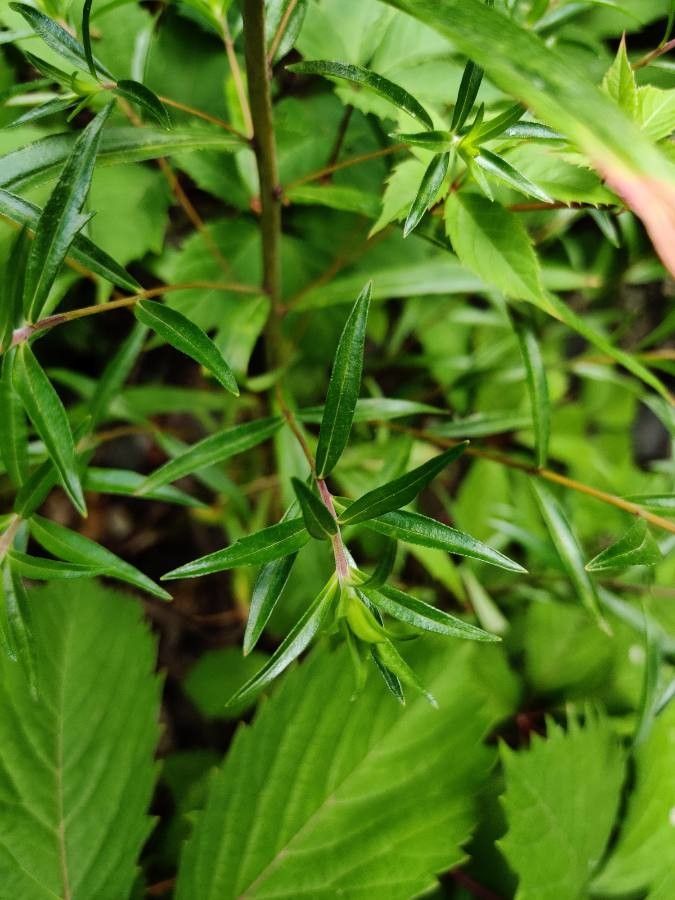
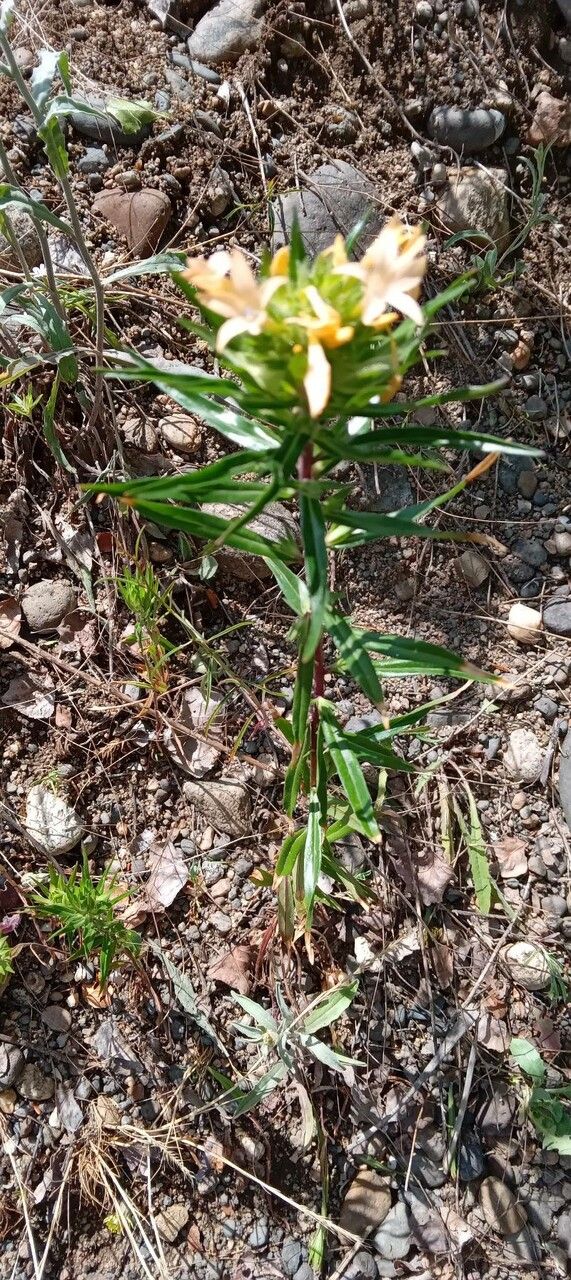
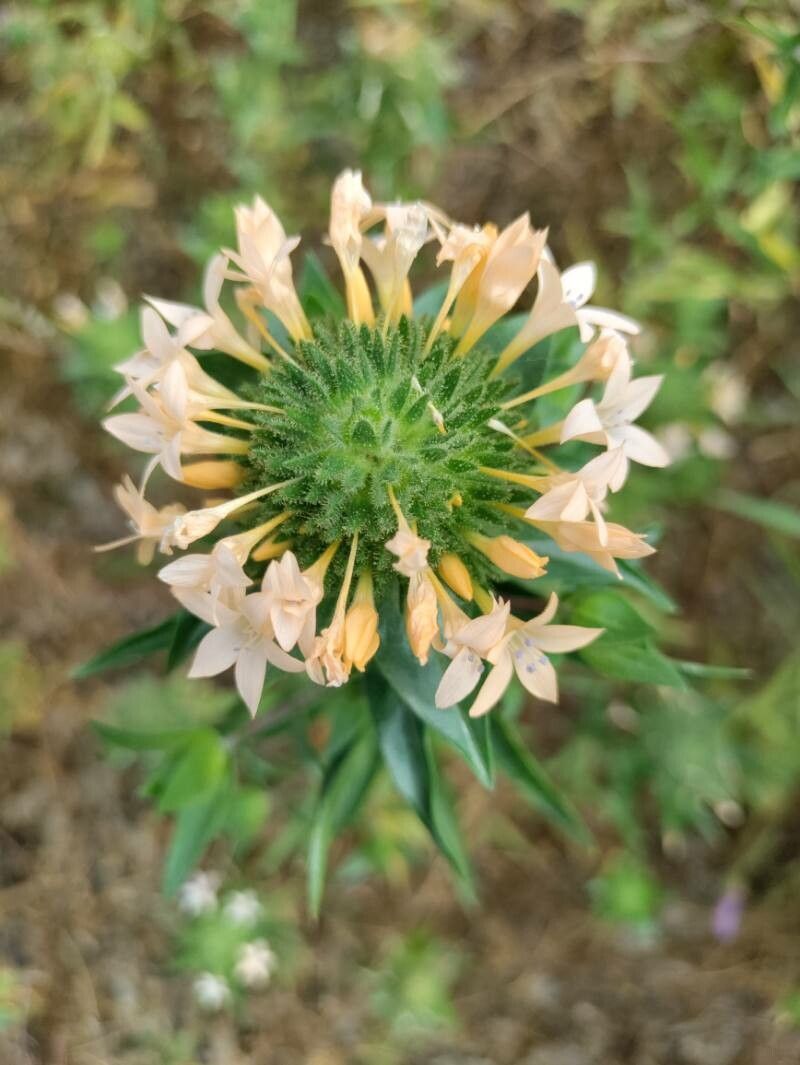
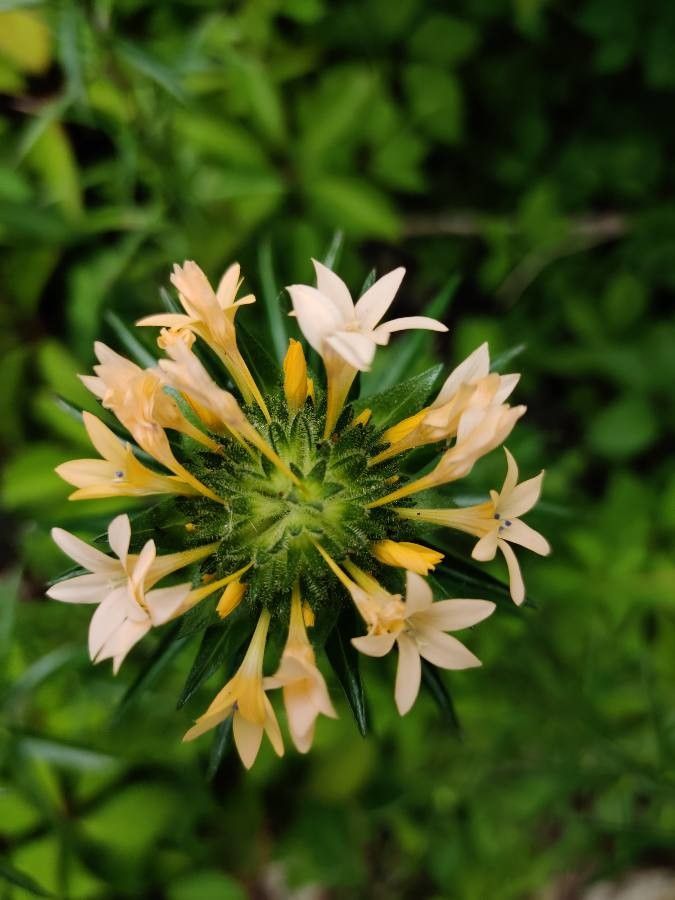
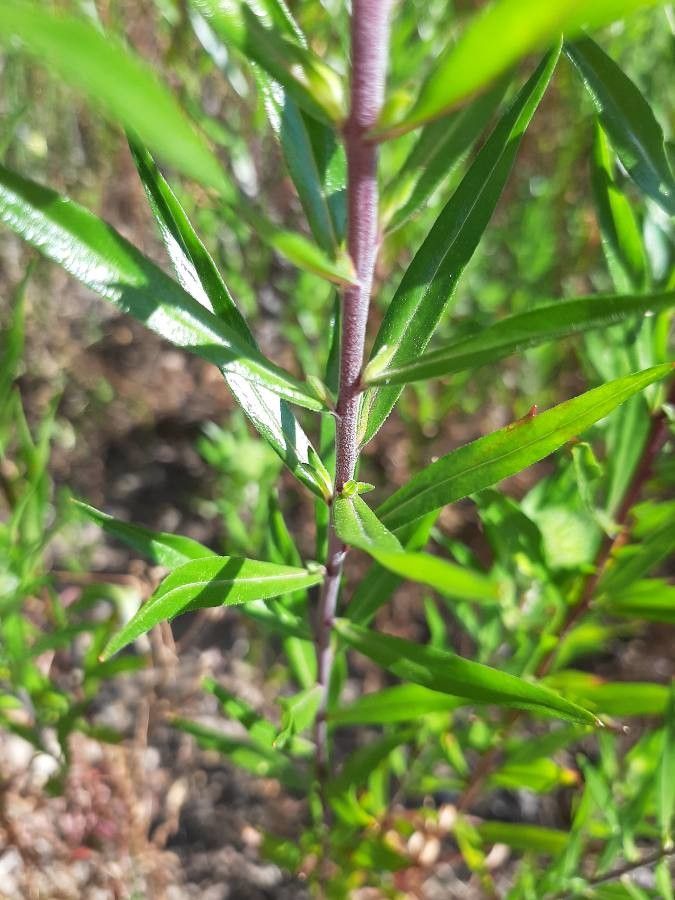
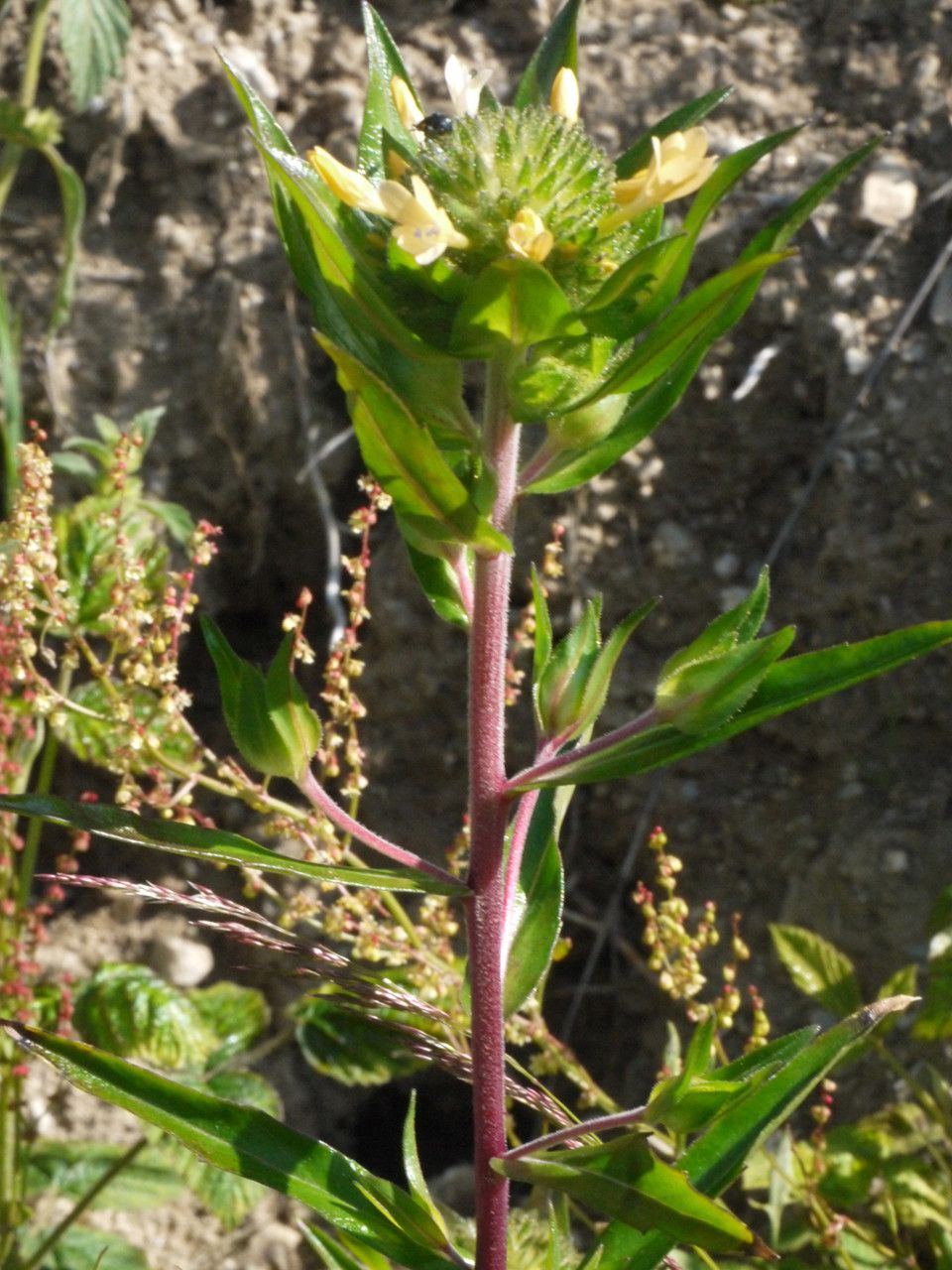
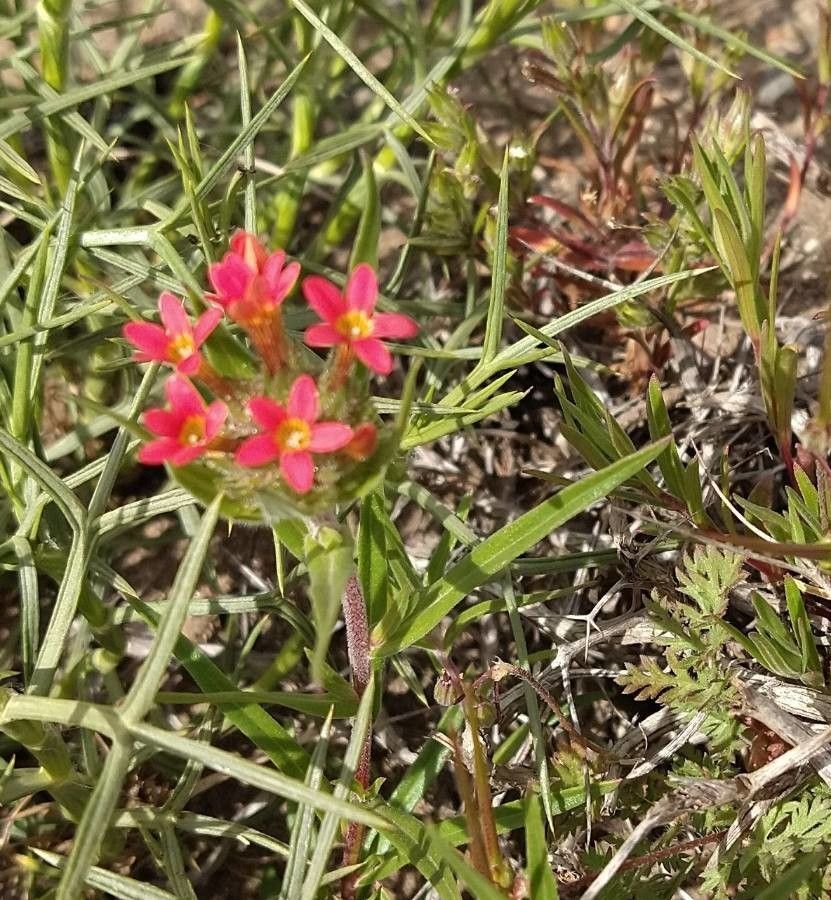
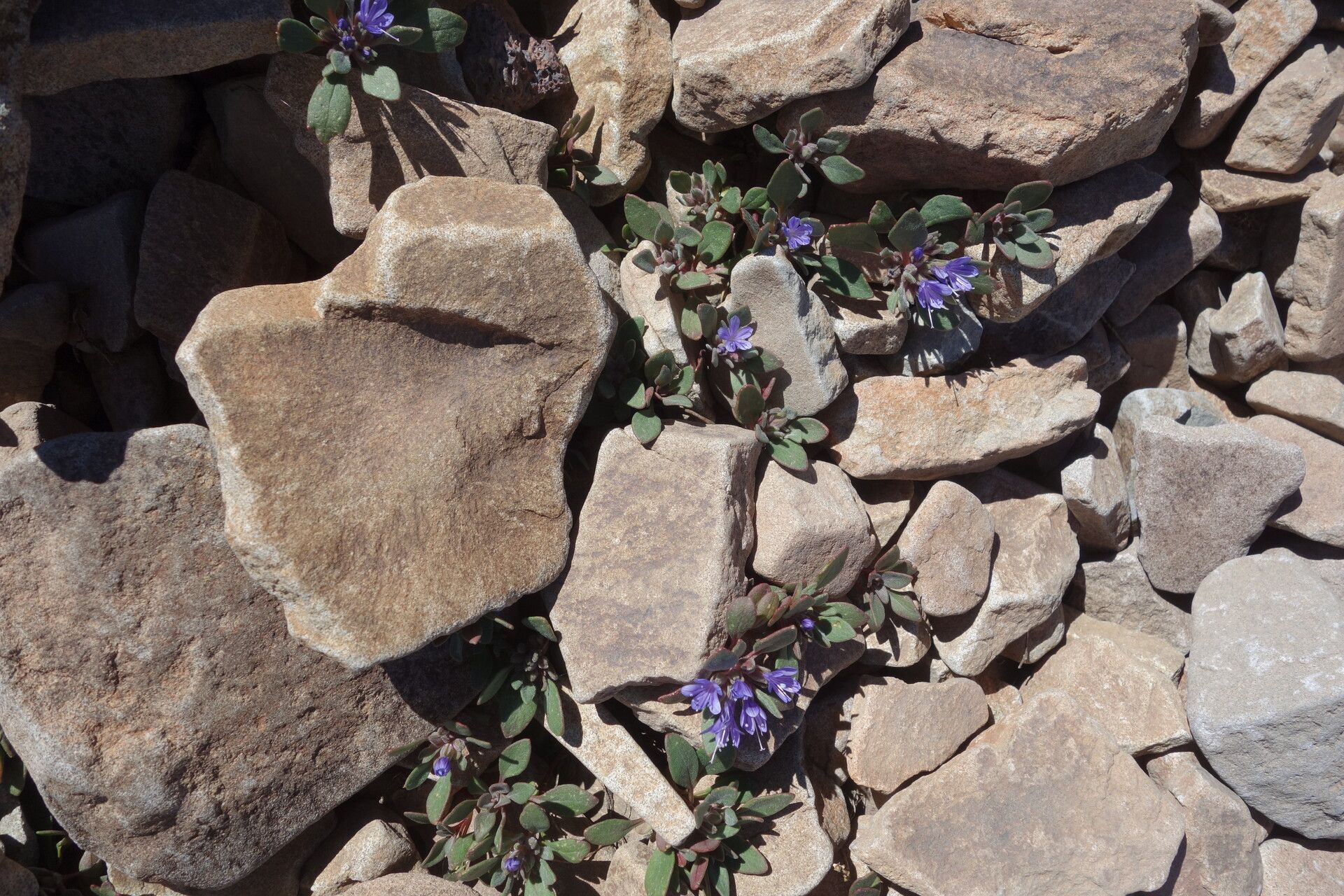
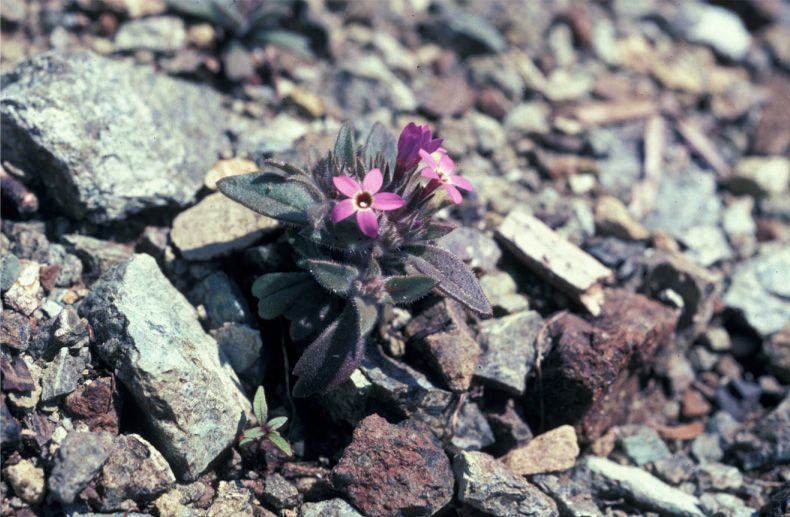
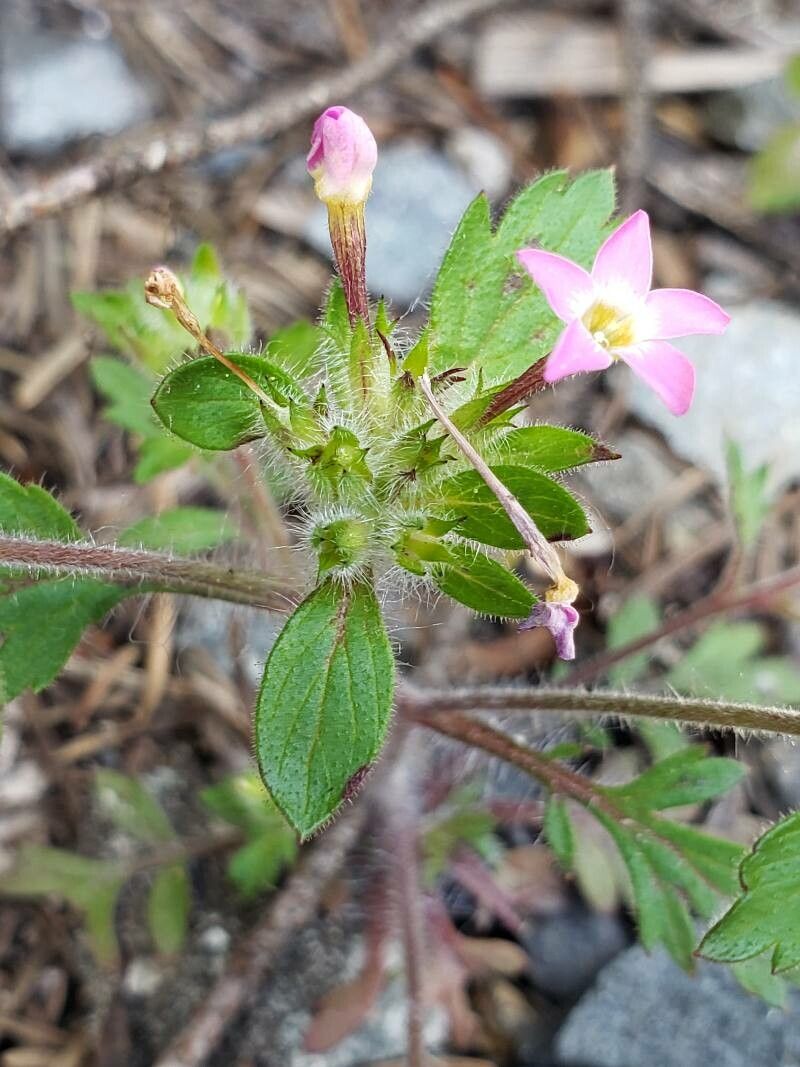
Collomia grandiflora is a western North American annual plant in the phlox family (Polemoniaceae), known by the common names grand collomia, large-flowered mountain trumpet, and large-flowered collomia. It usually appears in sandy habitats and is cultivated as an ornamental.
Grand collomia is fairly resistant to disease and, in most cases, does not tend to get sick. Nevertheless, it can be affected by pests and diseases present in its environment. These problems are typically not serious. As for care, the plant requires a moderate level of maintenance. It should be pruned on a regular basis to preserve a neat appearance and encourage healthy growth. Fertilizing can also aid in stimulating flowering. Grand collomia is well suited for anyone with an outdoor area, like a garden or patio, and does not demand extensive horticultural experience. It may need extra care if kept indoors.
How to keep Collomia Grandiflora.
Light
Grand collomia prefers plentiful light, which encourages vigorous growth and improves its flowering. It does well in locations that receive a generous amount of sunlight daily. During the initial establishment phase it may require strong light exposure. It can become stunted or produce few flowers when exposed to suboptimal lighting.
Water
The grand collomia thrives best in soil that remains evenly moist and typically needs moderate watering, about once a week. While it benefits from natural rainfall in temperate regions, it may require additional watering during dry periods. Ensuring proper hydration is essential for abundant flowering throughout its growing season.
Temperature
Grand collomia is native to climates where temperatures range from 68 to 95°F (20 to 35 ℃). It does best in these conditions and may need extra heat in cooler months, while in warmer seasons it could require shade or cooling measures.
Fertilizer
When most of Grand collomia's blooms have opened to full size, resume fertilizing. Around the period of peak bloom production, fertilize every three to four weeks, weather permitting. Once Grand collomia begins producing fewer new blooms, stop fertilizing; there's no need to fertilize when the plant can no longer produce additional blooms.
Pruning
To help Grand Collomia thrive, it's important to regularly prune the plant, especially from early to late spring. Start by removing any dead stems and thinning out dense areas to improve air circulation and reduce the risk of disease. Be sure to make clean cuts just above the leaf nodes; this will promote new growth and lead to healthier, longer-lasting blooms.
Pot & Repot
When repotting Grand collomia, choose a pot that is 1-2 inches (2.5–5.1 cm) larger in diameter and has good drainage. Use a well-draining potting mix and consider adding perlite for extra drainage. Repot in spring or early summer, water thoroughly afterward, and place it in a shady spot at first.
Botanical profile.
- Plant Type
- Herb
- Life Cycle
- Annual
- Genus
- Collomia
- Family
- Polemoniaceae
- Hardiness Zone
- 6-9
- Mature Height
- 10 cm to 91 cm
- Mature Spread
- 46 cm
- Leaf Color
- Green
- Leaf Type
- Deciduous
- Flower Color
- Orange, Pink
- Flower Size
- 2.03 cm to 3.05 cm
- Bloom Time
- Early summer, Mid summer
- Planting Time
- Spring, Summer
- Harvest Time
- Late summer, Early fall
Other names.
Reader questions.
How should I water my Grand collomia plant?
To water Grand collomia, there are several options you can use. You can use a garden hose with a spray nozzle, a watering can, or any common watering tool that you have on hand. When it comes to the type of water you use, Grand collomia is not too picky. It can survive and thrive with rainwater, tap water, or filtered water. However, it's best to avoid watering this plant from overhead, as it can harm the leaves and flowers and potentially cause disease. Instead, a drip irrigation system is often the recommended method. These systems are ideal for Grand collomia because they distribute water evenly and directly into the soil. If you have a Grand collomia growing in a container, the watering approach is similar but with different tools. You can use a cup, watering can, or your tap to apply water directly to the soil.
What are the sunlight requirements for Grand Collomia?
Grand Collomia requires full sun, meaning it needs above 6 hours of sunlight daily to thrive. It's important to watch how sunlight moves through your garden and choose spots that provide a perfect balance of light and shade, ensuring the plant's happiness. Abundant illumination supports robust growth and enhances efflorescence in Grand Collomia. Initially, it might need robust light exposure to establish well, and it can stagnate or have poor flower production under suboptimal lighting conditions.
What are the ideal growing conditions for Grand collomia?
Grand collomia thrives in climates where temperatures range from 68 to 95°F (20 to 35°C). It performs best under these conditions, but during cooler months, it may need additional heat, and in warmer seasons, cooling processes or shade might be necessary. Although Grand collomia has significant cold resistance, meaning special frost protection measures aren't typically required, it's crucial to provide cold protection if winter temperatures are expected to drop below -25°C by covering the plant with materials like soil or straw. Additionally, watering the plant abundantly before the first freeze in autumn, to ensure the soil stays moist and enters a frozen state, can help prevent winter and early spring drought and water scarcity.
What should I do if I give my Grand collomia plant too much water or too little water?
To solve the problem of underwatering your Grand collomia, water it more regularly when you notice it lacks moisture. However, overwatering can be a bigger issue as it can lead to diseases and death. To prevent this, choose a growing location that gets plenty of sunlight, allowing the soil to dry out, and has good drainage to avoid water accumulation. If you overwater your potted Grand collomia, consider repotting it with loose soil and using a pot that drains well. This can help improve drainage and prevent overwatering.
Can artificial lighting be used for Grand Collomia, and how?
Yes, artificial lighting can be used for Grand Collomia, especially when natural sunlight is insufficient, like in winter or less sunny spaces. Adequate artificial lighting promotes faster, healthier growth. LED lights are recommended because they can provide specific wavelengths needed by your plants. Full sun plants need 30-50W/sq ft, partial sun 20-30W/sq ft, and full shade plants 10-20W/sq ft of artificial light. The light source should be placed 12-36 inches above the plant to mimic natural sunlight, and most plants need 8-12 hours of light per day.
How does Grand collomia respond to low temperatures and what solutions are recommended?
Grand collomia is cold-tolerant, best flourishing when the temperature remains above 20°C and should be maintained above 0°C during winter. In cases where temperatures fall below -25°C, although no noticeable changes may occur in winter, there could be a decrease in sprouting or even a complete lack of sprouting in spring. The recommended solution for such situations is to remove any parts of the plant that have failed to sprout in spring.
How often do I need to water my Grand collomia?
To keep your Grand collomia healthy, remember to water it regularly. In the spring, watering once a week is sufficient. However, as the weather gets warmer, you may need to increase watering to two or three times a week. Be careful not to overwater, as this can harm your plant. It's important to keep the soil moist but not soaked. If your Grand collomia is in a pot, the watering schedule will be different. Potted plants tend to dry out faster, so you'll need to water them more frequently. Generally, watering a container-grown Grand collomia a few times a week is recommended, compared to just once a week for plants growing in the ground.
What are the symptoms of insufficient light in Grand Collomia?
Symptoms of insufficient light in Grand Collomia include small leaves, leggy or sparse growth, faster leaf drop, slower or no new growth, and lighter-colored new leaves. Conditions like chlorosis, sunscald, leaf curling, wilting, and leaf scorching can also occur, indicating too much sunlight exposure or insufficient light. These symptoms demonstrate the plant's inability to flourish under poor lighting conditions.
What should be done if Grand collomia is exposed to high temperatures?
During the summer, it's essential to ensure that Grand collomia's temperature does not exceed 35°C. Temperatures above 38°C can cause the leaves to lighten in color, curl, and become susceptible to sunburn; in severe cases, the entire plant may wilt and dry out. To mitigate these effects, trim away any sunburned and dried parts, move the plant to a shaded area away from the midday and afternoon sun, or use a shade cloth. Additionally, watering the plant in the morning and evening can help keep the soil adequately moist.
How much water does my Grand Collomia plant require?
Determining how much water to give your Grand collomia can be approached in a few different ways. One method is to assess moisture levels in the soil by feeling it, and watering until the top six inches feel moist. Another approach is to use a set measurement, such as about two gallons per week, taking into account factors like heat and soil dryness. However, be cautious not to overwater if your plant requires less. In the case of container-grown Grand collomia, you need to moisten all dry soil layers, which can be checked by sticking your finger in the soil or watering until excess water begins to drain from the pot.
What solutions can rectify insufficient light for Grand Collomia?
To address insufficient light, gradually move the plants to a sunnier location each week until they receive at least 6 hours of direct sunlight. Use south-facing windows and keep curtains open for maximum exposure. Artificial light can help if the plant is large or not easily movable. Gradual adaptation to sunlight is crucial to prevent sunburn. For outdoor plants, move them to sunnier spots gradually. If trees block sunlight, consider pruning them. Transplanting smaller plants during their dormant period to a location with ample sunlight and good drainage can also help. Remember, parts of the plant affected by insufficient light may not recover, but new growth should be healthy with increased light exposure.
How can I know if I'm giving enough water to my Grand collomia?
Knowing how to properly water your Grand collomia can be a bit tricky. While they do need to be watered weekly to keep their deep roots hydrated, overwatering can lead to root rot and browning of the plant. Underwatering is not as much of a concern since Grand collomia can survive without much water for a while. However, if you neglect to water it for too long, it will start to wilt and its leaves will become dry.