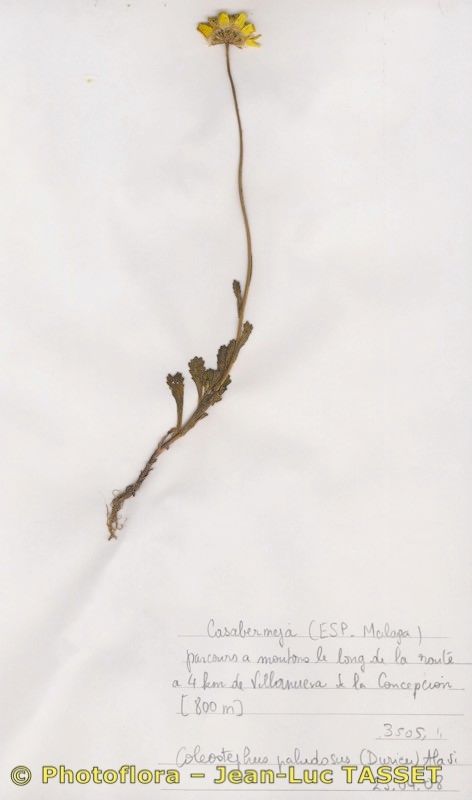
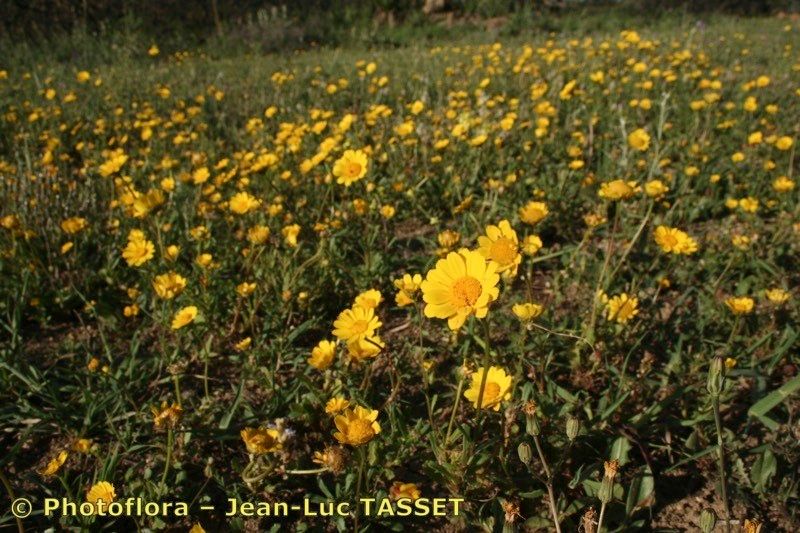
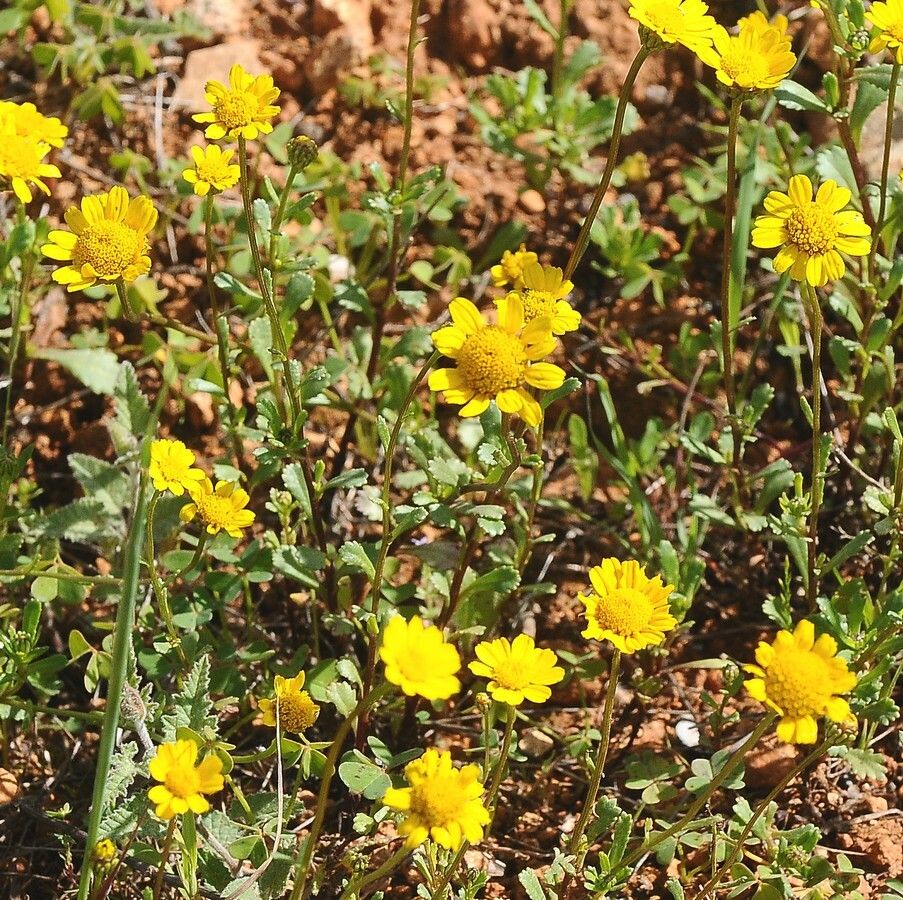
Fen marigold is relatively disease-resistant and typically not prone to illnesses. Still, it can be affected by pests and diseases present in its environment. These problems are usually mild. For care, this plant needs a moderate amount of attention. It should be pruned regularly to keep a good appearance and to promote healthy growth. Applying fertilizer can also encourage flowering. Fen marigold is well suited to anyone with outdoor space, such as a garden or patio, and does not demand much gardening experience. It may need more care if grown indoors.
How to keep Coleostephus Paludosus.
Light
Fen marigold is a plant that hails from vibrant, open spaces where it excels in complete sunshine. It can endure semi-shade but ideally grows under full sunlight. As an annual and biennial plant, it is recognized for its affinity for sun.
Temperature
The Fen marigold shows significant resilience to temperature, capable of enduring elevated temperatures and broad temperature fluctuations. It's crucial to ensure sufficient watering and suitable shading during periods of high temperature to avoid sun scorch. Despite this, the Fen marigold's tolerance to cooler temperatures is relatively inadequate. It can resist mild cold, but extremely chilly conditions could cause frost harm.
Fertilizer
When Fen marigold has largely opened its flowers to their full capacity, it signals the necessity to recommence fertilization. Initiate the fertilization process again every three to four weeks as the conditions of the weather allow, especially during the maximum flowering period. However, when the Fen marigold starts to produce less new flowers, bring the fertilizing to a halt, as it is needless to fertilize when the plant isn't capable of producing additional blooms.
Pruning
The Fen marigold is known for its bright yellow, daisy-like flowers. To encourage bushier growth and continuous blooming, it is important to regularly deadhead spent flowers and prune in the spring. Removing any diseased parts can also boost the plant's vigor. Pruning effectively not only improves the plant's appearance but also increases blossom production. It's essential to use clean, sharp tools during pruning to prevent the spread of diseases.
Botanical profile.
- Plant Type
- Herb
- Life Cycle
- Annual
- Genus
- Coleostephus
- Family
- Asteraceae
- Hardiness Zone
- 7-10
- Mature Height
- 30 cm to 61 cm
- Mature Spread
- 20 cm to 40 cm
- Leaf Color
- Green, Dark Green
- Leaf Type
- Evergreen
- Flower Color
- Yellow
- Flower Size
- 3.05 cm to 5.08 cm
- Bloom Time
- Summer
- Planting Time
- Spring, Summer, Autumn
- Harvest Time
- Late summer, Early fall, Mid fall
- Native Area
- Libya, Tunisia, Italy, Algeria, Portugal