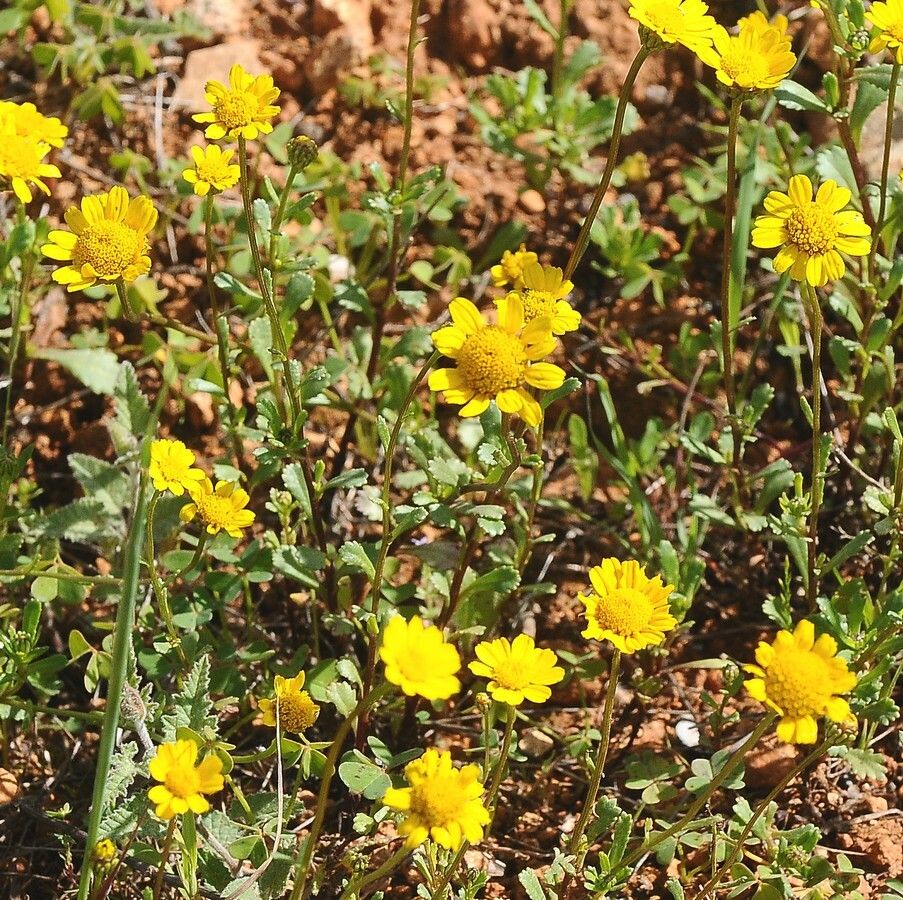
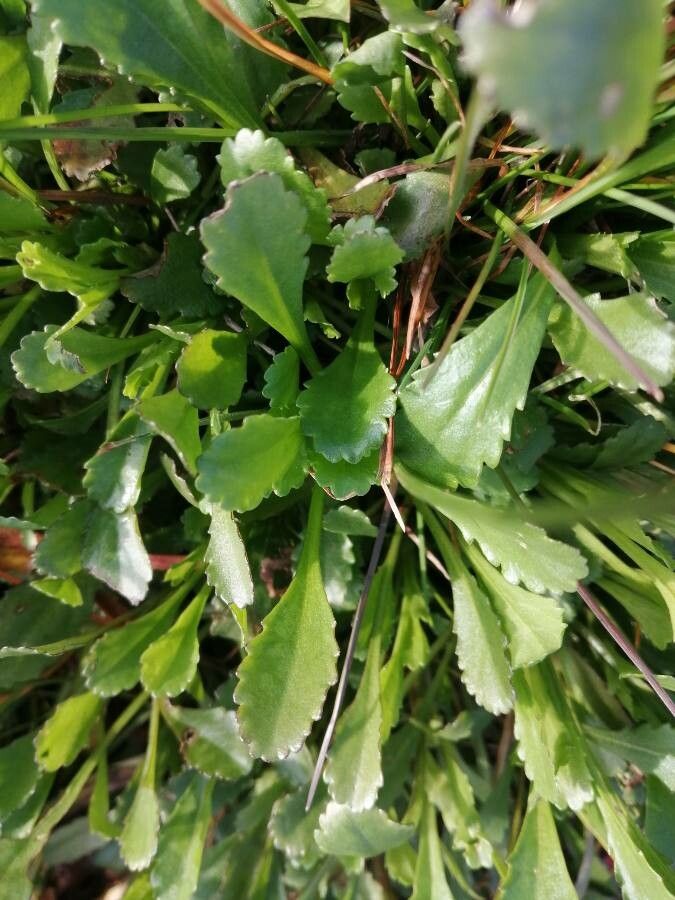
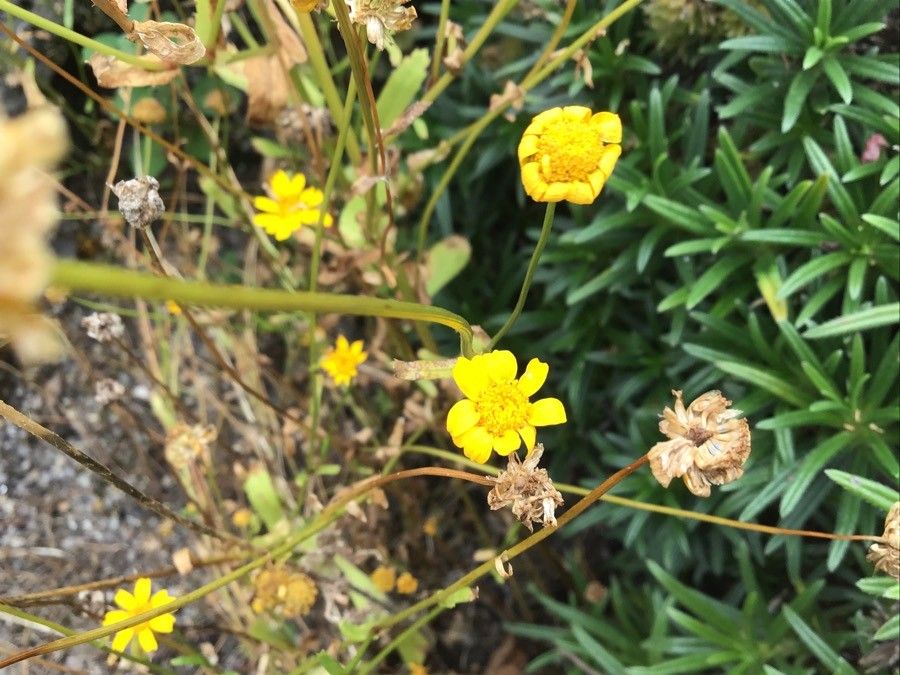
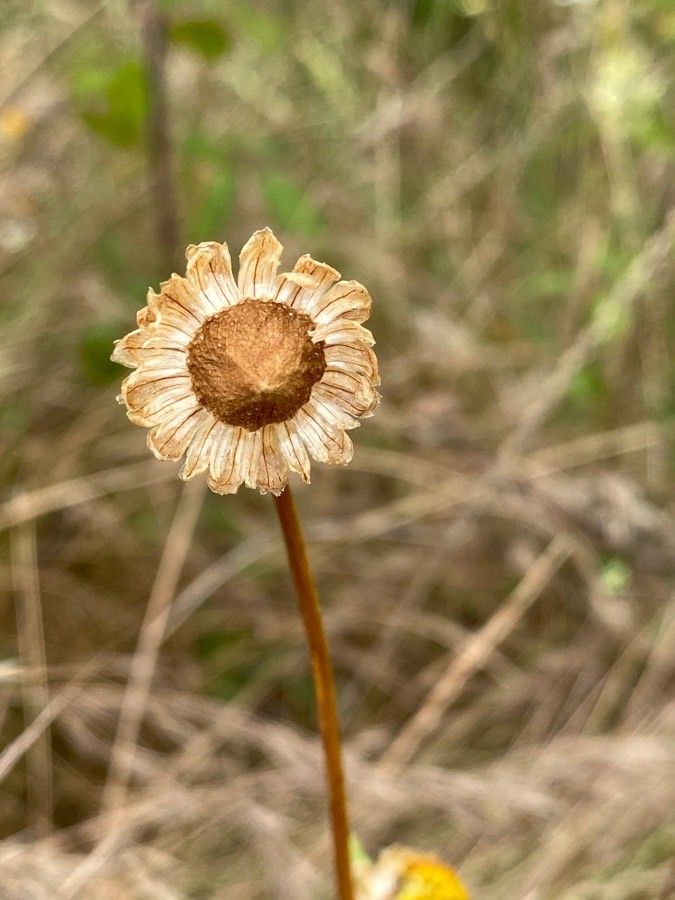
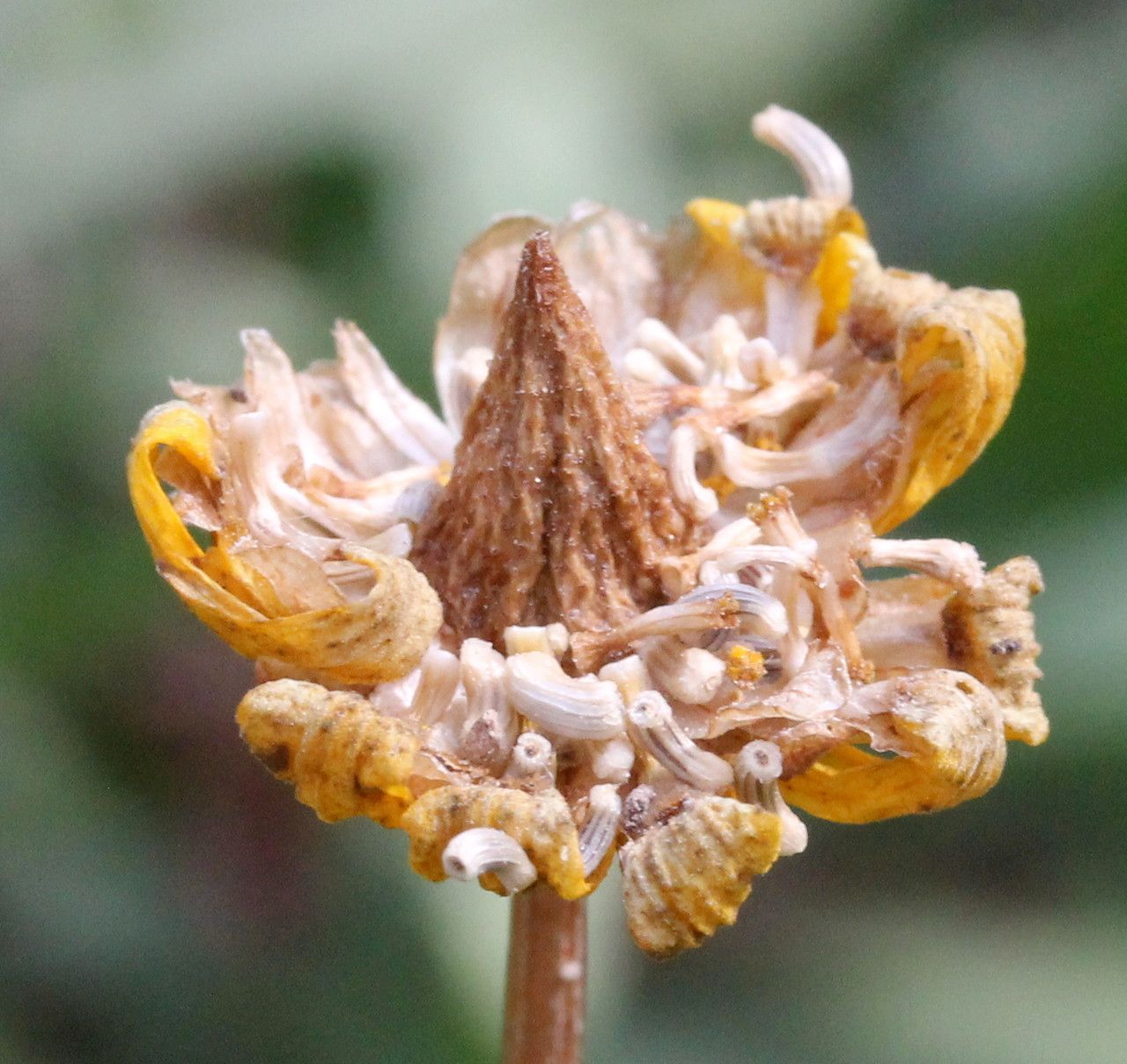
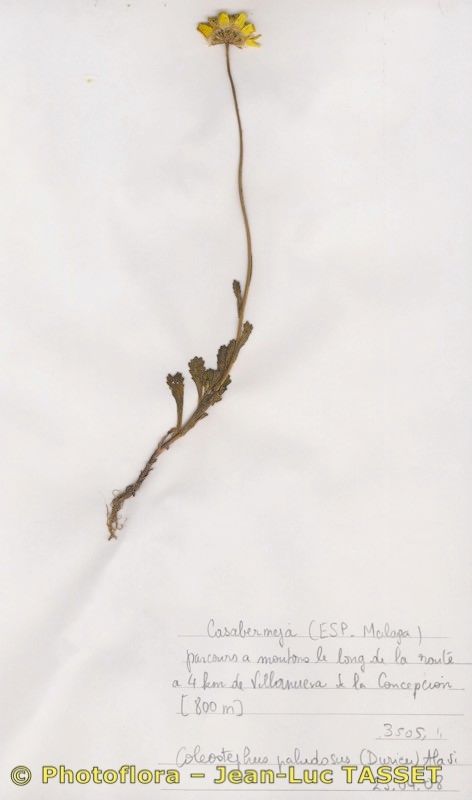
Coleostephus myconis, commonly known as the golden crownbeard, is a species of flowering plant in the Asteraceae family. Native to North America, this plant thrives in diverse habitats, including prairies, meadows, and roadsides. It typically grows up to 3 feet tall and produces yellow flowers that bloom from late summer to early fall. The leaves are narrow, toothed, and have a slightly hairy texture.
The golden crownbeard serves as a vital source of nectar for bees, butterflies, and other pollinators. Additionally, it boasts medicinal properties that Native Americans have utilized for centuries to treat ailments such as fever and respiratory problems.
This plant is easy to grow in gardens or natural areas with well-drained soil and full sun exposure. It can be propagated by seeds or cuttings during the spring or fall seasons.
Overall, Coleostephus myconis is a beautiful wildflower that enhances natural landscapes with its vibrant color while providing essential ecological benefits for pollinators.
Mediterranean marigold is fairly resistant to disease and generally not easily affected by illnesses. Still, it can be vulnerable to pests and pathogens present in its environment. Such infections are typically mild. In care terms, the plant needs moderate maintenance. Regular pruning is needed to keep a tidy appearance and support healthy growth. Fertilizing can also encourage more flowering. Mediterranean marigold is appropriate for anyone with outdoor spaces like a garden or patio and does not require extensive gardening experience. It may need greater attention if grown indoors.
How to keep Coleostephus Myconis.
Light
Mediterranean marigold originates in bright, open habitats and flourishes in full sun. It can tolerate partial sun but favors direct sunlight for optimal growth. This plant, which appears as an annual or biennial, is noted for its sun-loving nature.
Water
The Mediterranean marigold thrives in Mediterranean climates and prefers conditions with moderate water availability and balanced moisture. It needs to be watered weekly, with more frequent watering required during its active growing season to support flowering. This species is not especially drought-tolerant.
Temperature
Native to Mediterranean climates, the Mediterranean marigold thrives at temperatures of 68 to 100.4°F (20 to 38℃). In cooler seasons, keeping a warm indoor environment is recommended to sustain development.
Fertilizer
When most of the Mediterranean marigold's blooms have fully opened, resume fertilizing. Around the peak flowering period, apply fertilizer every three to four weeks, weather permitting. Then, once the plant begins to produce fewer new blooms, stop fertilizing; there is no need to feed it when it can no longer produce additional flowers.
Pruning
The Mediterranean marigold is known for its bright, daisy-like flowers. To keep the plant healthy and encourage more blooms, it requires pruning from early to late spring. Be sure to trim any faded flowers to stimulate new growth, and remove any dead stems to maintain the plant's health. Pruning not only promotes bushier growth but also rejuvenates the plant, ensuring it remains vibrant and tidy. Make cuts just above leaf nodes or buds for the best results.
Botanical profile.
- Plant Type
- Herb
- Life Cycle
- Annual
- Genus
- Coleostephus
- Family
- Asteraceae
- Hardiness Zone
- 8-11
- Mature Height
- 20 cm to 49 cm
- Mature Spread
- 20 cm to 40 cm
- Leaf Color
- Green, Dark Green
- Leaf Type
- Semi-evergreen
- Flower Color
- White, Yellow
- Flower Size
- 2.03 cm to 3.05 cm
- Bloom Time
- Mid spring, Late spring, Early summer
- Planting Time
- Spring, Summer, Autumn
- Harvest Time
- Summer
Other names.
Reader questions.
How should I water my Mediterranean marigold plant?
Watering Mediterranean marigold is easy and flexible. You can use a garden hose with a spray nozzle, a watering can, or any other common watering tool that you have. The plant is not too picky about the source of water, so rainwater, tap water, or filtered water will all work fine. However, avoid watering from overhead to prevent damage to the leaves and flowers, and to reduce the risk of disease. For the best results, consider setting up a drip irrigation system, which evenly and directly applies water to the soil. If you have a container-grown Mediterranean marigold, the same watering approach can be used, but using a cup, watering can, or tap to water directly onto the soil.
What are the sunlight requirements for Mediterranean marigold?
Mediterranean marigold thrives in bright, open environments and requires full sun, which means it needs above 6 hours of sunlight daily for optimal growth. It can tolerate partial sun, approximately 3-6 hours of sunlight, but prefers direct sunlight. When planning your garden, it's crucial to watch how sunlight moves through the area to select spots that provide an ideal balance of light and shade, ensuring your plants' health and happiness.
What is the native climate of Mediterranean marigold and its ideal temperature range for growth?
Mediterranean marigold, botanically known as Coleostephus myconis, thrives in Mediterranean climates. It flourishes in temperatures ranging between 68 to 100.4°F (20 to 38°C). To sustain its development in cooler seasons, maintaining a warm indoor environment is advisable.
What do I do if I give too much or too little water to my Mediterranean marigold?
If you notice that your Mediterranean marigold is lacking moisture, the remedy is simple: start watering it more often. However, overwatering can be a serious issue if not caught early. Overwatered marigolds can develop diseases that can ultimately cause their decline and death. To prevent this, choose a growing location with plenty of sunlight to dry out the soil and good drainage to prevent water from pooling. If you have overwatered marigolds in a pot, consider transferring them to a new pot with better drainage. When repotting, use loose soil and a pot that drains efficiently.
How do indoor plants benefit from artificial lighting?
Indoor plants require adequate lighting for optimal growth, especially when natural sunlight is insufficient. Artificial lights, like LED lights which can be customized to provide specific wavelengths, offer a vital solution. For plants that love full sun, 30-50W/sq ft of artificial light is needed, while partial sun plants require 20-30W/sq ft, and full shade plants need 10-20W/sq ft. The light source should be placed 12-36 inches above the plant to mimic natural sunlight, and most plants need 8-12 hours of light per day to mimic natural daylight hours.
What measures should be taken to protect Mediterranean marigold in temperatures below 0°C?
Mediterranean marigold exhibits some level of cold tolerance and generally does not require protective measures when the temperature is above 0°C. However, if temperatures are expected to fall below 0°C, it's necessary to temporarily protect the plant. This can be done by wrapping the plant with materials such as plastic film, fabric, or other insulating materials. Once temperatures rise again, these protective measures should be removed promptly.
How often do I need to water my Mediterranean marigold?
To care for your Mediterranean marigold, it is important to water it regularly. During the growing season, watering once per week is sufficient. However, as the weather gets warmer, you may need to increase watering to two to three times per week. Be careful not to exceed this rate, as too much water can harm the plant. Regardless of watering frequency, it is important to maintain moist soil without making it too wet. If you have a Mediterranean marigold in a pot, you will need to water it more frequently. Potted soil tends to dry out faster, so watering a few times per week is usually necessary compared to once per week for a plant in the ground.
What are some common symptoms of light deficiency in Mediterranean marigold?
When cultivated indoors with inadequate light, Mediterranean marigold may display several symptoms, including smaller new leaves compared to older ones, leggy or sparse growth, faster leaf drop, slower or no new growth, and lighter-colored new leaves. Other symptoms include chlorosis, where leaves lose their green color and turn yellow, sunscald from intense sunlight exposure, leaf curling as a defense mechanism against excessive sunlight, wilting due to water loss, and leaf scorching characterized by brown, dry patches on leaves.
How does low temperature affect Mediterranean marigold and what are the solutions?
Mediterranean marigold has a moderate tolerance to low temperatures but thrives best when the temperature is above 20°C. During winter, it should be kept above 0°C to prevent damage. Exposure to temperatures below -10°C can cause the leaves to droop. In mild cases, they can recover, but in severe cases, leaves wilt and may fall off. The solution involves trimming off the frost-damaged parts. Before facing low temperatures again, protect the plant by wrapping it with non-woven fabric or cloth and construct a wind barrier to shield it from cold winds.
How much water does my Mediterranean marigold require?
Determining optimal watering for your Mediterranean marigold can be approached in a few different ways. One method is to gauge soil moisture by feeling the soil, aiming to moisten the top six inches. Another approach is to measure and provide around two gallons of water per week, adjusting based on heat and soil dryness. However, strict adherence to these guidelines might result in overwatering if your plant needs less water. When growing the marigold in a container, it is necessary to apply water until all layers of dry soil are moist, which can be tested by sticking your finger in the soil or observing slight water drainage from the pot's holes.
What solutions can address light deficiency for indoor and outdoor Mediterranean marigolds?
To ensure optimal growth for indoor Mediterranean marigolds, gradually move plants to a sunnier location each week, aiming for at least 6 hours of direct sunlight daily. Use a south-facing window and keep curtains open during daylight hours. For additional light, consider using artificial light for large or immovable plants. For outdoor plants, gradually adapt them to sunlight by moving to sunnier spots each week, avoiding sudden changes that may cause sunburn. Remove obstructions like overhanging branches to allow sunlight to reach your plants, and for smaller plants, consider transplanting during their dormant period to a location with ample sunlight and good drainage.
How does high temperature affect Mediterranean marigold and what are the solutions?
Mediterranean marigold should be kept below 38°C during the summer. When the temperature exceeds 43°C, the plant may experience stress, indicated by lighter leaf color, dry and withered leaf tips, curling leaves, and increased susceptibility to sunburn. The solution to this includes trimming away sunburned and dried parts of the plant. Moving the plant to a shaded location, especially from the midday and afternoon sun, or using a shade cloth can provide necessary protection. Additionally, watering the plant in the morning and evening helps keep the soil moist and supports the plant's health in high temperatures.