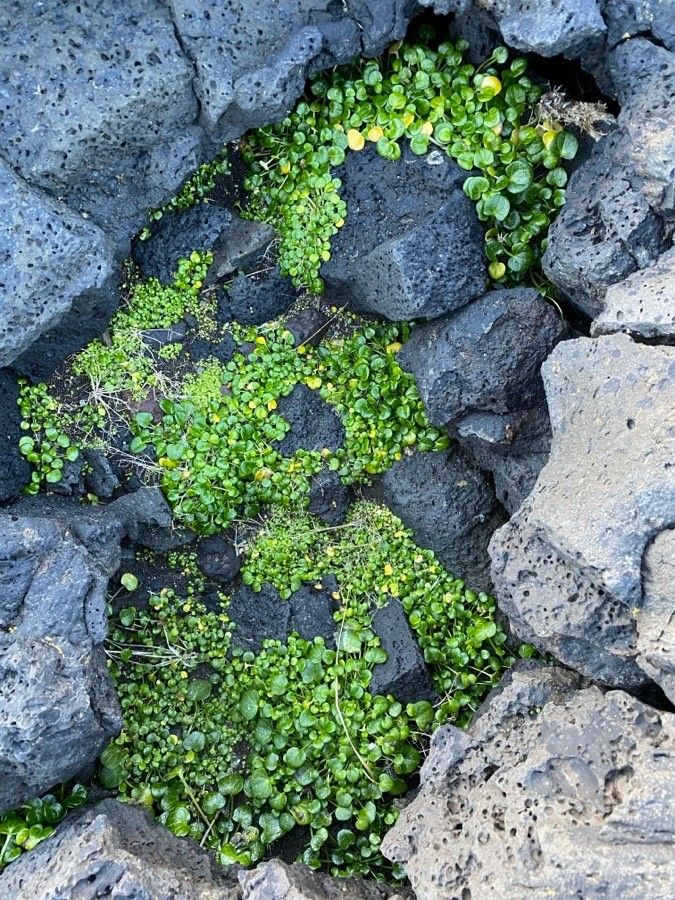
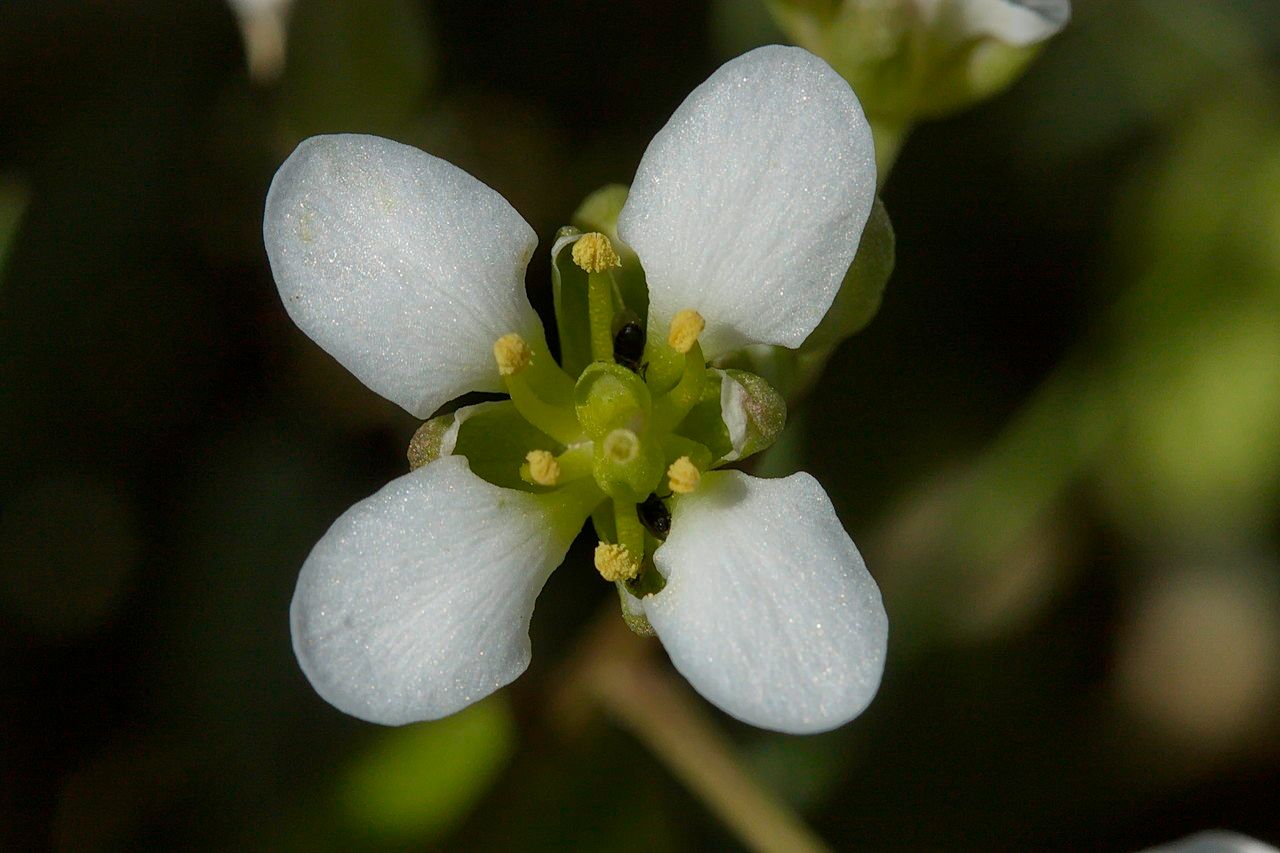
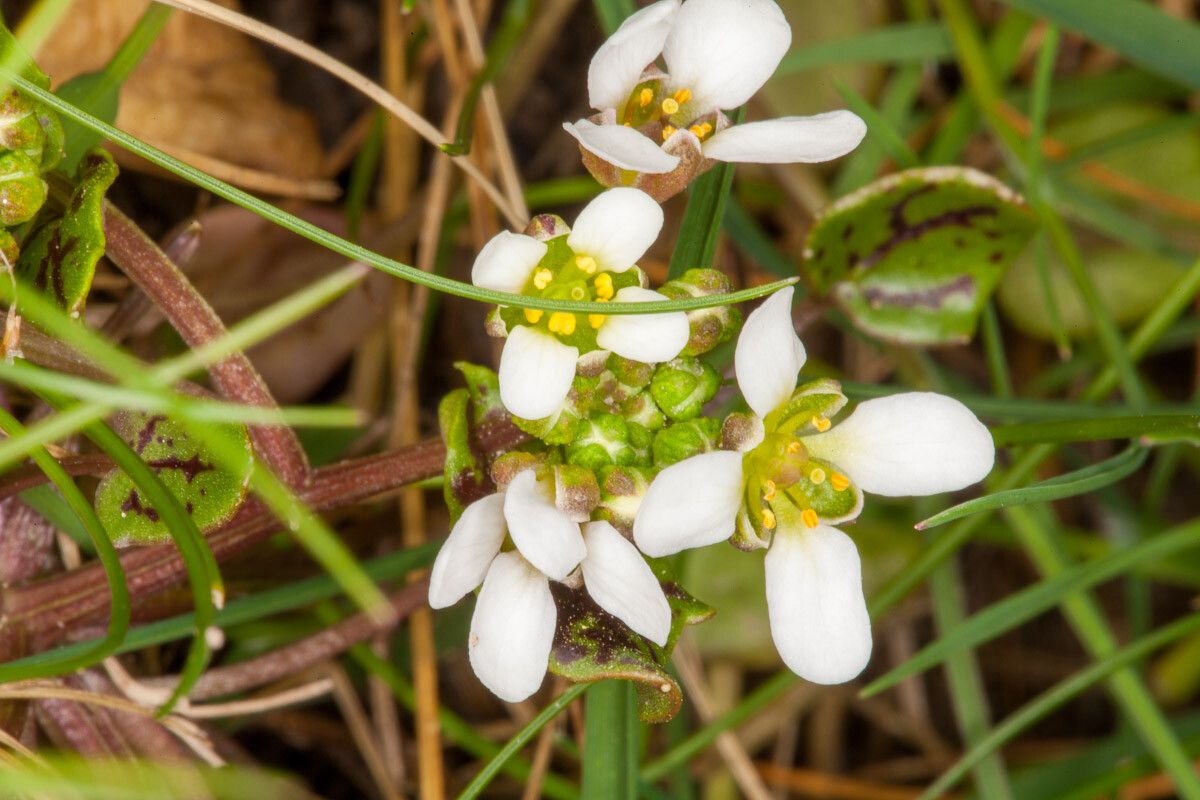
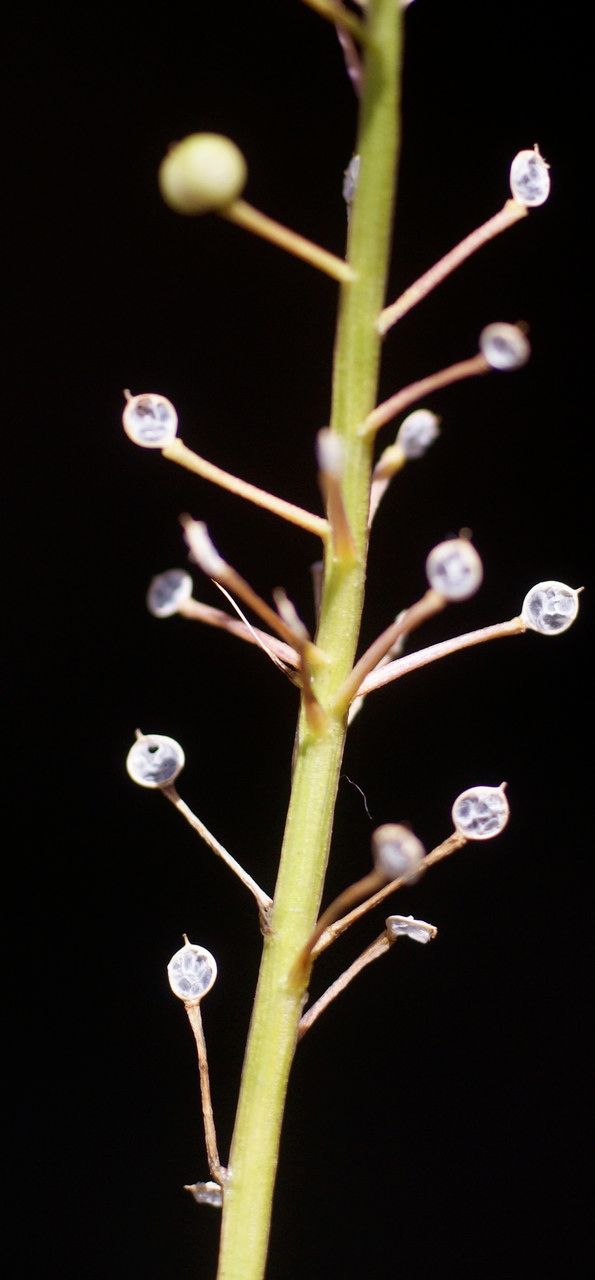
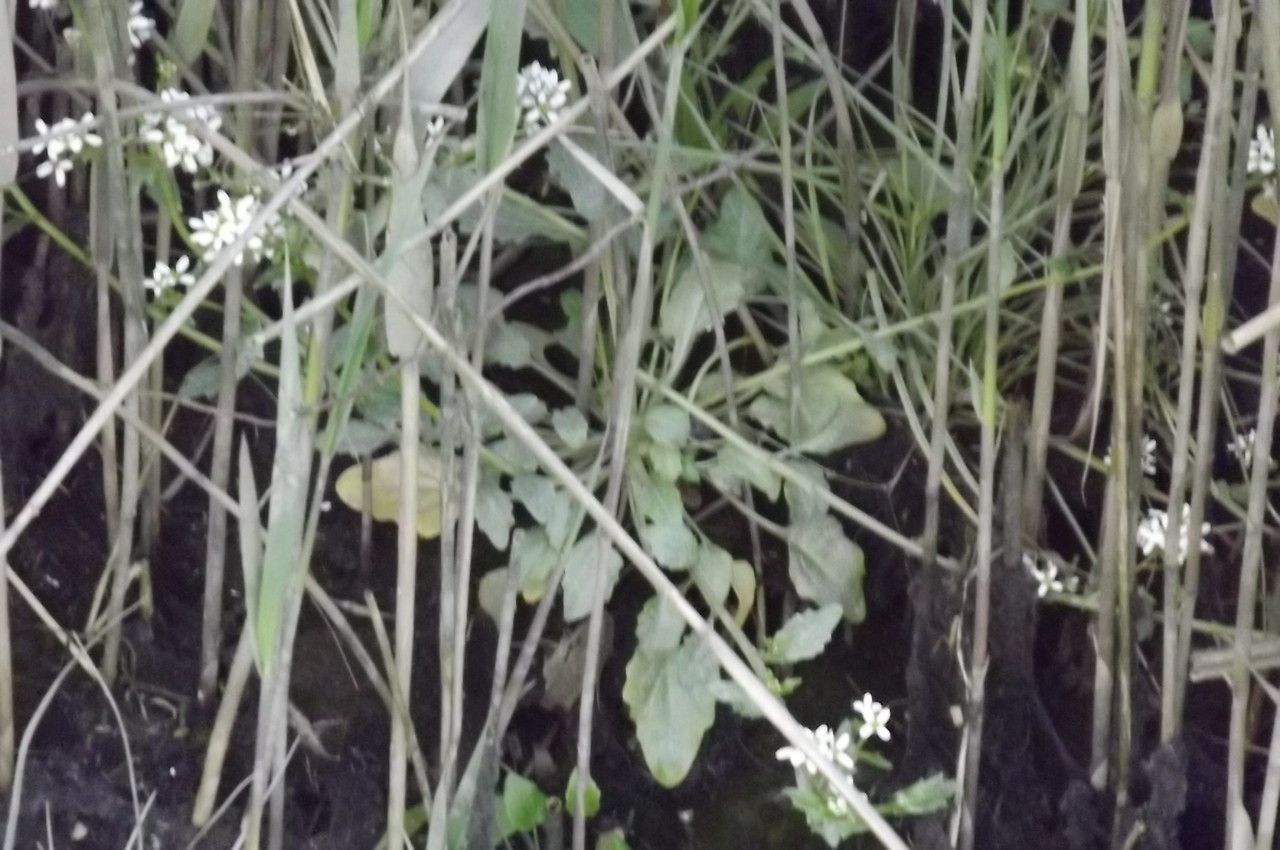
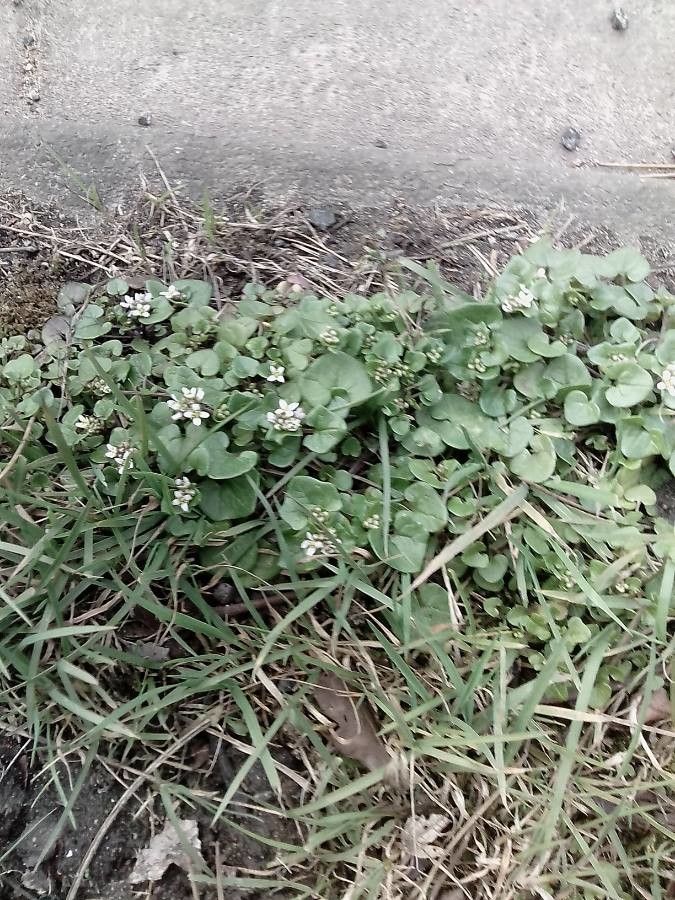
Cochlearia officinalis, commonly known as common scurvygrass, is a small herbaceous plant in the Brassicaceae family. Native to the coastal regions of Europe and Asia, it thrives in salt marshes, shingle beaches, and rocky cliffs.
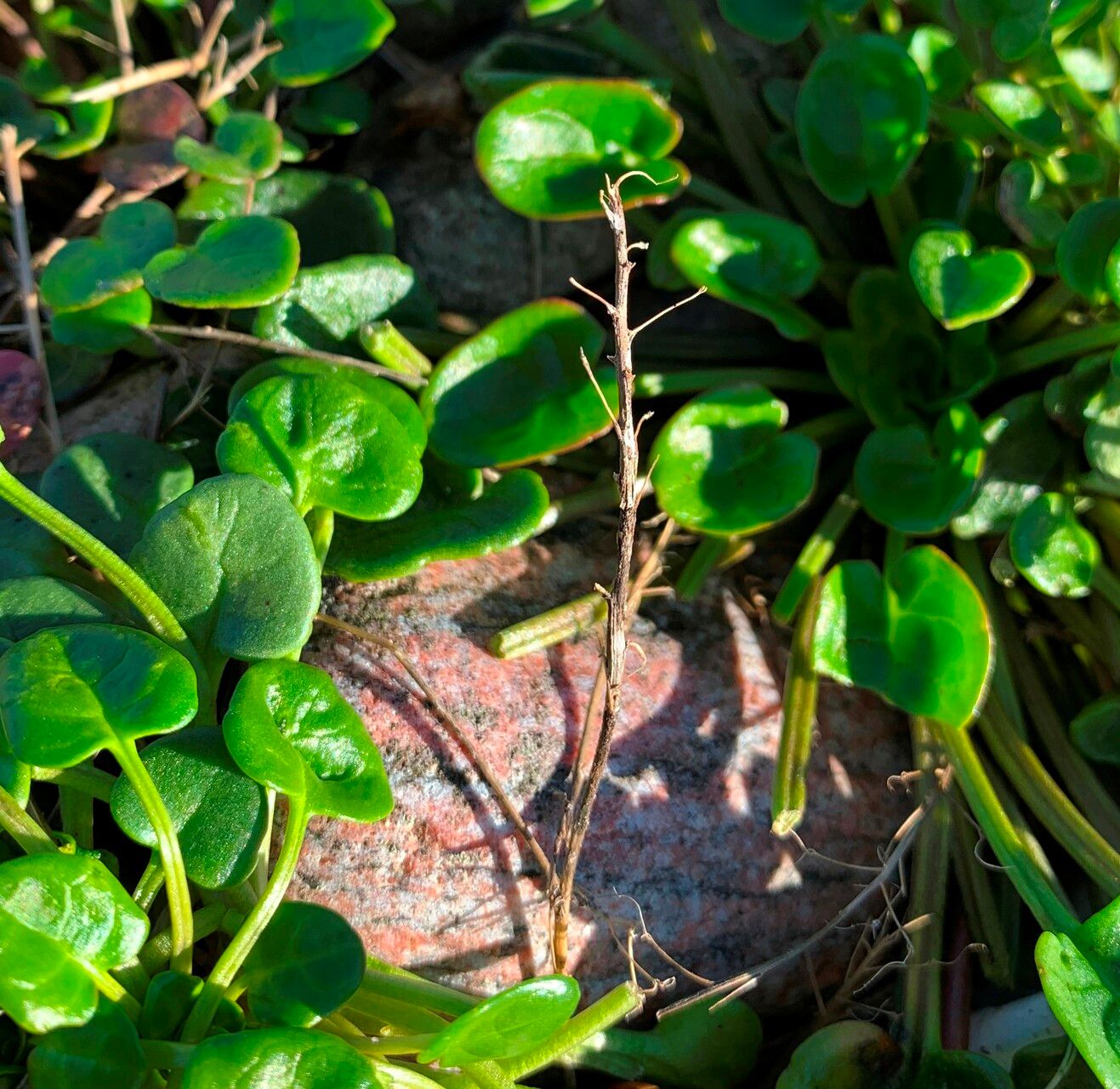
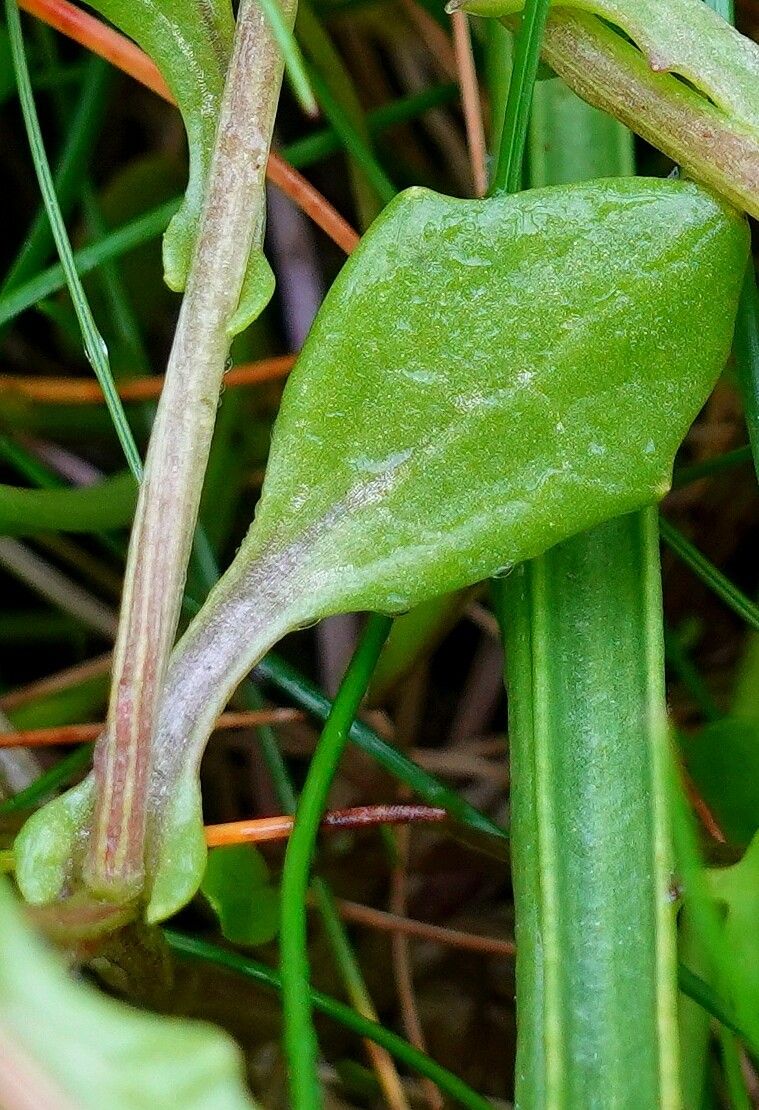
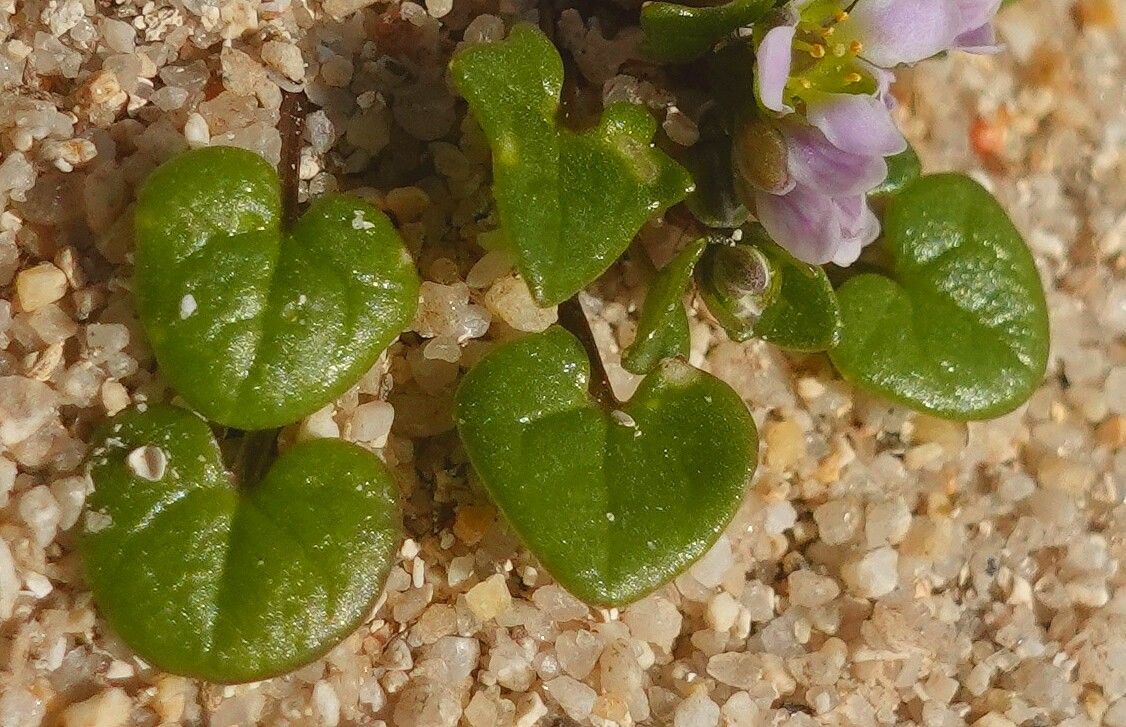
This plant features a short stem that reaches up to 20 cm in height and has fleshy, spoon-shaped leaves. The leaves are dark green with a waxy texture and possess a slightly bitter taste.
Historically, Cochlearia officinalis has been used as an herbal remedy for scurvy because of its high vitamin C content. Sailors on long sea voyages, where fresh fruits were not available, also relied on it as an antiscorbutic.
Besides its medicinal properties, common scurvygrass is employed as a culinary herb in various parts of Europe. It is often added raw or cooked to salads and soups to impart a tangy flavor.
Overall, Cochlearia officinalis is a fascinating plant with both medicinal and culinary applications, well-suited to coastal environments.
Scurvy-grass has moderate resistance to disease but can be vulnerable to problems like leaf spot. Its vulnerability to insect pests differs by variety, yet most varieties are relatively less resistant to pests. Regarding care, Scurvy-grass requires regular watering and fertilizing, along with frequent removal of yellow leaves. Pests and diseases should be managed as soon as they appear, and the plant should be harvested promptly. Scurvy-grass is best suited to people who can spare some time and energy for routine care.
How to keep Cochlearia Officinalis.
Light
Scurvy-grass comes from habitats such as forest understories or rocky areas that have natural shade. It prefers partial sunlight, though it can tolerate full sun when required. This flexibility lets it do well under different sunlight conditions.
Water
Scurvy-grass thrives in moist coastal habitats and prefers consistent moisture. To grow well, it needs to be watered weekly, though it can withstand brief periods of dryness. Natural rainfall aids its growth, making scurvy-grass ideal for outdoor cultivation.
Temperature
Scurvy-grass prefers moderate temperatures, about the same range most people feel comfortable in. It does best in conditions that are not excessively hot or cold. Excessive heat mainly poses a risk of sunburn, so providing some shade in summer is recommended to avoid overheating. When temperatures fall, Scurvy-grass becomes dormant; to keep it growing year-round you must keep winter temperatures higher. Frost can harm the plant and should be avoided.
Fertilizer
To get the best yield and flavor from Scurvy-grass, provide plenty of nitrogen throughout the entire growth period, from before planting through harvest. Plants that are well watered and fertilized develop abundant, healthy leaves and show less bitterness. Before planting, improve the soil by adding organic matter such as compost or manure, preferably 2 to 8 weeks ahead.
Pruning
Scurvy-grass is known for its fleshy leaves and ability to tolerate salt. To keep it healthy and looking its best, it should be pruned regularly from early to late spring. This practice promotes fresh growth, prevents diseases, and improves airflow and sunlight penetration, enhancing both its health and aesthetic appeal, according to reputable sources.
Botanical profile.
- Plant Type
- Herb
- Life Cycle
- Biennial, Perennial
- Genus
- Cochlearia
- Family
- Brassicaceae
- Hardiness Zone
- 5-8
- Mature Height
- 10 cm to 49 cm
- Mature Spread
- 2 cm to 5 cm
- Leaf Color
- Dark Green, Forest Green
- Leaf Type
- Semi-evergreen
- Flower Color
- White
- Flower Size
- 0.25 cm
- Bloom Time
- Spring
- Planting Time
- Spring
- Harvest Time
- Summer
Other names.
Reader questions.
How should I water my Scurvy-grass?
To keep the Scurvy-grass healthy, it's best to use filtered water at room temperature when watering. Tap water can have harmful particles, so filtered water is recommended. The water should be at room temperature or slightly warmer to avoid shocking the plant, as it comes from a warm environment. Avoid watering from above, as it can cause problems with the leaves. Instead, water the soil directly until it's completely soaked. This helps to keep the roots moist and allows them to spread and gather the necessary nutrients.
What should I do if I give my Scurvy-grass too much or too little water?
Overwatering is a more common problem than underwatering for Scurvy-grass. When overwatered, the plant's stems and leaves can wilt and turn yellow, and it may develop root rot, mold, or mildew, which can be fatal. While underwatering is less common, it can cause the leaves to become brittle and brown. It is important to notice signs of overwatering early as some diseases cannot be fixed if left too long. If overwatering is detected, reduce watering and check the soil's drainage. If the soil does not drain well, replace it with a loose, well-draining potting mix. If underwatering is the issue, water the plant more regularly until signs improve.
How many times a week should I water my Scurvy-grass?
If your Scurvy-grass plant is in a pot, you can check if it needs water by sticking your finger into the soil. If the top two to three inches of soil are dry, it's time to water it. If you're growing the Scurvy-grass outdoors in the ground, you can use the same method to test the soil. Once the first few inches of soil have dried out, it's time to water. Typically, you'll need to water this plant about once a week during spring and early fall. However, in extremely hot weather, you may need to water it twice or more per week. It's worth noting that mature Scurvy-grass plants have a great ability to withstand drought.
How much water does my Scurvy-grass plant need?
When watering your Scurvy-grass, it is important not to be stingy with the amount of water you give. Make sure the first two to three inches of soil are dry before watering. Give the plant a good, thorough watering until the soil is completely soaked. The water should be enough to cause excess water to drain through the bottom of the pot. If you don't see excess water draining, you have likely not watered enough. However, be careful not to let water accumulate in the soil, as this can be harmful to the plant. On the other hand, if water is not draining properly, it could indicate poor soil drainage, which is bad for the plant's health. If the plant is outside, it should receive about 1 inch of rain per week, which is sufficient.
How should I water my Scurvy-grass as it grows?
The water needs of Scurvy-grass change depending on its growth stages. When it is newly planted or in its early years, it requires more water due to the energy it uses to develop new roots. These roots need additional moisture to support future growth. However, as Scurvy-grass matures, it requires less water. Another stage that may demand more water is during the bloom period, as flower development utilizes a significant amount of moisture.
How do I water my Scurvy-grass throughout the year?
The Scurvy-grass has high water needs during the hottest months of the year, especially in the height of summer. Depending on how quickly the soil dries out, you may need to water this plant more than once per week. However, during winter, the plant goes into a dormant phase and requires much less water. In fact, you may not need to water it at all during the winter months. If you do choose to water during winter, avoid doing so more than once per month to prevent the plant from getting sick.
What's the difference between watering my Scurvy-grass inside and outside?
For gardeners living in non-temperate or tropical regions, growing Scurvy-grass indoors is the most common practice. However, it's important to note that soil in containers dries out faster compared to ground soil. Additional drying elements, such as air conditioning units, can further increase the frequency at which water is needed for Scurvy-grass when grown indoors. On the other hand, if the plant is grown outside, the need for watering is likely to be minimal unless you are experiencing a lack of regular rainfall. In that case, you may need to provide additional watering to ensure the plant's survival. Indoor growers, on the other hand, will need to water the Scurvy-grass more frequently as relying solely on rainfall is not an option.