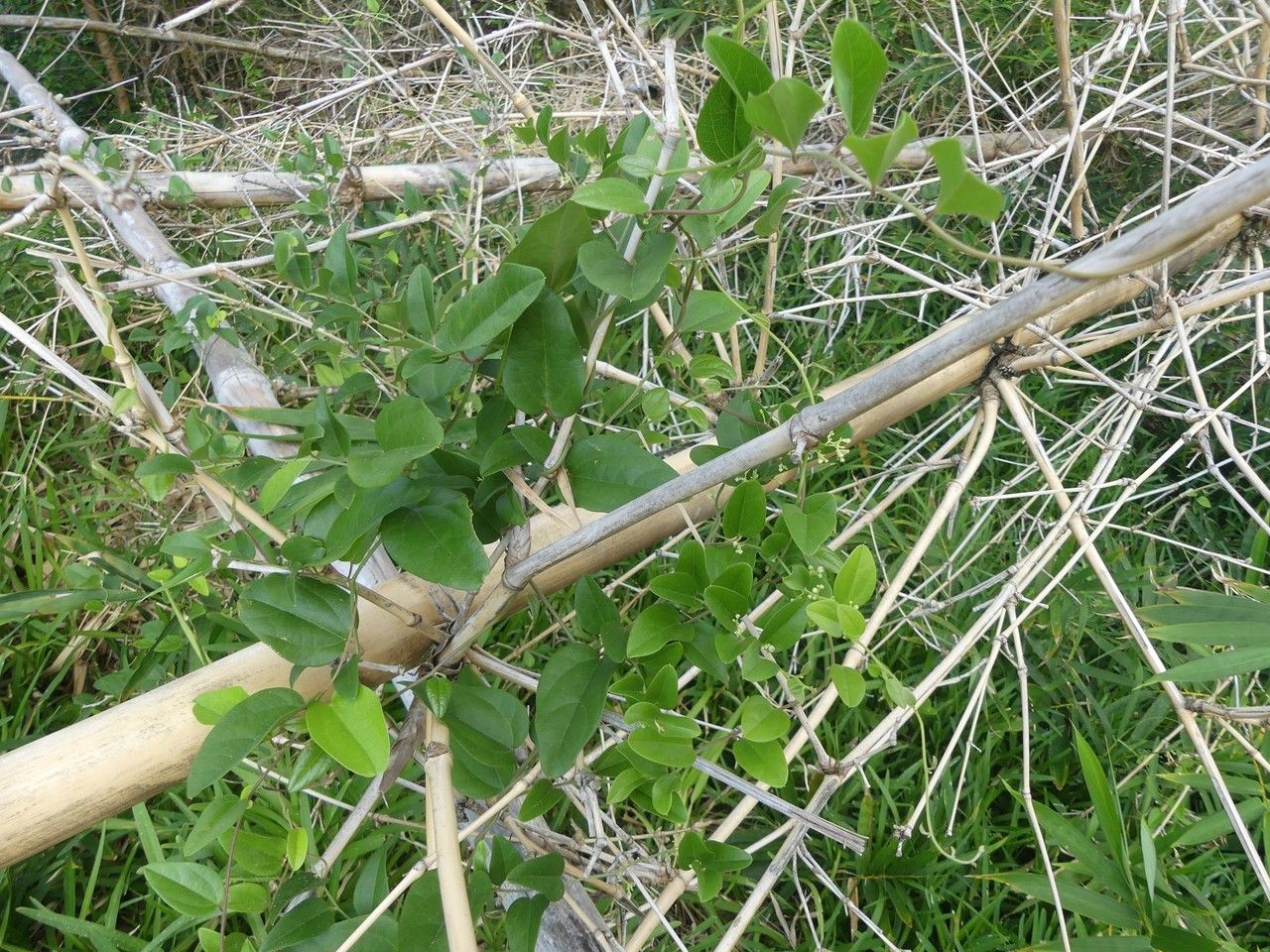
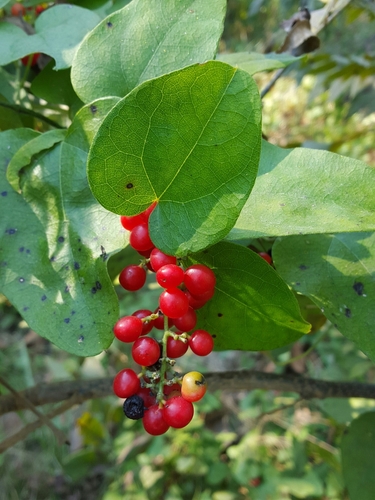
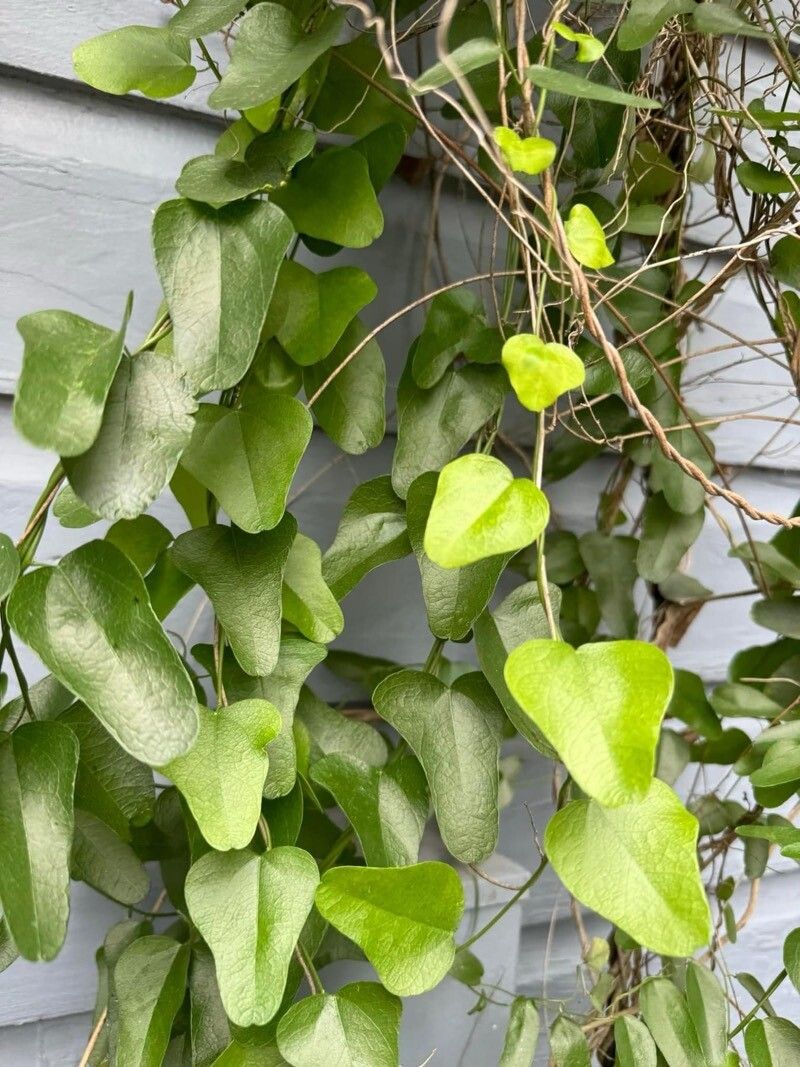
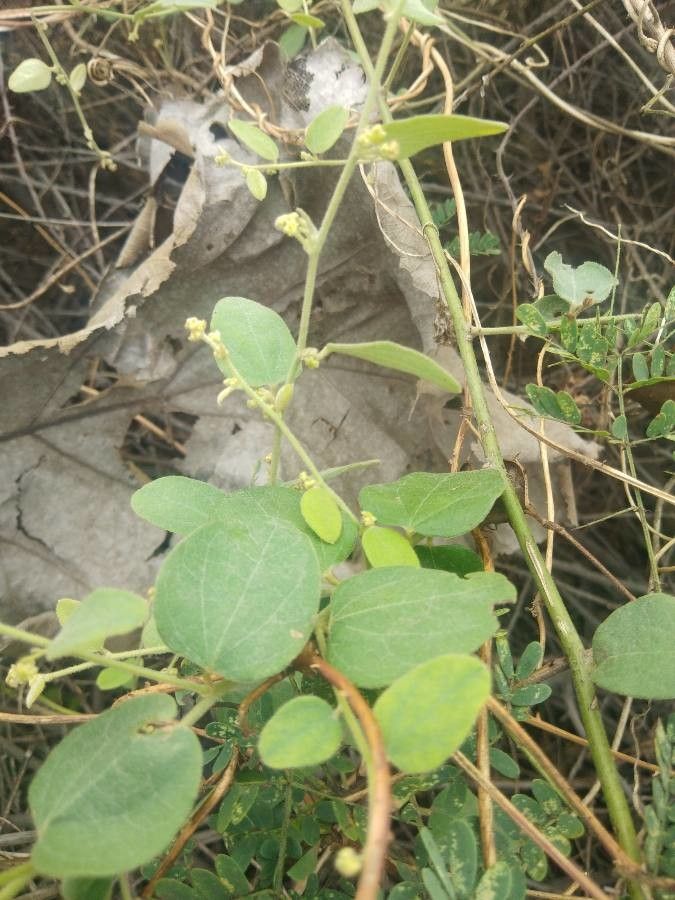
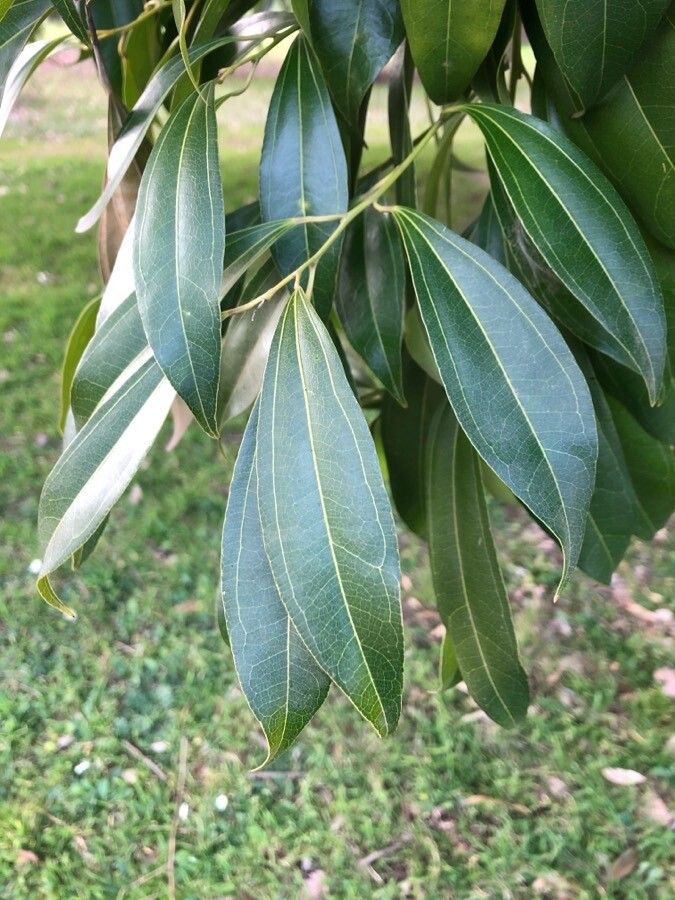
Cocculus orbiculatus, commonly known as the Chinese moonseed, is a woody vine in the Menispermaceae family. Native to East Asia, it is found in China, Japan, Korea, and Taiwan. The plant has a climbing habit and can grow up to 10 meters in length.
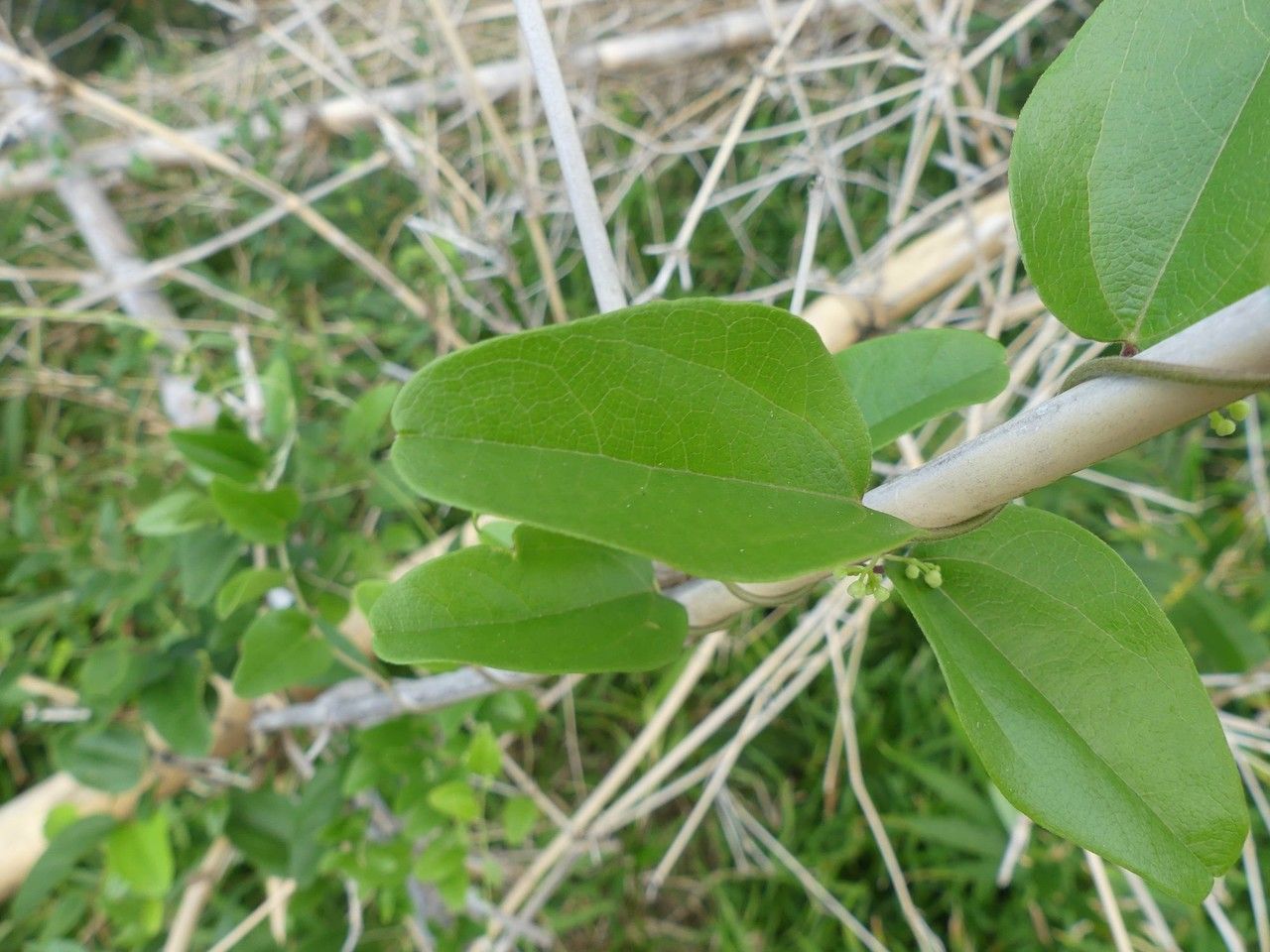
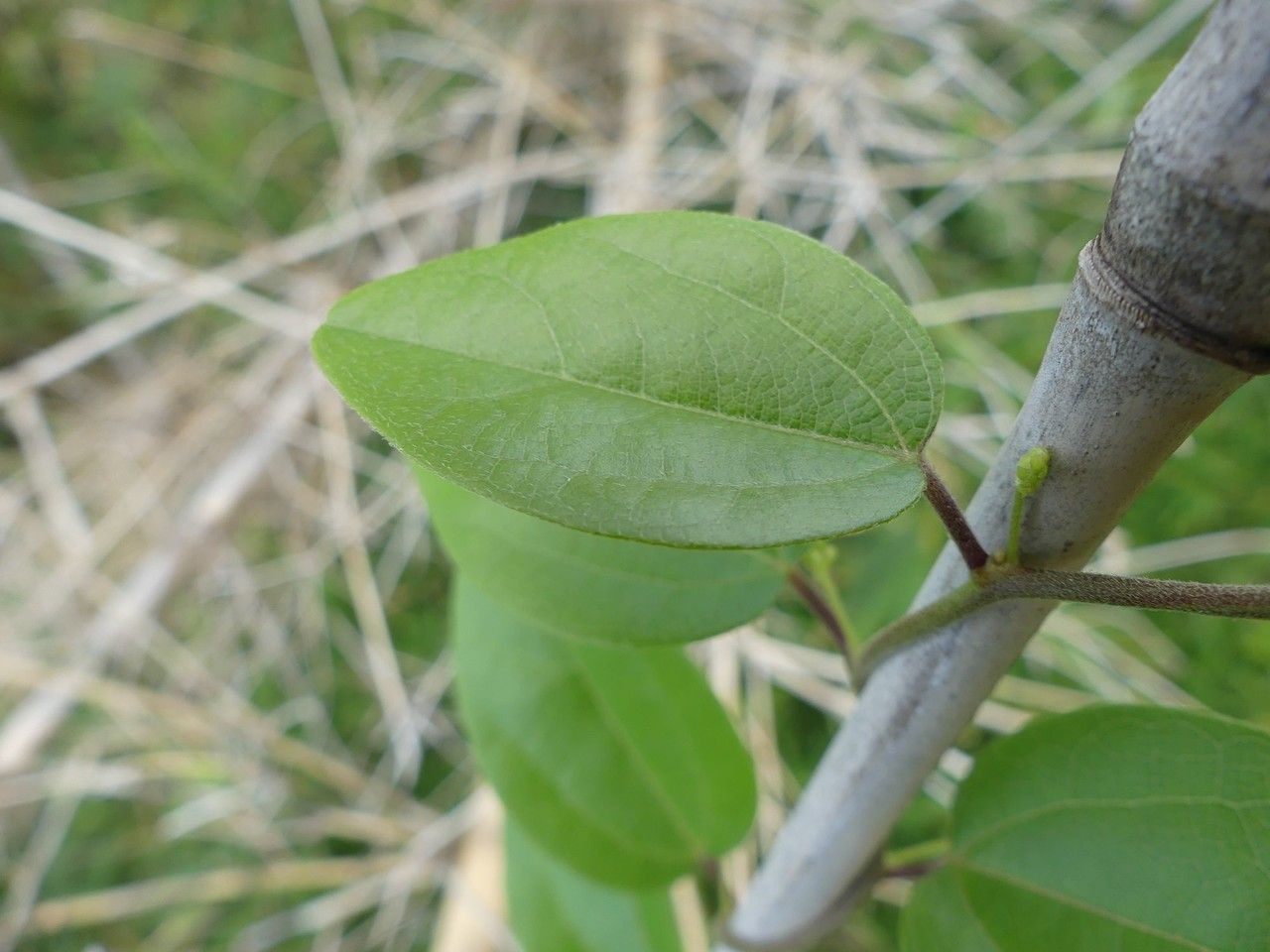
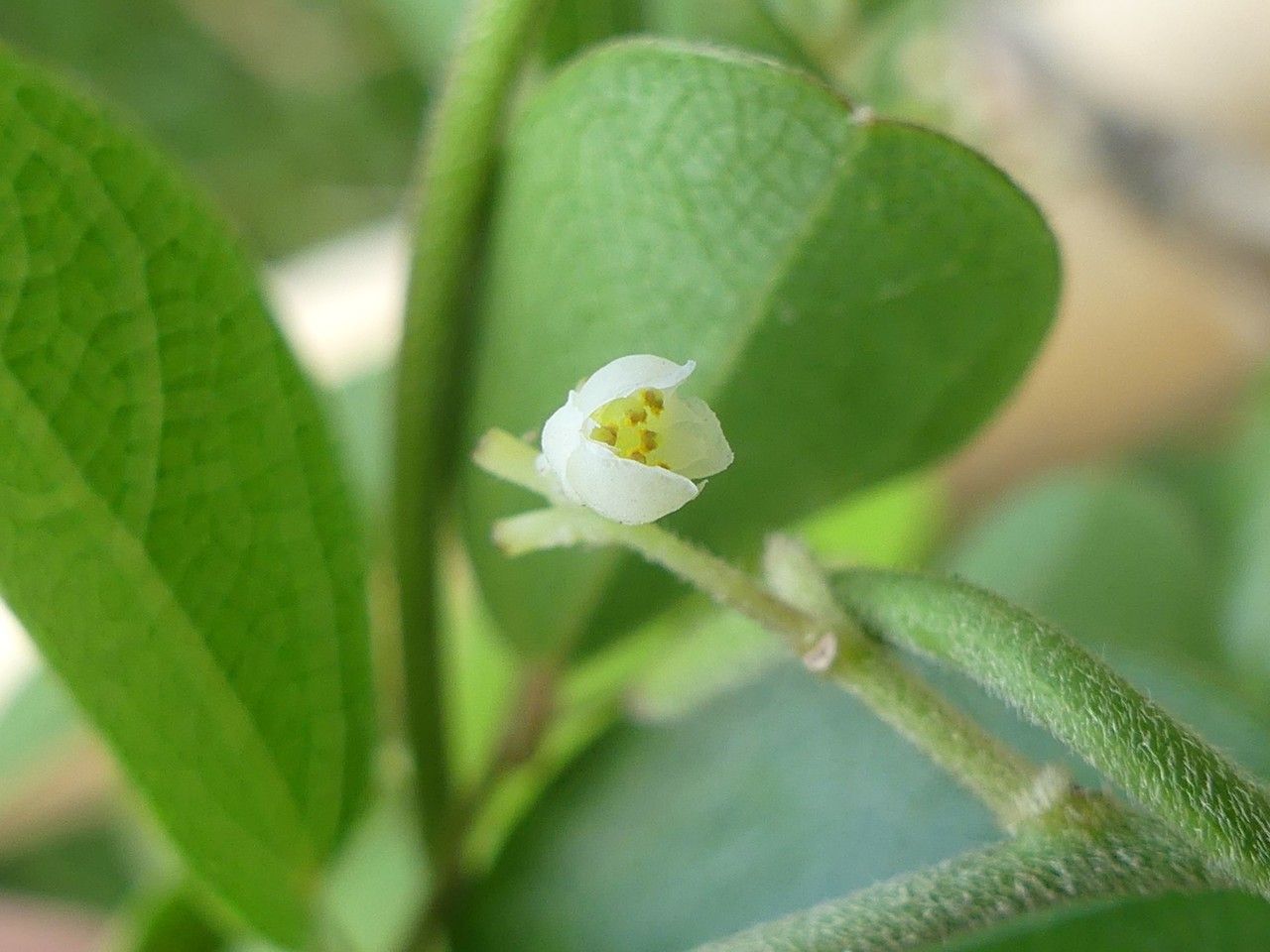
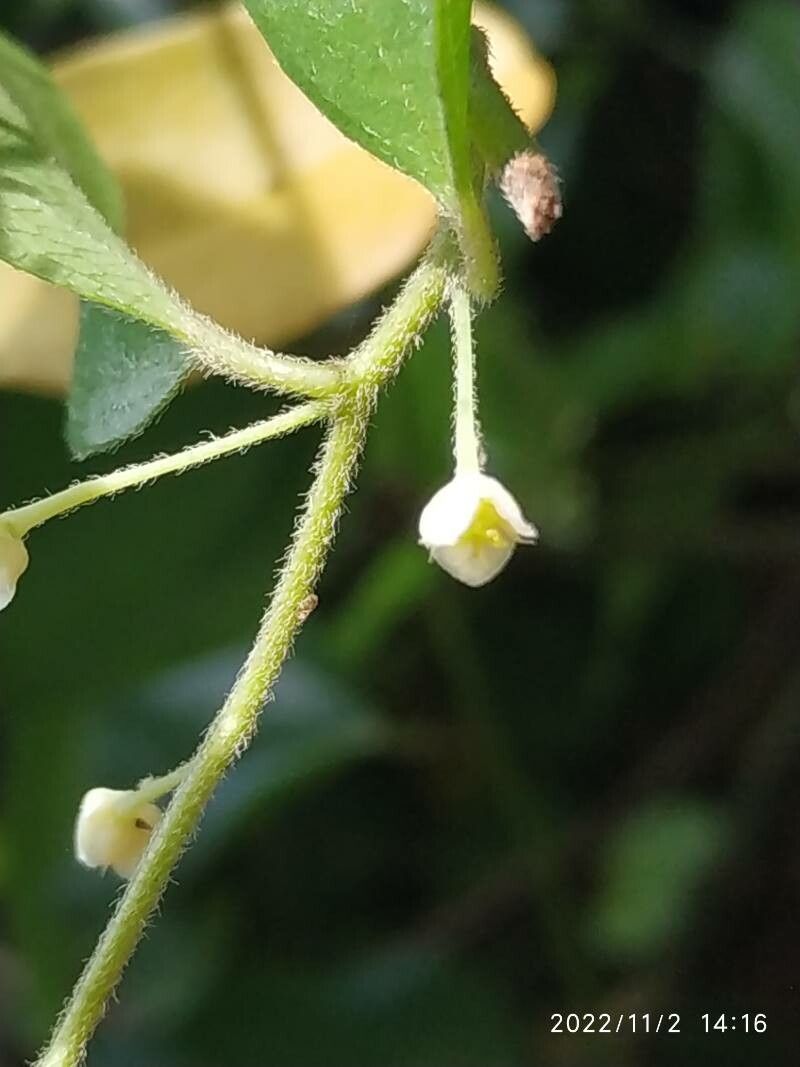
The leaves of Cocculus orbiculatus are heart-shaped with pointed tips and are arranged alternately on the stem. The flowers are small with greenish-yellow petals and bloom from May to June. The fruit of this plant is a small black berry resembling a grape.
Cocculus orbiculatus has been used in traditional Chinese medicine for centuries due to its anti-inflammatory properties. It contains alkaloids such as berberine, which have shown antifungal properties.
However, it should be noted that Cocculus orbiculatus also contains toxic alkaloids such as picrotoxin, which can cause vomiting and diarrhea if ingested in large quantities.
Overall, Cocculus orbiculatus is an intriguing plant with both medicinal benefits and potential risks if not used properly or consumed in excess.
Queen coralbead is well resistant to disease and is generally not prone to illnesses. In terms of care, this plant is fairly low-maintenance. When grown outdoors it needs only light watering, and larger plants typically do not require pruning. Smaller plants, however, should be pruned after they finish blooming. Queen coralbeadt is suitable for anyone with an outdoor area, such as a garden or a deck, and does not demand much prior care experience.
How to keep Cocculus Orbiculatus.
Light
Queen coralbead performs best when exposed to sunlight for most of the day. In its natural environment it usually grows beneath an open sky and receives ample sun. It can also tolerate situations where it only gets sun for part of the day. Too much or too little light can potentially impede the plant's growth.
Water
Queen coralbead, a plant native to humid areas, thrives in tropical rainforest-like conditions with plenty of moisture. It prefers consistent weekly watering, ensuring the soil remains damp but not waterlogged. For optimal growth as an evergreen, it benefits from being placed outdoors where it can receive natural rainfall.
Temperature
Queen coralbead is native to temperate regions where temperatures range from 50 to 95 °F (10 to 35 °C). It thrives under those conditions, and its temperature preferences should be taken into account when cultivating it across different seasons.
Fertilizer
Fertilize your Queen coralbead in early spring to encourage healthy growth. Regular feeding boosts overall health, producing vigorous growth, increased tolerance of harsh conditions, and enhanced resistance to pests and diseases. Keep a consistent fertilization routine for your Queen coralbead to maintain vibrant, deep-colored, lush foliage.
Pruning
The queen coralbead plant exhibits a sprawling growth habit and features attractive foliage. To maintain its shape and vitality, prune the plant in early spring. This involves cutting back tangled branches, removing dead wood, and thinning out congested areas to improve air circulation. Regular trimming helps prevent pests, and it's important to use clean tools to avoid transferring diseases.
Botanical profile.
- Plant Type
- Vine
- Life Cycle
- Perennial
- Genus
- Cocculus
- Family
- Menispermaceae
- Hardiness Zone
- 6-9
- Mature Height
- 2.13 m to 3.66 m
- Mature Spread
- 0.91 m to 1.22 m
- Leaf Color
- Green
- Leaf Type
- Deciduous
- Flower Color
- White, Yellow, Pink, Green, Orange
- Flower Size
- 10.16 cm
- Bloom Time
- Early summer, Mid summer
- Planting Time
- Spring, Summer, Autumn
- Harvest Time
- Early fall, Mid fall
- Native Area
- Nepal, India, Malaysia, Philippines, Laos, China, Indonesia, Cambodia, Vietnam, Myanmar, Japan, Koppen, Singapore, South Korea, Thailand
Other names.
Reader questions.
How should I water my Queen coralbead plant?
To promote excellent root development for your plants, here are some watering tips: - Place a garden hose at the base of the plant instead of directly spraying the leaves. - If the plants are outdoors and exposed to direct sunlight, keep in mind that the leaves will need more watering. - Consider using bubblers to moisten the roots of each individual plant. - Soaker hoses are another option to ensure thorough watering, especially when planting or removing plants and wanting to water deeply. - After watering, make sure to drain any excess water and allow the soil to dry before watering again. - To prevent diseases, water at ground level instead of spraying the foliage. - On sunny days, it can be beneficial to spray the entire bush with water. - Whether your plants are in pots or in the ground, it's important to remember that Queen coralbeads prefer deep watering rather than light sprinkling.
Why should I put fertilizer on my Queen coralbead?
No matter what type of Queen coralbead you have, regular fertilization is essential for its overall health. Providing the right nutrients will promote robust growth and enhance its ability to withstand harsh conditions and fight off diseases and pests. Maintaining the attractive foliage of your Queen coralbead is important, so make sure to follow a specific fertilization schedule. This will result in vibrant leaves with a deep color and a lush appearance.
How many hours of sunlight should Queen coralbead receive each day to grow healthy?
To ensure healthy growth, Queen coralbead needs at least 3-6 hours of sun each day. This is the minimum requirement, but most plants that can tolerate partial sunlight can also do well in full sunlight. Since they need less light for photosynthesis, these plants are more adaptable than ones that need either full sun or partial shade.
What temperature is best for Queen coralbead?
Queen coralbead thrives best in temperatures ranging from 65~80℉(18~27℃). During its primary growing phase, it can tolerate temperatures as high as 95℉(35℃) and as low as 15℉(-10℃). In fact, this species is even capable of surviving freezing winters. To summarize the ideal temperature range for Queen coralbead: the perfect range is 65~80℉(18~27℃), the highest range is 85~95℉(30~35℃), and the lowest range is -5~15℉(-20~-10℃) or even lower.
What do I do if I give the Queen coralbead too much or too little water?
When a Queen coralbead is overwatered, its leaves can turn yellow, drop off, and wilt. The plant may also appear dull and unhealthy, with mushy stems. If you notice these signs, it's best to adjust your watering schedule. However, wilting can also indicate under watering. In this case, the leaves may become crispy and dry. To determine if the soil is dry, check it before watering. If it's dry, give the plant a thorough watering. This will help the Queen coralbead recover, but it may still have dry and yellow leaves due to root damage. Once the plant returns to normal, the yellowing of the leaves will stop. When the Queen coralbead is indoors, always check the moisture levels in the pot and avoid overwatering. Look for black spots, and if present, let the soil dry for a few days. Overwatering can lead to root rot. If you notice discolored and slimy roots, consider transferring the plant to a different pot. Preventing root rot is crucial by ensuring the soil doesn't become too soggy. When planting the Queen coralbead outdoors, dig deeper and if the soil feels too dry, it may indicate underwatering. Adequate watering is necessary for the plant's recovery.
When should I fertilize my Queen coralbead plant?
To help your Queen coralbead grow healthily, the first fertilization should be done in late winter or early spring. This provides the necessary nutrients for growth when the weather warms up. If you live in a warm climate region, it is also beneficial to fertilize again in early fall. This not only adds nutrients for the following growing season but also helps the Queen coralbead withstand winter cold without foliage damage. Fertilizing earlier in fall will allow new branches sufficient time to grow and withstand the cold winter.
What kind of sunlight does Queen coralbead require?
Queen coralbead prefers full or partial sun exposure. It thrives with direct morning light, but during summer, it requires protection from intense afternoon sun. Excessive hot afternoon sun in temperate environments can lead to leaf burns, affecting the plant's overall appearance and health.
Do I need to change the temperature for Queen coralbead while it's growing?
According to research, Queen coralbead plants are likely to show signs of stunted growth when exposed to high temperatures for extended periods. This is particularly true during the formation of axillary buds and the growth of main shoots. To promote healthy growth after germination or transplanting, it is advisable to maintain a consistent and cooler temperature of around 65℉ (18℃).
How frequently should I give water to my Queen coralbead plant?
To properly care for your Queen coralbead plant, it is important to water it deeply and infrequently. When planted in pots, be sure to soak them with a gallon of water each time, as the limited water storage in pots causes the soil to dry out faster. In colder regions, watering is necessary every 3 to 5 days. It is best to water the plant early in the morning when the soil is dry, whether it is indoors or outdoors. You can check if watering is needed by examining the soil inside the pot. If the top 2-3 inches of soil are dry, it is time to give the plant a full watering. On hot days, especially when the heat can quickly dry out the soil, you may need to check the moisture levels daily. If you have a garden, the soil will also need to be irrigated. In hot climates, it is recommended to water the plants once a week, but only if about 2 to 3 inches of soil have become too dry. Take into consideration the amount of rainwater the plant has received before watering to avoid overwatering and causing root rot. If there is already a significant amount of rainfall, additional watering may not be necessary. Queen coralbead plants typically grow during spring and fall. To conserve water when they are outdoors, consider adding mulch that is about 3 to 4 inches deep. The type of soil also affects watering frequency. Sandy soil, which drains faster, requires more frequent watering, while clay soil can be watered less frequently, allowing the plant to dry out for 2-3 days without developing root rot. To keep track of watering, you can mark the dates on a calendar and pay attention to any drooping leaves, as they may indicate that the plant needs watering.
When is the wrong time to fertilize my Queen coralbead?
There are specific times of the year when you should avoid fertilizing your Queen coralbead. The first is in the early and mid-winter months when the plant is dormant and doesn't require any feeding. It is also not recommended to fertilize during late spring and summer when the weather is hot and dry. These conditions can have a negative impact on the plant's response to fertilization. To prevent any problems, it is best to stick to a fertilization schedule that involves feeding only in early spring and early fall.
Can the sun harm Queen coralbead? How can we shield Queen coralbead from sun and heat damage?
When moving Queen coralbead plants from indoors to outdoors, direct sunlight can easily damage them. To prevent sunburn, it is best to gradually move the pots from a shaded area to a brighter spot. However, even plants accustomed to the summer sun can be harmed by extreme heat. In a heatwave, it is important to keep the soil consistently moist to help the plants cope with excessive heat. To protect sensitive Queen coralbead plants during extreme weather events, consider moving them to areas with afternoon shade or using a shade cloth to provide protection.
How can I make sure that Queen coralbead stays warm during cold seasons?
Queen coralbead can survive freezing temperatures when grown in the ground in areas that do not reach below 15℉ (-10℃) during winter. However, if planted in pots or containers, it is important to protect their roots from the cold. This can be done by wrapping the container in a blanket or bringing it indoors, where it will be completely shielded from the elements.