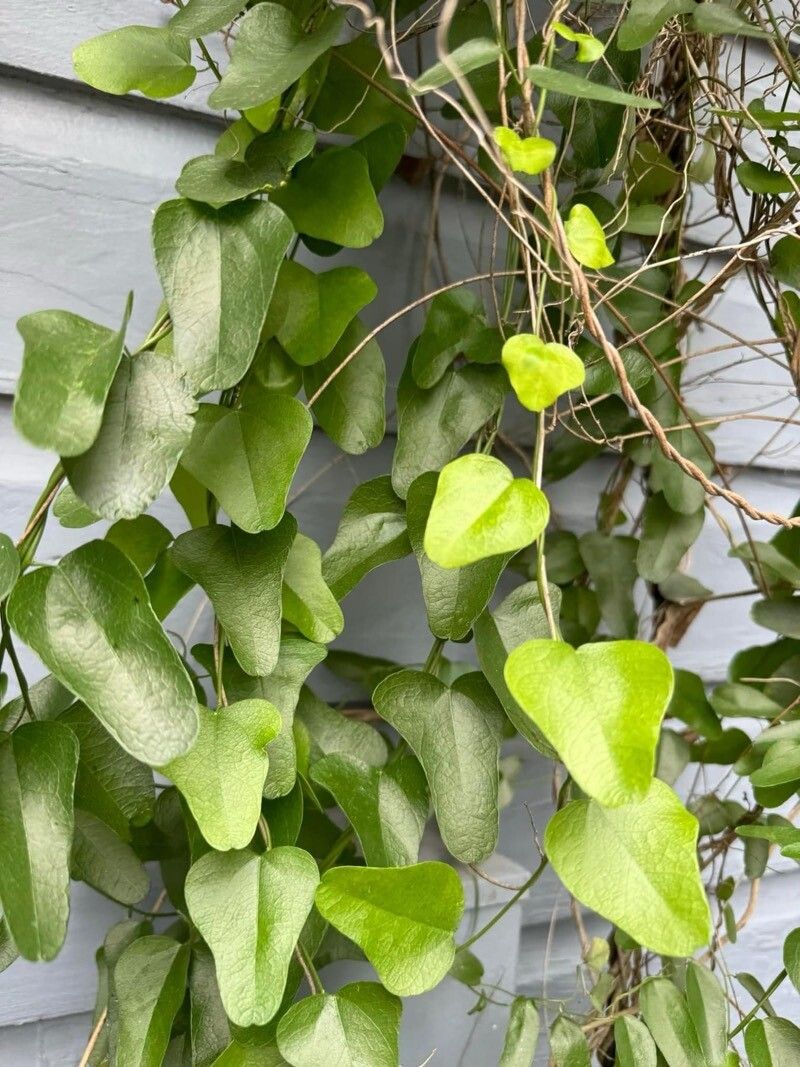
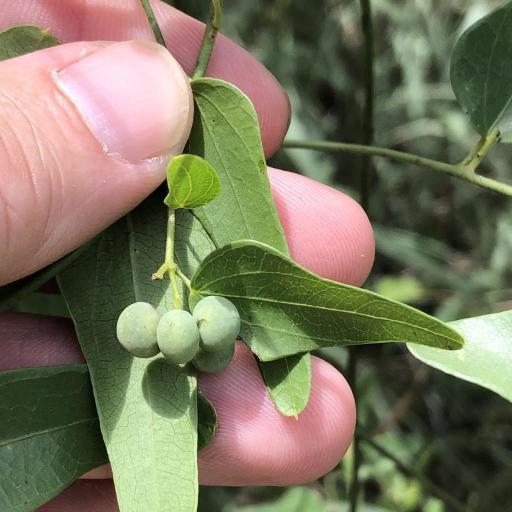
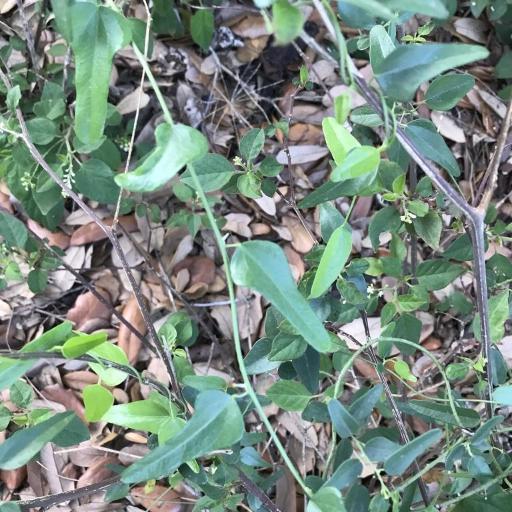
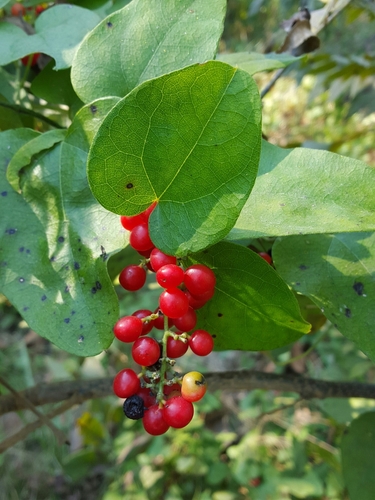
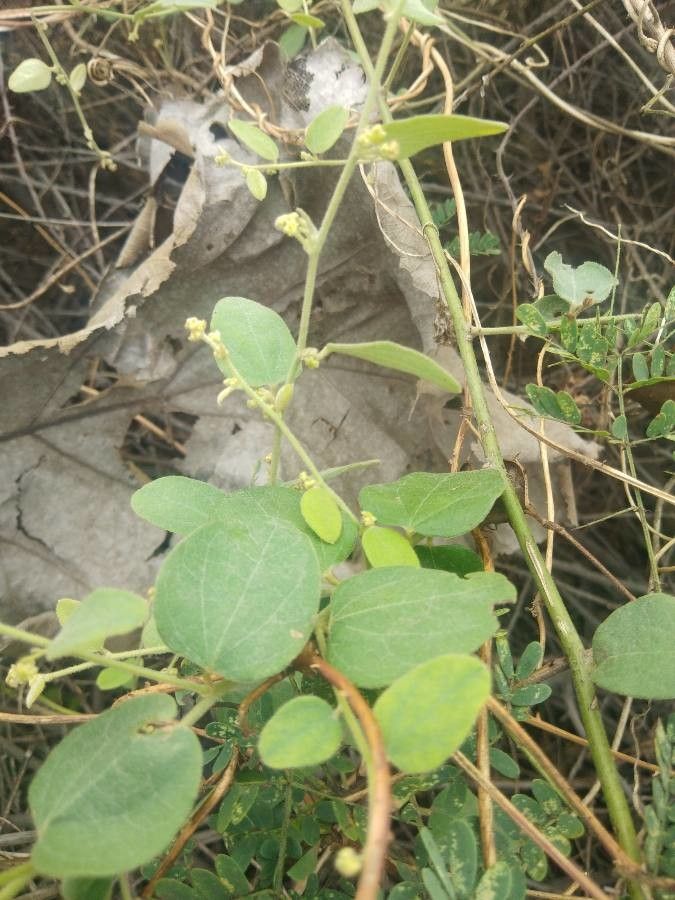
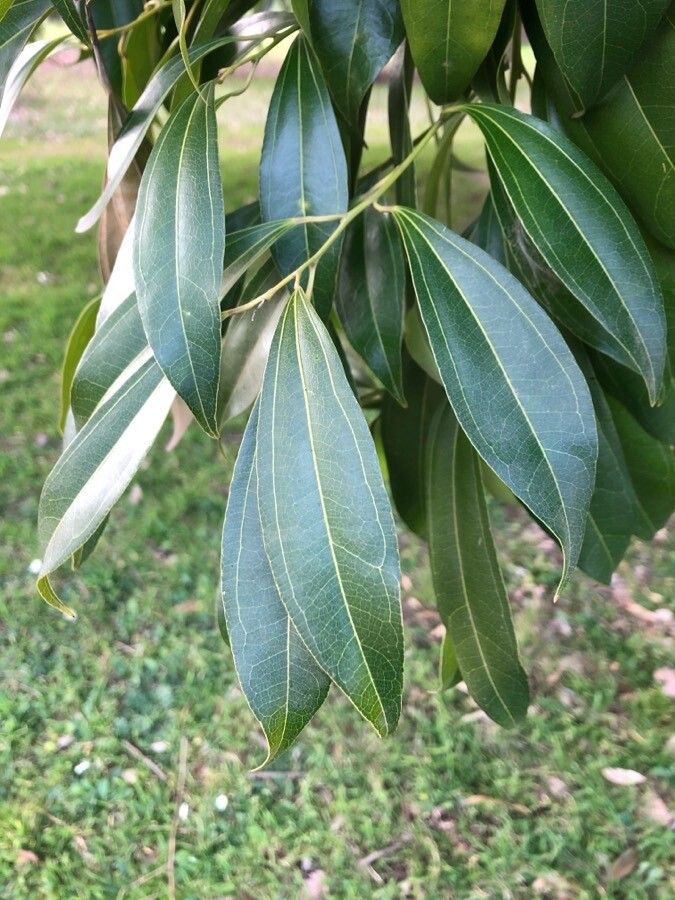
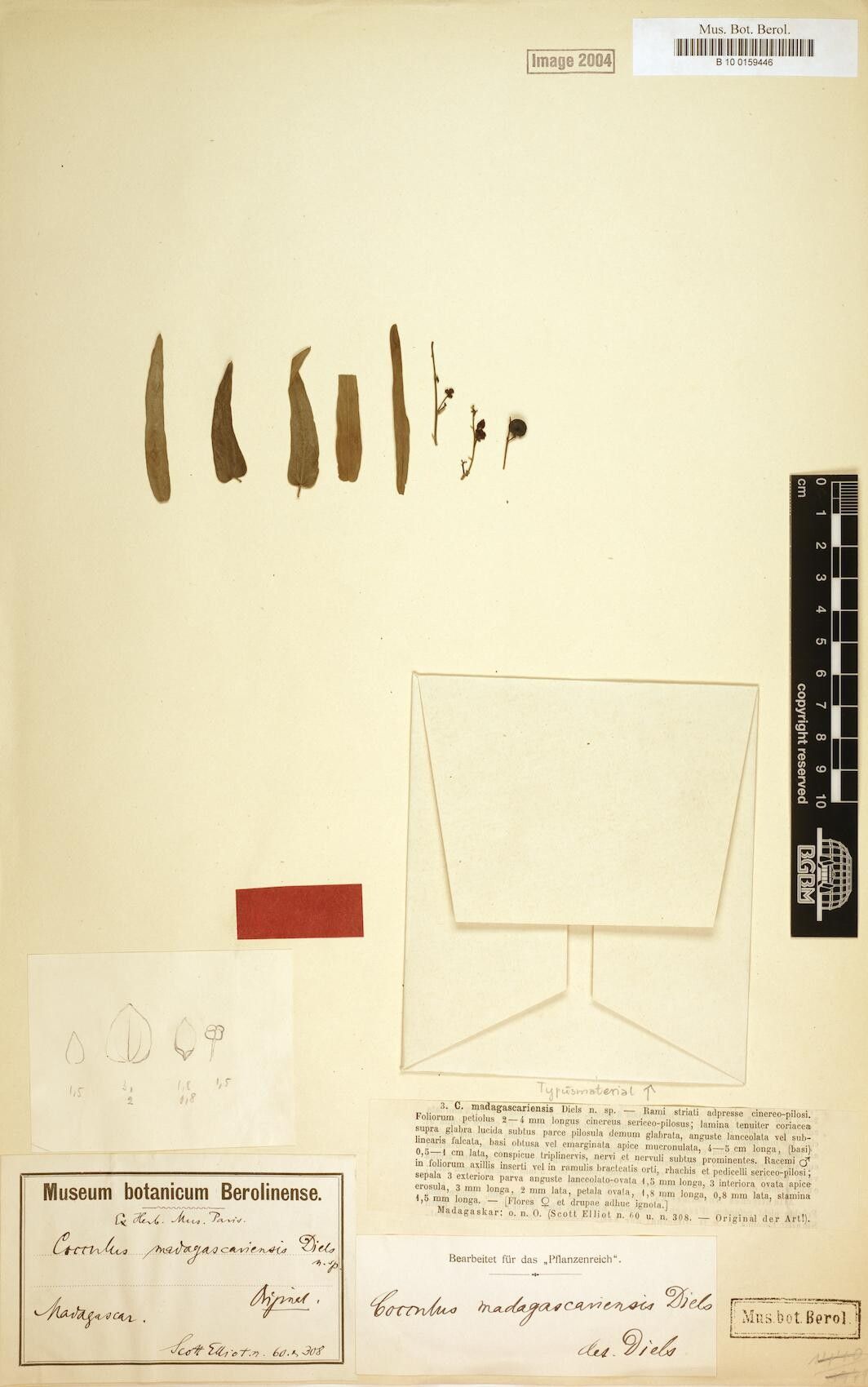
Cocculus diversifolius is a vine with the common name sarsaparilla or correjuela. It is native to Arizona, New Mexico, Texas, and much of Mexico as far south as Oaxaca. It is a vine climbing up to 3 m, with white to yellowish flowers and dark purple fruits up to 6 mm in diameter.
Chinese moonseed is resistant to disease and generally not susceptible to illnesses. In terms of care, this plant is fairly low-maintenance. When grown outdoors it needs only light watering, and larger plants typically do not require pruning. Smaller plants, however, should be pruned after they finish blooming. Chinese moonseed is suitable for anyone with an outdoor area, such as a garden or deck, and does not demand much experience in plant care.
How to keep Cocculus Diversifolius.
Light
The Chinese moonseed flourishes in places where it has plenty of sunlight throughout the day. It can also fare well in areas with somewhat less sun exposure. Too much or too little sunlight can obstruct its robust growth. This characteristic is linked to its original habitat that enjoys plenty of light.
Temperature
Chinese moonseed shows an exceptional ability to adapt to diverse weather conditions, be it blazing hot summers or freezing cold winters. Yet, it still has a preferred temperature range for optimal growth. High temperatures can cause the plant to suffer from heat and humidity stress, potentially leading to its death. In areas where the temperature can dip to the plant's cold tolerance limit, it's necessary to use insulation techniques to safeguard the plant.
Fertilizer
Encourage healthy development by fertilizing your Chinese moonseed at the onset of spring. Consistent fertilization optimizes general health, leading to robust growth, adaptability to harsh conditions, and heightened resistance to diseases and pests. Stick to a particular fertilization timetable for your Chinese moonseed to guarantee striking foliage exhibiting deep hues and a dense look.
Pruning
Snailseed is a distinctive vine characterized by its heart-shaped leaves and red berries. For optimal health, prune it in early spring. Start by removing any dead stems, then shape the vine to encourage dense growth. Regular pruning not only improves air circulation but also ensures better access to sunlight. Make sure to use clean, sharp tools to promote healthy growth.
Botanical profile.
- Plant Type
- Vine
- Life Cycle
- Perennial
- Genus
- Cocculus
- Family
- Menispermaceae
- Hardiness Zone
- 5-9
- Mature Height
- 3.96 m to 4.88 m
- Mature Spread
- 76 cm to 91 cm
- Leaf Color
- Green, Dark Green
- Leaf Type
- Deciduous
- Flower Color
- White, Yellow, Green
- Flower Size
- 30.48 cm
- Bloom Time
- Early summer, Mid summer
- Planting Time
- Spring, Summer
- Harvest Time
- Early fall, Mid fall
- Native Area
- Nepal, India, Japan, South Korea, Thailand, China
Other names.