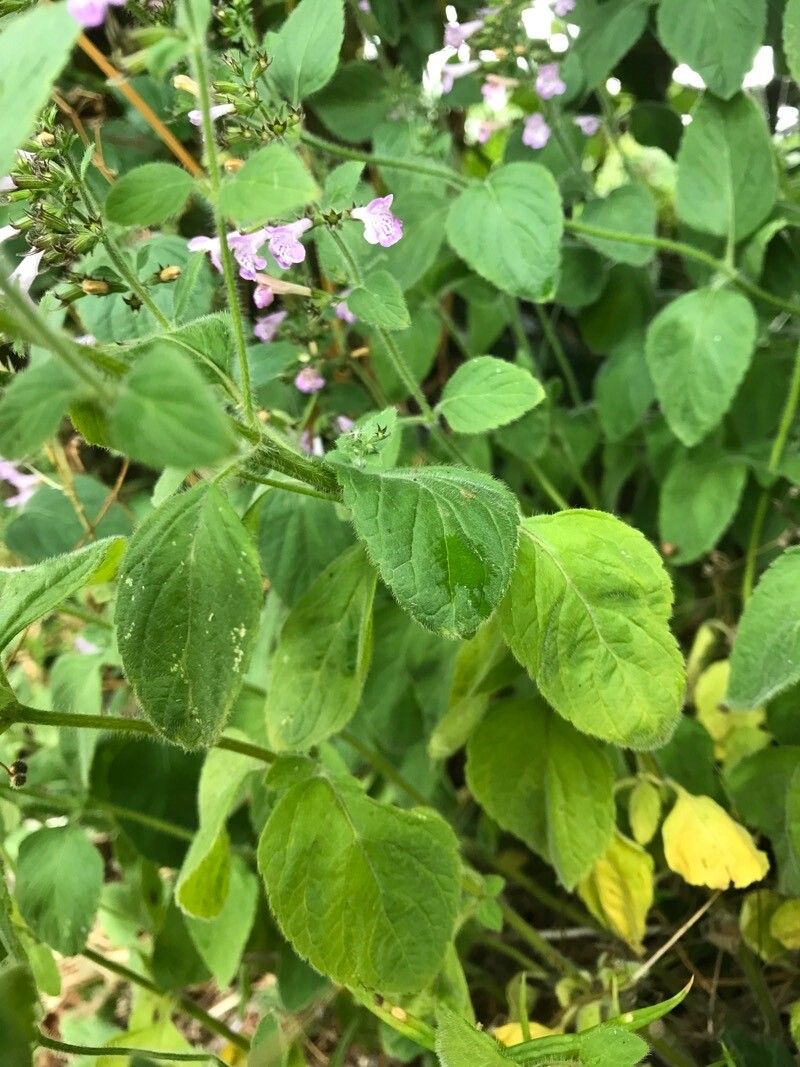
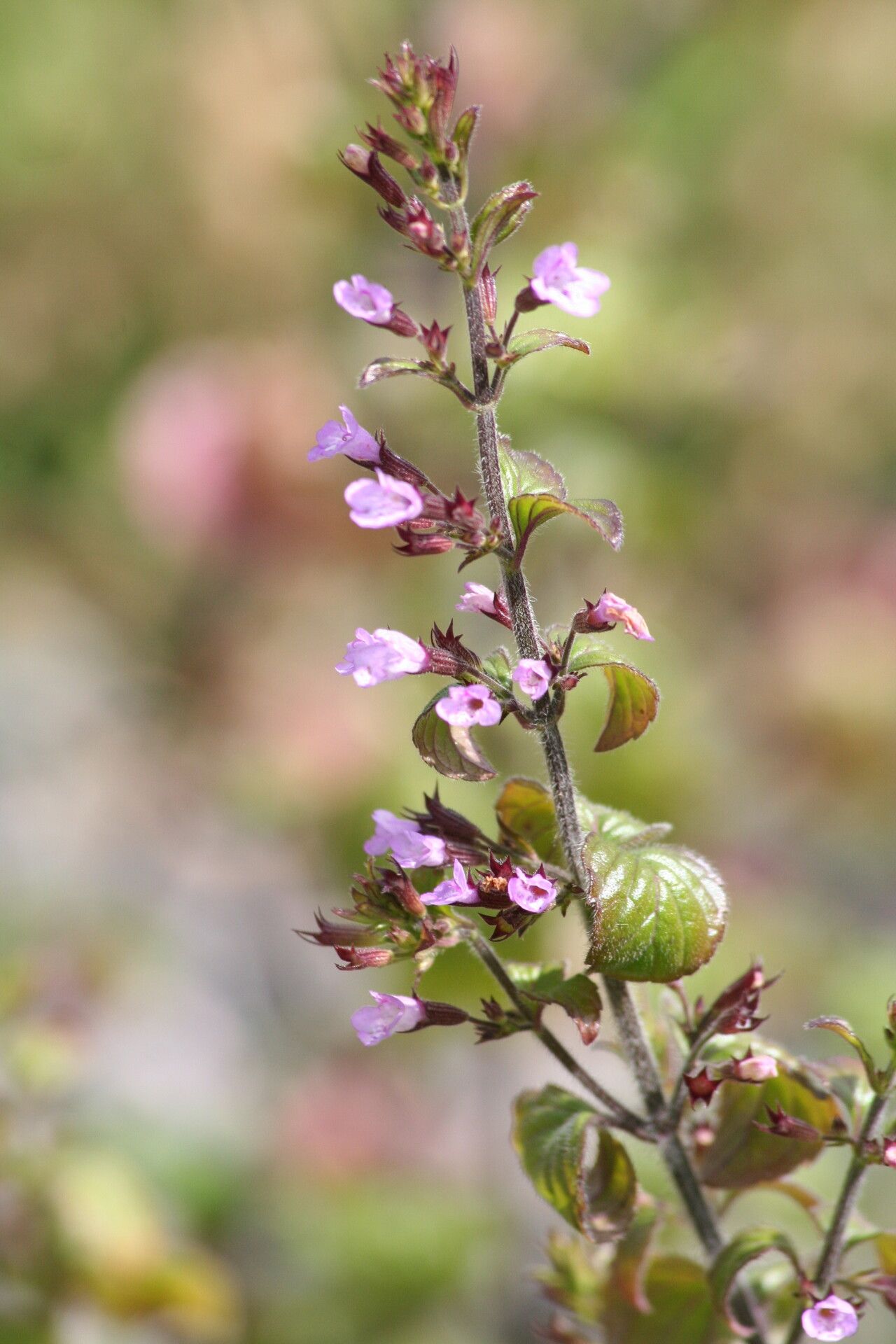
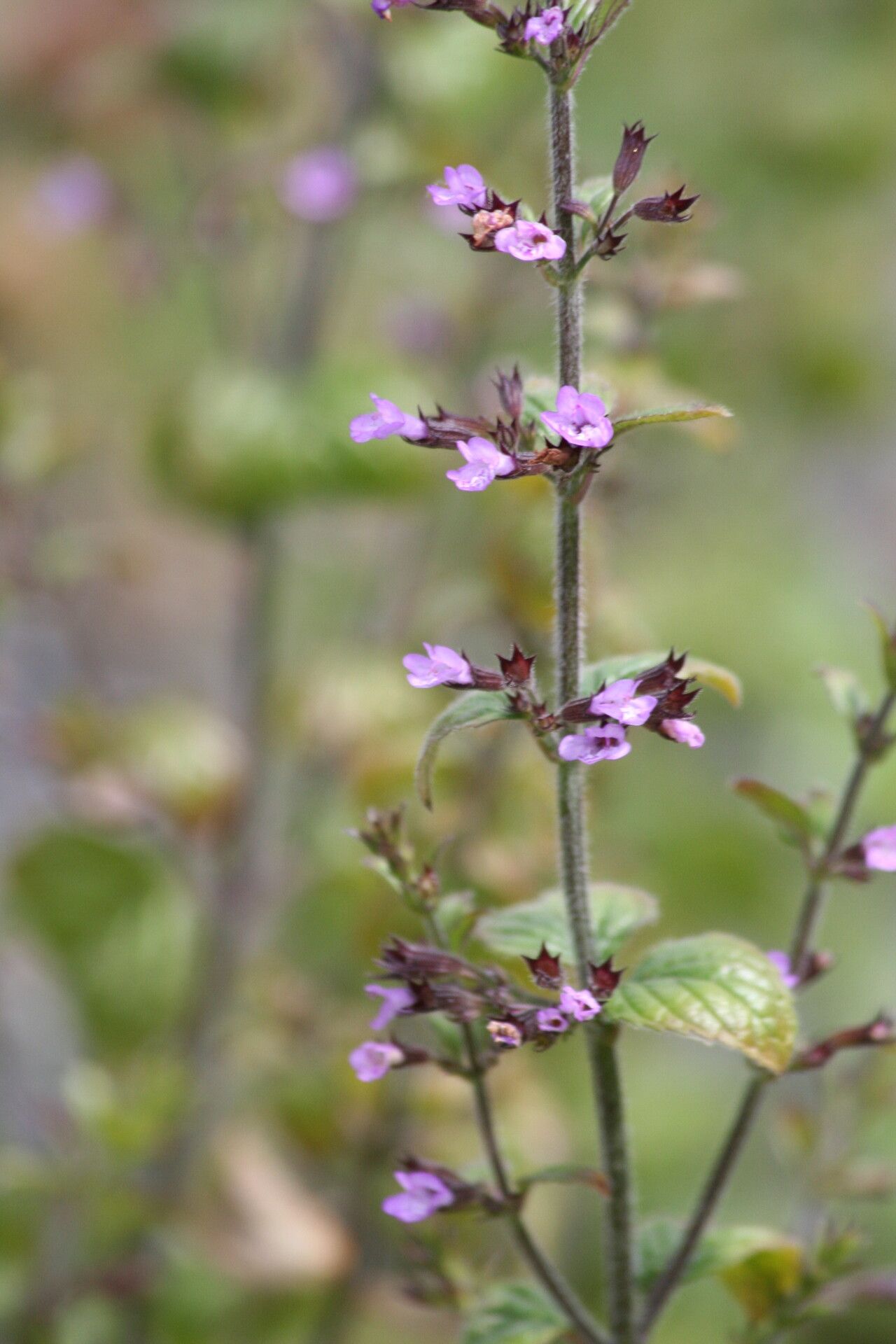
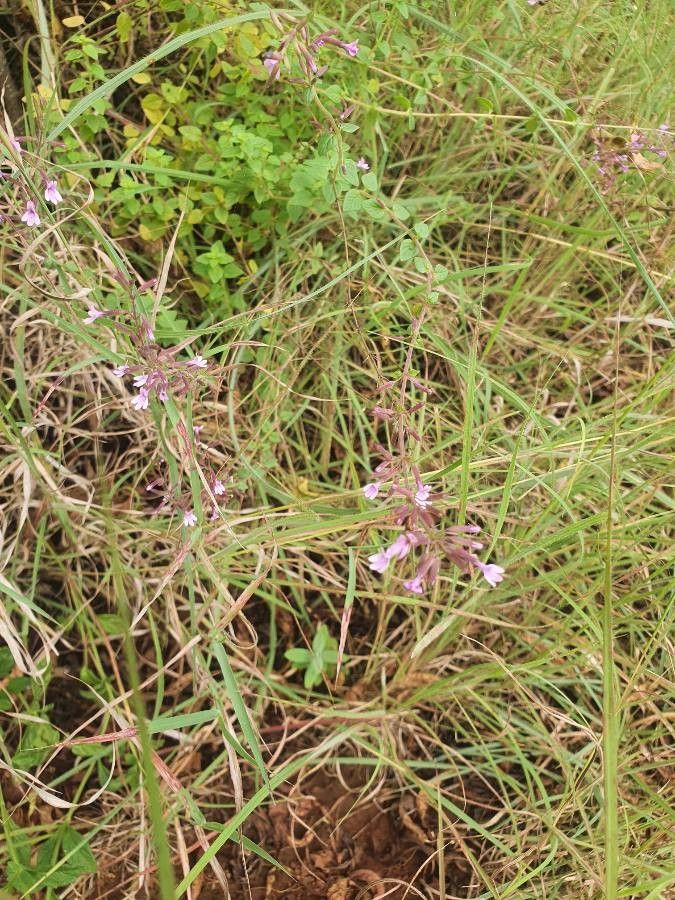
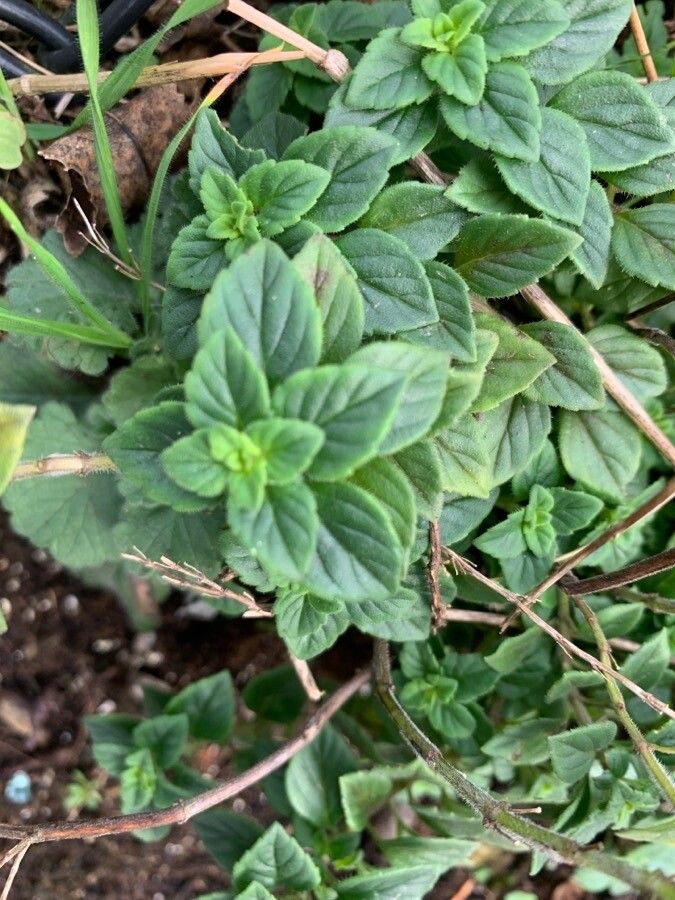
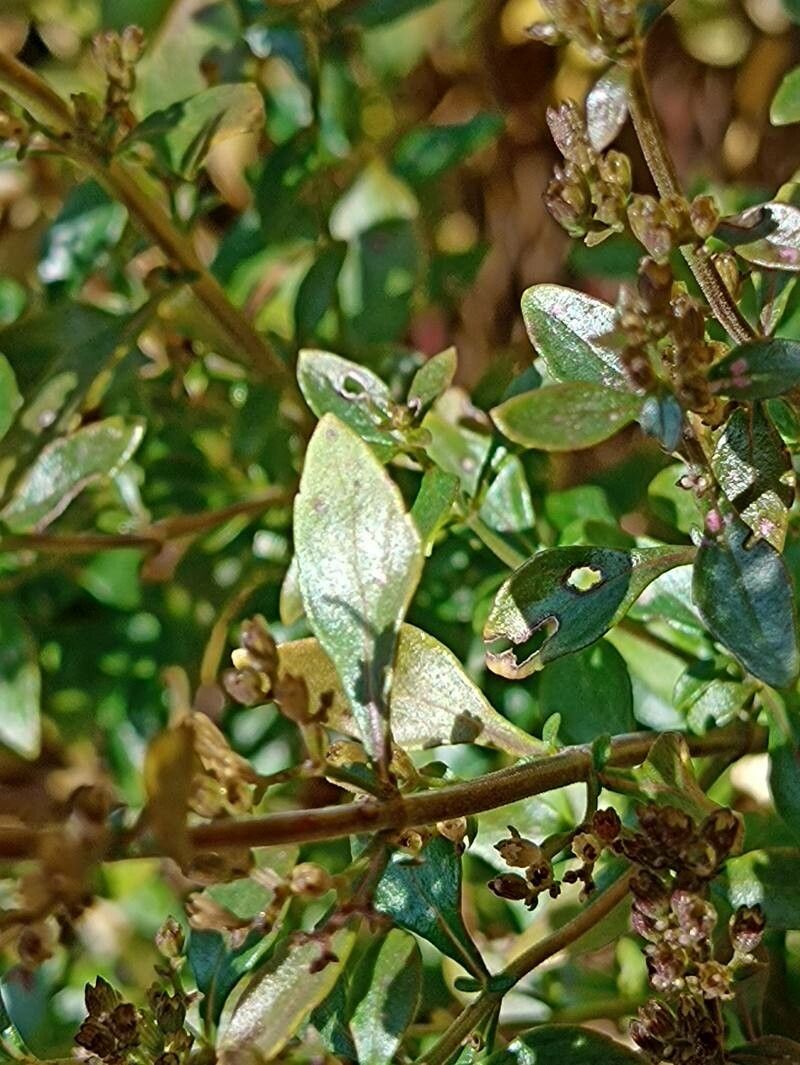
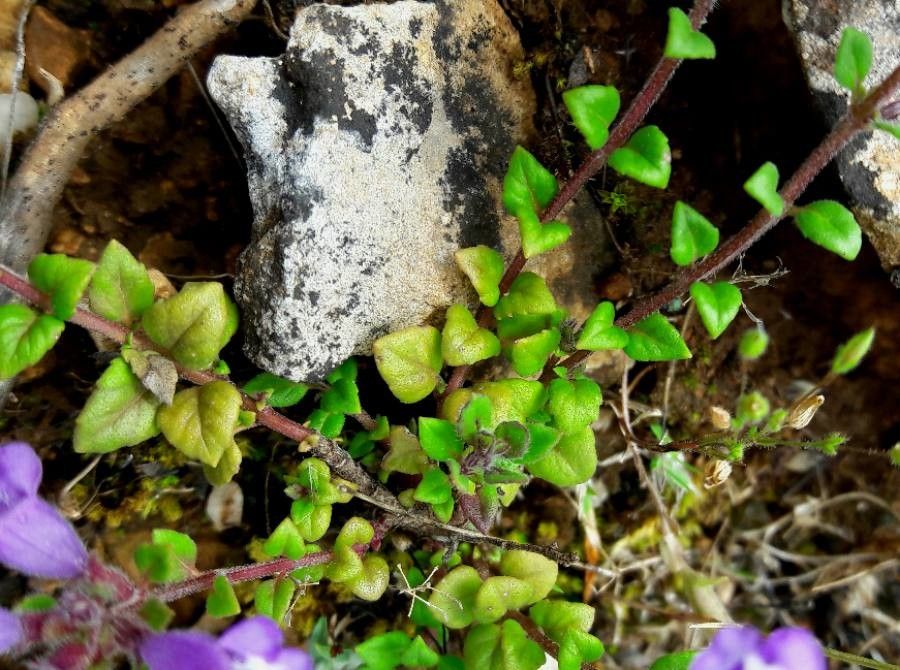
Clinopodium menthifolium, commonly known as the wood calamint or woodland calamint, is a species of flowering plant in the mint family, Lamiaceae. It is found throughout southern and central Europe from the United Kingdom and east as far as temperate parts of Asia, and as south as North Africa. It grows up to 1,700 m (5,600 ft) in elevation.The three subspecies of C. menthifolium have been previously considered separate species, including C. m. subsp. ascendens (syn. C. ascendens), the common calamint or ascending wild basil, and C. m. subsp. hirtum (C. hirtum).
Wood savory is fairly resistant to disease and typically not easily affected by illnesses. However, it can be vulnerable to pests and diseases present nearby. These infections are generally mild. For care, this plant needs a moderate amount of maintenance. It should be pruned regularly to preserve a neat appearance and support healthy growth. Fertilizing can also boost flowering. Wood savory is suitable for anyone with an outdoor area, such as a garden or patio, and does not require extensive care experience. It may need more attention when grown indoors.
How to keep Clinopodium Menthifolium.
Light
Wood savory is native to habitats like forest understories and rocky areas, where it occurs in natural shade. It prefers partial sun but can tolerate both full sun and full shade, showing its versatility and hardiness.
Water
Wood savory thrives in moderate climates that offer consistent moisture and well-drained soil. To keep the soil adequately moist without causing waterlogging, it should be watered weekly. Although it is generally cultivated outdoors, its water needs are particularly important during its active growing season to ensure optimal growth and vitality.
Temperature
Wood savory can withstand a wide range of temperatures, though its distribution may still be restricted by different combinations of moisture and heat. It performs best in warm summer conditions with sufficient rainfall or watering. Extended periods of cloudy, rainy weather or prolonged high temperatures increase the chance that Wood savory will die. In winter, protecting it from the cold can raise its survival rate.
Fertilizer
The best time to fertilize Wood savory is in early spring, when it is coming out of dormancy and starting active growth. Fertilization supplies essential nutrients for healthy development. Although Wood savory has fairly low fertilizer requirements, applying fertilizer annually can improve its survival and encourage better, longer-lasting flowers.
Pruning
Wood savory is a fragrant, herbaceous perennial plant. To encourage bushier growth, prune it in early spring and remove any dead stems. Light pruning can also enhance its blooms. It's important to regularly check for pests to ensure the plant's health. After flowering, prune the plant to manage its size and vigor, which will help maintain a healthier and more visually appealing appearance.
Botanical profile.
- Plant Type
- Herb
- Life Cycle
- Perennial
- Genus
- Clinopodium
- Family
- Lamiaceae
- Hardiness Zone
- 5-9
- Mature Height
- 61 cm
- Mature Spread
- 49 cm
- Leaf Color
- Forest Green, Dark Green
- Leaf Type
- Deciduous
- Flower Color
- Pink, Lavender
- Flower Size
- 1.02 cm to 1.52 cm
- Bloom Time
- Summer
- Planting Time
- Spring, Summer
- Harvest Time
- Late summer, Early fall, Mid fall
Other names.
Reader questions.
What are the sunlight requirements for Wood Savory (Clinopodium menthifolium)?
Wood Savory (Clinopodium menthifolium) requires specific conditions of sunlight to thrive. For those plants needing 'Full sun', they should receive above 6 hours of sunlight daily. Meanwhile, the 'Partial sun' requirement entails about 3-6 hours of sunlight. It's invaluable to observe the way sunlight meanders through your garden, enabling you to identify spaces that ideally balance light and shade. This careful selection guarantees your plants' wellbeing by providing them with their perfect growing conditions.
What is Wood Savory?
Wood Savory, scientifically known as Clinopodium menthifolium, is a plant species. Currently, there are no additional details provided regarding its characteristics, uses, or the symptoms it may address.