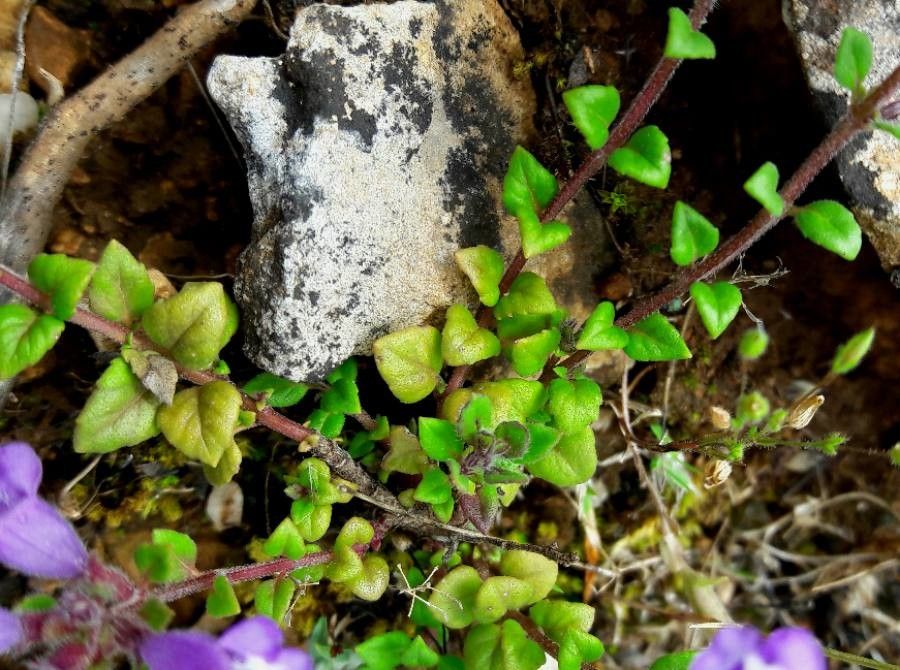
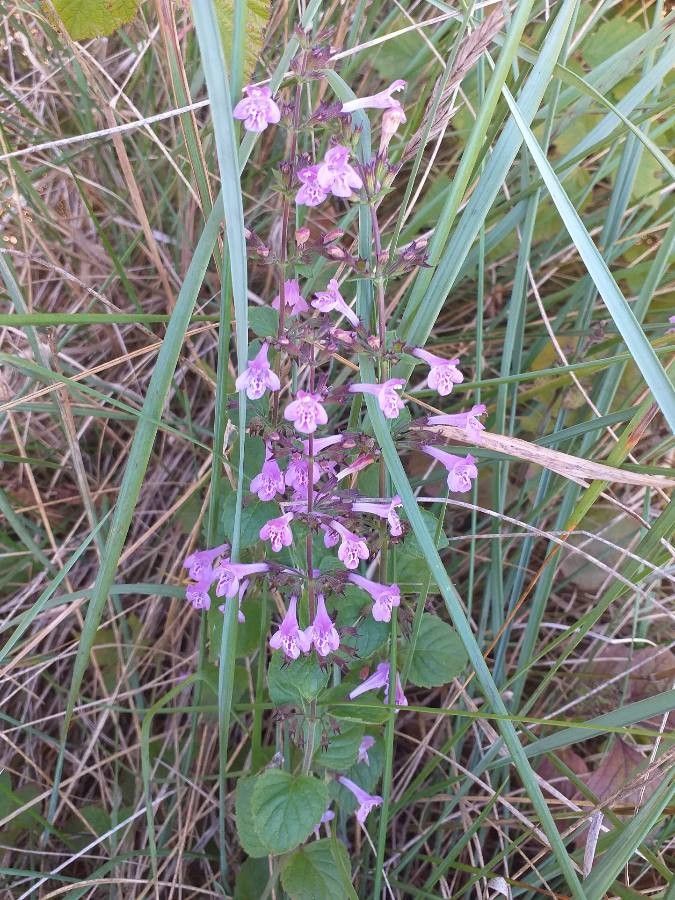
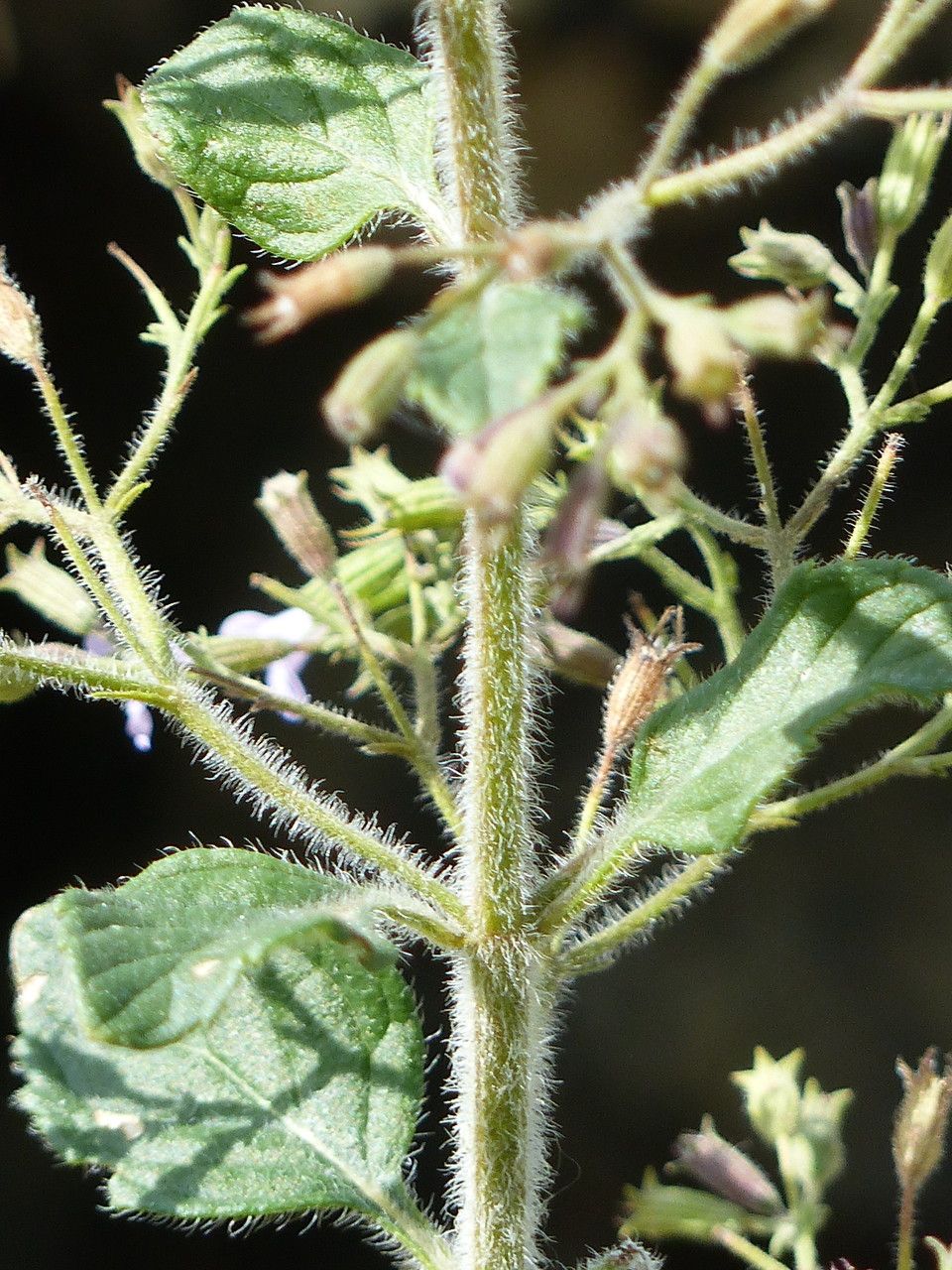
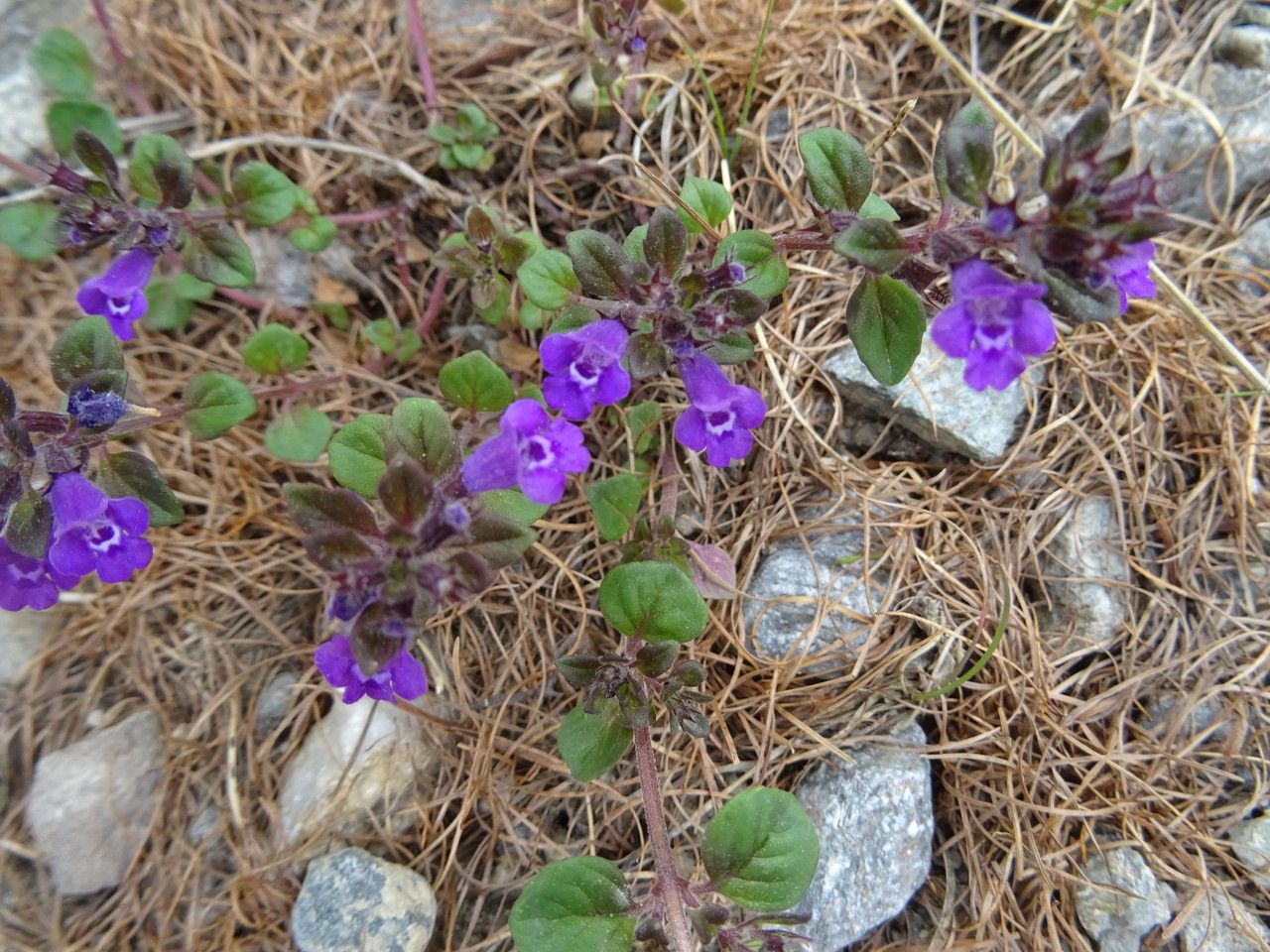
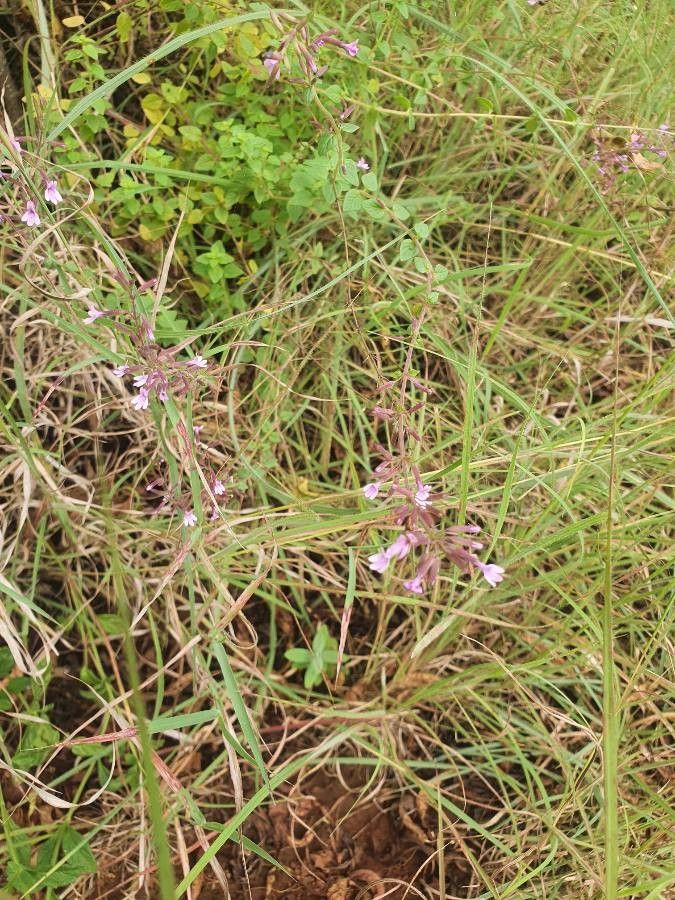
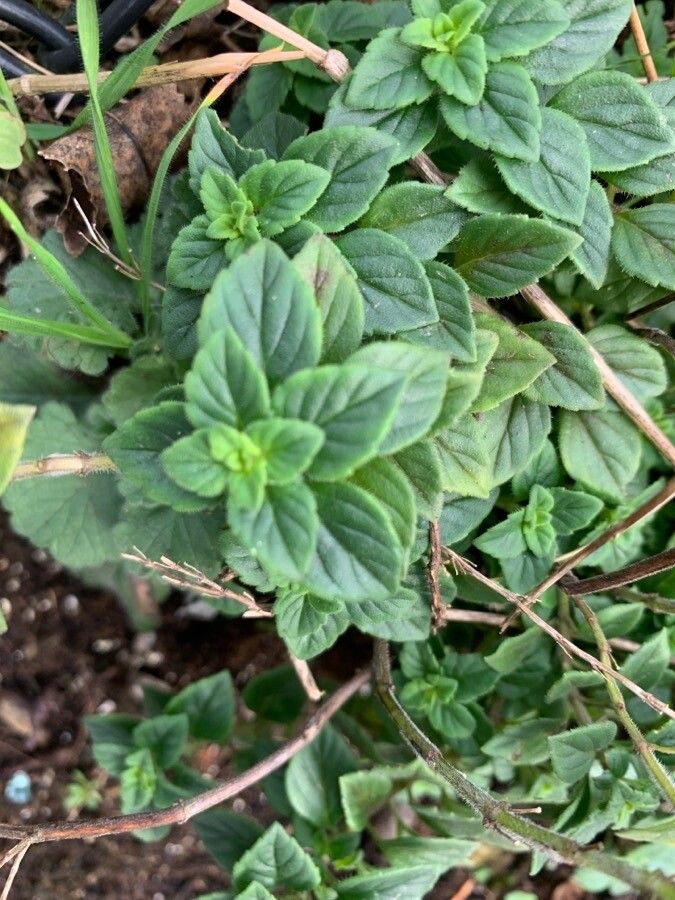
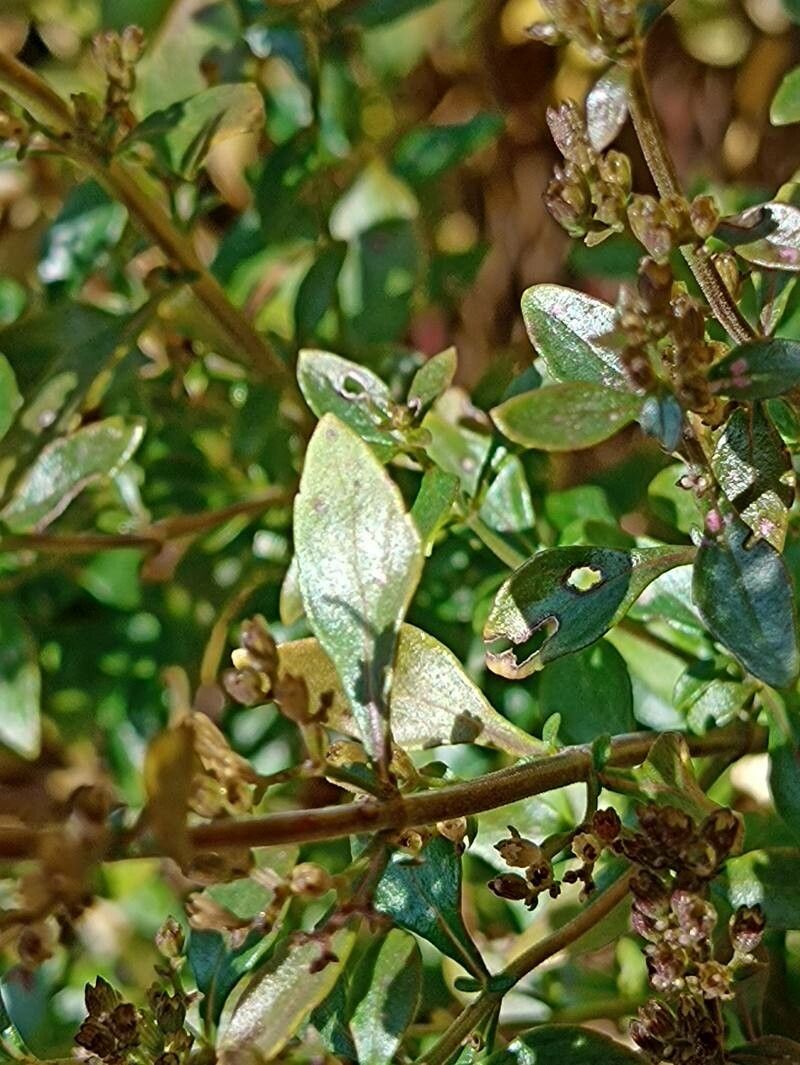
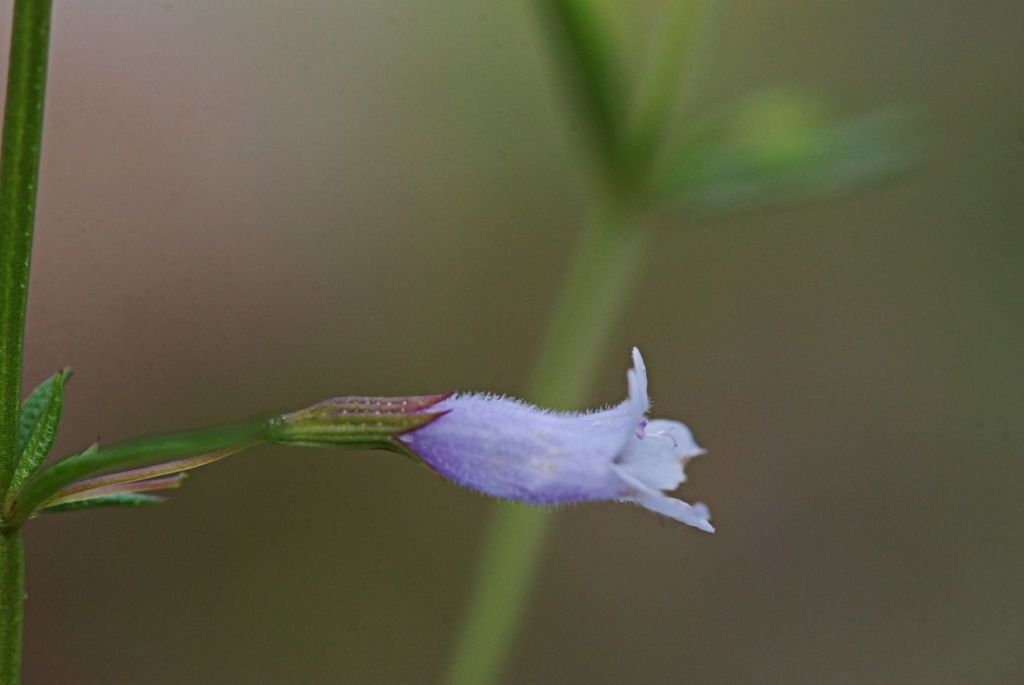
Clinopodium alpinum, commonly known as Alpine Calamint, is a perennial herbaceous plant in the mint family (Lamiaceae). Native to Europe and Asia, it thrives in rocky areas, meadows, and forests at high altitudes.
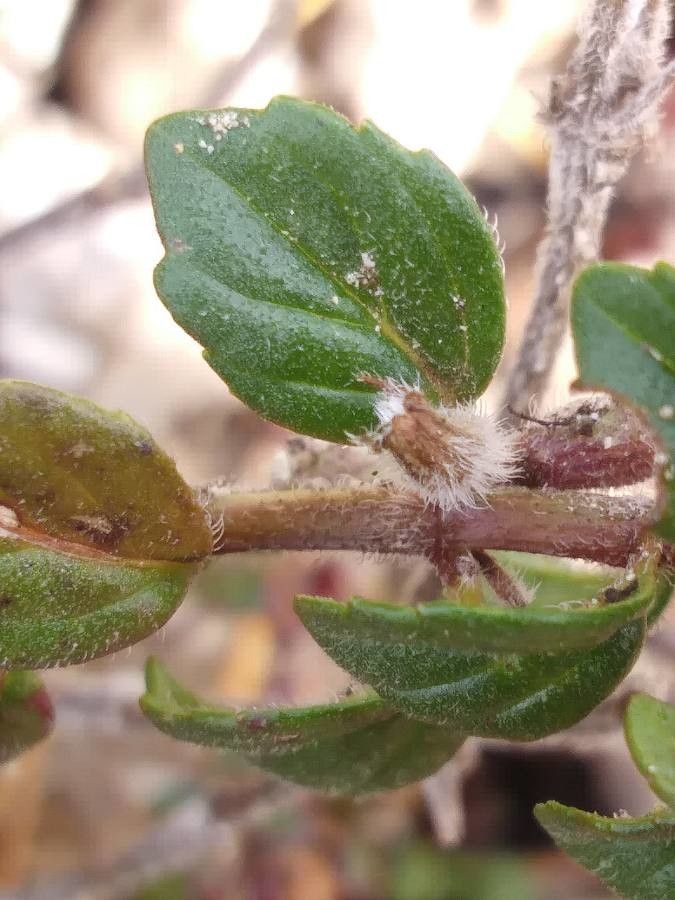
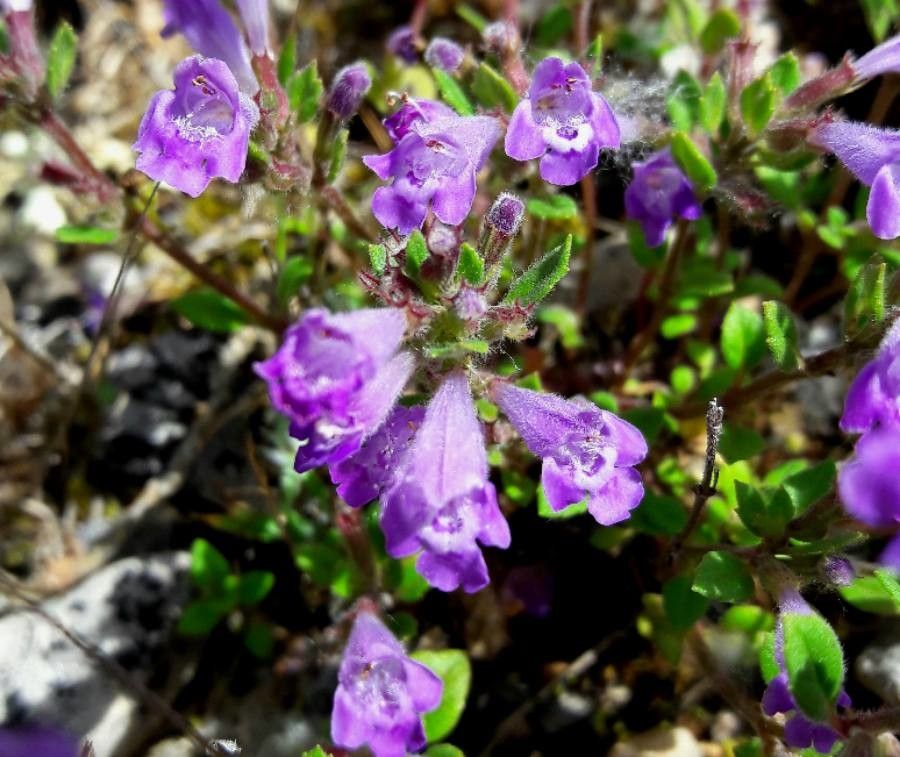
This plant exhibits a compact growth habit, with woody stems that can reach up to 30 cm in height. Its leaves are small and oval-shaped, featuring a dark green upper surface and a lighter green underside. From June to September, Clinopodium alpinum produces numerous small flowers that form dense clusters of pink or purple blooms.
Alpine Calamint has been valued for its medicinal properties for centuries, particularly for its antiseptic qualities. Traditionally, it has been used as an herbal remedy for respiratory ailments, including coughs and colds.
Beyond its medicinal uses, Clinopodium alpinum is also an attractive ornamental plant. Its compact size and colorful blooms make it a great addition to rock gardens or mixed borders.
In summary, Clinopodium alpinum is a versatile plant with both practical applications in traditional medicine and aesthetic value in garden settings.
Botanical profile.
- Plant Type
- Herb
- Life Cycle
- Perennial
- Genus
- Clinopodium
- Family
- Lamiaceae
- Hardiness Zone
- 5-9
- Mature Height
- 46 cm
- Mature Spread
- 15 cm to 30 cm
- Leaf Color
- Green, Dark Green
- Leaf Type
- Semi-evergreen
- Flower Color
- Purple, Lavender
- Flower Size
- 1.02 cm to 1.52 cm
- Bloom Time
- Summer
- Planting Time
- Spring, Summer, Autumn
- Harvest Time
- Late summer, Early fall, Mid fall
Other names.