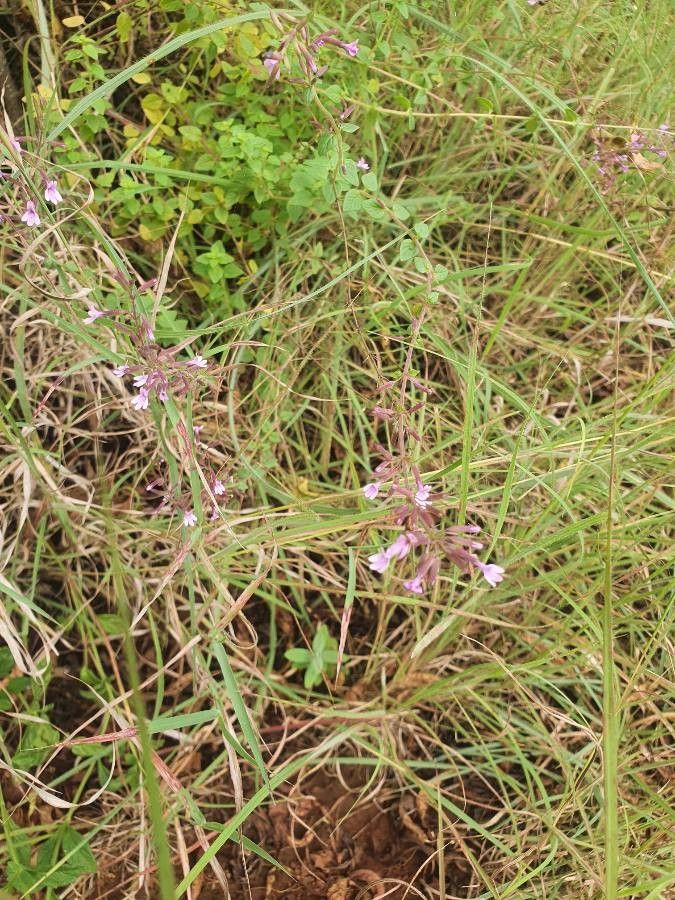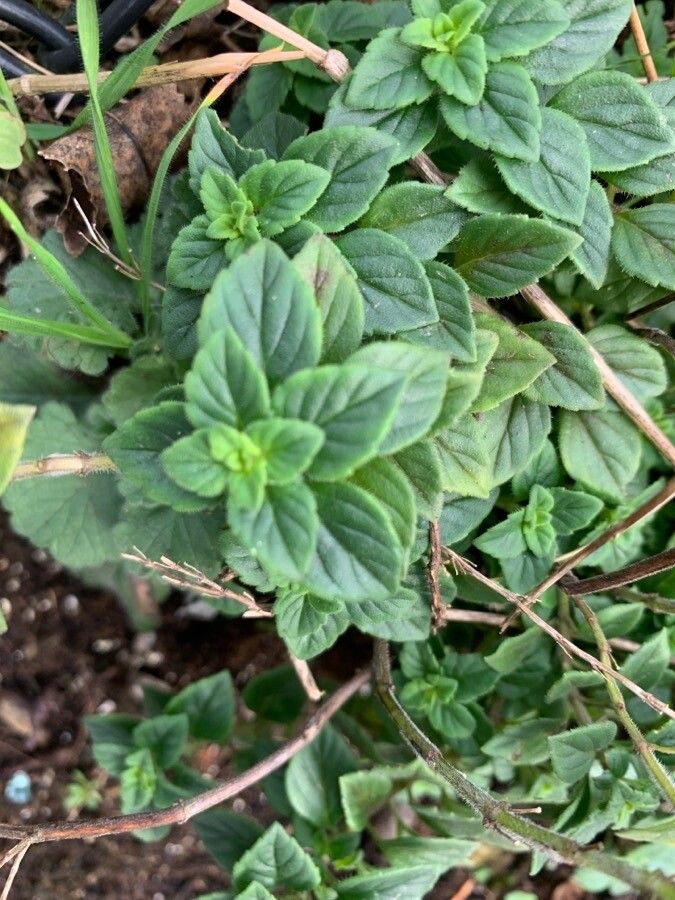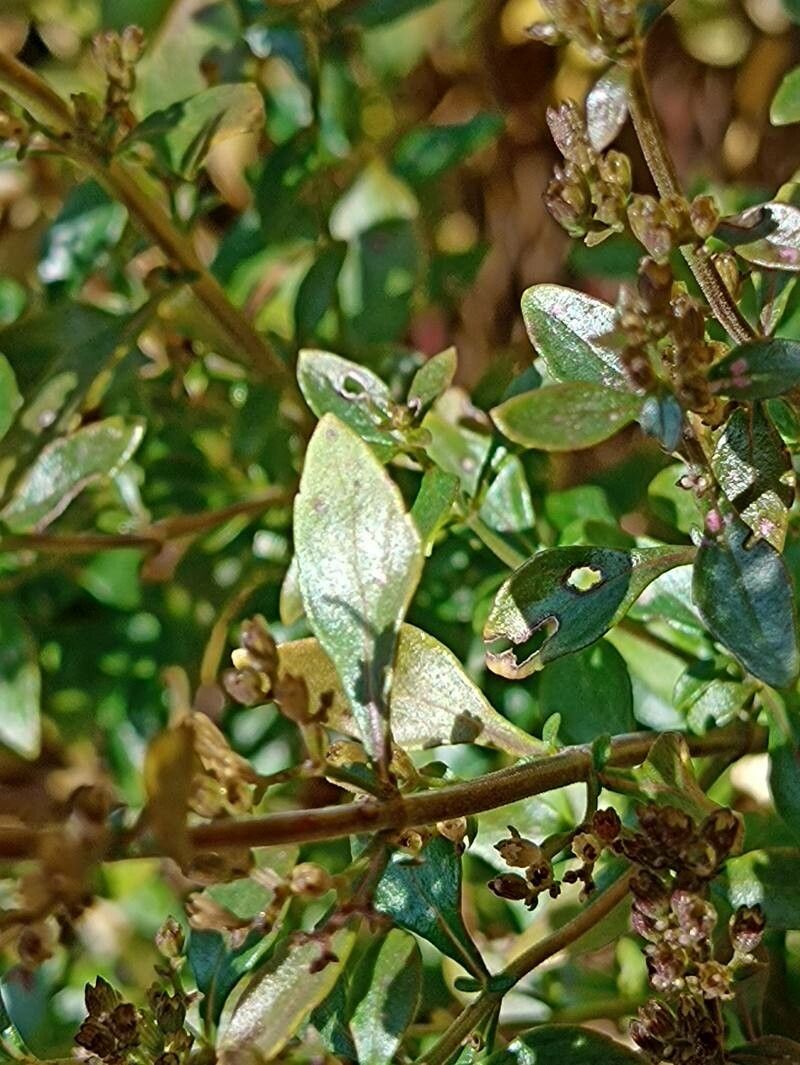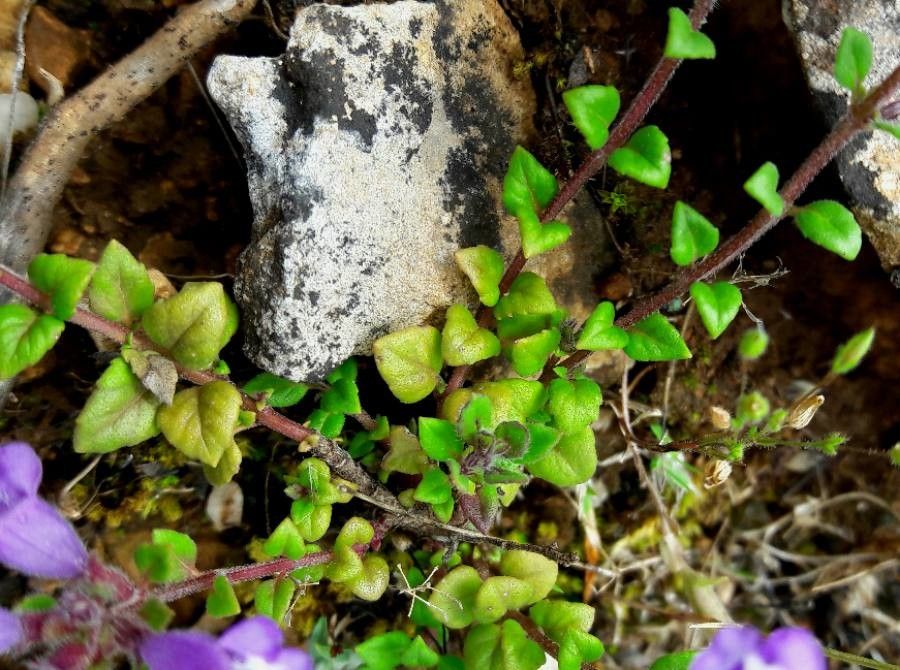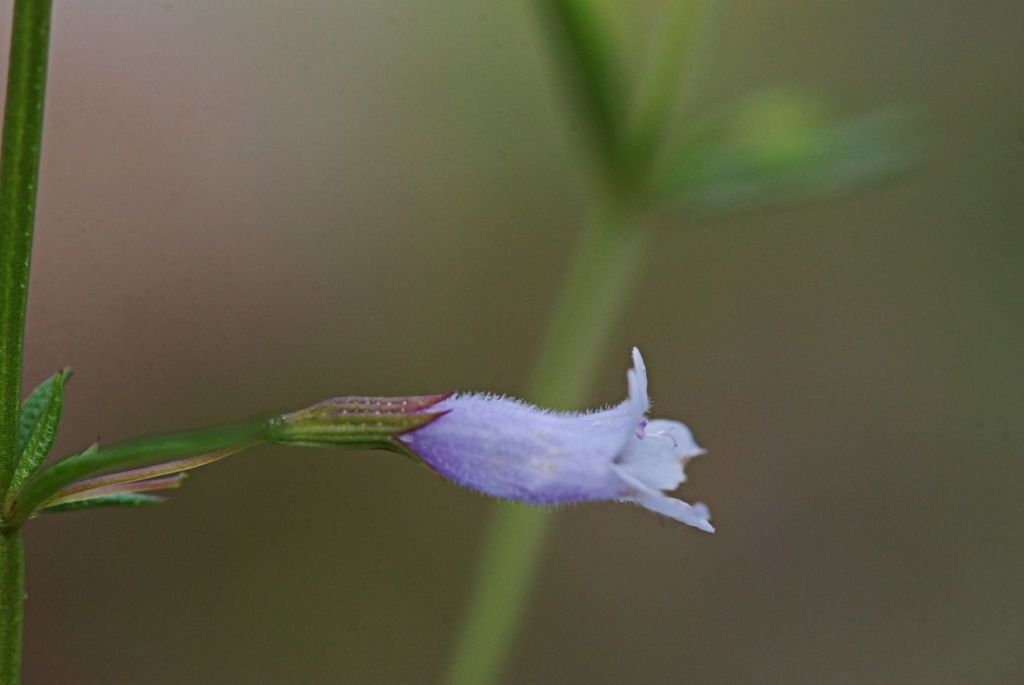
Clinopodium arkansanum is a species of North American flowering plant in the family Lamiaceae. It is commonly known as limestone calamint.
Limestone calamint is fairly resistant to disease and typically does not suffer from serious illnesses. Still, it can be affected by pests and diseases found nearby, though such problems are generally minor. Care-wise, the plant needs a moderate level of attention. Regular pruning is necessary to preserve a neat appearance and encourage healthy growth, and applying fertilizer can help increase flowering. This plant is well suited for anyone with outdoor areas like a garden or patio and does not demand extensive gardening experience. When grown indoors, it may need more attentive care.
How to keep Clinopodium Arkansanum.
Light
The calamint limestone flourishes in environments where it is exposed to unhindered sunlight all day. It thrives in natural settings that are plentiful in direct sunlight. Too much or too little light can impede its healthy development. There are no specific lighting requirements for different stages of its growth.
Water
Limestone calamint thrives in rocky terrains and requires less frequent watering, although it does appreciate consistent moisture. It prefers well-drained soil and has a moderate tolerance to drought. For optimal growth, it is best to water it weekly, particularly during the growing season when it needs more moisture. Additionally, it benefits from exposure to the outdoors during changing seasons.
Temperature
Limestone calamint is indigenous to areas where the temperature generally fluctuates from 41 to 100°F (5 to 38 ℃). It ideally prospers in hotter climates. Seasonal modifications might involve protecting it from drastic temperature variations.
Fertilizer
The optimal period to feed a Limestone calamint is at the onset of spring, when it transitions from dormancy to active growth. Providing fertilizer offers essential nutrients for its healthy expansion. Despite the Limestone calamint's minimal requirements for fertilization, administering it once a year can improve its longevity and stimulate more robust and enduring blossoms.
Pruning
Limestone calamint is a perennial herb known for its fragrant leaves and delicate flowers. To encourage growth and maintain its shape, it's best to prune it from early to late spring. Be sure to remove any damaged stems, as this can help increase the plant's density and extend the blooming period. Proper pruning also improves air circulation, reduces the risk of fungal diseases, and helps control the plant's spread, all of which contribute to its overall health and vitality.
Botanical profile.
- Plant Type
- Herb
- Life Cycle
- Perennial
- Genus
- Clinopodium
- Family
- Lamiaceae
- Hardiness Zone
- 4-12
- Mature Height
- 15 cm to 30 cm
- Mature Spread
- 20 cm to 40 cm
- Leaf Color
- Green, Dark Green
- Leaf Type
- Deciduous
- Flower Color
- White
- Flower Size
- 2.54 cm
- Bloom Time
- Summer
- Planting Time
- Spring, Summer, Autumn
- Harvest Time
- Late summer, Early fall, Mid fall