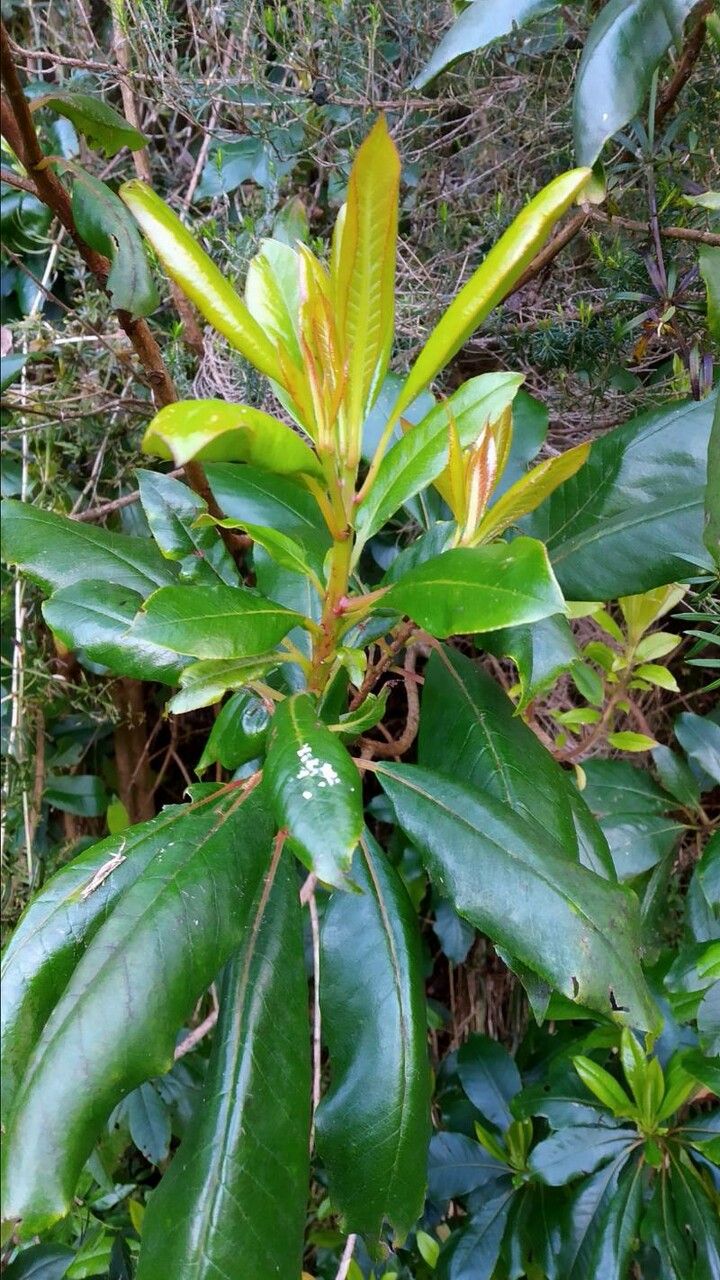
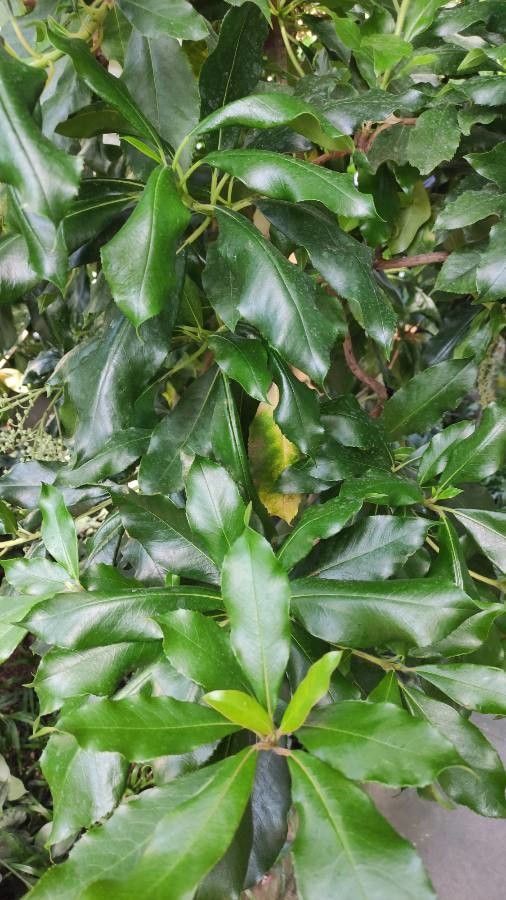
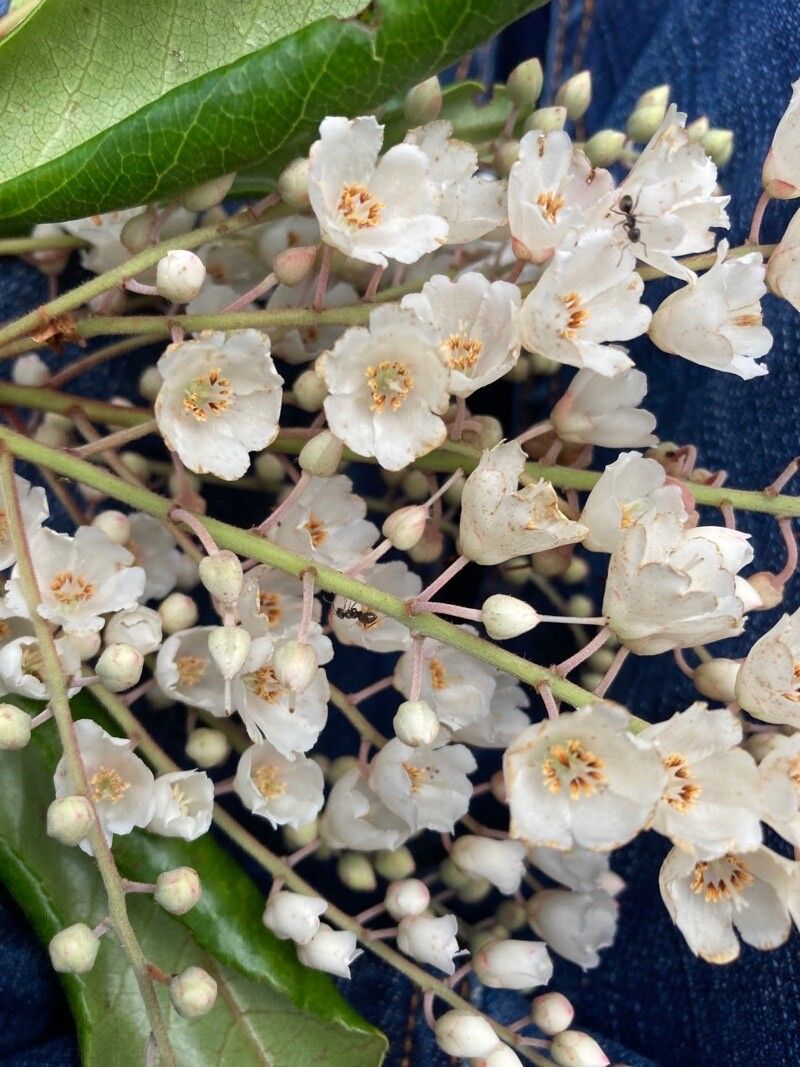
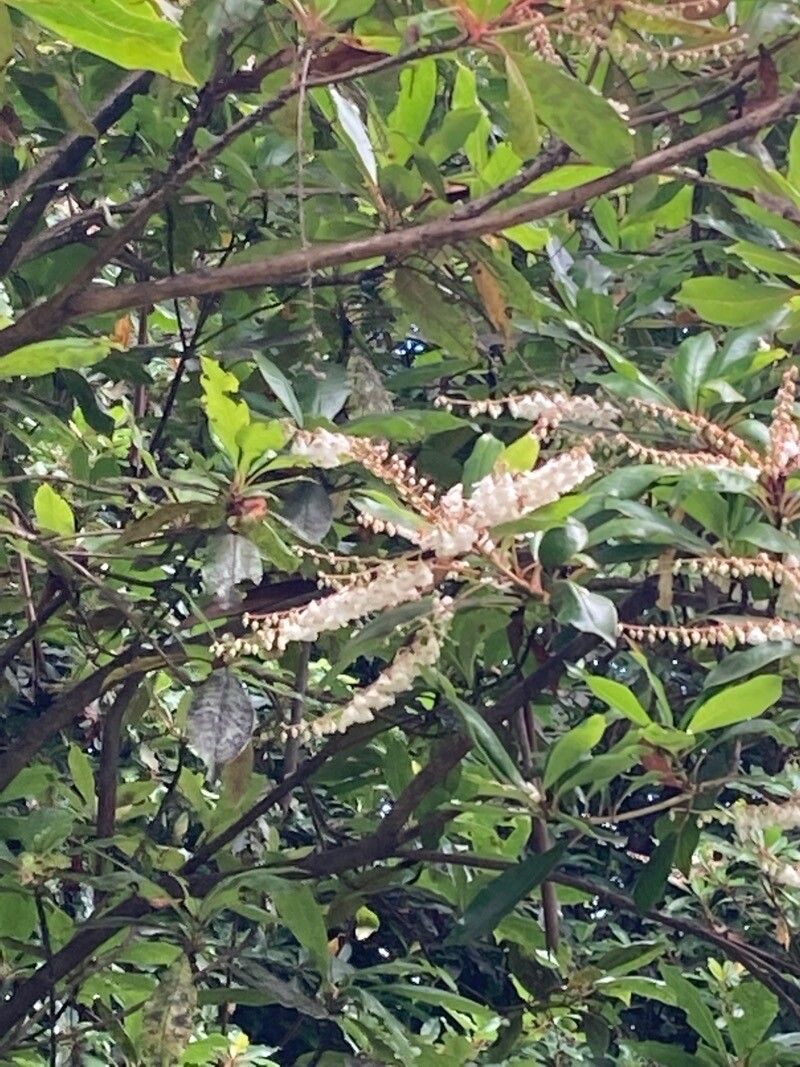
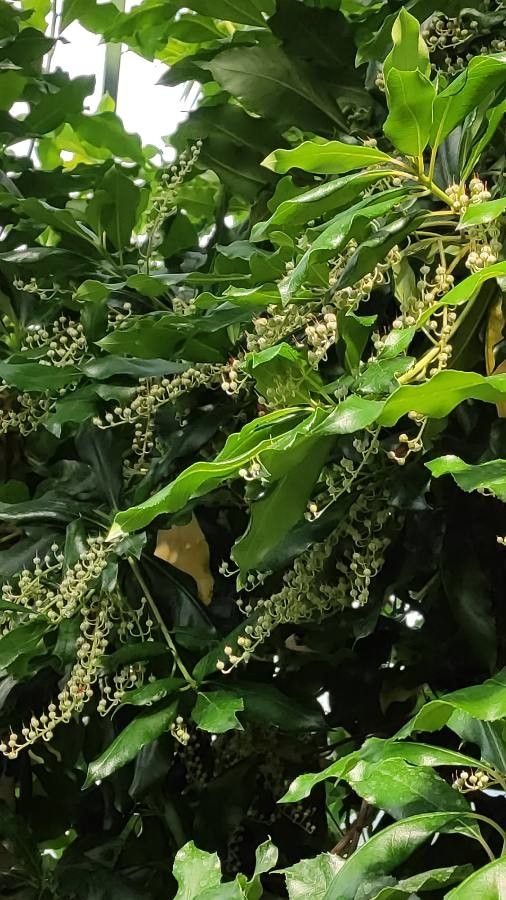
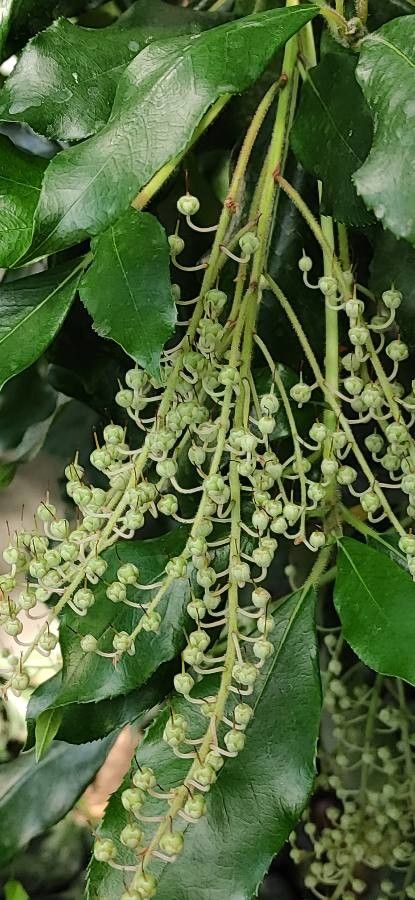
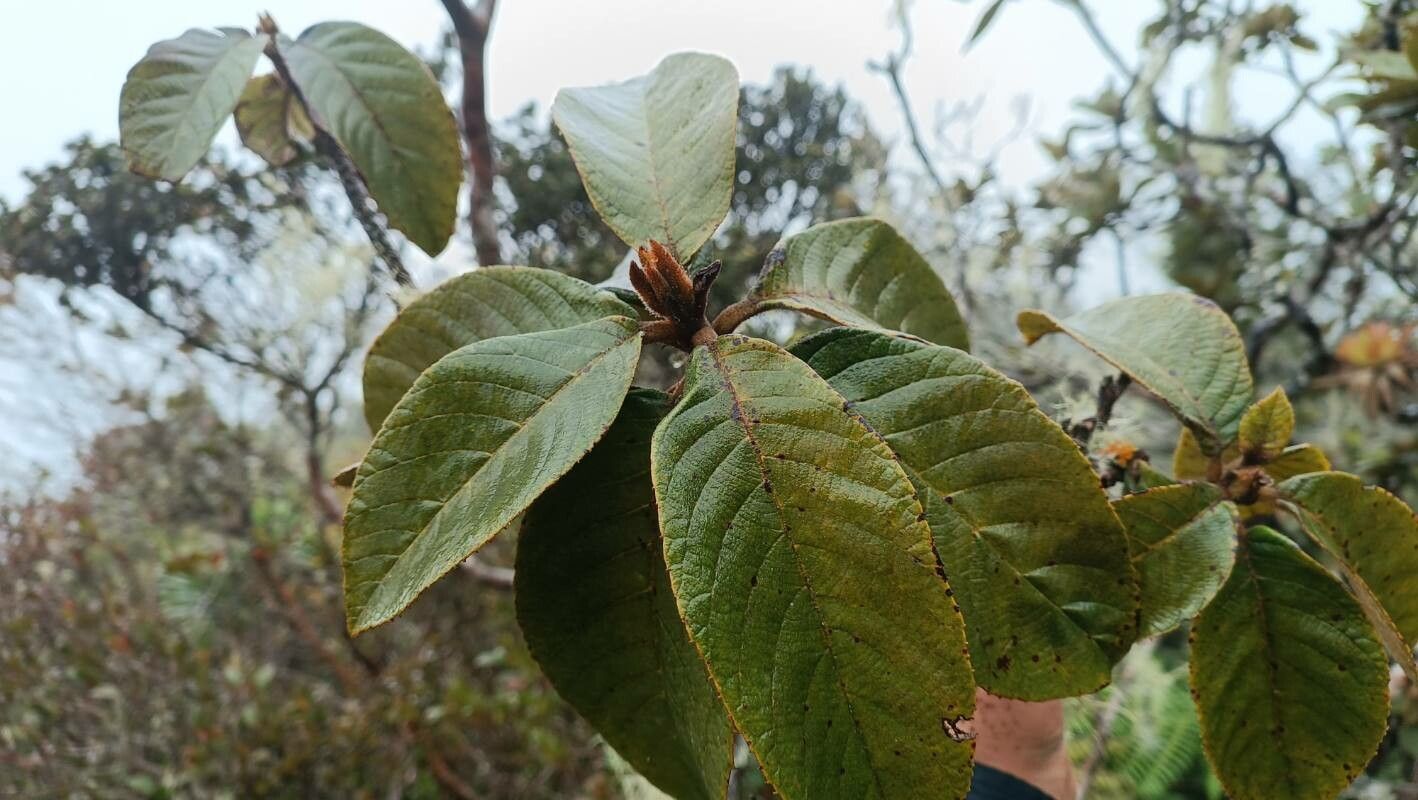
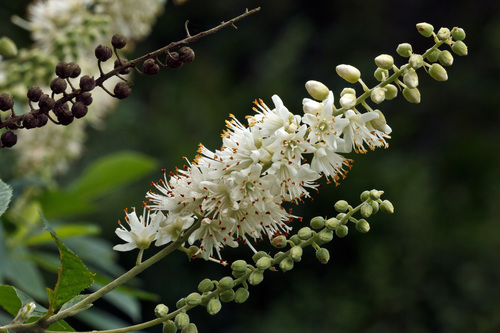
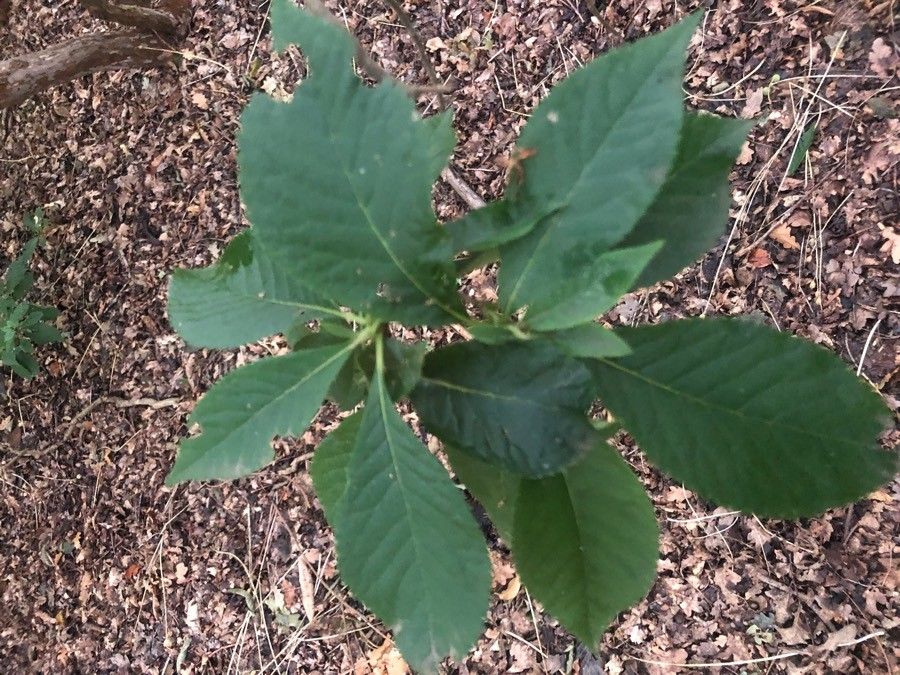
Clethra arborea, commonly known as the lily-of-the-valley-tree, is a flowering plant in the genus Clethra. It is found in Macaronesia where it is native to Madeira, extinct in the Canary Islands, and considered an introduced species in the Azores. In Madeira its natural habitat is laurisilva forest.
The Lily of the valley tree is resistant to disease and is typically not susceptible to illnesses. Care-wise, this plant is fairly low-maintenance. When grown outdoors it needs little watering, and larger specimens usually do not require pruning. Smaller plants, however, should be pruned after they finish blooming. The Lily of the valley tree is suitable for anyone with outdoor space, such as a garden or a deck, and does not require extensive care experience.
How to keep Clethra Arborea.
Light
Lily of the valley tree is native to habitats such as forest understories or rocky areas, where it grows in natural shade. It prefers partial sun but can tolerate full sun or full shade, illustrating its versatile and hardy nature.
Water
The lily of the valley tree flourishes in humid environments, favoring soil that is evenly moist and slightly acidic. While it can tolerate moderate drought, it still requires watering on a weekly basis. Using rainwater is particularly advantageous because it is softer and more acidic than tap water, which matches the natural moisture conditions that the lily of the valley tree prefers.
Temperature
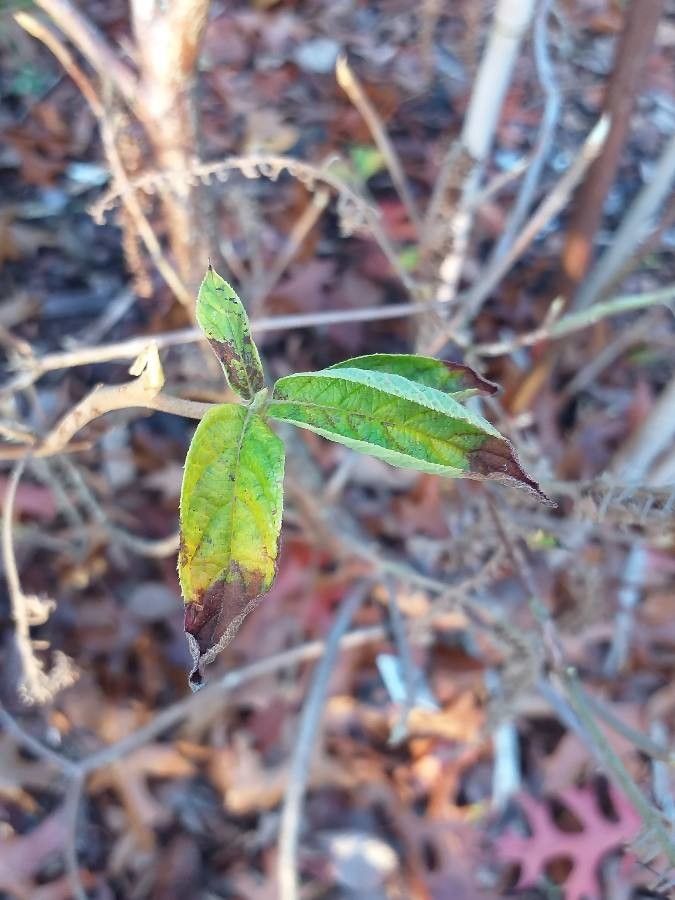
Lily of the valley tree shows strong adaptability to temperature, able to endure higher heat and fairly large temperature swings. In hot weather, attention should be paid to watering and providing suitable shade to prevent sunburn. However, the Lily of the valley tree is relatively sensitive to low temperatures; it can tolerate some cold, but overly cold conditions can cause frost damage.
Fertilizer
Timing is essential when fertilizing a Lily of the valley tree. Fertilize in early spring and continue every month until early summer. Fertilizer encourages beautiful blooms and supplies energy during both dormant and active growth phases.
Pruning
The lily of the valley tree benefits from annual pruning in early spring, which promotes healthy growth and improves air circulation. During pruning, remove any dead or crossing branches and lightly shape the tree to enhance its natural structure. Regular pruning not only encourages blooming but also helps maintain the tree's size. Be sure to use clean, sharp tools to prevent the spread of disease.
Botanical profile.
- Plant Type
- Shrub
- Life Cycle
- Perennial
- Genus
- Clethra
- Family
- Clethraceae
- Hardiness Zone
- 8-11
- Mature Height
- 7.92 m
- Mature Spread
- 6.1 m
- Leaf Color
- Dark Green
- Leaf Type
- Evergreen
- Flower Color
- White
- Flower Size
- 0.76 cm to 1.27 cm
- Bloom Time
- Mid summer, Late summer, Early fall
- Planting Time
- Summer, Autumn
- Harvest Time
- Mid fall, Late fall, Early winter
Other names.
Reader questions.
What are the sunlight requirements for Lily of the Valley Tree?
The Lily of the Valley Tree, also known scientifically as Clethra arborea, thrives under specific sunlight conditions to ensure its health and happiness. It requires 'full sun,' which means it should receive above 6 hours of sunlight daily. Alternatively, it can also prosper in 'partial sun' conditions, receiving about 3-6 hours of sunlight each day. When choosing a spot for your Lily of the Valley Tree, it's important to observe how sunlight moves through your garden throughout the day. This observation will help you find an area that offers the perfect balance of light and shade, accommodating the plant's needs for optimal growth.
What is the botanical name of the Lily of the Valley Tree?
The botanical name of the Lily of the Valley Tree is Clethra arborea.