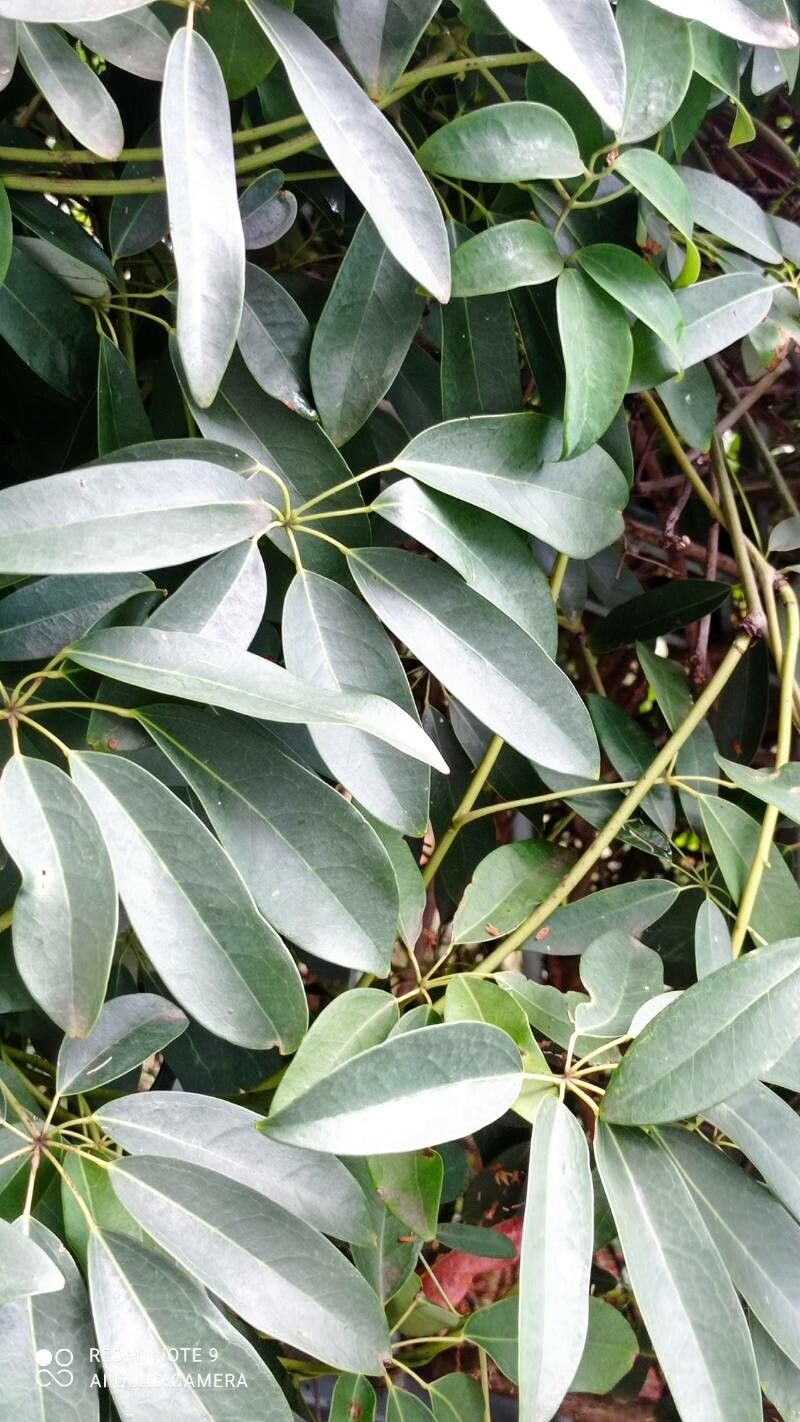
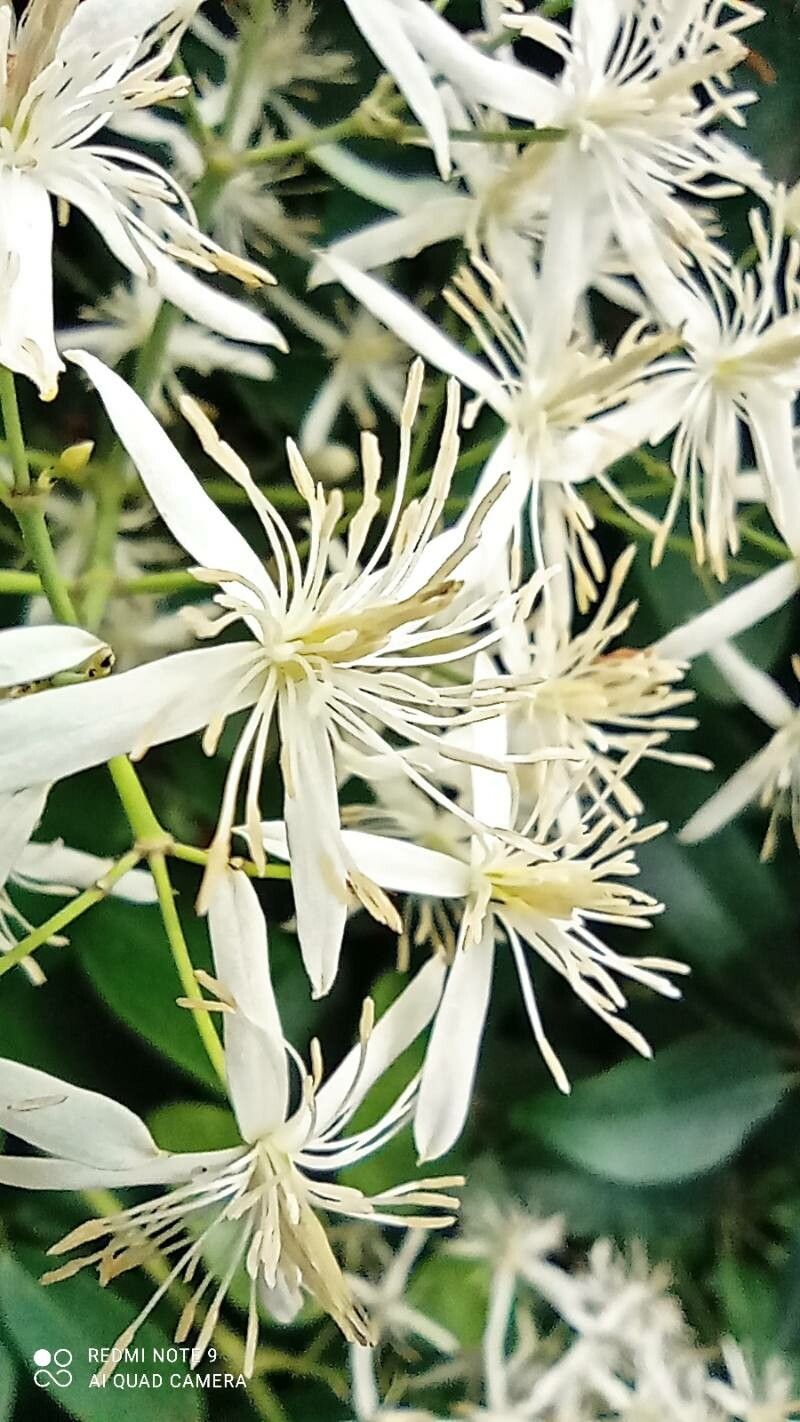
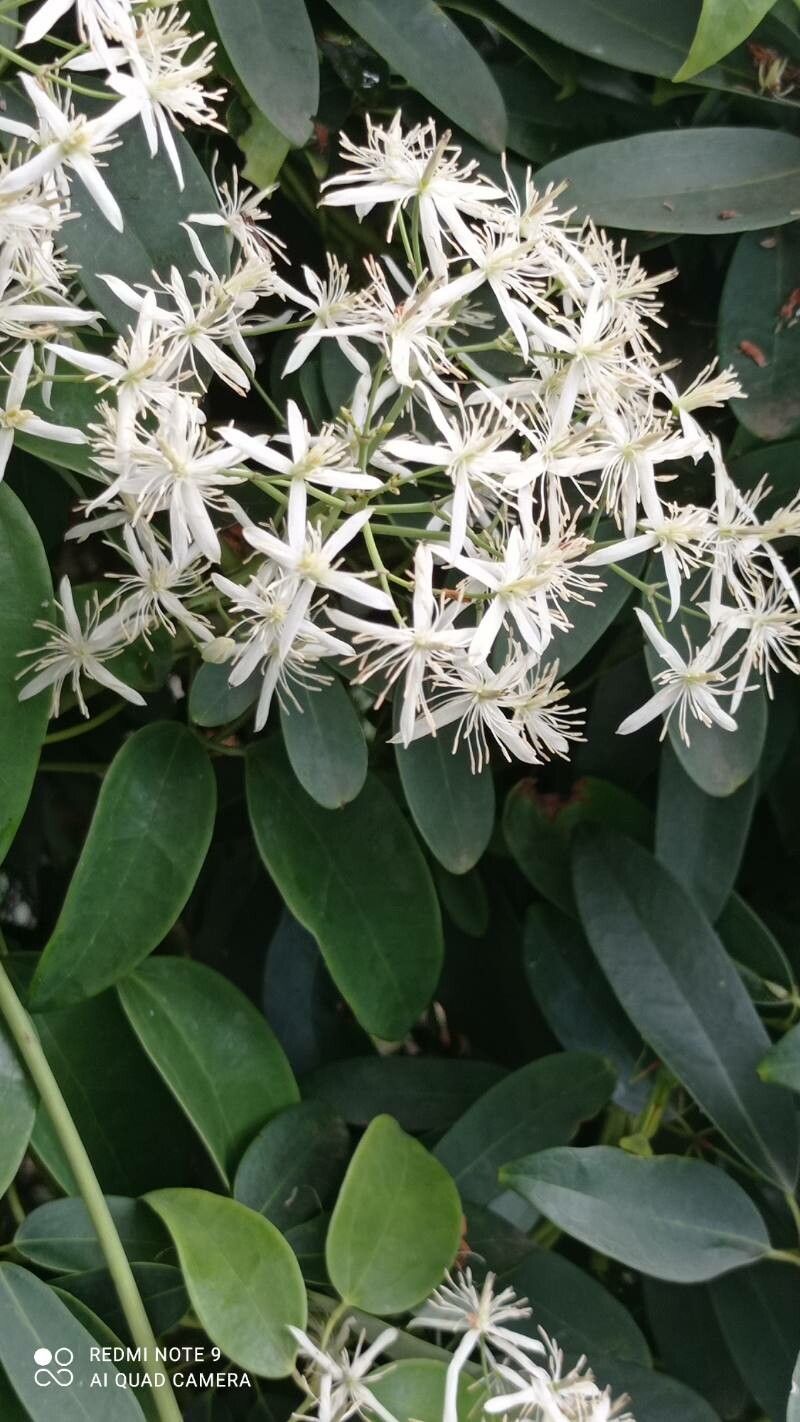
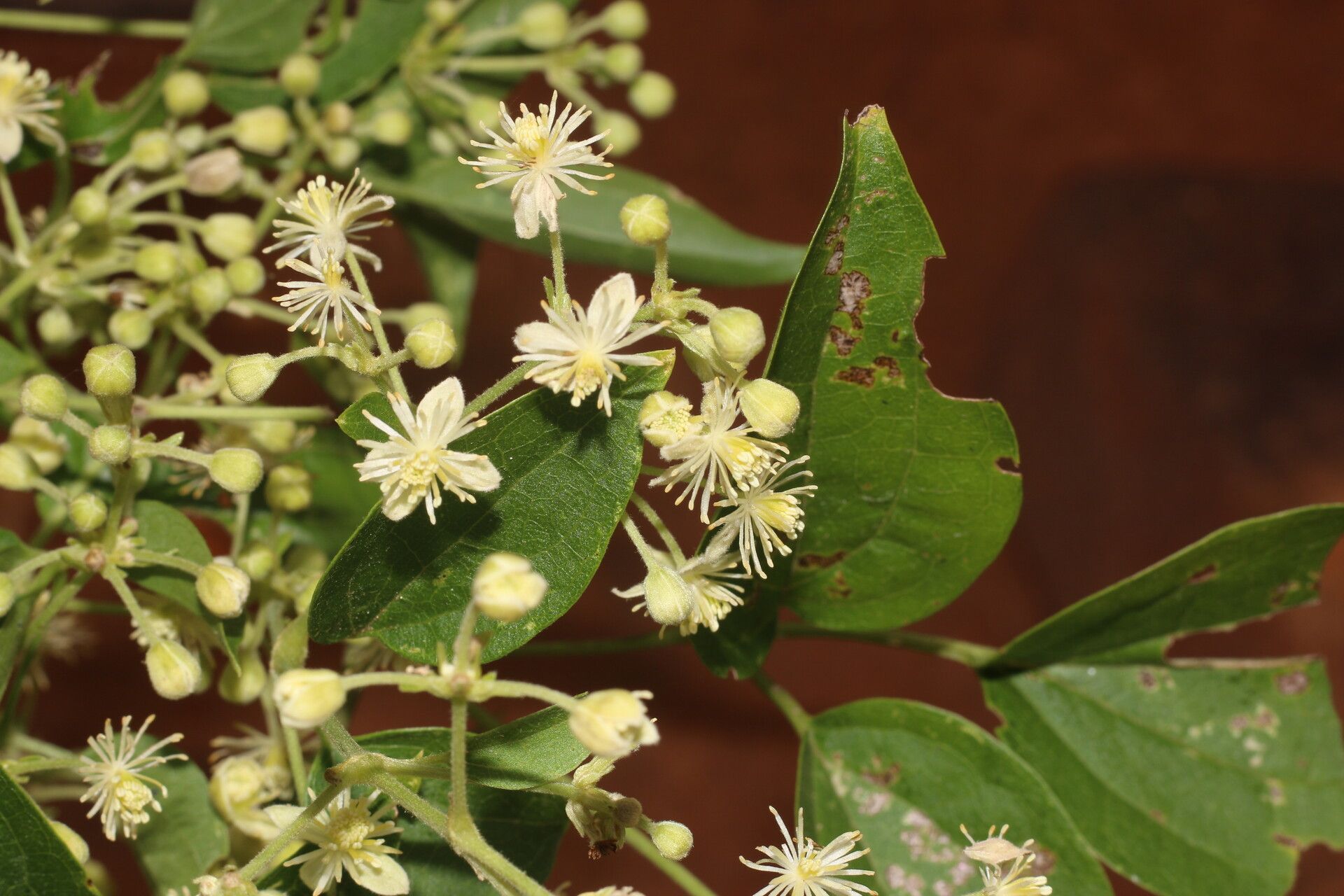
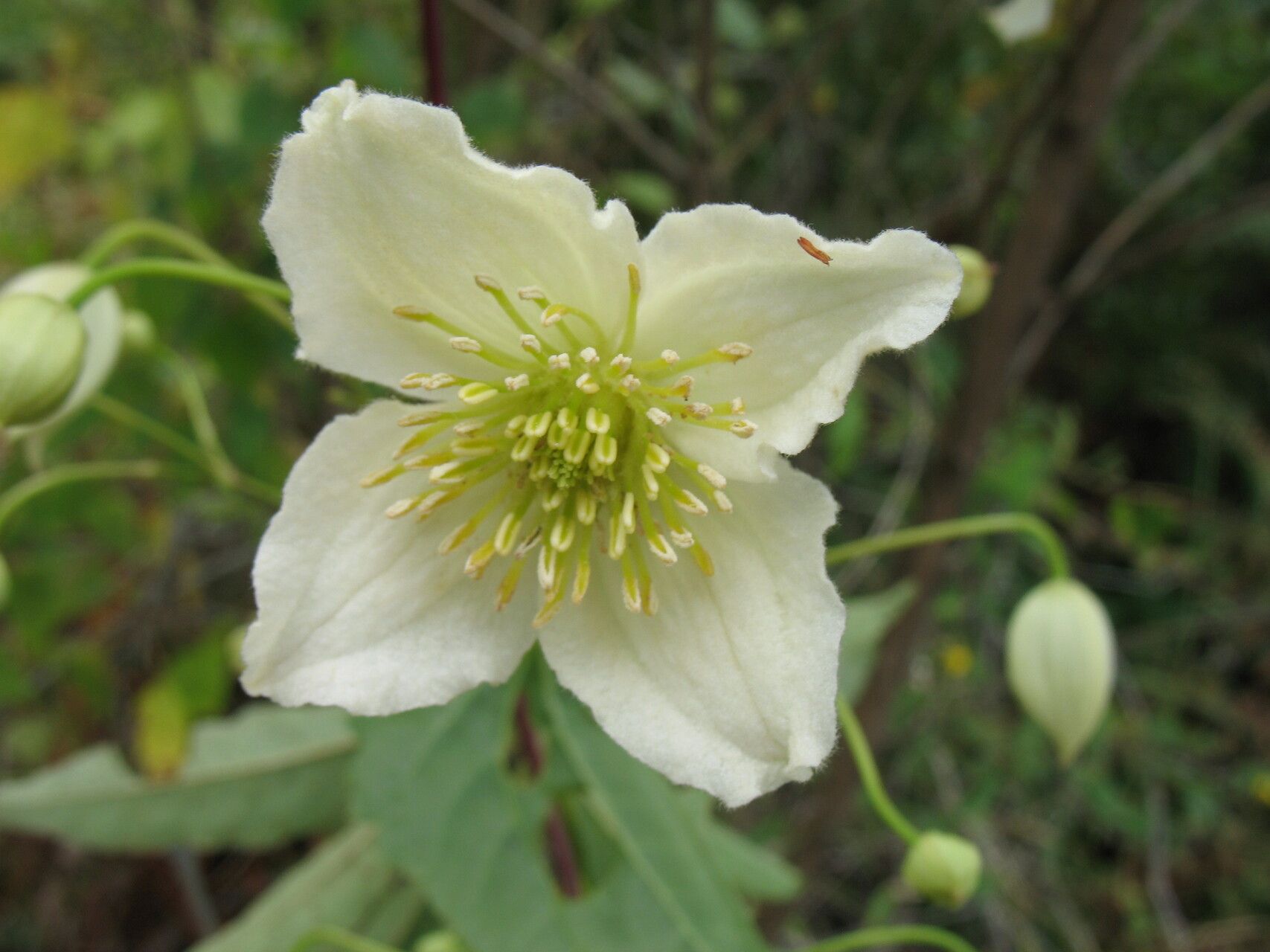
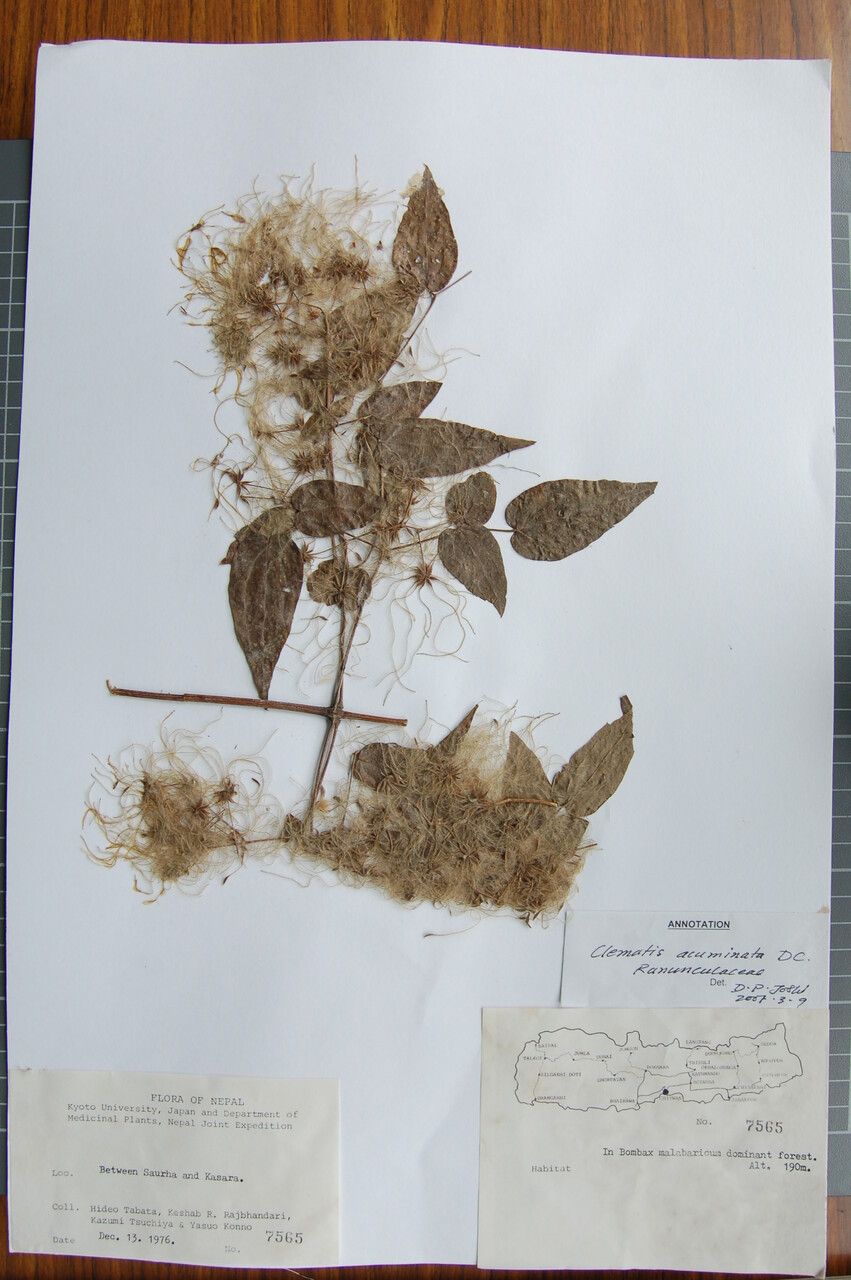
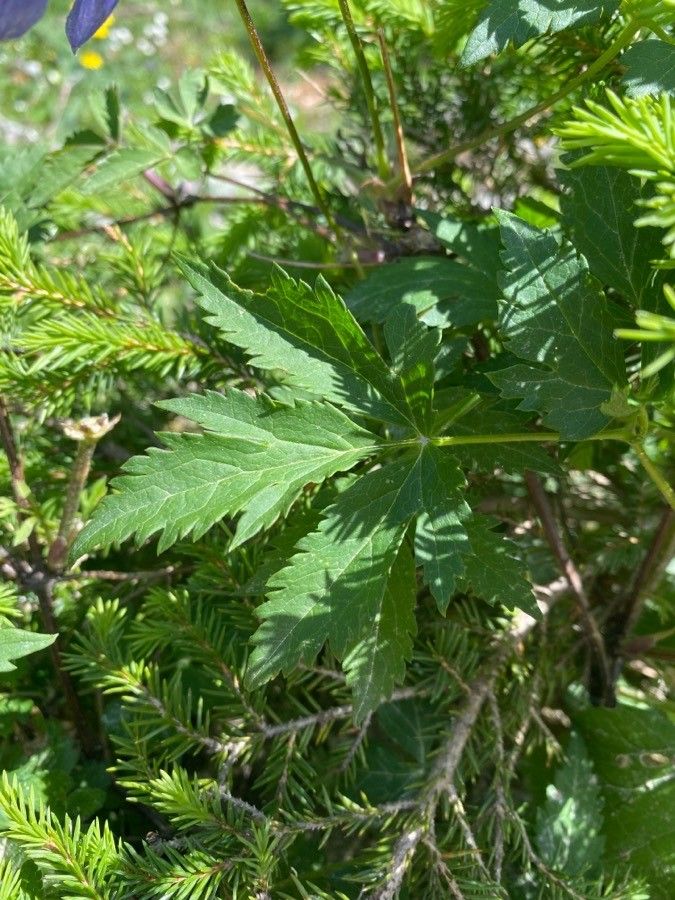
Hook-leaved clematis is quite disease-resistant and generally not susceptible to illnesses. In terms of care, this plant is fairly low-maintenance. When grown outdoors it needs only minimal watering, and larger plants typically do not require pruning. Smaller plants, however, should be pruned after they have finished blooming. Hook-leaved clematis is suitable for anyone with an outdoor area, such as a garden or a deck, and does not demand much gardening experience.
How to keep Clematis Uncinata.
Light
Hook-leaved clematis comes from open habitats, such as sunny meadows and the edges of forests, which supply plenty of light. It prefers full sun but can also endure partial sun, showing good adaptability to different light levels.
Water
The hook-leaved clematis originates from moist woodlands, where it flourishes in humid conditions. While it prefers consistent moisture, it is moderately drought-tolerant. For optimal growth, water it twice a week. Using rainwater can further enhance its development as an outdoor climber, supporting its natural growth cycle.
Temperature
Hook-leaved clematis is highly adaptable to a variety of climate conditions, from scorching summers to cold winters. Nevertheless, it has an optimal temperature range for growth. If temperatures become too high, the plant is vulnerable to heat and humidity stress, which can lead to its death. In areas where temperatures near the lower limit of its cold tolerance, applying insulation measures to protect the plant is necessary.
Fertilizer
Timing is essential for feeding Hook-leaved clematis. Begin fertilizing in early spring and continue once a month until early summer. Fertilizer encourages attractive blooms and supplies energy during both dormant and active growth periods.
Pruning
To maintain the health and beauty of hook-leaved clematis, it is important to prune them before they flower, or in late winter to early spring. This helps remove weak branches and enhances the quality of blooms. For varieties that bloom later in the season, heavy pruning encourages robust new growth. Aim to prune about half of the branches to promote better blooming. Be sure to adjust your pruning schedule according to local weather conditions for optimal results.
Botanical profile.
- Plant Type
- Vine
- Life Cycle
- Perennial
- Genus
- Clematis
- Family
- Ranunculaceae
- Hardiness Zone
- 7-9
- Mature Height
- 4.57 m to 7.62 m
- Mature Spread
- 2.13 m to 3.05 m
- Leaf Color
- Green
- Leaf Type
- Deciduous
- Flower Color
- White
- Flower Size
- 5.08 cm
- Bloom Time
- Late spring, Early summer, Mid summer
- Planting Time
- Spring, Summer, Autumn
- Harvest Time
- Late summer, Early fall, Mid fall
- Native Area
- Vietnam, Japan, China