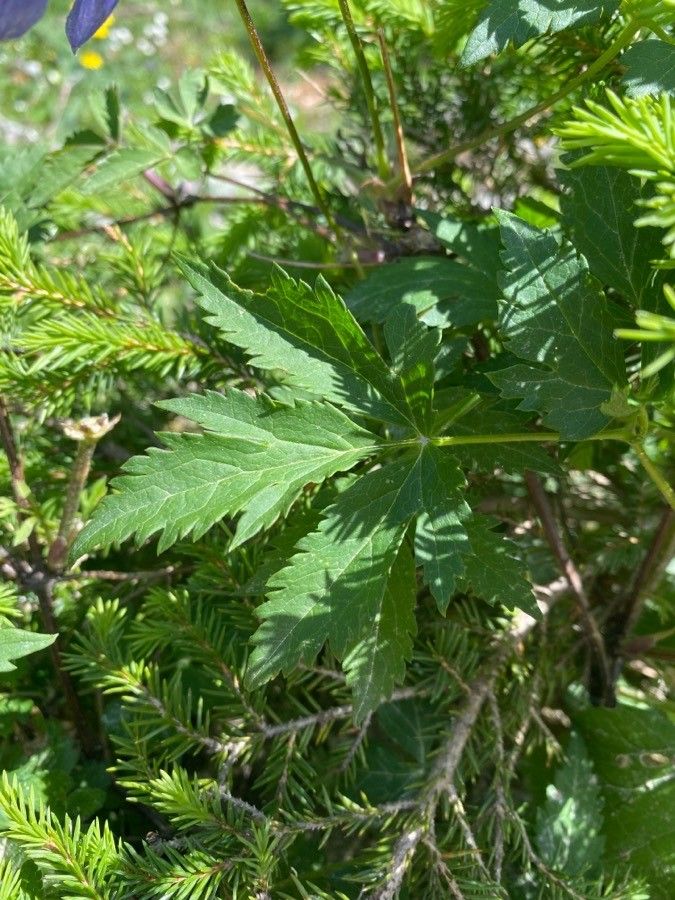
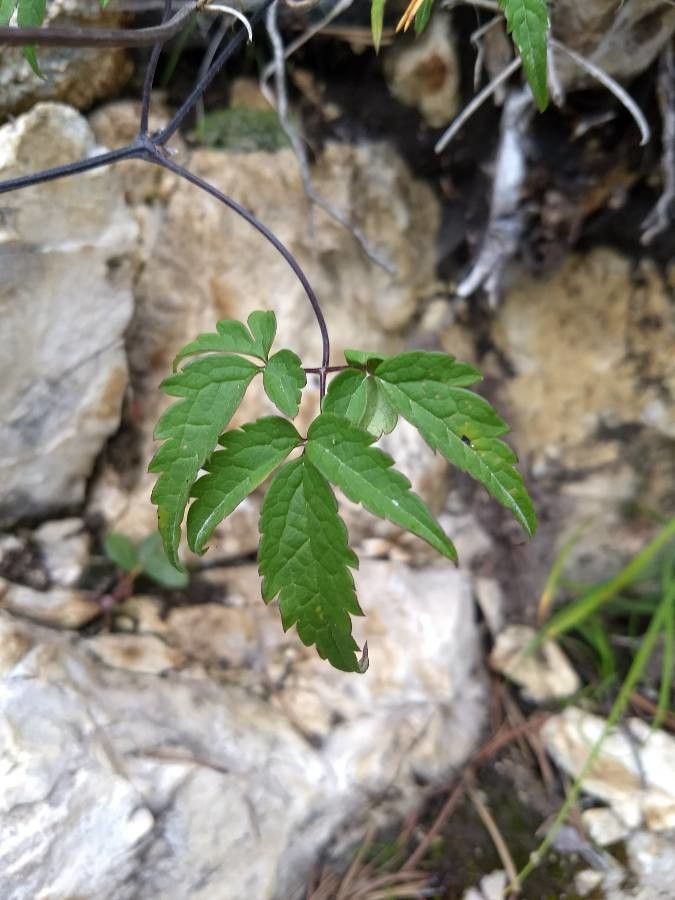
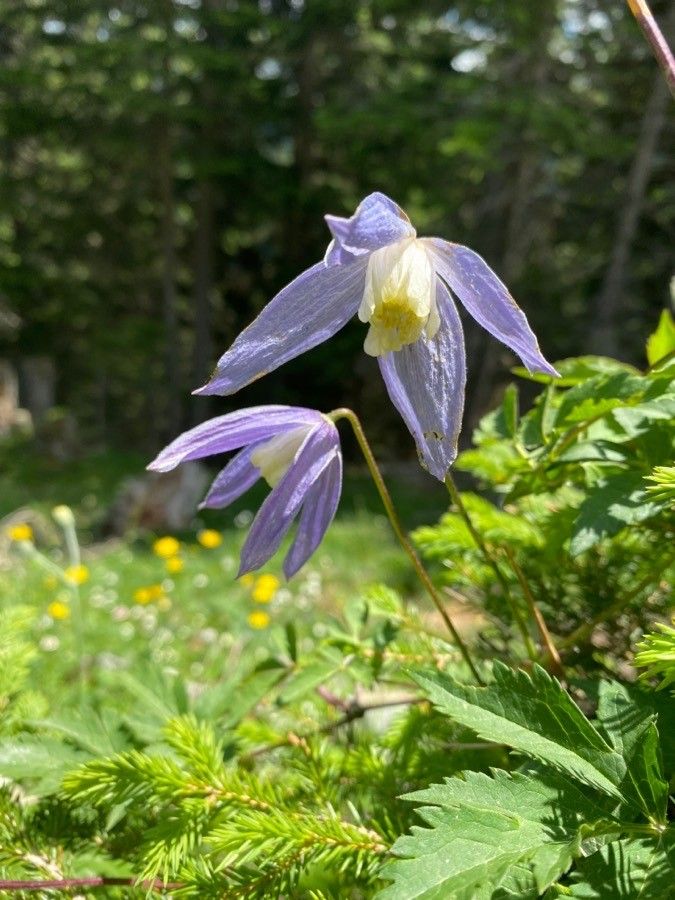
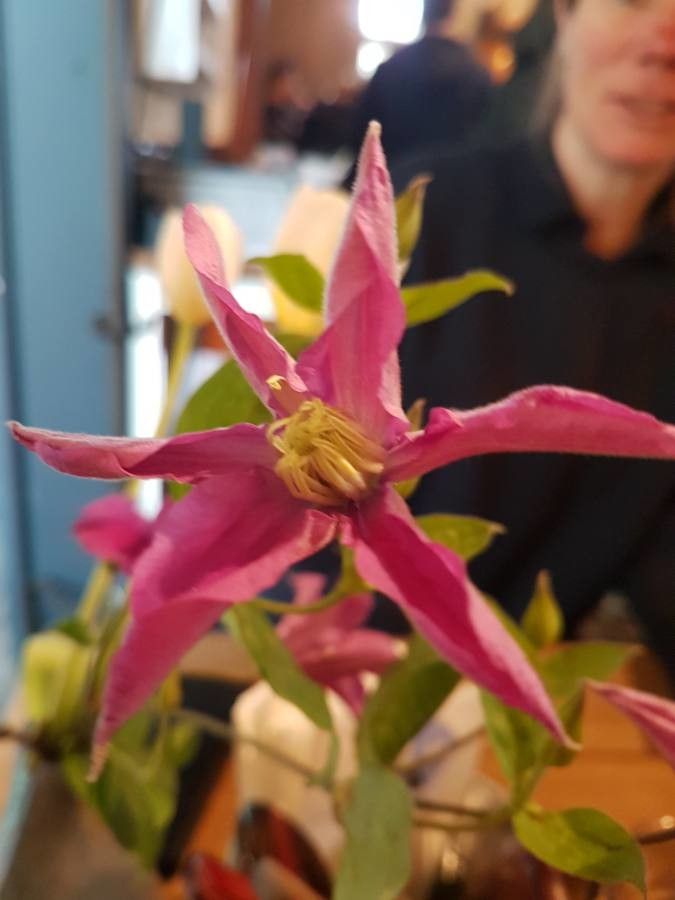
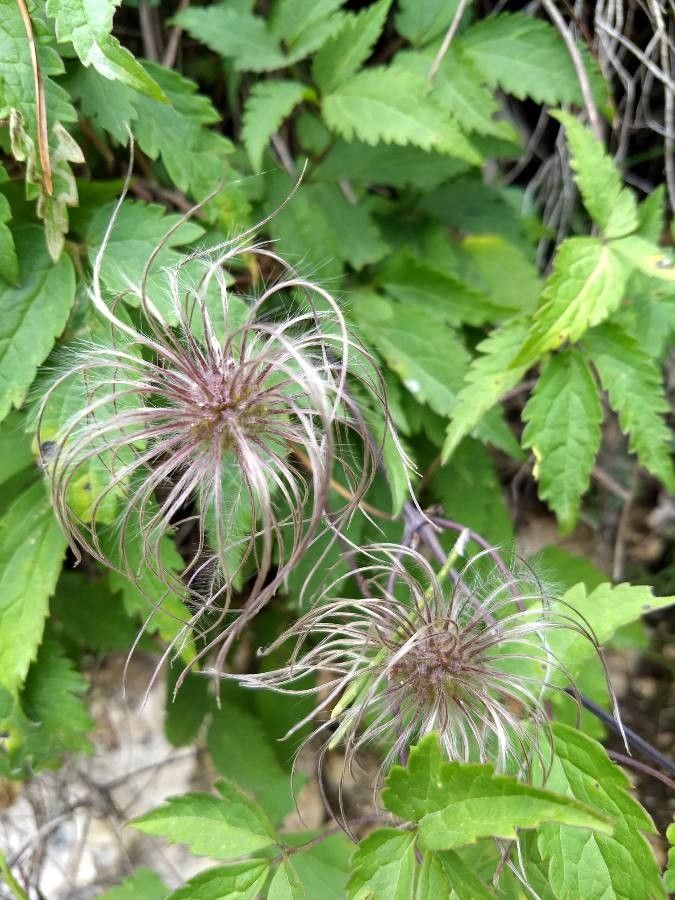
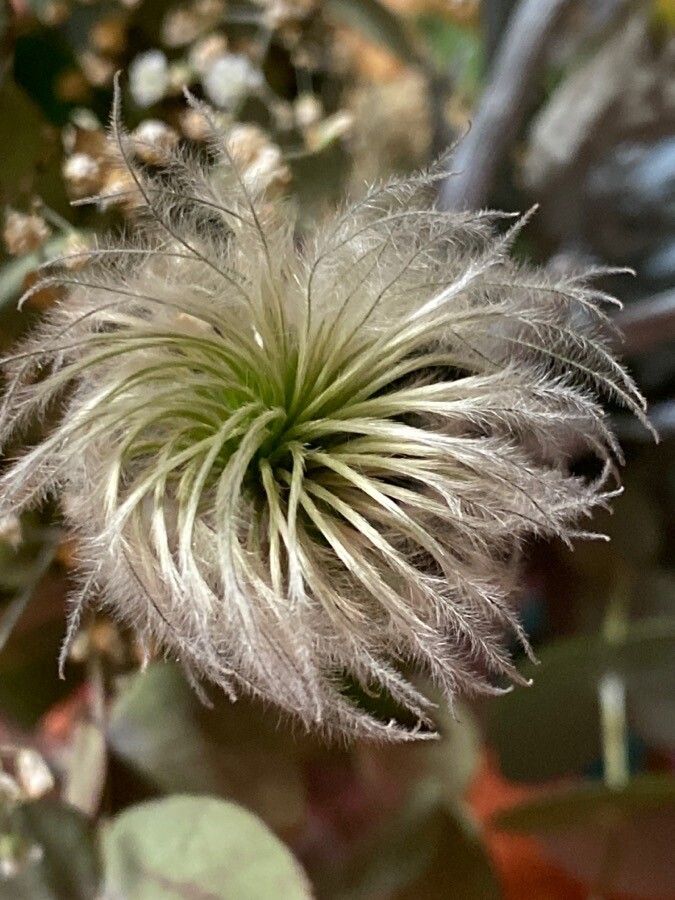
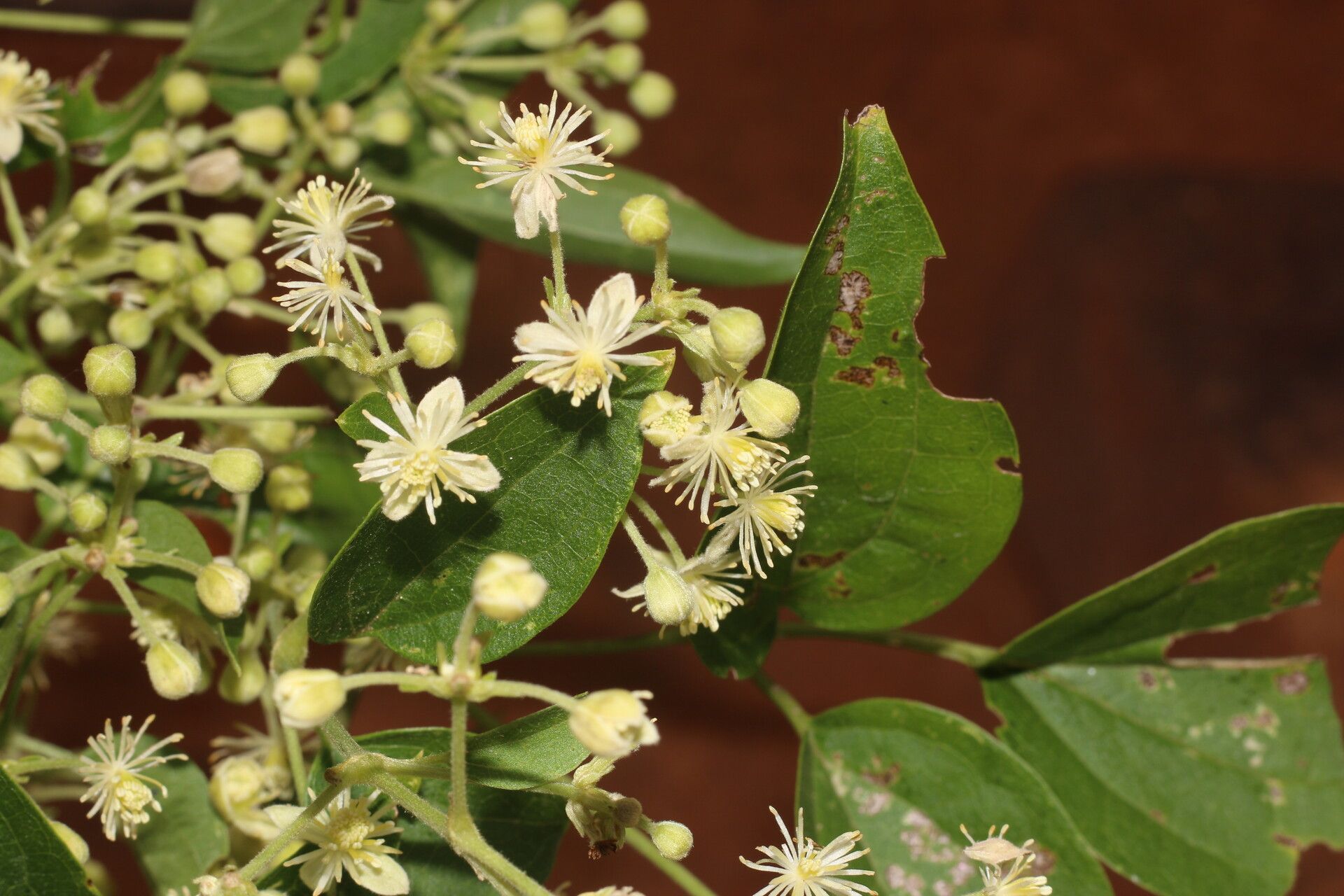
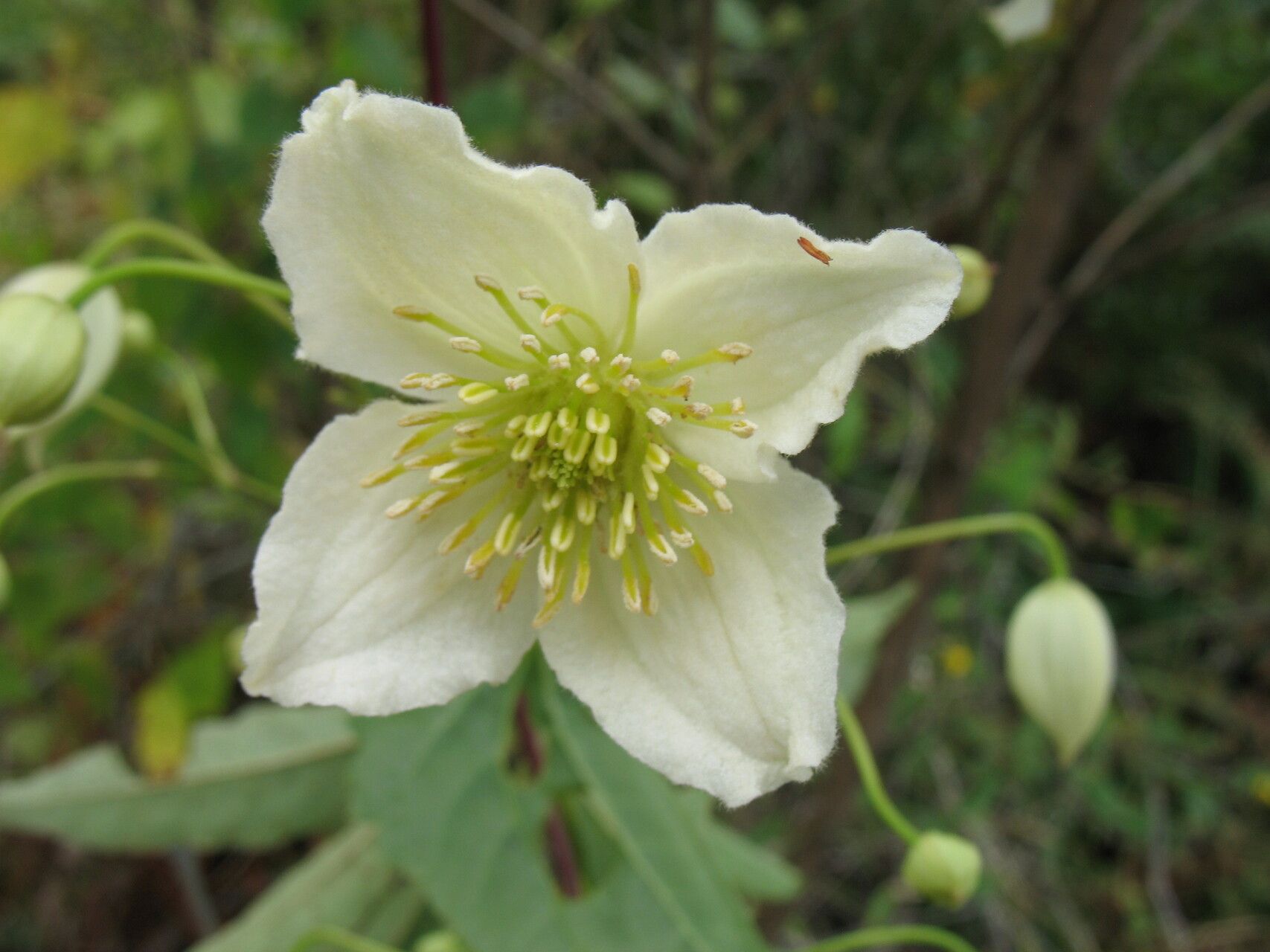
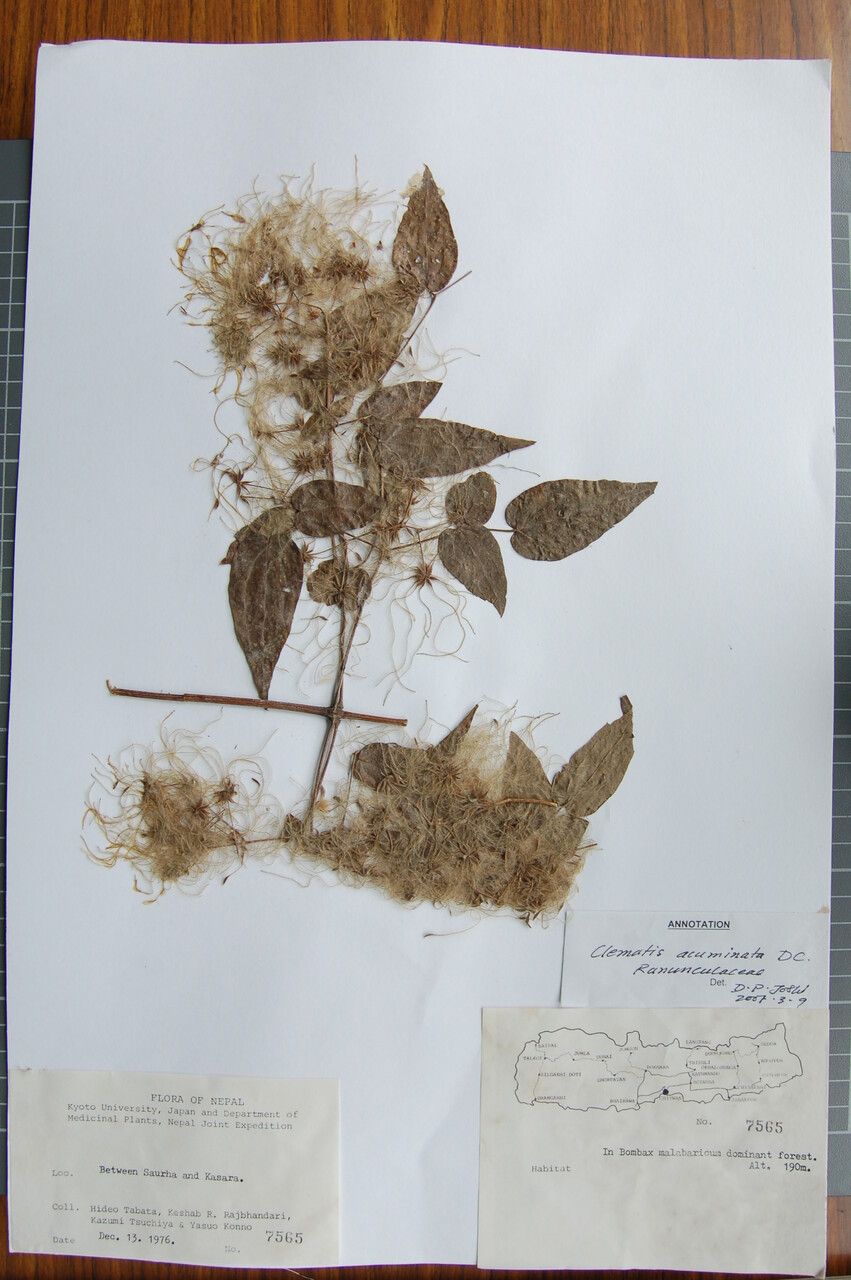
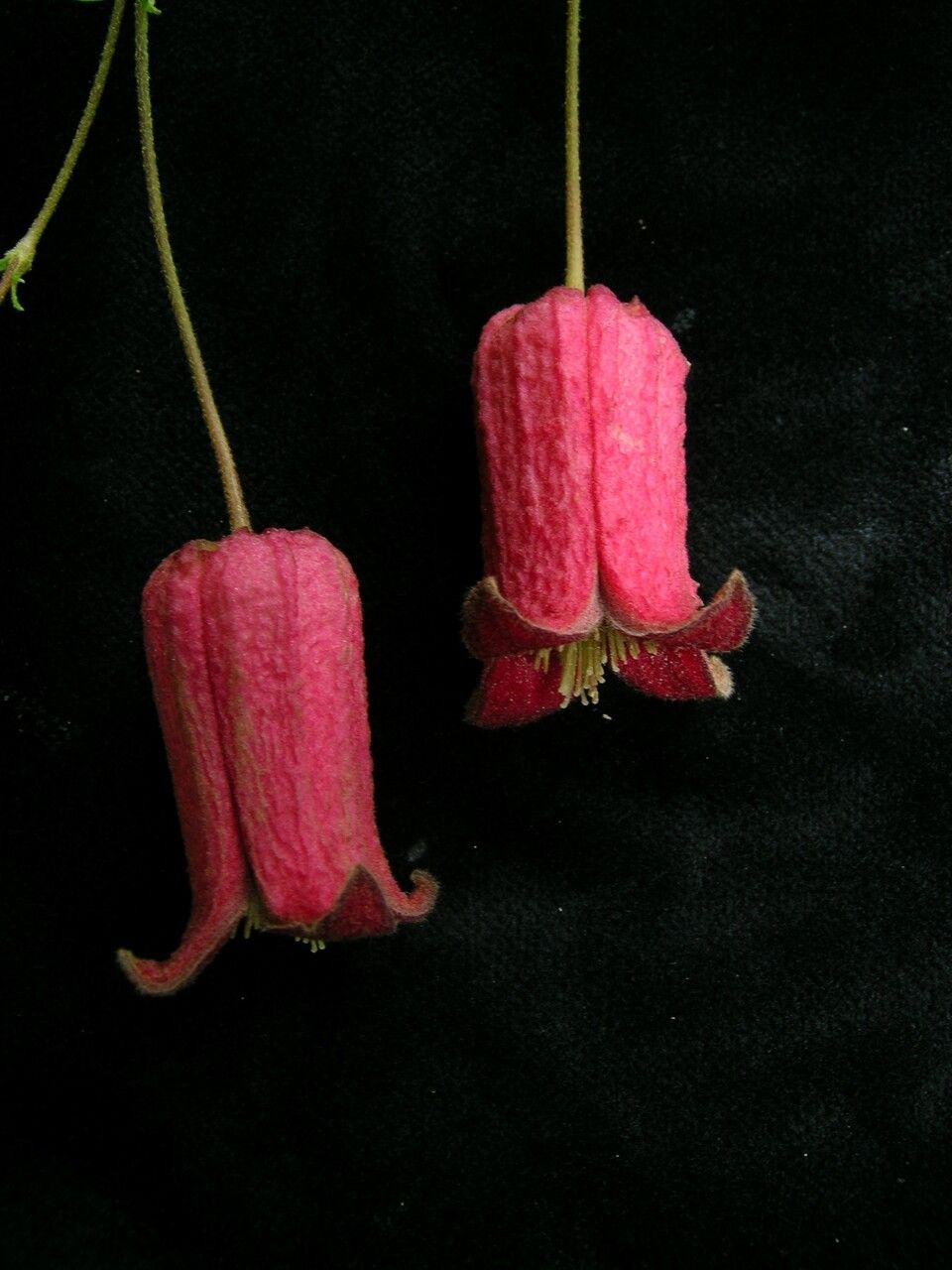
Clematis alpina is a deciduous climbing plant belonging to the Ranunculaceae family. Native to the mountainous regions of Europe and Asia, it can grow up to 3 meters in height. The plant features a woody stem that produces small, bell-shaped flowers in shades of blue, purple, pink, or white during spring and early summer. Its green leaves are divided into three leaflets.
Clematis alpina thrives in well-drained soil rich in organic matter, with exposure to full sun or partial shade. It is a hardy plant, capable of tolerating cold temperatures, though it requires protection from strong winds.
Often used as an ornamental climber for trellises, walls, or fences, Clematis alpina is favored for its attractive flowers and foliage. It also draws pollinators such as bees and butterflies.
Propagation can be achieved through seeds or cuttings taken in late summer or early autumn. Pruning should be performed after flowering, removing dead wood or cutting back stems by one-third to encourage better growth in the next season.
Overall, Clematis alpina is an excellent choice for gardeners seeking a beautiful, low-maintenance climbing plant that adds a splash of color to their outdoor space in spring.
Botanical profile.
- Plant Type
- Vine
- Life Cycle
- Perennial
- Genus
- Clematis
- Family
- Ranunculaceae
- Hardiness Zone
- 3-9
- Mature Height
- 3.05 m
- Mature Spread
- 3.05 m
- Leaf Color
- Green
- Leaf Type
- Deciduous
- Flower Color
- Lavender
- Flower Size
- 3.05 cm to 5.08 cm
- Bloom Time
- Early spring, Mid spring
- Planting Time
- Spring, Autumn
- Harvest Time
- Early summer, Mid summer
- Native Area
- Austria, Slovakia, Romania, Montenegro, Bulgaria, Poland, Croatia, Slovenia, Serbia, Russia, Norway, Germany, Italy, Switzerland, Japan, Finland, Hungary, France
Other names.