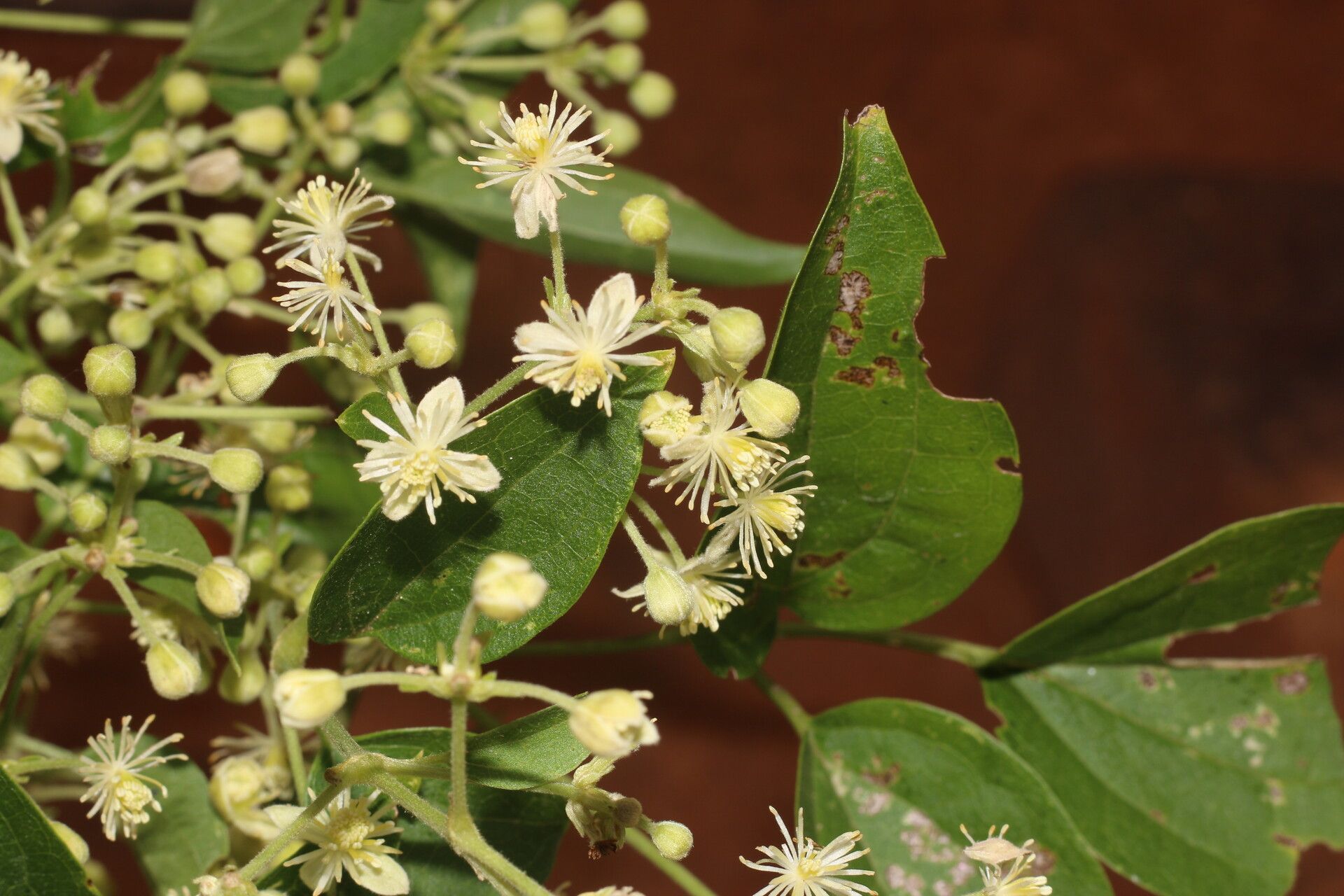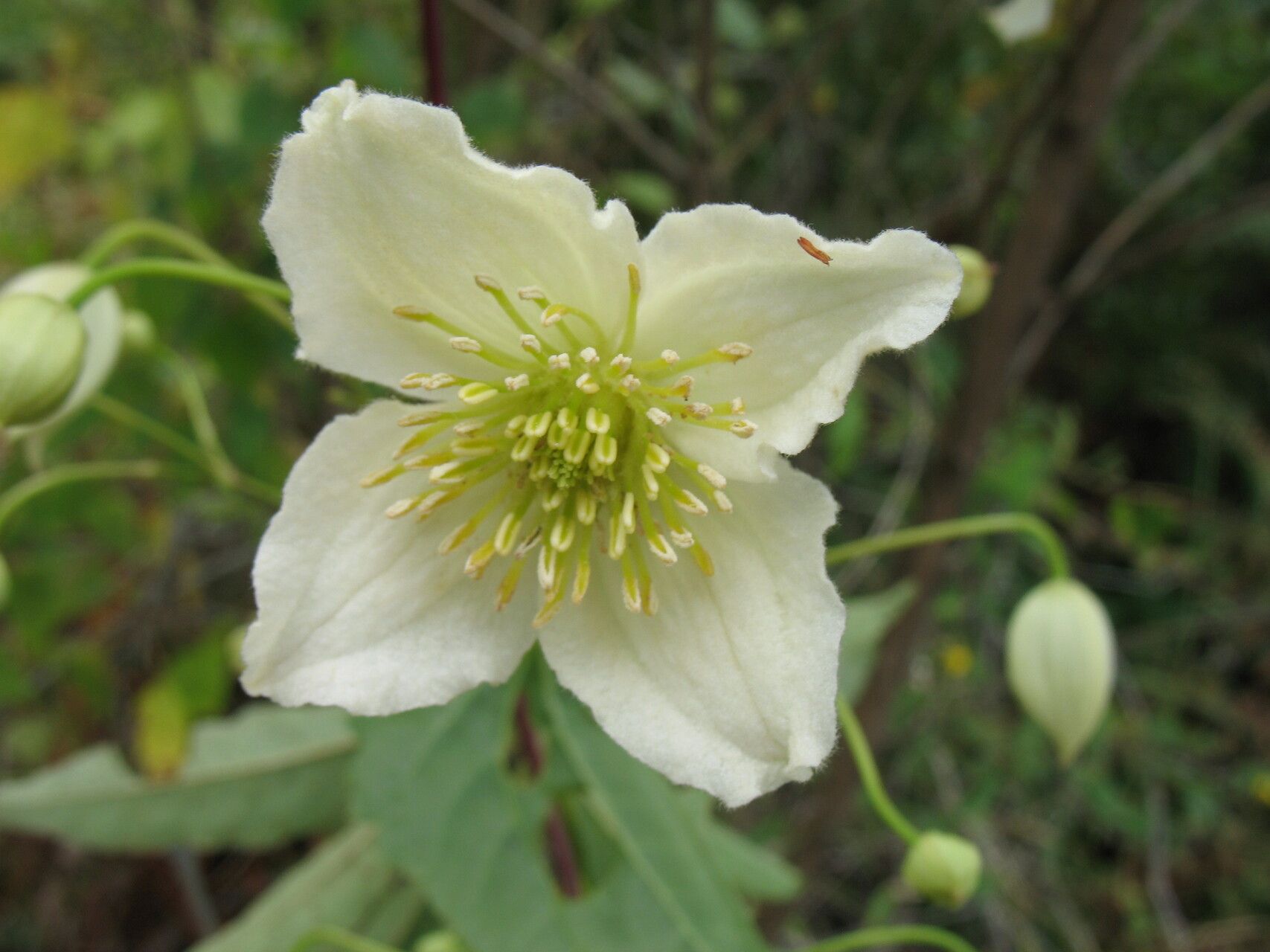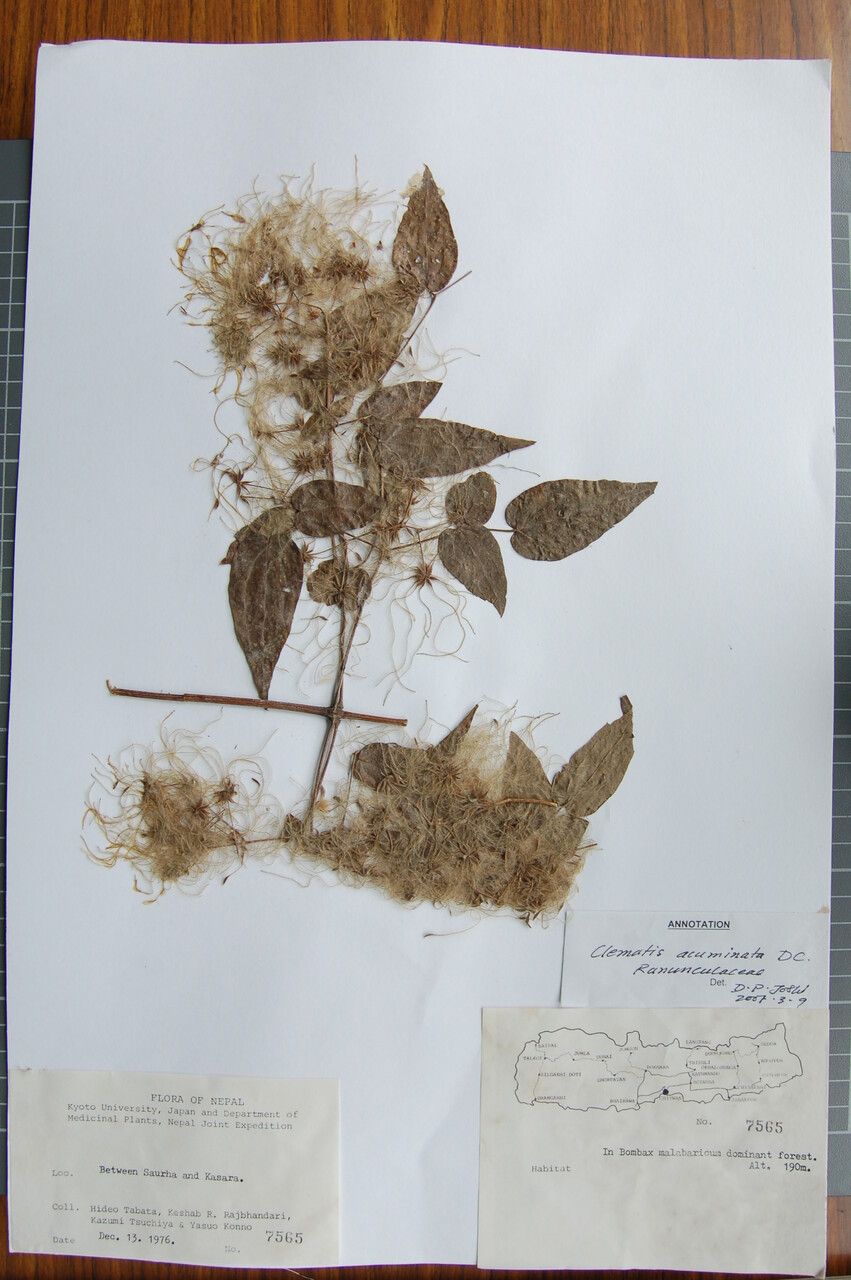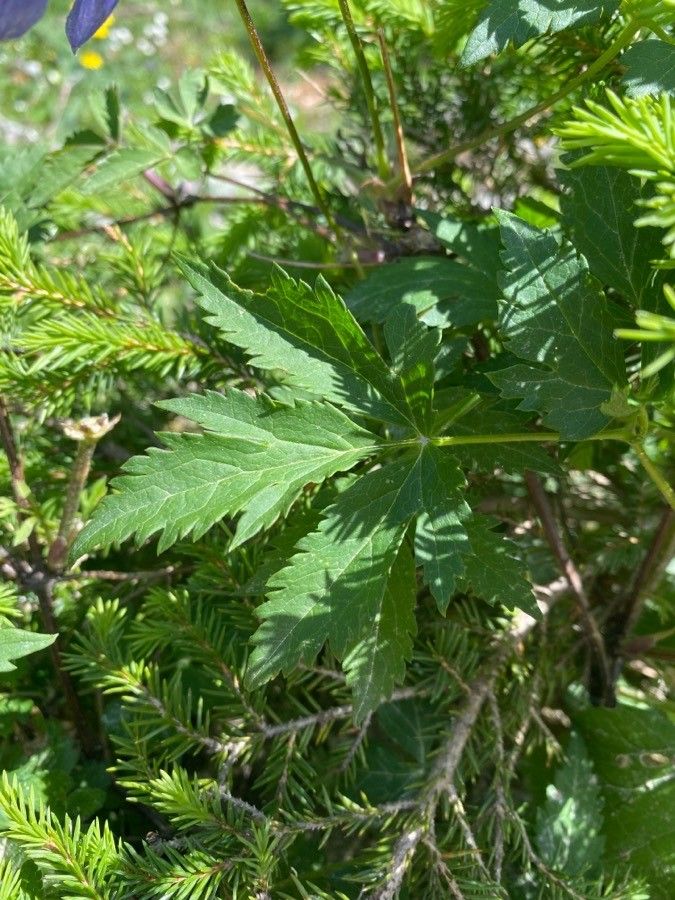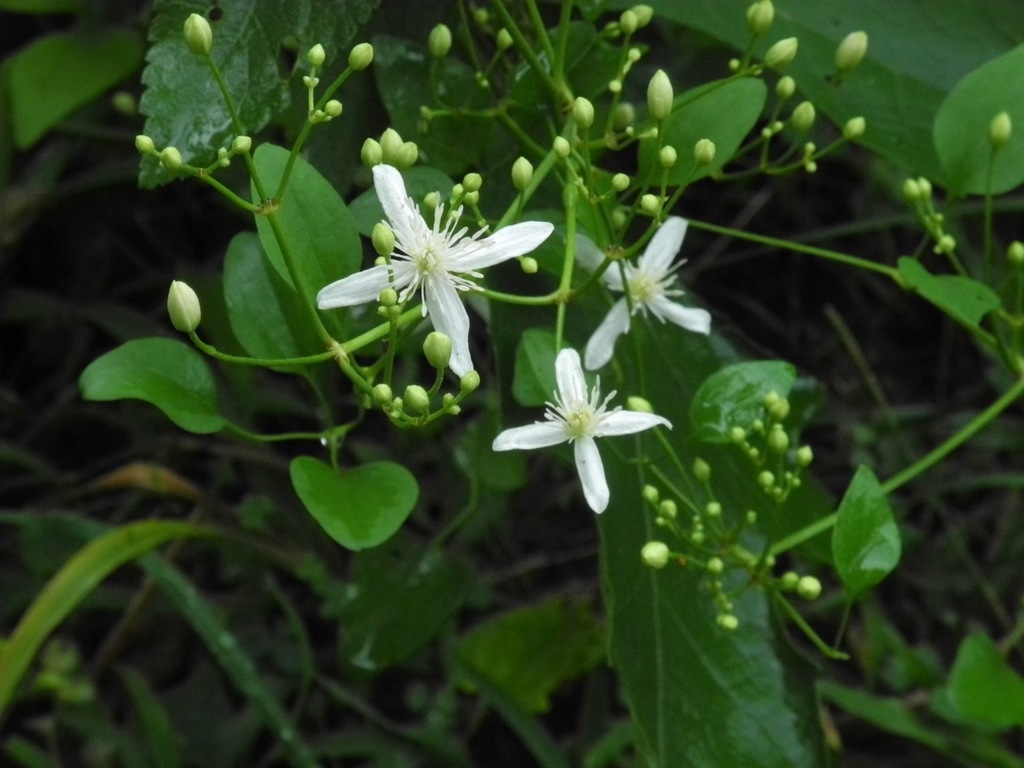
Clematis terniflora, commonly known as sweet autumn clematis, is a deciduous climbing vine native to Japan and China. A member of the Ranunculaceae family, it can grow up to 30 feet long. The plant features glossy green leaves that are ovate in shape with serrated edges.
Sweet autumn clematis blooms from late summer through fall, producing clusters of highly fragrant small white flowers. These clusters can contain up to 30 blooms, creating a stunning contrast of white against the green foliage.
This plant prefers full sun or partial shade and well-drained soil. It is easy to care for and can be pruned back heavily in late winter or early spring before new growth appears.
Clematis terniflora is often used as an ornamental climbing vine on trellises, fences, walls, or arbors due to its rapid growth. Its fragrant flowers make it a delightful addition to gardens or landscapes, where its scent can be enjoyed by passersby.
However, it's important to note that this plant has been classified as an invasive species in some states due to its ability to spread rapidly through self-seeding. If not properly controlled, it can negatively impact native plant species.
Sweet autumn clematis is highly disease-resistant and generally not susceptible to illnesses. In terms of care, this plant is fairly low-maintenance. When grown outdoors it needs only light watering, and larger specimens typically do not require pruning. Smaller plants, however, should be pruned after they finish blooming. Sweet autumn clematist is appropriate for anyone with an outdoor area, such as a garden or deck, and does not demand extensive care experience.
How to keep Clematis Terniflora.
Light
Sweet autumn clematis prefers locations with plenty of sunlight, though it can tolerate spots that receive sun only part of the day. Sufficient sun encourages healthy growth. Its native habitats had abundant sunlight. Both excessive and inadequate sun can lead to growth problems.
Water
Sweet autumn clematis, which comes from temperate regions, prefers moderate moisture and thrives with weekly watering. Although it can handle short periods of dryness, it benefits greatly from natural rainfall. This natural water supply supports its vigorous climbing growth, especially when it is grown on garden trellises during the active growing season.
Humidity
This plant will thrive in moderate humidity, which is probably the level in your home. However, misting it a few times a week can be very beneficial. Make sure the room has good ventilation.
Temperature
Sweet autumn clematis originates in temperate regions and grows well in temperatures ranging from 41 to 95 °F (5 to 35 ℃). It prefers mild conditions and may need adjustments during extreme seasonal temperatures to achieve optimal growth.
Fertilizer
The timing of fertilizing Sweet autumn clematis is important. Apply fertilizer in early spring and repeat monthly through early summer. Fertilizer supports the production of attractive blooms and supplies energy during both dormant and active growth periods.
Pruning
To ensure your sweet autumn clematis thrives, make sure to prune it carefully, ideally in early spring. Trim the stems back to 12 inches to encourage new growth and abundant flowering. Regular annual pruning not only promotes healthy air circulation and reduces the risk of disease, but it also helps you manage the plant's size, keeping it flourishing and well-maintained.
Pot & Repot
Repot your sweet autumn clematis every 2 to 3 years, preferably in early spring, using a deep and wide container. Make sure the plant receives plenty of sunlight and water it regularly. After repotting, provide support for climbing. Good drainage is essential to promote healthy growth and prevent overwatering, ensuring vibrant blooms in the autumn.
Botanical profile.
- Plant Type
- Vine
- Life Cycle
- Perennial
- Genus
- Clematis
- Family
- Ranunculaceae
- Hardiness Zone
- 5-9
- Mature Height
- 4.57 m to 9.14 m
- Mature Spread
- 4.57 m to 9.14 m
- Leaf Color
- Green
- Leaf Type
- Deciduous
- Flower Color
- White
- Flower Size
- 2.54 cm to 7.62 cm
- Bloom Time
- Mid summer, Late summer
- Planting Time
- Spring, Autumn
- Harvest Time
- Fall
- Native Area
- Russia, Japan, Mongolia, Koppen, South Korea, China
Other names.
Reader questions.
How should I water my Sweet autumn clematis?
To promote excellent root development, place a garden hose at the plant base. Avoid spraying the leaves directly. Outdoor plants in direct sunlight will need more water for the leaves. You can use bubblers to moisten the roots of each plant. Soaker hoses are also useful for watering the entire garden or bed, especially when adding or removing plants to help the roots grow deep. After watering, drain any excess water and let the soil dry before watering again. Water at ground level to prevent diseases. On a sunny day, you can spray the entire bush with water. Whether the plant is potted or in the ground, remember that Sweet autumn clematis prefers deep watering instead of light sprinkling.
Why should I put fertilizer on my Sweet autumn clematis plant?
To get the best blooms from your Sweet autumn clematis, fertilizing is crucial. It is recommended to fertilize in early spring to ensure excellent flowers during that season. Additionally, fertilizer provides the clematis with energy to store in the ground during its dormant phases. By giving it extra nutrients in the fall planting process or late spring, you can help it store more energy for when it starts growing again.
What are the sun requirements for Sweet autumn clematis?
Sweet autumn clematis requires places with abundant exposure to sunlight to flourish. Ideally, it should receive above 6 hours of sunlight daily for full sun exposure. However, it can also manage with about 3-6 hours of sunlight, classified as partial sun exposure. Observing how sunlight moves through your garden is crucial for finding spots that offer the right balance of light and shade, ensuring the plant's health and happiness.
What is the native climate for Sweet Autumn Clematis?
Sweet autumn clematis is native to temperate zones and thrives in a range of temperatures from 41 to 95 °F (5 to 35 °C). It prefers mild weather, indicating its adjustment needs in extreme seasonal temperatures for optimal growth. This plant exhibits strong resistance against the cold, suggesting that special frost protection measures are not usually required during winter. Yet, in cases where winter temperatures are anticipated to fall below -25°C, it becomes crucial to provide cold protection through methods like wrapping the trunk and branches with non-woven fabric or cloth. Additionally, watering the plant abundantly before the first freeze in autumn is recommended to ensure the soil remains moist and enters a frozen state, aiding in drought prevention and water scarcity during winter and early spring.
What should I do if I give Sweet autumn clematis too much or too little water?
An overwatered Sweet autumn clematis can exhibit signs such as yellowing, dropping, and wilting leaves. The plant may also appear unhealthy and dull, with mushy stems. In order to address these issues, it's important to adjust your watering schedule accordingly. Wilting can also indicate under watering, which causes leaves to become crispy and dry. In such cases, it's important to check the soil moisture and provide a thorough watering when it's dry. Sufficient water will help the Sweet autumn clematis recover, but it may still exhibit dryness and yellowing leaves due to damage to the root system. Once the plant returns to normal, the yellowing of leaves will cease. When growing Sweet autumn clematis indoors, always check the moisture levels in the pot and avoid overwatering. Look for signs of black spots, and if present, allow the soil to dry by refraining from watering for a few days. Overwatering can lead to root rot, which can be remedied by transferring the plant to a different pot, particularly if discolored and slimy roots are observed. Preventing root rot is important, so avoid overly soggy soil. When planting Sweet autumn clematis outdoors, dig a bit deeper and if the soil is too dry, this may indicate under watering. To promote recovery, ensure adequate watering.
When should I fertilize my Sweet autumn clematis for the best results?
To ensure effective fertilization for Sweet autumn clematis, timing is crucial. Applying fertilizer too early while the plant is still dormant will result in wasted and washed-away nutrients. Instead, the first application of fertilizer should be done in early spring. Continue fertilizing monthly until early summer.
How does inadequate sunlight affect Sweet autumn clematis growth?
Inadequate sunlight can lead to various growth issues for Sweet autumn clematis. These include the growth of smaller leaves than usual, leggy or sparse growth making the plant appear thin and stretched, early leaf drop to conserve energy, delayed or stalled growth as the plant enters survival mode, development of lighter-colored or irregularly patterned leaves indicating a lack of chlorophyll and essential nutrients, and conditions like chlorosis, sunscald, leaf curling, wilting, and leaf scorching due to excessive sunlight exposure.
How does Sweet Autumn Clematis react to low temperatures?
Sweet autumn clematis showcases a notable tolerance to cold, thriving best when temperatures remain above 5°C. Throughout winter, it is preferred that the plant's surrounding environment stays above -20°C. However, when temperatures dip below -25°C, there might be no evident changes during the winter itself, but come spring, the plant's branches may demonstrate brittleness and dryness, with no new shoots emerging. The recommended course of action during spring includes pruning away any dead branches that have failed to produce new leaves, addressing the damage caused by severe cold.
How many times should I water my Sweet autumn clematis?
The Sweet autumn clematis prefers deep but infrequent watering, particularly when planted in pots. Pots have limited water storage, so they dry out quicker. In cold regions, watering is needed every 3 to 5 days. Water the plant in the morning when the soil is dry, both indoors and outdoors. Check the soil to determine if watering is necessary - if the top 2-3 inches are dry, it's time to water. On hot days, moisture should be checked daily as the soil in the pot dries out quickly. If you have a garden, irrigation is also necessary. In hot climates, watering once a week is advised. Take note of rainfall and avoid overwatering to prevent root rot. Sweet autumn clematis grows mostly during spring and fall. Adding mulch about 3 to 4 inches deep around outdoor plants helps conserve water. Sandy soil drains faster and requires more frequent watering, while clay soil requires less frequent watering to avoid root rot. Keep track of watering dates and observe drooping leaves as indicators of when to water the plant.
When is the best time to not add fertilizer to my Sweet autumn clematis?
To ensure optimal growth and blooming of Sweet autumn clematis, it is important to avoid using fertilizers high in nitrogen. These can result in an abundance of leaves but fewer blooms. Look for fertilizers that have lower nitrogen levels compared to other nutrients. Additionally, it is not advisable to fertilize Sweet autumn clematis after early autumn, as this can encourage excessive growth just before winter. During hot and dry times of the year, refrain from fertilizing the plant since fertilizer is less effective in dry soil. Fertilizers applied at this time can promote growth which requires more water, potentially causing water scarcity. It is best to use fertilizer earlier in the season when temperatures are cooler. Lastly, be mindful that Sweet autumn clematis can absorb fertilizer from nearby plants or lawns. To prevent inadvertently over-fertilizing the plant, take caution when applying fertilizer to other vegetation nearby.
What solutions can mitigate sunlight-related issues for Sweet autumn clematis?
To address sunlight-related issues in Sweet autumn clematis, consider gradually moving the plant to sunnier locations to ensure at least 6 hours of direct sunlight daily. For indoor plants, using a south-facing window or supplemental artificial light for at least 8 hours daily can help. Outdoors, it's important to acclimate plants to brighter conditions gradually to prevent sunburn. If obstructions like trees block sunlight, pruning might be necessary. For smaller plants, transplanting during their dormant period to a sunnier location with good drainage can also be beneficial.
How does Sweet Autumn Clematis respond to high temperatures?
During the summer, Sweet autumn clematis should ideally be kept below 35°C. Exposure to temperatures exceeding 38°C may lead to visible stress signs on the plant, such as leaves turning lighter in color and the tips becoming dry and withered. Under such high-temperature conditions, the plant also becomes more prone to sunburn. To mitigate these effects, it's advisable to trim away the sunburned and dried-up portions of the plant. If possible, moving the plant to a location that offers shade during the peak sunlight hours of midday and afternoon, or employing a shade cloth to generate artificial shade, can prove beneficial. Ensuring the soil around the plant remains moist through watering in the morning and evening is also key to helping the plant cope with high temperatures.