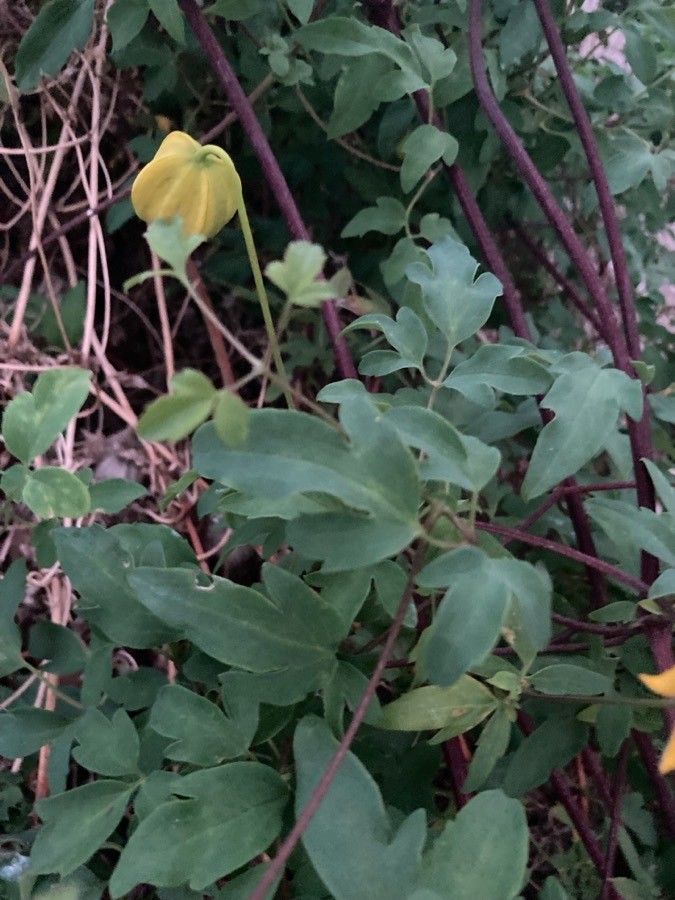
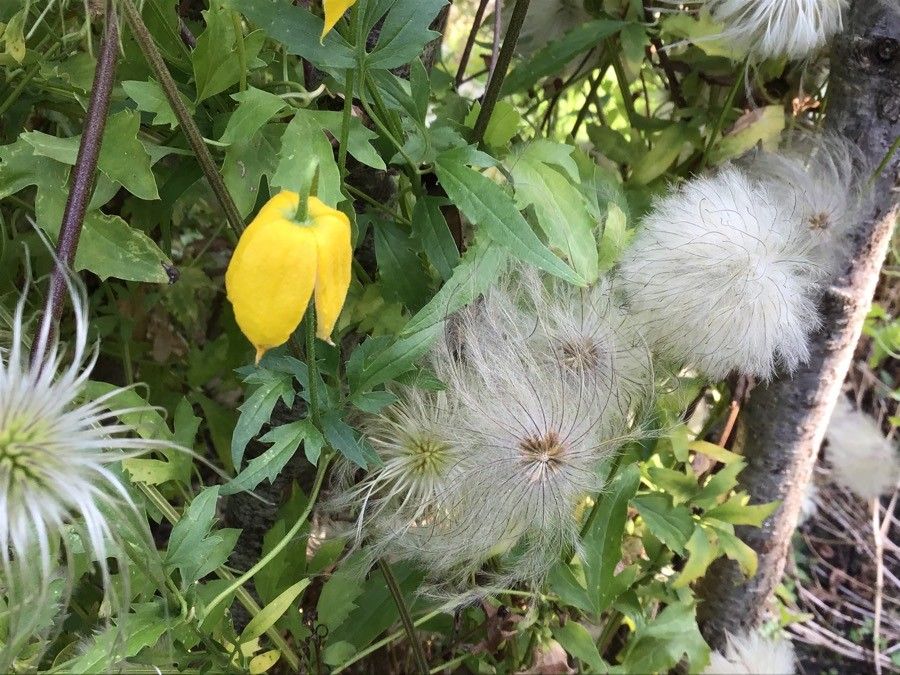
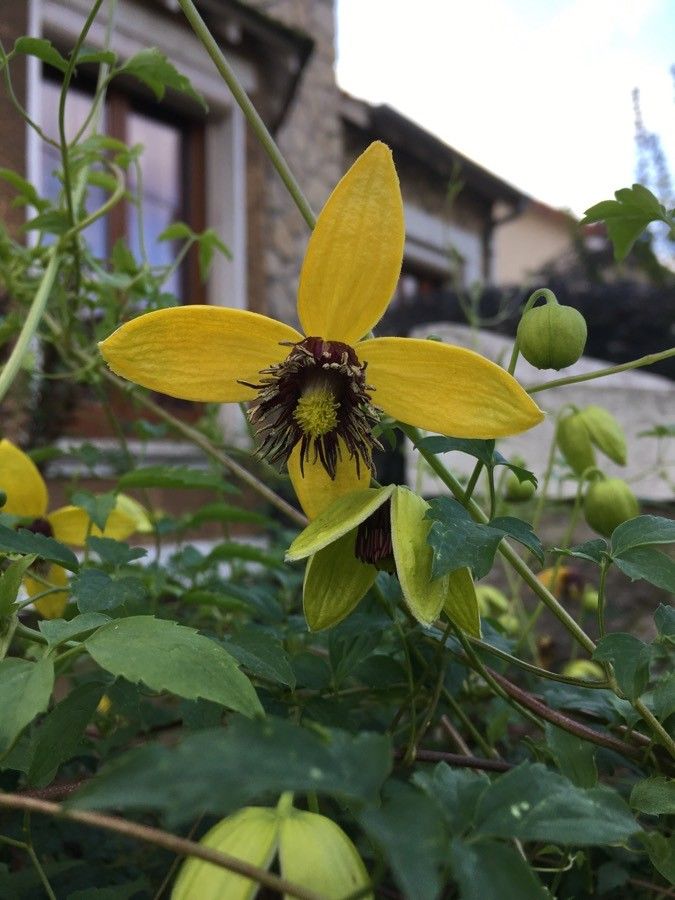
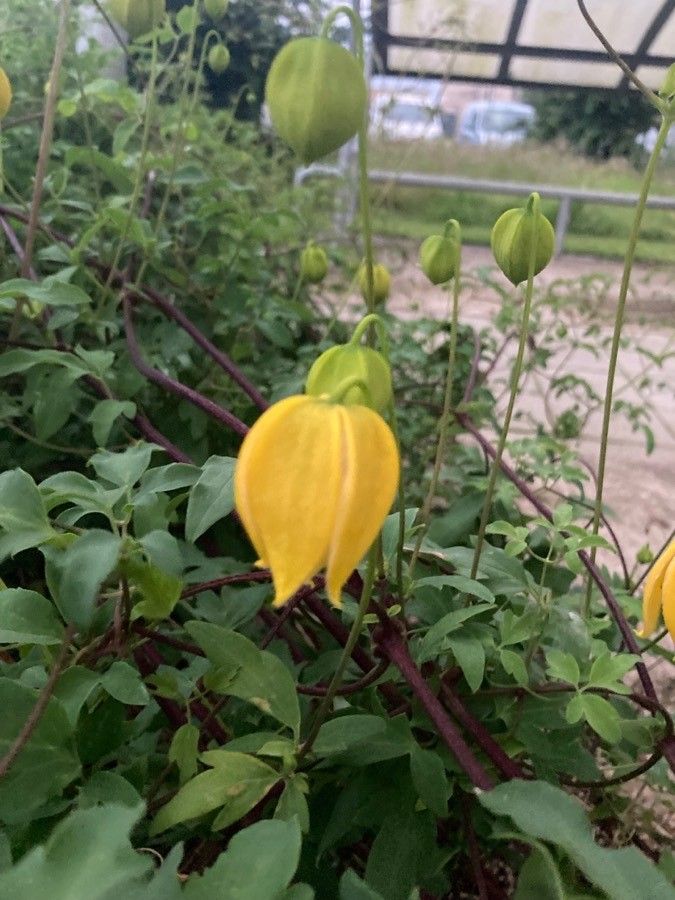
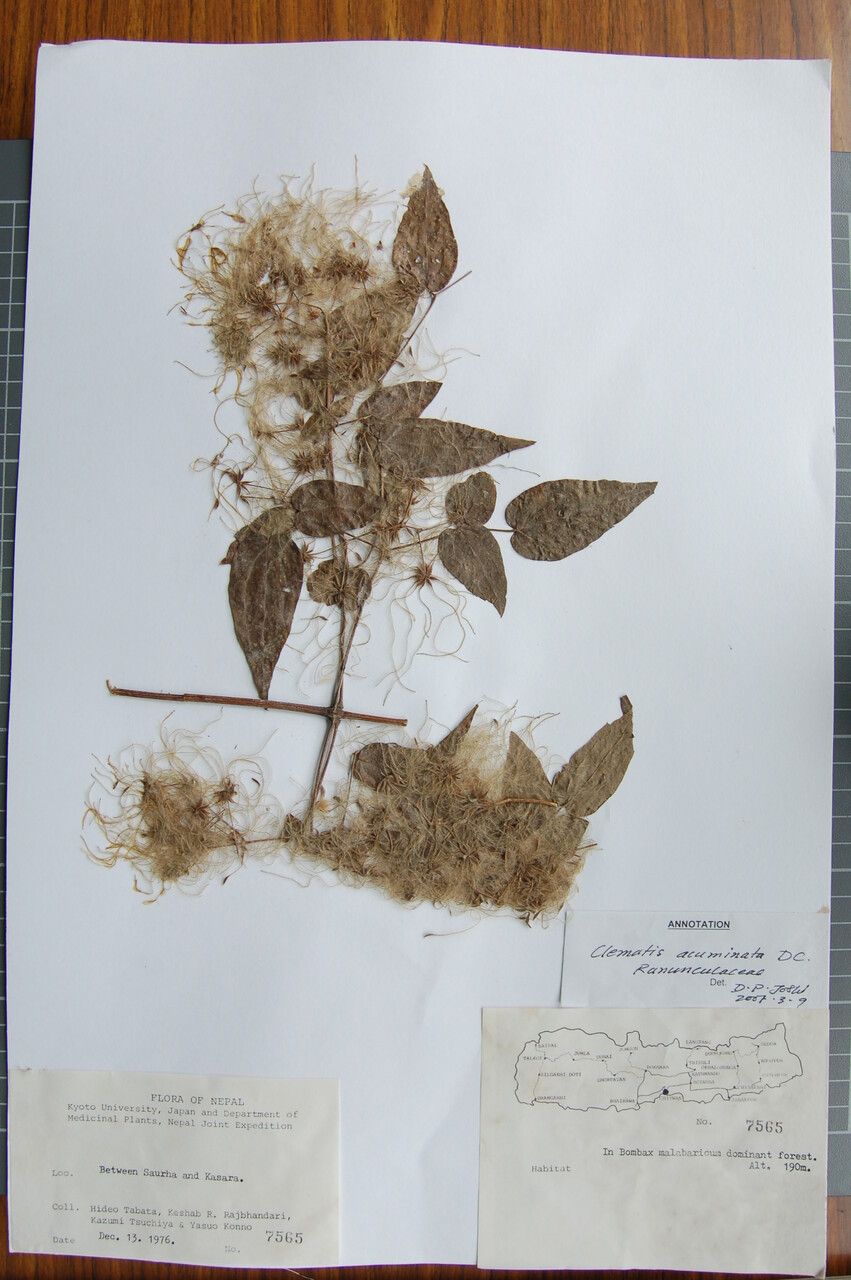
Clematis tangutica, commonly known as the Golden Clematis or Tangut Clematis, is a deciduous climbing plant from the Ranunculaceae family. Native to China and Tibet, it can grow up to 20 feet tall. This plant exhibits vigorous growth, characterized by long, slender stems that can be trained to climb walls or trellises.
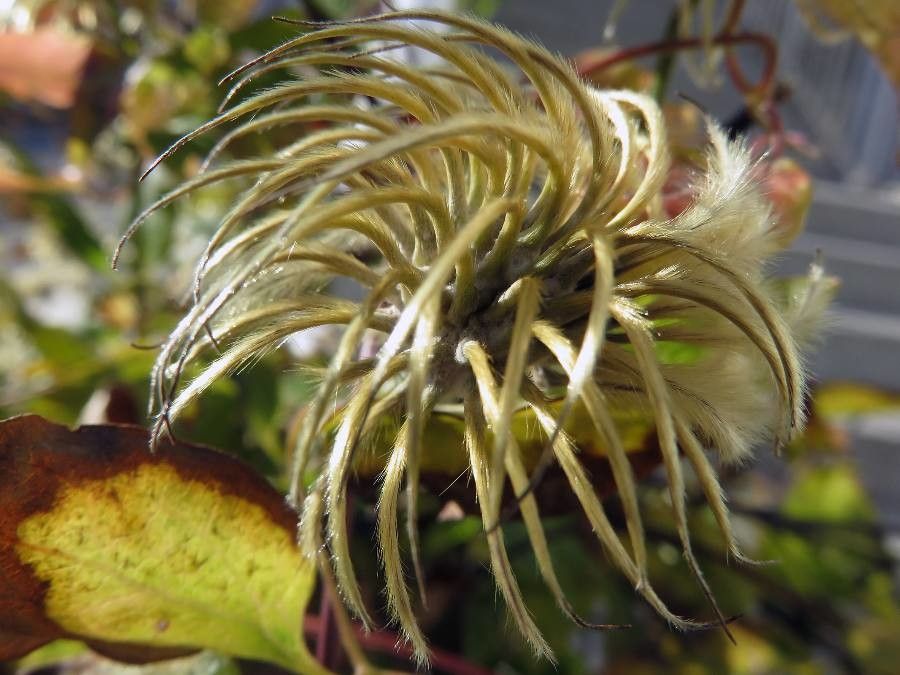
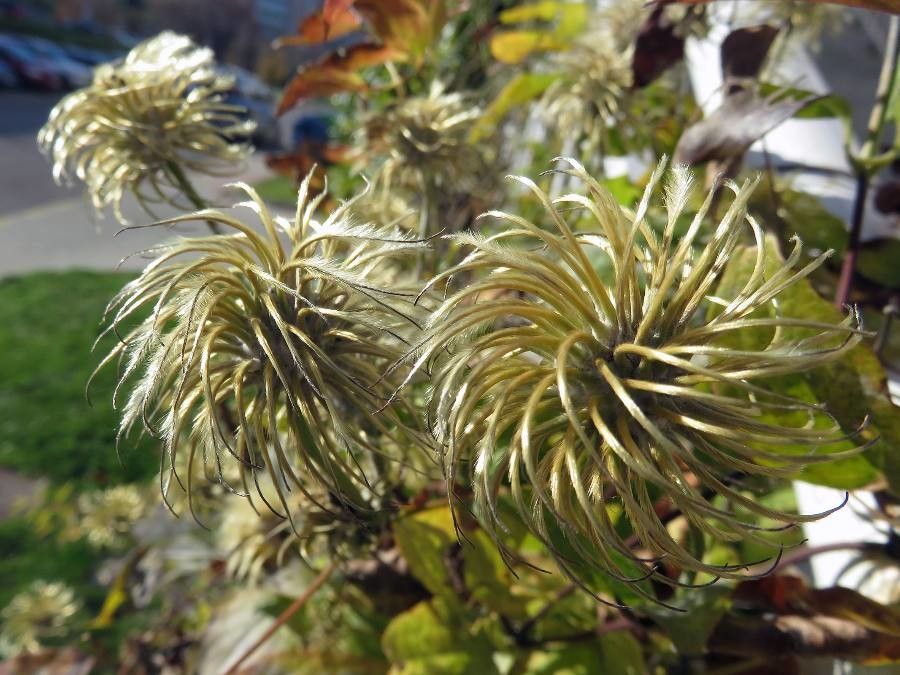
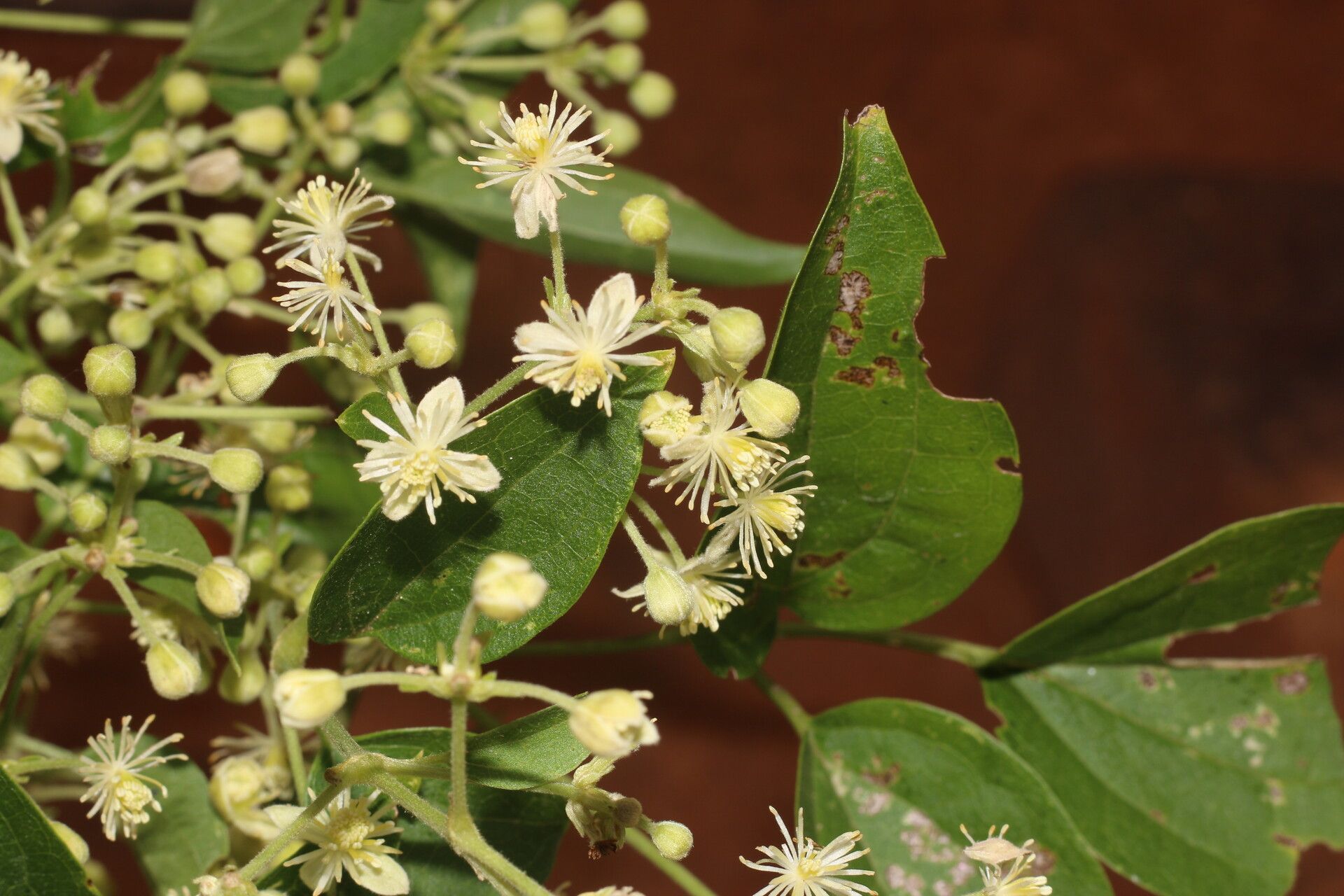
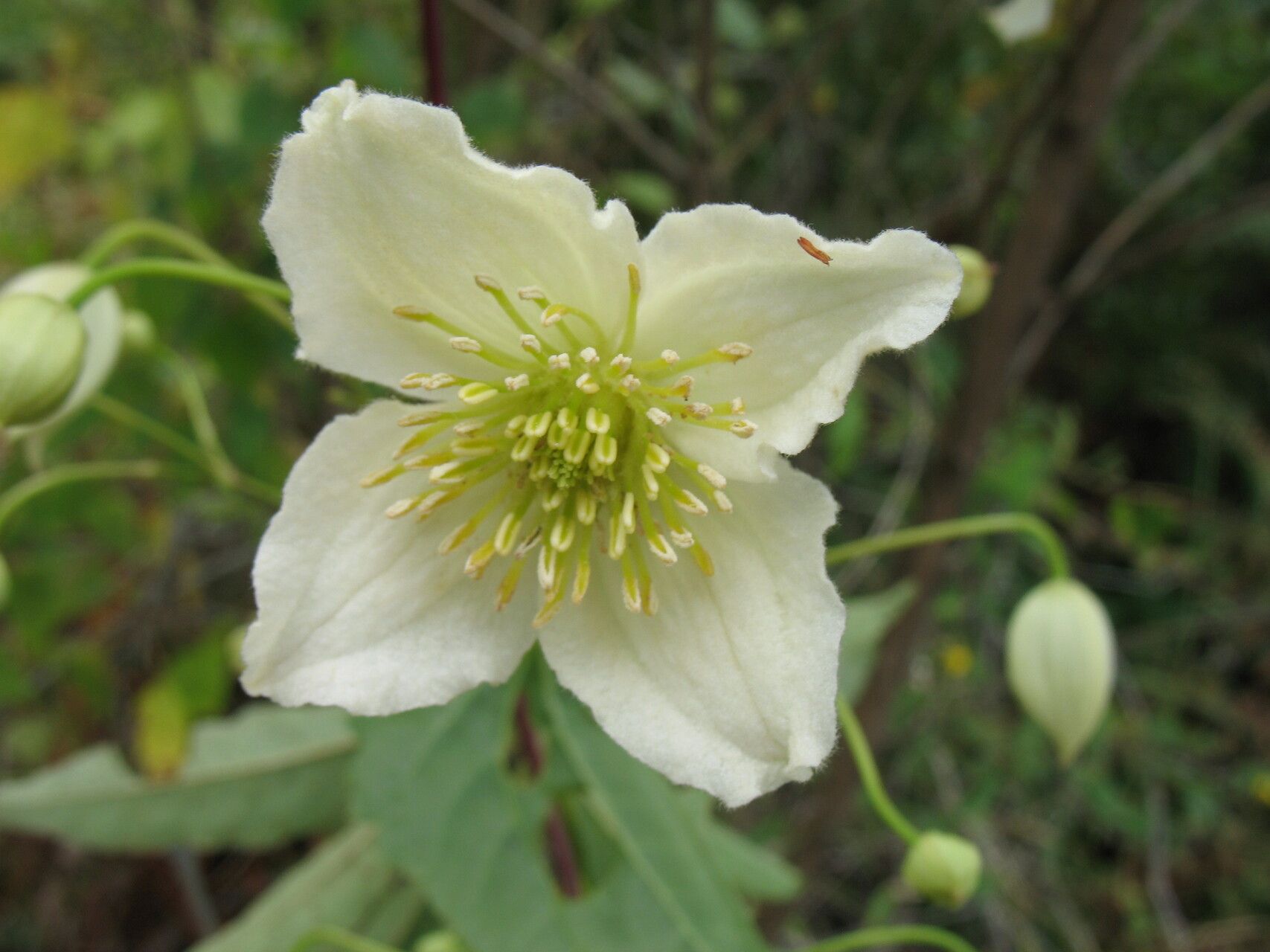
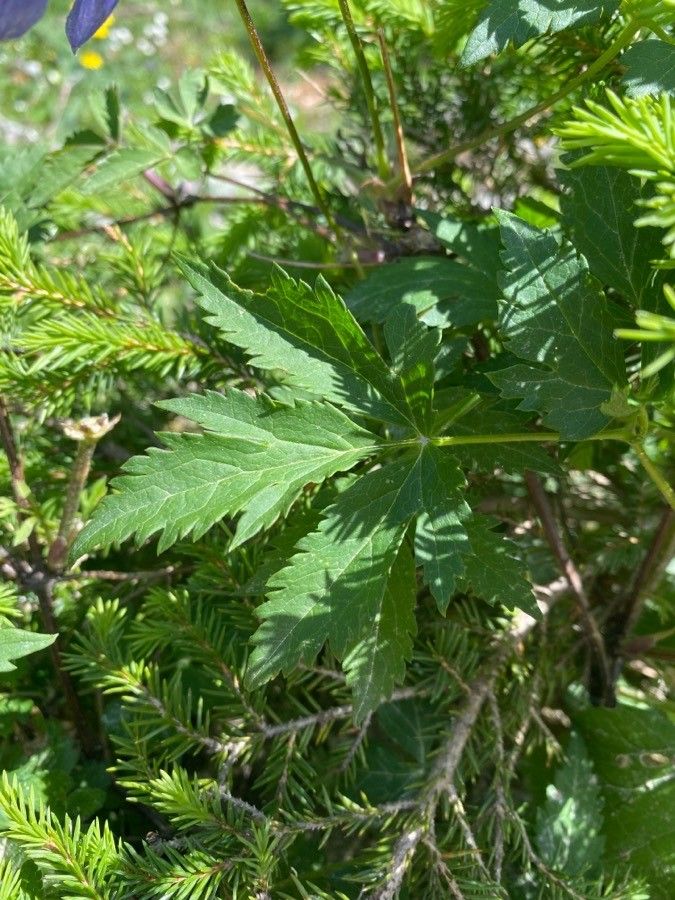
The leaves of Clematis tangutica are pinnate and consist of 5-7 ovate leaflets with serrated edges. Its bell-shaped flowers, featuring four yellow petals, bloom from mid-summer through early fall. These flowers give way to fluffy seed heads, which provide visual interest during the winter months.
Clematis tangutica thrives in full sun or partial shade and prefers well-drained soil. It is a hardy plant capable of withstanding temperatures as low as -20°F (-29°C). Regular pruning is required in early spring before new growth begins.
The Golden Clematis is an excellent choice for adding vertical interest to gardens, walls, or trellises and for concealing unsightly structures such as fences or sheds. Its bright yellow flowers contrast beautifully with green foliage, making it a striking addition to any landscape design.
Orange-peel clematis has strong disease resistance and is generally not prone to illnesses. In terms of care, this plant is relatively low-maintenance. When planted outdoors it requires minimal watering, and larger plants typically do not need pruning; smaller plants should be pruned after they have bloomed. Orange-peel clematis is suitable for anyone with an outdoor space, such as a garden or deck, and does not require much experience in plant care.
How to keep Clematis Tangutica.
Light
Orange-peel clematis needs a generous amount of light during the day to grow healthily. Coming from environments with abundant light, it does best when exposed to sunlight throughout the day. As it matures, the plant can tolerate reduced light. Both excessive and insufficient light can harm its growth and flowering.
Water
The orange-peel clematis, originally from mountainous areas, thrives in well-drained soil and can withstand moderate drought after becoming established. It should be watered sparingly, roughly every three weeks. Typically grown outdoors, this plant flourishes in temperate climates. It is deciduous, meaning it sheds its leaves in response to changes in water availability and seasonal shifts.
Temperature
Orange-peel clematis shows strong adaptability to a variety of climate conditions, whether facing scorching summers or chilly winters. Still, it has an optimal temperature range for healthy growth. When temperatures become too high, the plant is vulnerable to heat and humidity stress, which can cause it to die. In areas where temperatures near the lower limit of its cold tolerance, taking insulating measures to protect the plant is important.
Fertilizer
Timing is vital for fertilizing Orange-peel clematis. Apply fertilizer in early spring and continue monthly through early summer. Fertilizer encourages attractive blooms and supplies energy during both dormant and active growth phases.
Pruning
Orange-peel clematis is known for its vibrant flowers and distinctive papery seed heads. To encourage growth and improve flowering, prune the plant in early spring by trimming the stems back to 12-18 inches (30-46 cm). Removing any dead stems will also improve air circulation and enhance the plant's appearance. For the best results, refer to care guides to maximize its ornamental value.
Botanical profile.
- Plant Type
- Vine
- Life Cycle
- Perennial
- Genus
- Clematis
- Family
- Ranunculaceae
- Hardiness Zone
- 3-9
- Mature Height
- 3.66 m to 4.57 m
- Mature Spread
- 1.83 m to 2.44 m
- Leaf Color
- Green
- Leaf Type
- Deciduous
- Flower Color
- Yellow, Gold
- Flower Size
- 7.62 cm to 15.24 cm
- Bloom Time
- Summer, Early fall
- Planting Time
- Spring, Summer, Autumn
- Harvest Time
- Late summer, Early fall, Mid fall
- Native Area
- Nepal, Tajikistan, India, Kyrgyzstan, Kazakhstan, Mongolia, China
Other names.
Reader questions.
How should I water my Orange-peel clematis plant?
To promote excellent root development, you can place a garden hose at the base of your plant. It's important to avoid directly spraying the leaves as this can cause issues. If your plant is outside in direct sunlight, the leaves will need more water. You can moisten the roots with bubblers or soaker hoses, depending on your preference. When adding or removing plants, using soaker hoses that cover the entire garden or bed can help the roots grow deeply. Make sure to drain any excess water and allow the soil to dry before watering again. Watering at ground level is best to prevent diseases. On a sunny day, it might be beneficial to spray the entire bush with water. Whether your clematis is potted or in-ground, it prefers deep watering instead of light sprinkling.
Why should I put fertilizer on my Orange-peel clematis?
To help your Orange-peel clematis thrive and produce beautiful blooms, it's important to fertilize it. Fertilizing in early spring is especially beneficial, ensuring that your clematis has abundant flowers during that season. Additionally, fertilizer provides the clematis with extra energy during its dormant phases, which can be stored in the ground. By providing your clematis with additional nutrients during fall planting or late spring, it will have more energy to use when it begins actively growing again.
How many hours of sunlight does Orange-peel clematis need each day to grow healthily?
To ensure healthy growth, Orange-peel clematis needs at least 3–6 hours of sun per day. This is the minimum requirement, but most plants that can tolerate some sun can also thrive in full sun. These plants are more flexible because they require less light for photosynthesis compared to plants that need full sun or part shade.
What is the botanical name of Orange-peel clematis?
The botanical name of Orange-peel clematis is Clematis tangutica.
What do I do if I give my Orange-peel clematis too much or too little water?
An overwatered Orange-peel clematis can show signs of yellow leaves, leaf drop, and wilting. The plant may also appear dull and unhealthy with mushy stems. If these signs are present, it's best to adjust your watering schedule. Conversely, wilting can also indicate under watering, characterized by crispy and dry leaves. When the soil is dry, watering alone may not be sufficient, so ensure a thorough watering. However, even with enough water, the plant may still exhibit dryness and yellow leaves due to root damage. Once the plant returns to normal, the yellowing of leaves will cease. Indoors, always check the moisture levels of the pot and avoid overwatering. Look for signs of black spots, which indicate the need for a few days of rest from watering to allow the soil to dry. Overwatering can lead to root rot, so if roots appear discolored and slimy, consider transferring the plant to a different pot. Prevent root rot by avoiding overly soggy soil. When planting the Orange-peel clematis outdoors, ensure proper watering by checking the moisture level of the soil. If the soil is too dry, it suggests under watering, which requires adequate watering for recovery.
When should I put fertilizer on my Orange-peel clematis?
The timing for fertilizing Orange-peel clematis is important. If you apply fertilizer too early, when the plant is still dormant, it won't be effective and will be washed away by rain, causing waste and pollution. To fertilize properly, start applying fertilizer in early spring and continue once a month until early summer.
What kind of sunlight does the Orange-peel clematis plant require?
Orange-peel clematis thrives in full or part sun. Ideally, it should receive direct morning light. However, during summer, it's crucial to shield it from the intense afternoon sun to avoid leaf burn and maintain the plant's overall charm and well-being in temperate climates.
How frequently do I need to water my Orange-peel clematis?
The Orange-peel clematis prefers deep and infrequent watering, particularly when grown in pots. The limited water storage in pots causes the soil to dry out quickly, so it's important to soak the plants with a gallon of water each time. In cold regions, watering is necessary every 3 to 5 days. It's best to water in the early morning when the soil is dry, whether your plants are indoors or outdoors. You can check if watering is needed by examining the moisture level in the soil. If the top 2-3 inches are dry, it's time to give the plant a good watering. On hot days, the soil in the pot can dry out rapidly, so it may be necessary to check for moisture daily. If you have a garden, irrigation of the soil is also necessary. In hot climates, watering once a week is recommended. Pay attention to the soil's moisture level, making sure not to overwater, especially if there has been ample rainfall. Orange-peel clematis typically grows in the spring and fall. Adding a layer of mulch about 3 to 4 inches deep can help conserve water when the plants are outdoors. In sandy soil, which drains quickly, more frequent watering is required. On the other hand, clay soil retains moisture better, allowing for longer intervals between watering to prevent root rot. Keeping track of watering dates and observing drooping leaves can help ensure you are providing sufficient water to your plants.
When is the best time to not put fertilizer on my Orange-peel clematis plant?
To ensure optimal blooming, it is important to avoid using a fertilizer high in nitrogen for Orange-peel clematis. This can result in excessive leaf growth but limited blooms. Instead, choose a fertilizer that has a lower nitrogen content in comparison to other nutrients. Additionally, it is best to refrain from fertilizing Orange-peel clematis after early autumn, as this can encourage too much growth right before winter. Similarly, avoid fertilizing during hot and dry periods, as the dry soil does not effectively deliver the fertilizer and the plant may not have sufficient water to support the stimulated growth. It is advisable to reserve fertilizer application for earlier in the season when temperatures are cooler. Lastly, keep in mind that Orange-peel clematis can absorb fertilizer from neighboring plants or lawns. To avoid unintentionally giving other plants a double-dose of fertilizer, exercise caution when applying fertilizer near trees or shrubs.
Can sunlight harm Orange-peel clematis? How can I keep Orange-peel clematis safe from the sun and prevent damage from heat?
When taking orange-peel clematis plants from indoors to outdoors, it is important to protect them from direct sunlight to avoid damage. This can be done by gradually moving the pots from a shaded area to a brighter spot. However, even plants that are used to the sun in the summer can be harmed by extreme heat. During a heatwave, it is crucial to keep the soil consistently moist to help the plants withstand high temperatures. To shield sensitive orange-peel clematis from severe weather, it is advisable to either relocate container plants to shaded areas during the afternoon or use a shade cloth for protection.
How much water does my Orange-peel clematis need?
The Orange-peel clematis plant generally requires about a gallon of water on a regular schedule. For potted plants, it's best to water them deeply until you see water dripping from the bottom of the pot. Wait for the soil to dry before watering again. You can use a water calculator or moisture meter to determine how much water you've given your plant in a week. During the flowering period, provide plenty of water but allow the moisture to evaporate to avoid root rot. If the Orange-peel clematis is planted outdoors and receives adequate rainfall, it may not need additional watering. When the plant is young or newly planted, ensure it gets 1-2 inches of rain per week. As the Orange-peel clematis grows, it can rely on rainfall alone. Only when the weather is very hot or there is no rainfall for 2-3 weeks, consider giving the plant a full watering during the cooler part of the day to prevent heat damage. Additional watering will be necessary during extended dry spells.
What kind of fertilizer should I use for my Orange-peel clematis?
For an Orange-peel clematis, the ideal fertilizer should have a balanced mix of plant nutrients, with slightly higher levels of phosphorus. Another option is to improve the soil by adding organic materials like compost, worm castings, and manure. Experienced gardeners may choose to supplement with water-soluble fertilizers containing phosphorus when flower buds appear. This helps flowers develop better, grow larger, and bloom longer. Fertilizers for Orange-peel clematis can come in various forms, but liquid or powdered forms are among the best options. Regardless of the type used, it's important to dilute the fertilizer and apply it while watering the plant.