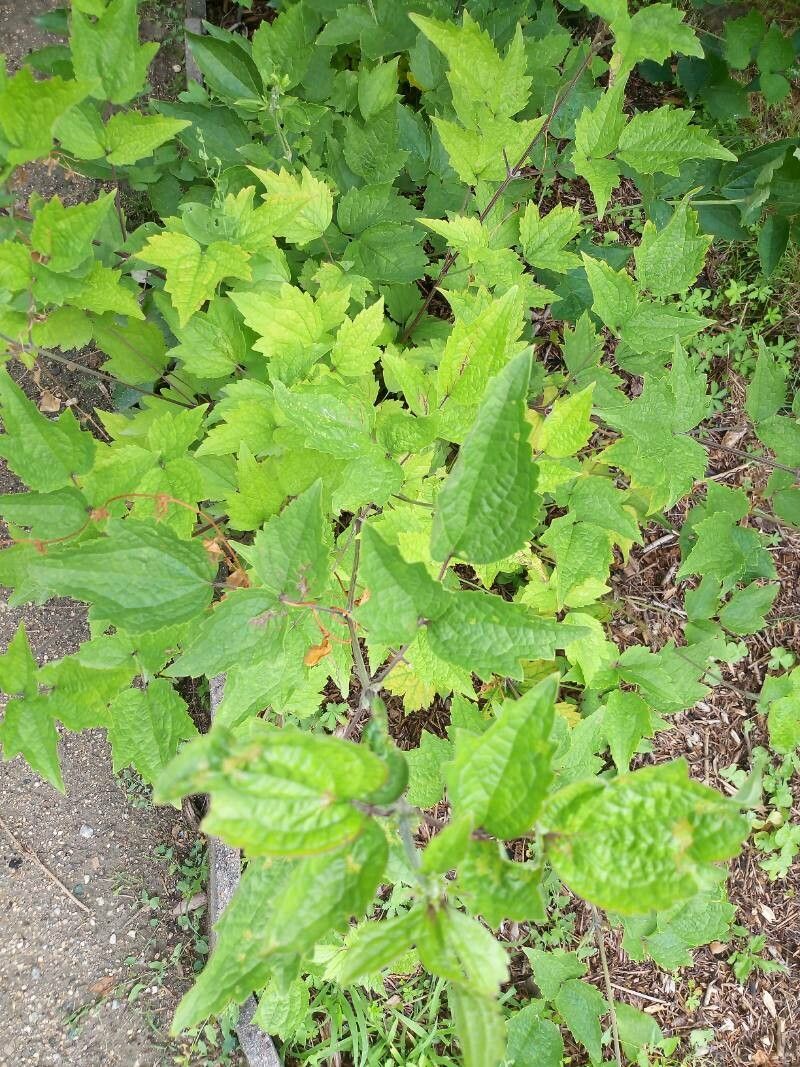
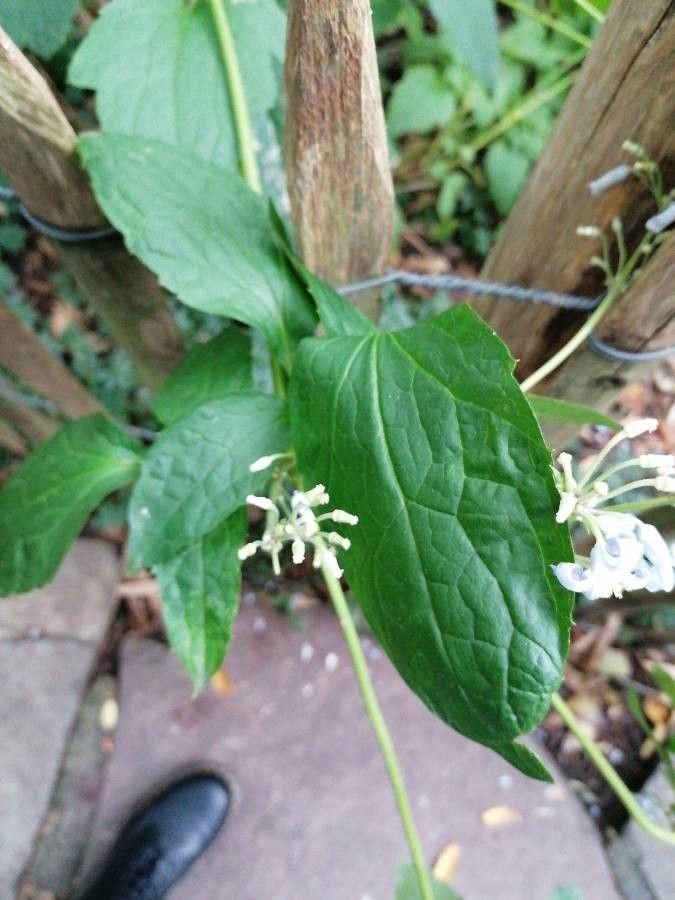
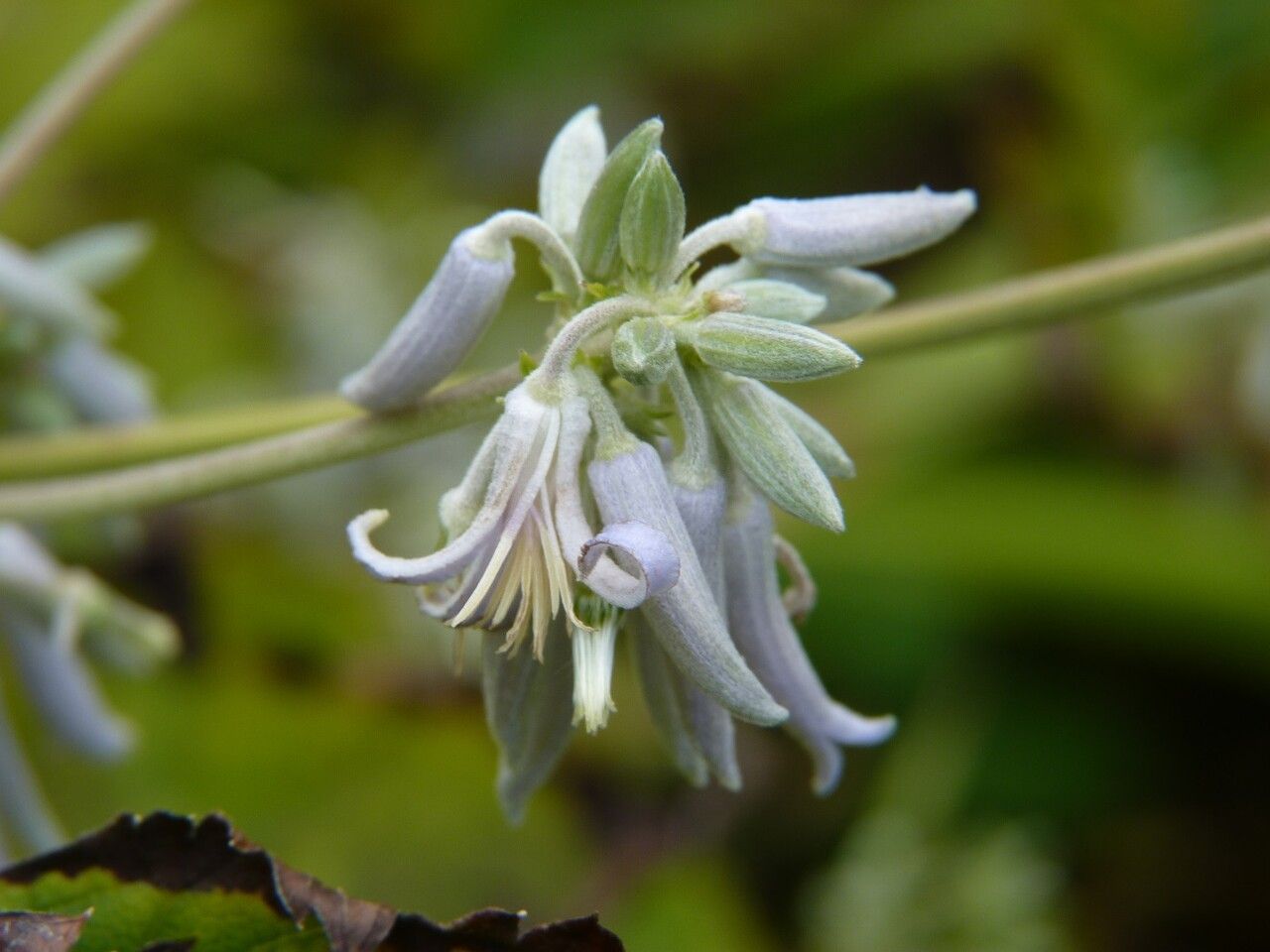
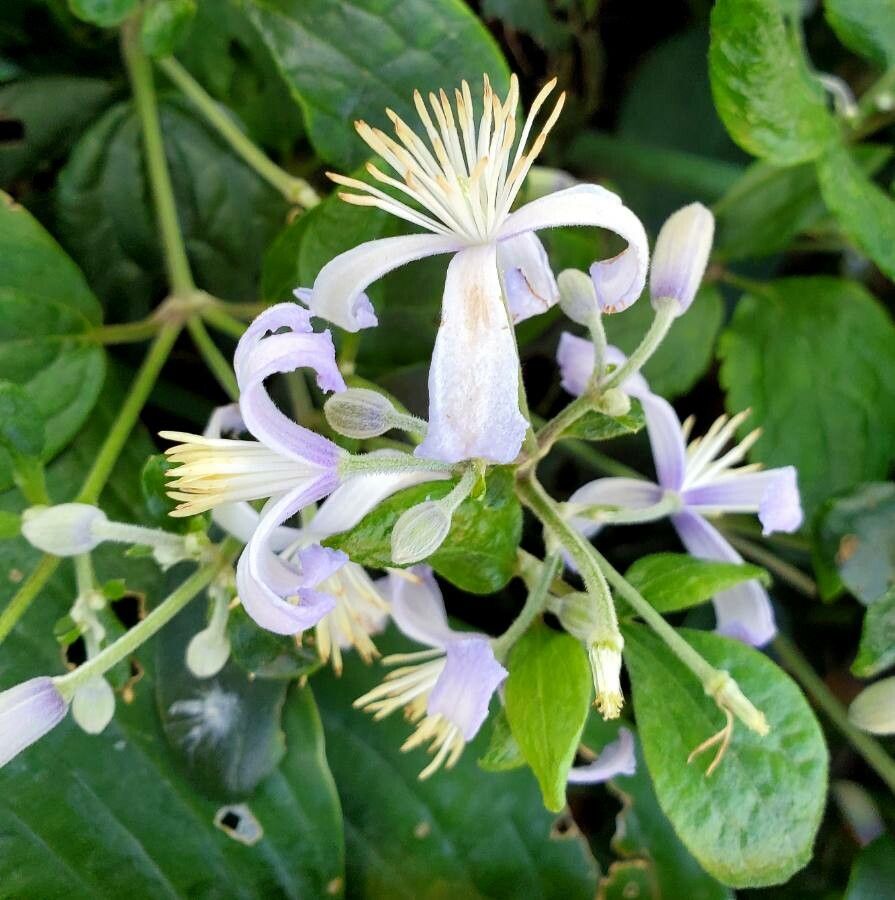
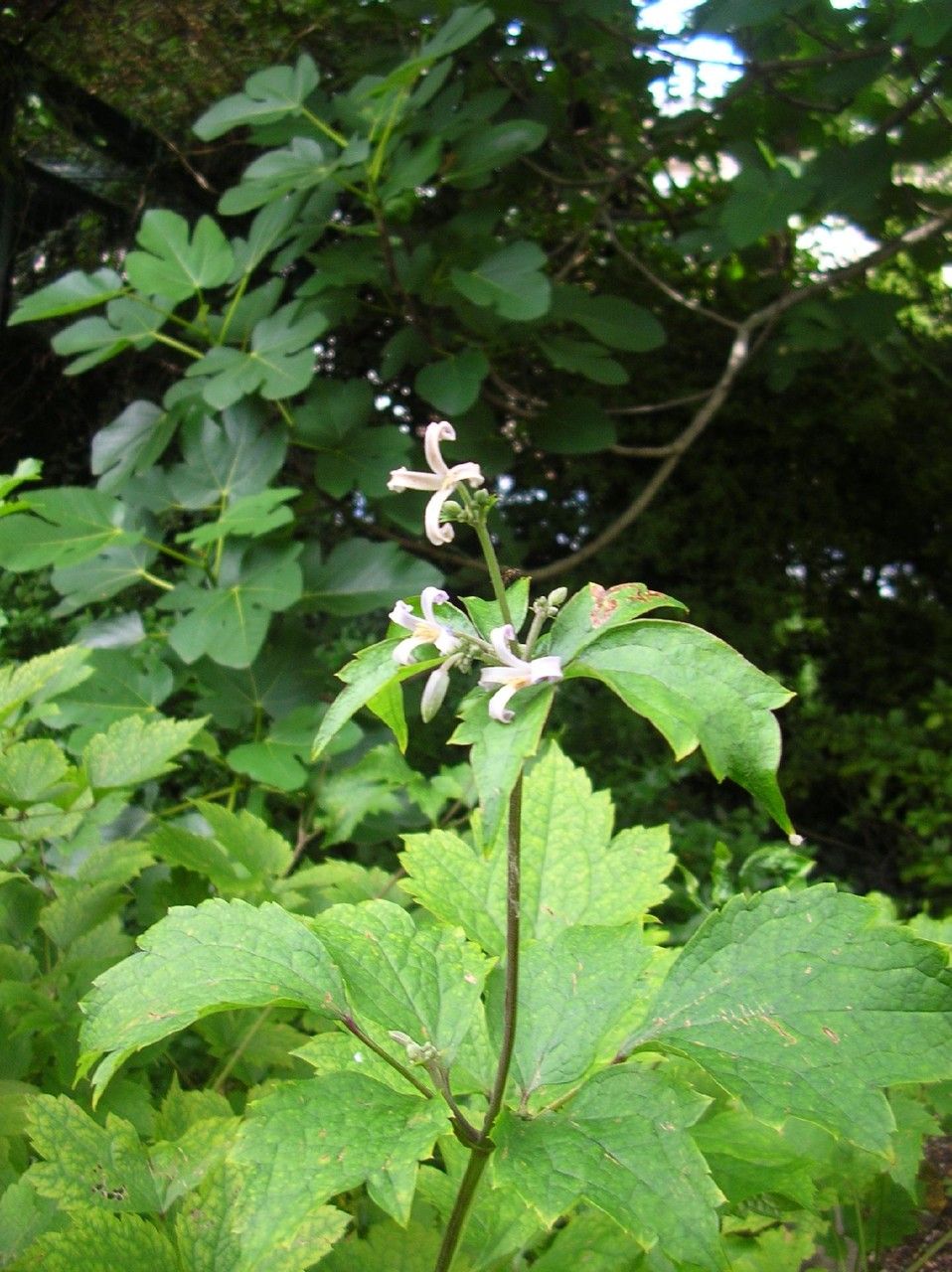
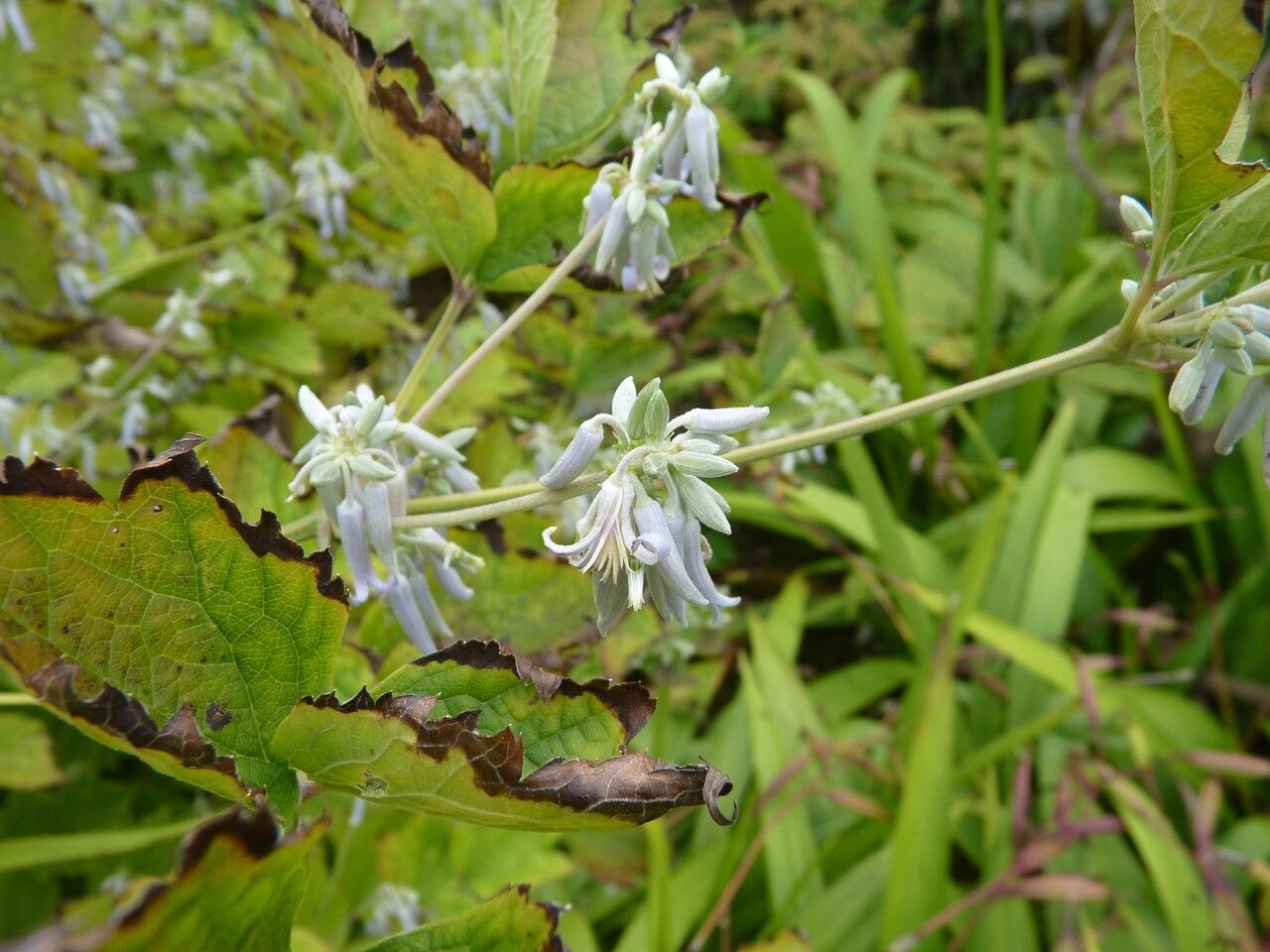
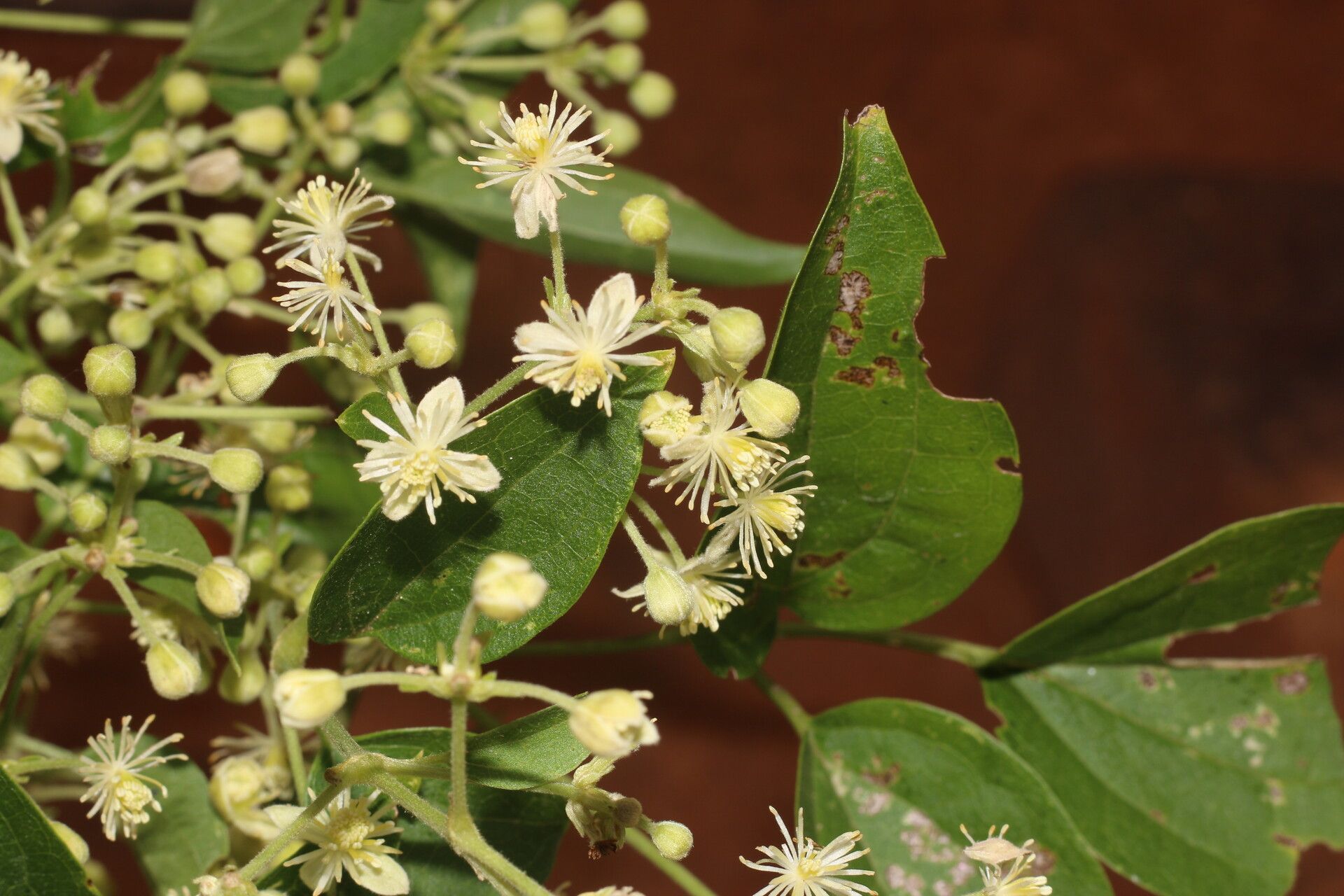
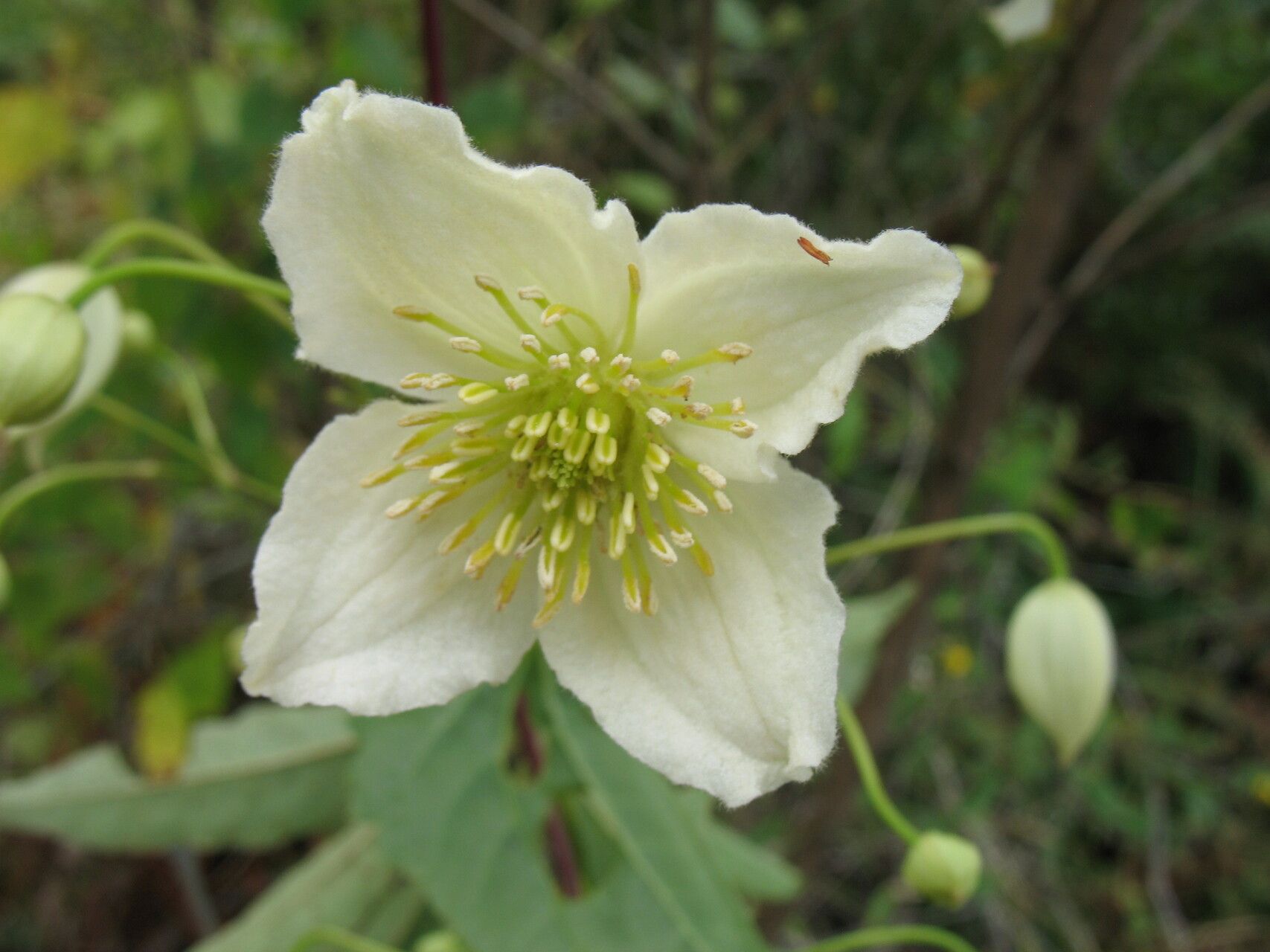
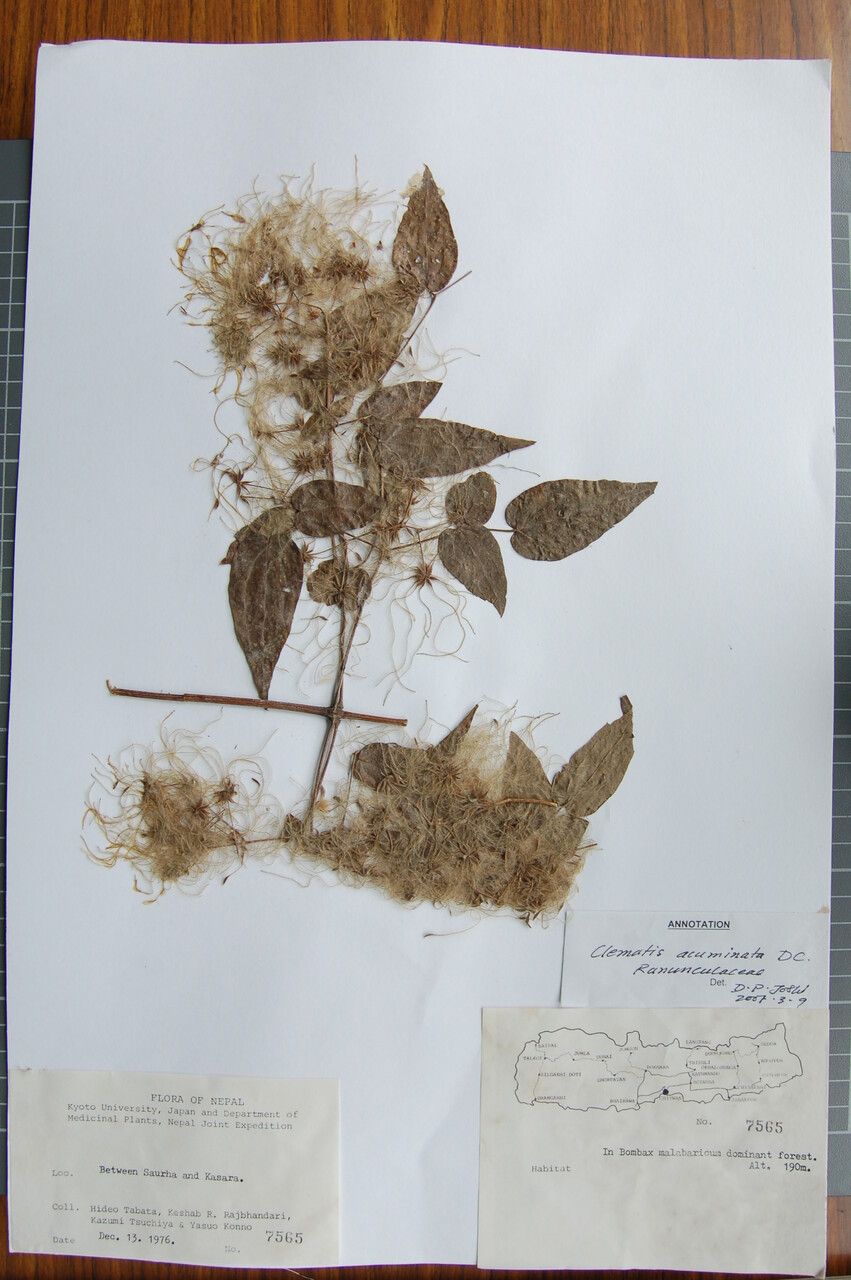
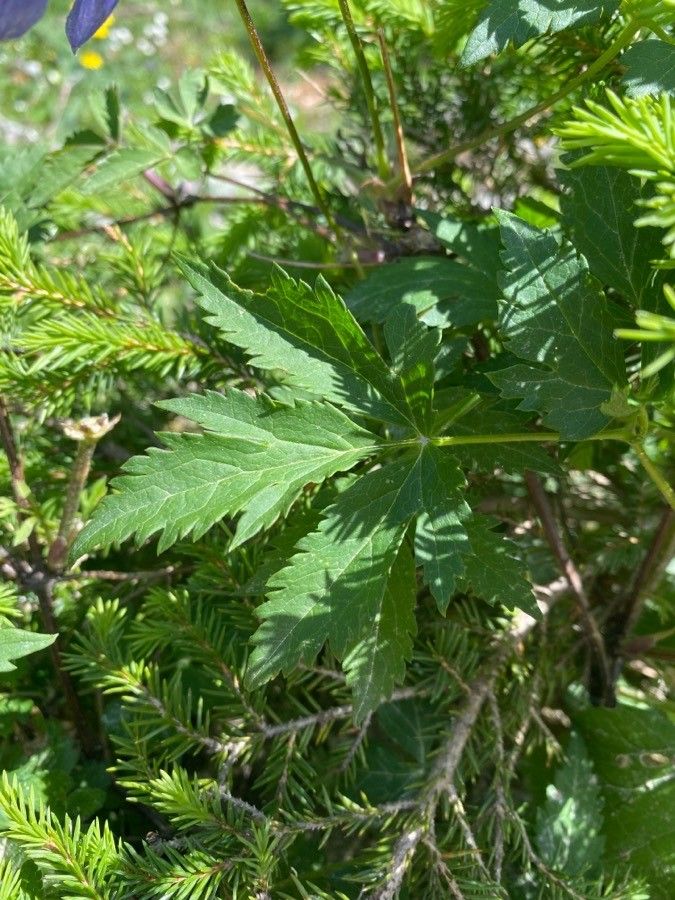
Clematis stans has good resistance to disease and is generally not prone to illnesses. However, it can be vulnerable to pests and diseases present in its surroundings. These infections are usually not severe. In terms of care, this plant requires a moderate level of maintenance. It needs regular pruning to maintain an attractive appearance and healthy growth. Fertilizing can also help encourage flowering. Clematis stans is suitable for anyone with outdoor space, such as a garden or patio, and does not require extensive care experience. It may need more attention when grown indoors.
How to keep Clematis Stans.
Light
Clematis stans occurs naturally in places such as forest understories or rocky terrain, where it grows in naturally shaded conditions. It favors partial sun but can tolerate full sun or full shade, reflecting its versatile and hardy nature.
Water
Clematis stans, a plant native to moderate climates, thrives in well-drained soil with consistent moisture levels. It prefers a stable humidity environment and requires weekly watering to stay healthy. As an outdoor plant, clematis stans adjusts its growth cycle according to the seasonal rainfall, maximizing water uptake during peak growing periods.
Temperature
Clematis stans can tolerate a wide range of temperatures, but its range may still be restricted by different combinations of moisture and heat. It does best in warm summer climates with sufficient rainfall or watering. Extended stretches of cloudy, rainy weather or prolonged high temperatures raise the chance that Clematis stans will die. In winter, giving the plant proper protection from the cold can increase its survival rate.
Fertilizer
The primary time to fertilize Clematis stans is in early spring, when flowers are forming. The proper fertilizer promotes better blooms and helps Clematis stans produce attractive flowers. Fertilizing in early spring ensures excellent flowers during the season and supplies energy for dormant growth phases.
Pruning
Clematis stans should be pruned either before flowering or from late winter to early spring. To make the most of nutrient use, remove any weak branches and prune selectively to encourage better blooms. Avoid pruning during the summer to preserve the leaves. Heavy pruning will stimulate new growth, while moderate pruning can result in extended blooming and more flowers.
Pot & Repot
Clematis stans is an upright perennial that needs to be repotted every 2 to 3 years, ideally in early spring. Use a medium-sized container to allow for proper root development. Ensure the plant has well-drained soil and provide consistent moisture after repotting. Regular fertilization will also help promote healthy growth.
Botanical profile.
- Plant Type
- Herb, Vine
- Life Cycle
- Perennial
- Genus
- Clematis
- Family
- Ranunculaceae
- Hardiness Zone
- 4-8
- Mature Height
- 91 cm
- Mature Spread
- 91 cm
- Leaf Color
- Green
- Leaf Type
- Deciduous
- Flower Color
- White
- Flower Size
- 2.03 cm to 3.05 cm
- Bloom Time
- Late summer, Early fall, Mid fall
- Planting Time
- Spring, Summer
- Harvest Time
- Mid fall, Late fall, Early winter
- Native Area
- Japan
Reader questions.
What are the sunlight requirements for Clematis stans?
Clematis stans requires specific sunlight conditions to thrive. For full sun exposure, it needs above 6 hours of sunlight daily. If it's to be placed in partial sun, about 3-6 hours of sunlight is sufficient. It's crucial to observe how sunlight moves through your garden throughout the day to find the perfect spots that provide an ideal balance of light and shade for these plants, ensuring their well-being and happiness.