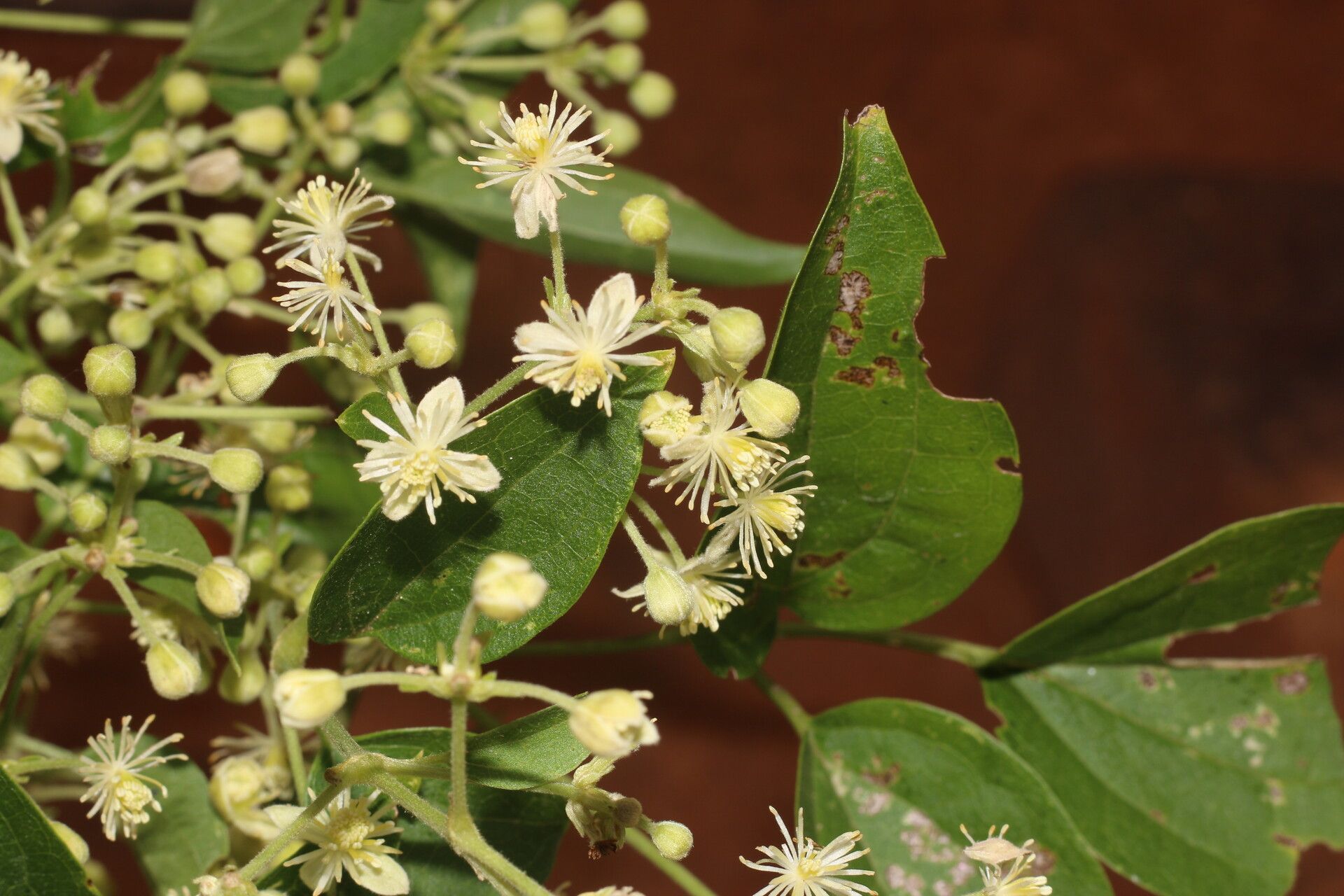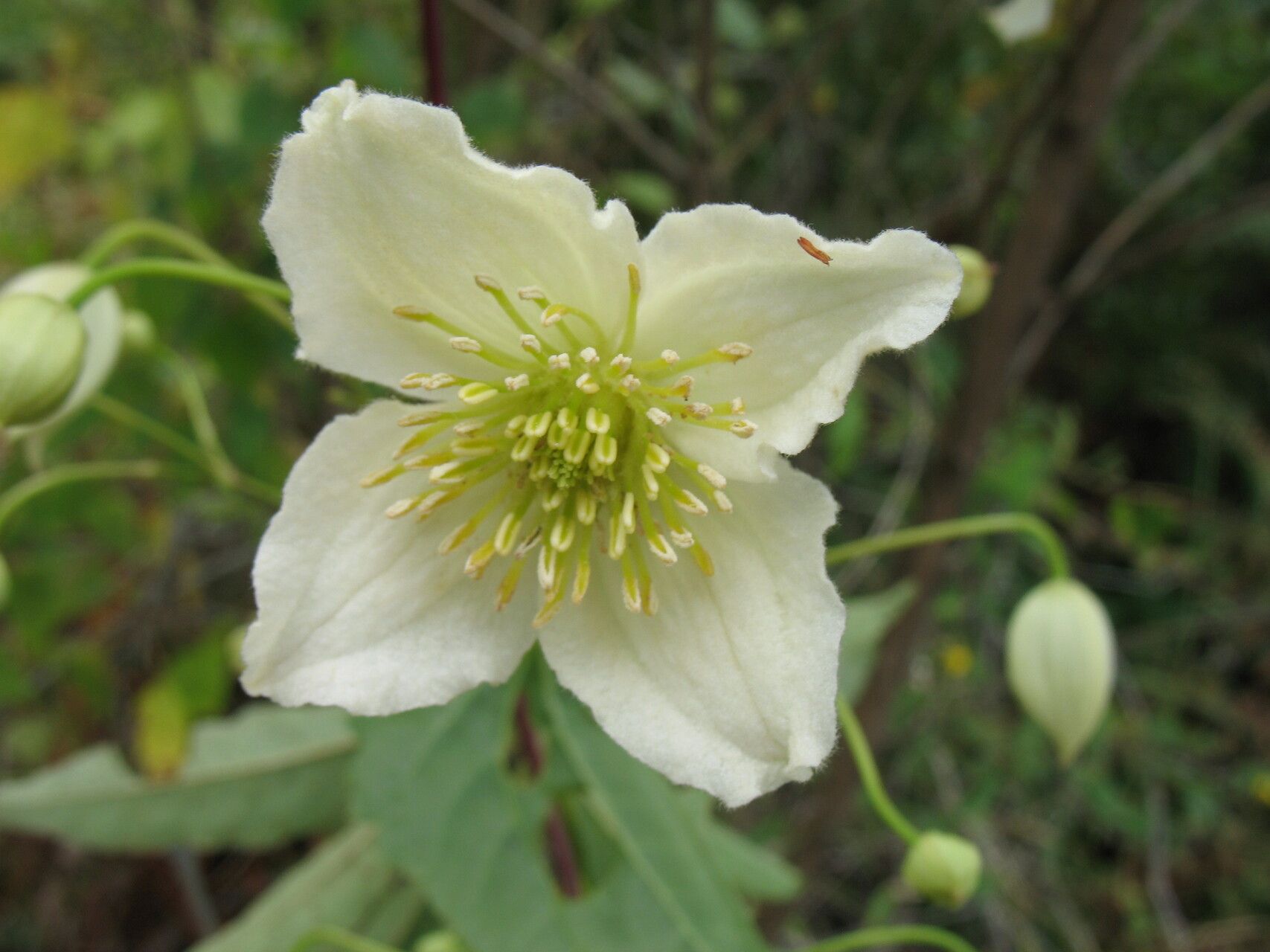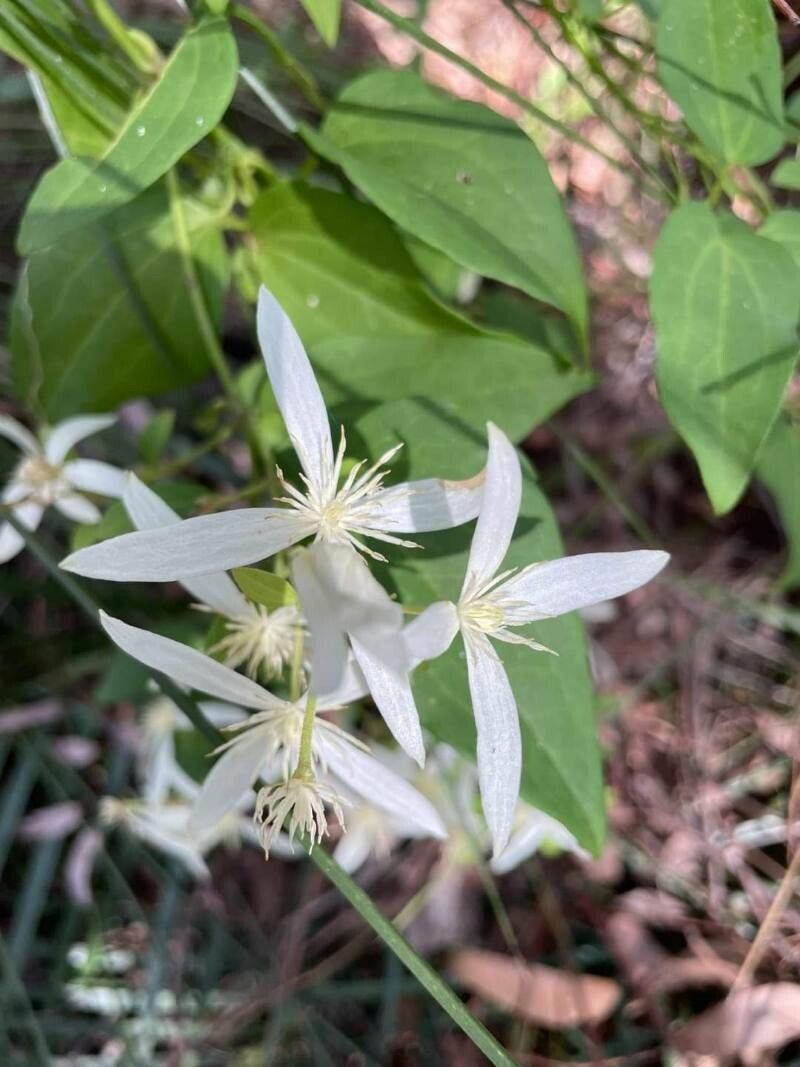
Clematis pubescens, known locally as common clematis, is a climbing shrub of the family Ranunculaceae with white blooms, found in coastal regions of southern Western Australia.
Common clematis resists disease well and is usually not susceptible to illnesses. In terms of care, this plant is fairly low-maintenance. When grown outdoors it needs little water, and larger plants typically do not require pruning. However, smaller plants should be pruned after they have finished blooming. Common clematist is suitable for anyone with an outdoor area, such as a garden or deck, and does not need much experience in plant care.
How to keep Clematis Pubescens.
Light
Common clematis naturally occurs in habitats like forest understories and rocky areas, where it grows in natural shade. It prefers partial sun but can adapt to full sun or full shade, demonstrating its versatile and hardy nature.
Water
Common clematis grows best in moist soil that doesn't pool with water. To monitor the soil's moisture, simply touch it and water thoroughly only when it's dry. During the spring, the plant requires more frequent watering, but be sure to adjust according to the weather conditions. Always ensure that any excess water is drained away to prevent root rot, especially in areas with heavy rainfall.
Temperature
Common clematis is highly adaptable to a wide range of climatic conditions, from hot summers to cold winters. It nevertheless has an optimal temperature range for growth. If temperatures become too high, the plant is vulnerable to heat and humidity stress, which can lead to its death. In areas where temperatures approach the lower limit of its cold tolerance, providing insulation to protect the plant is important.
Fertilizer
Timing is important when feeding Common clematis. Begin fertilizing in early spring and continue once a month until early summer. Fertilizer encourages attractive blooms and provides energy during both dormant periods and active growth.
Pruning
To encourage better growth and flowering, prune common clematis either before it blooms or between late winter and early spring. Be sure to remove any weak branches and selectively prune to improve nutrient distribution. Avoid heavy pruning during the summer months. After pruning, the plant will begin its growth cycle. Timing is crucial, so if necessary, wait for favorable weather conditions to prune.
Botanical profile.
- Plant Type
- Vine
- Life Cycle
- Perennial
- Genus
- Clematis
- Family
- Ranunculaceae
- Hardiness Zone
- 7-9
- Mature Height
- 4.88 m
- Mature Spread
- 0.91 m to 3.05 m
- Leaf Color
- Green, Dark Green
- Leaf Type
- Deciduous
- Flower Color
- White, Lavender
- Flower Size
- 5.08 cm
- Bloom Time
- Mid spring, Late spring, Early summer
- Planting Time
- Spring, Summer, Autumn
- Harvest Time
- Summer
Reader questions.
What are the sunlight requirements for Common clematis (Clematis pubescens)?
Common clematis (Clematis pubescens) thrives in various sunlight conditions, depending on what you're aiming for. For full sun exposure, ensure the plant receives above 6 hours of sunlight daily. This is ideal for optimal growth and flowering. If you have a spot that gets about 3-6 hours of sunlight, this is considered partial sun and is also suitable for Common clematis. It's important to observe the movement of sunlight through your garden carefully. By doing so, you can select locations that offer a harmonious balance of light and shade, which is crucial for the well-being of your plants.