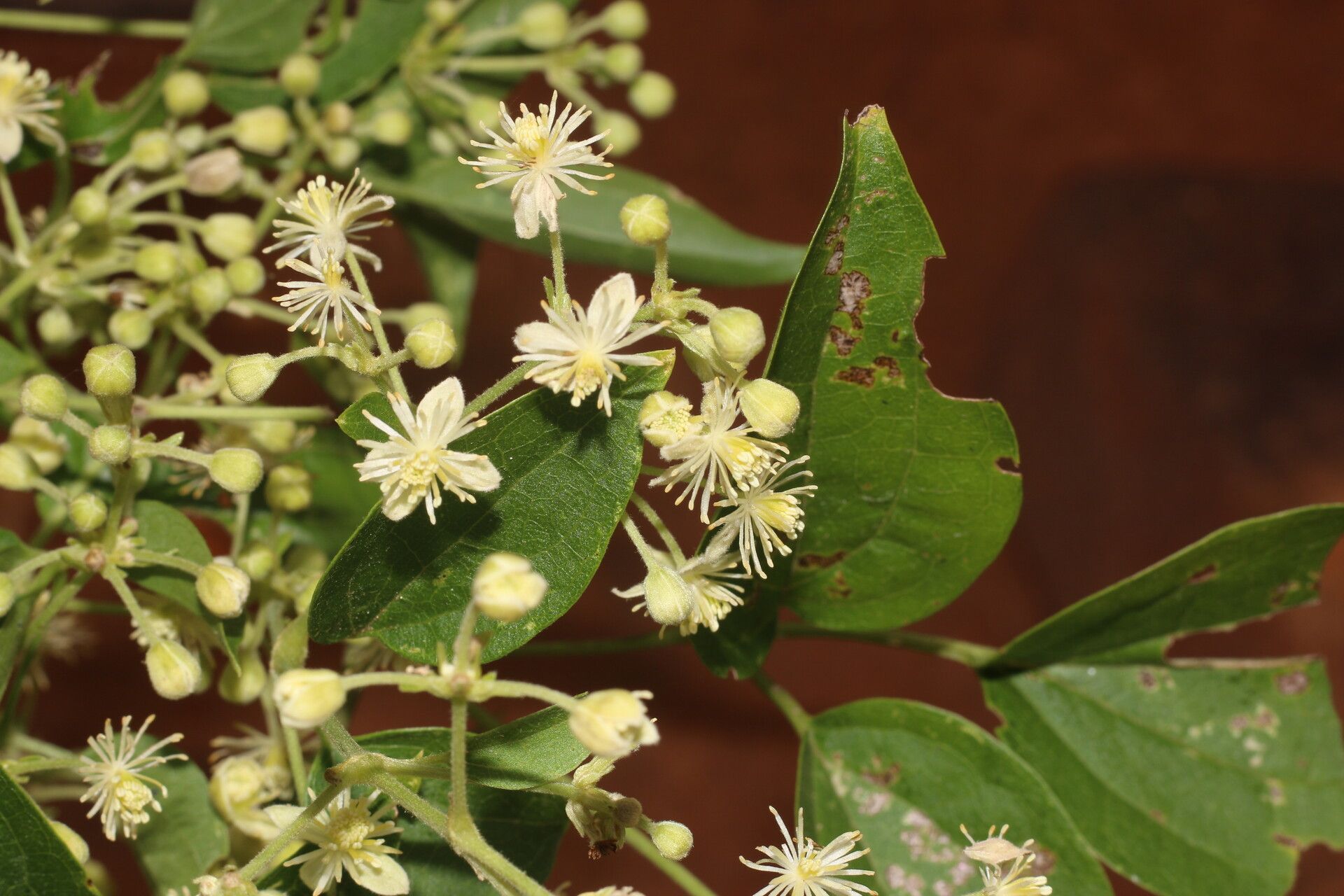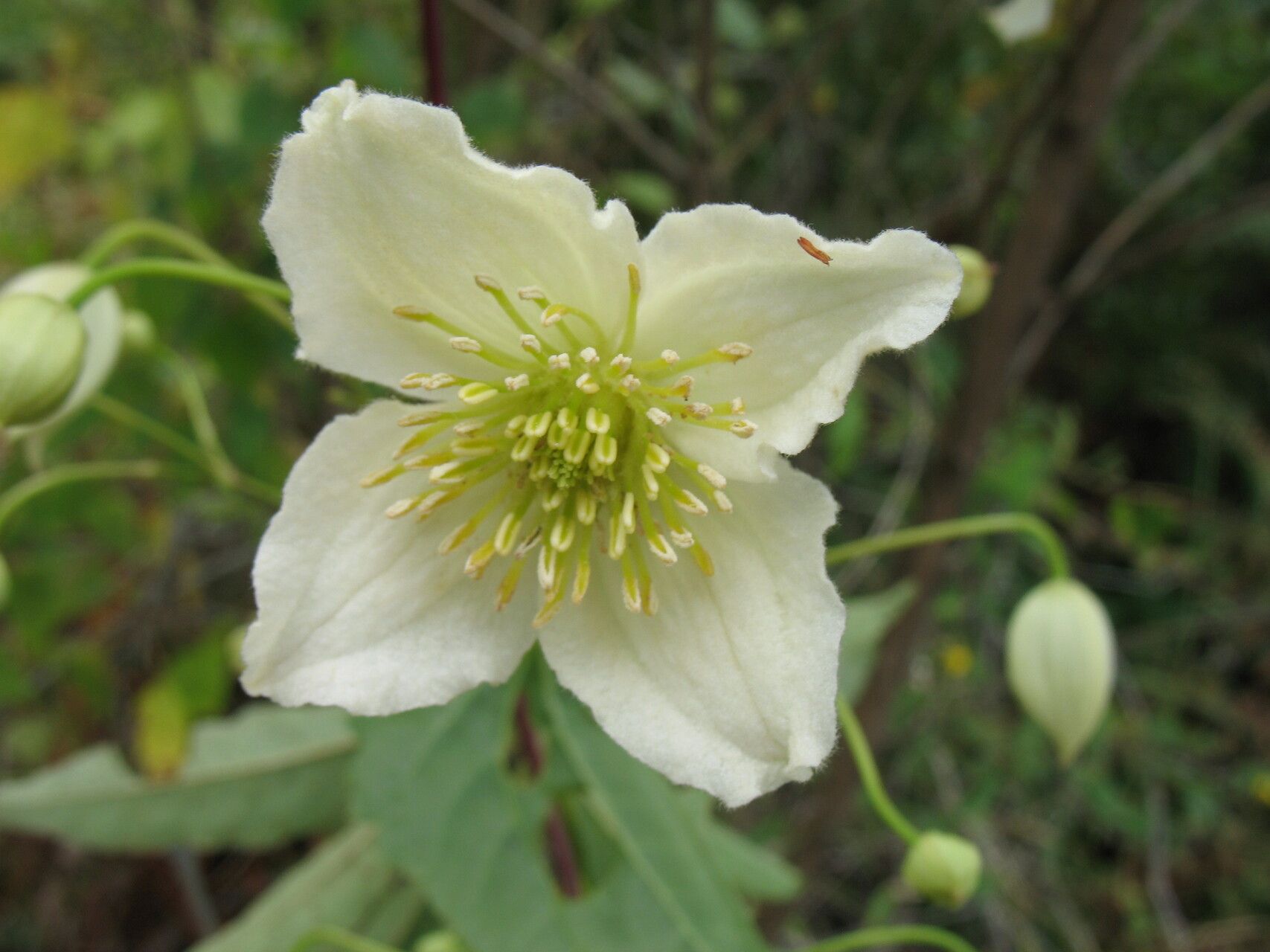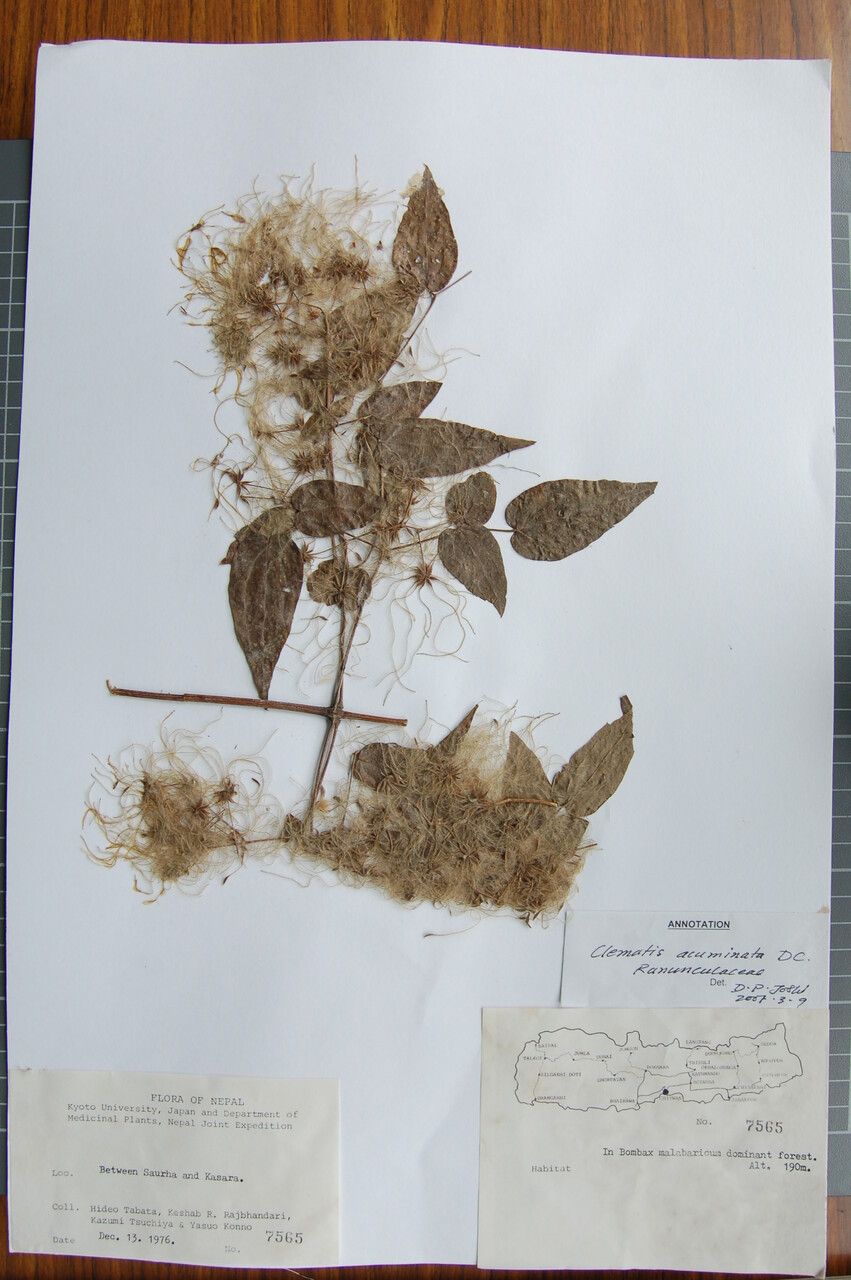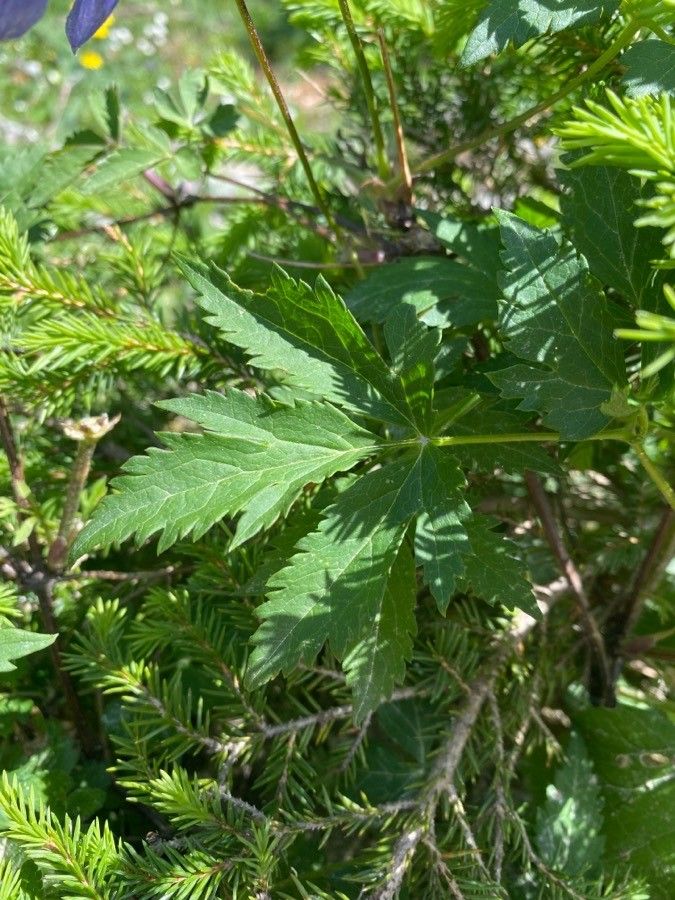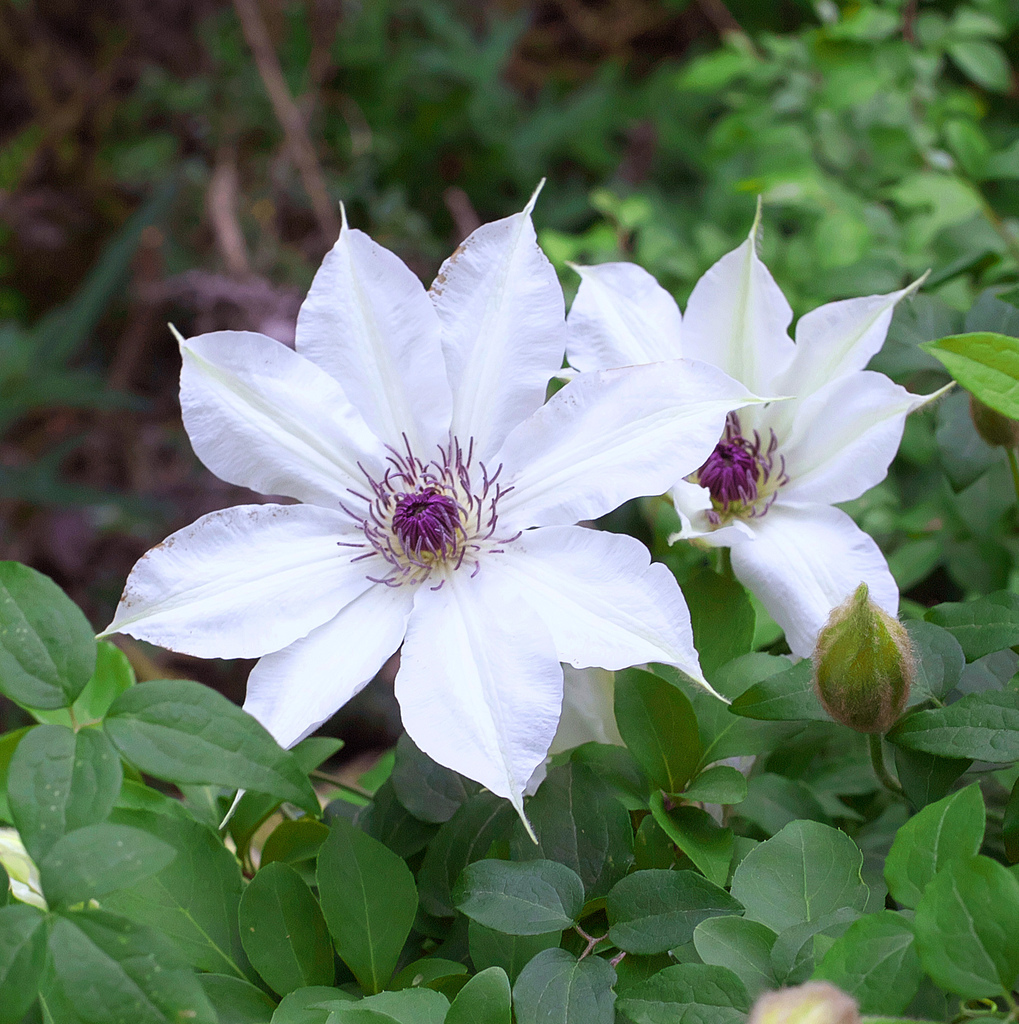
Clematis patens, commonly known as Japanese clematis or blue clematis, is a deciduous climbing plant that belongs to the Ranunculaceae family. Native to Japan and Korea, this plant has become a popular ornamental addition to gardens worldwide thanks to its striking blue flowers.
The plant can grow to a height of 6-8 feet and features dark green leaves divided into three leaflets. Its large flowers can measure up to 6 inches in diameter and typically have four or five petals, ranging in color from light blue to deep violet-blue. These beautiful blooms appear from late spring through early summer.
Clematis patens thrives in well-drained soil rich in organic matter and can tolerate both full sun and partial shade. As a fast-growing vine, it requires support such as trellises or fences for climbing.
Large-flowered clematis is an easy-to-grow plant that makes a lovely addition to an heirloom garden, given its long history. This versatile plant can be trained to climb along walls, fences, trellises, or arbors. It also serves as an effective ground cover, spreading quickly with deep roots that help prevent soil erosion, particularly in shaded areas. FUN FACT · FROM THE LIBRARY
Propagation is possible through stem cuttings taken during the summer or by layering in early spring. Pruning should be performed after flowering by removing dead wood and cutting back any unwanted growth.
Overall, Clematis patens is an attractive addition to any garden, thanks to its stunning blooms and easy care requirements.
Large-flowered clematis is fairly disease-resistant and generally not prone to illness. Still, it can be affected by pests and diseases present in its environment. These problems are usually mild. For care, the plant requires moderate maintenance. It should be pruned regularly to maintain a tidy appearance and healthy growth. Fertilizing can also help encourage flowering. Large-flowered clematis is suitable for anyone with outdoor space, such as a garden or patio, and does not demand extensive gardening experience. It may need more attention when grown indoors.
How to keep Clematis Patens.
Light
Large-flowered clematis prefers a spot where it gets plenty of sun during the day. It can still thrive with only dappled sunlight. Too much sun can damage the plant, causing sunscorch, while too little light may reduce its ability to produce abundant blooms.
Water
The large-flowered clematis thrives with consistent moisture and has a moderate tolerance for drought, requiring weekly watering. As an ornamental outdoor vine, it does best when supported by structures, which help retain moisture during the growing season.
Temperature
Large-flowered clematis does best in its native habitat when temperatures meet certain requirements. It favors a range from 5 to 35 °C (41 to 95 °F). As a temperate woody species, it copes well with a variety of climates. Seasonal temperature adjustments may be required for best growth. Protecting it from severe cold and frost in winter, and providing shade and sufficient water during hotter periods, preserves its health and vigor.
Fertilizer
The ideal time to fertilize a Large-flowered clematis is in early spring, as it comes out of dormancy and begins active growth. Fertilization supplies essential nutrients for healthy development. Although Large-flowered clematis has relatively low fertilizer needs, an annual application can improve its survival and encourage better, longer-lasting flowers.
Pruning
To ensure your large-flowered clematis thrives, prune it in early spring. Begin by removing any dead stems, and trim the healthy ones to promote growth and flowering. This practice not only improves the plant's shape but also prevents overcrowding and enhances its vitality. By following these horticultural guidelines, you can maintain optimal plant health and enjoy vibrant, abundant blooms.
Pot & Repot
Repot large-flowered clematis in early spring, selecting a pot only slightly bigger than the current one and with adequate drainage. Use a well-draining potting mix, making sure the root ball sits at the same level as before. Carefully loosen any root-bound roots. After repotting, water thoroughly and place the pot in a warm, shady spot. Prune regularly to control size and encourage new growth.
Botanical profile.
- Plant Type
- Vine, Herb
- Life Cycle
- Perennial
- Genus
- Clematis
- Family
- Ranunculaceae
- Hardiness Zone
- 5-9
- Mature Height
- 1.83 m to 3.05 m
- Mature Spread
- 30 cm to 91 cm
- Leaf Color
- Green, Blue
- Leaf Type
- Deciduous
- Flower Color
- Purple, Blue, Pink, White
- Flower Size
- 7.62 cm to 15.24 cm
- Bloom Time
- Late spring, Early summer, Mid summer
- Planting Time
- Spring
- Harvest Time
- Mid summer
Other names.
Reader questions.
When Should I Water My Large-flowered Clematis?
To ensure the health and vibrant growth of your large-flowered clematis, it's important to water it correctly by identifying the right signals. Check the soil's moisture level; if the top 1 to 2 inches of soil are dry, your plant needs water. Observing wilted or dull leaves can also indicate a need for watering. During its pre-flowering stage, ample water is crucial to prevent bud drop. Keep in mind that during warm temperatures and high sunlight exposure, the plant's water requirements increase. Avoid watering too early to prevent root diseases, and avoid watering too late as it might stunt the plant's growth or lead to dehydration.
Why should I put fertilizer on my Big-flowered clematis?
Fertilization is important for the growth of the Large-flowered clematis and other plants. It provides essential nutrients for the plant's overall development above and below ground. However, the fertilization needs for the Large-flowered clematis are relatively low, and it can sometimes thrive without fertilization. Nevertheless, annual fertilization can greatly benefit the plant by ensuring its survival and promoting the production of better and longer-lasting flowers. Therefore, those who want their Large-flowered clematis to look its best should prioritize annual fertilization.
What are the sunlight requirements for large-flowered clematis?
Large-flowered clematis requires specific sunlight conditions to thrive. Full sun exposure, which is above 6 hours of direct sunlight daily, is ideal. However, the plant can also grow in partial sun, receiving about 3-6 hours of sunlight. It's important to observe the movement of sunlight through your garden to choose locations that provide the right balance of light and shade, ensuring the plants' well-being. Overexposure to sunlight can lead to sunscorch, while insufficient light may prevent the plant from blooming.
What are the ideal temperature conditions for large-flowered clematis?
Large-flowered clematis flourishes in temperatures ranging from 5 to 35 °C (41 to 95 °F), showcasing its resilience as a temperate woody plant adaptable to various climates. To ensure its health and vigorous growth, it's crucial to adjust care practices with the changing seasons. This includes providing frost protection in severe winter colds—typically unnecessary due to its strong cold resistance—by using materials like non-woven fabric or cloth for wrapping the plant if temperatures are expected to drop significantly. Additionally, offering shade and sufficient water during hotter seasons is key. Prior to the onset of winter's first freeze, an abundant watering helps the soil retain moisture.
How Should I Water My Large-flowered Clematis?
Watering your large-flowered clematis adequately involves using a watering can with a narrow spout to water at the base, avoiding foliage to prevent diseases. Bottom-watering is another effective method, especially for potted plants, ensuring the soil is evenly moist without becoming waterlogged. Using a moisture meter can help you ascertain the right time to water again. Aim to keep the soil consistently moist but not soggy, with mulching to help retain soil moisture. Proper drainage is essential to avoid root rot.
When should I fertilize my Large-flowered clematis?
The best time to fertilize a Large-flowered clematis is in late winter or early spring when it is coming out of its dormant phase and starting to grow. This will help promote healthy growth for the season. While it is generally best to fertilize in the early spring, it is also okay to do so in the fall. However, it is not recommended to fertilize in the summer or winter seasons.
How can artificial lighting support large-flowered clematis growth?
Artificial lighting can be crucial for the growth of indoor large-flowered clematis, especially when natural sunlight is inadequate. LED lights are a popular choice as they can be tailored to provide specific wavelengths that plants need. Full sun plants require 30-50W/sq ft of artificial light, partial sun plants need 20-30W/sq ft, and full shade plants require 10-20W/sq ft. The light source should be placed 12-36 inches above the plant, mimicking natural sunlight, and kept on for 8-12 hours per day to ensure healthy growth.
How should I care for my large-flowered clematis in extremely low temperatures?
Despite its strong cold resistance, large-flowered clematis requires extra care in extreme low temperatures, especially if they drop below its growth tolerance limit. To protect it during winter, wrap the trunk and branches in non-woven fabric or cloth. Before autumn's first freeze, water the plant thoroughly to ensure the soil remains moist through the winter, helping prevent drought and water scarcity.
How Much Water Does Large-flowered Clematis Really Need?
The amount of water needed for large-flowered clematis depends on various factors such as pot size, root depth, and plant size. Generally, for a mature plant in a medium-sized pot, 1 to 2 liters per watering session is recommended, adjusted based on soil moisture levels. Proper hydration is signaled by green, glossy leaves, and consistent soil moisture. Avoid both overwatering, which can lead to root rot, and under-watering, which can stunt growth and reduce flowering.
When is it not a good idea to put fertilizer on my Large-flowered clematis?
To ensure optimal growth of your Large-flowered clematis, it is important to fertilize it only during the late winter and early spring. This plant requires minimal fertilization, so a single annual feeding is sufficient. Overfertilizing during spring, summer, and fall can cause problems, except if you missed fertilizing in the spring, it can be done in the fall. Additionally, refrain from fertilizing during the winter when the plant is in a dormant phase and not actively growing.
What are the symptoms of inadequate light for large-flowered clematis?
Symptoms of inadequate light in large-flowered clematis include smaller new leaves, leggy or sparse growth, faster leaf drop, slower or no new growth, lighter-colored or chlorotic new leaves, sunscald, leaf curling, wilting, and leaf scorching. These symptoms indicate the plant is not receiving enough sunlight for optimal growth, or it's being exposed to too much direct sunlight without proper acclimatization.
What are the symptoms of temperature stress in large-flowered clematis and how can they be treated?
Temperature stress in large-flowered clematis manifests differently depending on whether it's too cold or too hot. During cold, if temperatures fall below the plant's tolerance, branches may become brittle and dry, and no new shoots will appear in spring. The solution is to prune away any dead branches in spring. In high temperatures, leaves may lighten, tips can dry and wither, and the plant may suffer from sunburn. To mitigate this, trim away the damaged parts, move the plant to a shadier location or use a shade cloth, and ensure the soil stays moist with regular watering in the morning and evening.