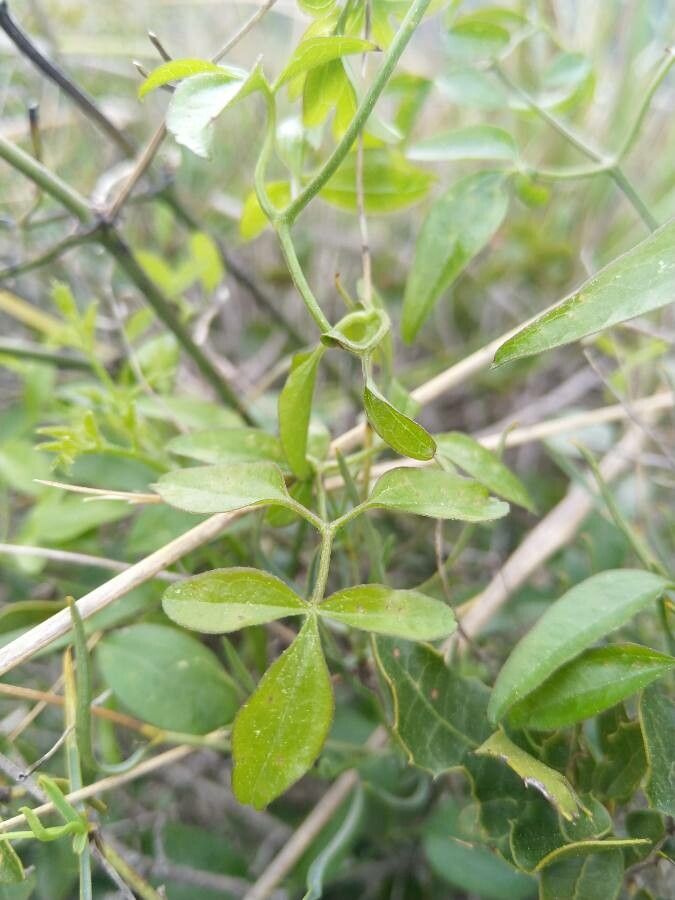
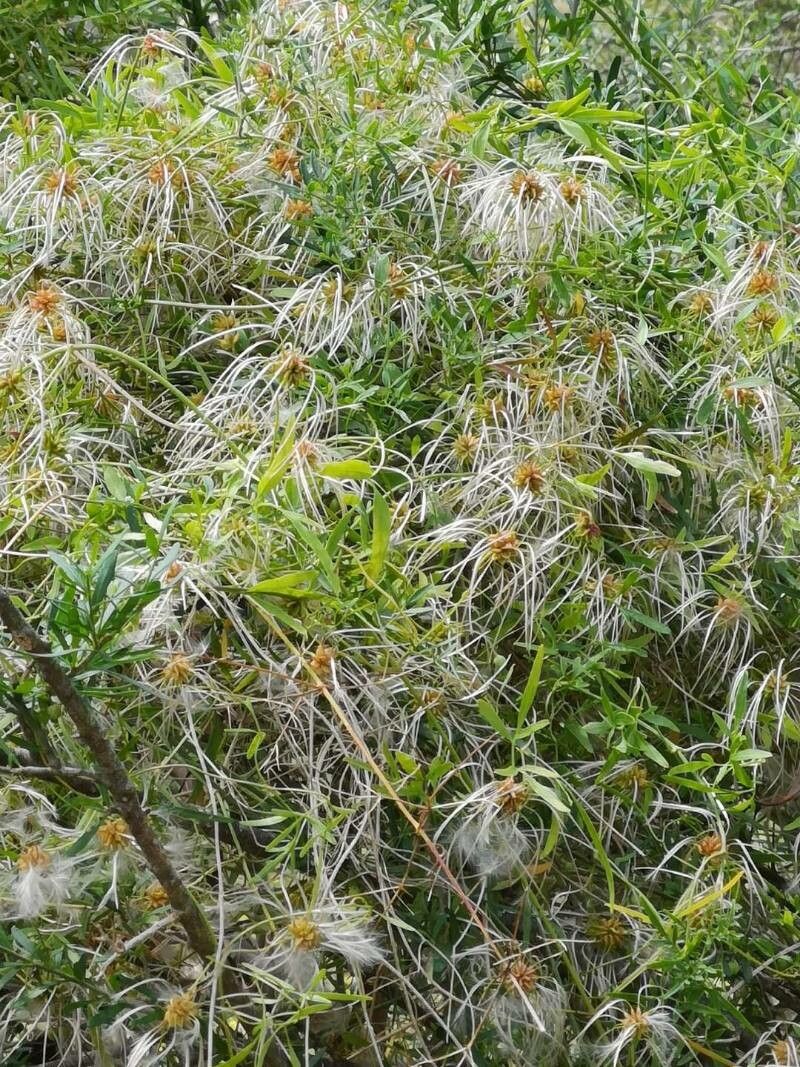
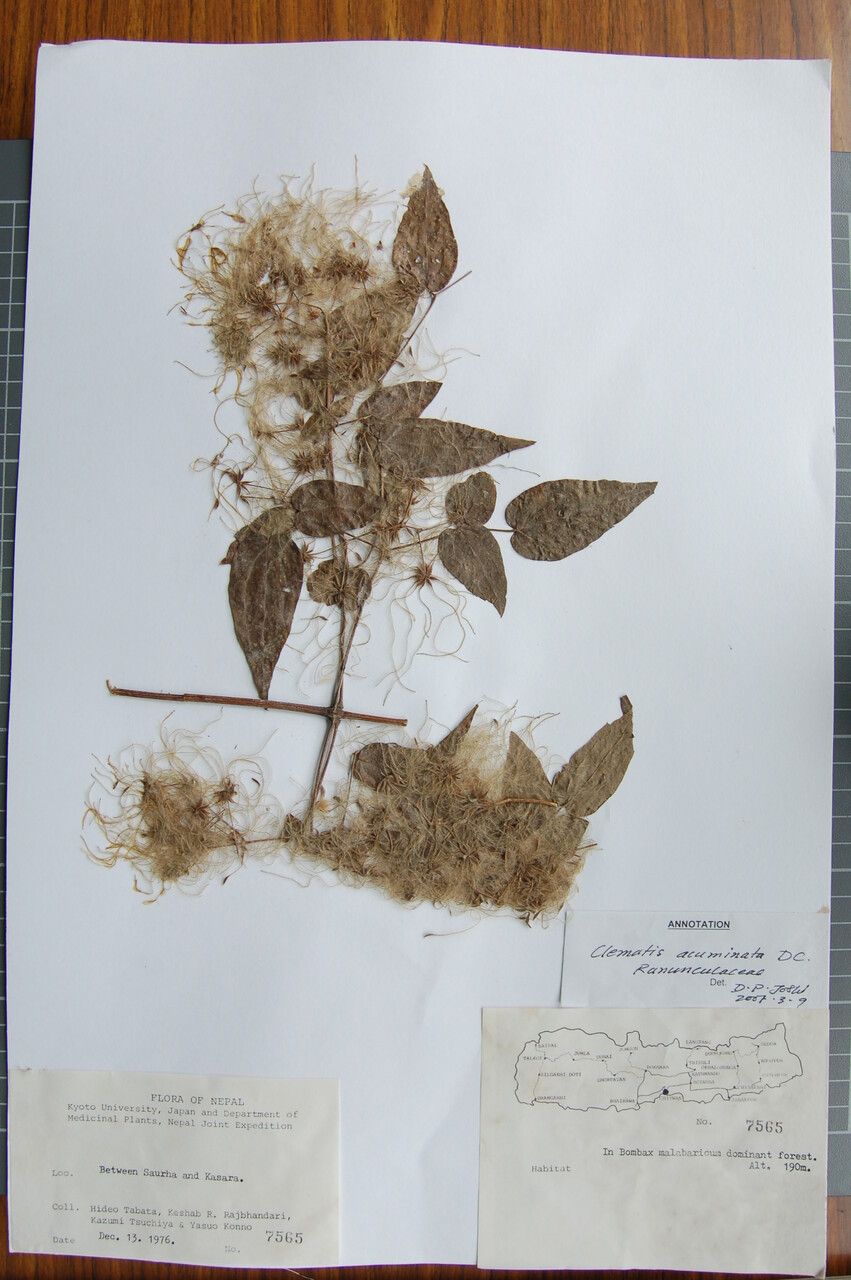
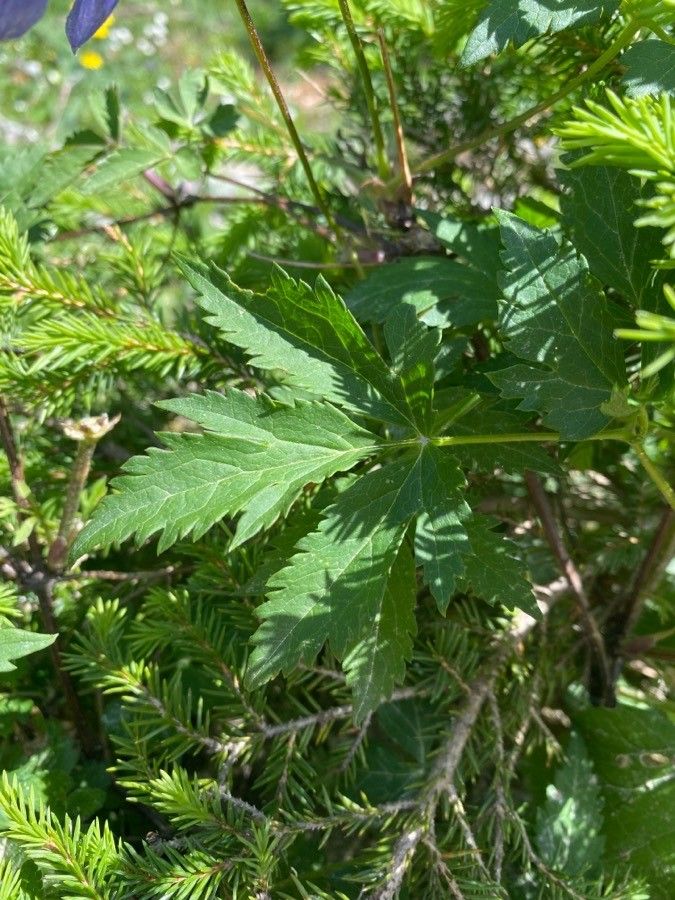
Clematis microphylla (Small-leaved Clematis) is one of 8 Clematis species native to Australia. It occurs in all states and the ACT, but not in the Northern Territory. It is a common, quick-growing, small-leaved climbing species which prefers full sun and good drainage. It is very frost tolerant (-5 degrees Celsius). There are two variants,
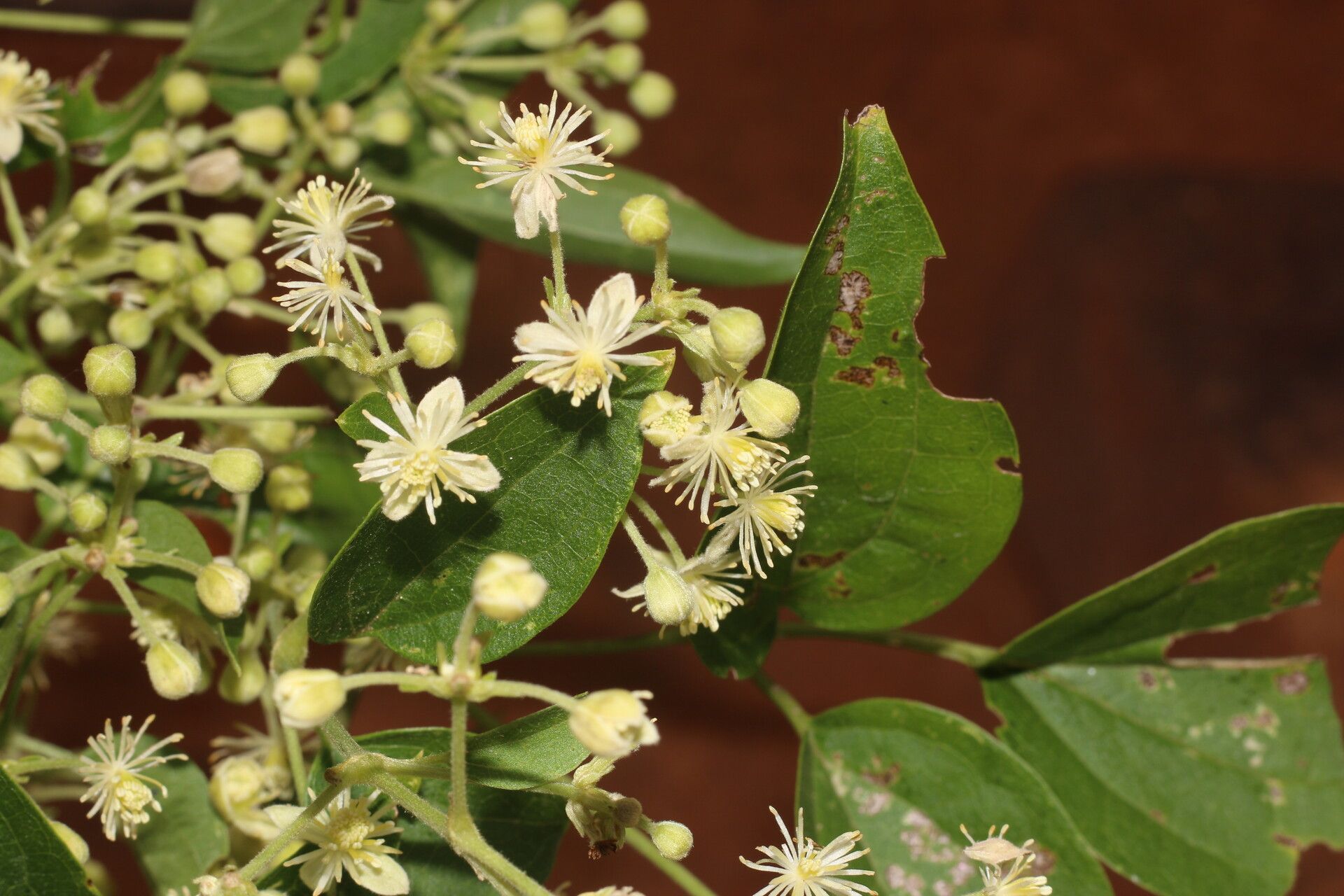
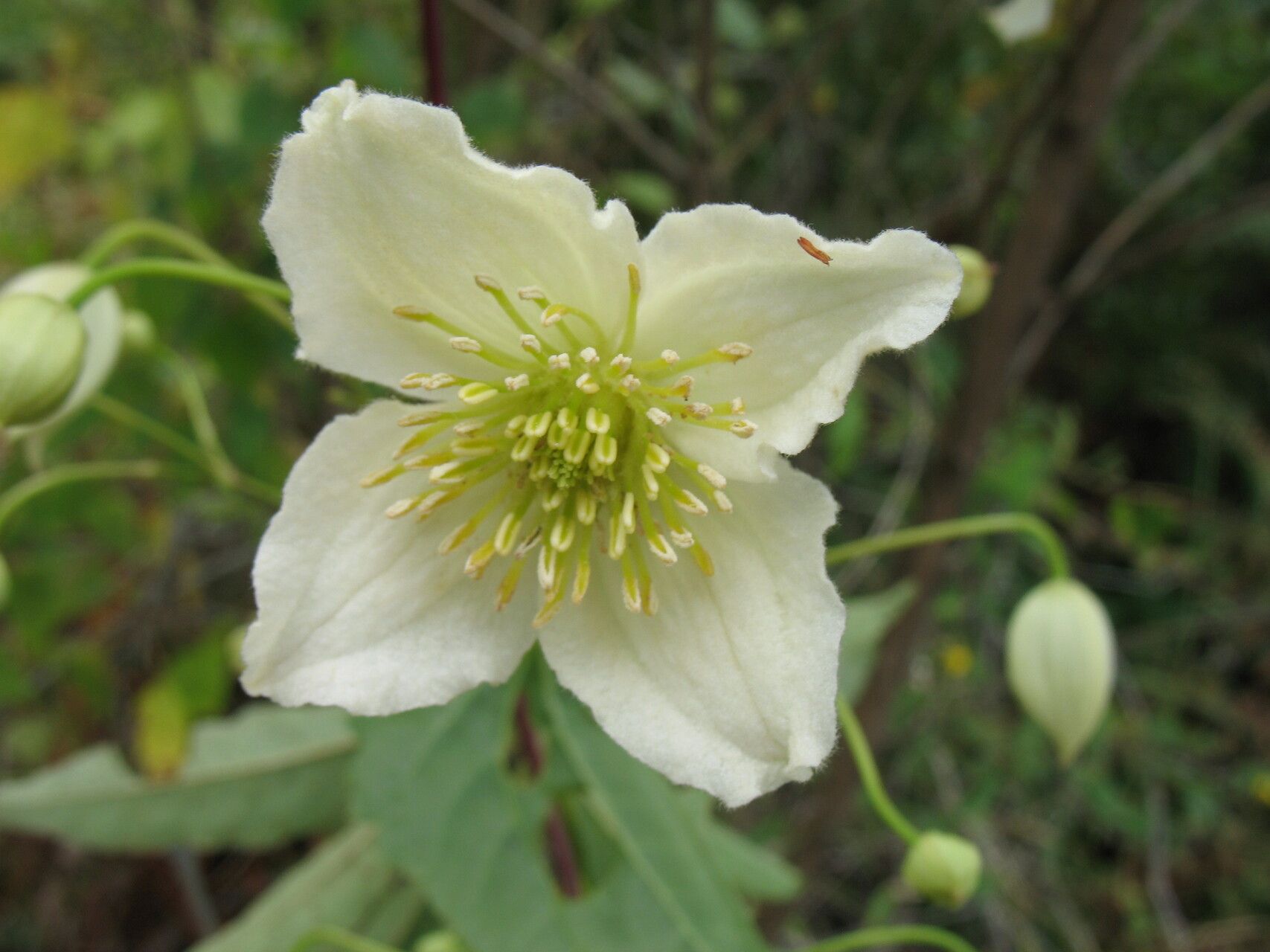
Clematis microphylla var. microphylla, leaves over 20 mm long and 3 mm wide Clematis microphylla var. leptophylla, leaves less than 20 mm long and 3 mm wide - a medium sided climber with cream-green flowers through spring followed by bearded fruit.
Headachevine exhibits strong resistance to disease and is typically not susceptible to illnesses. With respect to care, this plant is fairly low-maintenance. When grown outdoors it needs little watering, and larger specimens usually do not require pruning. Smaller plants, however, should be trimmed after they finish blooming. Headachevinet is appropriate for anyone who has an outdoor area like a garden or a deck, and it does not demand extensive care experience.
How to keep Clematis Microphylla.
Light
Headachevine is native to habitats such as forest understories or rocky areas, where it occurs in natural shade. It prefers partial sun but can tolerate full sun or full shade, demonstrating its versatility and hardiness.
Water
Headachevine flourishes in moist environments as long as the soil doesn't get waterlogged. To check the soil's moisture level, insert your finger into the soil; if it feels dry, water the plant thoroughly. In the spring, the plant needs more frequent watering. During rainy periods, make sure there is good drainage to prevent root rot.
Temperature
Headachevine shows strong adaptability to different climate conditions, whether in blazing summers or cold winters. It nevertheless has an optimal temperature range for growth. If temperatures rise too high, the plant is susceptible to heat and humidity stress, which can lead to its death. In areas where temperatures near the lower limit of its cold tolerance, it is necessary to provide insulation to protect the plant.
Fertilizer
The timing of fertilizing Headachevine is important. Apply fertilizer in early spring and repeat monthly through early summer. Fertilizer promotes attractive blooms and supplies energy during both dormant and active growth periods.
Pruning
Prune Headachevine before it flowers or between late winter and early spring. Remove weak branches to improve nutrient distribution. For late-blooming varieties, heavy pruning can enhance growth while pruning only half the branches can encourage a longer blooming period. Before pruning, make sure the conditions are right to support new growth.
Botanical profile.
- Plant Type
- Vine
- Life Cycle
- Perennial
- Genus
- Clematis
- Family
- Ranunculaceae
- Hardiness Zone
- 6-9
- Mature Height
- 3.05 m
- Mature Spread
- 1.22 m
- Leaf Color
- Dark Green, Forest Green
- Leaf Type
- Evergreen
- Flower Color
- White, Cream
- Flower Size
- 1.02 cm to 2.03 cm
- Bloom Time
- Spring
- Planting Time
- Spring, Autumn
- Harvest Time
- Summer
Other names.
Reader questions.
What are the sunlight requirements for Headachevine (Clematis microphylla)?
Headachevine (Clematis microphylla), also known as Headachevine, thrives under specific sunlight conditions. For 'Full sun' exposure, the plant requires above 6 hours of sunlight daily. If it's under 'Partial sun,' about 3-6 hours of sunlight per day is ideal. It's important to observe the patterns of sunlight moving through your garden to ensure that you choose locations that provide a harmonious balance of light and shade, which is crucial for the plant's health and happiness.
What is Headachevine?
Headachevine, known botanically as Clematis microphylla, is a plant that doesn't have specified essentials or symptoms associated with it as per the provided information. Its name suggests a potential link to headache remedies or causes, but no further details are available in the given data.