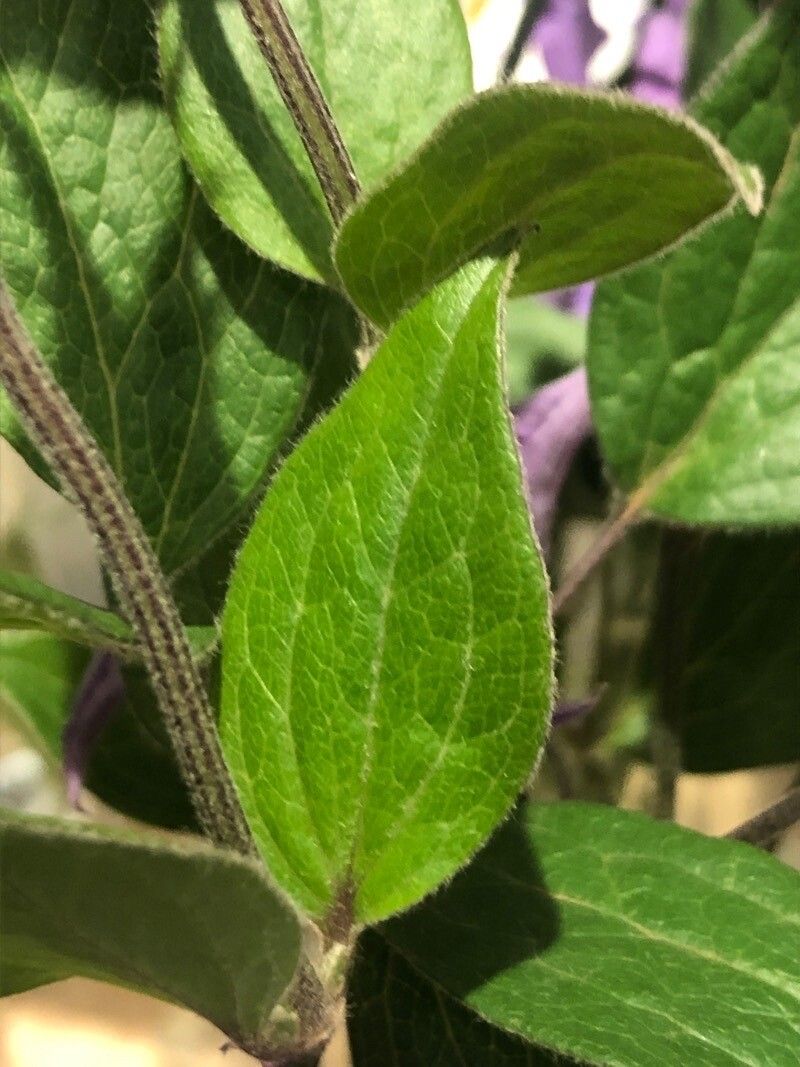
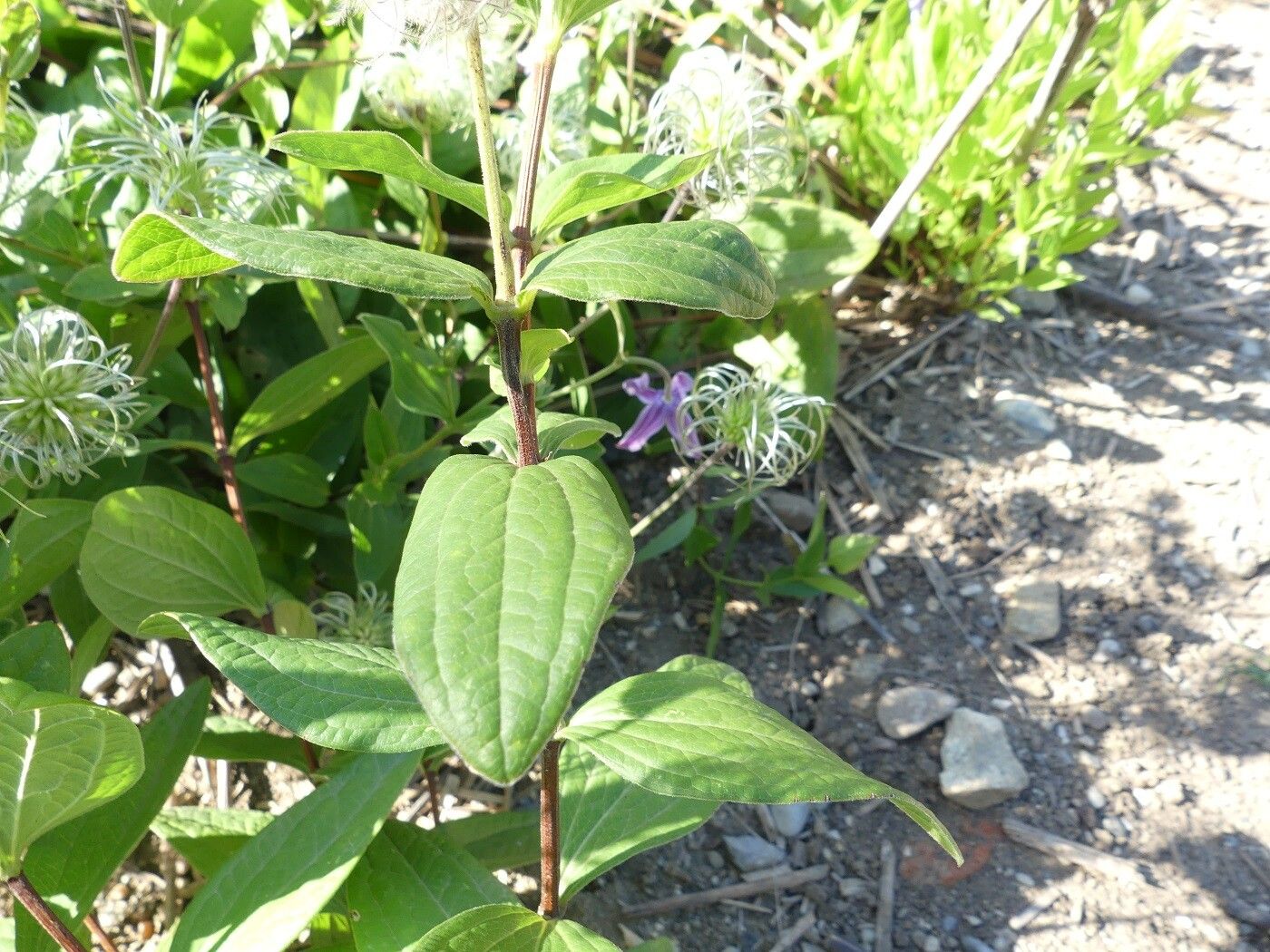
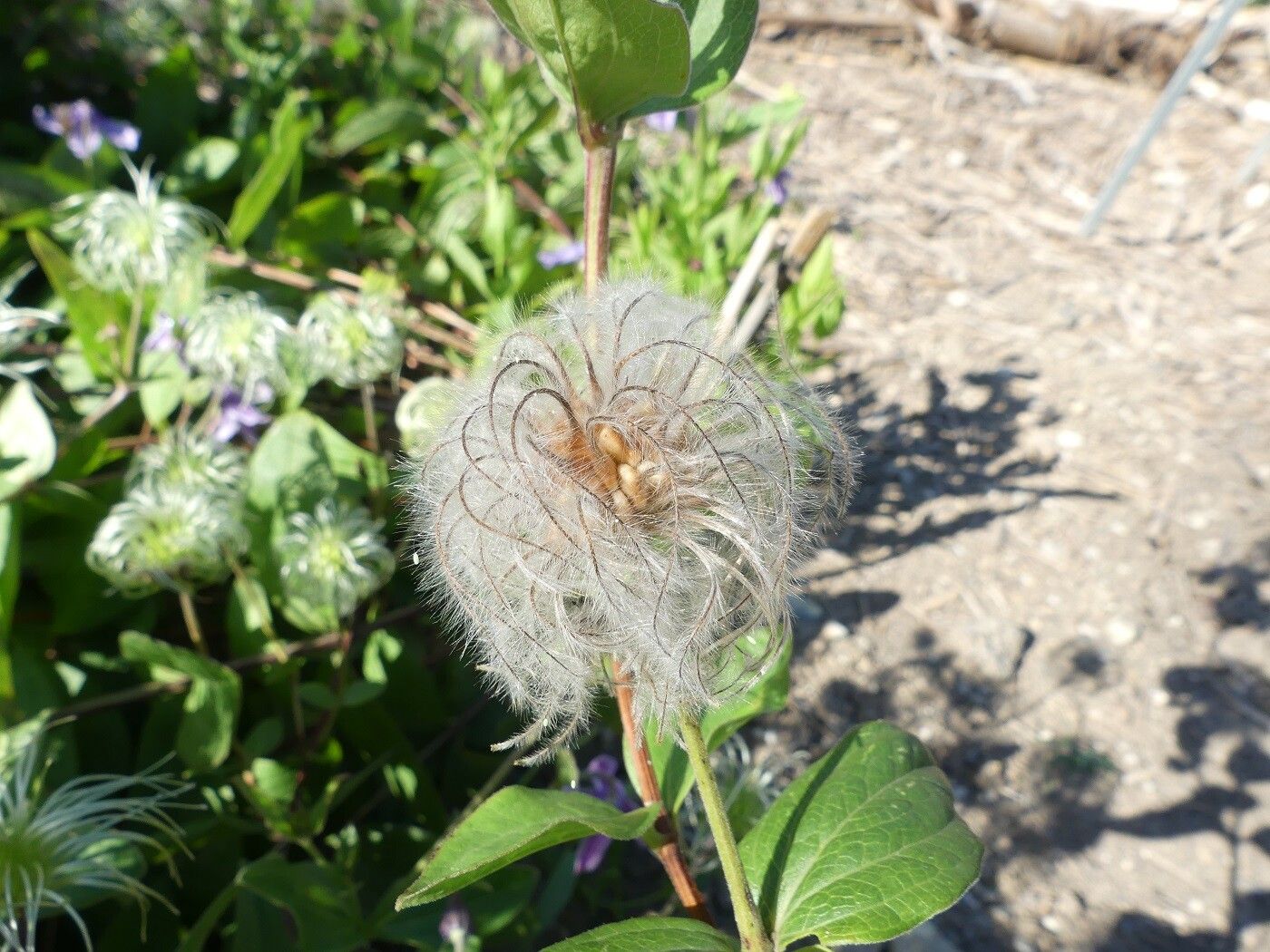
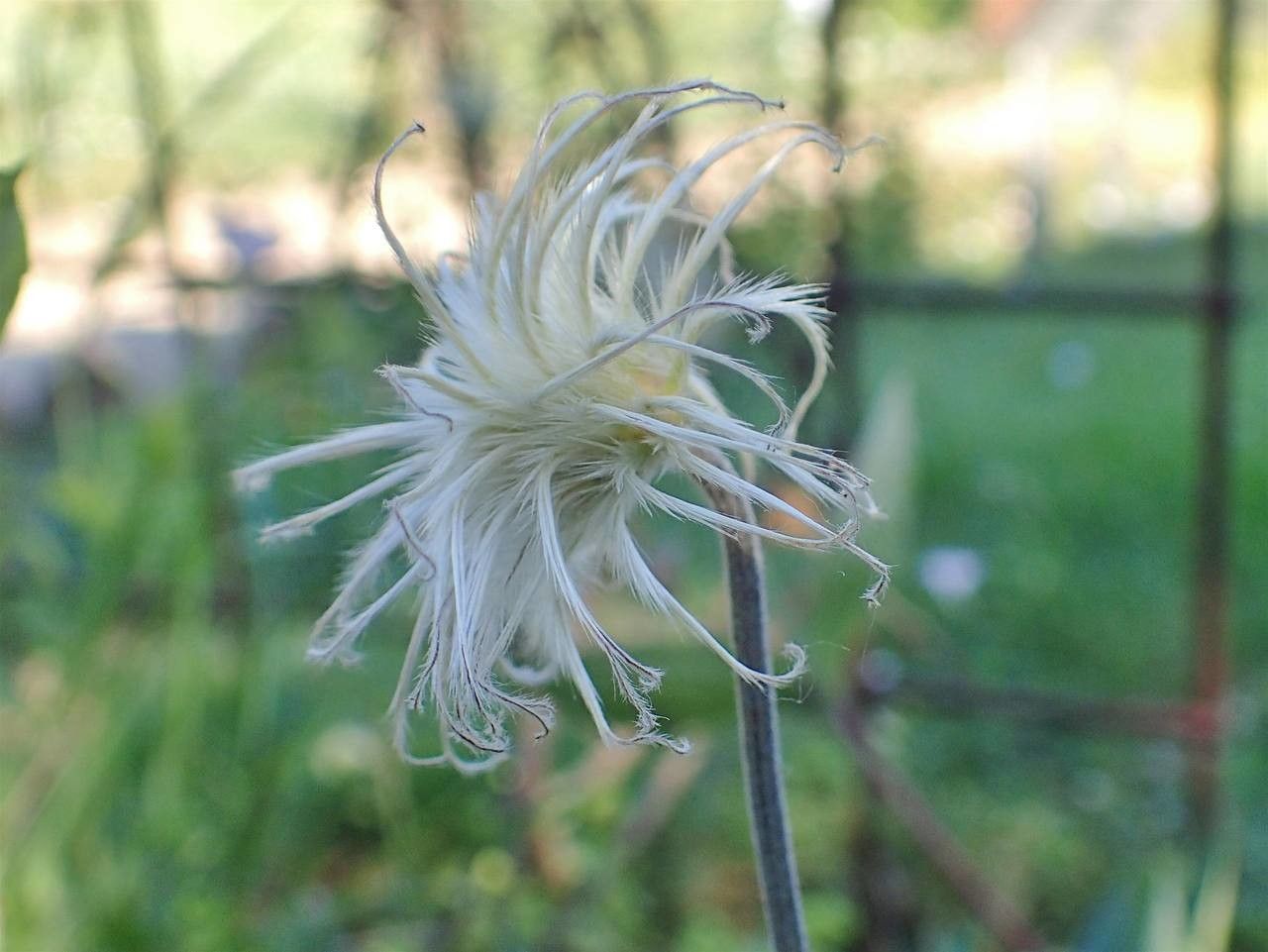
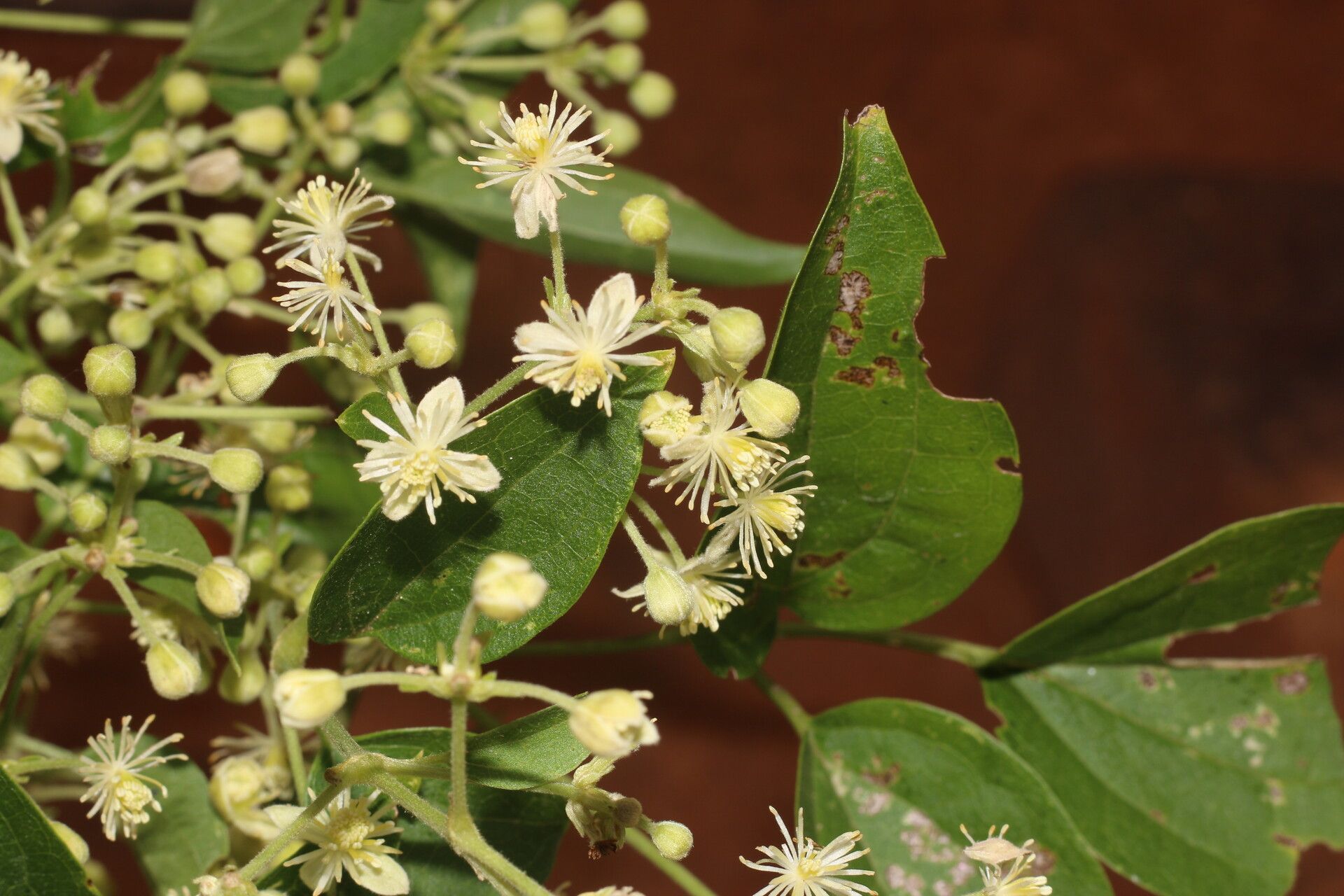
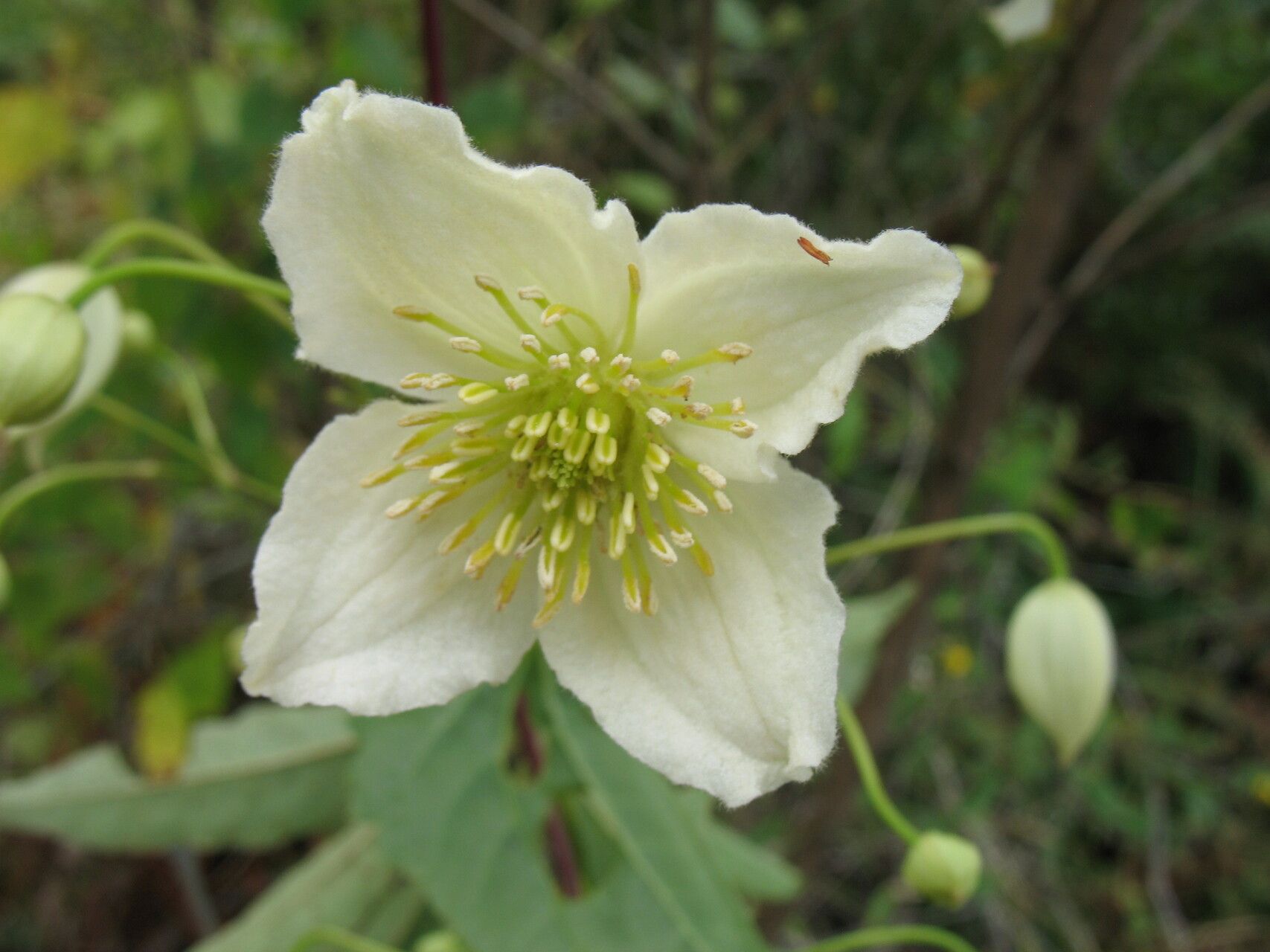
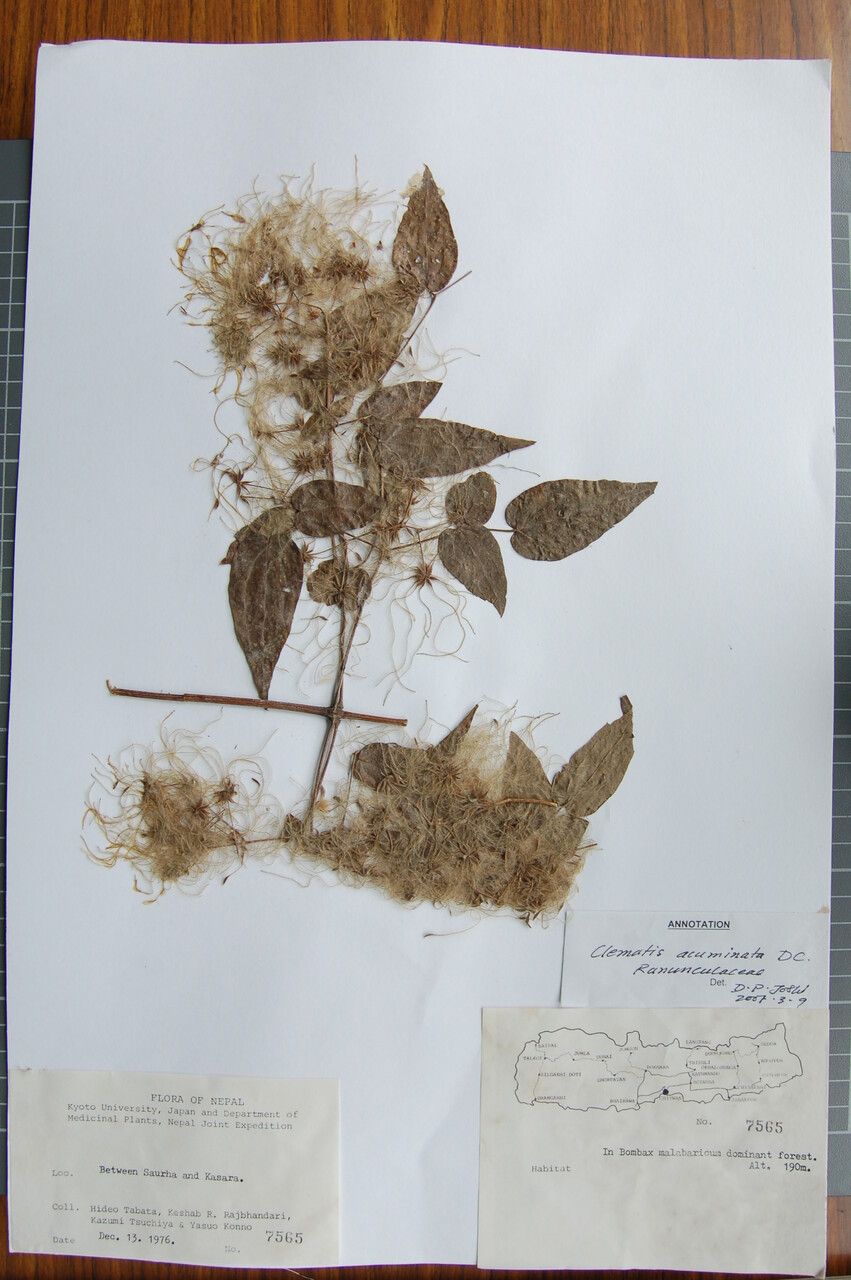
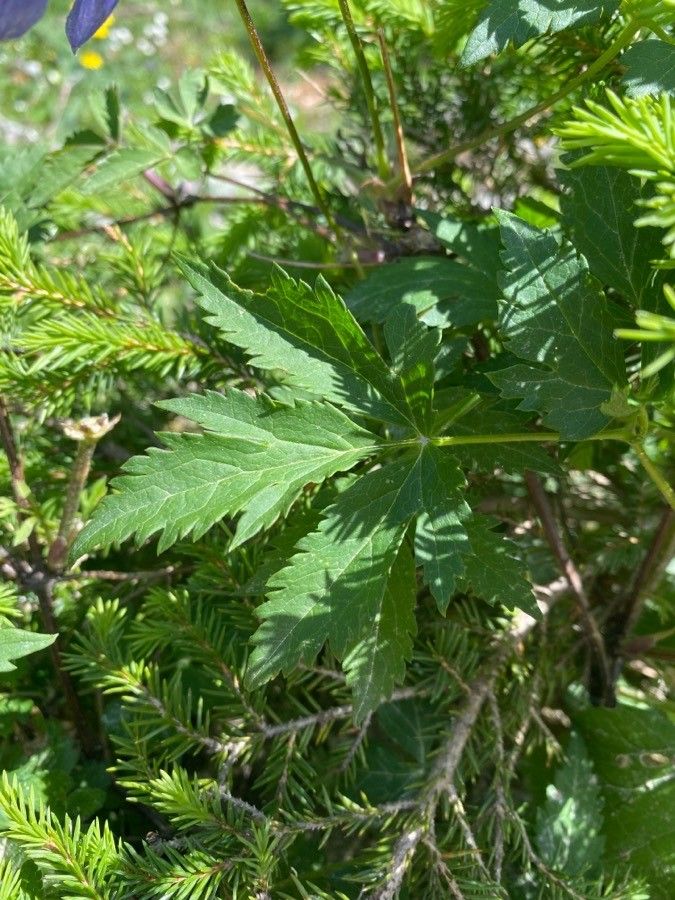
Clematis integrifolia is a perennial flowering plant from the Ranunculaceae family, native to Europe and Asia. It can grow up to 3 feet tall and features a woody stem with lance-shaped green leaves that are toothed at the edges.
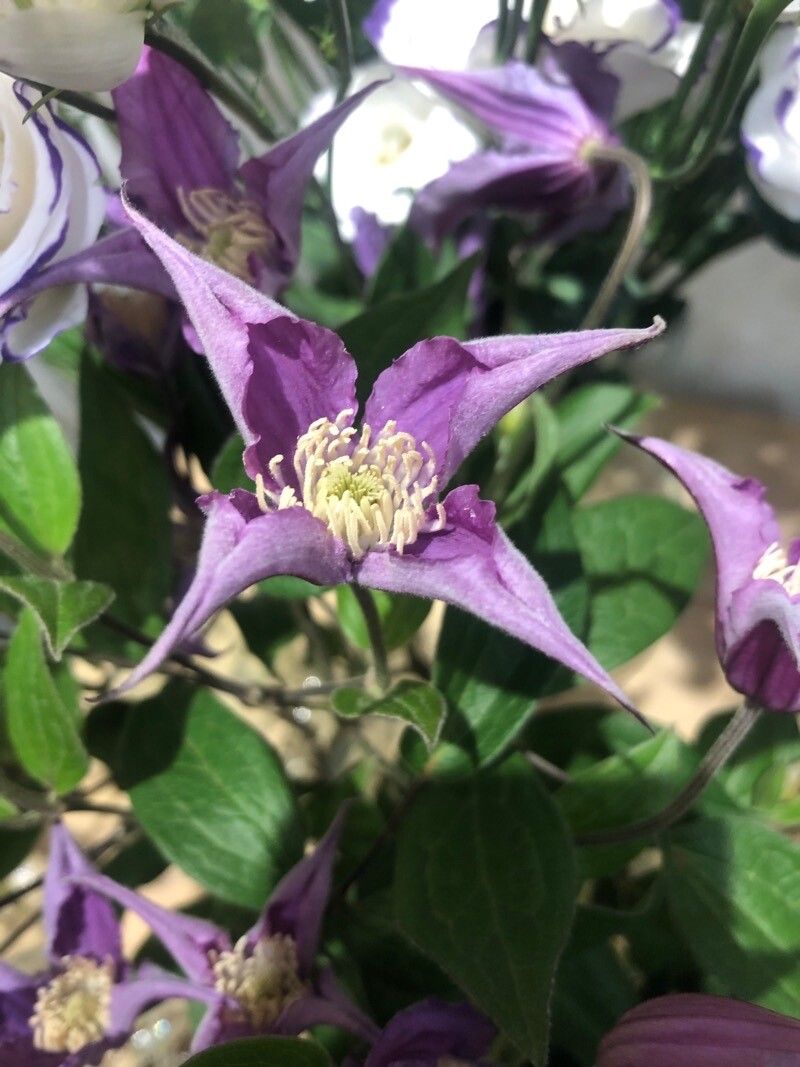
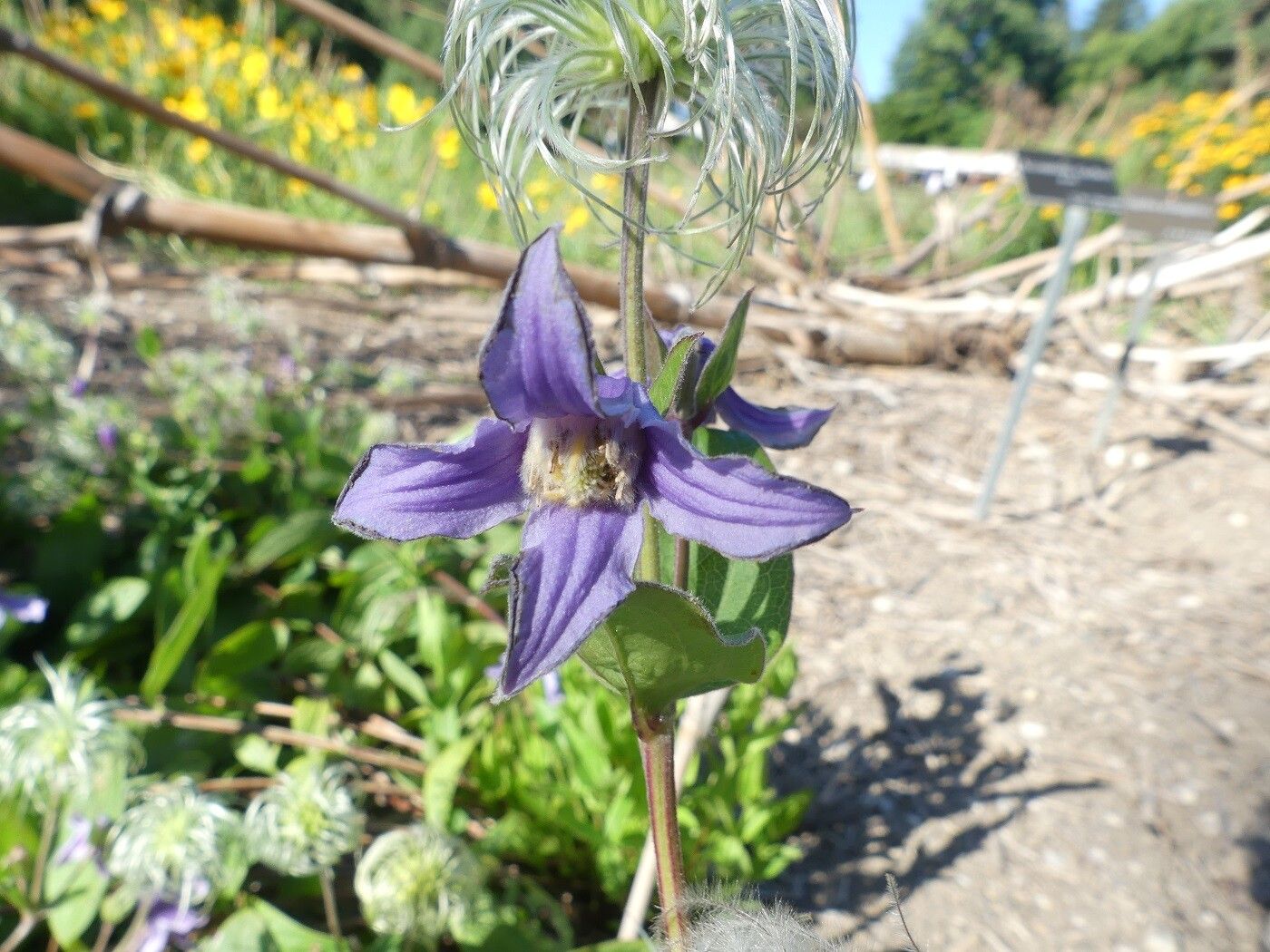
The flowers of Clematis integrifolia are bell-shaped with four petals, varying in color from deep blue-purple to lavender-blue. These flowers bloom in early summer and attract bees and butterflies with their sweet fragrance.
This plant thrives in well-drained soil and prefers full sun or partial shade. It is hardy and can tolerate cold temperatures but requires protection from strong winds.
Clematis integrifolia is popular as an ornamental garden plant due to its beautiful blooms, low maintenance, and ability to climb trellises or walls. Additionally, it has medicinal properties, containing alkaloids that have been traditionally used to treat rheumatism, gout, and arthritis, among other ailments.
Overall, Clematis integrifolia is an excellent addition to any garden, offering both aesthetic appeal and practical uses. Its beauty and medicinal properties make it both a decorative and functional choice for gardeners.
Solitary clematis is fairly resistant to disease and, overall, does not tend to suffer from illnesses. However, it can be affected by pests and diseases present in its environment. Such infections are usually mild. In terms of care, the plant requires moderate maintenance. It should be pruned regularly to keep a tidy appearance and support healthy growth. Fertilizing can also encourage flowering. Solitary clematis is appropriate for anyone with outdoor space, such as a garden or patio, and does not demand extensive care experience. It may need extra attention when grown indoors.
How to keep Clematis Integrifolia.
Light
The solitary clematis needs a great deal of sunlight and prefers strong light for optimal growth. It can tolerate filtered or partial light, but reduced exposure may harm its development. Native to regions with ample daylight, it thrives with abundant light; lower light levels can stunt its growth or produce weak, spindly stems.
Water
The solitary clematis, native to temperate regions, thrives in conditions with moderate moisture and consistent soil hydration without becoming waterlogged. Watering once a week supports its growth. As a herbaceous perennial, it also benefits from natural rainfall during the growing season when planted outdoors.
Temperature
The solitary clematis naturally occurs in places where temperatures range from 32 to 90 °F (0 to 32 ℃). Preferring moderate climates, it can adjust to seasonal changes. In extreme conditions, try to optimize its placement to meet these temperature preferences.
Fertilizer
The best time to fertilize a Solitary clematis is in early spring, as it is coming out of dormancy and starting active growth. Fertilization supplies essential nutrients for healthy development. Although Solitary clematis has relatively modest feeding requirements, an annual application can improve its survival and encourage better, longer-lasting flowers.
Pruning
The solitary clematis is known for its charming, bell-shaped flowers and benefits from pruning in early spring. To encourage blooming and maintain a tidy appearance, prune the stems to a length of 30-45 cm (12-18 inches). Regularly remove dead stems to improve airflow and prevent disease, using sharp and clean tools to boost the plant's health and aesthetic appeal.
Botanical profile.
- Plant Type
- Herb
- Life Cycle
- Perennial
- Genus
- Clematis
- Family
- Ranunculaceae
- Hardiness Zone
- 3-7
- Mature Height
- 30 cm to 91 cm
- Mature Spread
- 61 cm to 91 cm
- Leaf Color
- Green
- Leaf Type
- Deciduous
- Flower Color
- Blue, Violet, White, Pink, Purple
- Flower Size
- 2.54 cm to 7.62 cm
- Bloom Time
- Late spring, Early summer, Mid summer
- Planting Time
- Spring
- Harvest Time
- Late summer, Early fall, Mid fall
- Native Area
- Russia, Austria, Italy, Kazakhstan, Serbia, Czech Republic, Slovakia, Romania, Bulgaria, Albania, Hungary, Croatia, Slovenia, Ukraine, China
Other names.
Reader questions.
How should I water my Solitary clematis?
To properly water the Solitary clematis, it is best to use filtered water at room temperature or slightly warmer. Tap water may have harmful particles, so filtered water is preferred. Since the Solitary clematis is native to warm environments, cold water can be a shock to its system. Therefore, it is important to avoid using cold water. Additionally, overhead watering should be avoided as it can cause issues with the foliage. Instead, water the plant by applying filtered room temperature water directly to the soil until it is completely soaked. This method is beneficial because it ensures the roots are moistened and allows them to spread through the soil and absorb the necessary nutrients.
Why should I put fertilizer on my Solitary clematis plant?
Fertilization plays a crucial role in the growth of the Solitary clematis and other plants. It provides essential nutrients for the plant's overall development, both above and below the ground. However, the fertilization requirements for a Solitary clematis are generally low. Although it can sometimes survive without fertilization, annual fertilization has significant benefits. It helps maintain the plant's health and may even enhance the quality and longevity of its flowers. Therefore, for optimal results, it is recommended to regularly fertilize your Solitary clematis.
What are the sunlight requirements for Solitary Clematis?
Solitary Clematis (Clematis integrifolia) needs a substantial amount of sunlight to foster optimal growth, thriving best under conditions of intense illumination. Though it can endure modulated light to some degree, less than adequate exposure may hinder its growth, potentially stunting it or causing the development of weak, spindly stems. It's vital to ensure that the plant receives more than 6 hours of sunlight daily to meet the 'full sun' requirements. In spaces with insufficient natural light, especially during winter, artificial lighting can be a practical solution to supplement light for indoor plants.
What temperatures can solitary clematis tolerate?
Solitary clematis, known botanically as Clematis integrifolia, thrives in environments with temperatures ranging from 32 to 90 °F (0 to 32 °C). This plant favors moderate climates and is capable of adapting to varying seasons. Although it is highly cold-tolerant and does not require extra frost protection measures in winter, it is crucial to water the plant generously before the first freeze in autumn to ensure the soil remains moist. This preparation helps prevent drought and water scarcity for the plant during the winter and early spring.
What should I do if I give my Solitary clematis too much or too little water?
Both overwatering and underwatering can harm the health of your Solitary clematis, but overwatering is more likely to occur. Too much water can cause the stems and leaves of this plant to wilt and turn yellow. Overwatering for a long time can also lead to diseases like root rot, mold, and mildew, which can be fatal. While underwatering is less common for the Solitary clematis because it has some drought tolerance, it is still a possibility. In such cases, the leaves of your plant may become brittle and brown. It is important to identify signs of overwatering early when caring for your Solitary clematis. Some of the diseases caused by overwatering, like root rot, may not be fixable if you delay addressing the issue. If you observe early signs of overwatering, reduce your watering schedule immediately. You should also check the quality of the soil where your Solitary clematis is growing. If the soil drains poorly, replace it with a loose, well-draining potting mix. Conversely, if you notice signs of underwatering, simply increase the frequency of watering until those signs disappear.
When should I fertilize my Solitary clematis?
The best time to fertilize a Solitary clematis is in the late winter or early spring when it is coming out of its dormant phase and beginning to grow actively. Fertilizing at this time will help promote healthy growth for the upcoming season. Although it is generally recommended to fertilize in the early spring, it is also acceptable to fertilize in the fall. However, it is not advisable to fertilize during the summer or winter.
How does insufficient sunlight affect Solitary Clematis and how can it be addressed?
Insufficient sunlight can have various adverse effects on Solitary Clematis, including smaller-sized new leaves, leggy or sparse growth, faster leaf drop, slower or halted growth, lighter-colored new leaves indicating a lack of chlorophyll, and symptoms of chlorosis or sunscald. Addressing these issues involves gradually moving plants to sunnier locations to receive at least 6 hours of direct sunlight daily, utilizing artificial lighting for indoor plants, and ensuring outdoor plants are acclimated properly to avoid sunburn. Additionally, reducing obstructions like pruning trees to allow more sunlight and transplanting to a sunnier spot with good drainage can benefit the plant significantly.
How should I care for solitary clematis during low temperatures?
Solitary clematis exhibits extreme cold tolerance, managing winter temperatures down to -35°C. Should temperatures fall below this threshold, you might not observe noticeable changes during winter. However, a decrease in sprouting or even a complete lack of sprouting can occur in spring. To manage this, remove any parts of the plant that fail to sprout in spring to encourage new growth.
How often do I need to water my Solitary clematis?
If your Solitary clematis is in a pot, the most accurate way to determine if it needs water is by checking the soil with your finger. If you find that the top two to three inches of soil are dry, then it's time to water it. For Solitary clematis grown outdoors in the ground, you can use a similar method to test the soil. Once you notice that the top few inches of soil have dried out, it's a sign that you need to water it. During spring and early fall, following this method will usually guide you to water the plant approximately once a week. However, when there is extremely hot weather, you may need to increase the frequency to twice or more per week. Nevertheless, mature and well-established Solitary clematis plants have an impressive ability to withstand drought.
When is the best time to not use fertilizer on my Solitary clematis?
To properly care for your Solitary clematis, it is best to fertilize only during late winter and early spring. This plant has low fertilization needs, so a single annual feeding is sufficient. Fertilizing during spring, summer, and fall can cause overfertilization and resulting complications. However, if you missed fertilizing in spring, you can still feed the plant in the fall. Additionally, there is no need to fertilize during winter when the Solitary clematis is in a dormant phase and not actively growing.
What symptoms indicate overexposure to sunlight in Solitary Clematis and how can these be mitigated?
Symptoms of overexposure to sunlight in Solitary Clematis include chlorosis, sunscald, leaf curling, wilting, and leaf scorching. These issues point to the plant receiving too much direct sunlight, leading to damage in plant tissues and reduced health. Mitigating these symptoms involves moving the plant to a location with a balance of light and shade, thus avoiding the extremes of intense direct sunlight while still meeting its needs for adequate illumination. It's crucial to gradually adapt the plant to its new environment to prevent sunburn and ensure it receives the appropriate amount of sunlight daily.
What should I do if my solitary clematis experiences high temperatures?
Solitary clematis does not tolerate high temperatures well. Growth may cease, and the plant becomes more susceptible to rot if temperatures exceed 32°C. To mitigate heat stress, trim away any sunburned or dried-up parts of the plant. It's also beneficial to move the plant to a cooler location that provides shade during the midday and afternoon sun or use a shade cloth. Additionally, watering the plant in the morning and evening can help keep the soil moist and reduce temperature stress.