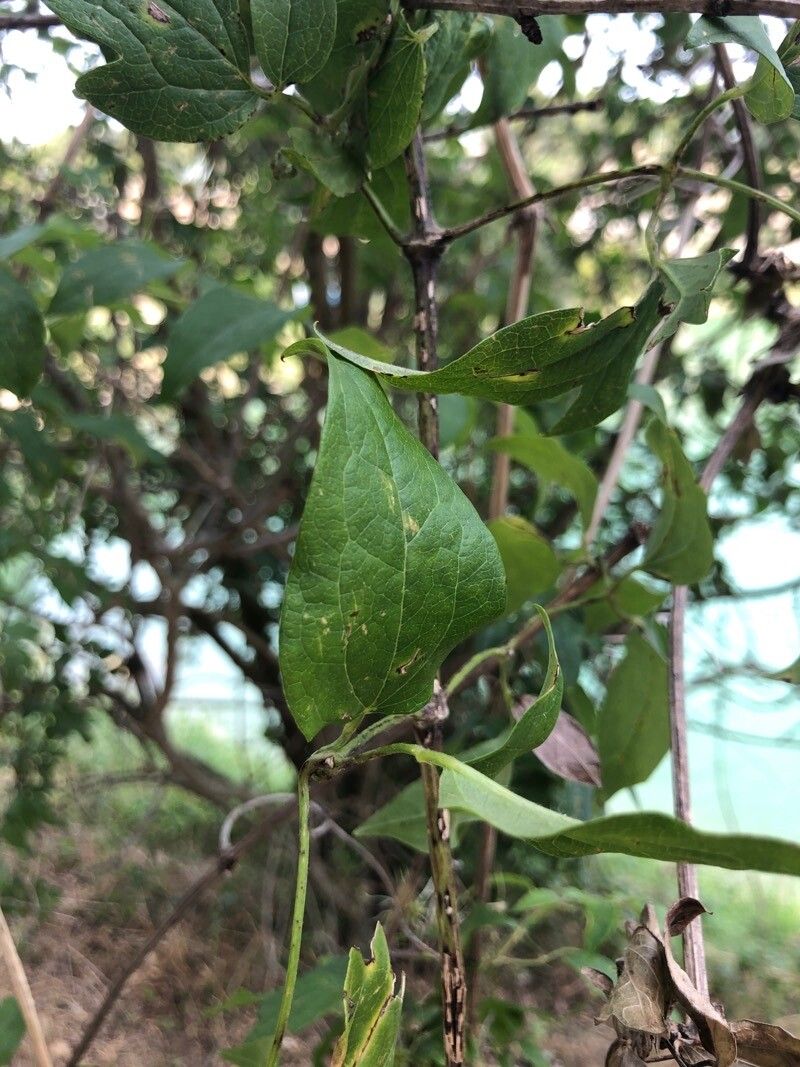
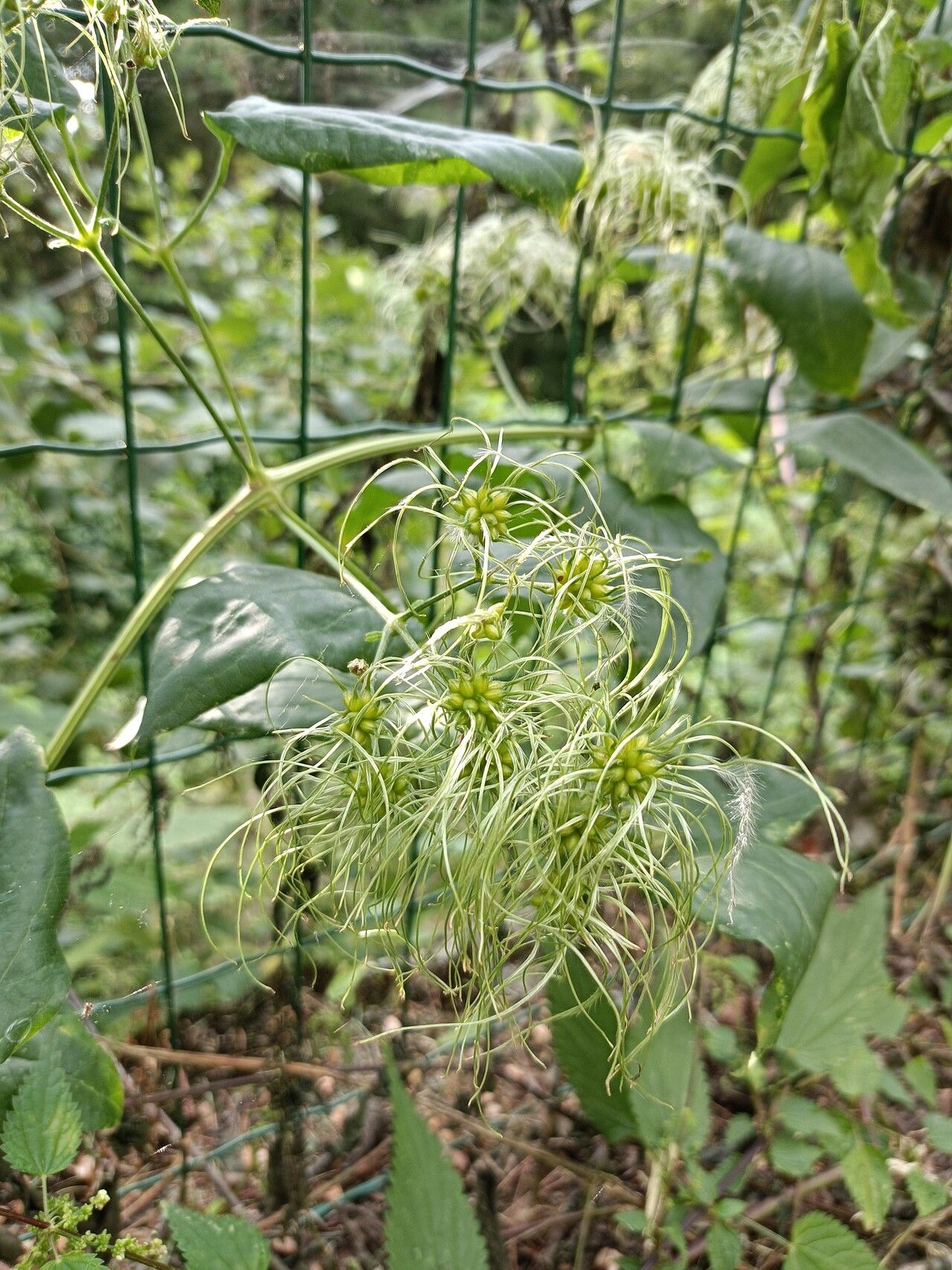
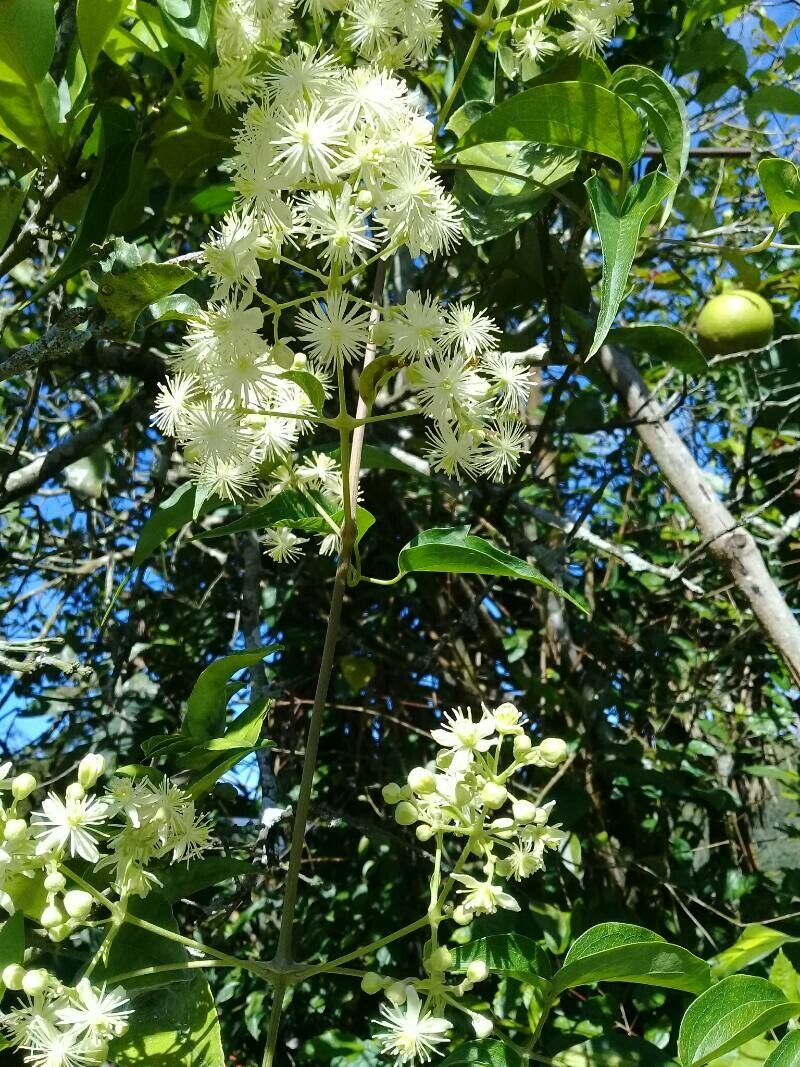
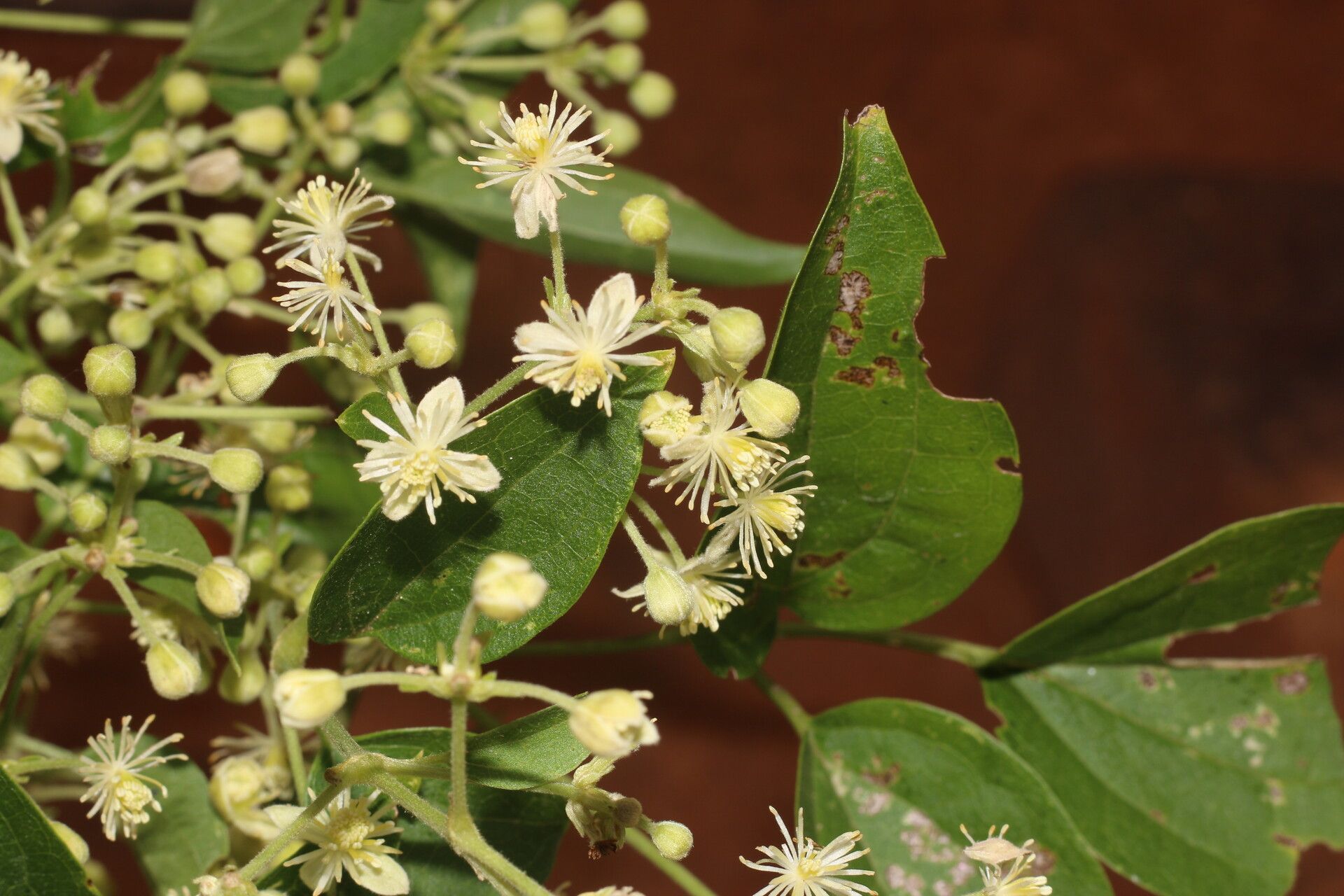
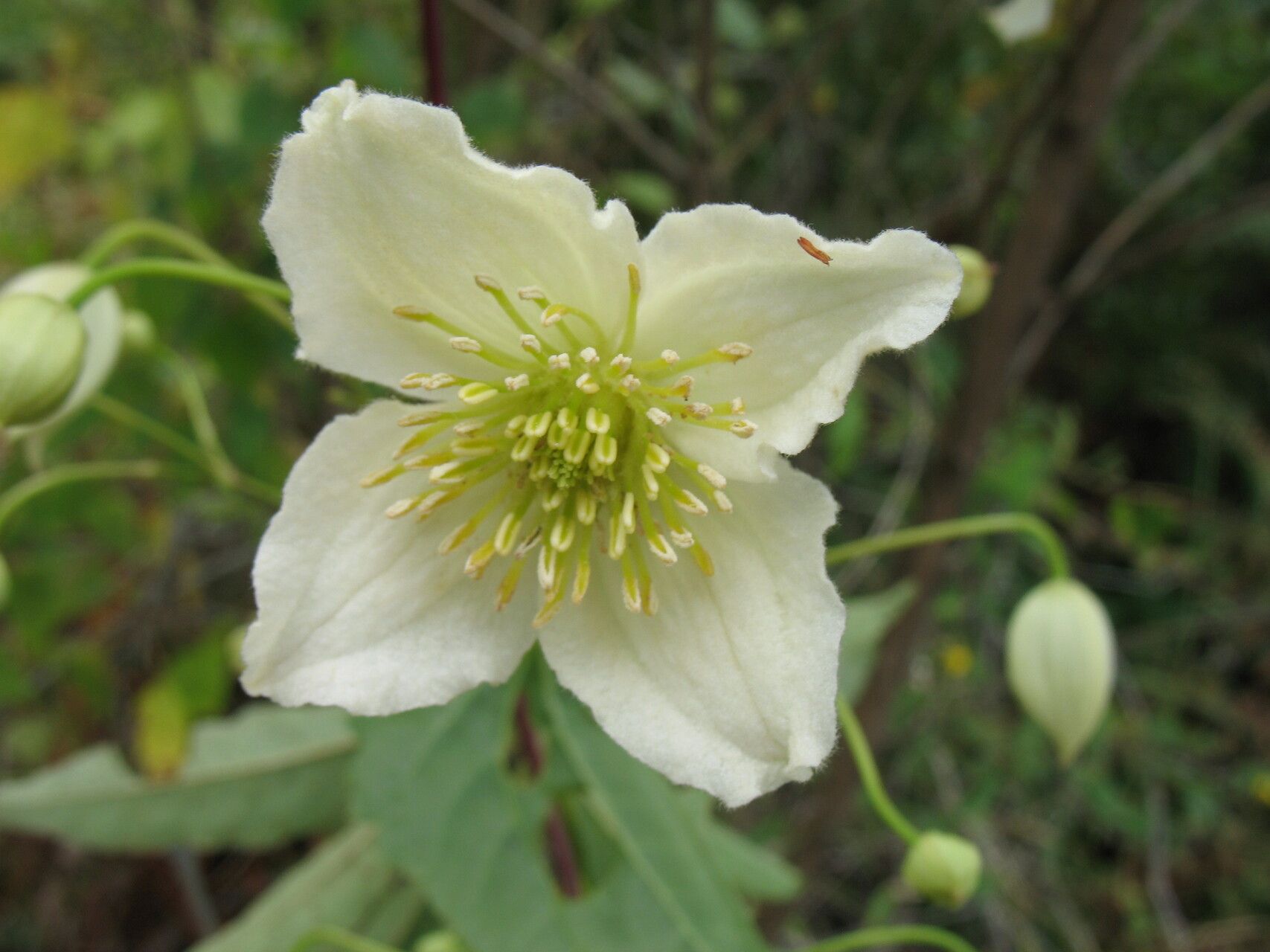
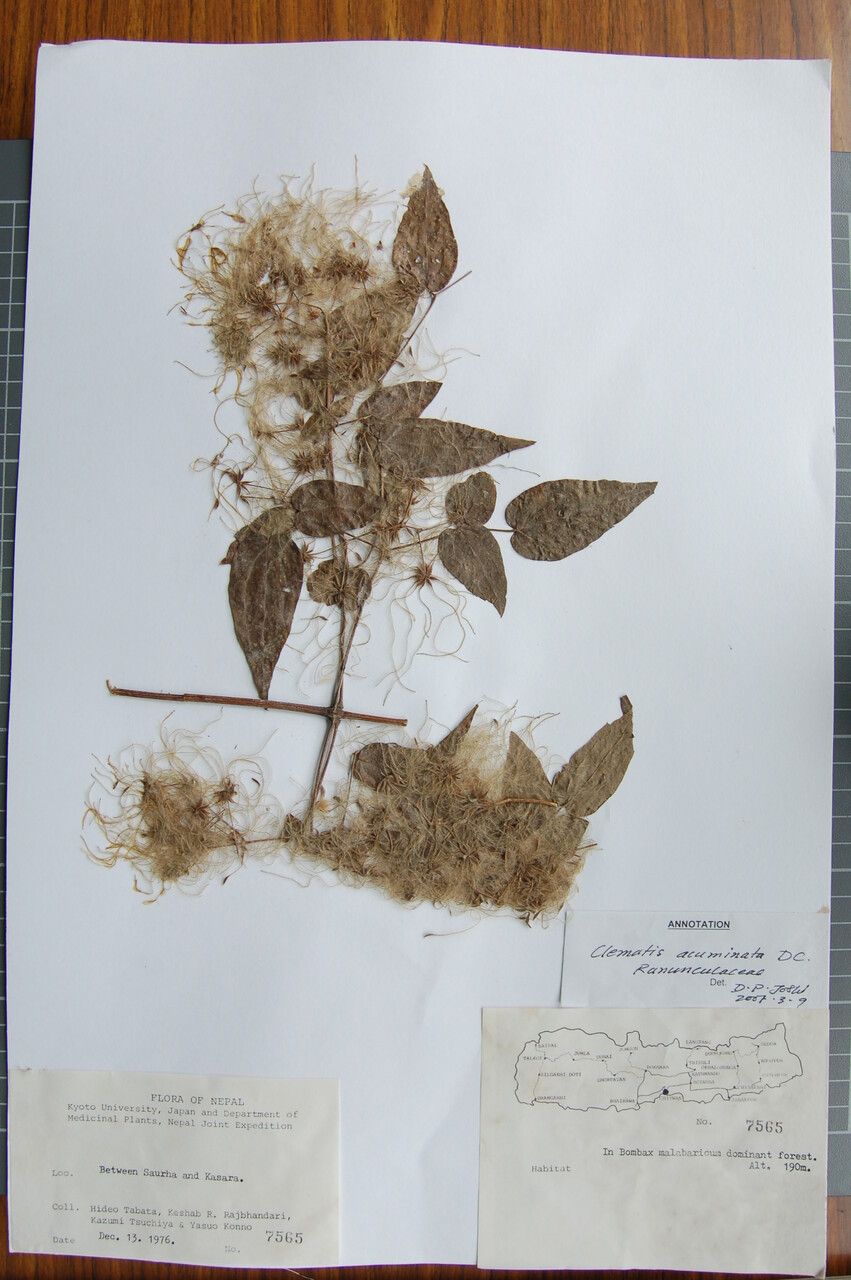
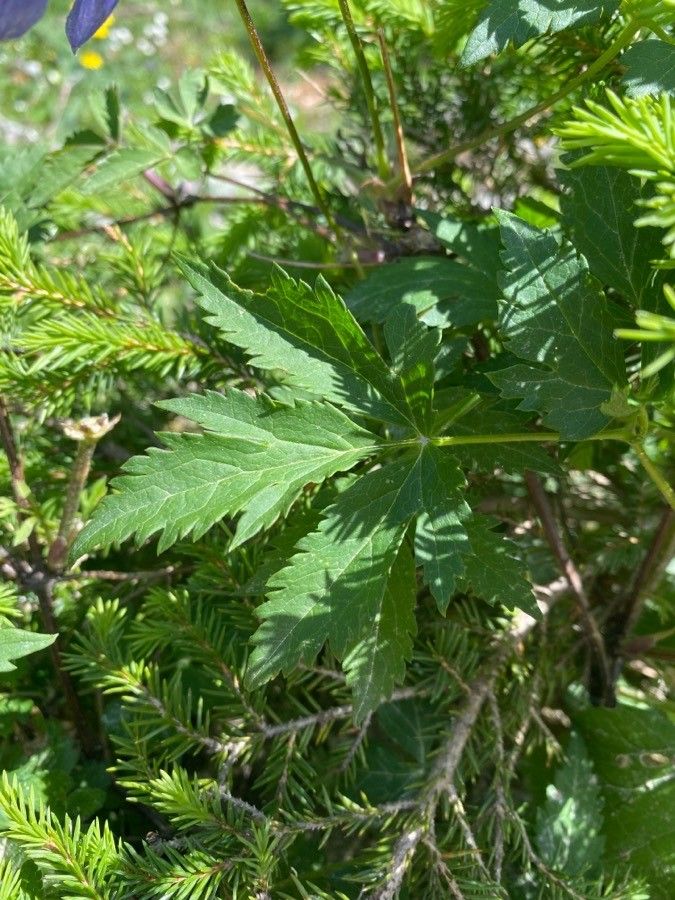
Cabellos de angel tiene buena resistencia a las enfermedades y, por lo general, no suele ser susceptible a ellas. No obstante, puede verse afectada por plagas y enfermedades presentes en su entorno. Estas afecciones normalmente no son graves. En cuanto a cuidados, esta planta requiere un mantenimiento medio. Necesita poda regular para conservar un buen aspecto y un crecimiento saludable. La fertilización también puede ayudar a favorecer la floración. Cabellos de angel es adecuada para cualquier persona que disponga de un espacio exterior, como un jardín o patio, y no exige mucha experiencia en cuidados. Puede requerir más atención cuando se cultiva en interior.
How to keep Clematis Dioica.
Light
Cabellos de angel originates from habitats such as forest understories or rocky areas, where it occurs in natural shade. It prefers partial sun but can adjust to full sun or full shade, illustrating its versatile and hardy character.
Water
Cabellos de angel thrives in moderate humidity and requires consistent moisture to grow well. To maintain evenly moist soil, it should be watered weekly. Although it is primarily cultivated outdoors, special attention must be paid to soil moisture levels, particularly during the growing season, to support its vigorous growth.
Temperature
Cabellos de angel procede de regiones tropicales, donde el clima suele ser cálido y húmedo. Por eso está bien adaptada a temperaturas altas y a la humedad. No tolera los cambios bruscos de temperatura y prefiere un entorno con temperatura estable, por lo que es importante evitar las variaciones térmicas en el interior. Normalmente no resiste el frío y necesita temperaturas más elevadas para su crecimiento. Si la temperatura ambiental baja demasiado, la planta puede dejar de crecer o incluso morir.
Fertilizer
Proper fertilization is vital for Cabellos de angel's health and appearance. Fertilize Cabellos de angel during the summer, repeating the application monthly throughout the season. Nutrients drive growth and help maintain the plant's parts. Fertilizing improves Cabellos de angel's flowering display, ensuring the best blooms.
Pruning
To maintain optimal health and appearance, "Cabellos de Ángel" should be pruned before flowering or between late winter and early spring. Begin by removing weak branches to focus nutrient distribution, and selectively prune for aesthetic purposes. A more rigorous pruning can encourage new growth, while pruning half of the branches can extend the blooming season. Proper timing is crucial for achieving the best results.
Botanical profile.
- Plant Type
- Vine, Herb
- Life Cycle
- Perennial
- Genus
- Clematis
- Family
- Ranunculaceae
- Hardiness Zone
- 9-11
- Mature Height
- 3.05 m to 10.06 m
- Mature Spread
- 2.13 m to 4.88 m
- Leaf Color
- Green, Dark Green
- Leaf Type
- Evergreen
- Flower Color
- White
- Flower Size
- 1.02 cm to 2.03 cm
- Bloom Time
- Early summer, Mid summer
- Planting Time
- Spring, Summer
- Harvest Time
- Late summer, Early fall
- Native Area
- Belize, Cuba, Honduras, Mexico, Guatemala, Peru, Brazil, Ecuador, Costa Rica, Panama, Jamaica
Other names.
Reader questions.
What are the sunlight requirements for Cabellos de angel?
Cabellos de angel, also known as Clematis dioica, thrives in conditions where it can receive varying amounts of sunlight throughout the day. For optimal growth, it requires full sun, which is defined as receiving above 6 hours of sunlight daily. Alternatively, it can also grow in partial sun, characterized by about 3-6 hours of sunlight each day. It's important to observe how sunlight moves through your garden to ensure that you find spots that offer the ideal mix of light and shade, catering to the plant's needs and ensuring it stays healthy and vibrant.