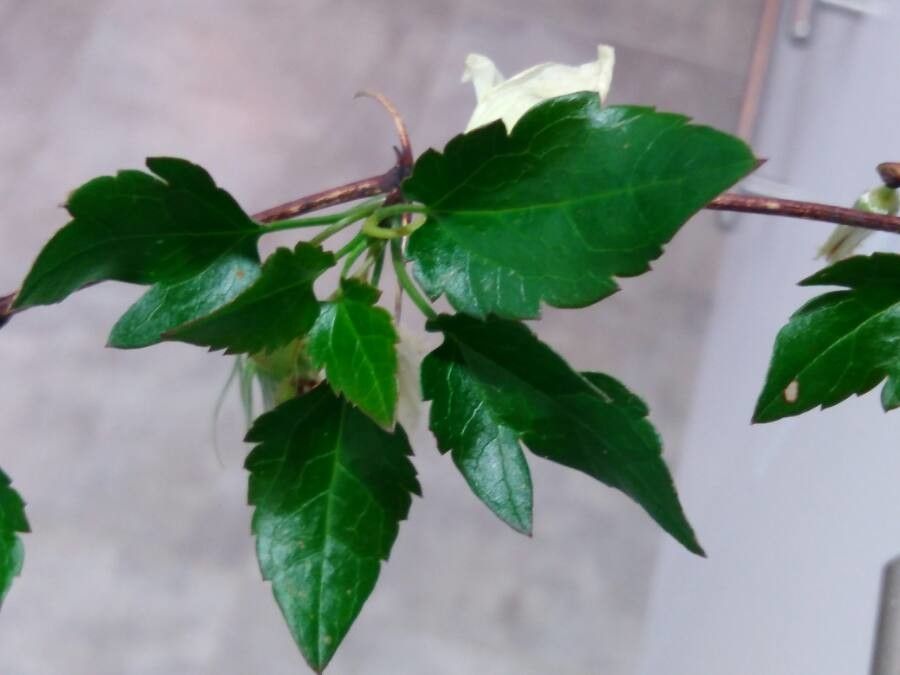
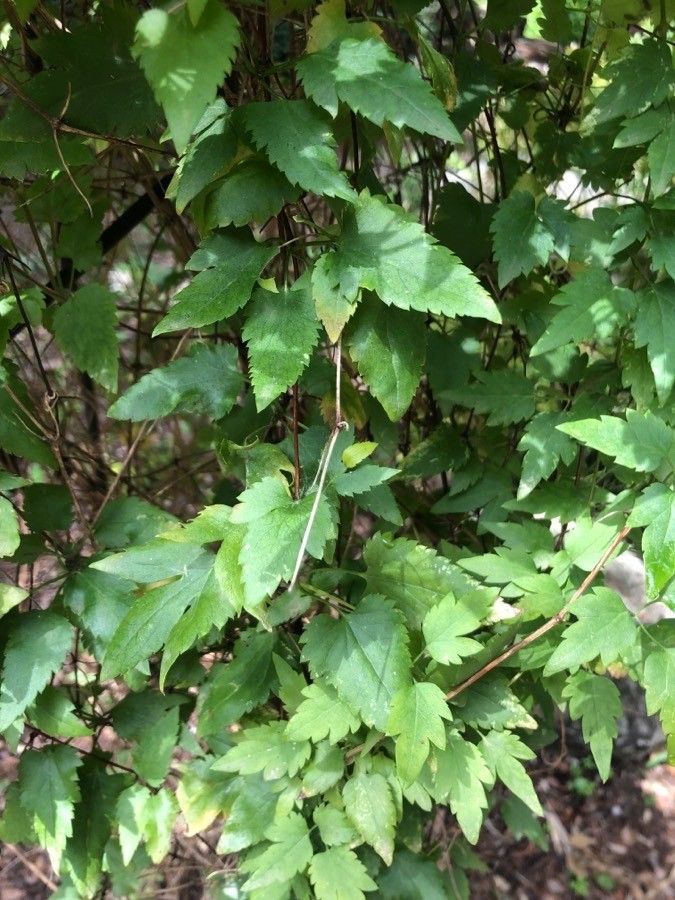
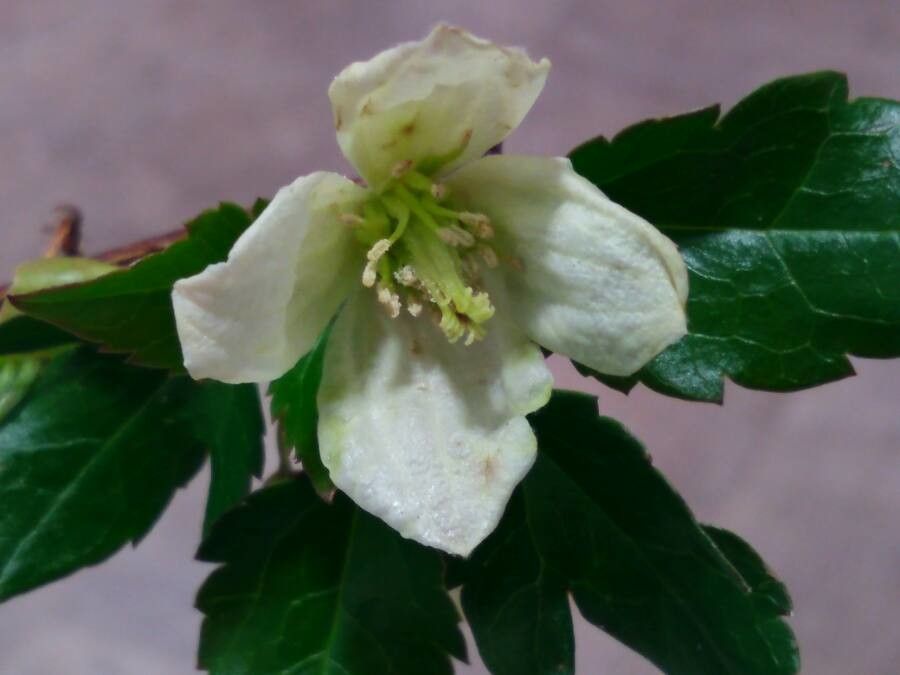
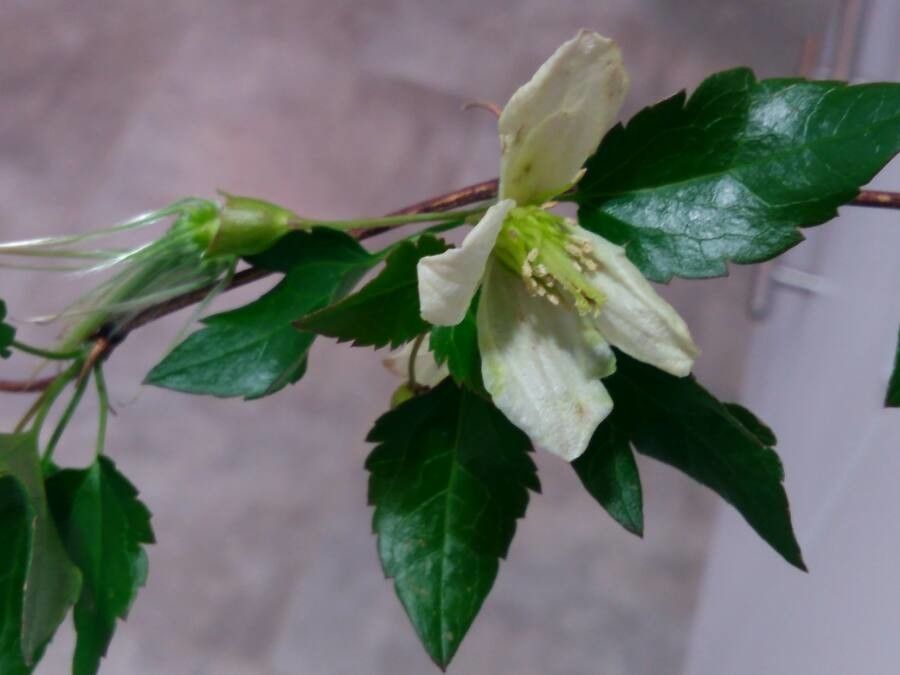
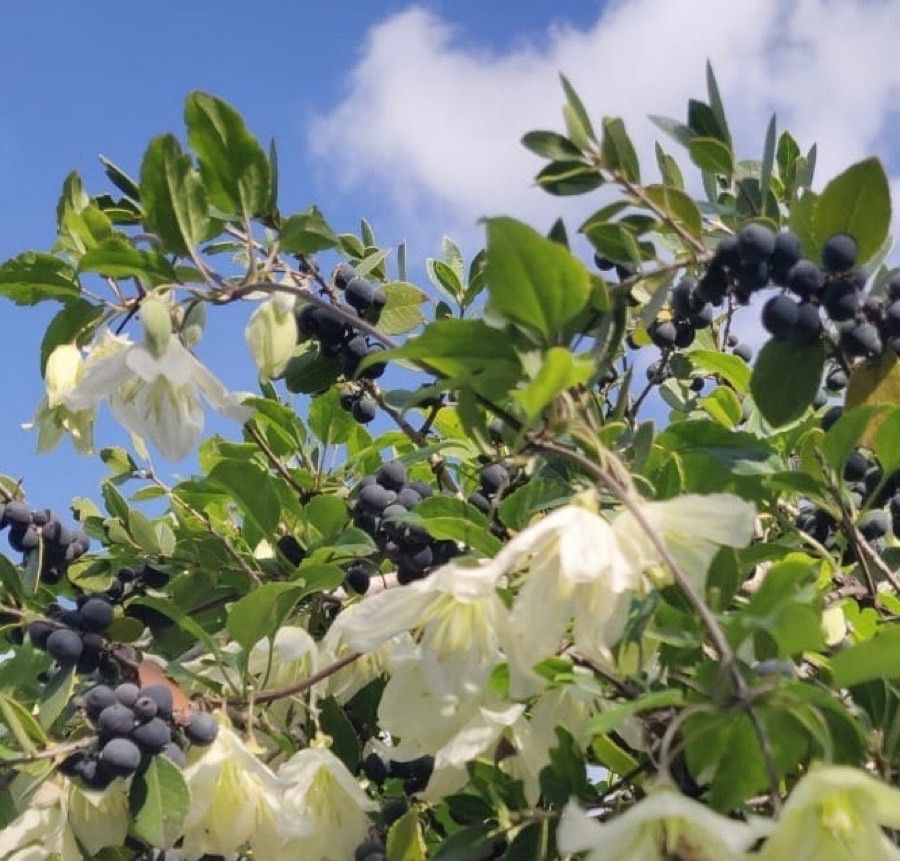
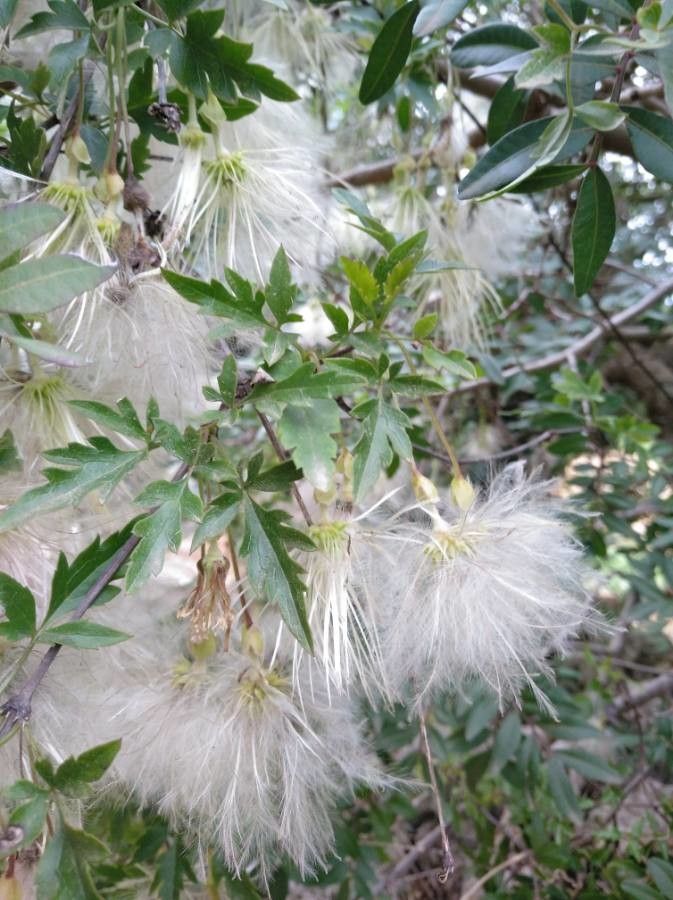
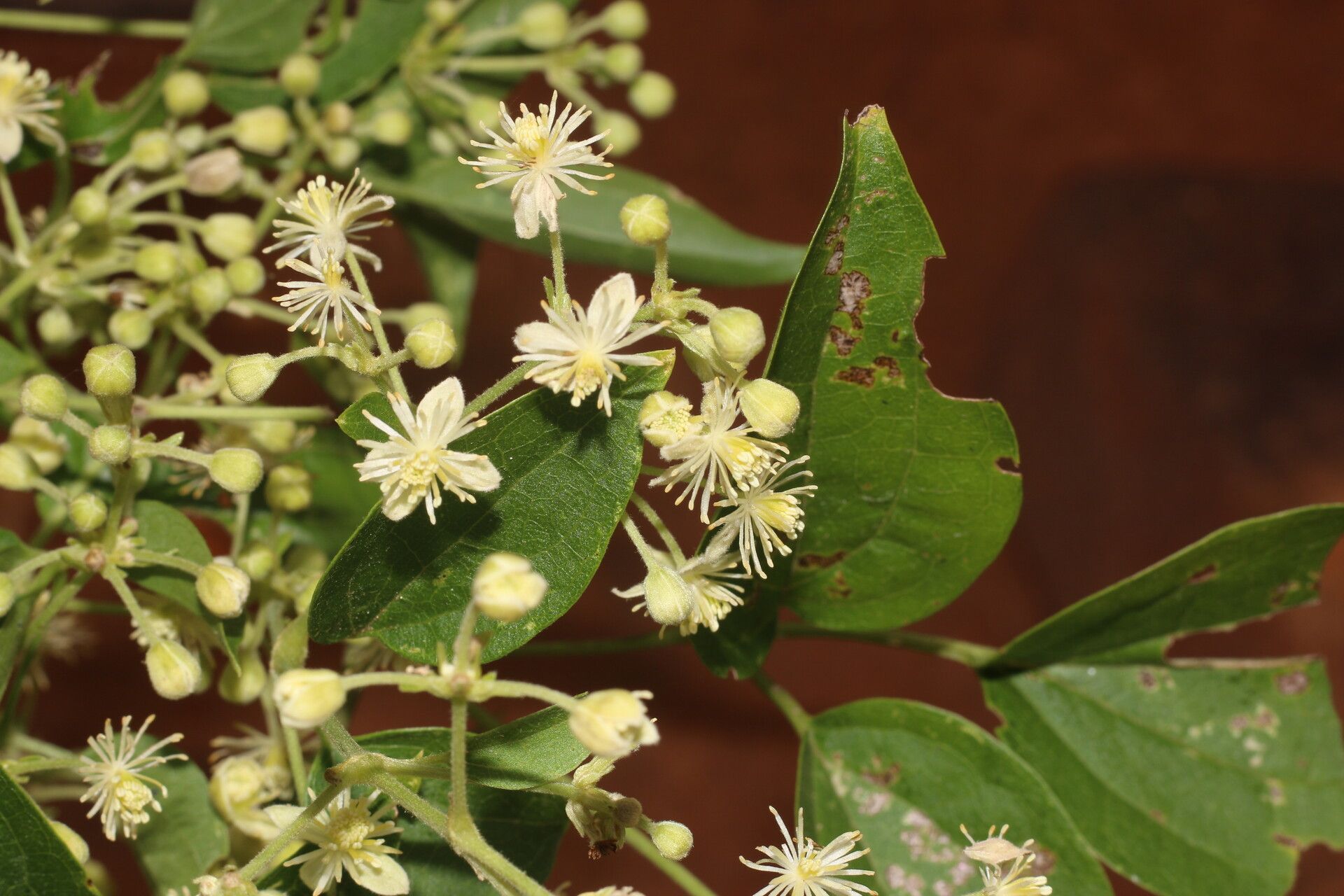
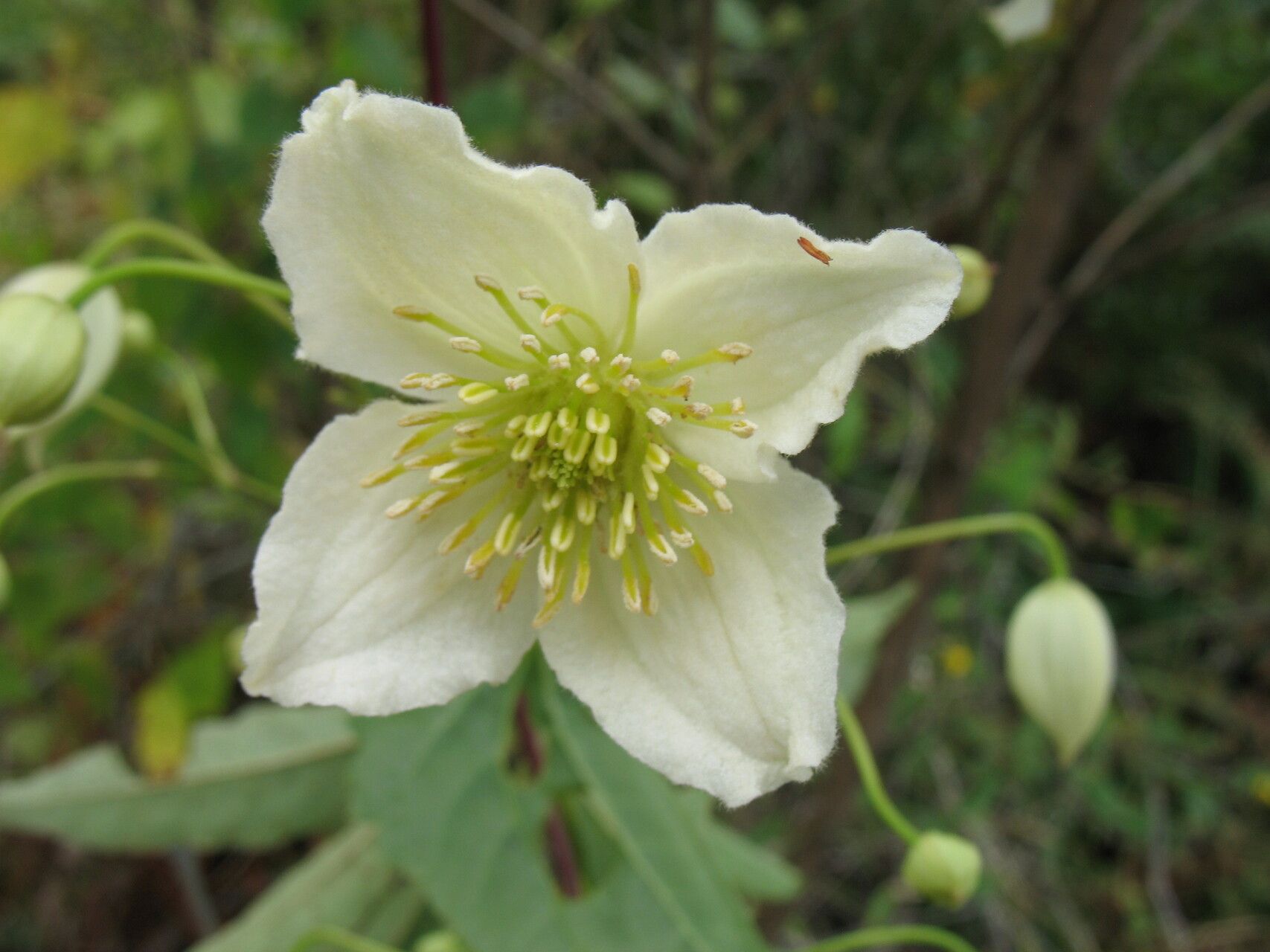
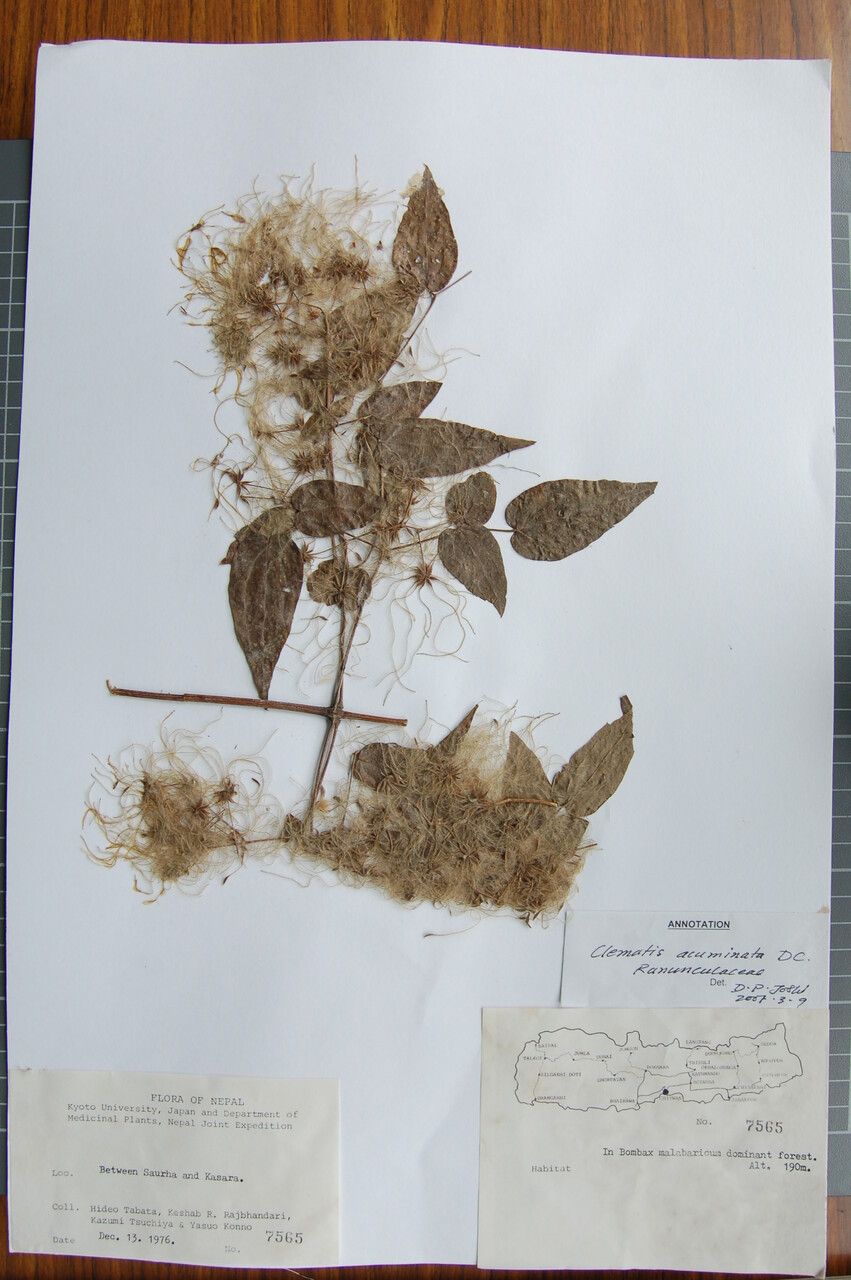
Clematis cirrhosa is a species of flowering plant in the buttercup family, Ranunculaceae. Commonly known as winter clematis or evergreen clematis, it stands out for its ability to bloom during the winter months and retain its foliage year-round. This plant is native to southern Europe and North Africa but has been introduced as an ornamental species in various other regions worldwide.
Clematis cirrhosa typically grows as a climbing vine, reaching heights of up to 6 meters. Its leaves are leathery, dark green, and have a glossy finish. The flowers are bell-shaped, featuring creamy white or pale pink petals with maroon markings on their undersides.
The plant thrives in well-drained soil and partial shade but can also tolerate full sun exposure. It requires regular watering during dry periods but can withstand short droughts once established.
Throughout history, various cultures have utilized Clematis cirrhosa for its medicinal properties, particularly its anti-inflammatory benefits. However, it is important to note that some parts of the plant are toxic if ingested.
In summary, Clematis cirrhosa is an attractive evergreen vine that adds color and interest to gardens during the winter months, when many other plants may be dormant or have lost their leaves.
Early virgin's-bower is resistant to disease and generally not susceptible to illnesses. As for maintenance, this plant is fairly low-maintenance. Planted outside, it needs only light watering, and larger specimens usually do not require pruning. Smaller plants, however, should be pruned after they finish blooming. Early virgin's-bowert is appropriate for anyone with outdoor space, such as a garden or deck, and does not demand extensive care experience.
How to keep Clematis Cirrhosa.
Light
Early virgin's-bower needs plenty of sunlight to grow well, though it can tolerate some shade. Coming from habitats with abundant light, too little sun may hinder its flowering, while excessive sunlight generally does not seriously damage it.
Water
The Early Virgin's-Bower thrives in Mediterranean climates, which are characterized by wet winters and dry summers. Once it is established, it only needs to be watered every three weeks. This plant prefers to grow outdoors, where it can receive natural light and temperature fluctuations. During its flowering period, increased humidity can help enhance its blooms.
Temperature
Early virgin's-bower is native to temperate regions and does best in temperatures of 59 to 95 °F (15 to 35 °C). If temperatures fall outside that span, the plant may need extra care. Seasonal adjustments to temperature may be necessary to maintain optimal growth.
Fertilizer
Timing is important when fertilizing Early virgin's-bower. Apply fertilizer in early spring and repeat monthly up to early summer. Fertilizer promotes attractive blooms and supplies energy during both dormant and active growth periods.
Pruning
The early virgin's-bower should be pruned before it flowers, or between late winter and early spring. Focus on removing weak branches during this time. For best results, perform heavy pruning by cutting it back to one-third of its height. This encourages new growth and leaves the thicker branches intact for a longer blooming season. Make sure to prune only when conditions are favorable for promoting new growth.
Botanical profile.
- Plant Type
- Vine
- Life Cycle
- Perennial
- Genus
- Clematis
- Family
- Ranunculaceae
- Hardiness Zone
- 7-9
- Mature Height
- 6.1 m
- Mature Spread
- 1.52 m to 2.44 m
- Leaf Color
- Green, Bronze
- Leaf Type
- Evergreen
- Flower Color
- White, Yellow, Cream
- Flower Size
- 6.35 cm
- Bloom Time
- Late fall, Winter
- Planting Time
- Summer
- Harvest Time
- Late winter, Early spring, Mid spring
- Native Area
- Turkey, Tunisia, Syria, Italy, Spain, Portugal, Cyprus, Lebanon, Greece, Algeria, Morocco, France
Other names.
Reader questions.
What's the best way to water my Early virgin's-bower plant?
To promote excellent root development, consider these watering tips for your plants. Start by placing a garden hose at the base of the plant, making sure to avoid spraying the leaves directly. If your plants are outdoors and exposed to direct sunlight, keep in mind that the leaves may need more water. One way to moisten the roots is by using bubblers specifically designed for each plant. Soaker hoses are also useful as they can cover the entire garden or bed when adding or removing plants, allowing the roots to be deeply watered. After watering, make sure to drain any excess water and wait for the soil to dry before watering again. Watering at ground level can help prevent diseases. On a sunny day, it might be beneficial to spray the entire bush with water. Whether your plants are in pots or in the ground, remember that Early virgin's-bower plants prefer deep watering instead of light sprinkling.
Why do I have to add fertilizer to my Early virgin's-bower plant?
To ensure the best blooms on your Early virgin's-bower, it's important to fertilize for several reasons. First, fertilizer helps in producing lovely blooms. Fertilizing in early spring is particularly effective for achieving excellent flowers during that season. Additionally, fertilizer provides the plant with energy that it can store in the ground during dormant growth phases. By adding extra nutrients during fall planting or late spring, your Early virgin's-bower will have more energy to use when active growth resumes.
What are the sunlight requirements for Early virgin's-bower?
Early virgin's-bower thrives when exposed to ample sunlight, requiring at least 6 hours of direct sunlight daily (full sun) but can also manage with about 3-6 hours of sunlight (partial sun). However, it displays resilience by tolerating some shade. Originating in environments with abundant light, insufficient sunlight exposure might hinder its blooming capabilities, while it remains generally unaffected by excessive sunlight. It is crucial to observe the movement of sunlight through your garden to find spots that ensure a harmonious balance of light and shade, optimizing plant health and wellness.
What are the optimal temperature conditions for Early Virgin's-Bower?
Early Virgin's-Bower thrives in temperate zones with optimal temperatures ranging between 59 to 95 °F (15 to 35 °C). To maintain optimal growth, seasonal adjustments may be needed to ensure the plant remains within this temperature range. The plant possesses strong cold resistance, generally not requiring special frost protection measures during winter. However, for winter temperatures expected to fall below -15°C, it's important to provide cold protection by wrapping the trunk and branches with non-woven fabric or cloth. Additionally, abundant watering before the first freeze in autumn can keep the soil moist, helping to prevent drought and water scarcity throughout winter and early spring.
What do I do if I give too much or too little water to the Early virgin's-bower?
An overwatered Early virgin's-bower may exhibit yellowing, dropping, and wilting leaves. The plant may also look unhealthy with mushy stems. If you notice these signs, it's best to adjust your watering schedule accordingly. Wilting can also indicate under watering, which causes crispy and dry leaves compared to the soft, wilted leaves of overwatered plants. If the soil is dry and watering alone is not sufficient, give the plant a thorough watering. However, even with enough water, the damaged root system may cause the plant to continue appearing dry with yellow leaves for a few days. Once it returns to normal, the yellowing will stop. When keeping Early virgin's-bower indoors, always check the moisture levels and avoid overwatering. Watch out for black spots on the plant, which may indicate the need to let the soil dry out for a few days. Overwatering can lead to root rot, so it's important to transfer the plant to a different pot if you notice discolored and slimy roots. To prevent root rot, avoid excessively soggy soil. When planting Early virgin's-bower outdoors, make sure to dig deeper and check the soil's moisture. If it feels too dry, it may require adequate watering to promote recovery.
When should I fertilize my Early virgin's-bower plant?
The timing of fertilizing Early virgin's-bower is crucial. Using fertilizer too early, while the plant is still dormant, will not be effective as the rainwater will wash it away, causing waste and pollution. It is recommended to apply the first round of fertilizer in early spring, and continue once a month until early summer.
How can artificial lighting be used for indoor plants like Early virgin's-bower?
Indoor plants, including Early virgin's-bower, benefit significantly from artificial lighting, especially when natural sunlight is scarce, like during winter or in less sunny locations. LED lights are preferred for their ability to provide specific light wavelengths needed by plants. Full sun plants require 30-50W/sq ft of artificial light, partial sun plants 20-30W/sq ft, and full shade plants 10-20W/sq ft. The light source should be placed 12-36 inches above the plant, simulating natural sunlight conditions, and maintained for 8-12 hours daily to match the natural daylight hours of the plant species. This approach ensures optimal growth and health of the plant.
How should I care for Early Virgin's-Bower in low temperatures?
Early Virgin's-Bower is cold-tolerant and performs best when the temperature stays above 15°C. During winter, ensure that temperatures do not fall below -10°C. If temperatures drop below -15°C, while there may not be noticeable changes immediately, branches can become brittle and dry come spring, with no new shoots emerging. In the spring, it's advisable to prune away any dead branches that have failed to produce new leaves, as a part of the care regimen.
How often do I need to water my Early virgin's-bower plant?
The Early virgin's-bower prefers deep and infrequent watering. If planting in pots, be sure to soak them in a gallon of water each time, as pots have limited water storage and soil dries out quickly. In cold regions, water every 3 to 5 days. Water your plant in the morning when the soil is dry, whether indoors or outdoors. Check the soil inside, and if the top 2-3 inches are dry, give the plant a thorough watering. On hot days, check the moisture daily, as heat can quickly dry out potted soil. For garden plants, irrigation is necessary. In hot climates, water once a week when about 2 to 3 inches of soil become dry. Consider rainfall and avoid overwatering to prevent root rot. During spring and fall, Early virgin's-bower typically grows; when outdoors, use 3 to 4 inches of mulch for water conservation. In sandy soil, water more frequently due to faster drainage. With clay soil, water less often, allowing 2-3 days for plants to dry and prevent root rot. To track watering, mark the calendar and look out for drooping leaves as a sign of needing water.
When is the best time to not add fertilizer to my Early virgin's-bower?
To maximize blooms, avoid using a fertilizer with excessive nitrogen on Early virgin's-bower. It is better to opt for a fertilizer with a lower nitrogen content relative to other nutrients. Additionally, refrain from fertilizing in the late autumn, as excessive growth before winter is undesirable. Similarly, do not fertilize during hot and dry times of the year, as dry soil reduces fertilizer effectiveness and can lead to excessive growth requiring more water. It is preferable to fertilize earlier in the season when temperatures are cooler. Lastly, be cautious about inadvertently providing an extra dose of fertilizer to Early virgin's-bower if it is located near other plants or lawns that have been fertilized.
What symptoms indicate light deficiency in Early virgin's-bower?
Symptoms of light deficiency in Early virgin's-bower include smaller new leaves, leggy or sparse growth, faster leaf drop, slower or no new growth, paler new leaves indicating a lack of chlorophyll, chlorosis (yellowing leaves), and symptoms from excessive sunlight like sunscald, leaf curling, wilting, and leaf scorching. These indicators suggest the plant is not receiving its ideal light conditions, hindering its ability to photosynthesize efficiently and maintain robust health.
What care is needed for Early Virgin's-Bower during high temperatures?
During the summer, it's crucial to maintain the temperature below 35°C for Early Virgin's-Bower. Exposure to temperatures above 38°C can lead to lighter colored leaves, dry and withered tips, and increased susceptibility to sunburn. To mitigate these effects, trim away the sunburned and dried parts of the plant. Relocate the plant to a shaded area away from the midday and afternoon sun, or use a shade cloth for protection. Ensure to water the plant in both the morning and evening to keep the soil adequately moist.