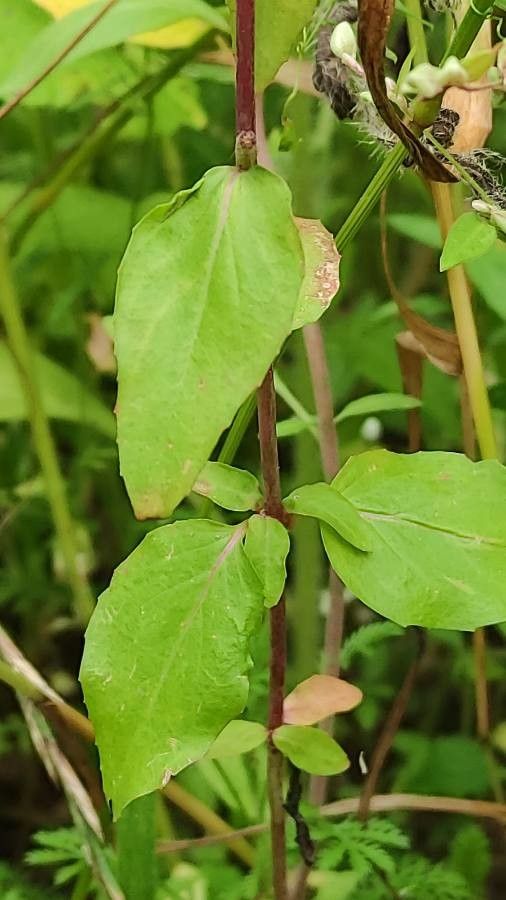
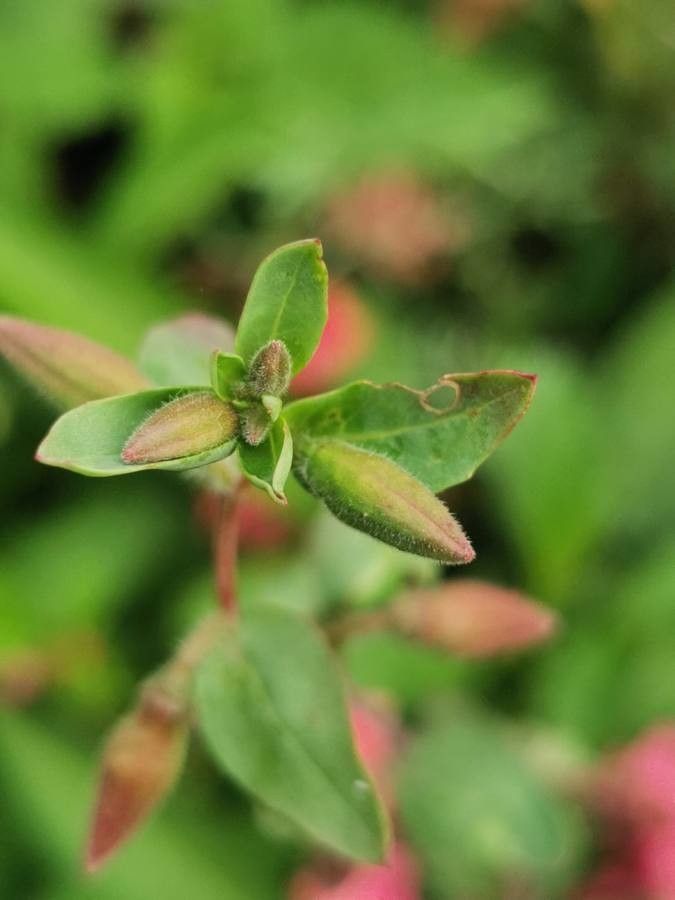
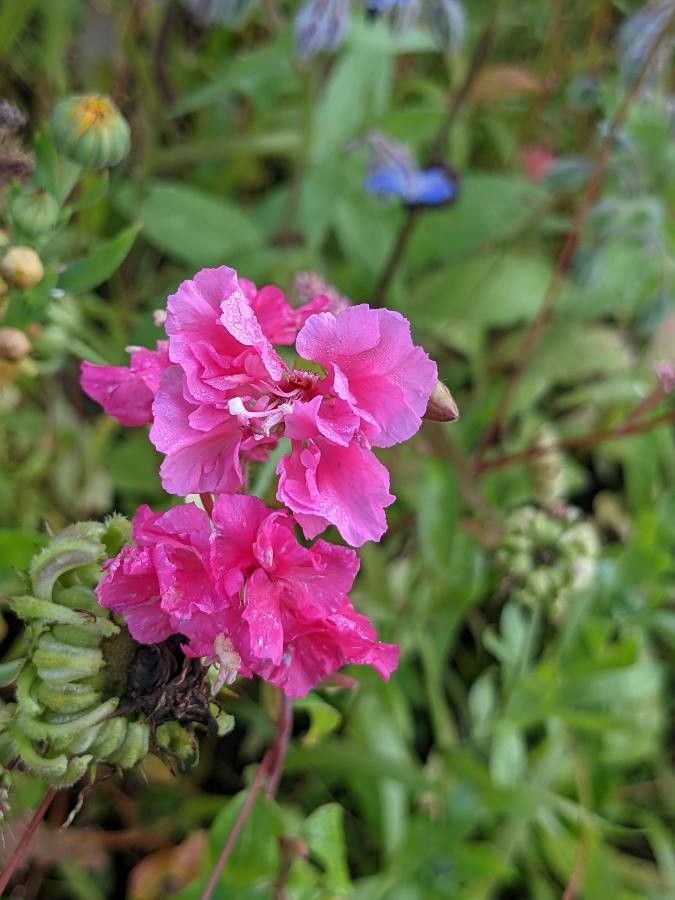
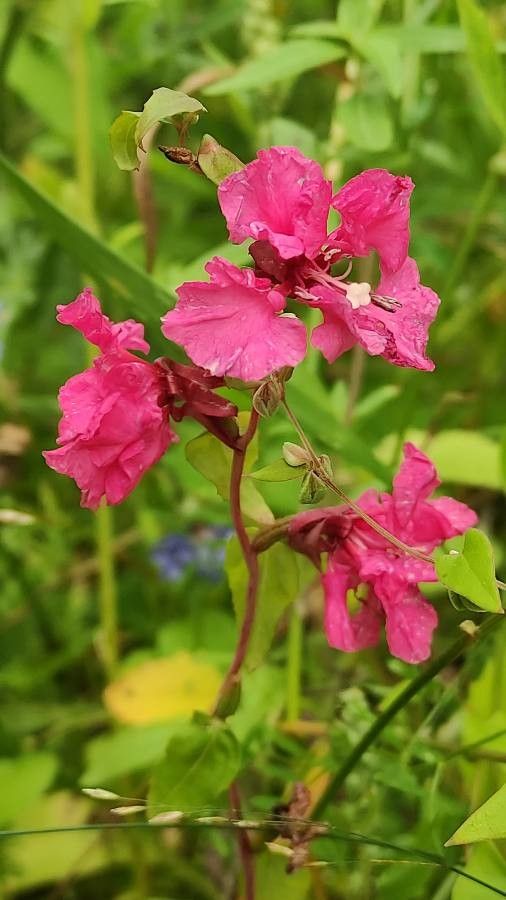
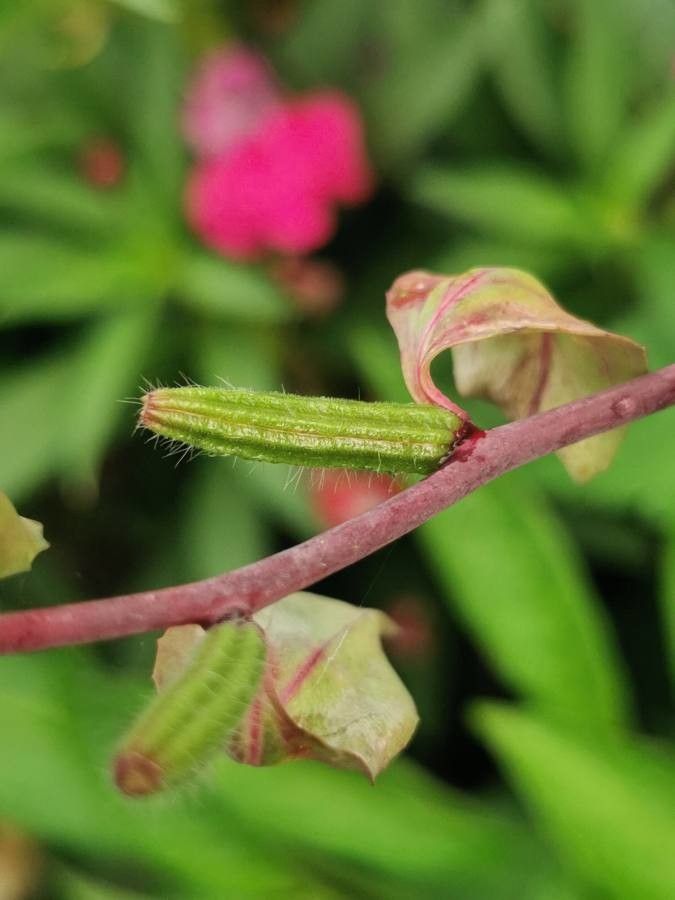
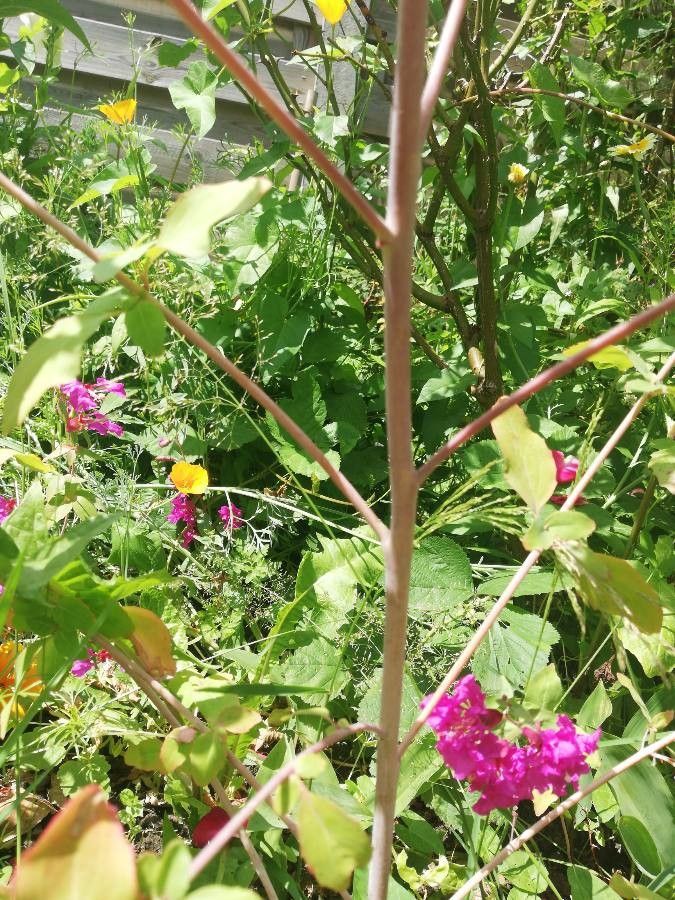
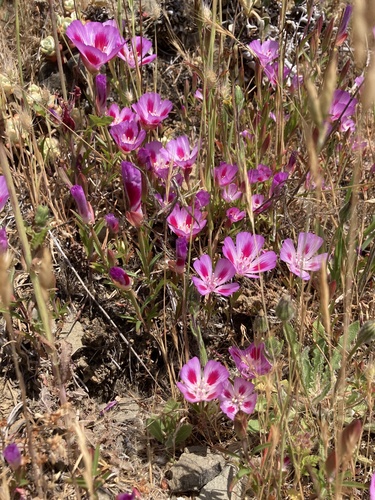
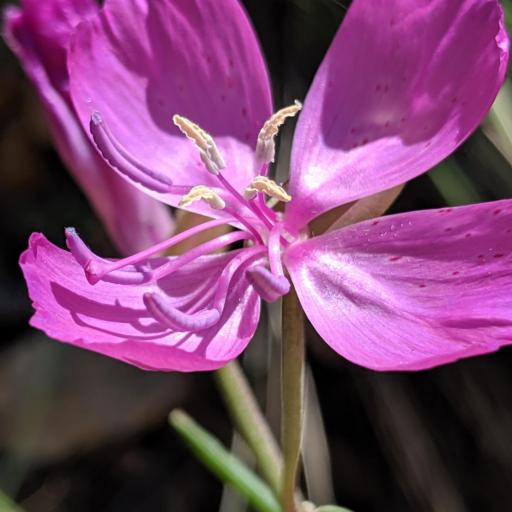
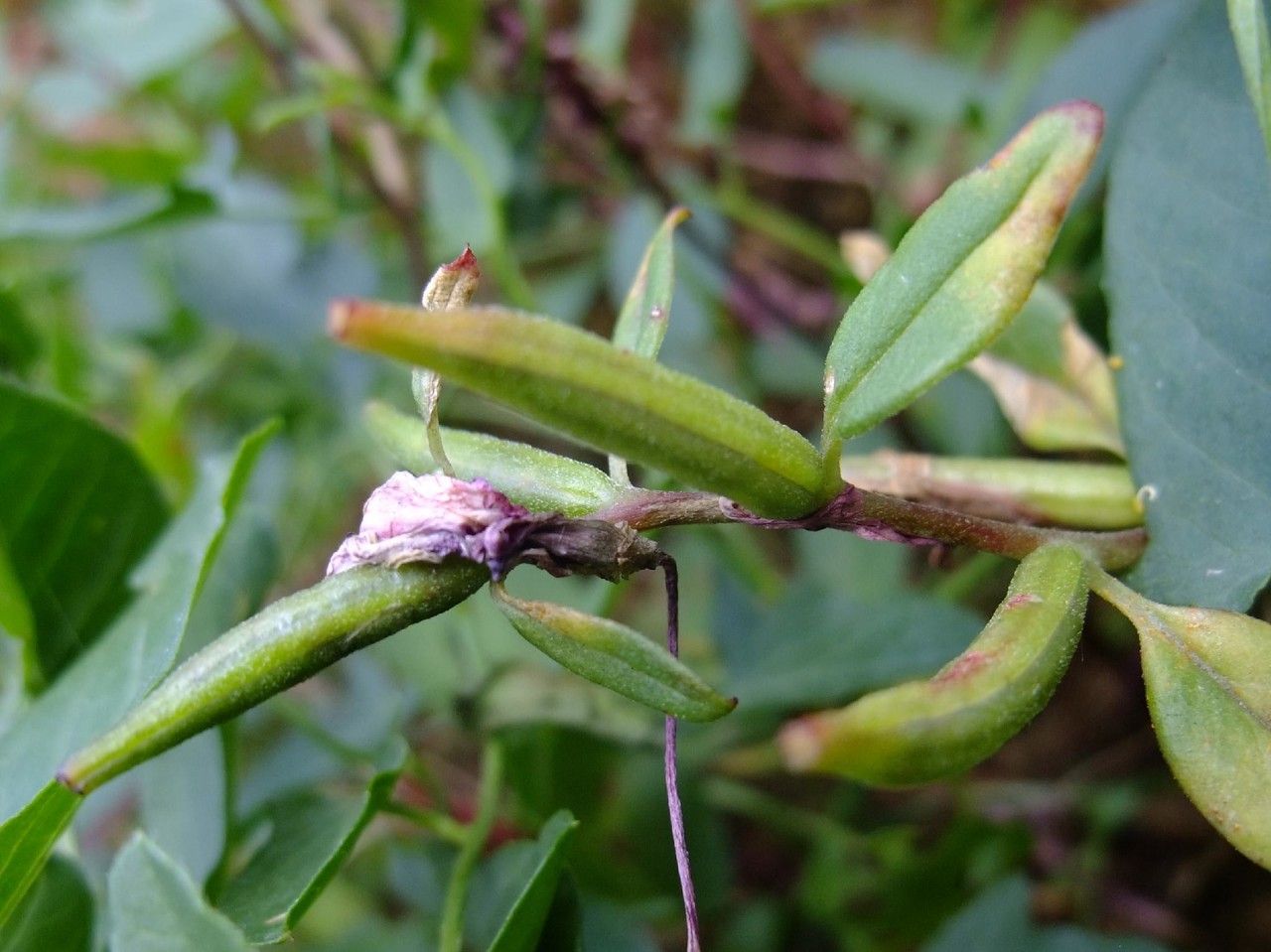
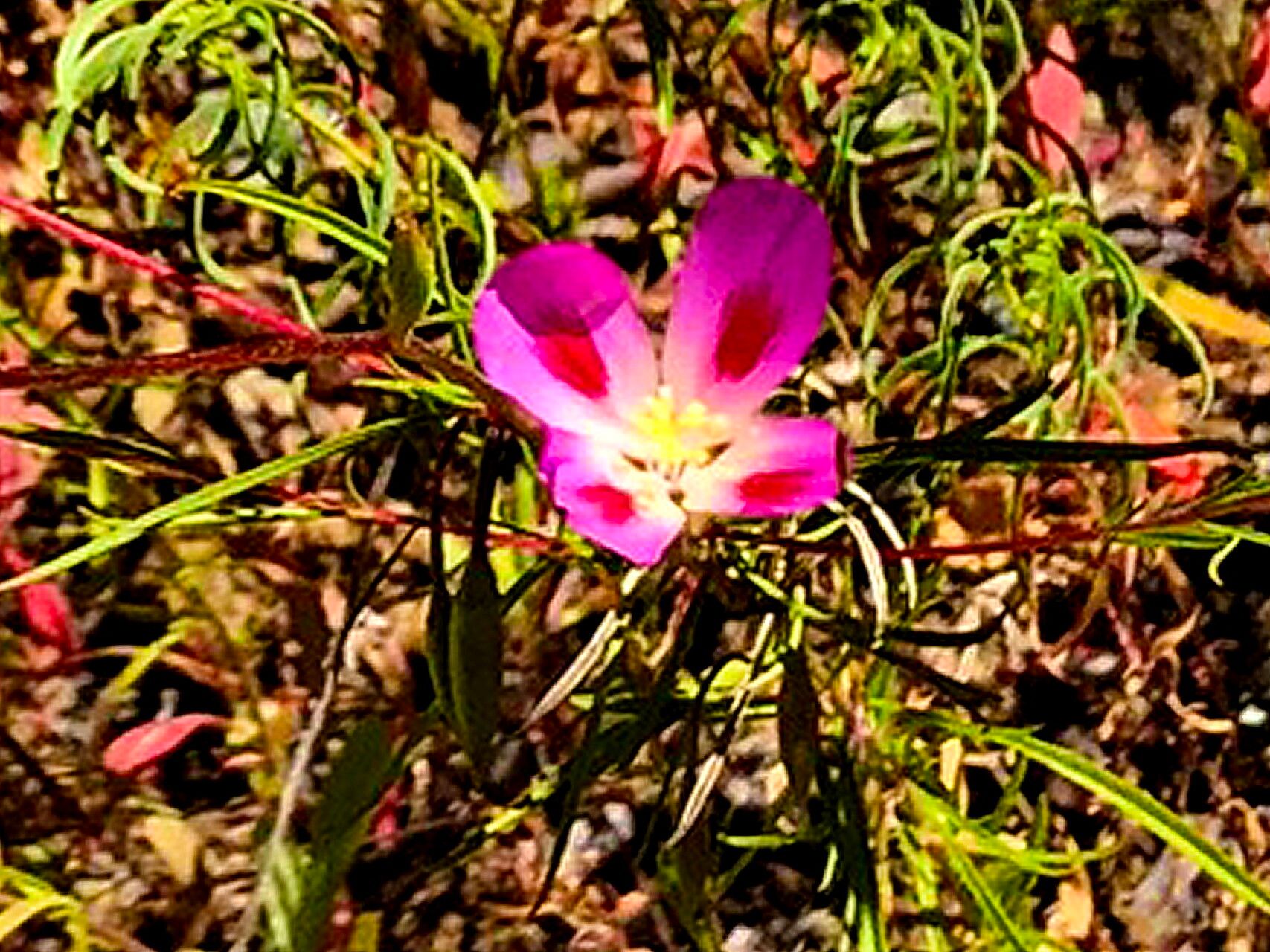
Clarkia unguiculata, commonly known as the elegant clarkia or mountain garland, is a flowering plant native to western North America. It belongs to the Onagraceae family and is an annual herb that can grow up to 60 cm tall. The plant features slender stems and narrow leaves arranged alternately along the stem. The flowers of Clarkia unguiculata are striking, appearing in shades of pink, purple, and white. Each flower has four petals arranged in a cross shape, with a prominent central column of stamens. The blooming period extends from late spring through summer. Clarkia unguiculata thrives in well-drained soils under full sun or partial shade. It naturally grows in meadows, open woods, and along roadsides at elevations up to 2,500 meters. The elegant clarkia is a beautiful addition to any garden or landscape, boasting easy-to-grow characteristics and vibrant blooms. It also provides an important source of nectar for bees and other pollinators during its flowering period. In summary, Clarkia unguiculata is a stunning wildflower that enhances garden color diversity while offering significant ecological benefits for pollinators such as bees.
Elegant clarkia is largely disease-resistant and typically not prone to illnesses. However, it can be vulnerable to pests and diseases present in its surroundings. These infections are usually mild. In terms of care, the plant requires moderate maintenance. It should be pruned regularly to maintain a neat appearance and healthy growth. Fertilizing can also help encourage flowering. Elegant clarkia is suitable for anyone with outdoor space, such as a garden or patio, and does not require extensive care experience. It may need more attention when grown indoors.
How to keep Clarkia Unguiculata.
Light
Elegant clarkia grows best with abundant sunlight, though it also performs well in partly shaded conditions. Native to areas with plentiful sun, the plant's photosynthetic ability and overall health are closely linked to sun exposure. Severe light shortage or excessive light can harm its productivity and healthy characteristics.
Water
The elegant clarkia is native to temperate regions and thrives with moderate watering. It prefers consistent moisture but can tolerate short dry spells. For healthy growth, it is recommended to water it weekly. This is especially important for outdoor clarkia, where rainfall can affect its hydration needs during the growing season, as it is an annual plant.
Temperature
Elegant clarkia can tolerate a broad range of temperatures, but its distribution can still be restricted by different combinations of moisture and heat. It performs best in warm summer conditions with enough rainfall or watering. Extended periods of cloudy, rainy weather and sustained high temperatures raise the risk of Elegant clarkia dying. In winter, adequate protection from cold can increase the plant's chances of survival.
Fertilizer
When Elegant clarkia has opened most of its flowers fully, you should resume fertilizing. Start feeding every three to four weeks, as the weather allows, when the blooms are at their peak. Then, once Elegant clarkia begins to produce fewer new flowers, stop fertilizing; there is no need to feed the plant when it can no longer set more blooms.
Pruning
Elegant clarkia flourishes with its vibrant blooms and greatly benefits from being pruned between early and late spring. To maintain healthy growth, trim 2-3 inches from the stems, remove any spent flowers, and cut back damaged stems after blooming. Regular pruning enhances air circulation, minimizes the risk of disease, and encourages abundant flowering. Remember to sterilize your tools before use to prevent the spread of disease.
Botanical profile.
- Plant Type
- Herb
- Life Cycle
- Annual, Biennial, Perennial
- Genus
- Clarkia
- Family
- Onagraceae
- Hardiness Zone
- 8
- Mature Height
- 61 cm
- Mature Spread
- 10 cm to 49 cm
- Leaf Color
- Green
- Leaf Type
- Deciduous
- Flower Color
- Pink, Lavender, White
- Flower Size
- 1.02 cm to 2.54 cm
- Bloom Time
- Late spring, Early summer, Mid summer
- Planting Time
- Spring
- Harvest Time
- Mid summer
- Native Area
- Mexico
Other names.
Reader questions.
How should I water my Elegant clarkia?
To water Elegant clarkia, you have several options. You can use a garden hose with a spray nozzle, a watering can, or any other common watering tool. The good news is that Elegant clarkia is not too fussy about its water source. It can thrive with rainwater, tap water, or filtered water. However, it's best to avoid watering this plant from above as it can harm the leaves and flowers and even cause disease. In such cases, a drip irrigation system is ideal for watering Elegant clarkia as it distributes water evenly and directly to the soil. For container-grown Elegant clarkia, the same watering technique applies, but you can use a cup, watering can, or simply your tap to water the plant directly into the soil.
Why should I use fertilizer on my Elegant clarkia?
Plants, including Elegant clarkia, require nutrients to survive. This is a common knowledge among gardeners, regardless of experience. Without proper nourishment, Elegant clarkia will die out shortly after pollination. To keep this plant thriving and producing large, beautiful flowers throughout the blooming season, it is essential to provide the right type and amount of nutrients. Fertilizer is particularly beneficial for Elegant clarkia as it helps develop a strong and healthy root system. This is important because the plant's root system is naturally delicate and easily damaged. By fertilizing at planting, Elegant clarkia can establish a sturdy root structure that not only adds stability but also enhances its overall flowering performance. Additionally, when fertilization is timed correctly, it can significantly prolong Elegant clarkia's blooming period.
What are the sunlight requirements for Elegant Clarkia?
Elegant Clarkia requires full sun, which means it needs above 6 hours of sunlight daily, but it can also grow in partial sun, with about 3-6 hours of sunlight. It is vital to observe how sunlight moves through your garden to find the perfect balance of light and shade to ensure the well-being of your plants. In its natural habitat, Elegant Clarkia is accustomed to abundant sunlight, which is crucial for its photosynthesis, health, and growth.
What is the botanical name of Elegant Clarkia?
The botanical name of Elegant Clarkia is Clarkia unguiculata.
What should I do if I give my Elegant clarkia plant too much water or too little water?
Elegant clarkia plants can suffer from both underwatering and overwatering, but the consequences of overwatering can be more severe. To remedy underwatering, simply start watering the plant more regularly when you notice it lacks moisture. On the other hand, overwatering can cause diseases that lead to decline and death. To prevent this, it is important to choose a suitable location for the plant, with ample sunlight for drying the soil and proper drainage to avoid waterlogged soils. If you have overwatered an Elegant clarkia in a pot, it may be necessary to transfer it to a new pot with better drainage and loose soil.
When should I fertilize my Elegant clarkia plant?
Elegant clarkia grows rapidly once the last frost has passed. It's best to fertilize this plant during planting, whether you place it in the ground or in planters. This initial fertilization is enough until the blooms are in full force later in the year. Once the blooms are at their peak, you can start fertilizing again every three to four weeks, depending on the weather. However, when the plant starts producing fewer new blooms, you should stop fertilizing because it won't be able to produce any more.
How does artificial lighting benefit indoor plants and what are the guidelines?
When natural sunlight is not sufficient, especially during winter or in less sunny spaces, artificial lighting provides a vital solution for indoor plants, promoting healthier, faster growth. It's advisable to choose the right type of light, such as LED lights that can mimic the specific wavelengths needed by plants. For full sun plants, 30-50W per square foot is recommended; partial sun plants require 20-30W per square foot, and full shade plants need 10-20W per square foot. The artificial light source should be placed 12-36 inches above the plant to simulate natural sunlight. Most plants will thrive with 8-12 hours of artificial light exposure per day.
How frequently should I water my Elegant clarkia plant?
To keep your Elegant clarkia plant healthy, water it regularly throughout the growing season. In the spring, water it once a week. As the season progresses and it gets warmer, water it two to three times a week. However, be careful not to overwater, as that can harm the plant. Regardless of how often you water, make sure the soil is moist but not too wet. If your Elegant clarkia is in a pot, you'll need to water it more frequently compared to a plant in the ground. Generally, water a potted Elegant clarkia a few times a week, whereas an in-ground plant only needs watering once a week.
When is it not a good idea to fertilize my Elegant clarkia plant?
Regular fertilizing is important for Elegant clarkia, but it is crucial to apply it at the right time. There are situations where holding back fertilizer is necessary, typically linked to climate and other factors that can be controlled. When there is an issue with the plant, soil, or climate, it is best to wait until the problem is resolved and the plant has recovered. For example, if there are sudden and severe changes in the weather, such as a cold snap in the middle of summer, it is advisable to wait for warmer conditions before fertilizing. Similarly, if the soil is too dry or compacted to absorb the fertilizer properly, it is better to hold off fertilizing until the soil can effectively distribute it to the roots. Additionally, it is recommended to avoid applying fertilizer during extreme temperatures, particularly when it is very hot, as high temperatures can break down the fertilizer too quickly. It is also necessary to handle any pest or disease issues and ensure they are resolved before reapplying fertilizer.
What are the signs of inadequate light exposure in Elegant Clarkia?
When Elegant Clarkia doesn't receive enough light, several symptoms may appear: smaller new leaves, leggy or sparse growth, faster leaf drop, delayed or halted growth, lighter-colored new leaves, chlorosis (leaves turning yellow), sunscald, leaf curling or twisting, wilting, and leaf scorching. These signs indicate the plant's struggle with insufficient sunlight, negatively affecting its health and growth.
How much water does my Elegant clarkia plant need?
To figure out how much water to give your Elegant clarkia, there are a few ways to go about it. Some gardeners go by feeling the soil until the first six inches are moist, while others use a set measurement. Generally, it's recommended to give your Elegant clarkia about two gallons of water per week, adjusting depending on the heat and soil dryness. However, be careful not to overwater if your plant needs less. When growing in a container, a different approach is needed. Make sure to moisten all dry layers of soil, either by using your finger to check for moisture or until you see slight excess water draining from the pot's holes.
What kind of fertilizer does my Elegant clarkia plant require?
Most types of Elegant clarkia require a balanced nutrient composition from fertilizer. Specifically, a fertilizer designed for high-yield blooming plants is recommended. Optimal choice is a fertilizer with a higher phosphorus content, indicated by a higher P number in its NPK number (e.g. 10-30-10). Numerous fertilizer brands offer suitable options for blooming plants like Elegant clarkia, providing an easy and hassle-free method of supplying the necessary nutrients. If opting for a pre-mixed fertilizer, carefully adhere to the package instructions to avoid over- or under-fertilization, which can lead to poor growth or complete wilting of the plant.