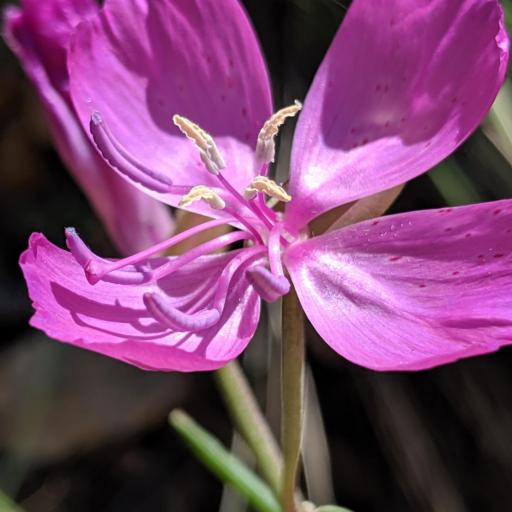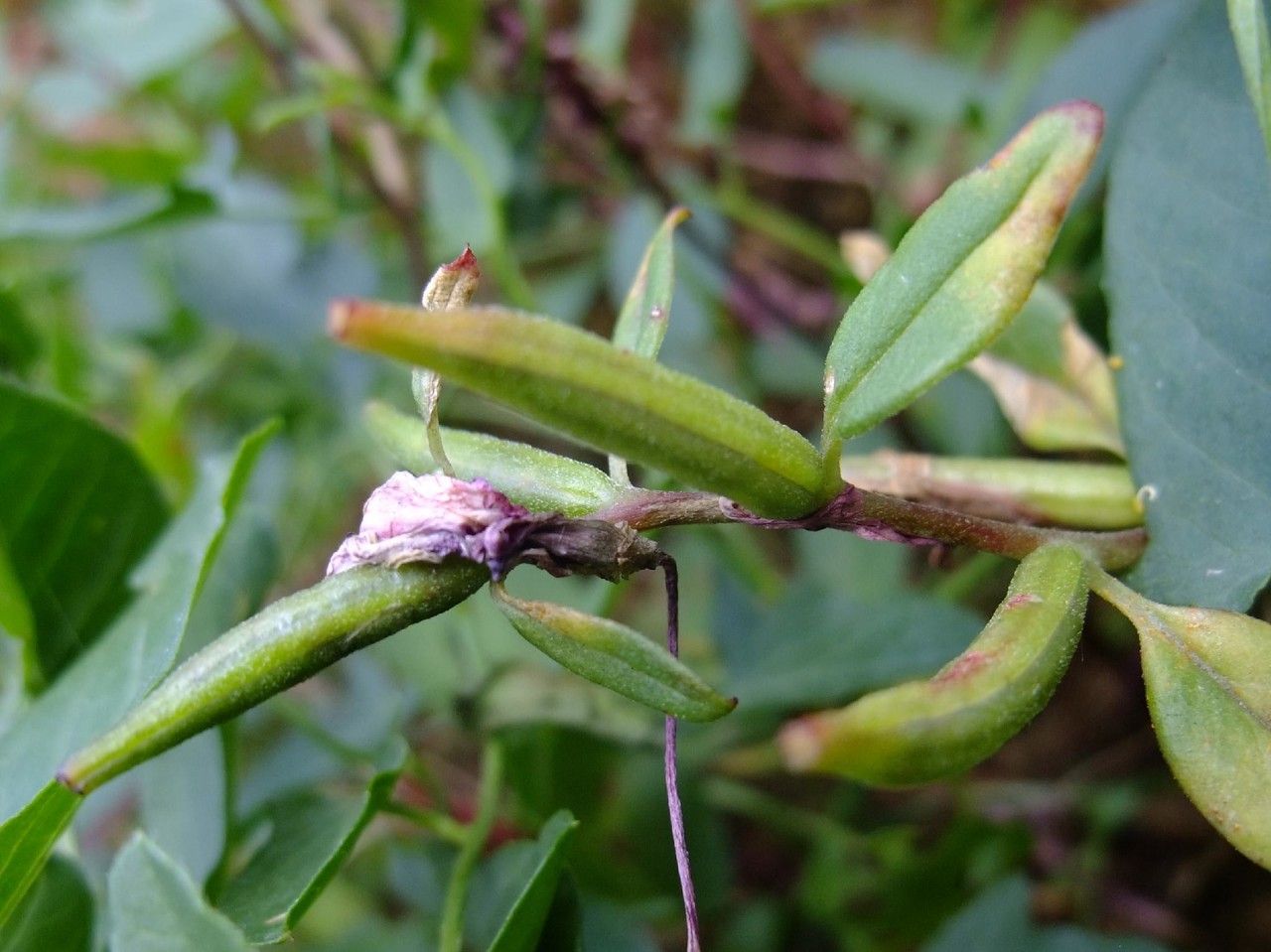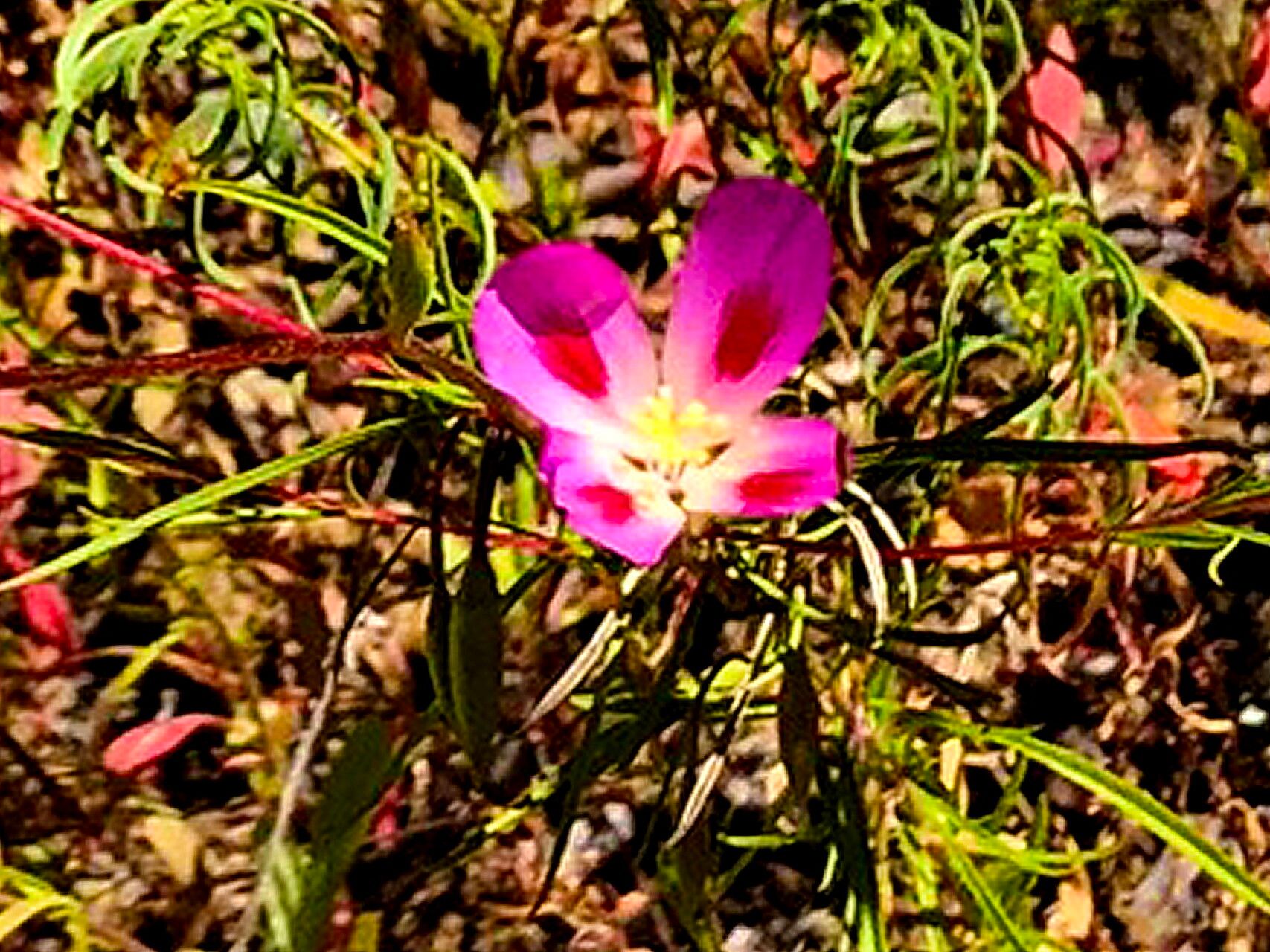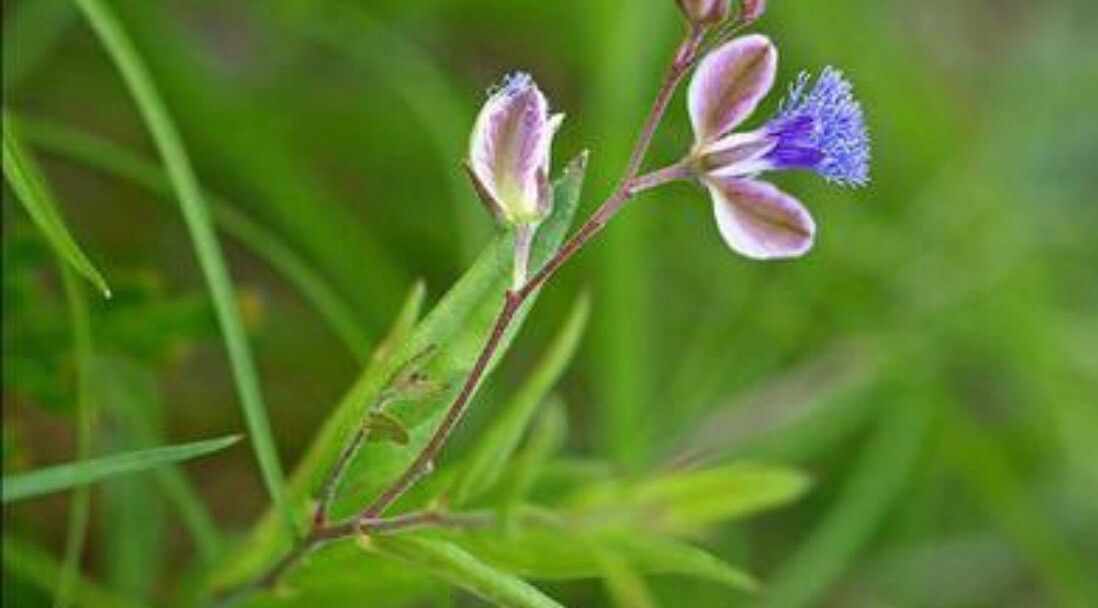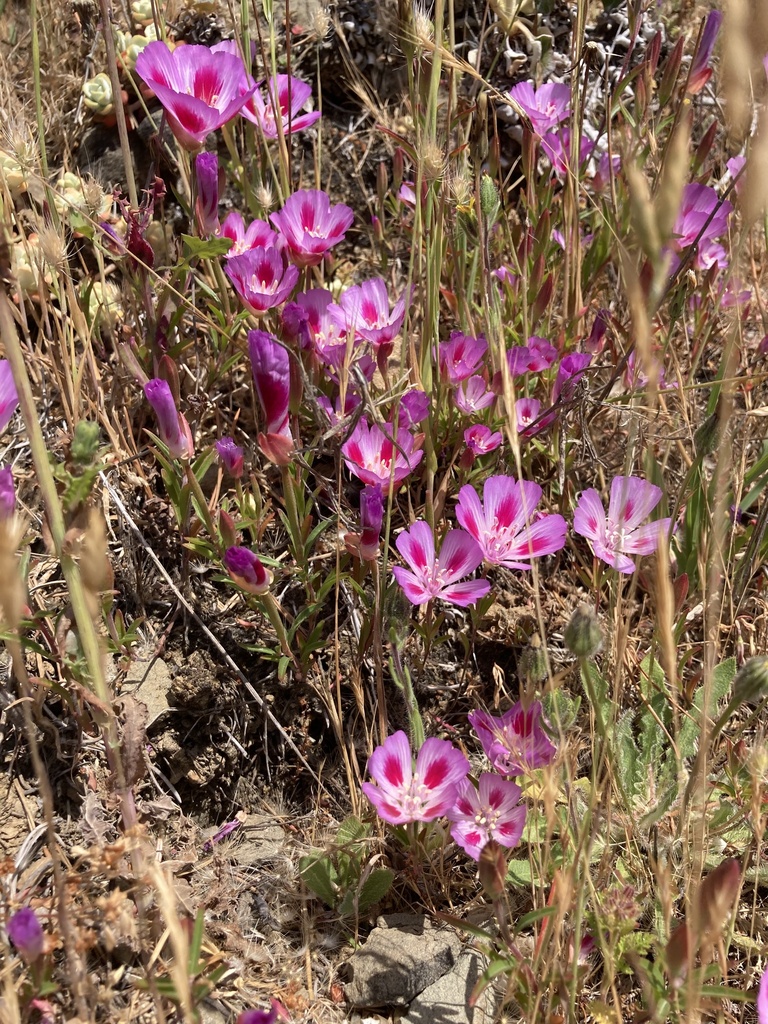
Clarkia amoena, commonly known as Farewell to Spring, is a stunning annual wildflower native to California and Oregon. It belongs to the Onagraceae family and typically grows to a height of 2-3 feet. The plant is known for its showy flowers, which come in shades of pink, red, purple, and white. These flowers have four petals arranged in a cup-like shape with a prominent central column of stamens. Clarkia amoena thrives in full sun but can also tolerate partial shade. It prefers well-drained soils with moderate moisture levels but can adapt to drought conditions once established. Blooming from late spring through summer, this plant attracts various pollinators such as bees, butterflies, and hummingbirds. Farewell to Spring is easy to cultivate and requires minimal maintenance once established. Its ability to self-seed makes it an excellent choice for naturalizing meadows or creating wildflower gardens. In summary, Clarkia amoena is a beautiful annual wildflower native to California and Oregon, featuring showy cup-shaped flowers in shades of pink, red, purple, or white. Blooming from late spring through summer, it attracts bees, butterflies, and hummingbirds. The plant thrives in full sun or partial shade and well-drained soils with moderate moisture levels. Easy to grow and requiring minimal maintenance, Clarkia amoena is ideal for naturalizing meadows or wildflower gardens due to its self-seeding nature.
Farewell to Spring: As its evocative name suggests, "Farewell to Spring" (Clarkia amoena) blooms at the end of spring, marking the transition between seasons. The genus name, Clarkia, honors William Clark of the Lewis and Clark Expedition.
Botanical profile.
- Plant Type
- Herb
- Life Cycle
- Annual, Biennial, Perennial
- Genus
- Clarkia
- Family
- Onagraceae
- Hardiness Zone
- 5-9
- Mature Height
- 15 cm to 91 cm
- Mature Spread
- 25 cm to 30 cm
- Leaf Color
- Green, Gray
- Leaf Type
- Deciduous
- Flower Color
- Pink, White, Purple, Red
- Flower Size
- 3.05 cm to 5.08 cm
- Bloom Time
- Late spring, Early summer, Mid summer
- Planting Time
- Spring, Summer
- Harvest Time
- Mid summer
- Native Area
- West Coast of North America