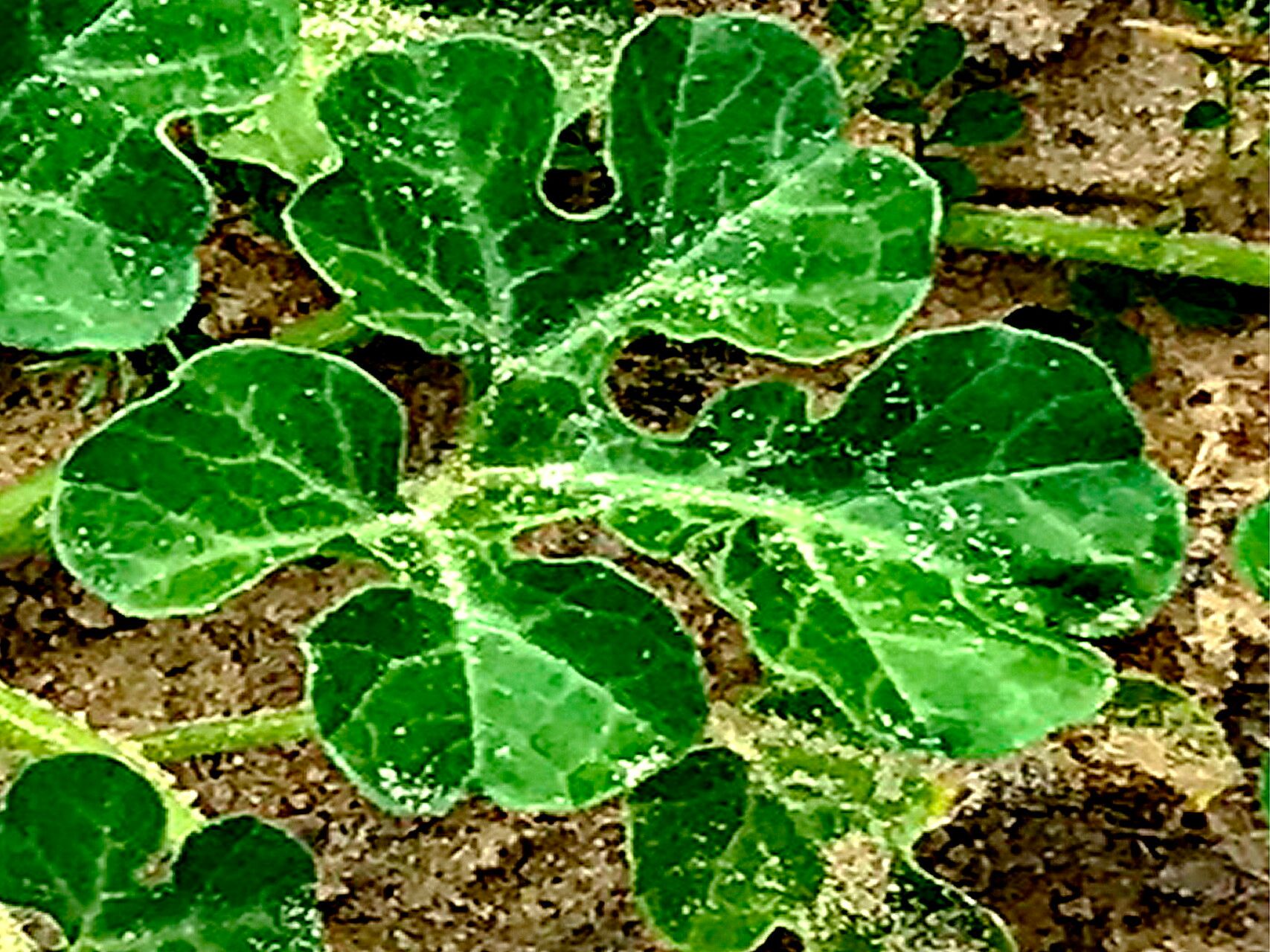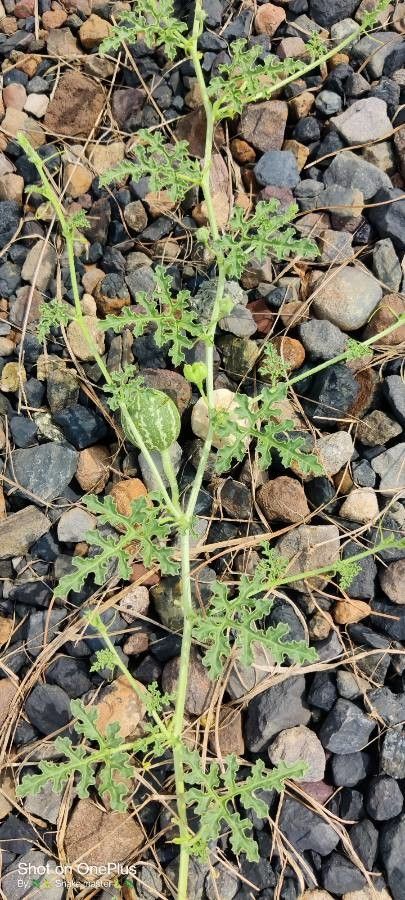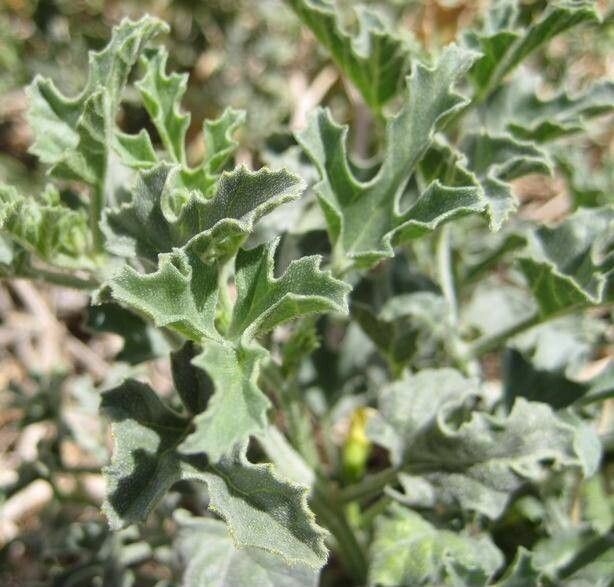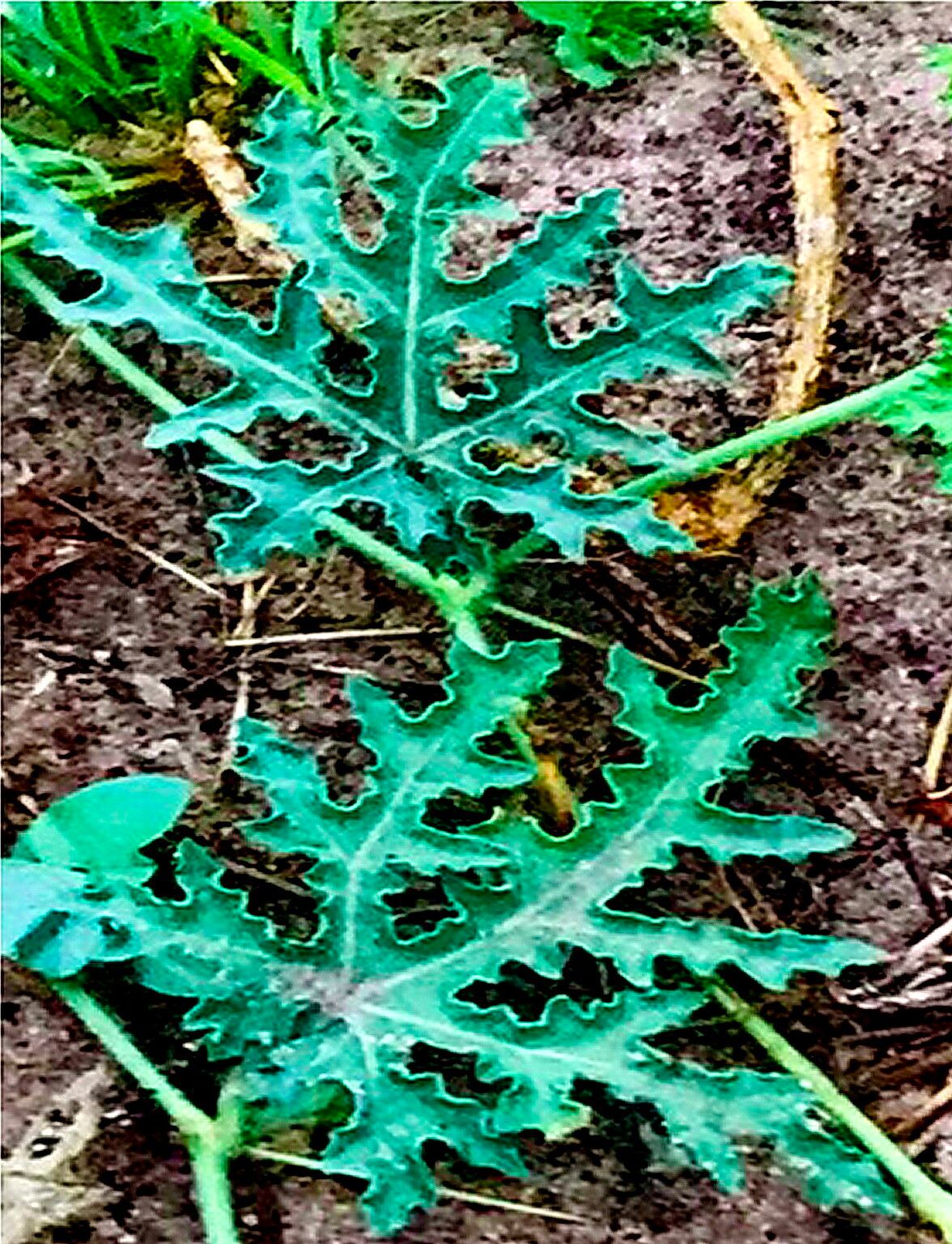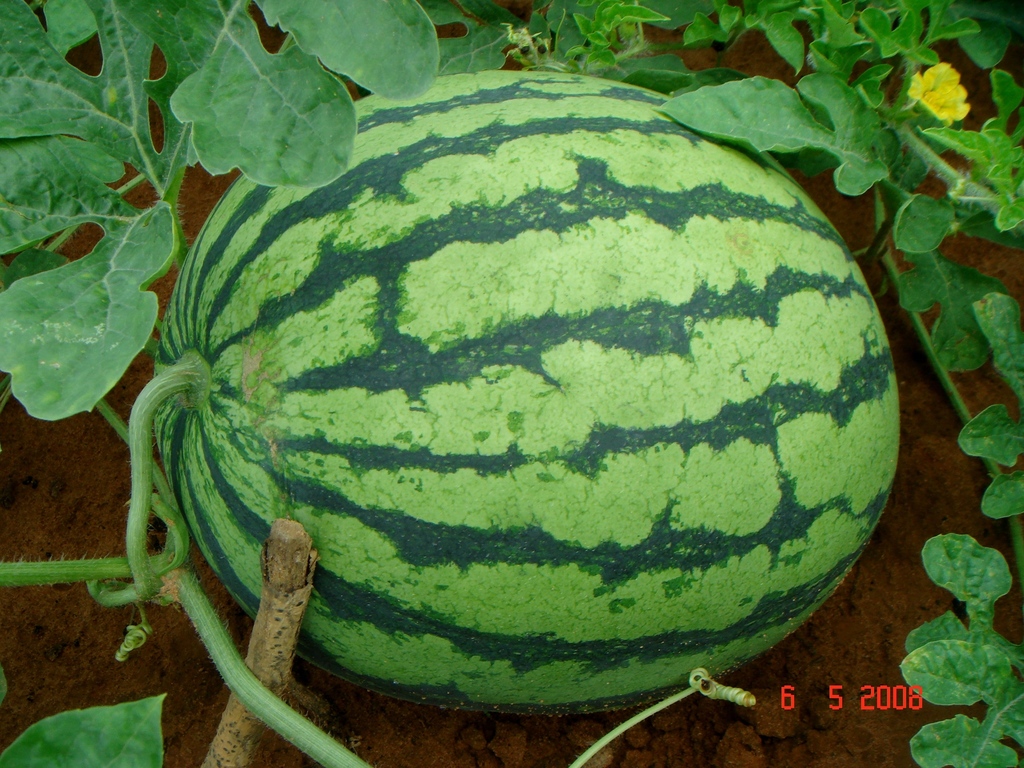
Watermelon (Citrullus lanatus) is a flowering plant species of the Cucurbitaceae family and the name of its edible fruit. A scrambling and trailing vine-like plant, it is a highly cultivated fruit worldwide, with more than 1,000 varieties. Watermelon is grown in favorable climates from tropical to temperate regions worldwide for its large edible fruit, which is a berry with a hard rind and no internal divisions, and is botanically called a pepo. The sweet, juicy flesh is usually deep red to pink, with many black seeds, although seedless varieties exist. The fruit can be eaten raw or pickled, and the rind is edible after cooking. It may also be consumed as a juice or an ingredient in mixed beverages. Kordofan melons from Sudan are the closest relatives and may be progenitors of modern, cultivated watermelons. Wild watermelon seeds were found in Uan Muhuggiag, a prehistoric site in Libya that dates to approximately 3500 BC. Watermelons were domesticated in north-east Africa, and cultivated in Egypt by 2000 BC, although they were not the sweet modern variety. Sweet dessert watermelons spread across the Mediterranean world during Roman times.Considerable breeding effort has developed disease-resistant varieties. Many cultivars are available that produce mature fruit within 100 days of planting. In 2017, China produced about two-thirds of the world's total of watermelons.
Watermelon: In the heat of summer, one of the best ways to stay hydrated is by eating watermelon. True to its name, this fruit is composed of 91% water. Having been cultivated for thousands of years, watermelon remains one of the most popular fruits today.
Watermelon generally has strong disease resistance and is not usually prone to illnesses. Still, it can be affected by pests and diseases present in its environment. Such infections are typically not severe. Regarding care, this plant needs moderate maintenance. It should be pruned regularly to keep a good appearance and support healthy growth. Applying fertilizer can also help encourage flowering. Watermelon is appropriate for anyone with outdoor space, like a garden or patio, and does not demand extensive care experience. It may require more attention when grown indoors.
How to keep Citrullus Lanatus.
Light
Watermelon grows best in places that receive abundant sunlight during the day. This helps promote vigorous growth. Both as a seedling and as a mature plant it benefits from plenty of sun. Its natural habitat has ample sunshine. If it is denied this light, it may show stunted growth and poor fruit development. Conversely, too much intense sun can scorch the leaves.
Water
Watermelon, originally from arid regions, is naturally drought-tolerant because it can store water effectively. It thrives in dry conditions and requires minimal watering—ideally just twice a week. Watermelon grows best outdoors and benefits from the warm-season rains, which help maintain its water cycle and reduce the need for additional irrigation.
Humidity
This plant will thrive in moderate humidity, which is probably the level in your home. However, misting it a few times a week can be very beneficial. Make sure the room has good ventilation.
Temperature
Watermelon is indigenous to areas where temperatures range from 68 to 100 °F (20 to 38 ℃). It favors warmer climates and achieves its best growth within that temperature window. Care practices may need to be modified if temperatures drop below 68 °F (20 ℃) or climb above 100 °F (38 ℃).
Fertilizer
Watermelon plants need adequate nutrients to achieve optimal fruit production. Fertilize in early spring to support new growth and flower development. Regular fertilization keeps the plant healthy, encourages tastier fruit, and prevents nutrient deficiency problems such as yellowing leaves and poor fruit production.
Pruning
Watermelon is a vine that produces large, sweet fruit. Pruning involves removing lateral vines, trimming foliage, and snipping off small fruits. The best time to prune is from early to late spring, during the plant’s active growth phase. Pruning at this time improves air circulation, reduces the risk of disease, and enhances fruit quality.
Toxicity
Yellow watermelons are non-toxic. In fact, their fruits provide many health benefits for both humans and pets. It’s best to take precautions by removing the seeds and rind to prevent gastrointestinal blockage, especially in dogs and cats. Avoid ingesting any of the plant's leaves, roots, or stems. Large quantities of these parts can be mildly toxic, causing gastrointestinal pain.
Further reading →
The toxicity and danger assessments provided are for reference only. We do not assure their accuracy, so it's crucial not to depend on them. Seek professional advice when necessary for accurate guidance.
Botanical profile.
- Plant Type
- Vine, Herb
- Life Cycle
- Annual
- Genus
- Citrullus
- Family
- Cucurbitaceae
- Hardiness Zone
- 5-11
- Mature Height
- 49 cm
- Mature Spread
- 2.13 m
- Leaf Color
- Green
- Leaf Type
- Deciduous
- Flower Color
- Yellow
- Flower Size
- 0.51 cm
- Bloom Time
- Late spring, Early summer
- Planting Time
- Spring, Summer
- Harvest Time
- Mid summer
- Native Area
- Somalia, Eritrea, Ethiopia
Other names.
Reader questions.
When Should I Water My Watermelon?
Timely watering is crucial for watermelon's health and growth, as it supports essential biological processes like photosynthesis and respiration. Observing the plant's leaves is a primary method; they should be vibrant and firm when well-hydrated but may wilt and appear dull if the plant needs water. The soil's top layer should feel dry before additional watering is done, ideally checked by inserting a finger 2-3 inches into the soil. The appearance of the fruit also serves as an indicator; under-watered watermelons produce dull and bitter-tasting fruits. Be mindful of watering schedules as both under and over-watering can pose risks to the plant, such as root rot or wilting.
Why should I put fertilizer on my watermelon?
Plants need nutrients to grow, especially fast-growing plants like Watermelons. If the soil is not regularly fertilized, it can become depleted of these nutrients, which can lead to various problems for the plant. One common issue is yellow leaves, but foliage can also develop other issues such as a reddish color, shape deformities, withered tips, or even large portions of the plant dying back. Some nutrient deficiencies can also affect the bark, slowing growth, hindering shoot development, and reducing fruit production. Therefore, it is important to regularly fertilize Watermelon plants to ensure they stay healthy and produce delicious fruit.
What are the sunlight requirements for watermelon (Citrullus lanatus)?
Watermelon requires full sun, meaning it should receive above 6 hours of sunlight daily, although it can also thrive in partial sun, with about 3-6 hours of sunlight. It's crucial to watch how sunlight moves through your garden to find spots that offer a perfect balance of light and shade, ensuring the plants' growth and happiness.
What is the optimal temperature range for growing watermelons?
Watermelons are native to warmer climates and prefer temperatures between 68°F (20°C) and 100°F (38°C) for optimal growth. When temperatures fall outside this range, certain adjustments in care may be necessary to maintain the health of the plant.
How Should I Water My Watermelon?
Watermelon roots, sensitive to overwatering, thrive with deep watering methods that encourage deeper root growth and better drought resilience. Utilize a long-spouted watering can to target the base, avoiding foliage to prevent disease. Drip irrigation or soaker hoses are recommended for their efficiency in delivering water directly to the root zone with minimal waste. Avoid shallow watering and wetting the foliage, as these practices can promote root diseases and fungal growth. For precise watering, consider using a moisture meter, which helps in avoiding overwatering by measuring soil moisture levels accurately.
When should I fertilize my watermelon for optimal results?
The best time to fertilize your watermelon plant is in early spring, before the buds appear. During this time, the plant is coming out of its winter dormancy and using its stored reserves to grow new shoots. To support the development of blooms, it requires a lot of energy. Fertilizing about 2 to 4 weeks before you expect it to bloom gives the nutrients enough time to penetrate the soil and be absorbed by the plant. It's possible to continue fertilizing during spring, but it's not recommended to fertilize in autumn. This is because excessive foliage growth in late season can make the leaves vulnerable to damage during winter.
Why is full sunlight important for watermelon's growth?
Full sunlight is essential for watermelon's growth because it ensures the plant receives ample sun throughout the day, contributing to robust growth. Both as a seedling and as a mature plant, watermelon benefits significantly from a sunny environment. A lack of natural light can result in stunted growth and poor fruit development, while excessive sun exposure can cause leaf scorching.
Do watermelons need special frost protection during winter?
Watermelons have strong cold resistance and usually do not require special frost protection measures during winter. However, if temperatures are expected to drop below -25°C, it is important to provide cold protection by wrapping the trunk and branches with materials such as non-woven fabric or cloth. Additionally, watering the plant abundantly before the first freeze in autumn helps the soil remain moist and prevents drought and water scarcity during winter and early spring.
How Much Water Does Watermelon Really Need?
Watermelon, originating from regions with high rainfall, demands generous watering reflecting its native climate. The exact amount varies by factors like the plant's size and the soil conditions but generally falls around 4 to 6 liters per mature plant per watering session. Proper hydration is indicated by vibrant leaves, firm stems, and an evenly moist soil that is well-drained. Signs of inappropriate watering include wilting leaves (underwatering) or yellow leaves and mold on the soil (overwatering), which can lead to issues like nutrient deficiencies or root diseases. It's essential to maintain a balanced watering schedule and allow the soil to slightly dry between sessions for optimal growth.
When is it best not to add fertilizer to my watermelon plants?
Here are some tips to follow when fertilizing Watermelon: - In the first year of growth, it's best to avoid fertilizing altogether. Only provide fertilizer if necessary and be cautious about it. - If you pruned 20% or more of the plant the previous year, do not fertilize. - Avoid fertilizing diseased or damaged plants as it can cause more harm than good. Address the root cause of the issue first. - Do not fertilize after the peak of summer as it can cause excessive growth before winter. - During hot and dry times of the year, refrain from fertilizing Watermelon as dry soil is not effective at delivering fertilizer and can lead to increased growth that requires more water. - It is advisable to fertilize during earlier seasons when temperatures are cooler. - Be careful not to accidentally give nearby plants or lawns a double dose of fertilizer, as Watermelon can absorb it.
How can artificial lighting be used for watermelon plants?
Artificial lighting is a viable solution for indoor watermelon plants when natural sunlight is insufficient, especially in winter or less sunny spaces. LED lights, which can be customized to provide specific wavelengths, are popular. Full sun plants require 30-50W/sq ft, partial sun plants need 20-30W/sq ft, and full shade plants need 10-20W/sq ft of artificial light. The light source should be placed 12-36 inches above the plant to mimic natural sunlight, and most plants need 8-12 hours of light per day.
How do low temperatures affect watermelons, and what are the solutions?
Watermelon plants are cold-tolerant and thrive best when temperatures are above 20°C. In winter, it's crucial to keep them above 0°C. When temperatures plummet below -25°C, the branches may become brittle and dry during spring, and no new shoots will emerge. To mitigate these effects, prune any dead branches that have failed to produce new leaves in the spring.