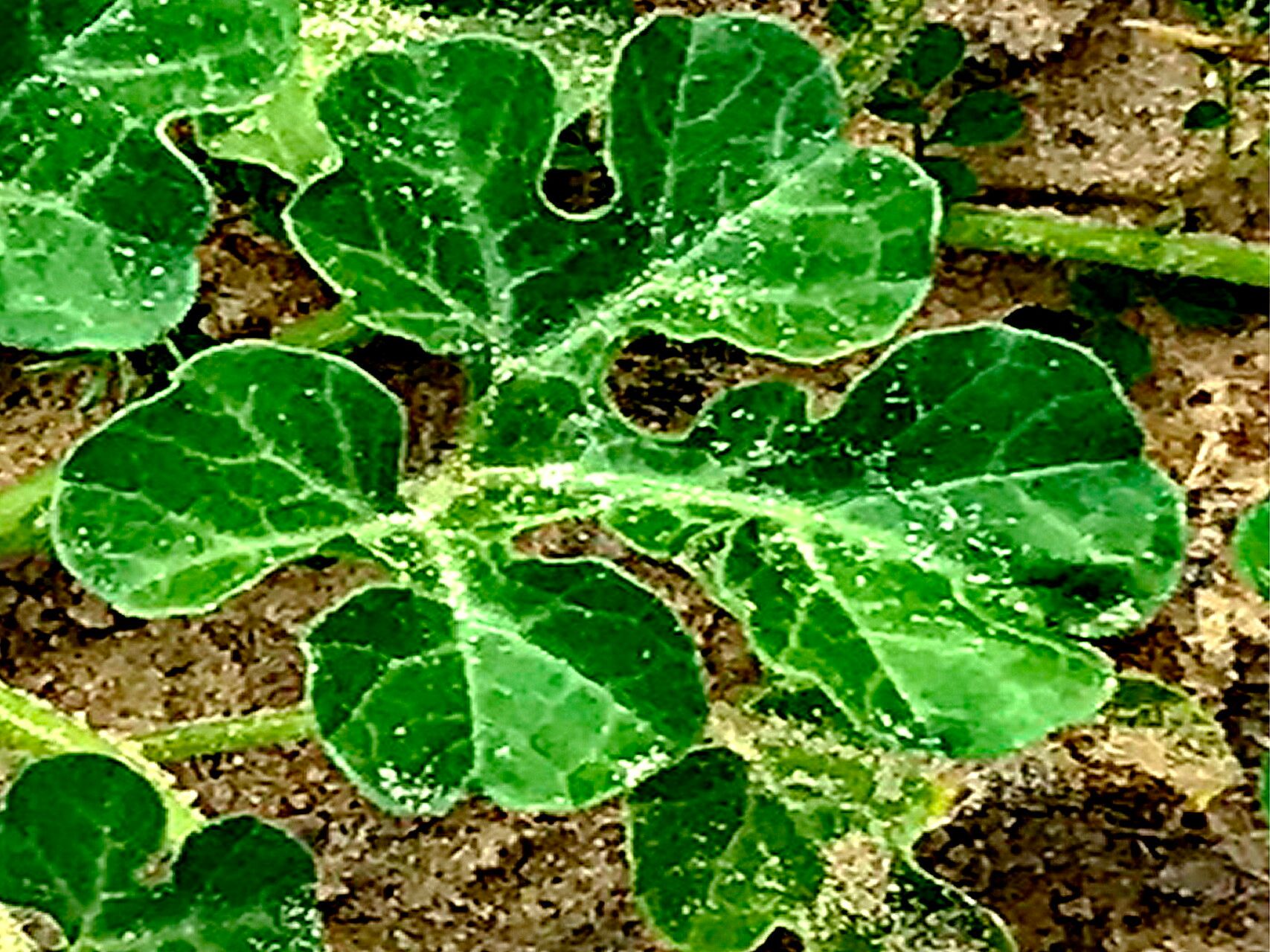
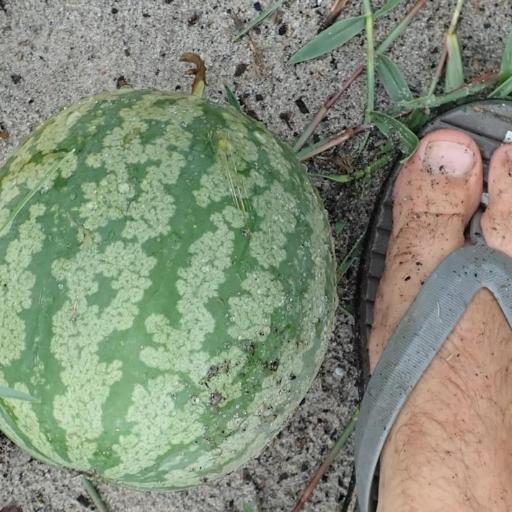
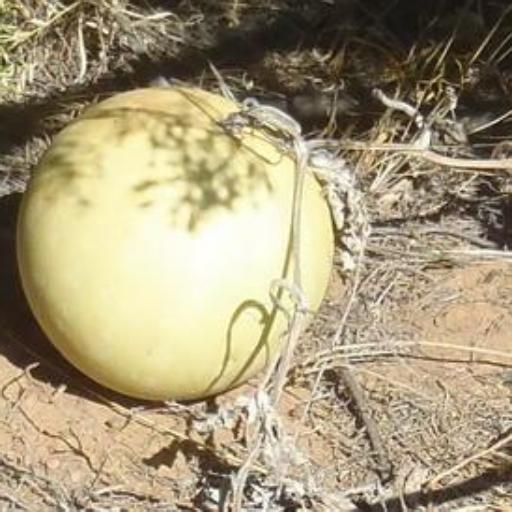
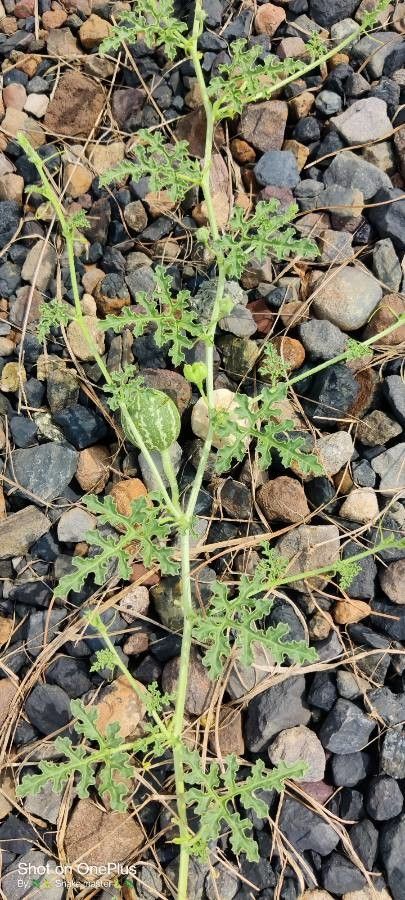
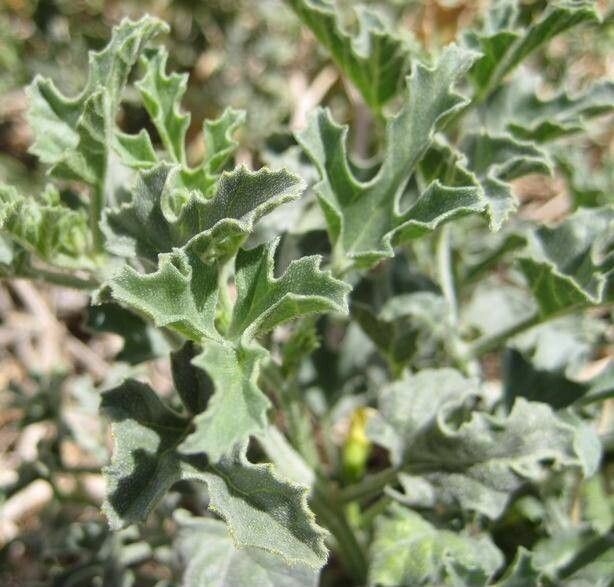
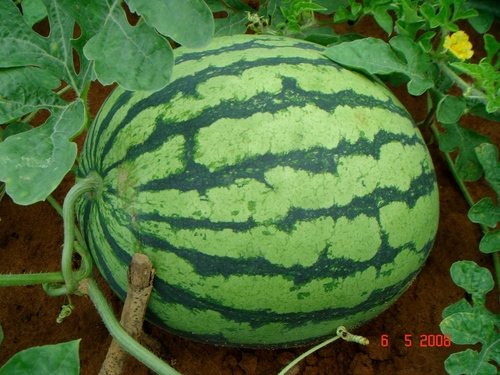
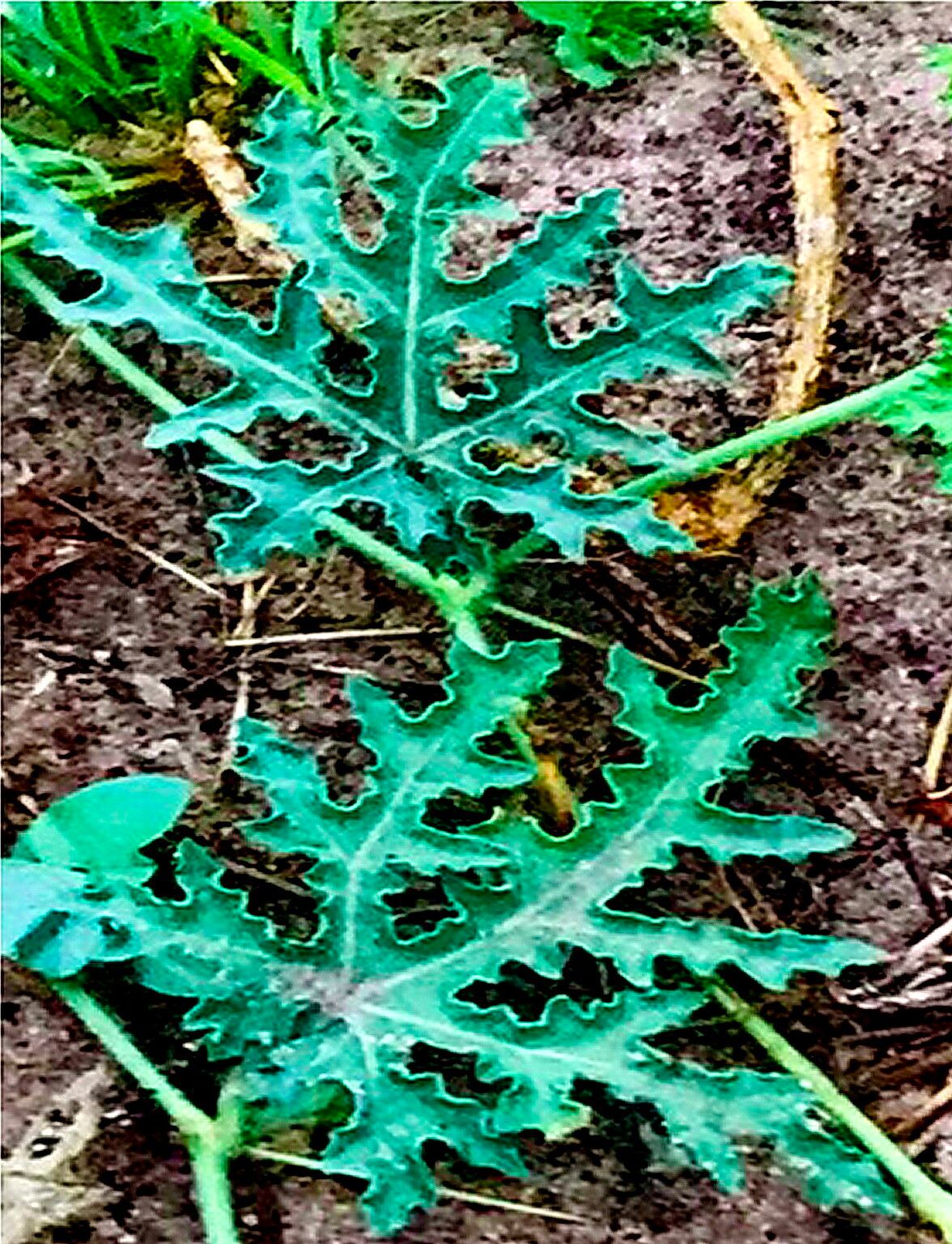
The citron melon (Citrullus caffer), also called Citrullus lanatus var. citroides and Citrullus amarus, fodder melon, preserving melon, red-seeded citron, jam melon, stock melon, Kalahari melon or tsamma melon, is a relative of the watermelon. It is in the family Cucurbitaceae which consists of various squashes, melons, and gourds. Native to arid landscapes of sub Saharan Africa, it has been a wild source of nutrition and hydration for humans for an extraordinarily long time. Its fruit has a hard white flesh, rendering it less likely to be eaten raw in modern times; more often it is pickled or used to make fruit preserves, and is used for cattle feed. It is especially useful for fruit preserves, because it has a high pectin content.
Watermelon generally has strong disease resistance and is not usually prone to illnesses. Still, it can be affected by pests and diseases present in its environment. Such infections are typically not severe. Regarding care, this plant needs moderate maintenance. It should be pruned regularly to keep a good appearance and support healthy growth. Applying fertilizer can also help encourage flowering. Watermelon is appropriate for anyone with outdoor space, like a garden or patio, and does not demand extensive care experience. It may require more attention when grown indoors.
How to keep Citrullus Amarus.
Light
Watermelon grows best in places that receive abundant sunlight during the day. This helps promote vigorous growth. Both as a seedling and as a mature plant it benefits from plenty of sun. Its natural habitat has ample sunshine. If it is denied this light, it may show stunted growth and poor fruit development. Conversely, too much intense sun can scorch the leaves.
Temperature
Watermelon is indigenous to areas where temperatures range from 68 to 100 °F (20 to 38 ℃). It favors warmer climates and achieves its best growth within that temperature window. Care practices may need to be modified if temperatures drop below 68 °F (20 ℃) or climb above 100 °F (38 ℃).
Fertilizer
Watermelon plants need adequate nutrients to achieve optimal fruit production. Fertilize in early spring to support new growth and flower development. Regular fertilization keeps the plant healthy, encourages tastier fruit, and prevents nutrient deficiency problems such as yellowing leaves and poor fruit production.
Botanical profile.
- Plant Type
- Vine, Herb
- Life Cycle
- Annual
- Genus
- Citrullus
- Family
- Cucurbitaceae
- Hardiness Zone
- 5-11
- Mature Height
- 49 cm
- Mature Spread
- 2.13 m
- Leaf Color
- Green
- Leaf Type
- Deciduous
- Flower Color
- Yellow
- Flower Size
- 0.51 cm
- Bloom Time
- Late spring, Early summer
- Planting Time
- Spring, Summer
- Harvest Time
- Mid summer
- Native Area
- Somalia, Eritrea, Ethiopia
Other names.